

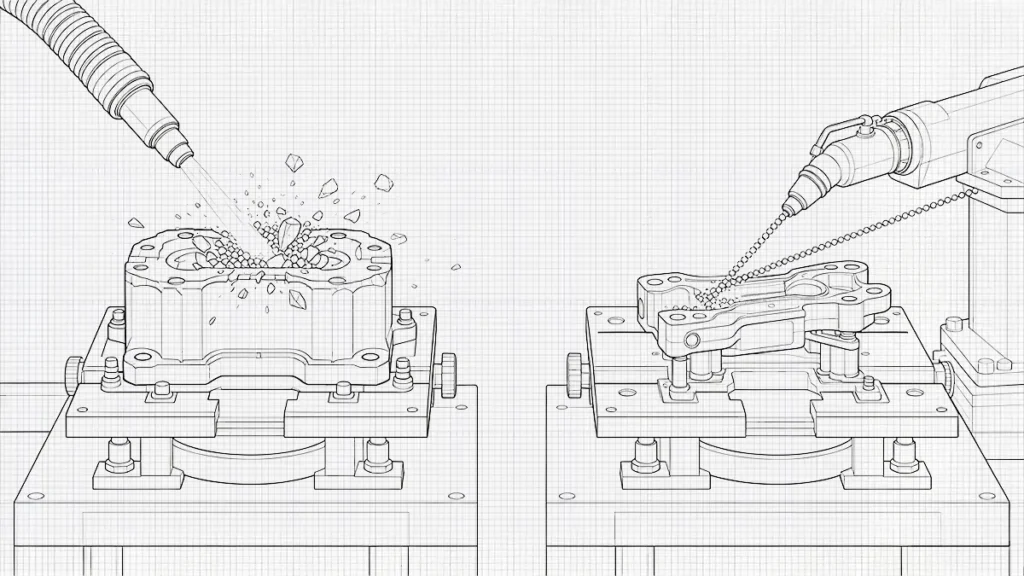
Beim Druckguss, Schweißen oder bei der mechanischen Bearbeitung können sich Ablagerungen und Oxidationsrückstände auf dem Bauteil ansammeln. Werden diese Oberflächenmängel nicht beseitigt, kann dies die Oberflächenqualität des Bauteils beeinträchtigen. Eine von Ingenieuren häufig eingesetzte Technik zur Entfernung dieser Ablagerungen ist das Strahlen.
Je nach Kosten, gewünschter Oberflächenbeschaffenheit und dem zu bearbeitenden Material stehen verschiedene Strahlverfahren zur Auswahl. Unabhängig davon, für welches Verfahren man sich entscheidet, hängt die letztendlich erzielte Oberflächenstruktur jedoch von verschiedenen Faktoren ab, wie beispielsweise dem Grundwerkstoff, der Geometrie und Größe, dem Auftreffwinkel sowie dem Strahldruck. Dieser Leitfaden bietet einen Überblick über das Sandstrahlen und das Perlstrahlen sowie darüber, wie diese Verfahren die Oberflächenrauheit von Metall verändern.
Was ist Strahlen?
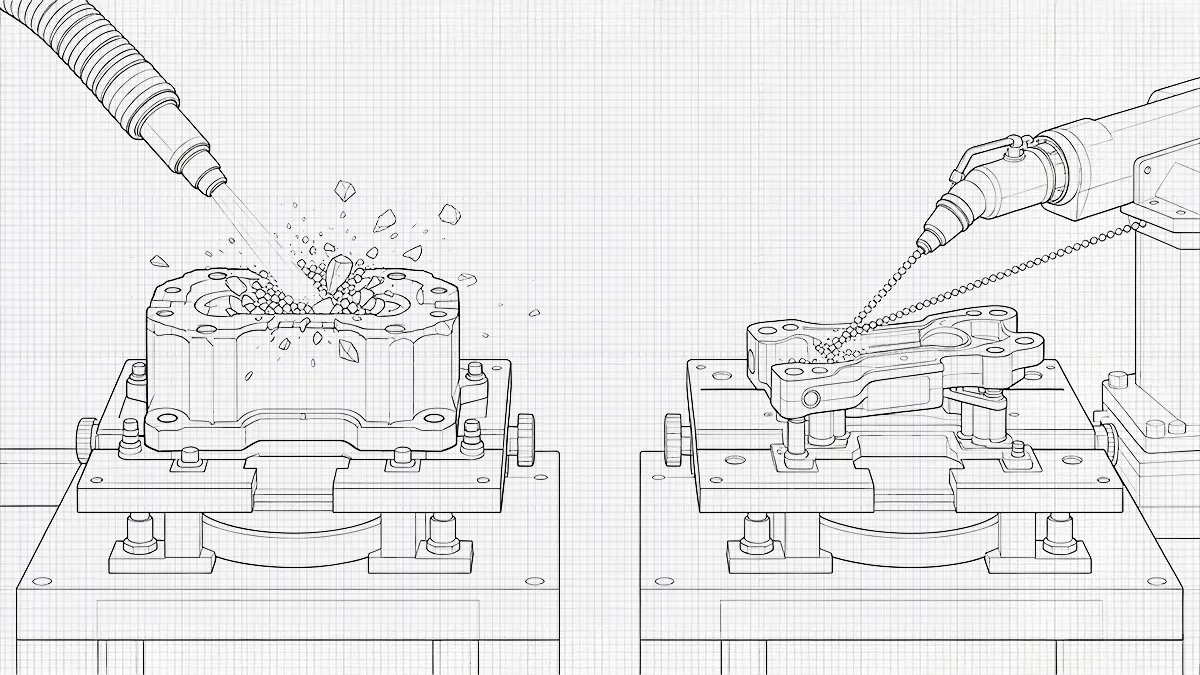
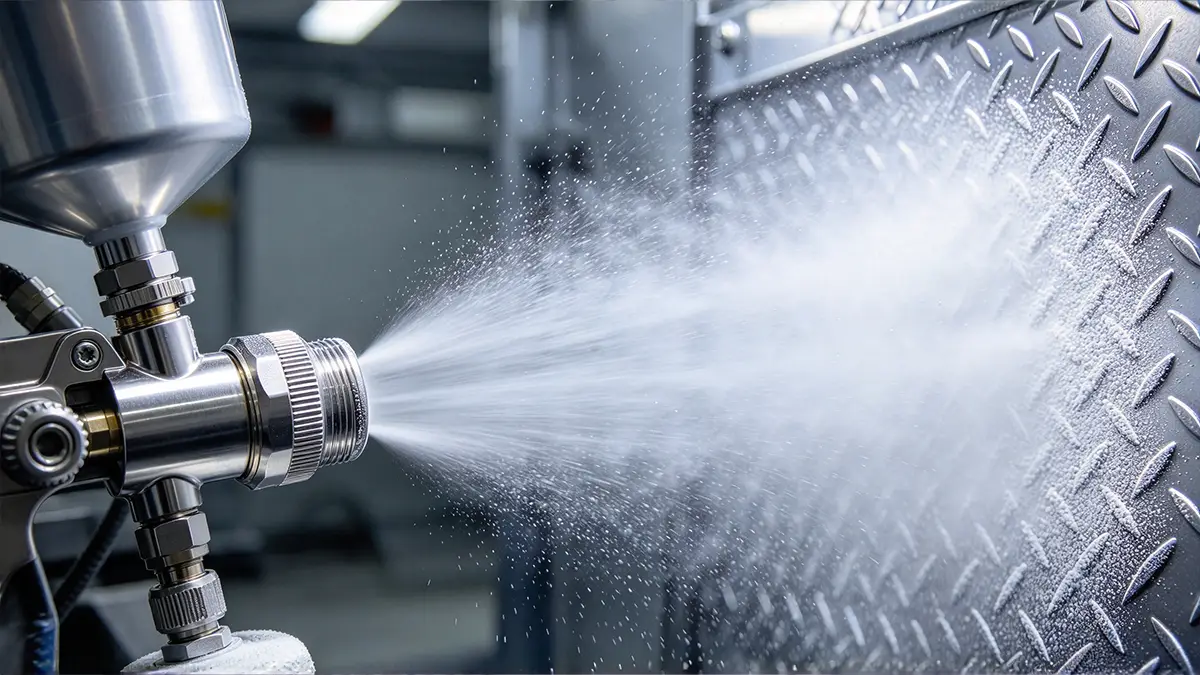
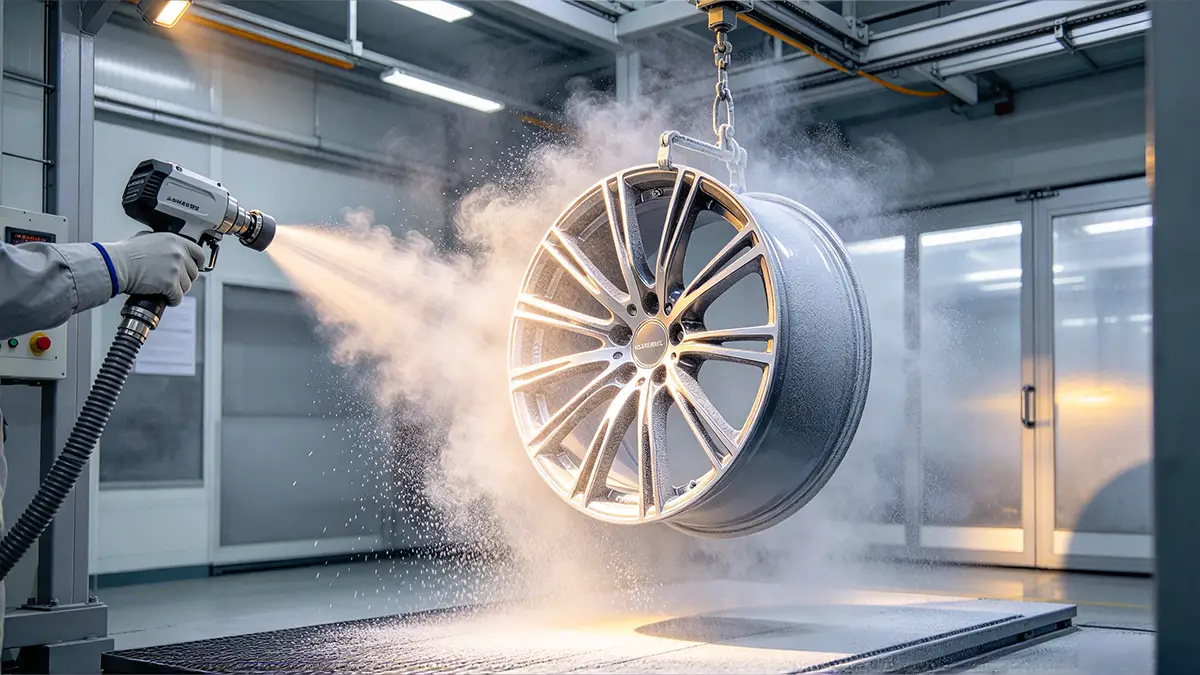
Beim Strahlen werden unter Druck stehende Luft in Kombination mit entweder trockenen Strahlmitteln oder mit Wasser vermischten Strahlmitteln auf ein Bauteil oder eine Oberfläche gerichtet. Der Einsatz von Strahlmitteln erzeugt einen hämmernden Effekt, durch den Rost, Walzzunder, Lack und andere Beschichtungen von der Oberfläche entfernt werden können. Dadurch wird das Objekt gereinigt und eine Oberflächenstruktur erzeugt, die als Haftgrund für eine neue Beschichtung dienen kann. Es gibt verschiedene Arten des Strahlverfahrens, darunter Sandstrahlen, Perlstrahlen, Nassstrahlen, Vakuumstrahlen, Zentrifugalstrahlen und Kugelstrahlen.
Beim Sandstrahlen wird Quarzsand als Strahlmittel verwendet, während beim Perlstrahlen feine Glas- oder Kunststoffperlen als Strahlmittel zum Einsatz kommen. Das Perlstrahlen sorgt im Vergleich zum Sandstrahlen für eine relativ schonende Reinigung. Beim Nassstrahlen wird das Strahlmittel mit Wasser kombiniert, um die Prozesssicherheit durch eine Verringerung der Staubentwicklung zu verbessern. Beim Zentrifugalstrahlen wird das Strahlmittel mithilfe eines Flügelrades mit hoher Geschwindigkeit auf die zu reinigende Oberfläche geschleudert.
Wie verändert sich die Oberflächenrauheit von Metall beim Strahlen?
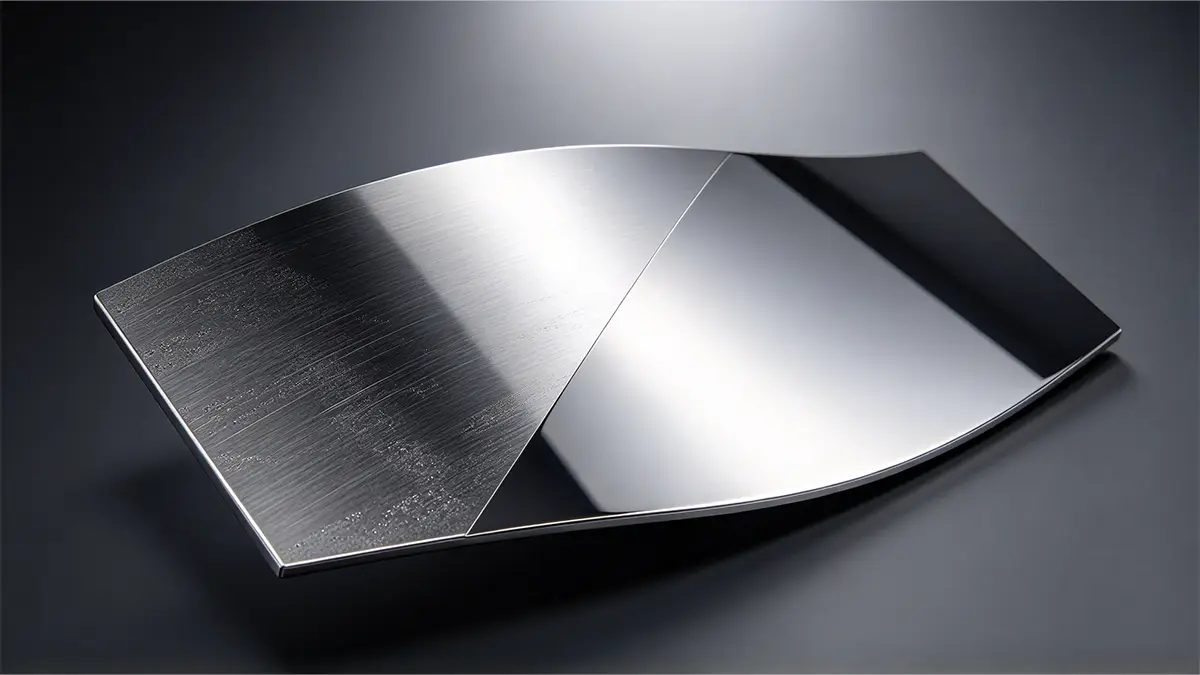
Die wiederholten Aufpralle der Partikel mit hoher Geschwindigkeit auf das Bauteil verändern die Oberfläche. Je nach Art des Schleifmaterials kommen unterschiedliche Verfahren zur Oberflächenbearbeitung zum Einsatz. Die Partikel können die Oberfläche zerschneiden, hämmern, brechen oder verformen. Infolgedessen weist die endgültige Oberfläche mikroskopisch kleine Erhebungen und Vertiefungen auf, die sich von denen des ursprünglich bearbeiteten Teils unterscheiden.
| Schleifmittelart | Partikelgeometrie | Dominante Oberflächenwirkung | Typisches Ergebnis |
|---|---|---|---|
| Glasperle | Kugelförmig | Kugelstrahlen/Verformung | Gleichmäßige matte oder seidenmatte Struktur |
| Aluminiumoxid | Angular | Schneiden/Erosion | Stärker ausgeprägtes Ätzprofil |
| Granat | Winkel/Halbwinkel | Zuschneiden und Reinigen | Moderates bis aggressives Profil |
| Stahlkies | Angular | Schneiden/Aufprall | Ausgeprägtes Profil |
| Stahlkugeln | Kugelförmig | Kugelstrahlen | Noppenoberfläche mit vergleichsweise geringem Schnitt |
Inwiefern erhöht das Sandstrahlen die Oberflächenrauheit?
Der Begriff “Sandstrahlen” wird üblicherweise verwendet, um das Sandstrahlen unabhängig vom verwendeten Strahlmittel zu bezeichnen. Tatsächlich ist das Sandstrahlen eine Art des Strahlens, bei der früher Quarzsand verwendet wurde; aufgrund von Gesundheitsvorschriften setzt die moderne Industrie heute jedoch sicherere, kantige Strahlmittel wie Aluminiumoxid oder Granat ein. Während des Sandstrahlvorgangs treffen diese kantigen Partikel (die scharfe Kanten aufweisen) auf eine Metalloberfläche, wodurch sich die Aufprallkräfte auf kleine Bereiche der Oberfläche konzentrieren. Durch diese Stöße werden mikroskopisch kleine Materialpartikel von der Oberfläche des Werkstücks entfernt, wodurch neue Vertiefungen entstehen. Das Ergebnis ist ein unregelmäßiges Oberflächenprofil.
Im Vergleich zum Perlstrahlen kann das Sandstrahlen den Oberflächenrauheitswert Ra um bis zu 0,5 µm erhöhen. Diese Werte werden jedoch in der Regel experimentell ermittelt. Es gibt keinen allgemeingültigen Ra-Umrechnungsfaktor für das Strahlen.
Inwiefern verändert das Perlstrahlen die Oberflächenrauheit auf unterschiedliche Weise?
Im Gegensatz zum Sandstrahlen, bei dem scharfe Schleifkörner zum Einsatz kommen, werden beim Glasperlstrahlen kugelförmige Glasperlen verwendet, die auf die Oberfläche des Bauteils auftreffen und diese verformen. Die so entstandene Oberfläche ist gleichmäßiger, matt im Erscheinungsbild und weniger richtungsabhängig als maschinell bearbeitete Oberflächen. Das Glasperlstrahlen eignet sich am besten, um den optischen Kontrast von Bearbeitungsspuren bei der Endbearbeitung von Bauteilen zu verringern. Während das Sandstrahlen für eine aggressivere Oberflächenbehandlung geeignet ist, eignet sich das Glasperlstrahlen für empfindliche Oberflächen.
Welche Strahlparameter haben den größten Einfluss auf die Oberflächenrauheit?
Die endgültigen Ra-Werte der Oberfläche hängen von der Kombination der Schleifmittel ab und nicht von einem einzelnen Parameter.
Korngröße des Schleifmittels
Die Partikelgröße beeinflusst die Größe und den Abstand der Oberflächenvertiefungen. Wenn ein großes oder grobkörniges, kantiges Partikel auf die Oberfläche eines Bauteils trifft, verursacht es eine große Vertiefung, wodurch ein ausgeprägteres Oberflächenprofil entsteht. Durch diesen Aufprall entstehen tiefere Täler und Erhebungen auf dem metallischen Untergrund. Tiefere Täler und Erhebungen sind in der Regel unerwünscht, da sie zu Korrosion und Beschichtungsversagen führen können.
Im Gegensatz dazu erzeugen kleinere Schleifmittel eine feinere Oberflächenstruktur mit dichter angeordneten Einschlagspuren. Allerdings ist die Anzahl der einzelnen Einschläge höher als bei groben Schleifmitteln. Diese kleineren Schleifmittel werden in der Regel dort eingesetzt, wo Ingenieure die Oberfläche reinigen und gleichzeitig die Oberflächenstruktur erhalten wollen. Es ist jedoch nicht klar, ob kleinere Partikel zu einer geringeren Rauheit führen. Andere Parameter wie Druck, Partikelform und Partikelgeschwindigkeit müssen konstant gehalten werden, wie in der folgenden Gleichung dargestellt.
E ∝ ρD³v²
Wo E ist die kinetische Energie des Teilchens, D ist der Partikeldurchmesser, ρ ist die Schüttdichte des Schleifmittels und v ist die Teilchengeschwindigkeit. Aus der Gleichung geht hervor, dass selbst ein kleineres Teilchen eine größere Wirkung entfalten kann, wenn die Geschwindigkeit erhöht wird. Dies lässt sich durch eine Erhöhung des Drucks des Strahlmittelstroms erreichen.
Strahldruck
Der Strahldruck beeinflusst die kinetische Energie und die Geschwindigkeit der Strahlpartikel, die auf das Bauteil treffen. Bei hohem Druck verlassen die Strahlpartikel die Düse mit hoher Geschwindigkeit. Dadurch erhöht sich die für die Oberflächenverformung verfügbare Energie, wodurch das Material abgetragen und entfernt wird. Wird der Strahldruck nicht geregelt, kann dies verschiedene Auswirkungen auf das Bauteil haben. Die folgende Tabelle fasst einige der Auswirkungen verschiedener Druckstufen zusammen.
| Strahldruck | Teilchengeschwindigkeit | Oberflächeneffekt | Typische Folge bei der Fertigung |
|---|---|---|---|
| Niedrig | Unter | Leichte Verschmutzung/Verformung | Minimale Veränderung des Substrats |
| Mäßig | Höher | Verbesserte Reinigung und Profilbildung | Üblicher Zubereitungsbereich |
| Hoch | Deutlich höher | Stärkere Schnitt- bzw. Verformungserscheinungen | Schnellere Verarbeitung, detaillierteres Profil |
| Übermäßig hoch | Sehr hoch | Aggressiver Materialabtrag | Gefahr von Verformung, Abtragung oder Überstrahlung |
Sicherheitsabstand
Der Abstand ist der Abstand zwischen der Strahldüse und der Werkstückoberfläche. Unter sonst gleichen Abrasionsbedingungen wirkt sich der Abstand direkt auf die an die Materialoberfläche abgegebene Energie aus. Er bestimmt zudem die Bereiche, in denen die Strahlpartikel aufgebracht werden. Daher ist es bei der Positionierung der Strahldüse wichtig, den Abstand als zu steuernden Prozessparameter zu betrachten.
Der Strahl aus Schleifpartikeln neigt dazu, sich auszubreiten, sobald die Partikel den Kreis verlassen. Die kreisförmige Konzentration an der Düse ist geringer als an der Oberfläche des Werkstücks. Der Luftwiderstand beim Strömen der Partikel verändert deren Geschwindigkeit und die Aufprallintensität. Bei gleichem Ausstoßdruck nimmt die Partikelgeschwindigkeit mit zunehmendem Abstand ab. Dies führt folglich zu einer gleichmäßigeren Oberflächenrauheit. Dies ist jedoch nicht immer der Fall. Andere Parameter wie Düsenauslegung, Druck, Strahlmittelgröße, Dichte und Strahlwinkel bestimmen die Intensität des Strahlvorgangs und damit die Strahlrauheit.
Was ist der Unterschied zwischen Sandstrahlen und Perlstrahlen hinsichtlich der Oberflächenrauheit?
Der auffälligste Unterschied zwischen Sandstrahlen und Perlstrahlen liegt in den verwendeten Strahlmitteln. Die beim Sandstrahlen eingesetzten Strahlmittel wie Sand und Aluminiumoxid sind scharfkantig und kantig. Diese Materialien schneiden, ätzen und entfernen die Oberfläche des Bauteils aggressiv. Das Sandstrahlen arbeitet schnell und trägt das Grundmaterial ab. Es kann dicken Rost und hartnäckige Lackschichten entfernen. Es eignet sich ideal für die industrielle Großreinigung, die Rostentfernung und das Abtragen alter Lackschichten von Industrieanlagen.
Andererseits sind die beim Perlstrahlen verwendeten Strahlmittel wie Glas und Keramik winzig und kugelförmig. Sie bearbeiten, reinigen und polieren die Oberfläche schonend. Im Gegensatz zum Sandstrahlen entfernt das Perlstrahlen nicht so viel Material von der Oberfläche des Bauteils. Es ist langsamer und schonender und beeinträchtigt die zugrunde liegenden Maße des Bauteils nicht. Häufige Anwendungsbereiche für das Perlenstrahlen sind die optische Veredelung, die schonende Reinigung empfindlicher Bauteile und das Polieren von Motorteilen.
Die Wahl zwischen Sandstrahlen und Perlstrahlen
Es gibt mehrere Faktoren, die Ingenieure berücksichtigen, wenn sie entscheiden, ob sie Sandstrahlen oder Perlstrahlen einsetzen. Erstens betrachten Ingenieure die gewünschte Oberflächenbeschaffenheit. Sandstrahlen wird für raue, strukturierte Oberflächen gewählt. Dies ist üblich beim Lackieren, Beschichten und Verkleben. Perlstrahlen wird für glatte Oberflächen gewählt, insbesondere beim Oberflächenpolieren. Zweitens berücksichtigen Hersteller die Fähigkeiten und die Erfahrung des Bedieners. Das Sandstrahlen erfordert qualifiziertere Bediener und mehr Erfahrung, um den Düsenwinkel, den Arbeitsabstand und den Strahldruck richtig einzustellen. Das Perlstrahlen erfordert weniger erfahrene Bediener mit Grundkenntnissen über einige Faktoren, wie beispielsweise die Perlgröße.
Ein weiterer Parameter ist die Verfügbarkeit der Ausrüstung. Sandstrahlgeräte sind leichter zugänglich und können mit jedem beliebigen Strahlmittel betrieben werden. Für das Perlstrahlen ist spezielle Ausrüstung erforderlich; daher ist diese nicht überall verfügbar. Darüber hinaus berücksichtigen Hersteller den Umfang und den Zeitplan des Projekts. Auf dieser Grundlage zeichnet sich das Sandstrahlen durch eine höhere Materialabtragsrate aus und wird daher bei Großprojekten eingesetzt. Diese Technik kann Ingenieuren helfen, Termine einzuhalten oder die Fertigungszeit zu verkürzen. Das Perlstrahlen ist langsam und wird daher bei kleineren Projekten eingesetzt. Es führt jedoch zu einer hochwertigen Fertigungsqualität.






 DE
DE  EN
EN  ES
ES  FR
FR  IT
IT  PT
PT  NL
NL  PL
PL  AR
AR  JA
JA  KO
KO  ZH
ZH