Insert molding is the process of injecting molten plastic around a pre-placed non-plastic component. For your projects, this means permanently integrating fastening, conductivity, or structural strength directly into the plastic part—completely eliminating post-molding assembly steps.
Threaded Fasteners (Nuts & Studs)
Brass or stainless steel threads inside and studs outside. Needed for repeated high-force tightening and strong case/cover closure.
Electrical Contacts & Pins
Copper, brass, or gold-plated pins. Common in medical probes, car sensors, and complicated electronic connectors.
Stamped Metal & Lead Frames
Metal plates and lead frames. Sealed in plastic to provide grounding inside, route circuits, or add a lot of strength.
Clips, Meshes & Magnets
Spring clips, sound-filter meshes, and permanent magnets. Molded right into the plastic part for special functions.
Insert Molding Equipment & Specifications At First Mold
We use both horizontal and vertical injection molding machines to make insert-molded parts. Which machine we use depends on the mold design, and we choose the setup that keeps production costs low.
Spezifikation
Fähigkeit
Spezifikation
Fähigkeit
Machine Types
Horizontal & Vertical Presses
Insert Loading
Manual & Robotic Automation
Maschinenleistung
50 – 1,000+ Tons
Insert Pre-Heating Temp
80°C – 150°C (CTE matched)
Standard-Toleranz
±0,1 mm (±0,004″)
Präzisionstoleranz
±0,05 mm (±0,002″)
Tooling Life (Shots)
50,000 – 1,000,000+
T1 Lead Time
From 7 Days (Only rapid tool + standard insert)
Was kann man mit Insert Injection Molding herstellen?
Insert molding is a versatile manufacturing process that enables the production of complex and high-precision parts. At First Mold, we have extensive experience in insert molding and have successfully produced a wide range of parts and products for various industries. For example, we have produced microelectronic components such as connectors, switches, and sensors that require high precision and tight tolerances. Additionally, we have manufactured automotive parts such as gears, housings, and brackets that require high strength and durability.
Das Spritzgießen von Einlegeteilen erfordert häufig die Verwendung einer Art von Kunststoff und eines anderen Metalls oder eines anderen Materials, das für das eingelegte Teil verwendet wird.
Wichtigste Materialien
Wählen Sie das Hauptmaterial für Ihr Spritzgießprodukt
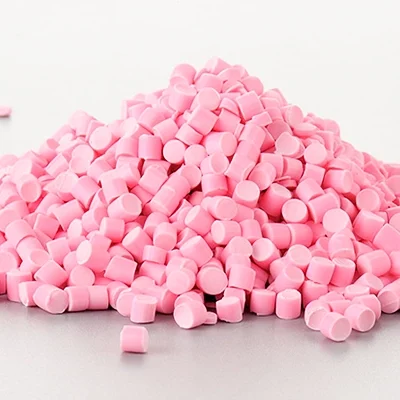
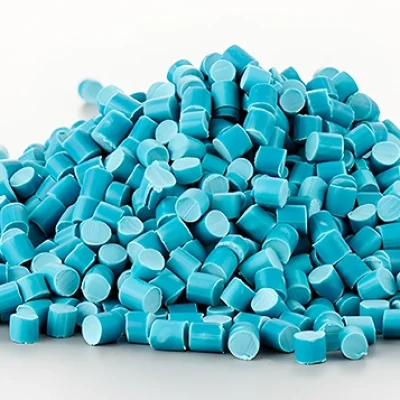
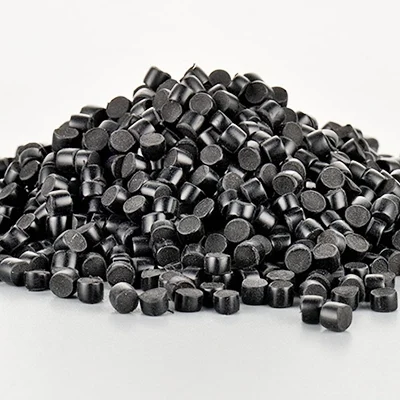
Wir kennen uns mit Hunderten von Kunststoffen und anderen Materialien für das Spritzgießen aus, darunter Einzelmaterialien, gemischte Materialien, modifizierte Materialien, Kautschuke usw. Wir sind mit ihren physikalischen und chemischen Eigenschaften sowie mit allen Parametern vertraut.
Aufgrund der Stärke unseres Lieferkettensystems können wir diese Rohstoffe außerdem rechtzeitig und stabil beschaffen, ohne dass dies Auswirkungen auf Ihre Produktlieferung hat.
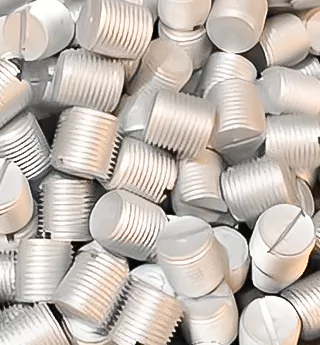
Messing
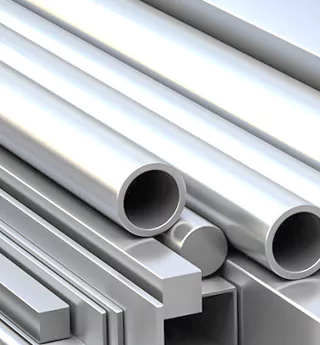
Aluminium
Stahl
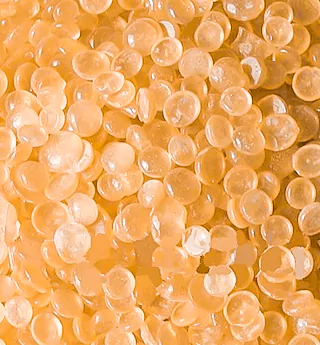
Kunststoff
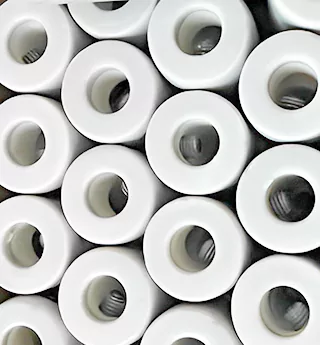
Keramik
Glas
Eingesetzte Materialien
Wage es, dir etwas vorzustellen, wage es, etwas einzufügen
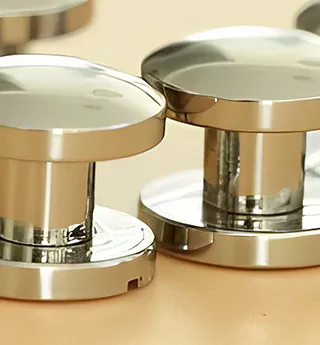
Messing rostet nicht und hat korrosionsbeständige Eigenschaften. Es ist erschwinglich und leicht zu verarbeiten, was es zum meistverwendeten Material beim Einsatzspritzgießen macht.
Darüber hinaus können Kupfer, Aluminium, Stahl, harte ungleiche Kunststoffteile, Keramik, Glas und Kunststoff als Einsatzmaterial verwendet werden. Bei der Produktanwendung werden wir die Form und Struktur der Kunststoffteile entsprechend dem Wärmeausdehnungskoeffizienten der verschiedenen Materialien gestalten.




 DE
 EN
 ES
 FR
 IT
 PT
 NL
 PL
 AR
 JA
 KO
 ZH