

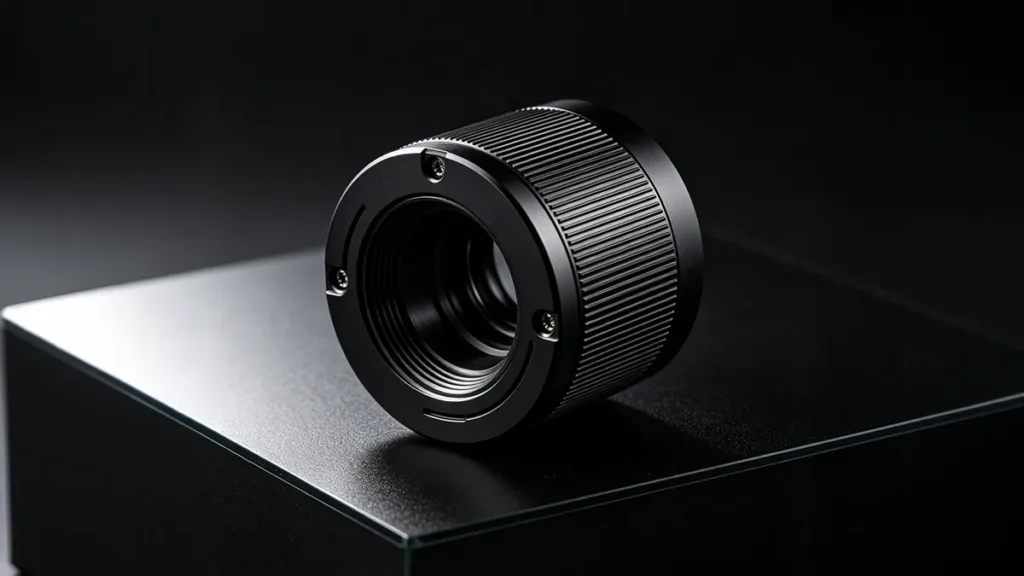
Stellen Sie sich einen Fotografen vor, der vor Ort Fotos macht. Wenn Sie sich das Kameraobjektiv genauer ansehen, stellen Sie fest, dass es durch etwas geschützt ist, das wie Kunststoff aussieht. Tatsächlich besteht das Gehäuse des Kameraobjektivs aus Aluminium. Es ist so beschichtet, dass es wie Kunststoff wirkt. Das Verfahren, mit dem Hersteller die Aluminiumoberfläche schwarz beschichten, wird als schwarze Eloxierung bezeichnet. Die dadurch entstehende mattschwarze Oberfläche absorbiert Streulicht und reduziert so interne Reflexionen und Linsenreflexe. Außerdem blättert die Oberfläche bei der schwarzen Eloxierung nicht wie Farbe nach einiger Zeit ab, unabhängig von den Umgebungsbedingungen, denen sie ausgesetzt ist.
Aber wie funktioniert das schwarze Eloxieren? In diesem Leitfaden beleuchten wir das Konzept hinter dem schwarzen Eloxieren und erklären den Prozess, das Färben und das Versiegeln.
Was ist Schwarz-Eloxieren?
Die schwarze Eloxierung ist ein elektrochemischer Prozess, bei dem die natürliche Oxidschicht auf Aluminium verdickt wird, wodurch das Material hart und korrosionsbeständig wird. Dieser Prozess entspricht in der Regel strengen internationalen Normen für anodische Oxidationsbeschichtungen. [1]. Der Prozess der schwarzen Eloxierung unterscheidet sich nicht vom normalen Eloxierverfahren. Der Hauptzweck des Anodisierens besteht darin, die Dicke und Korrosionsbeständigkeit eines Metalls (meist Aluminium) zu verbessern. Das schwarze Anodisieren dient jedoch über diese Festigkeitssteigerung hinaus noch weiteren Zwecken. Aufgrund der weit verbreiteten Verwendung von Schwarz in der realen Welt ist es eine der am häufigsten angewandten Methoden des Anodisierens.
Welche Rolle spielt die schwarze Eloxierung?
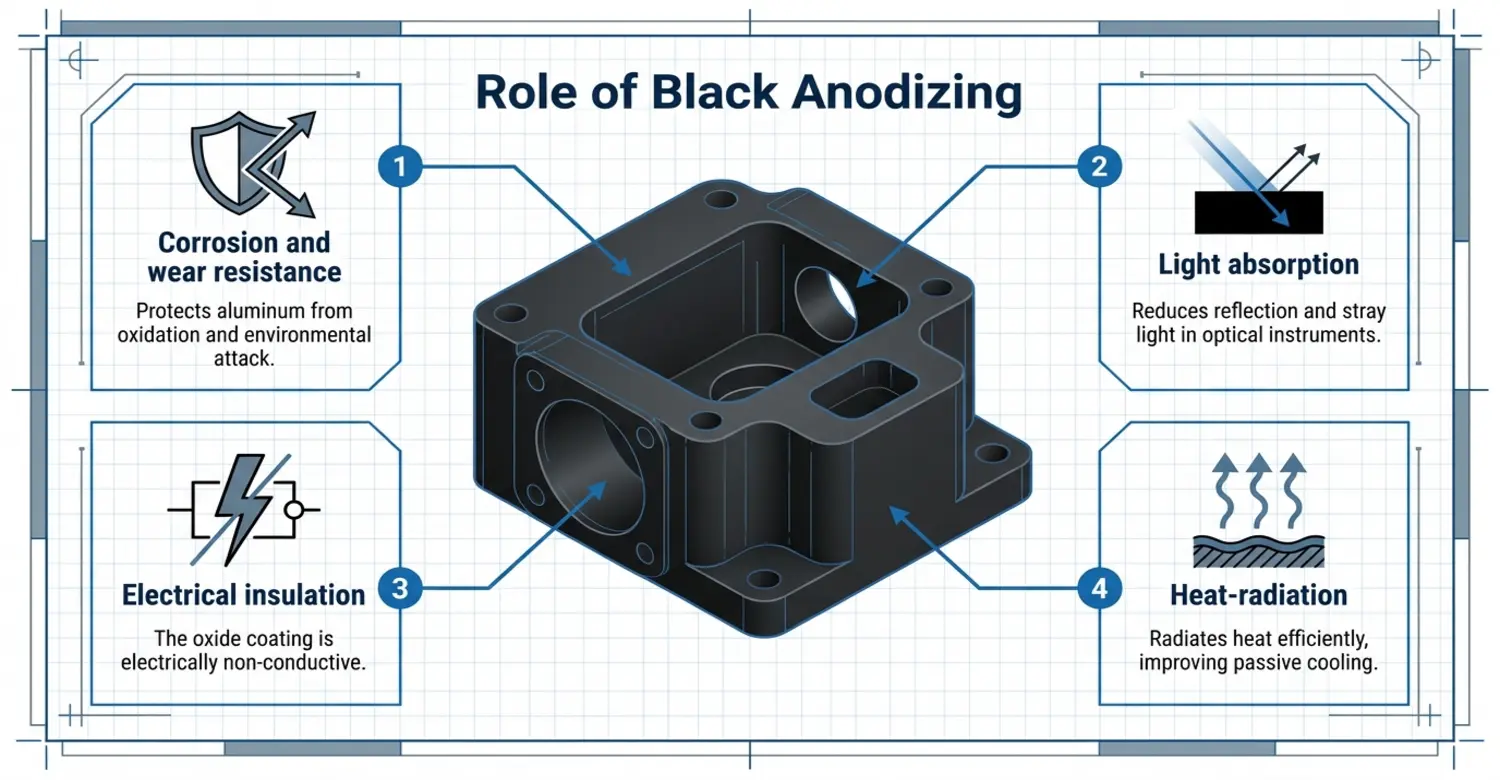
Das allgemeine Eloxalverfahren deckt die meisten Anwendungsbereiche ab, für die die schwarze Eloxierung eingesetzt wird. Es gibt jedoch bestimmte Gründe, warum Ingenieure die schwarze Eloxierung anderen Farben vorziehen.
Einer der Zwecke der schwarzen Eloxierung besteht darin, die Korrosions- und Verschleißfestigkeit zu verbessern. Die eloxierte Oxidschicht schützt Aluminium vor Oxidation und Umwelteinflüssen. Darüber hinaus sorgt die verdickte Aluminiumoxidschicht für eine harte Oberfläche, die somit kratz- und abriebfest ist. Diese Vorteile der Eloxierung gelten für Automobilteile, CNC-gefräste Teile und Schiffsausrüstung.
Die zweite Funktion der Eloxierung besteht darin, den ästhetischen Wert des Produkts zu steigern. Die hochwertige, satinschwarze Oberfläche verdeckt Bearbeitungsspuren an den Produkten. Dies verbessert die Optik von Unterhaltungselektronik, Kameragehäusen und Luxusartikeln. Wir entscheiden uns außerdem für eine schwarze Eloxierung, um die Lichtabsorption zu verbessern. Die schwarze Oberfläche reduziert Reflexionen und Streulicht – eine entscheidende optische Eigenschaft, die in der Materialwissenschaft für hochpräzise Instrumente weithin anerkannt ist. [2]. Dies findet typischerweise in optischen Instrumenten, Teleskopen, Kameras und Lasersystemen Anwendung. Übermäßiges Licht wird als Rauschen betrachtet, das die Qualität der erzeugten Bilder beeinträchtigt.
Das Eloxieren trägt zudem zur elektrischen Isolierung bei. Die Oxidschicht ist in Elektronikgehäusen und elektrischen Bauteilen elektrisch nicht leitfähig. Schließlich wird das schwarze Eloxieren für Oberflächen mit hoher Wärmeabstrahlung (Emissionsgrad) eingesetzt. Schwarz eloxierte Oberflächen strahlen Wärme effizient ab und verbessern so die passive Kühlung in Kühlkörpern und LED-Gehäusen.
Warum ist die Farbe Schwarz wichtig?
Der schwarze Farbstoff bei der schwarzen Eloxierung trägt nur minimal zur Verschleiß- und Korrosionsbeständigkeit bei. Der Farbstoff wird der eloxierten Oxidschicht beigemischt, um deren Aussehen zu verändern. Die schwarze Farbe ist bei dieser Art der Eloxierung jedoch wichtig, um Blendungen und unerwünschte Reflexionen zu reduzieren, ein professionelles, hochwertiges Erscheinungsbild zu schaffen und die Wärmeemissivität für eine effektive Wärmeableitung zu erhöhen. Schwarz wird in einigen Anwendungsbereichen, insbesondere in der Elektrotechnik und Sanitärtechnik, auch zur Farbcodierung verwendet, um die Identifizierung zu erleichtern. Schließlich hilft die schwarze Farbe dabei, Fingerabdrücke, Flecken und kleinere Kratzer zu verbergen.
Was geschieht beim Schwarz-Eloxieren?
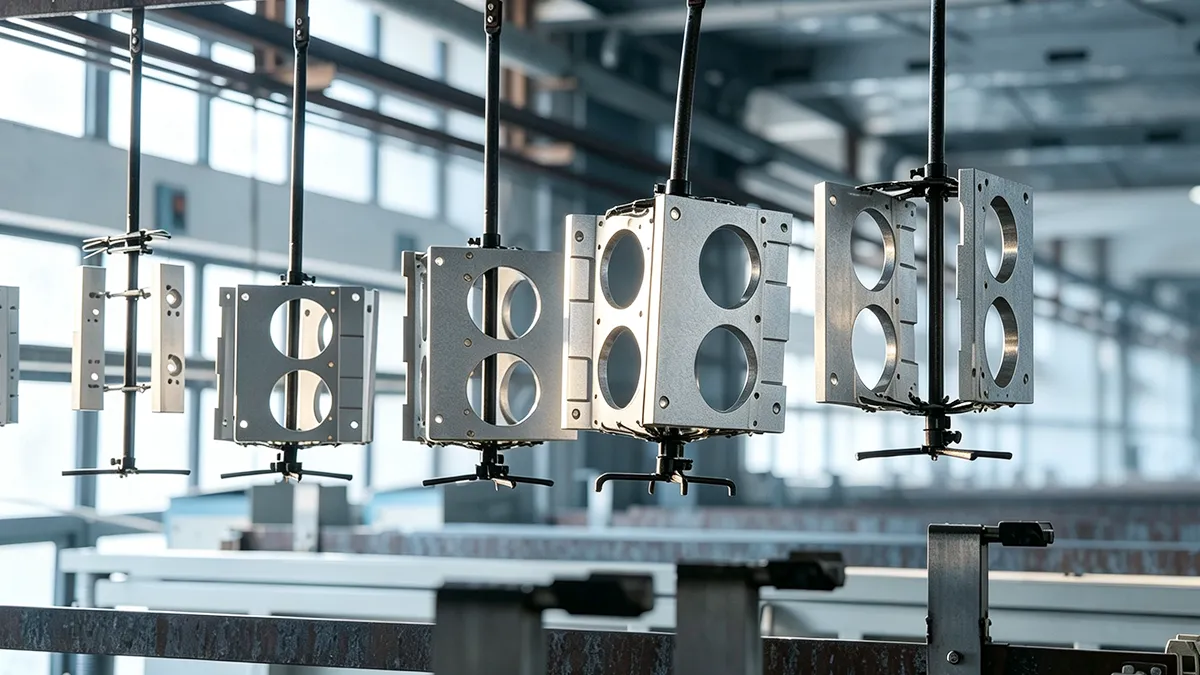
Die schwarze Eloxierung erfolgt in festgelegten Schritten, zu denen die Oberflächenvorbereitung, die elektrolytische Oxidation, das Färben der Oberfläche und die Versiegelung der Oxidschicht gehören.
1. Oberflächenvorbereitung
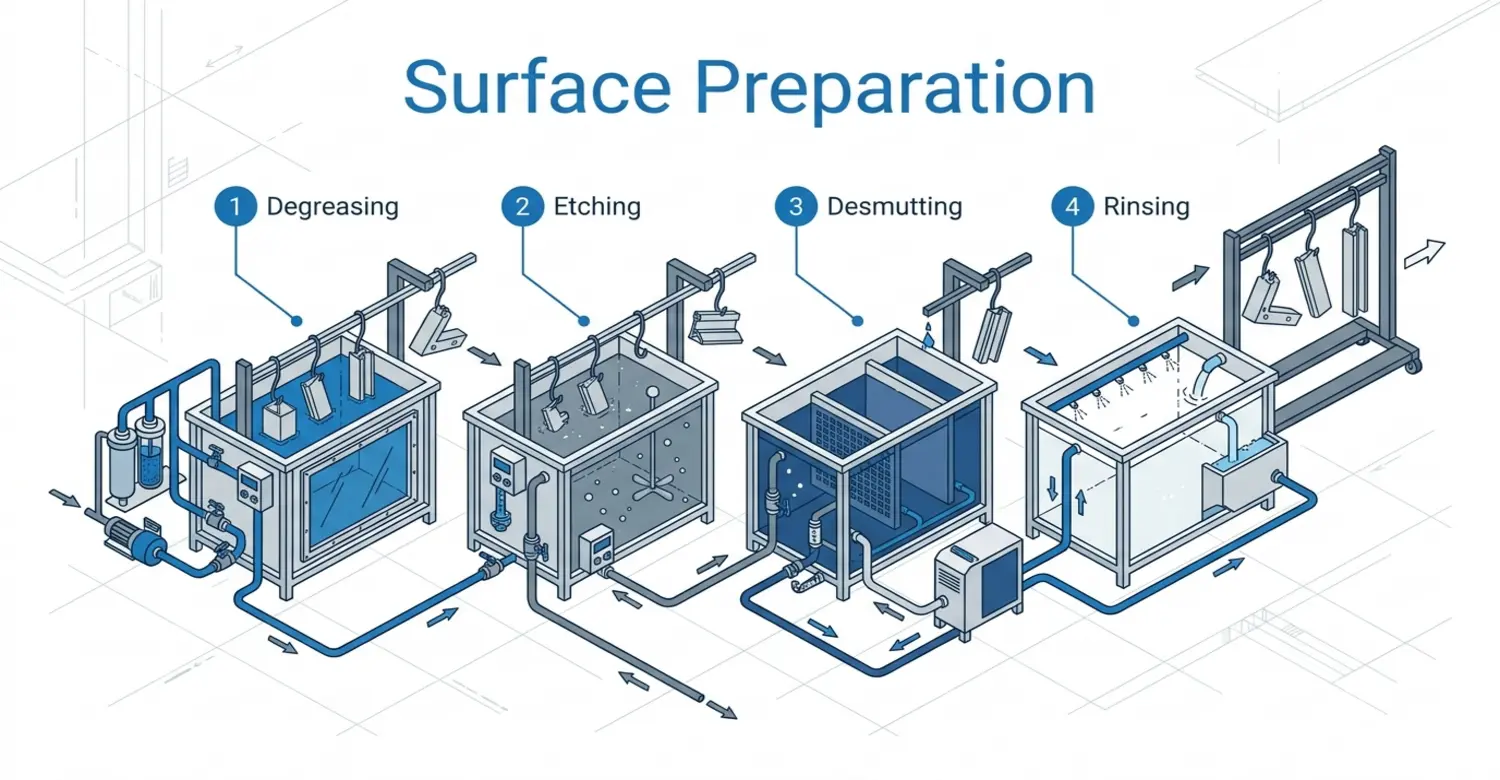
Die schwarze Eloxierung beginnt mit dem bereits bearbeiteten Aluminiumteil. Verschiedene Aluminiumlegierungen beeinflussen das Aussehen des Endprodukts. So weisen beispielsweise die Legierungen 6061 und 6063 im Vergleich zur Aluminiumlegierung 2024 ein hervorragendes Endergebnis auf. Bei der Oberflächenvorbereitung sollten Sie auch Kratzer, Bearbeitungsspuren, Werkzeugspuren und Dellen beseitigen. Wenn Sie diese Mängel vor dem Eloxieren nicht beseitigen, werden sie nach dem Verfahren sichtbar. Das Eloxieren verdeckt keine Oberflächenfehler.
Reinigung und Entfettung
Sobald die richtige Aluminiumlegierung ausgewählt und die Oberfläche vorbereitet ist, folgt als nächster Schritt die Reinigung und Entfettung. Bei dieser ersten chemischen Behandlung werden Fett, Schneidflüssigkeiten, Bearbeitungsöle, Schmutz und organische Verunreinigungen entfernt. Diese Ölrückstände müssen beseitigt werden, um eine ungleichmäßige Eloxierung, Haftungsprobleme, das Entstehen heller Stellen und mögliche Streifenbildung zu vermeiden.
Alkalisches Ätzen
Nach der ersten chemischen Behandlung folgt der nächste Schritt, das alkalische Ätzen. Das Aluminium wird in eine alkalische Ätzlösung getaucht, um selektiv eine kontrollierte Materialmenge zu entfernen, wodurch eine gleichmäßigere Oberfläche entsteht. Als alkalische Ätzlösung wird üblicherweise Natriumhydroxid verwendet. Dieser Vorgang basiert auf der folgenden chemischen Reaktion.
Al + OH⁻ + 2H₂O → Al(OH)₄⁻
Auch wenn die Reaktion komplex ist, besteht das Ziel des Herstellungsprozesses darin, die Oberflächenschicht zu entfernen. Dadurch wird ein einheitlicher Oberflächenzustand geschaffen, der eine leitfähige Anodisierungsumgebung ermöglicht.
Das Ätzen kann je nach Zustand des zu bearbeitenden Aluminiums als leicht oder stark eingestuft werden. Leichtes Ätzen erzeugt ein relativ maschinell bearbeitetes Erscheinungsbild. Starkes Ätzen verringert die Sichtbarkeit von Bearbeitungsspuren und führt zu einem matteren Erscheinungsbild. Das Ätzen muss jedoch kontrolliert erfolgen. Bei übermäßigem Ätzen können scharfe Kanten verändert, die Maßgenauigkeit beeinträchtigt und die Oberflächenrauheit erhöht werden.
Entstauben und Spülen
Beim alkalischen Ätzen kann es zur Bildung von Zunder kommen. Zunder ist das Legierungselement, das auf der Oberfläche des Aluminiums zurückbleibt. Zu diesen Legierungselementen gehören Kupfer, Zink, Eisen und Magnesium. Um diesen Zunder zu entfernen, wird das Produkt in ein Entoxidierungs- oder Entzunderungsbad getaucht.
In jeder Phase der Zubereitung ist ein gründliches Spülen wichtig, um eine Verschleppung von einer Phase zur nächsten zu verhindern. Die Zubereitungsphase lässt sich wie folgt zusammenfassen:;
Entfetten → Ätzen → Spülen → Entschlacken → Spülen
2. Elektrochemisches Eloxieren
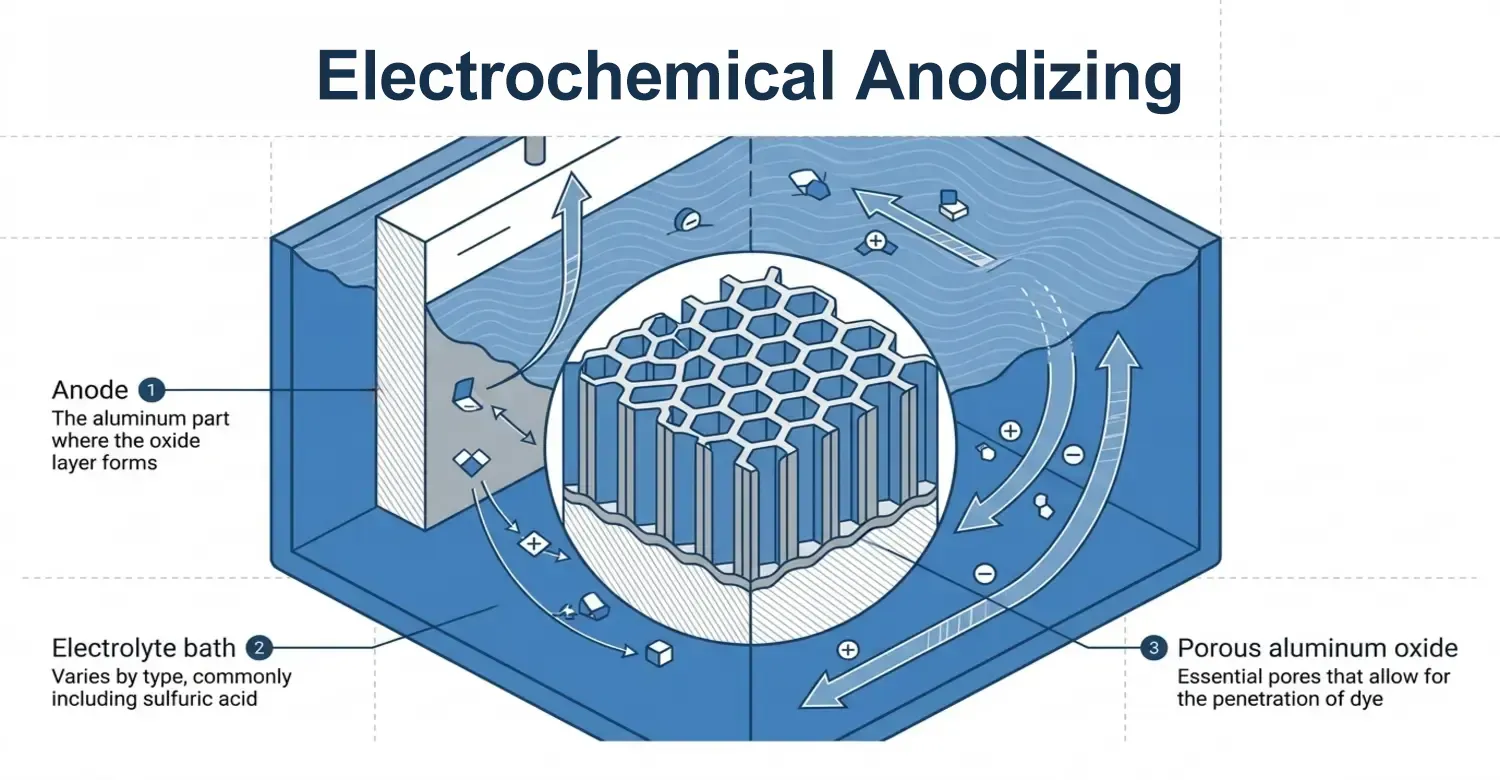
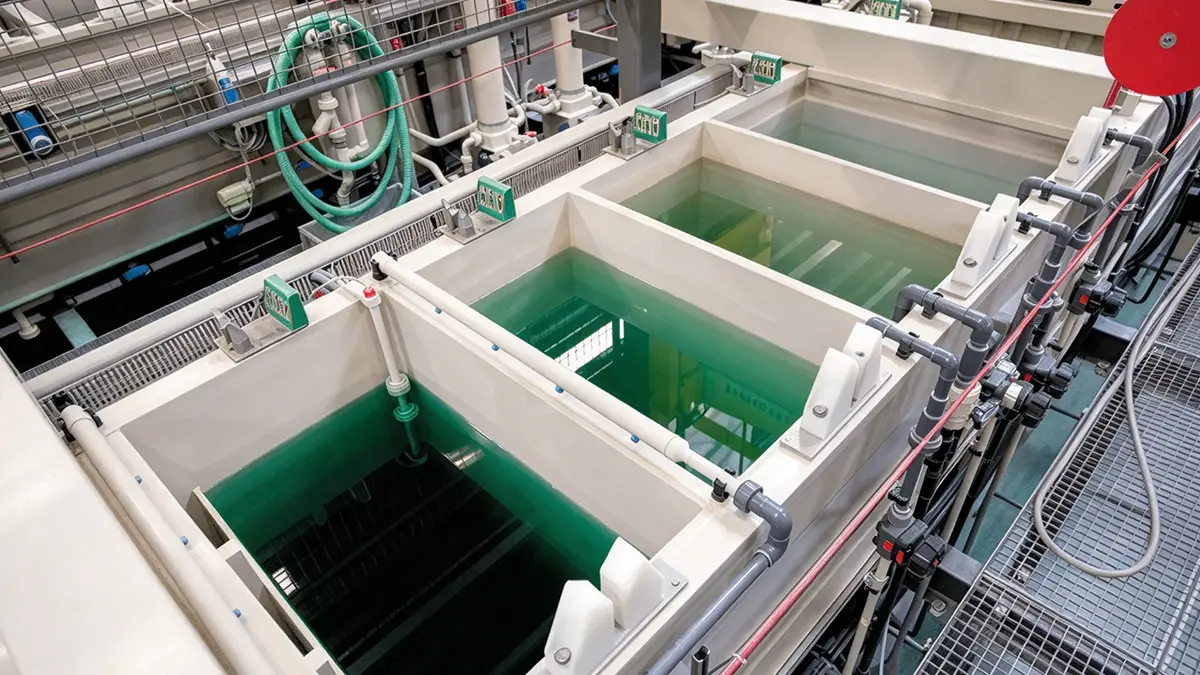
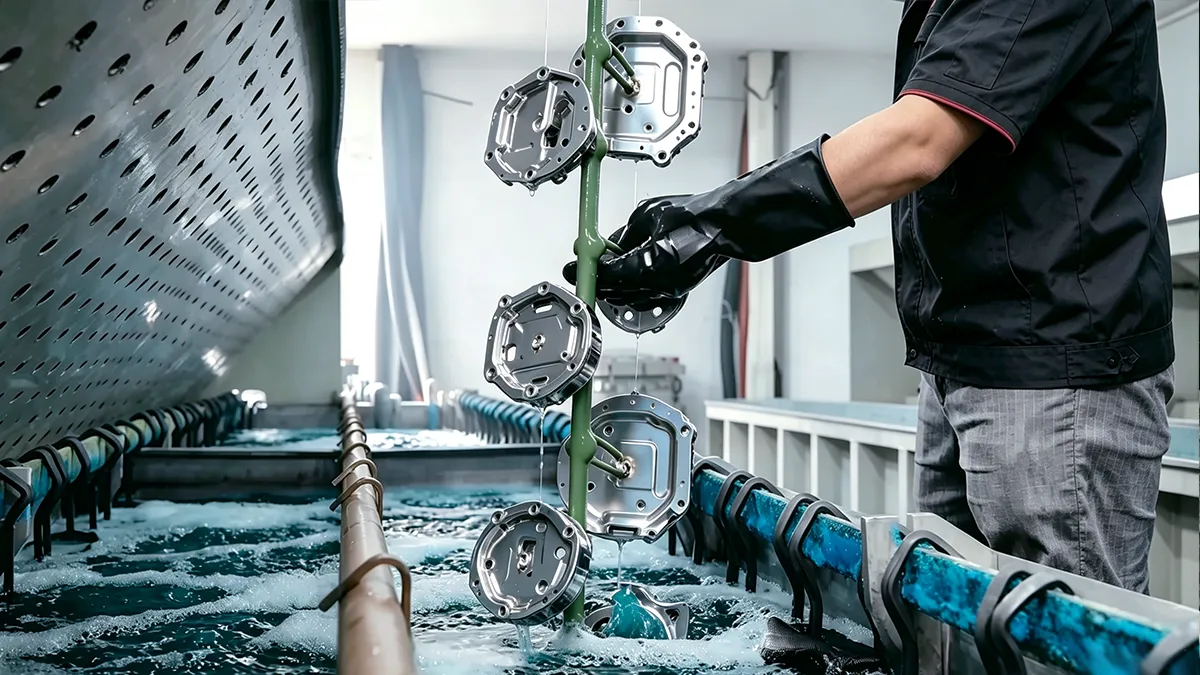
Dies ist der Kernprozess beim Schwarz eloxieren. Dabei werden in einer Elektrolysezelle eine Anode und eine Kathode aufgebaut, damit der elektrochemische Prozess ablaufen kann.
In der Zelle dient das gereinigte Aluminium als Anode. Sowohl die Anode als auch die Kathode sind in das Elektrolytbad eingetaucht, dessen Zusammensetzung je nach Art der Anodisierung variiert. Bei der Typ-II-Eloxierung enthält das Bad beispielsweise Schwefelsäure. Der elektrische Strom bewirkt, dass die Aluminiumoberfläche mit chemischen Verbindungen im Elektrolyten reagiert und poröses Aluminiumoxid (Al₂O₃) bildet.
2Al + 3H₂O → Al₂O₃ + 6H⁺ + 6e⁻
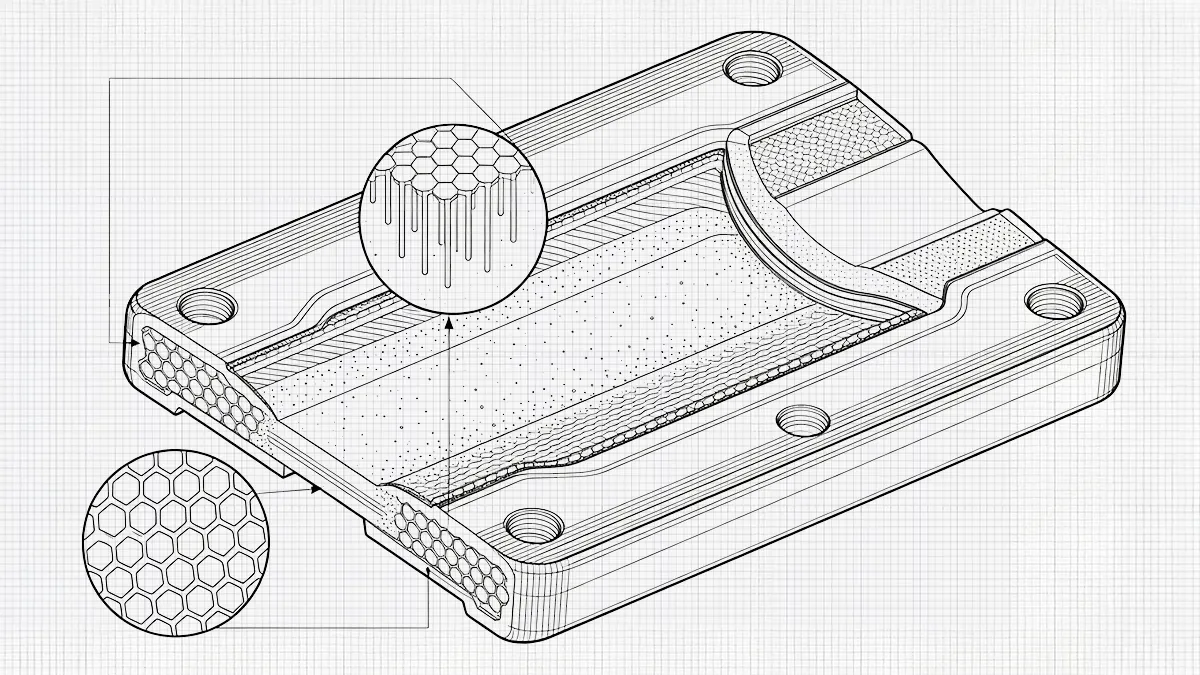
Das poröse Oxid spielt beim Schwarz-Eloxieren eine entscheidende Rolle. Die Poren ermöglichen das Eindringen des Farbstoffs. Die Oxidschicht bildet sich auf der Oberseite direkt über der Barriereschicht.
Die Dicke der Oxidschicht hängt von verschiedenen Faktoren ab, wie beispielsweise der angelegten Spannung, der Stromdichte, der Badetemperatur, der Elektrolytkonzentration und der verwendeten Aluminiumlegierung. Bei der Dünnanodisierung kann eine Schichtdicke von 5–10 µm erreicht werden, während bei der Hartanodisierung eine Oxidschicht mit einer Dicke von 25–50+ µm entsteht.
Nach dem Eloxiervorgang wird das Bauteil aus dem Bad genommen und gründlich gespült. Diese Spülung trägt dazu bei, Elektrolytrückstände zu entfernen. Die Spülung sollte ordnungsgemäß durchgeführt werden, um ungleichmäßige Verfärbungen, Flecken und Oberflächenfehler zu vermeiden.
3. Färben der Oberfläche
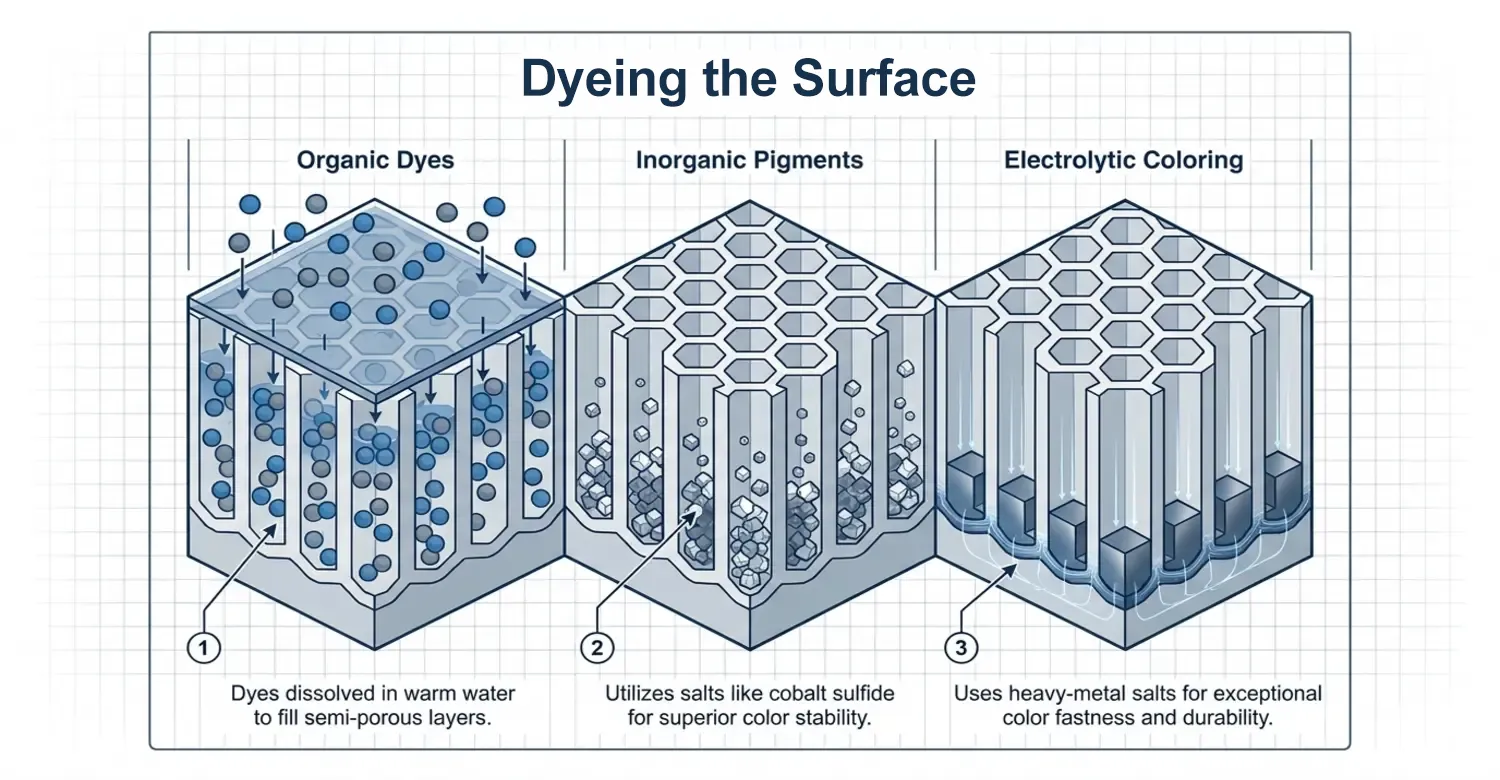
Die durch chemisches Eloxieren gebildete Aluminiumoxidschicht weist Poren auf, die das Eindringen des schwarzen Farbstoffs in die Aluminiumoberfläche begünstigen. Es gibt drei Färbetechniken, mit denen Sie die schwarze Farbe auf die Oberfläche des Bauteils aufbringen können:;
Organische Pigmente
Diese Farbstoffe werden in warmem Wasser aufgelöst und anschließend in das Färbebad gegeben. Das Teil wird in das Färbebad getaucht, und der Farbstoff dringt in die halbporöse Oberfläche der Anodenschicht ein. Schwarzer Farbstoff benötigt zum Auflösen mehr Zeit als hellere Farben.
Anorganische Pigmente
Diese Pigmente sind nicht wasserlöslich.. Anorganische Pigmente sorgen für Beschichtungen mit ausgezeichneter Lichtechtheit. Für die schwarze Eloxierung können Bauteile mit anorganischen Salzen von Kobaltsulfid hergestellt werden.
Elektrolytisches Färben
Nach der Standard-Eloxierung werden die Teile in ein separates Elektrolysebad mit Schwermetallsalzen getaucht. Die Eloxalschicht fungiert als Kathode, und eine Edelstahlelektrode wird in das Bad eingetaucht. Die Metallsalze lagern sich dann am Boden der Poren ab. Nickel-, Kobalt- und Zinnsalze werden verwendet, um in einem firmeneigenen Verfahren verschiedene Farben zu erzeugen, wodurch Teile mit außergewöhnlicher Farbechtheit entstehen.
Versiegeln
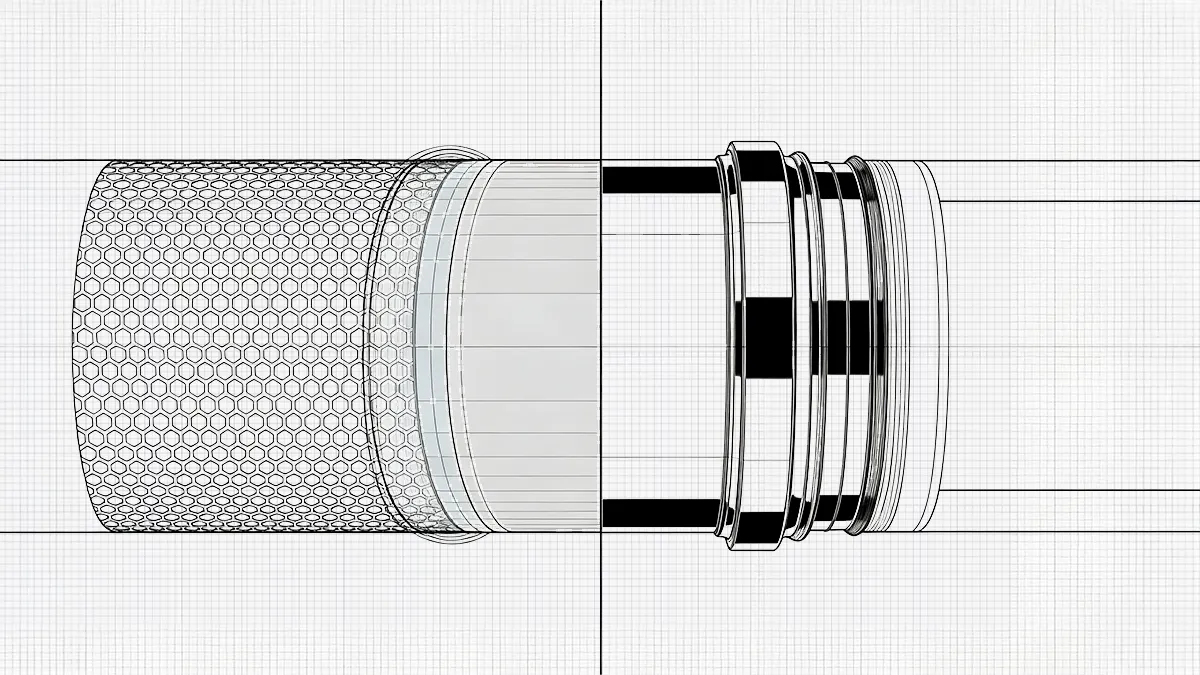
Die poröse Oxidschicht muss nach dem Einfärben versiegelt werden, um die Poren zu verschließen bzw. zu hydratisieren. Die Versiegelung trägt dazu bei, die Beständigkeit gegen Farbverlust, Verfärbungen, Korrosion und chemische Einwirkungen zu verbessern. Ein Verfahren zur Versiegelung ist die Heißwasser-Versiegelung, bei der das eloxierte Bauteil in heißes, entionisiertes Wasser getaucht wird. Diese Behandlung hydratisiert die Aluminiumoxidschicht und wandelt sie in eine stabile, hydratisierte Aluminiumoxidstruktur um. Eine weitere Form der Versiegelung ist die Nickelacetat-Versiegelung, die eine gute Farbstabilität und Korrosionsbeständigkeit gewährleistet. Weitere Verfahren sind die Kaltversiegelung und firmeneigene Versiegelungschemikalien.
Welche verschiedenen Arten der schwarzen Eloxierung gibt es?
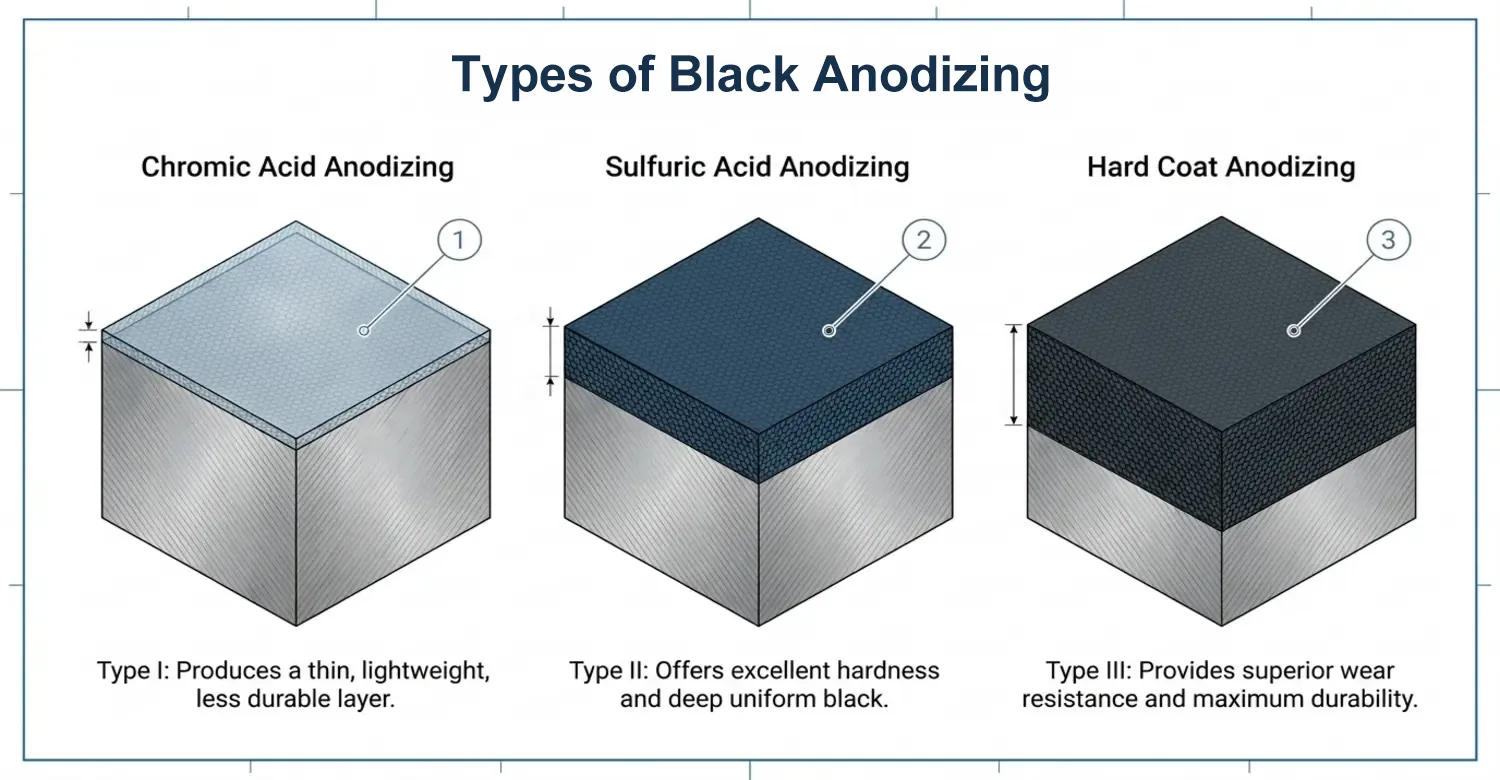
Die schwarze Eloxierung lässt sich je nach Art des verwendeten Elektrolyten in drei Arten unterteilen.
Typ-I-Anodisierung mit Chromsäure
Diese Art der Anodisierung ist eher selten. Dabei wird Chromsäure als Elektrolyt verwendet. Bei diesem Anodisierungsverfahren entsteht eine dünnere Oxidschicht als bei anderen Verfahren. Die Dicke liegt im Bereich von 0,0001 bis 0,0003 Zoll. Die Oxidschicht ist weniger beständig, bietet jedoch eine gewisse Korrosionsbeständigkeit. Die durch dieses Verfahren erzeugte schwarze Farbe ist ungleichmäßig. Die Anodisierung vom Typ I wird in Fällen eingesetzt, in denen das Gewicht eine entscheidende Rolle spielt, beispielsweise in der Luft- und Raumfahrtindustrie. Sie führt zu leichten Bauteilen, wobei die Haltbarkeit bei deren Anwendung jedoch keine wesentliche Rolle spielt.
Typ-II-Schwefelsäure-Eloxierung
Die Typ-II-Eloxierung, auch als Schwefelsäure-Eloxierung bekannt, ist das am häufigsten verwendete Verfahren zur schwarzen Eloxierung. Bei diesem Verfahren wird Schwefelsäure als Elektrolyt verwendet, um eine gleichmäßige Oxidschicht auf Aluminium zu erzeugen. Die Oxidschicht bei dieser Art der Anodisierung ist 0,0002 bis 0,001 Zoll dick. Diese Oxidschicht bietet eine hervorragende Oberflächenhärte und Korrosionsbeständigkeit. Die poröse Oberfläche ermöglicht ein effektives Färben, was zu einer tiefen, gleichmäßigen schwarzen Oberfläche führt. Die Typ-II-Anodisierung eignet sich ideal für Automobilteile, Bauteile im Bauwesen und Unterhaltungselektronik.
Typ-III-Hartbeschichtung durch Eloxieren
Diese Art der Eloxierung wird manchmal einfach als „harte Eloxierung“ bezeichnet. Dabei kommt eine stärker konzentrierte Schwefelsäure zum Einsatz. Sie eignet sich für rauere Einsatzbedingungen und erzeugt Oxidschichten mit einer Dicke von bis zu 0,002 Zoll. Die entstehende Oxidschicht weist im Vergleich zur Typ-II-Eloxierung überlegene Verschleißfestigkeit und Haltbarkeit auf. Diese Eloxierung ermöglicht ein effektives Färben, auch wenn die Oberfläche matter und weniger leuchtend ist. Zu den Anwendungsbereichen der Harteloxierung zählen militärische Bauteile, Schusswaffen und Industriemaschinen.
Schlussfolgerung
Das schwarze Eloxieren ist ein unverzichtbares Verfahren zur Verbesserung der Festigkeit, Haltbarkeit und Optik von Aluminium und anderen Metallen. Ganz gleich, ob Sie es für industrielle, automobile oder dekorative Zwecke benötigen – das schwarze Eloxieren sorgt für eine langlebige, funktionale und ästhetisch ansprechende Oberfläche. Wenn Sie den Prozess, die Vorteile und die Anwendungsbereiche der schwarzen Eloxierung verstehen, können Sie fundierte Entscheidungen darüber treffen, wann und wie Sie diese Technik in Ihren Projekten einsetzen sollten.
Referenz
[1] Internationale Organisation für Normung (ISO). (2018). ISO 7599:2018 Anodisierung von Aluminium und seinen Legierungen – Allgemeine Anforderungen an anodische Oxidationsschichten. ISO Online-Browsing-Plattform (OBP). https://www.iso.org/obp/ui/#iso:std:iso:7599:ed-3:v1:en
[2] ScienceDirect. (o. J.). Eloxieren – Überblick über die Materialwissenschaft. ScienceDirect-Themen. https://www.sciencedirect.com/topics/materials-science/anodizing



 DE
DE  EN
EN  ES
ES  FR
FR  IT
IT  PT
PT  NL
NL  PL
PL  AR
AR  JA
JA  KO
KO  ZH
ZH