

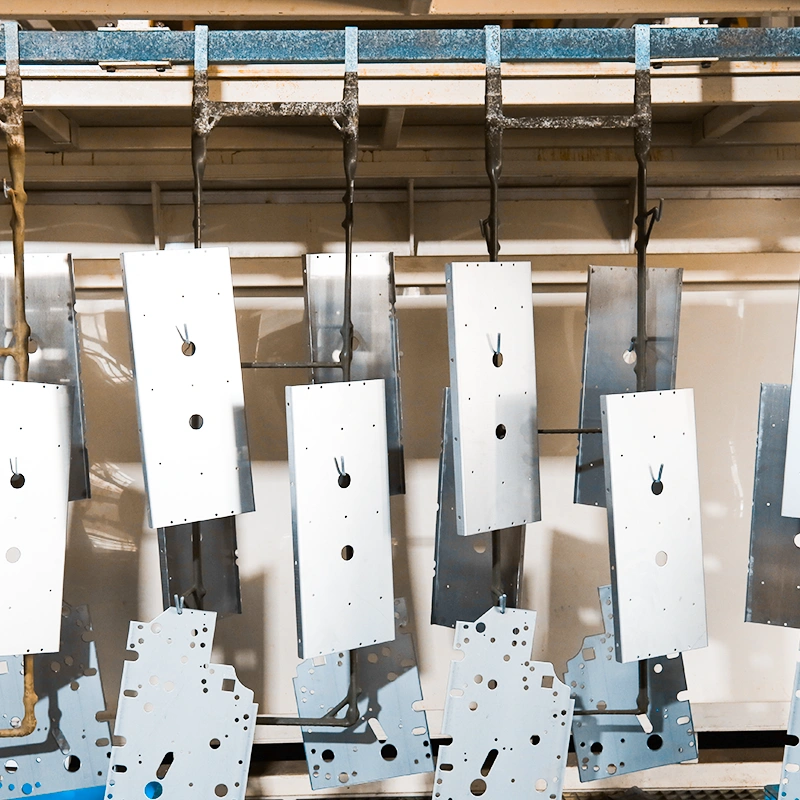
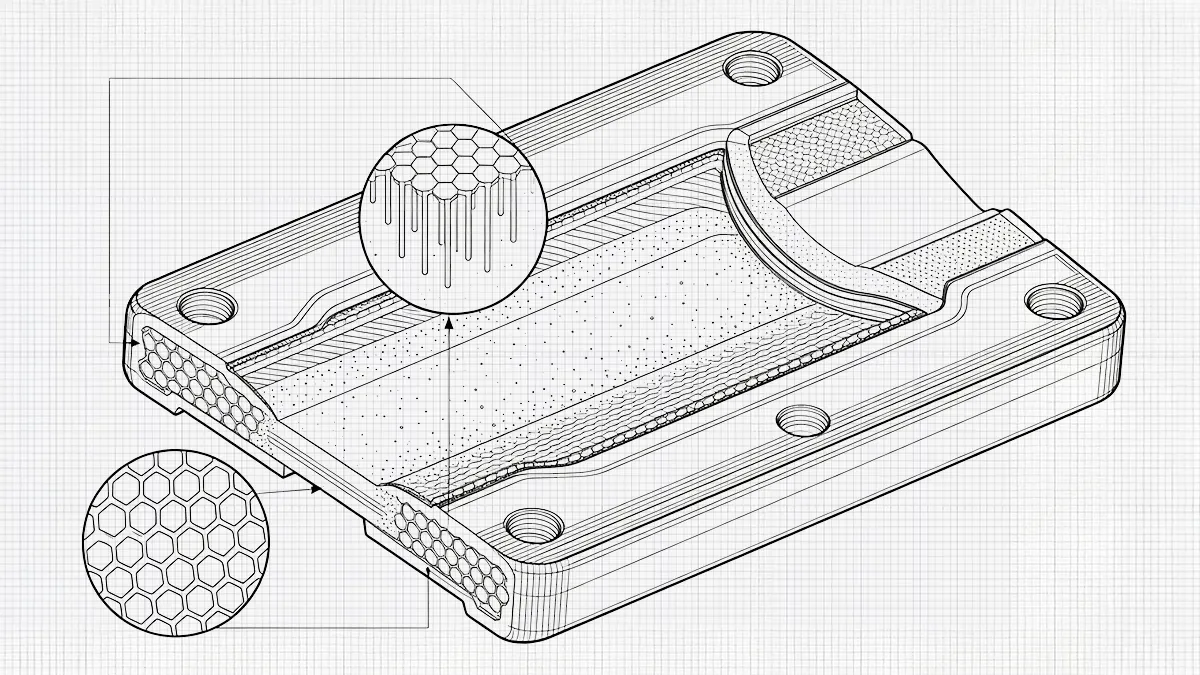
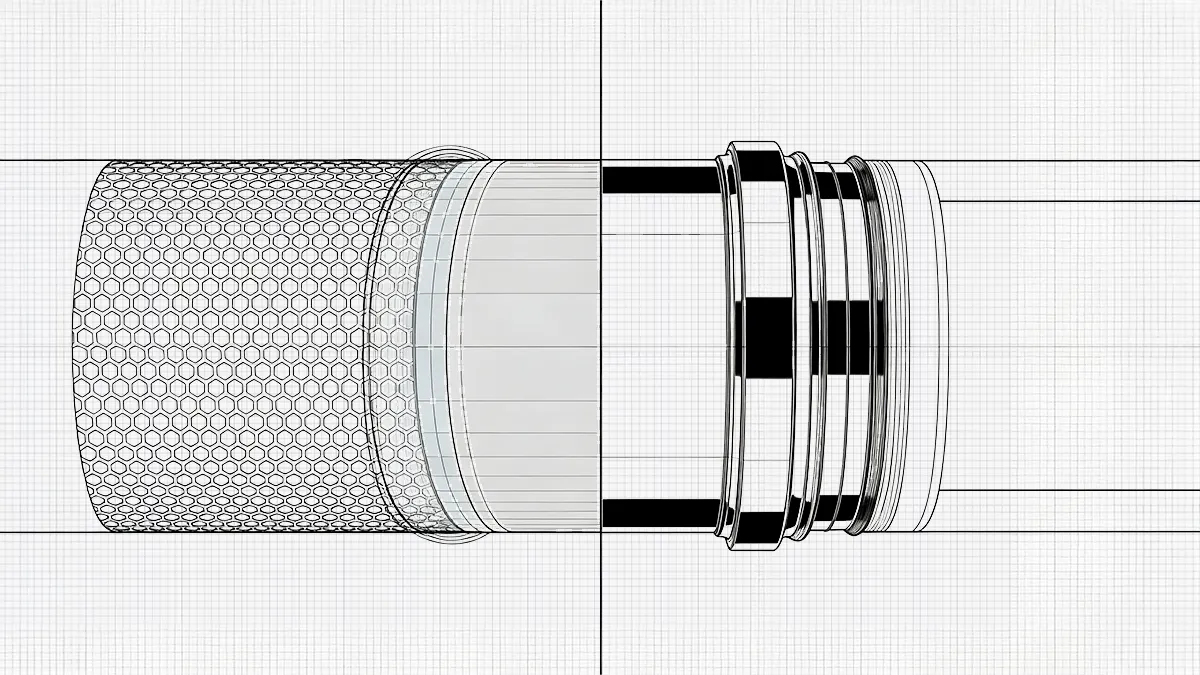
Oppervlakteafwerking maakt deel uit van het productieproces, met name bij CNC-gefreesde onderdelen. Hierbij wordt gebruikgemaakt van technieken die specifiek zijn ontworpen om de oppervlakte-eigenschappen van een onderdeel aan te passen aan de beoogde functionele, esthetische of prestatiegerelateerde eisen. Oppervlakteafwerking verfraait het onderdeel en verbetert de prestatiekenmerken ervan, zoals corrosiebestendigheid, slijtvastheid en de algehele kwaliteit van de oppervlakteafwerking, door de oppervlakteruwheid tot een minimum te beperken.
Wat is oppervlakteafwerking?
Oppervlakteafwerking is het proces waarbij men het oppervlak van een bewerkt onderdeel verandert wat betreft textuur, uiterlijk en functionaliteit. Afhankelijk van het onderdeel kan de afwerking mechanisch, chemisch of elektrochemisch zijn.
CNC-bewerking leidt tot een hoge nauwkeurigheid en herhaalbaarheid van een werkstuk. De onderdelen kunnen echter kenmerken aan het oppervlak vertonen die zowel de vorm als de afwerking beïnvloeden.
Een veelvoorkomend probleem zijn gereedschapssporen – fijne lijntjes of groeven die door het snijgereedschap worden achtergelaten – die zowel de esthetiek als de functionaliteit kunnen beïnvloeden. Als deze ruwe gereedschapssporen niet worden behandeld, zijn ze mogelijk esthetisch ongewenst of functioneel ongeschikt. Technieken zoals polijsten of een tweede afwerking kunnen hier effectief iets aan doen.
Bewerkte kenmerken zoals bramen, opstaande randen, deeltjes of kleine ribbels die zich vormen op de grens van de kenmerken, maken ontbraambewerkingen noodzakelijk.
Kleine vlekken in de vorm van krassen op het oppervlak als gevolg van het bewerkingsproces, de behandeling of het transport zijn ongewenst vanuit esthetisch oogpunt. Ze kunnen later een bron zijn van verdere mechanische problemen.
Veelgebruikte technieken voor CNC-bewerkte oppervlakken
Oppervlakteafwerking speelt een vitale rol bij het bepalen van de kwaliteit en prestaties van CNC-bewerkte onderdelen. Hier bespreken we enkele standaard nabewerkingsprocessen in diverse industrieën.
Anodiseren
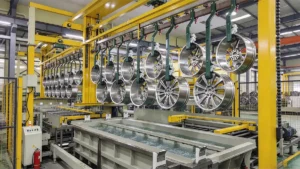
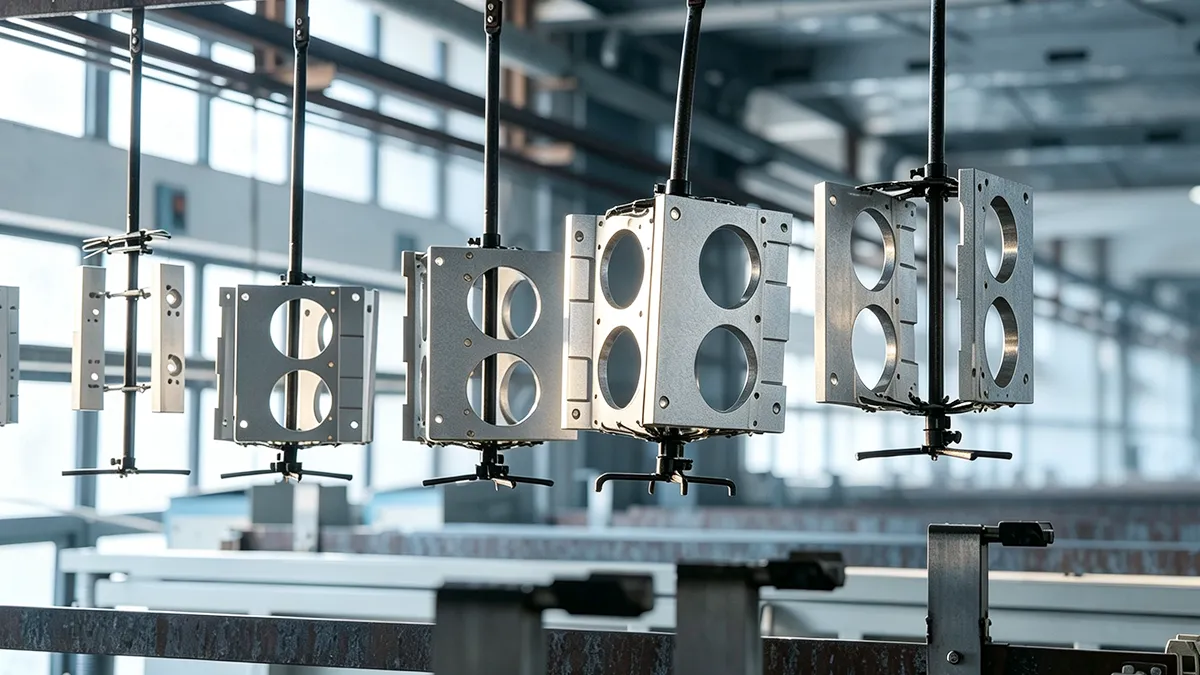
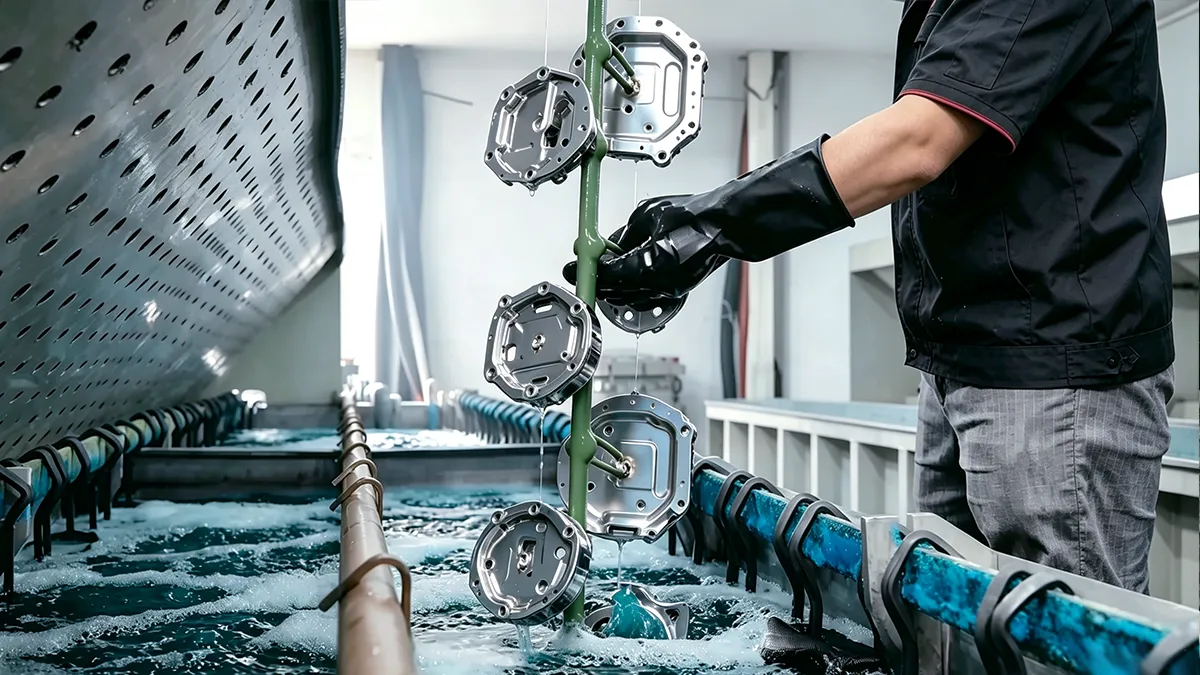
Anodiseren verbetert op effectieve wijze de corrosiebescherming, de mechanische eigenschappen en het uiterlijk van producten, met name in CNC-bewerking van aluminium. Bij deze procedure wordt een robuust en roestwerend oxide laagje op het oppervlak van het metaal. Bij het anodiseren ontstaat een oxidelaag, die een beschermende laag rond het metaal vormt. Dit verbetert niet alleen de eigenschappen van het metaal, maar draagt ook bij aan de esthetische waarde van het eindproduct.
Proces
- Oppervlaktevoorbereiding: De onderdelen worden gereinigd voordat het anodisatieproces wordt toegepast. Grondig reinigen verwijdert olie en vuil. Operators kunnen mechanische of chemische voorbehandelingstechnieken gebruiken zoals polijsten of etsen.
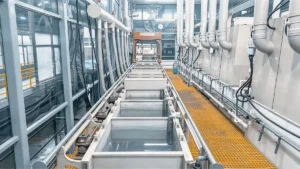
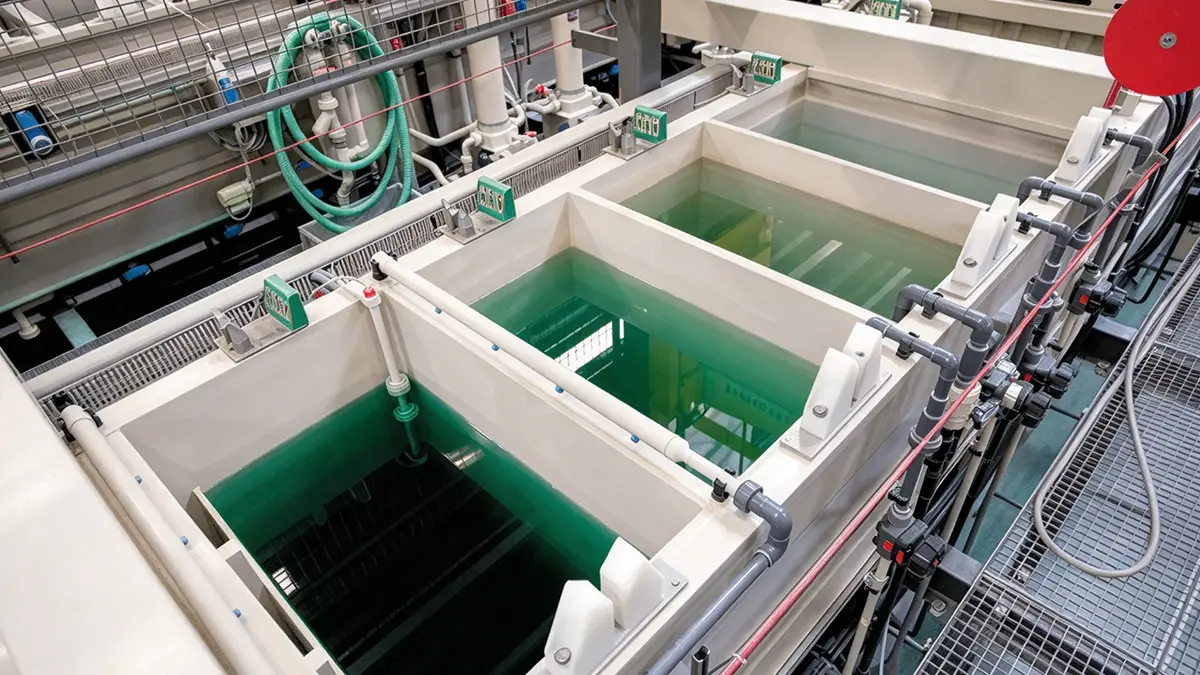
- Onderdompeling in elektrolytoplossing: Na het reinigen plaatsen technici het onderdeel in een elektrolytbad, vaak met zuur, zoals zwavelzuur of chroomzuur. Dit bad zorgt voor een elektrolytisch proces, waardoor een oxidelaag ontstaat. Bij dit proces fungeert het onderdeel zelf als anode van het systeem. De kathode, meestal gemaakt van aluminium of lood, wordt tegenover de anode geplaatst.
- Toepassing van elektrische stroom: Technici laten gelijkstroom (DC) door het onderdeel en de kathode lopen en er vindt een elektrochemisch proces plaats op het onderdeel. Ionen uit de elektrolyt reageren met de aluminiumatomen op het oppervlak van het onderdeel en produceren aluminiumoxide (Al₂O₃). Deze oxidelaag is eerst poreus en vergemakkelijkt de daaropvolgende stofbehandeling, zoals verven.
- Kleuren en verzegelen: De geanodiseerde laag laat kleurstoffen door, waardoor het onderdeel gemakkelijk geverfd kan worden. Organische of anorganische kleurstoffen dringen de poriën binnen. Sealen is het laatste proces om de corrosiebescherming te verhogen en te voorkomen dat de kleur vervaagt. Hierbij wordt het onderdeel tot een kookpunt gebracht, waarbij het aluminiumoxide hydrateert en alle poriën afsluit. Andere soorten verzegeling omvatten chemicaliën zoals nikkelacetaat om het oppervlak verder te beschermen.
Soorten anodiseren
Anodiseren met chroomzuur (type I)
Het maakt gebruik van chroomzuur als elektrolyt en vormt een dunne en gladde anodische laag. Het heeft echter een lagere slijtvastheid dan de andere coatings. Het is vooral geschikt voor onderdelen in de lucht- en ruimtevaart, waar de vereiste basiskenmerken zijn: vermoeidheidssterkte en een hoge corrosiebestendigheid.
Anodiseren met zwavelzuur (type II)
Deze methode is bekend met een zwavelzuuroplossing als elektrolyt. De onderdelen in dit proces zijn dikker dan die in chroomzuur anodiseren. Type II anodiseren is gunstig voor het verven van het oppervlak en is geschikt voor esthetisch gebruik. Het is bekend voor de meeste kleine apparaten, autoaccessoires en gebouwen waar uiterlijk, matige roestbestendigheid en sterkte gewenst zijn.
Hard anodiseren met zwavelzuur bij lagere temperaturen (type III)
Vergelijkbaar met type II, maar bij lagere temperaturen en hogere spanningen. Volgens strenge industriële specificaties zoals ASTM B580 type A heeft deze harde anodische coating doorgaans een dikte van 50 tot 100 micron [1]. Bovendien bereikt deze dichte keramische laag een uitzonderlijke microhardheid die overeenkomt met 60 tot 70 HRC. Deze buitengewone hardheid zorgt voor een extreme slijtvastheid bij zwaar belaste bewegende onderdelen.
Geschikt voor veeleisende toepassingen zoals lucht- en ruimtevaartproducten, militaire producten en industriële apparatuur. Deze toepassingen vereisen maximale duurzaamheid van het oppervlak of het gehele apparaat. Mogelijke toepassingen zijn onder meer zuigers, tandwielen en andere bewegende onderdelen.
Parelstralen
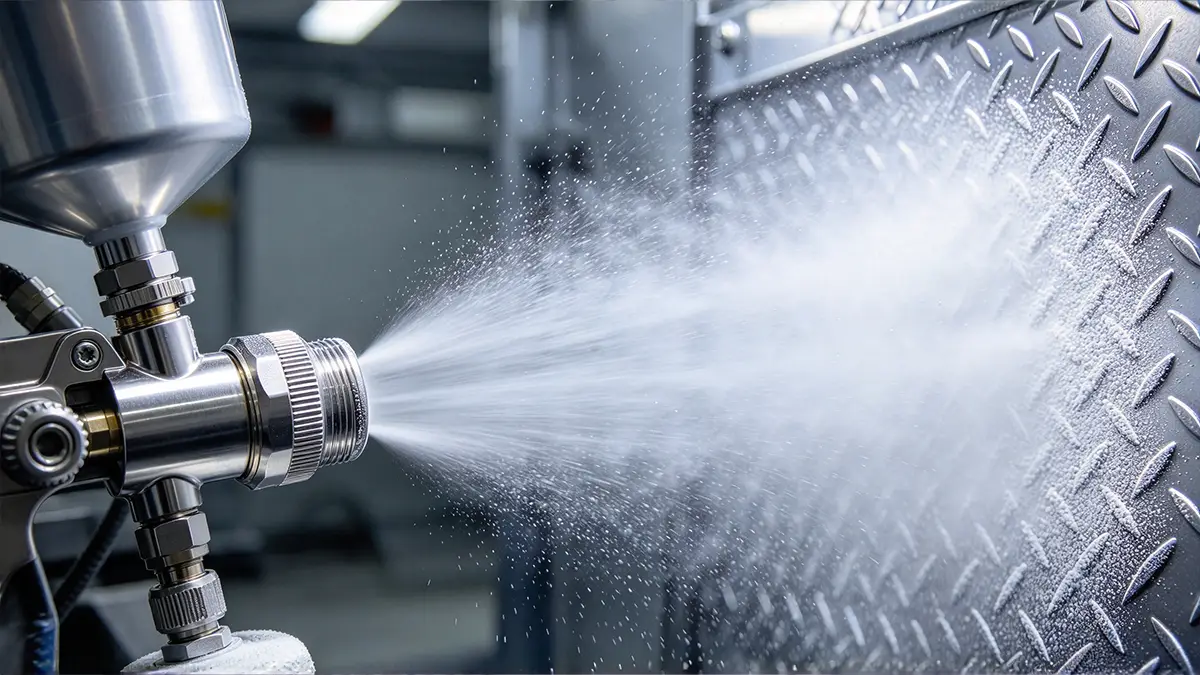
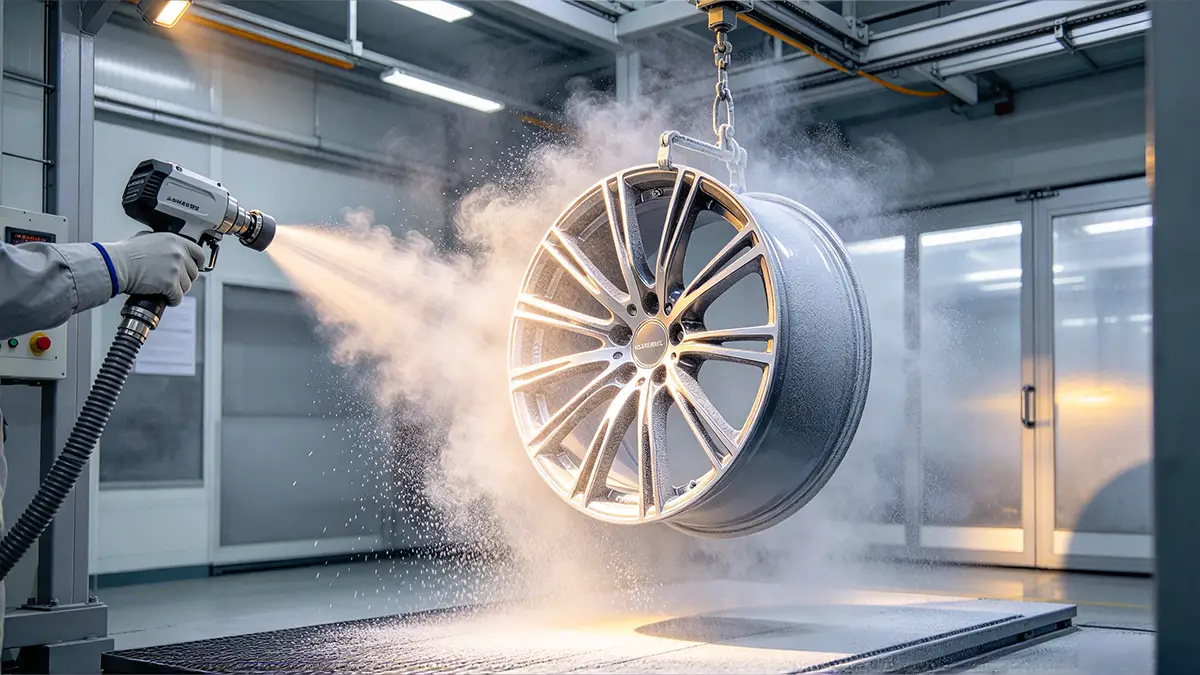
Parelstralen is een andere methode van oppervlakteafwerking waarbij glasparels op basis van oxide onder hoge druk op het oppervlak van een materiaal worden gespoten. Door het proces aan te passen kunnen gladde en ruwe oppervlakken worden gemaakt met behulp van het straalmiddel. Het wordt vaak gebruikt voor verfraaiing, oppervlaktevoorbereiding of het verwijderen van oppervlakteverontreinigingen zoals roest of verf.
Proces
- Oppervlaktevoorbereiding: Wassen om de achtergebleven oliën of andere gemakkelijk verwijderbare verontreinigingen te verwijderen.
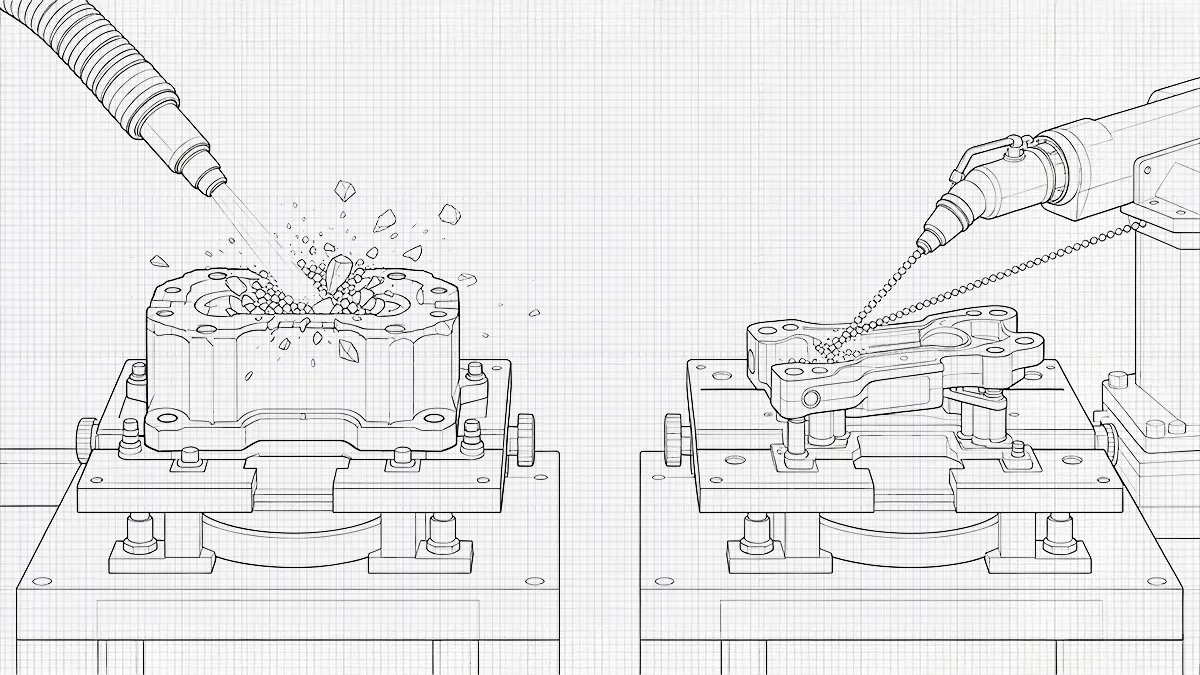
- Straalcabine of Machine Setup: Technici plaatsen het onderdeel in een straalkast of machineopstelling. De straalkast is een gesloten ruimte waar het stralen plaatsvindt en het straalmiddel niet wegvliegt.
- Perslucht en schuurmiddelen: Operators gebruiken perslucht om het schuurmateriaal, meestal glasparels, tegen het oppervlak van het onderdeel te blazen. De mate van oppervlaktebehandeling hangt af van de luchtdruk en het soort materiaal dat in het proces wordt gebruikt.
- Gecontroleerde oppervlakteafwerking: De operator kan de hoeveelheid druk bepalen, de dichtheid van het oppervlak waarop het wordt aangebracht en de hoek waarin het medium wordt aangebracht. Dit is nodig voor volledige controle over de afwerking. Parelstralen is geschikt voor het bewerken van verschillende onderdelen op verschillende manieren, afhankelijk van de behoefte.
- Reiniging na het stralen: De operators wassen het onderdeel na het stralen om straalmiddel of stofresten te verwijderen. Dit helpt storingen als gevolg van verontreiniging door andere elementen te voorkomen voordat het onderdeel bewerkingen moet ondergaan zoals coaten of assembleren.
Soorten parelstralen
Glasparelstralen
Bij deze specifieke straalmethode worden bolvormige glasparels gebruikt om een gelijkmatige matte of satijnen afwerking te verkrijgen. In tegenstelling tot schuurkorrels met scherpe hoeken zorgen deze bolvormige deeltjes bij het raken van het metalen oppervlak voor een microscopisch hamereffect in plaats van een snijwerking [3]. Dit unieke werkingsmechanisme zorgt ervoor dat de met CNC-machines vervaardigde precisiematen tijdens het reinigingsproces volledig intact blijven. Dit komt vaak goed van pas bij huishoudelijke apparaten, het interieur en exterieur van auto’s, meubels, producten uit de lichte industrie en andere onderdelen. Bij deze toepassingen is een glad en mooi uiterlijk van essentieel belang.
Aluminiumoxide stralen
Bij deze methode wordt gebruikgemaakt van zeer hoekige en agressieve aluminiumoxidekorrels. Omdat dit schuurmiddel aanzienlijk harder en scherper is, verwijdert aluminiumoxide aanzienlijk meer materiaal. Door hun hardheid verwijdert aluminiumoxide aanzienlijk meer materiaal van het oppervlak dan glasparels. Deze methode is geschikt wanneer een iets ruwer oppervlak of een betere materiaalafname vereist is.
Kunststofparelstralen
Hierbij worden kunststofkorrels als straalmiddel gebruikt, waardoor de onderdelen zo min mogelijk worden belast. Omdat kunststofstraalmiddel aanzienlijk zachter is dan metaal, worden coatings en verontreinigingen veilig verwijderd zonder het onderliggende basismateriaal aan te tasten of in te snijden. Het proces zorgt voor een fijne oppervlakteafwerking zonder de sterkte van het betreffende onderdeel nadelig te beïnvloeden. Het stralen met kunststofkorrels is een geschikte optie voor het reinigen van zachtere metalen of kwetsbare onderdelen, en wordt vaak gebruikt bij productie van auto-onderdelen en productie van onderdelen voor de lucht- en ruimtevaart.
Siliciumcarbide stralen
Een van de meest agressieve technieken is het gebruik van siliciumcarbide-deeltjes. Siliciumcarbide behoort tot de hardste synthetische schuurmaterialen die in de verwerkende industrie beschikbaar zijn. Met een opmerkelijke hardheid op de schaal van Mohs van 9,0 tot 9,5 snijdt het krachtig in uiterst harde metalen oppervlakken [4]. Dankzij deze extreme hardheid verwijdert het snel diepe bewerkingssporen en zorgt het voor een sterk gestructureerd oppervlak dat bij uitstek geschikt is voor een goede hechting van daaropvolgende, zware coatings. Toepassingen zijn onder meer het reinigen van turbinebladen, gietstukken, onderdelen die aan hoge belastingen worden blootgesteld, en tal van andere onderdelen die een robuust oppervlak vereisen voordat ze verder worden behandeld.
Elektrolytisch polijsten
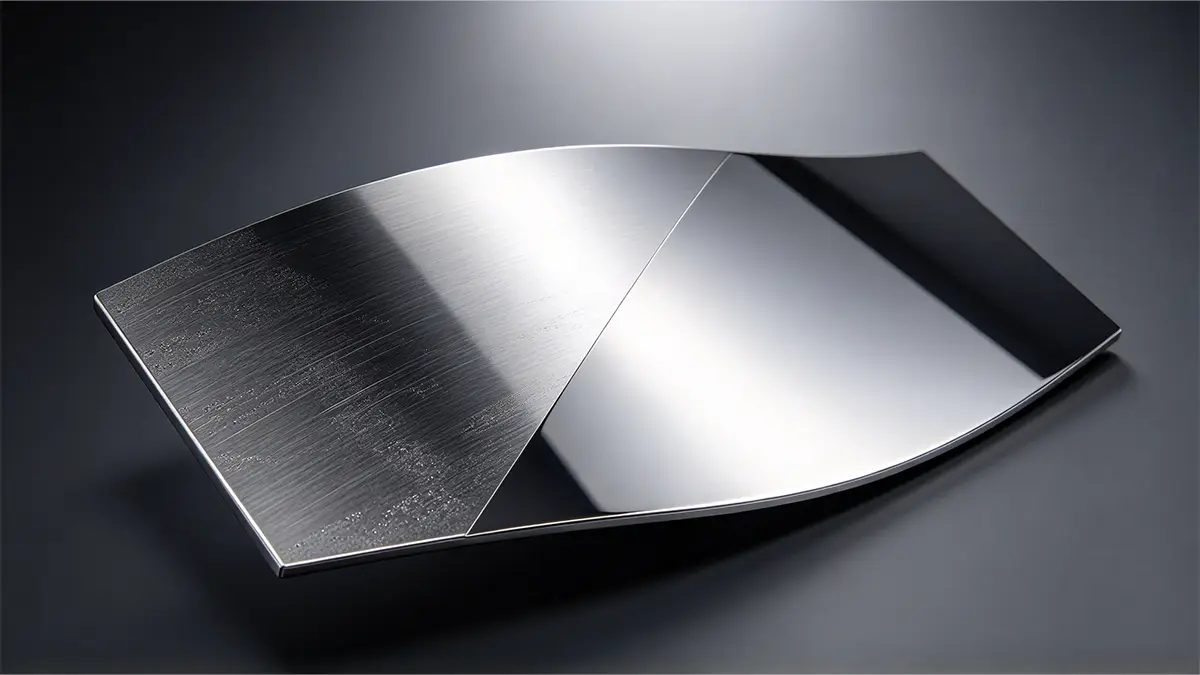
Elektropolijsten is een uiterst nauwkeurig elektrochemisch proces waarbij een microscopisch dunne materiaallaag van het oppervlak van metalen onderdelen wordt opgelost. Deze techniek is het tegenovergestelde van galvaniseren en lijkt meer op oplossen, polijsten en gladmaken. Elektropolijsten wordt voornamelijk toegepast op ijzer-chroom-, aluminium-, titanium- en nikkellegeringen. Daarom is het nuttig voor sectoren die hoge eisen stellen aan reinheid en oppervlaktezuiverheid, zoals de voedingsmiddelenindustrie, medische apparatuur en de farmaceutische industrie.
Proces
- Oppervlaktevoorbereiding: Voor het elektrolytisch polijsten worden de metalen onderdelen gereinigd om ze te ontvetten. Het reinigen verwijdert alle stoffen die het elektrochemische proces kunnen belemmeren.
- Onderdompeling in elektrolytisch bad: Operators dompelen het metalen onderdeel onder in een elektrolytbad. Het bad bestaat uit een zuuroplossing, meestal zwavelzuur en fosforzuur. In het elektrochemische deel van het systeem fungeert het ‘onderdeel’ als de anode, terwijl de kathode een inert materiaal is zoals roestvrij staal of lood.
- Toepassing van elektrische stroom: Operators brengen een elektrische stroom aan tussen de anode en de kathode van het onderdeel. De stroom zorgt ervoor dat de oxidatielaag van het onderdeel oplost in een waterige oplossing. De materiaalverwijdering neemt snel toe voor de gebogen pieken op het kathodeoppervlak in plaats van voor de gebogen dalen. Deze selectieve verwijdering draagt bij aan het afvlakken van het oppervlak, waardoor het onderdeel kan worden gepolijst tot een glad oppervlak.
- Materiële ontbinding: Bij het elektropolijstproces wordt een microscopisch dunne laag van het basismateriaal nauwkeurig verwijderd, met een diepte die doorgaans varieert van 0,0025 mm tot 0,025 mm. Deze elektrochemische afbraak richt zich bij voorkeur op microscopische pieken in het oppervlak in plaats van op dalen. Daardoor kan het proces de totale gemiddelde oppervlakteruwheid (Ra) systematisch met maximaal 50 procent verminderen en tegelijkertijd het metaal passiveren [2]. De uiteindelijke oppervlakteafwerking ziet er opmerkelijk beter en zeer verfijnd uit in vergelijking met standaard mechanisch polijsten.
- Oppervlakte gladmaken en polijsten: Elektrolytisch polijsten maakt het oppervlak glad, glanzend en ‘helder’ in vergelijking met de oorspronkelijke staat. Naast het esthetische aspect minimaliseert het drastisch de ruwheid op microscopisch niveau en helpt het de kans op corrosie te verminderen.
- Reiniging en inspectie na het polijsten: Na het elektrolytisch polijsten wordt het afwerkingsdeel gewassen in water om de elektrolytoplossing te verwijderen. Controle van het onderdeel voor oppervlaktebehandeling garandeert dat het geschikte materiaal is verwijderd.
Vergelijking van oppervlakteafwerkingsmethoden
De beste oppervlakteafwerking voor CNC-gefreesde onderdelen hangt af van factoren zoals het gebruikte materiaal, de toepassingsvereisten en de bedrijfsomstandigheden van het onderdeel. De belangrijkste beslissing is de keuze van de oppervlakteafwerking, aangezien deze bepalend is voor de prestaties, de levensduur en uiteindelijk de prijs van het onderdeel. Alle besproken materialen reageren verschillend op specifieke afwerkingsprocedures, en procedures zoals anodiseren zijn doorgaans standaard bij aluminium. Evenzo is het noodzakelijk om rekening te houden met de functie van het betreffende onderdeel. Als er bijvoorbeeld extreme slijtvastheid vereist is, moeten aluminium onderdelen worden onderworpen aan hard anodiseren (Type III).
Aan de andere kant kan elektropolijsten voordelen bieden voor onderdelen in uiterst steriele omgevingen. Blootstelling aan omgevingsfactoren is eveneens een essentiële factor, met name voor onderdelen die worden blootgesteld aan corrosieve omgevingen, hoge of lage temperaturen of chemicaliën. Ook esthetische overwegingen spelen een rol bij de keuze, vooral in sectoren zoals de consumentenelektronica en de automobielindustrie, waar technieken als polijsten en anodiseren worden toegepast. Budgettaire overwegingen zijn essentieel bij de keuze van de oppervlakteafwerking en hebben een directe invloed op de totale CNC bewerkingskosten, aangezien opties die meer bescherming bieden en er aantrekkelijker uitzien, vaak duurder zijn. In dit geval is het van groot belang om de prestatie-eisen af te wegen tegen de kosten om de juiste beslissing te kunnen nemen.
| Afwerkingsmethode | Kosten | Duurzaamheid | Esthetisch aantrekkelijk | Algemene materialen | Typische toepassingen |
|---|---|---|---|---|---|
| Parelstralen | Laag | Matig | Mat (matte afwerking) | Aluminium, roestvrij staal | Auto-onderdelen, ruimtevaartonderdelen, elektronica |
| Anodiseren | Matig | Hoog (corrosie- en slijtvast) | Hoog (gekleurde opties) | Aluminium, titanium | Ruimtevaart, auto-industrie, consumentenelektronica |
| Elektrolytisch polijsten | Hoog | Hoog | Matig (glad oppervlak) | Roestvrij staal, aluminium | Farmaceutische apparatuur, voedselverwerking, medische apparatuur |
Tips: Als je meer wilt weten over het volledige aanbod aan oppervlaktebehandelingsprocessen, klik dan op “Meer oppervlaktebehandelingsprocessen” om verder te gaan.
Conclusie
Oppervlakteafwerking is een essentieel onderdeel van het totale productieproces binnen elke professionele machinewerkplaats bij CNC-gefreesde onderdelen, die een grote invloed hebben op zowel de functionaliteit als het uiterlijk.
Anodiseren, parelstralen en elektrolytisch polijsten verbeteren eigenschappen zoals corrosie, slijtvastheid en oppervlakteafwerking en geven de onderdelen een esthetisch uiterlijk.
Elke afwerkingsmethode is gericht op eisen of problemen die te maken hebben met het materiaal van het onderdeel en het beoogde gebruik. De keuze van de juiste techniek voor oppervlakteafwerking heeft betrekking op de efficiëntie en duurzaamheid van de CNC-bewerkte onderdelen.
Andere kenmerken, waaronder exogene omstandigheden, beïnvloeden dit besluitvormingsproces vanwege de eisen die aan de productprestaties worden gesteld. Productiekosten zijn een andere essentiële factor.
Inzicht in de bijzonderheden van een bepaalde oppervlakteafwerkingsmethode is van vitaal belang om de juiste keuzes te maken voor hun individuele behoeften op basis van functionaliteit, kosten en esthetiek voor hun specifieke producten.
Referentie
[1] ASTM International. (2019). ASTM B580-79(2019) Standaardspecificatie voor anodische oxidecoatings op aluminium. https://doi.org/10.1520/B0580-79R19
[2] ASTM International. (2018). ASTM B912-02(2018) Standaardspecificatie voor het passiveren van roestvrij staal door middel van elektrolytisch polijsten. https://doi.org/10.1520/B0912-02R18
[3] Dong, H. (red.). (2010). Oppervlaktebehandeling van lichte legeringen: aluminium-, magnesium- en titaniumlegeringen. Woodhead Publishing (Elsevier). https://doi.org/10.1533/9781845699451
[4] Tretyakov, Y. D. (2007). Handboek over harde keramische materialen. Wiley-VCH. https://doi.org/10.1002/9783527618217



 NL
NL  EN
EN  ES
ES  FR
FR  DE
DE  IT
IT  PT
PT  PL
PL  AR
AR  JA
JA  KO
KO  ZH
ZH