

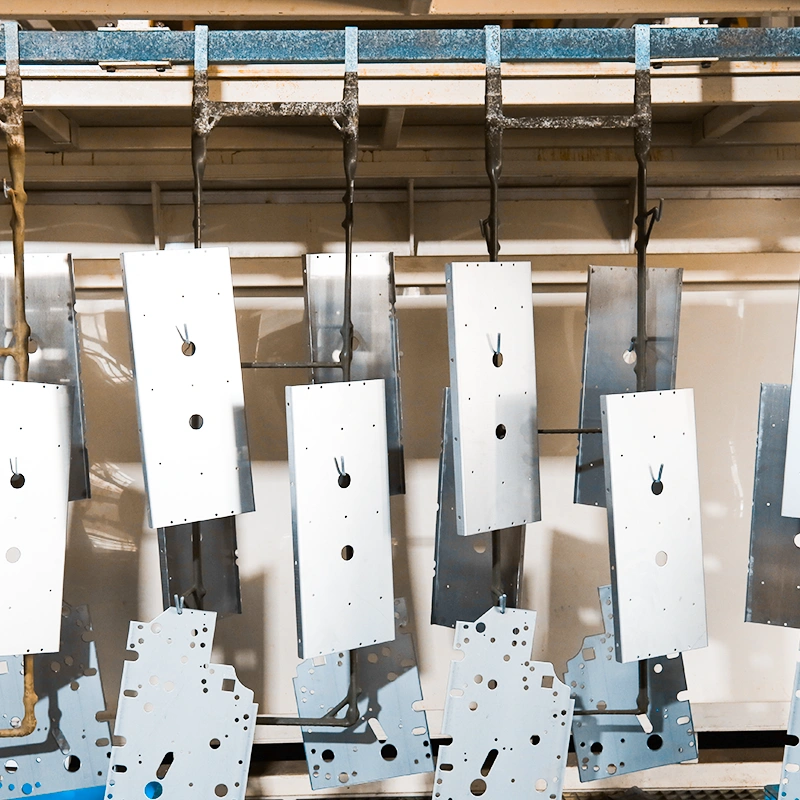
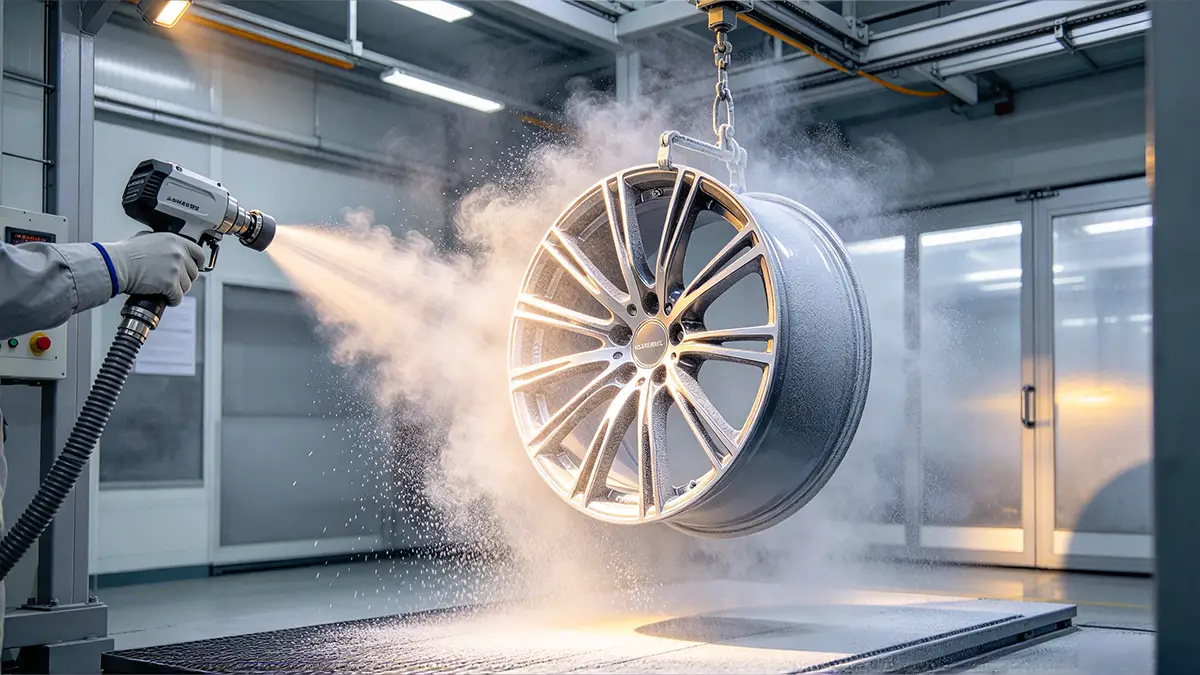
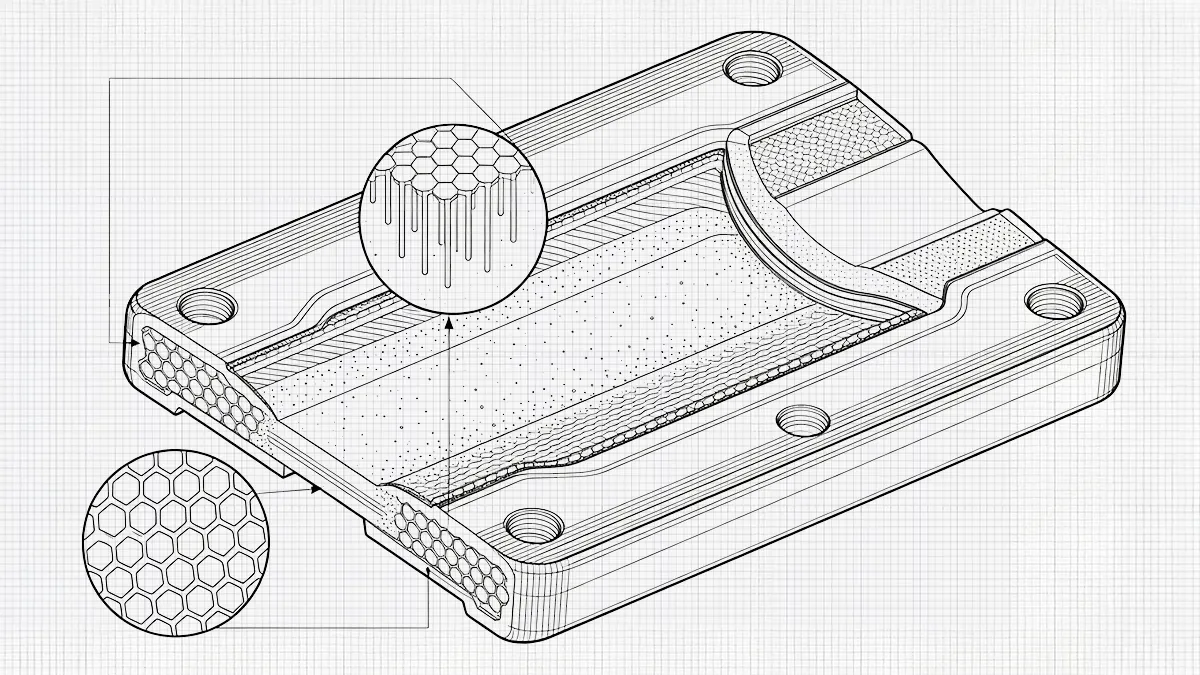
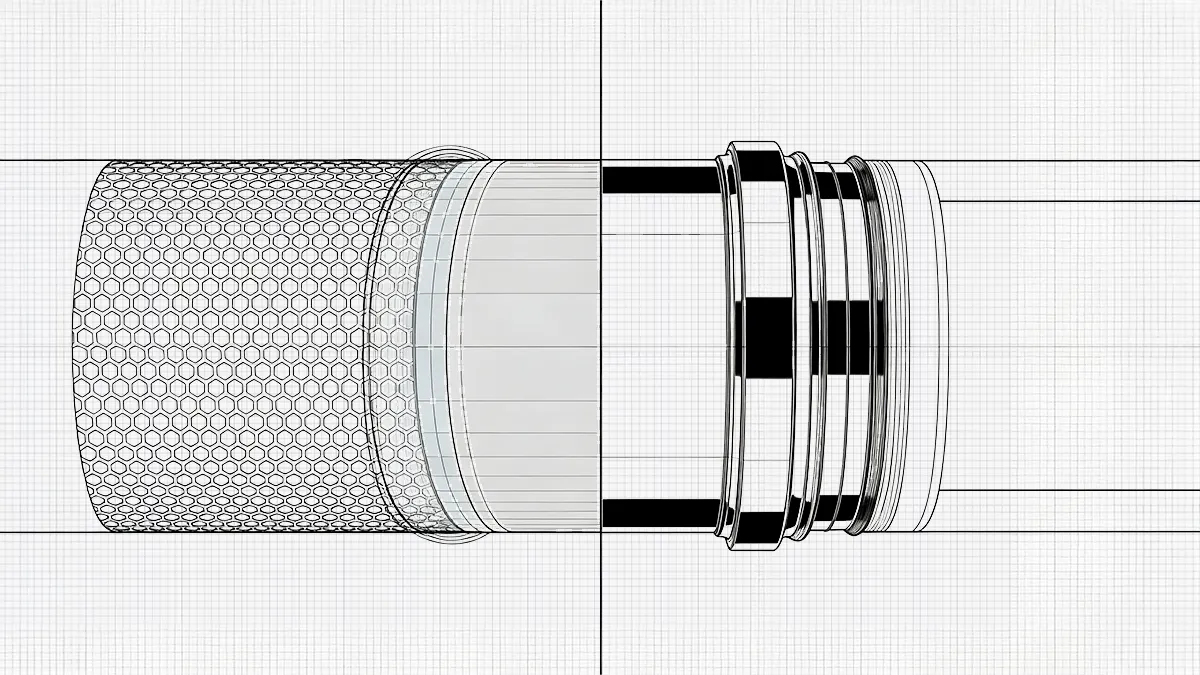
표면 처리는 제조 공정의 일부로, 특히 CNC 가공 부품에 있어 중요한 역할을 합니다. 이는 부품의 표면 특성을 변경하여 목표한 기능적, 미적 또는 성능 관련 요구 사항을 충족시키기 위해 특별히 고안된 기술을 활용합니다. 표면 처리는 부품의 외관을 아름답게 할 뿐만 아니라, 표면 거칠기를 최소화함으로써 내식성, 내마모성 및 전반적인 표면 마감 품질과 같은 성능 특성을 향상시킵니다.
표면 마감이란 무엇인가요?
표면 마감은 가공된 부품의 질감, 외관 및 기능과 관련하여 표면을 변경하는 프로세스입니다. 필요한 부품에 따라 기계적, 화학적 또는 전기 화학적 마감 처리를 할 수 있습니다.
CNC 가공 공작물의 높은 정확도와 반복성을 이끌어냅니다. 그러나 부품의 표면에 형태와 마감에 영향을 미치는 특징이 있을 수 있습니다.
흔히 발생하는 문제 중 하나는 공구 자국, 즉 절삭 공구가 남긴 미세한 선이나 홈으로, 이는 미관과 기능성 모두에 영향을 미칠 수 있습니다. 이러한 거친 공구 자국을 그대로 방치할 경우 미관상 바람직하지 않거나 기능적으로 적합하지 않을 수 있습니다. 연마나 2차 마감과 같은 기법을 활용하면 이를 효과적으로 해결할 수 있습니다.
버, 융기된 가장자리, 입자 또는 피처 경계에 형성된 작은 융기와 같은 가공된 피처는 디버링 작업이 필요합니다.
가공 과정, 취급 또는 운송으로 인해 표면에 긁힌 자국이 생기는 것은 미관상 바람직하지 않습니다. 나중에 기계적인 문제가 발생할 수 있습니다.
CNC 가공을 위한 일반적인 표면 마감 기술
표면 마감은 CNC 가공 부품의 품질과 성능을 결정하는 데 중요한 역할을 합니다. 여기에서는 다양한 산업 분야의 표준 마감 공정에 대해 설명합니다.
아노다이징
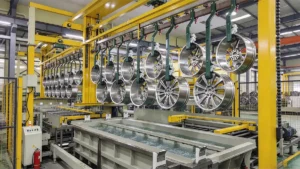
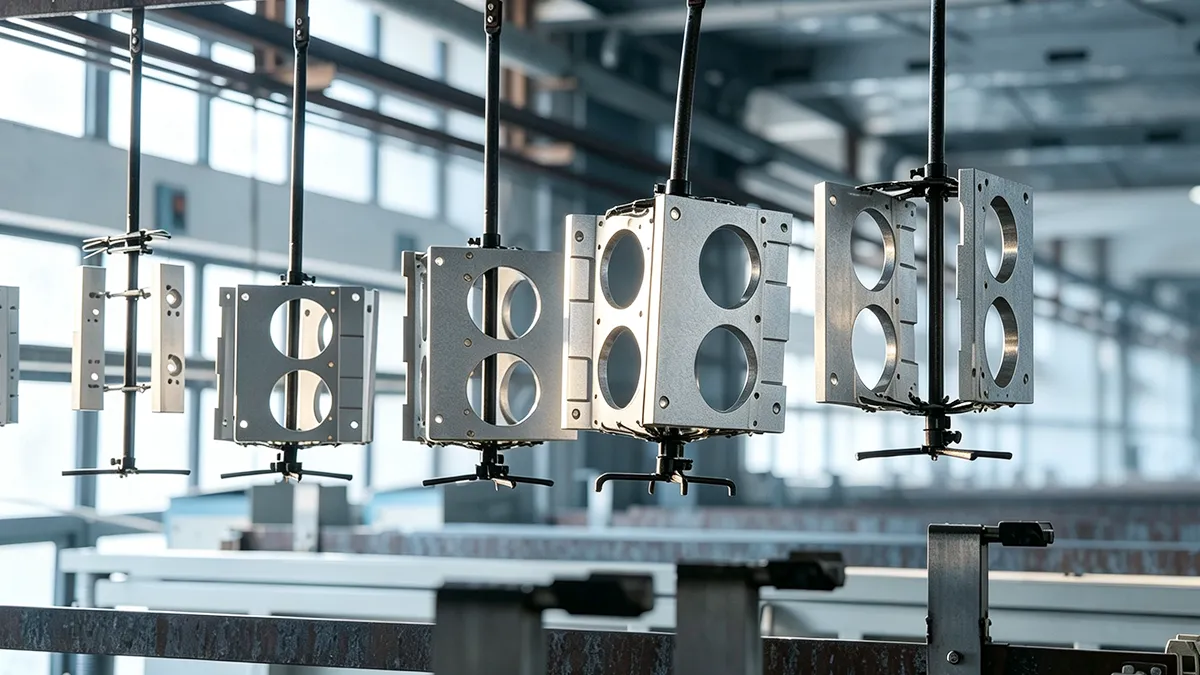
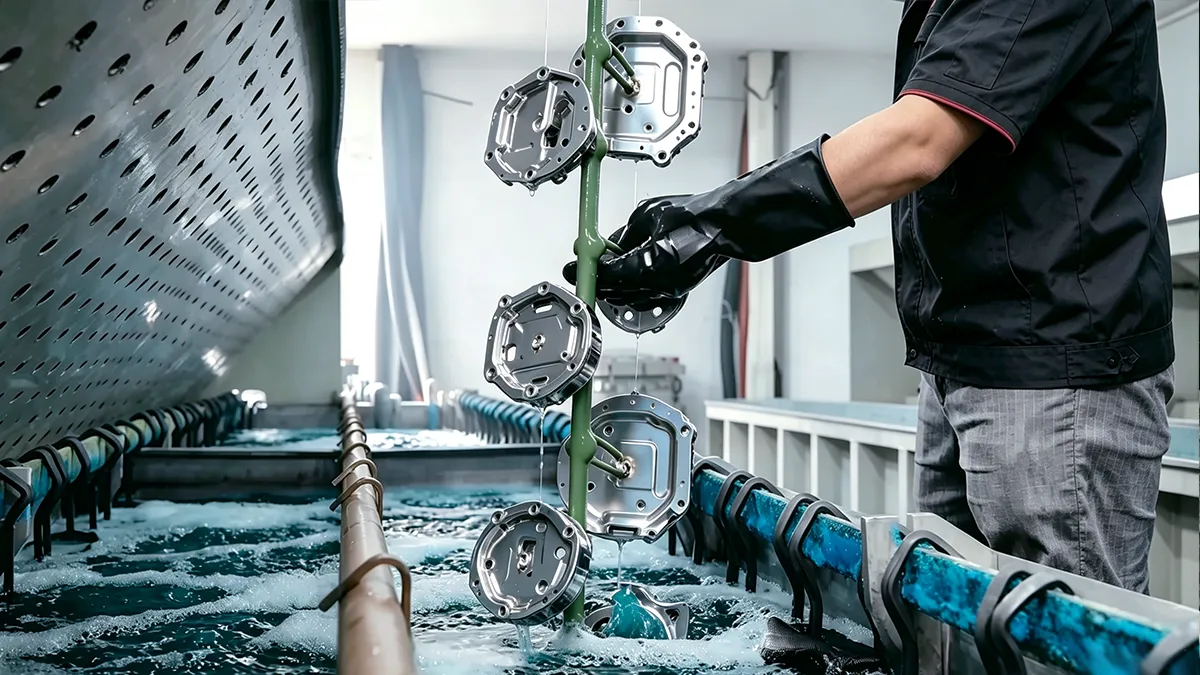
아노다이징 제품의 내식성, 기계적 특성 및 외관을 효과적으로 개선하며, 특히 알루미늄 CNC 가공. 이 절차는 견고하고 방청 산화물 금속 표면에 형성되는 막. 양극 산화 처리는 산화막을 형성하여 금속 주위에 코팅층을 만듭니다. 이는 금속의 특성을 향상시킬 뿐만 아니라, 최종 제품의 미적 가치에도 기여합니다.
프로세스
- 표면 준비: 부품 세척은 아노다이징 공정을 적용하기 전에 이루어집니다. 철저한 세척을 통해 오일과 먼지를 제거합니다. 작업자는 연마 또는 에칭과 같은 기계적 또는 화학적 전처리 기술을 사용할 수 있습니다.
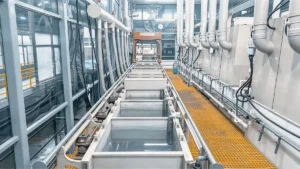
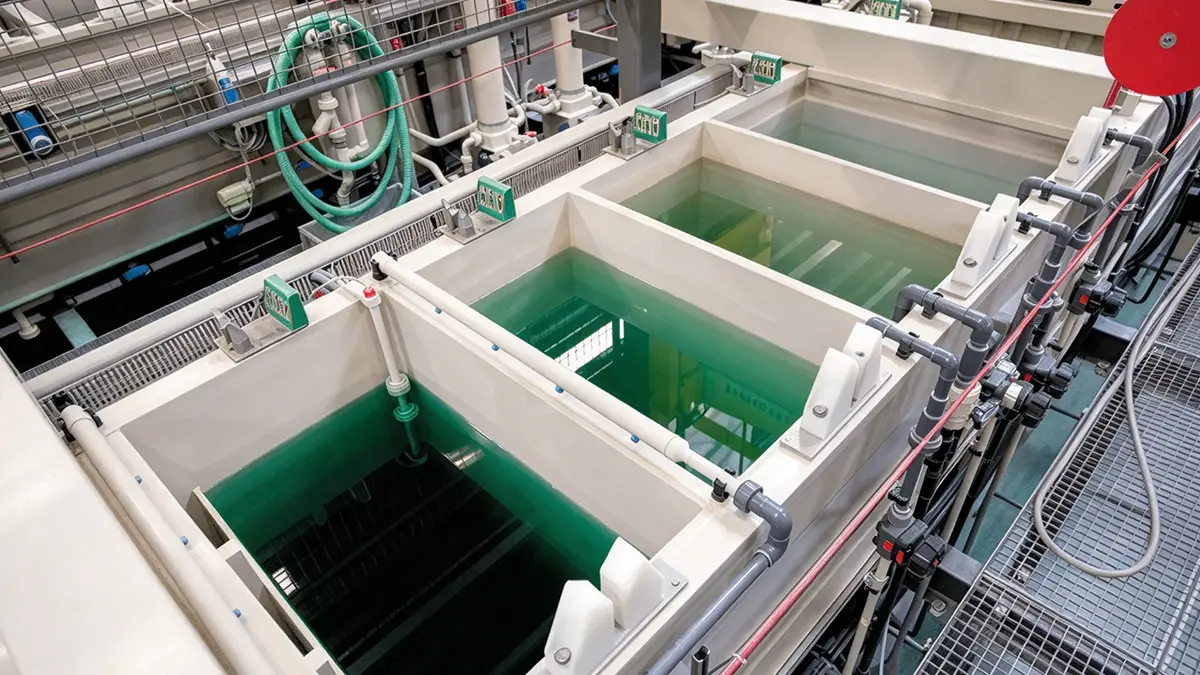
- 전해질 용액에 담그기: 세척이 끝나면 기술자들은 부품을 전해액 욕조에 넣는데, 이 전해액은 대개 산성인 황산이나 크롬산입니다. 이 욕조에서는 전해 과정이 일어나 산화막이 형성됩니다. 이 과정에서 부품 자체가 시스템의 양극 역할을 합니다. 음극은 일반적으로 알루미늄이나 납으로 만들어지며, 양극과 마주보는 위치에 배치됩니다.
- 전류의 적용: 기술자가 부품과 음극에 직류(DC)를 통과시키면 부품에서 전기 화학 공정이 진행됩니다. 전해질의 이온이 부품 표면의 알루미늄 원자와 반응하여 알루미늄 산화물(Al₂O₃)을 생성합니다. 이 산화물 층은 처음에는 다공성이며 염색과 같은 후속 직물 처리를 용이하게 합니다.
- 색칠 및 봉인: 양극 산화 처리된 층은 염료가 투과할 수 있도록 하여 부품을 쉽게 염색할 수 있습니다. 유기 또는 무기 염료가 기공을 통해 침투합니다. 실링은 부식 방지 기능을 높이고 색상이 변색되는 것을 방지하는 마지막 공정입니다. 여기에는 부품을 끓는점까지 올려 알루미늄 산화물이 수화되어 모든 기공을 닫는 과정이 포함됩니다. 다른 밀봉 유형에는 표면을 더 보호하기 위해 니켈 아세테이트와 같은 화학 물질이 포함됩니다.
아노다이징의 종류
크롬산 양극 산화 처리 (제1형)
이 코팅은 크롬산을 전해질로 사용하여 얇고 매끄러운 양극 산화막을 형성합니다. 그러나 다른 코팅에 비해 내마모성이 낮습니다. 이 코팅은 다음과 같은 기본 특성이 요구되는 항공우주 부품에 가장 적합합니다. 피로 강도 그리고 뛰어난 내식성.
황산 양극 산화 처리 (제2형)
이 방법은 전해질로 황산 용액을 사용하는 데 익숙합니다. 이 공정의 부품은 크롬산 아노다이징의 부품보다 두껍습니다. 유형 II 아노다이징은 표면 염색에 유리하며 미적 용도에 적합합니다. 외관, 적당한 녹에 대한 저항성, 강도가 요구되는 대부분의 소형 가전제품, 자동차 액세서리 및 건물에 널리 사용됩니다.
저온에서 황산을 이용한 경질 양극 산화 처리 (유형 III)
II형과 유사하지만, 더 낮은 온도와 더 높은 전압에서 이루어집니다. ASTM B580 A형과 같은 엄격한 산업 규격에 따르면, 이 경질 양극 산화 코팅의 두께는 일반적으로 50~100 마이크론입니다. [1]. 또한, 이 고밀도 세라믹 층은 60~70 HRC에 달하는 탁월한 미세 경도를 자랑합니다. 이러한 뛰어난 경도는 고부하가 가해지는 움직이는 부품에 극도의 내마모성을 제공합니다.
항공우주 제품, 군수품, 산업용 장비와 같이 까다로운 용도에 적합합니다. 이러한 용도에서는 표면이나 장치 전체에 최고의 내구성이 요구됩니다. 적용 가능한 부품으로는 피스톤, 기어 및 기타 움직이는 부품 등이 있습니다.
비드 블라스팅
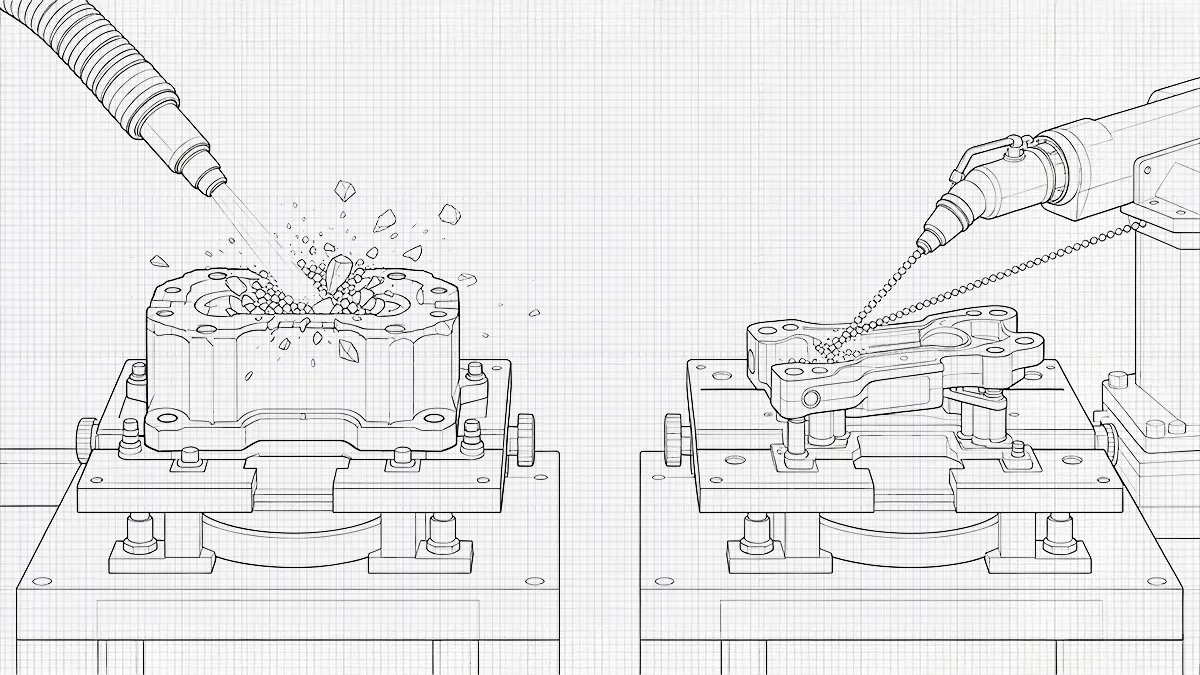
비드 블라스팅은 고압의 산화물 기반 유리 구슬을 재료 표면에 충돌시키는 표면 마감의 또 다른 방법입니다. 이 공정을 조정하면 연마재를 사용하여 매끄럽고 거친 표면을 만들 수 있습니다. 미화, 표면 준비 또는 녹이나 페인트와 같은 표면 오염물질을 제거할 때 흔히 사용됩니다.
프로세스
- 표면 준비: 잔여 오일이나 기타 쉽게 분리되는 오염 물질을 제거하기 위해 세척을 실시하세요.
- 블라스팅 캐비닛 또는 머신 설정: 기술자는 비드 블라스팅 캐비닛 또는 기계 고정 장치에 부품을 배치합니다. 캐비닛은 블라스팅이 이루어지는 밀폐된 공간으로, 연마재가 날아가지 않습니다.
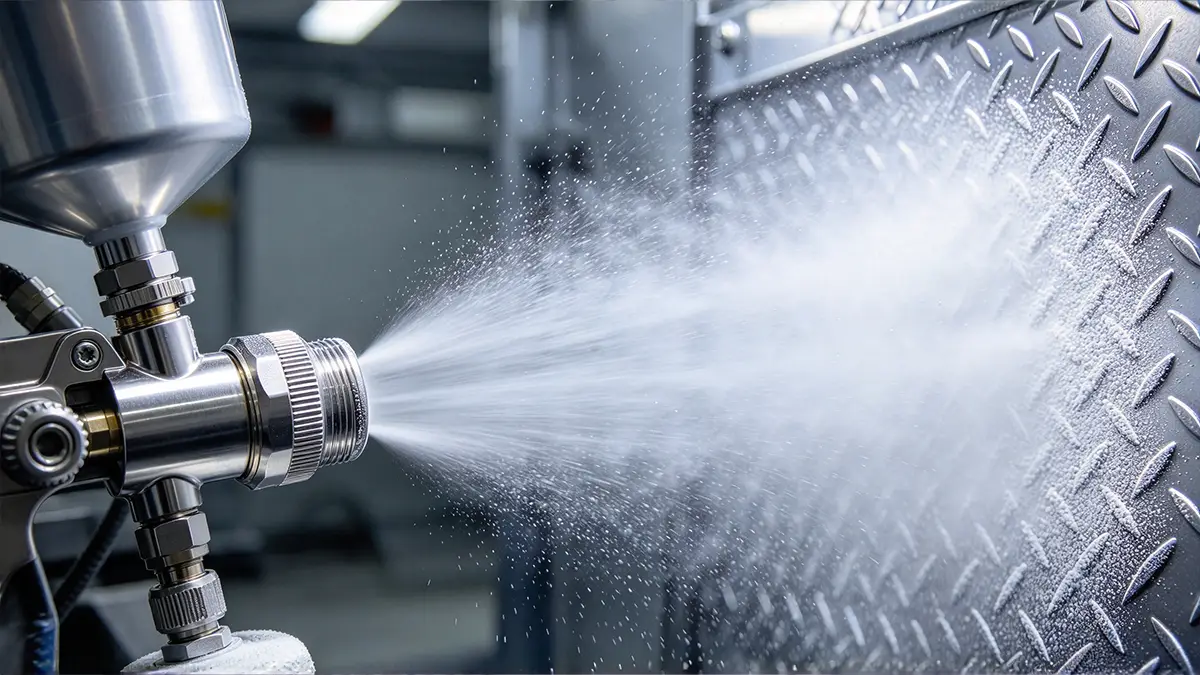
- 가압 공기 및 연마재: 작업자는 압축 공기를 사용하여 연마재(주로 유리 비드)를 부품 표면에 분사합니다. 표면 처리 정도는 공기의 압력과 공정에 사용되는 매체의 종류에 따라 달라집니다.
- 정밀 표면 처리: 작업자는 압력의 양, 적용되는 표면의 밀착도, 미디어의 적용 각도를 결정할 수 있습니다. 이는 마감을 완벽하게 제어하기 위해 필요합니다. 비드 블라스팅은 필요에 따라 다양한 부품에 다양한 방식으로 작업하는 데 적합합니다.
- 블라스팅 후 청소: 작업자는 블라스팅 후 부품을 세척하여 부품에 남아 있는 블라스팅 미디어나 먼지를 제거합니다. 이렇게 하면 부품이 코팅 또는 조립과 같은 작업을 수행하기 전에 다른 요소에 의한 오염으로 인한 간섭을 방지할 수 있습니다.
비드 블라스팅의 유형
유리 비드 블라스팅
이 특정한 블라스팅 공법은 구형 유리 비드를 사용하여 균일한 무광 또는 새틴 마감 처리를 구현합니다. 각진 연마재와 달리, 이러한 구형 입자는 금속 표면에 충돌할 때 절삭 작용이 아닌 미세한 피닝 효과를 일으킵니다. [3]. 이 독특한 가공 방식 덕분에 표면 세정 공정 중에도 정밀 CNC 가공으로 확보된 공차가 전혀 변하지 않습니다. 이는 가전제품, 자동차 내외장재, 가구, 경공업 제품 및 기타 부품에 자주 유용하게 활용됩니다. 이러한 용도에서는 매끄럽고 아름다운 외관이 필수적입니다.
알루미늄 산화물 블라스팅
이 공법은 각진 형태가 뚜렷하고 침투력이 강한 알루미늄 산화물 연마재를 사용합니다. 이 연마재는 경도가 훨씬 높고 날카롭기 때문에, 알루미늄 산화물은 훨씬 더 많은 재료를 제거합니다. 경도가 높기 때문에 알루미늄 산화물은 유리 구슬보다 표면에서 훨씬 더 많은 재료를 제거합니다. 이 공법은 표면을 약간 더 거칠게 처리해야 하거나, 더 뛰어난 재료 제거가 필요한 경우에 유용합니다.
플라스틱 비드 블라스팅
이 공정은 플라스틱 비드를 연마재로 사용하므로 부품에 가해지는 과도한 처리를 최소화합니다. 플라스틱 연마재는 금속보다 훨씬 부드러우므로, 밑에 있는 모재의 형태를 변형시키거나 깎아내지 않고도 코팅과 오염 물질을 안전하게 제거합니다. 이 공정은 해당 부품의 강도에 부정적인 영향을 주지 않으면서도 미세한 표면 마감을 제공합니다. 플라스틱 비드 블라스팅은 연성 금속이나 섬세한 부품을 세정하는 데 적합한 방법이며, 주로 다음과 같은 분야에서 사용됩니다. 자동차 부품 제조 및 항공우주 부품 제조.
실리콘 카바이드 블라스팅
가장 강력한 가공 기법 중 하나는 실리콘 카바이드 입자를 사용하는 것입니다. 실리콘 카바이드는 제조 산업에서 사용되는 합성 연마재 중 가장 단단한 재료 중 하나로 꼽힙니다. 9.0에서 9.5에 이르는 뛰어난 모스 경도를 지닌 이 재료는 극도로 단단한 금속 표면을 강력하게 절삭합니다. [4]. 이러한 극도의 경도 덕분에 깊은 공구 자국을 신속하게 제거하고, 후속 고내구성 코팅의 접착력을 높이는 데 이상적인 고질감 표면을 형성합니다. 터빈 블레이드, 주물, 고강도 부품 등 추가 처리를 위해 견고한 표면이 필요한 다양한 분야에 적용됩니다.
전기 연마
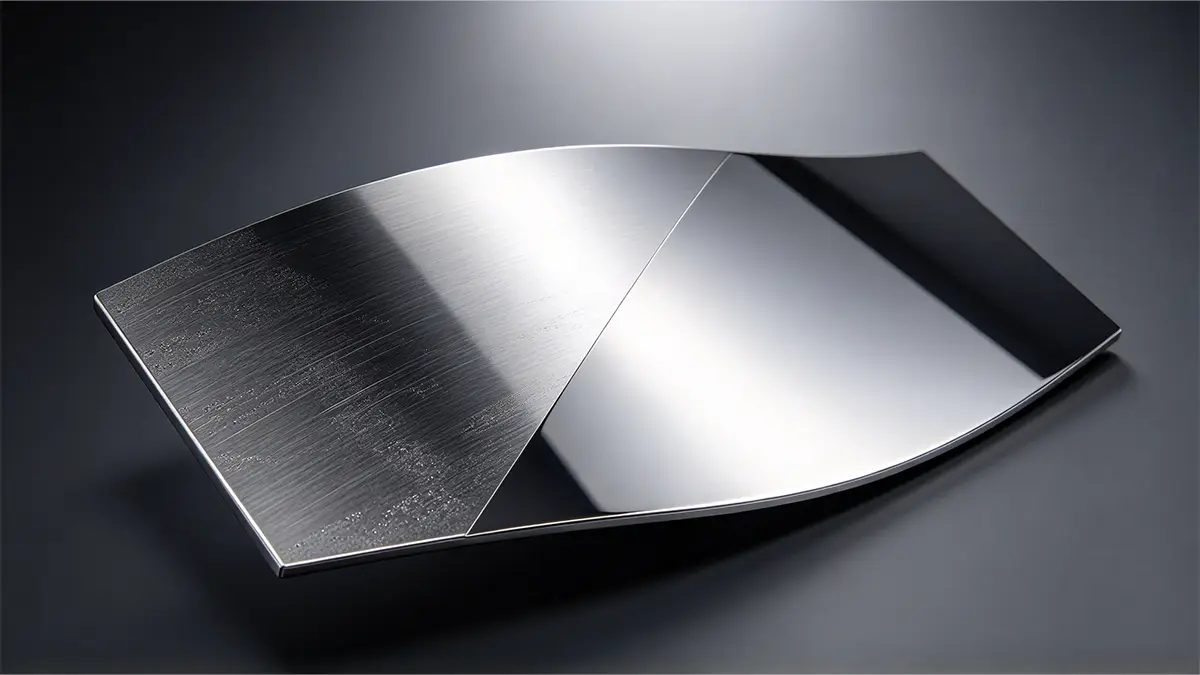
전기 연마는 금속 부품 표면의 미세한 층을 용해시키는 고정밀 전기화학 공정입니다. 이 기술은 전기 도금과 반대되는 개념으로, 용해, 연마, 평활화 과정에 더 가깝습니다. 전기연마는 주로 철-크롬, 알루미늄, 티타늄 및 니켈 합금에 적용됩니다. 따라서 식품 산업, 의료 기기 및 제약 산업과 같이 높은 청결도와 표면 순도 수준이 요구되는 분야에 유용합니다.
프로세스
- 표면 준비: 전기 연마 전에 탈지를 위해 금속 부품 세척이 이루어집니다. 세척은 전기 화학 공정을 방해할 수 있는 모든 물질을 제거합니다.
- 전해조에 담그기: 작업자는 금속 부품을 전해질 욕조에 담급니다. 수조는 산 용액으로 구성되며, 보통 황산과 인산 용액으로 구성됩니다. 시스템의 전기 화학적 부분에서 ‘부품'은 양극 역할을 하고 음극은 스테인리스 스틸이나 납과 같은 불활성 물질입니다.
- 전류의 적용: 작업자는 부품 양극과 음극 사이에 전류를 인가합니다. 전류는 부품의 산화층을 수용액에 용해시킵니다. 재료 제거는 곡선형 밸리보다는 음극 표면에 국한된 곡선형 피크에 대해 빠르게 증가합니다. 이러한 선택적 제거는 표면을 평평하게 하여 부품을 연마하여 매끄러운 표면을 만드는 데 기여합니다.
- 재료 용해: 전기 연마 공정은 모재의 미세한 층을 정밀하게 제거하며, 그 깊이는 일반적으로 0.0025 mm에서 0.025 mm 사이입니다. 이러한 전기화학적 용해는 표면의 골보다 봉우리를 우선적으로 표적으로 삼습니다. 결과적으로, 이 공정은 전체 표면 거칠기 평균(Ra)을 최대 50%까지 체계적으로 감소시키는 동시에 금속을 패시베이션할 수 있습니다. [2]. 최종 표면 마감 상태는 일반적인 기계적 연마에 비해 현저히 우수하고 매우 정교해 보입니다.
- 표면 다듬기 및 연마: 전기 연마는 표면을 원래 상태에 비해 매끄럽고 광택이 나며 ‘밝게’ 만듭니다. 미적인 측면 외에도 미세한 수준의 거칠기를 극적으로 최소화하고 부식 가능성을 줄이는 데 도움이 됩니다.
- 폴리싱 후 청소 및 검사: 전기 연마 처리 후 표면 마감 부품을 물로 세척하여 전해질 용액을 제거합니다. 표면 마감 부분을 확인하면 적합한 재료가 제거되었는지 확인할 수 있습니다.
표면 마감 방법 비교
CNC 가공 부품에 가장 적합한 표면 처리는 사용된 재료의 종류, 적용 요구 사항, 부품의 작동 조건 등의 요소에 따라 달라집니다. 표면 처리는 부품의 성능, 내구성, 그리고 궁극적으로는 가격을 좌우하기 때문에 이를 결정하는 것이 가장 중요합니다. 여기서 다루는 모든 소재는 특정 마감 공정에 대해 서로 다른 반응을 보이며, 알루미늄의 경우 양극 산화 처리와 같은 공정이 일반적으로 표준으로 적용됩니다. 마찬가지로, 해당 부품의 기능도 고려해야 합니다. 예를 들어, 극도의 내마모성이 요구되는 경우, 알루미늄 부품은 경질 양극 산화 처리(Type III)를 거쳐야 합니다.
반면, 전기 연마는 극도로 무균이 요구되는 환경의 부품에 유용할 수 있습니다. 환경적 노출 또한 중요한 요소로, 특히 부식성 환경, 고온 또는 저온, 화학 물질에 노출되는 부품의 경우 더욱 그렇습니다. 미관 역시 선택에 영향을 미치는데, 주로 소비자 가전 및 자동차 산업 등에서 연마나 양극 산화 처리와 같은 기술을 사용하는 경우가 대표적입니다. 예산 고려 사항은 표면 마감 선택에 있어 필수적이며, 이는 전반적으로 직접적인 영향을 미칩니다. CNC 가공 비용, 보호 기능이 뛰어나고 외관상으로도 매력적인 제품일수록 가격이 더 비싸기 마련입니다. 이 경우, 올바른 결정을 내리기 위해서는 성능 요건과 비용을 종합적으로 고려하는 것이 매우 중요합니다.
| 마무리 방법 | 비용 | 내구성 | 미적 매력 | 공통 자료 | 일반적인 애플리케이션 |
|---|---|---|---|---|---|
| 비드 블라스팅 | 낮음 | 보통 | 보통(무광택 마감) | 알루미늄, 스테인리스 스틸 | 자동차 부품, 항공우주 부품, 전자 제품 |
| 아노다이징 | 보통 | 높음(부식 및 내마모성) | 높음(컬러 옵션) | 알루미늄, 티타늄 | 항공우주, 자동차, 가전제품 |
| 전기 연마 | 높음 | 높음 | 보통(매끄러운 표면) | 스테인리스 스틸, 알루미늄 | 제약 장비, 식품 가공, 의료 기기 |
팁: 다양한 표면 처리 공정에 대해 더 자세히 알고 싶으시면 “더 많은 표면 마감 공정”를 계속합니다.
결론
표면 처리는 모든 전문 분야의 전반적인 제조 과정에서 필수적인 요소입니다. 기계 가공 공장 CNC 가공 부품을 다룰 때, 이는 기능성과 외관 요소에 지대한 영향을 미칩니다.
아노다이징, 비드 블라스팅 및 전기 연마 공정은 부식, 마모성 및 표면 마감과 같은 특성을 개선하여 부품의 미적 외관을 향상시킵니다.
각 마감 방법은 부품의 소재 및 용도와 관련된 요구 사항이나 우려 사항을 해결합니다. 올바른 표면 마감 기법을 선택하는 것은 CNC 가공 부품의 효율성과 내구성과 관련이 있습니다.
외생적 조건을 포함한 다른 속성은 제품 성능 요구로 인해 이러한 의사 결정 과정에 영향을 미칩니다. 생산 비용도 또 다른 필수 요소입니다.
특정 표면 마감 방법의 특성을 이해하는 것은 특정 제품의 기능, 비용 및 심미성을 기반으로 개별 요구 사항에 맞는 올바른 선택을 하는 데 필수적입니다.
참조
[1] ASTM International. (2019). ASTM B580-79(2019) 알루미늄 양극 산화 피막에 대한 표준 사양. https://doi.org/10.1520/B0580-79R19
[2] ASTM International. (2018). ASTM B912-02(2018) 전기연마를 이용한 스테인리스강의 패시베이션에 대한 표준 사양. https://doi.org/10.1520/B0912-02R18
[3] 동, H. (편). (2010). 경합금의 표면 공학: 알루미늄, 마그네슘 및 티타늄 합금. 우드헤드 퍼블리싱 (엘스비어). https://doi.org/10.1533/9781845699451
[4] Tretyakov, Y. D. (2007). 세라믹 경질 재료 핸드북. Wiley-VCH. https://doi.org/10.1002/9783527618217



 KO
KO  EN
EN  ES
ES  FR
FR  DE
DE  IT
IT  PT
PT  NL
NL  PL
PL  AR
AR  JA
JA  ZH
ZH