

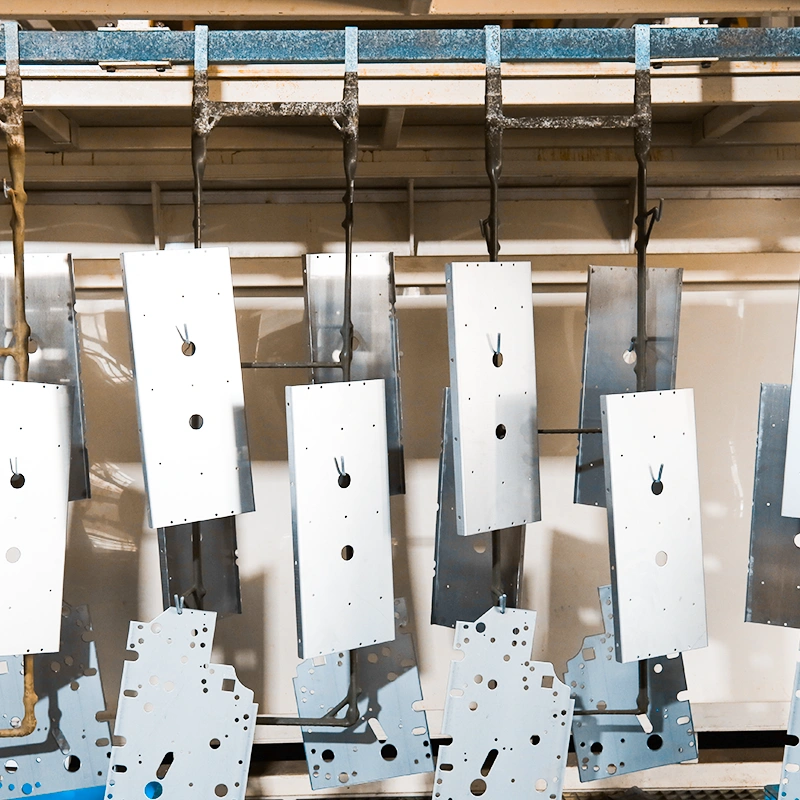
Surface finishing is part of manufacturing, especially for CNC machined parts. It uses techniques specifically designed to modify the surface characteristics of a component to meet targeted functional, aesthetic, or performance-related needs. Surface finishing beautifies the part and enhances its performance characteristics, such as corrosion resistance, wear resistance, and overall surface finish quality by minimizing surface roughness.
ما هو تشطيب الأسطح؟
تشطيب السطح هي العملية التي يتم من خلالها تغيير سطح الجزء المشغول آليًا فيما يتعلق بالملمس والمظهر والوظيفة. واعتمادًا على الجزء المطلوب، يمكن أن تكون الصقل ميكانيكيًا أو كيميائيًا أو كهروكيميائيًا.
التصنيع الآلي باستخدام الحاسب الآلي يؤدي إلى دقة عالية وإمكانية تكرار الشُّغْلَة. ومع ذلك، قد يكون للمكونات ميزات على سطحها تؤثر على كل من الشكل والتشطيب.
One common issue is tool marks—fine lines or grooves left by the cutting tool—which may affect both aesthetics and functionality. Left untreated, these raw tool marks may not be aesthetically desirable or functionally suitable. Techniques like polishing or secondary finishing can effectively address them.
تستلزم السمات المشغولة آليًا مثل النتوءات أو الحواف المرتفعة أو الجسيمات أو الحواف الصغيرة التي تتشكل عند حدود السمات عمليات إزالة الحواف.
العلامات الطفيفة التي قد تأخذ شكل خدوش على السطح بسبب عملية التصنيع أو المناولة أو النقل غير مرغوب فيها من الناحية الجمالية. وقد تكون مصدرًا لمزيد من الصعوبات الميكانيكية لاحقًا.
تقنيات الصقل السطحي الشائعة للتشطيب السطحي للتشغيل الآلي باستخدام الحاسب الآلي
تلعب عملية تشطيب الأسطح دورًا حيويًا في تحديد جودة وأداء القِطع المشكّلة آليًا باستخدام الحاسب الآلي. نناقش هنا بعض عمليات التشطيب القياسية في مختلف الصناعات.
الطلاء بأكسيد الألومنيوم
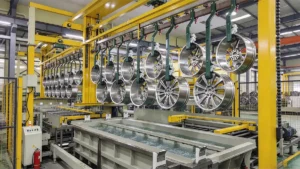
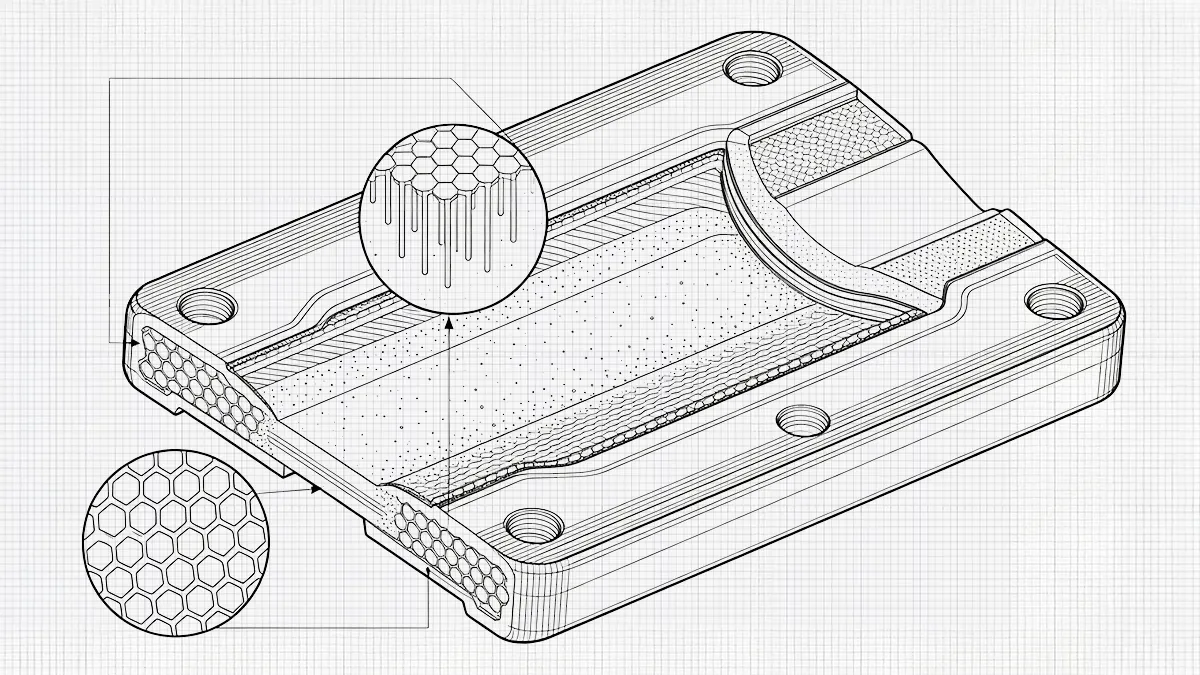
الطلاء بأكسيد الألومنيوم effectively improves the corrosion protection, mechanical properties, and appearance of products, especially in aluminum CNC machining. This procedure involves forming a robust and rust-proof oxide film on the surface of the metal. Anodizing forms an oxide layer, forming a coating around the metal. Not only does this improve the metal’s characteristics, but it also contributes to the aesthetic value of the final product.
العملية
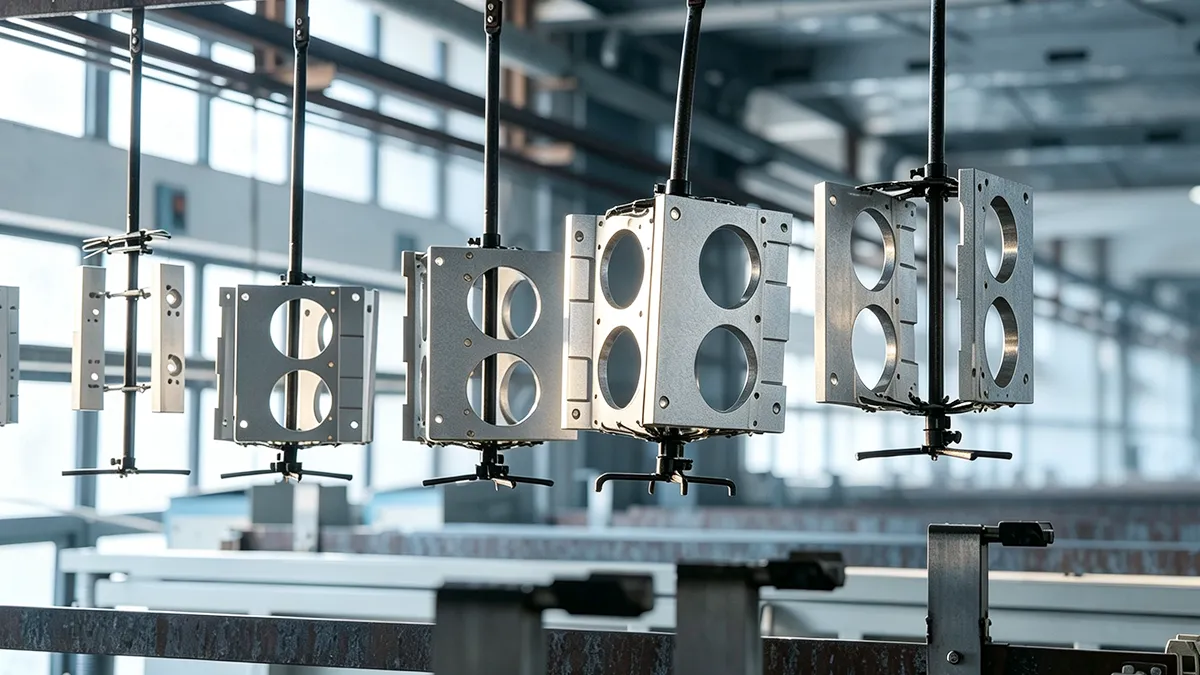
- تحضير السطح: يتم تنظيف الجزء قبل تطبيق عملية الطلاء بأكسيد الألومنيوم. يزيل التنظيف الشامل الزيوت والأوساخ. قد يستخدم المشغلون تقنيات المعالجة الميكانيكية أو الكيميائية مثل التلميع أو الحفر.
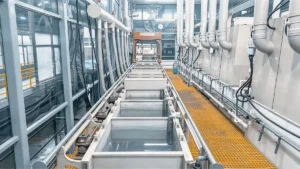
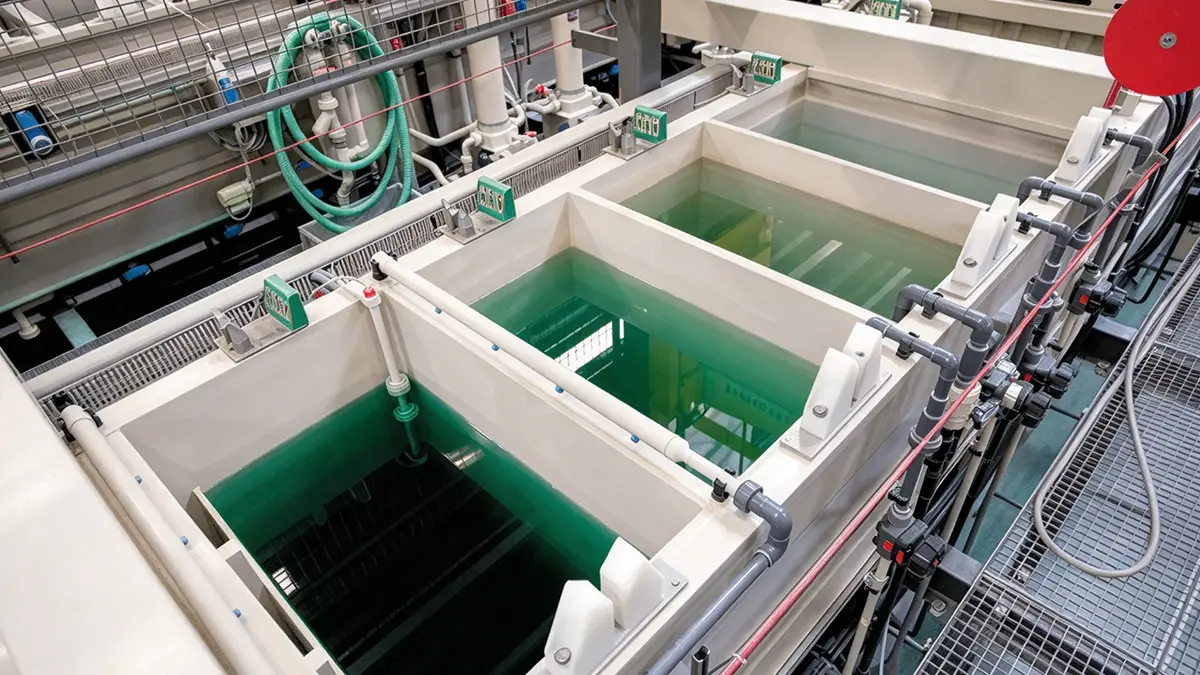
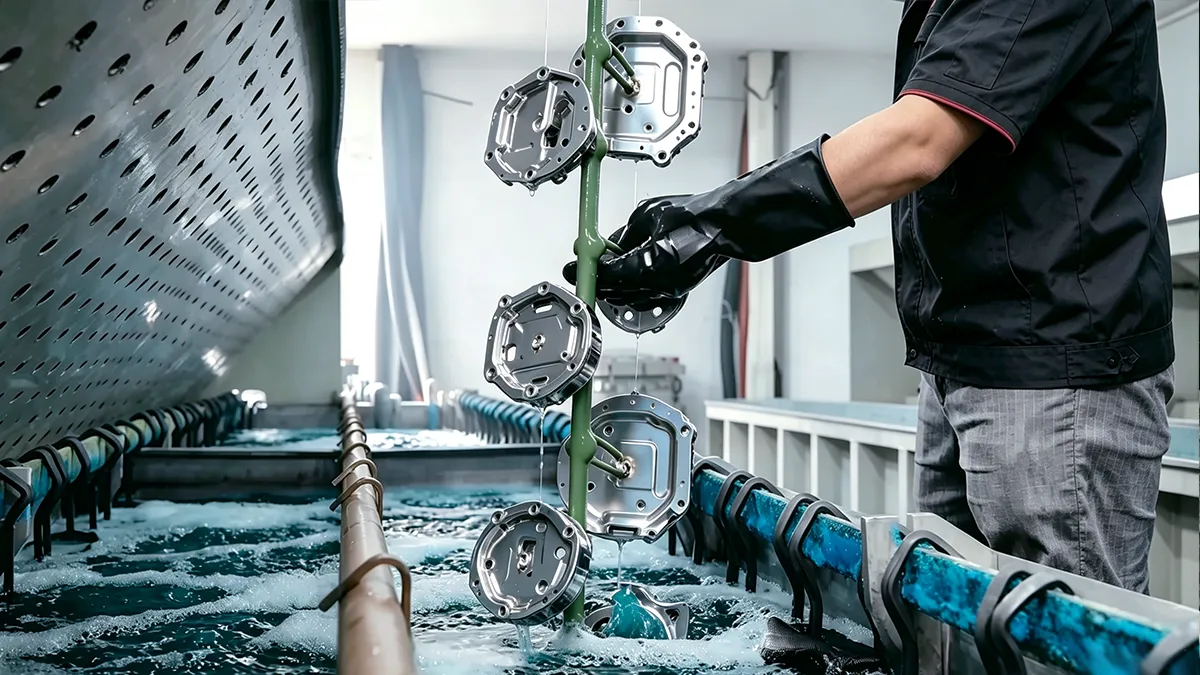
- الغمر في محلول إلكتروليت: After cleaning, technicians put the part in an electrolyte bath, often acidic, sulfuric, or chromic acid. This bath creates an electrolytic process, resulting in the formation of the oxide layer. In this process, the part itself forms the anode of the system. The cathode, typically made of aluminum or lead, is positioned opposite the anode.
- تطبيق التيار الكهربائي: يمرر الفنيون تيارًا مباشرًا (DC) عبر الجزء والقطب السالب، وتحدث عملية كهروكيميائية في الجزء. تتفاعل الأيونات من الإلكتروليت مع ذرات الألومنيوم الموجودة على سطح الجزء وتنتج أكسيد الألومنيوم (Al₂O₃). تكون طبقة الأكسيد هذه مسامية في البداية وتسهل معالجة النسيج اللاحقة، مثل الصباغة.
- التلوين والختم: تسمح الطبقة المؤكسدة للأصباغ باختراق الأصباغ، مما يسهل صبغ الجزء. تخترق الأصباغ العضوية أو غير العضوية المسام. الختم هو العملية الأخيرة لزيادة الحماية من التآكل ومنع اللون من البهتان. ويتضمن ذلك رفع الجزء إلى درجة الغليان، حيث يرطب أكسيد الألومنيوم ويغلق جميع المسام. وتشمل أنواع الإغلاق الأخرى مواد كيميائية مثل أسيتات النيكل لزيادة حماية السطح.
أنواع الأنودة
Chromic Acid Anodizing (Type I )
It uses Chromic acid as the electrolyte and forms a thin and smooth anodic layer. However, it has a lower abrasion resistance than the other coatings. It is most applicable in aerospace parts where the fundamental properties required are fatigue strength and high corrosion resistance.
Sulfuric Acid Anodizing (Type II)
هذه الطريقة مألوفة باستخدام محلول حمض الكبريتيك كإلكتروليت. تكون الأجزاء في هذه العملية أكثر سماكة من تلك الموجودة في أنودة حمض الكروميك. الأنودة من النوع الثاني مواتية لصبغ السطح ومناسبة للاستخدام الجمالي. وهو مشهور لمعظم الأجهزة الصغيرة وإكسسوارات السيارات والمباني حيث يكون المظهر والمقاومة المعتدلة للصدأ والقوة مرغوبًا فيها.
Hard Anodizing using Sulfuric Acid at Lower Temperatures (Type III )
Comparable to Type II but at cooler temperatures and higher voltages. According to strict industry specifications like ASTM B580 Type A, this hard anodic coating typically ranges from 50 to 100 microns in thickness [1]. Furthermore, this dense ceramic layer achieves an exceptional microhardness equivalent to 60 to 70 HRC. This extraordinary hardness provides extreme abrasion resistance for heavily loaded moving parts.
Appropriate for demanding roles such as aerospace goods, military products, and industrial equipment. These applications require maximum durability of the surface or the whole device. Possible applications include pistons, gears, and other moving parts.
السفع بالخرز
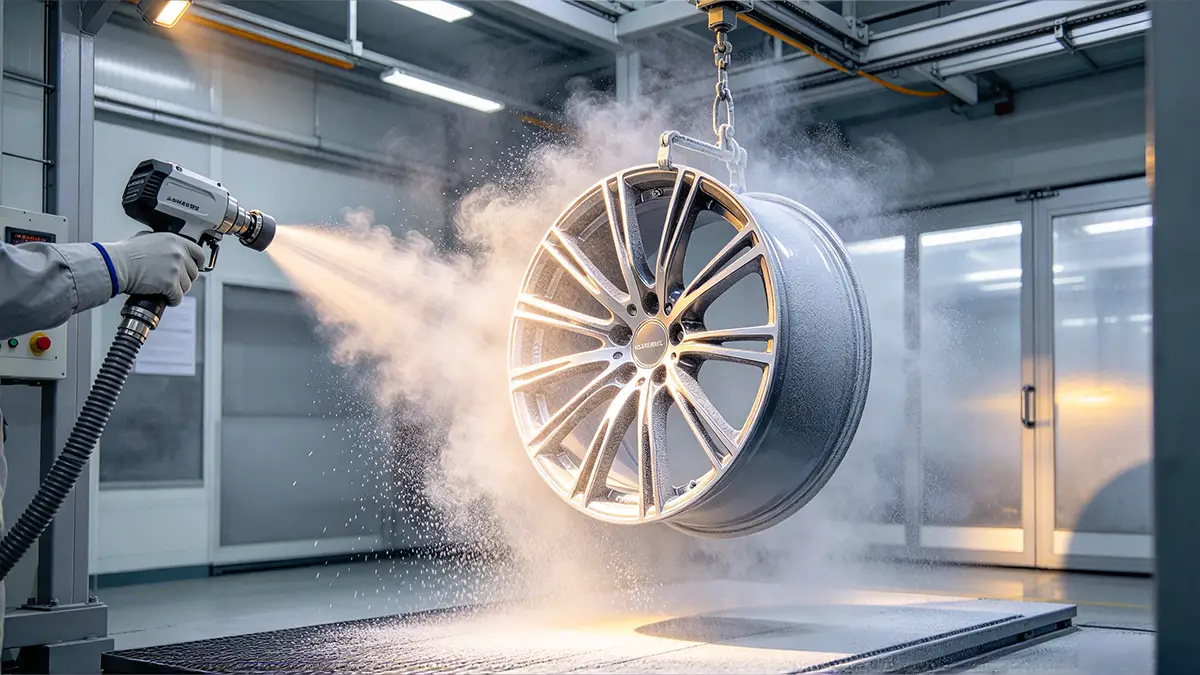
السفع بالخرز هو طريقة أخرى لتشطيب السطح حيث يتم تسليط حبات زجاجية ذات قاعدة أكسيد عالية الضغط على سطح المادة. يتيح ضبط العملية الحصول على أسطح ناعمة وخشنة بمساعدة الوسائط الكاشطة. وهي شائعة في التجميل أو إعداد السطح أو إزالة الملوثات السطحية مثل الصدأ أو الطلاء.
العملية
- تحضير السطح: تتضمن الغسيل لإزالة الزيوت المتبقية أو الملوثات الأخرى التي يسهل فصلها.
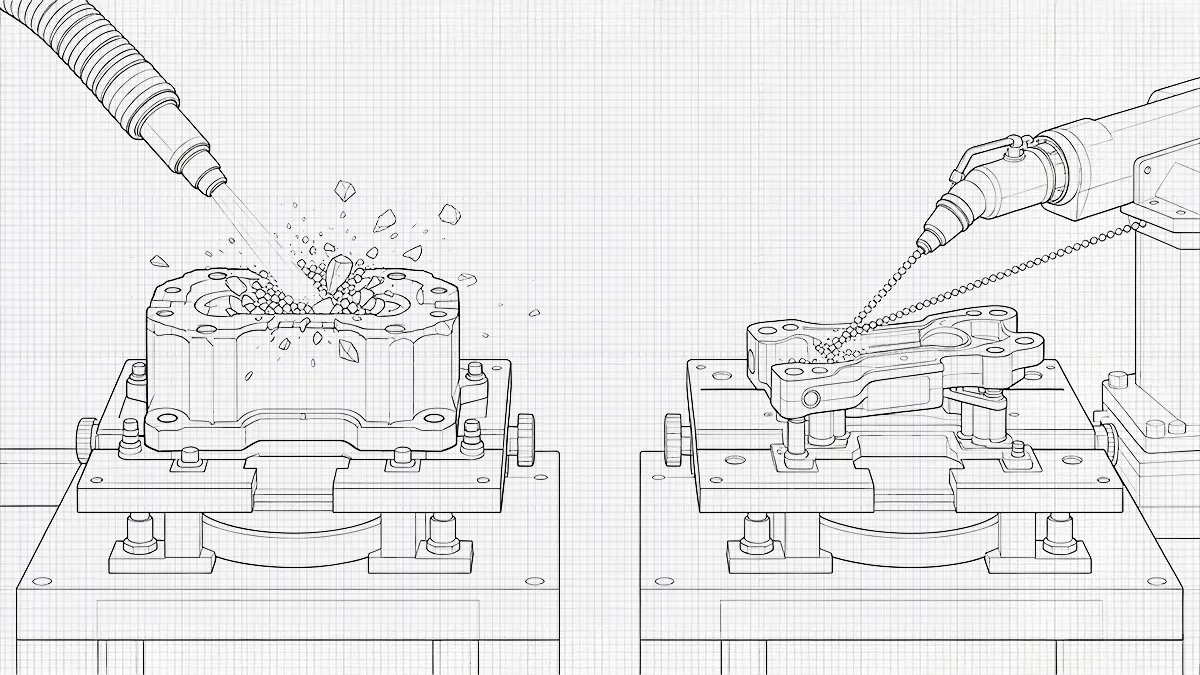
- خزانة التفجير أو إعداد الماكينة: يقوم الفنيون بوضع القطعة في خزانة السفع بالخرز أو تركيبات الماكينة. الخزانة عبارة عن مساحة مغلقة حيث يحدث السفع، ولا تتطاير الوسائط الكاشطة بعيدًا عنها.
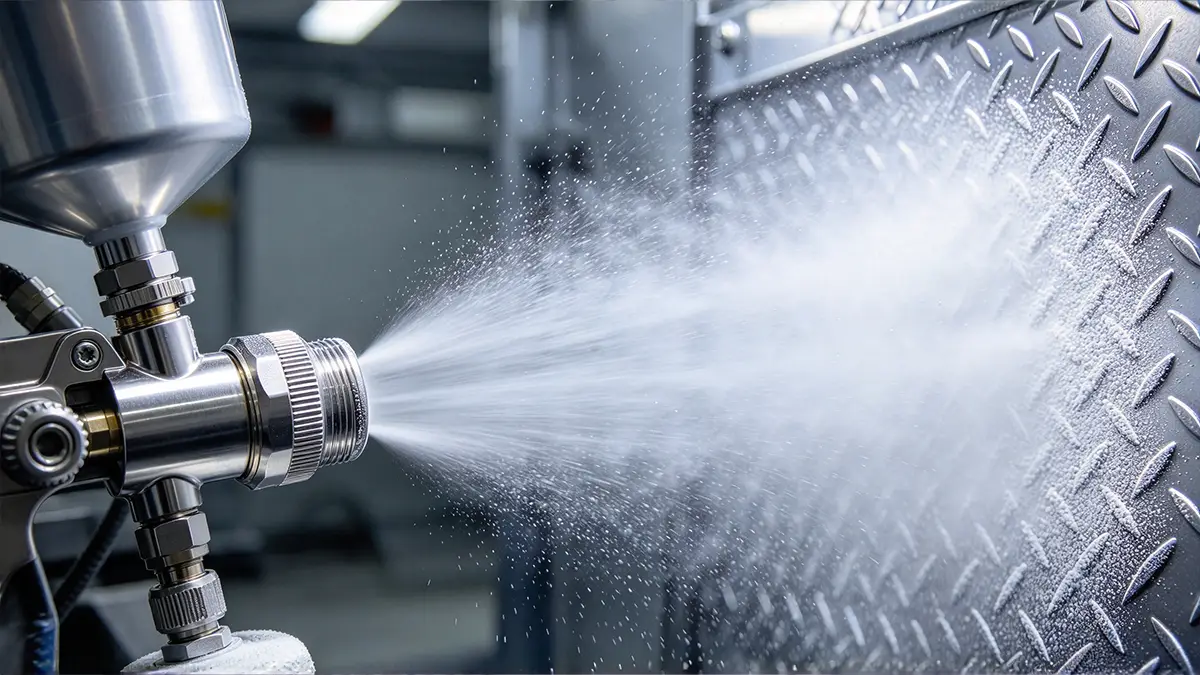
- الهواء المضغوط والوسائط الكاشطة: يستخدم المشغلون الهواء المضغوط لقذف المواد الكاشطة، ومعظمها حبات زجاجية، على سطح الجزء. تعتمد درجة معالجة السطح على ضغط الهواء ونوع الوسائط المستخدمة في العملية.
- Controlled Surface Finishing: يمكن للمشغل تحديد مقدار الضغط وقرب السطح الذي يتم تطبيقه عليه وزاوية تطبيق الوسائط. وهذا أمر ضروري للتحكم الكامل في اللمسة النهائية. يعد السفع بالخرز مناسبًا للعمل على أجزاء مختلفة بطرق مختلفة، اعتمادًا على الحاجة.
- تنظيف ما بعد الإغراق: يغسل المشغلون الجزء بعد عملية التفجير لإزالة أي وسائط تفجير أو غبار متبقي عليه. يساعد ذلك على تجنب التداخل الناتج عن التلوث بعناصر أخرى قبل أن يخضع الجزء لعمليات مثل الطلاء أو التجميع.
أنواع السفع بالخرز
نسف الزجاج بالخرز
This specific blasting method employs spherical glass beads to create a uniform matte or satin finish. Unlike highly angular abrasive grit, these spherical particles impact the metal surface to create a microscopic peening effect rather than a cutting action [3]. This unique impact mechanism ensures that the precision CNC machined tolerances remain completely unaltered during the surface cleaning process. It is frequently helpful in household appliances, cars’ interiors and externals, furniture, light industry products, and other parts. In these applications, a smooth and beautiful look is essential.
تفجير أكسيد الألومنيوم
This method employs highly angular and aggressive aluminum oxide grit. Because this abrasive media is significantly harder and sharper, aluminum oxide significantly removes more material. Due to their hardness, aluminum oxide significantly removes more material from the surface than glass beads. It is useful where a slightly rougher surface or more excellent material removal is necessary.
السفع بالخرز البلاستيكي
It employs plastic beads as the abrasive media, thus minimizing the rigorous treatment of the parts. Because plastic media is significantly softer than metal, it safely removes coatings and contaminants without altering or cutting into the underlying base material. The process offers a fine surface finish without adversely affecting the strength of the particular part. Plastic bead blasting is a suitable option for cleaning softer metals or delicate parts, often used in تصنيع قطع غيار السيارات و تصنيع مكونات الطيران والفضاء.
تفجير كربيد السيليكون كربيد السيليكون
One of the most aggressive techniques involves using silicon carbide particles. Silicon carbide ranks among the hardest synthetic abrasive materials available in the manufacturing industry. Possessing a remarkable Mohs hardness ranging from 9.0 to 9.5, it aggressively cuts into extremely rigid metal surfaces [4]. Due to this extreme hardness, it rapidly removes deep tool marks and creates a highly textured profile ideal for subsequent heavy-duty coating adhesion. Some applications include cleaning turbine blades, castings, high-intensity parts, and many others that require a robust surface before further treatment.
الصقل الكهربائي
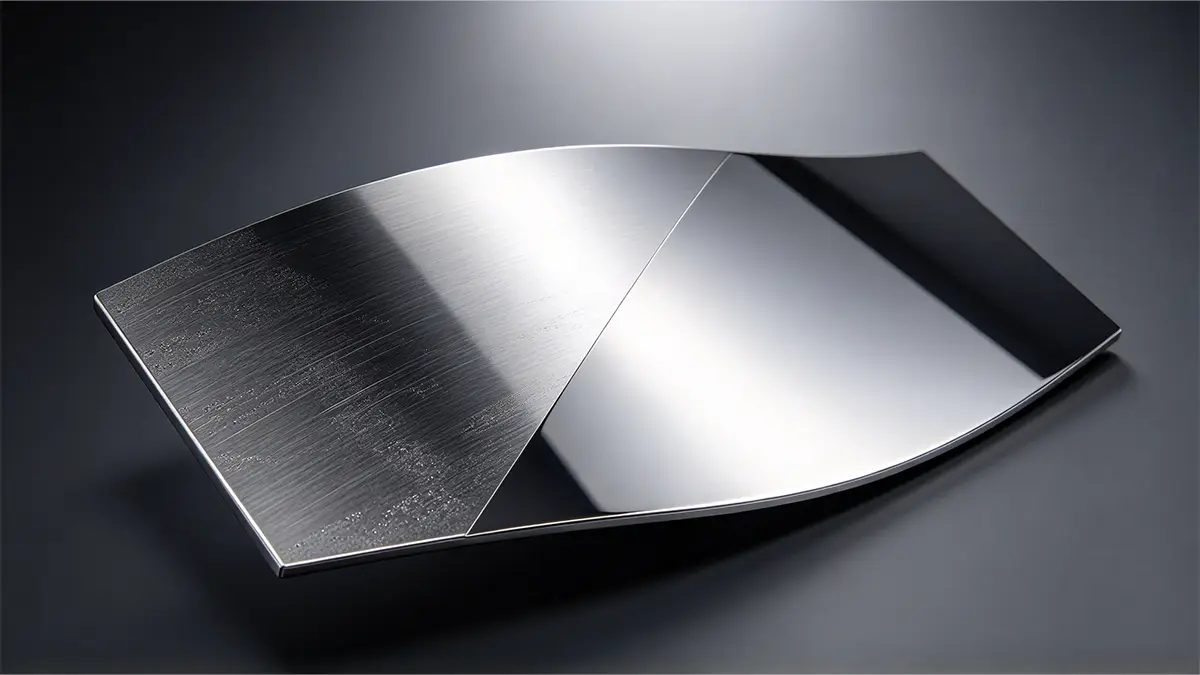
Electropolishing is a highly precise electrochemical process that dissolves a microscopic layer of material from the surface of metal parts. This technique is the opposite of electroplating and is more akin to dissolving, polishing, and smoothing. Electropolishing has main applications in iron-chromium, aluminum, titanium, and nickel alloys. Therefore, it is helpful for sectors that need high cleanliness and surface purity levels, like the food industry, medical equipment, and pharmaceuticals.
العملية
- تحضير السطح: قبل الصقل الكهربائي، يتم تنظيف الأجزاء المعدنية لإزالة الشحوم. يزيل التنظيف أي مادة قد تعيق العملية الكهروكيميائية.
- الغمر في حمام كهربائي: يقوم المشغلون بغمر الجزء المعدني في حمام إلكتروليت. ويتكون الحمام من محلول حمضي، وغالباً ما يكون محلول حمض الكبريتيك وحمض الفوسفوريك. في الجزء الكهروكيميائي من النظام، يعمل ‘الجزء’ كأنود بينما يكون المهبط مادة خاملة مثل الفولاذ المقاوم للصدأ أو الرصاص.
- تطبيق التيار الكهربائي: يطبق المشغلون تيارًا كهربائيًا بين أنود الجزء والكاثود. يتسبب التيار في ذوبان طبقة الأكسدة من الجزء في محلول مائي. تزداد إزالة المواد بسرعة للقمم المنحنية الموضعية لسطح المهبط بدلاً من الوديان المنحنية. وتساهم هذه الإزالة الانتقائية في تسطيح السطح، مما يسمح بصقل الجزء لإعطاء سطح أملس.
- الذوبان المادي: The electropolishing process precisely strips off a microscopic layer of base material, typically ranging from 0.0025 mm to 0.025 mm in depth. This electrochemical dissolution preferentially targets microscopic surface peaks over valleys. Consequently, the process can systematically reduce the overall surface roughness average (Ra) by up to 50 percent while simultaneously passivating the metal [2]. The final surface finish appears remarkably superior and highly refined compared to standard mechanical polishing.
- تنعيم السطح وتلميعه: يترك الصقل الكهربائي السطح أملسًا ولامعًا و‘لامعًا’ مقارنةً بحالته الأصلية. بالإضافة إلى الجانب الجمالي، فإنه يقلل بشكل كبير من الخشونة على المستوى المجهري ويساعد على تقليل فرص التآكل.
- التنظيف والفحص بعد التلميع: بعد معالجة الصقل الكهربائي، يتم غسل جزء تشطيب السطح بالماء للتخلص من محلول الإلكتروليت. يضمن فحص جزء تشطيب السطح إزالة المادة المناسبة.
مقارنة بين طرق تشطيب الأسطح
The best surface finish for the CNC machined parts depends on features such as the type of material used, the application requirement, and the part’s working conditions. The most crucial decision is selecting the surface finishes as they regulate the performance, endurance, and, finally, the price of the part. All the materials under discussion react differently towards specific finishing procedures, and procedures such as anodizing are usually standard on aluminum. Likewise, it is necessary to consider the function of the part under discussion. For example, if extreme wear resistance is required, aluminum components should undergo hard anodizing (Type III).
On the other hand, electropolishing could benefit parts in incredibly sterile environments. Environmental exposure is also an essential factor, especially for those parts in corrosive environments, high or low temperatures, or chemicals. Aesthetics also affect the choice, mainly where industries such as customer electronics and automotive sectors, among others, use techniques such as polishing and anodizing. Budget considerations are essential in surface finish selection, directly impacting overall تكاليف التصنيع الآلي باستخدام الحاسب الآلي CNC, as more protective and visually appealing options often come at a higher cost. In this case, it is highly requisite to consider the performance requirements against the costs to make the right decision.
| طريقة التشطيب | التكلفة | المتانة | الجاذبية الجمالية | المواد الشائعة | التطبيقات النموذجية |
|---|---|---|---|---|---|
| السفع بالخرز | منخفضة | معتدل | معتدل (لمسة نهائية غير لامعة) | ألومنيوم، فولاذ مقاوم للصدأ | قطع غيار السيارات، ومكونات الطيران، والإلكترونيات |
| الطلاء بأكسيد الألومنيوم | معتدل | عالية (مقاومة للتآكل والتآكل) | عالية (خيارات ملونة) | ألومنيوم، تيتانيوم | صناعة الطيران، والسيارات، والإلكترونيات الاستهلاكية |
| الصقل الكهربائي | عالية | عالية | معتدل (سطح أملس) | فولاذ مقاوم للصدأ، ألومنيوم | المعدات الصيدلانية، وتجهيز الأغذية، والأجهزة الطبية |
Tips: If you would like to learn more about the full range of surface finishing processes, click “المزيد من عمليات تشطيب الأسطح” to continue.
الخاتمة
Surface finishing is an essential component of overall manufacturing within any professional machine shop when dealing with CNC machined parts, bearing a tight influence over functionality and appearance factors.
تعمل عمليات الأنودة والسفع بأكسيد الألومنيوم والسفع بالخرز والطلاء الكهربائي على تحسين الخصائص مثل التآكل وقابلية التآكل والسطح النهائي، مما يضفي على المكونات مظهراً جمالياً.
تتناول كل طريقة تشطيب المتطلبات أو المخاوف المتعلقة بمواد القِطع والاستخدام المقصود. يرتبط اختيار تقنية تشطيب السطح الصحيحة بكفاءة ومتانة القِطع المشكّلة آليًا باستخدام الحاسب الآلي.
تؤثر السمات الأخرى، بما في ذلك الظروف الخارجية، على عملية اتخاذ القرار هذه بسبب متطلبات أداء المنتج. تكاليف الإنتاج عامل أساسي آخر.
يعد فهم تفاصيل طريقة معينة لتشطيب الأسطح أمرًا حيويًا لاتخاذ الخيارات الصحيحة لاحتياجاتهم الفردية بناءً على الوظائف والتكلفة والجماليات لمنتجاتهم المحددة.
المرجع
[1] ASTM International. (2019). ASTM B580-79(2019) المواصفات القياسية لطلاءات أكسيد الألومنيوم الأنودية. https://doi.org/10.1520/B0580-79R19
[2] ASTM International. (2018). ASTM B912-02(2018) المواصفات القياسية لتخميل الفولاذ المقاوم للصدأ باستخدام الصقل الكهربائي. https://doi.org/10.1520/B0912-02R18
[3] Dong, H. (Ed.). (2010). Surface Engineering of Light Alloys: Aluminium, Magnesium and Titanium Alloys. Woodhead Publishing (Elsevier). https://doi.org/10.1533/9781845699451
[4] Tretyakov, Y. D. (2007). Handbook of Ceramic Hard Materials. Wiley-VCH. https://doi.org/10.1002/9783527618217



 AR
AR  EN
EN  ES
ES  FR
FR  DE
DE  IT
IT  PT
PT  NL
NL  PL
PL  JA
JA  KO
KO  ZH
ZH