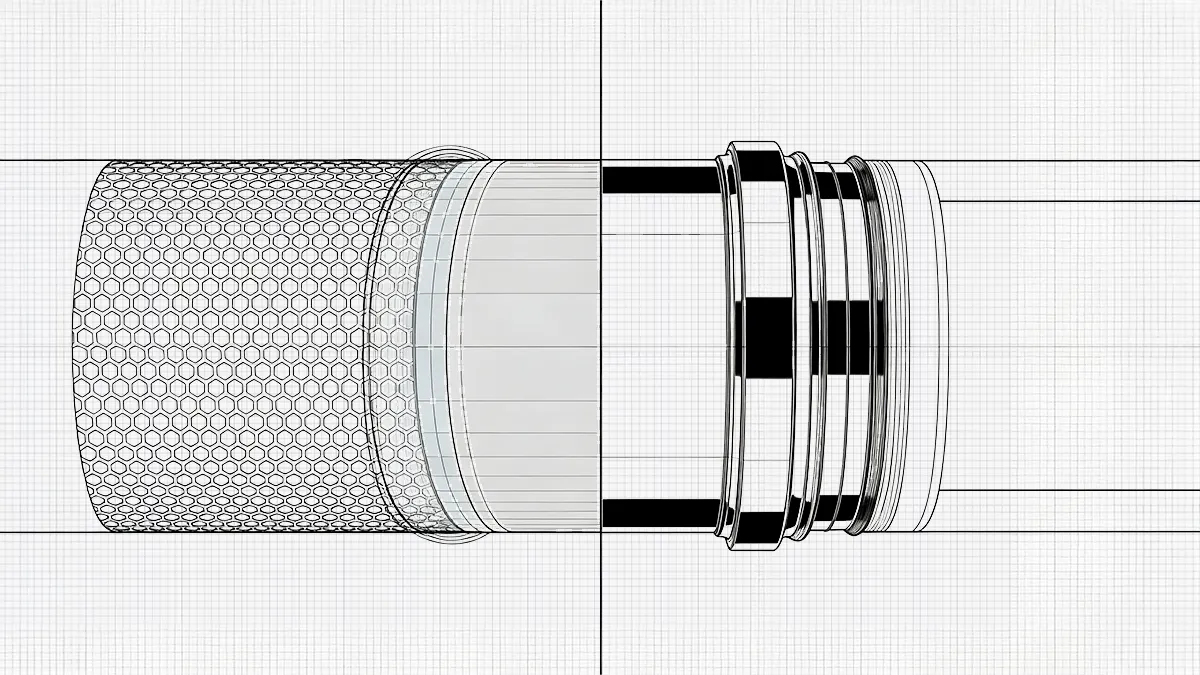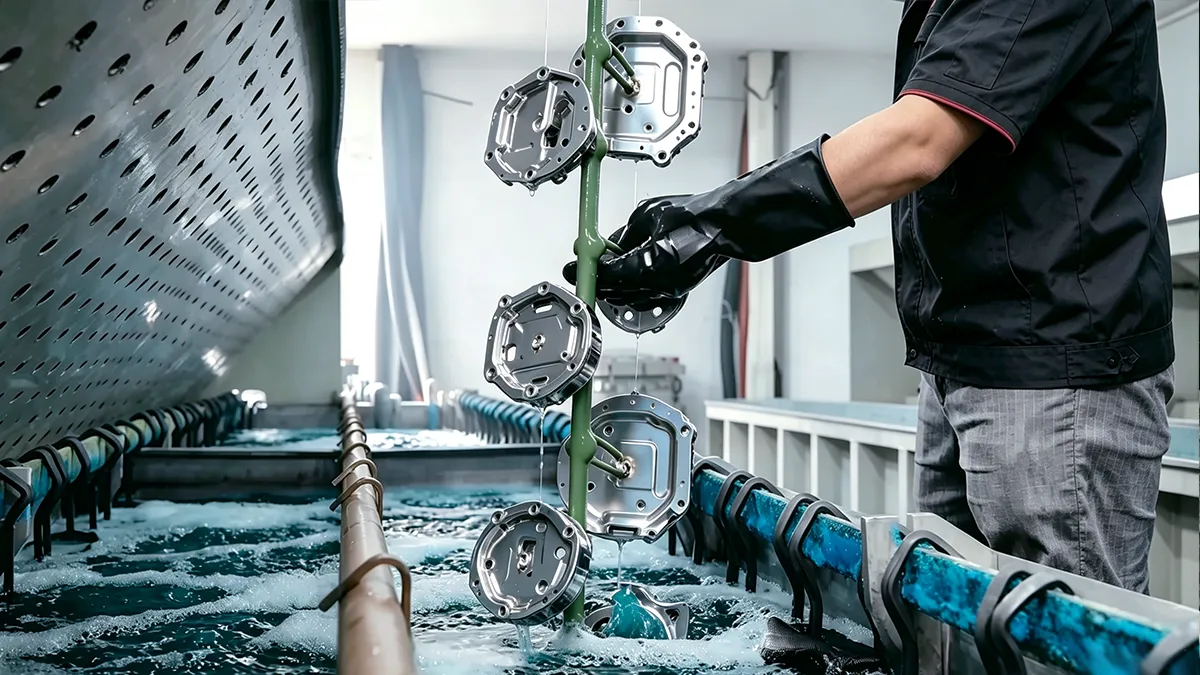
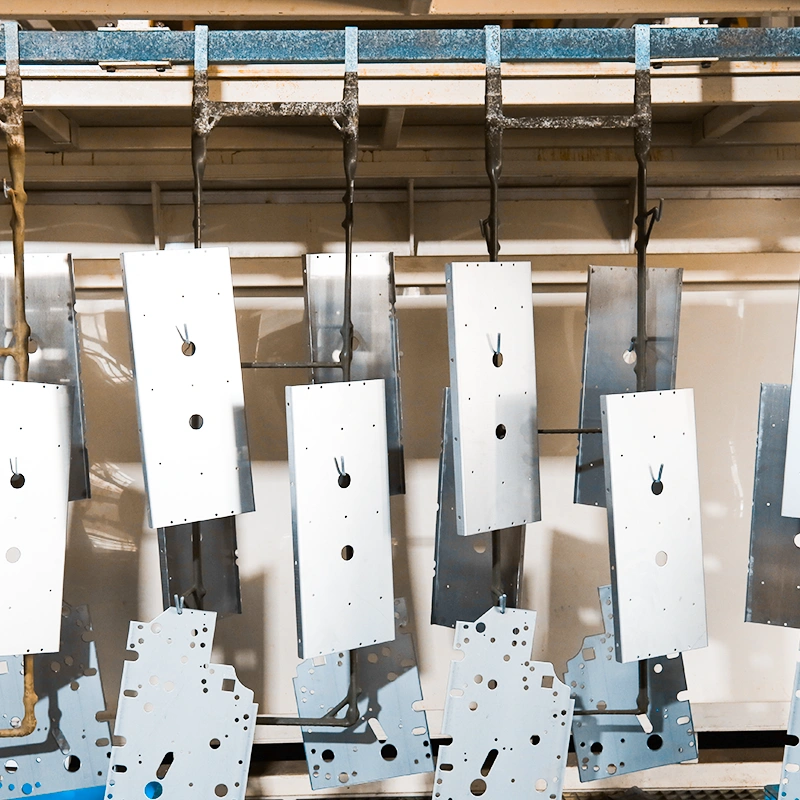
数控加工件的表面处理

出版日期
11 月 19, 2024
最后一次修改:
7 月 15, 2026
模具制造和精密制造专家
专门从事注塑成型、数控加工、高级原型制作和材料科学集成。
数控加工件的表面精加工 特写图片
目录

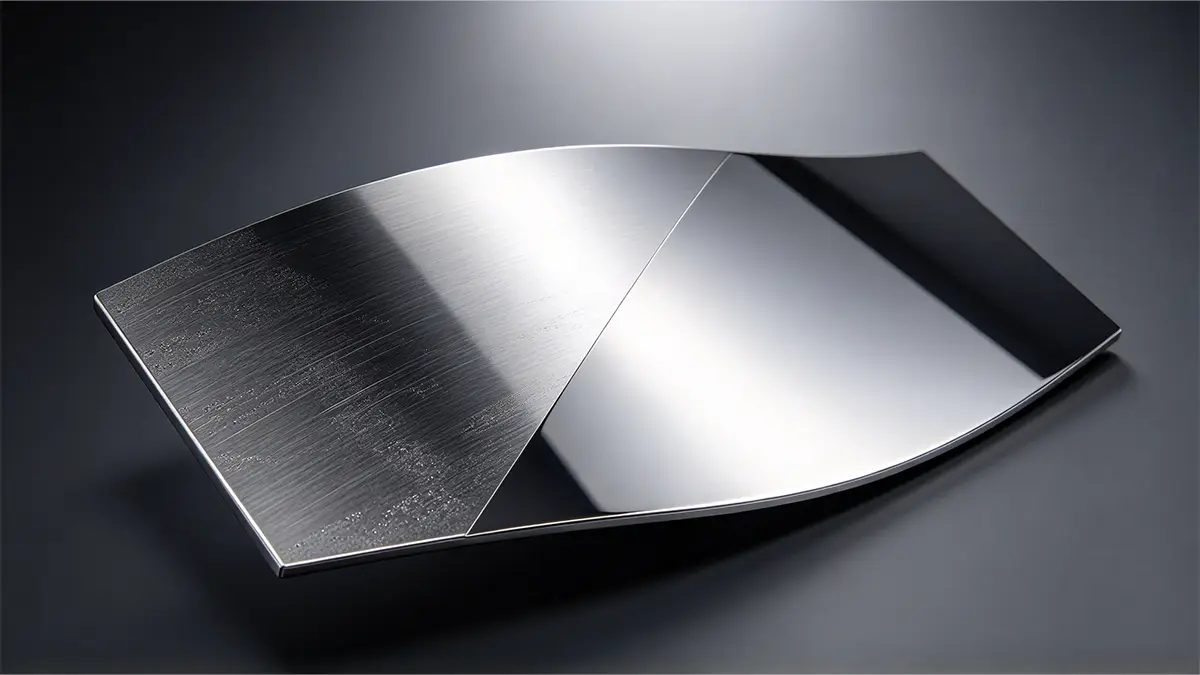
Surface finishing is part of manufacturing, especially for CNC machined parts. It uses techniques specifically designed to modify the surface characteristics of a component to meet targeted functional, aesthetic, or performance-related needs. Surface finishing beautifies the part and enhances its performance characteristics, such as corrosion resistance, wear resistance, and overall surface finish quality by minimizing surface roughness.

什么是表面处理?

表面精加工是改变加工零件表面质地、外观和功能的过程。根据零件的需要,表面处理可以是机械、化学或电化学处理。

数控加工 从而实现工件的高精度和高重复性。但是,工件表面可能会有一些特征,这些特征会影响工件的形状和光洁度。.

One common issue is tool marks—fine lines or grooves left by the cutting tool—which may affect both aesthetics and functionality. Left untreated, these raw tool marks may not be aesthetically desirable or functionally suitable. Techniques like polishing or secondary finishing can effectively address them.

加工特征,如毛刺、凸起的边缘、颗粒或在特征边界形成的小脊,都需要进行去毛刺操作。

从美学角度来看,由于加工过程、操作或运输而在表面造成的划痕是不可取的。它们可能会在日后造成进一步的机械故障。

数控机床加工的常见表面处理技术

表面精加工在决定数控加工零件的质量和性能方面起着至关重要的作用。在此,我们将讨论各行各业的一些标准精加工工艺。

阳极氧化

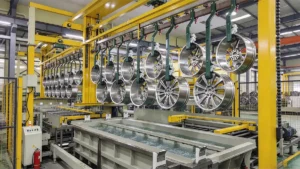
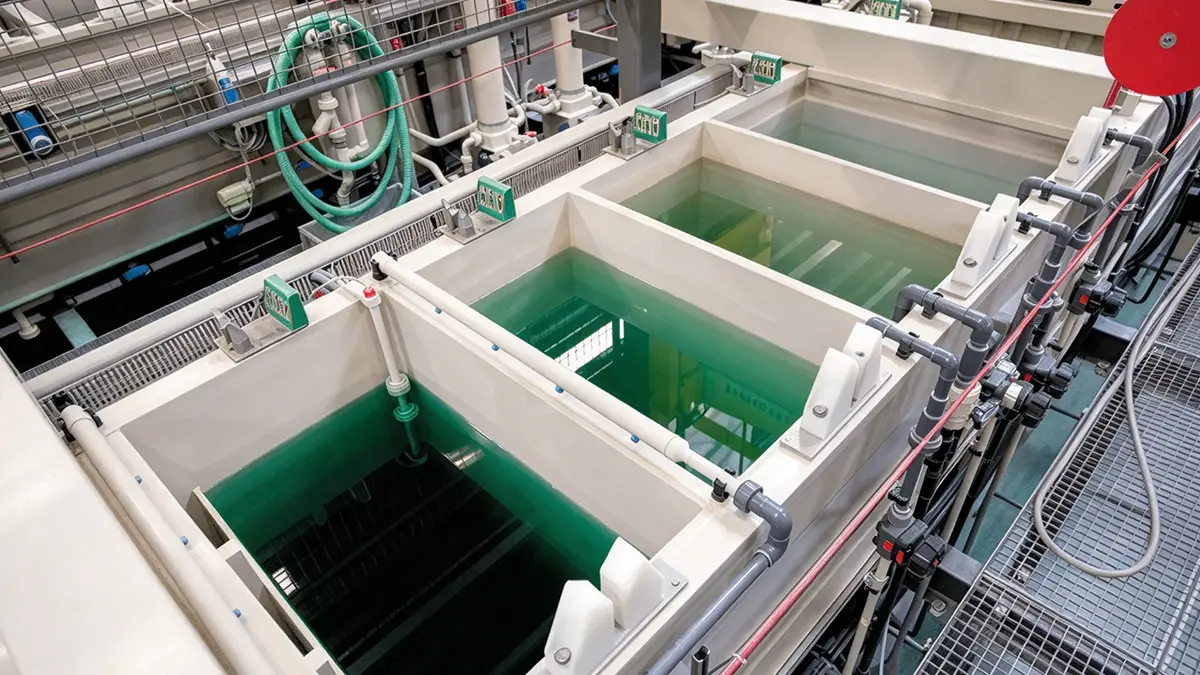
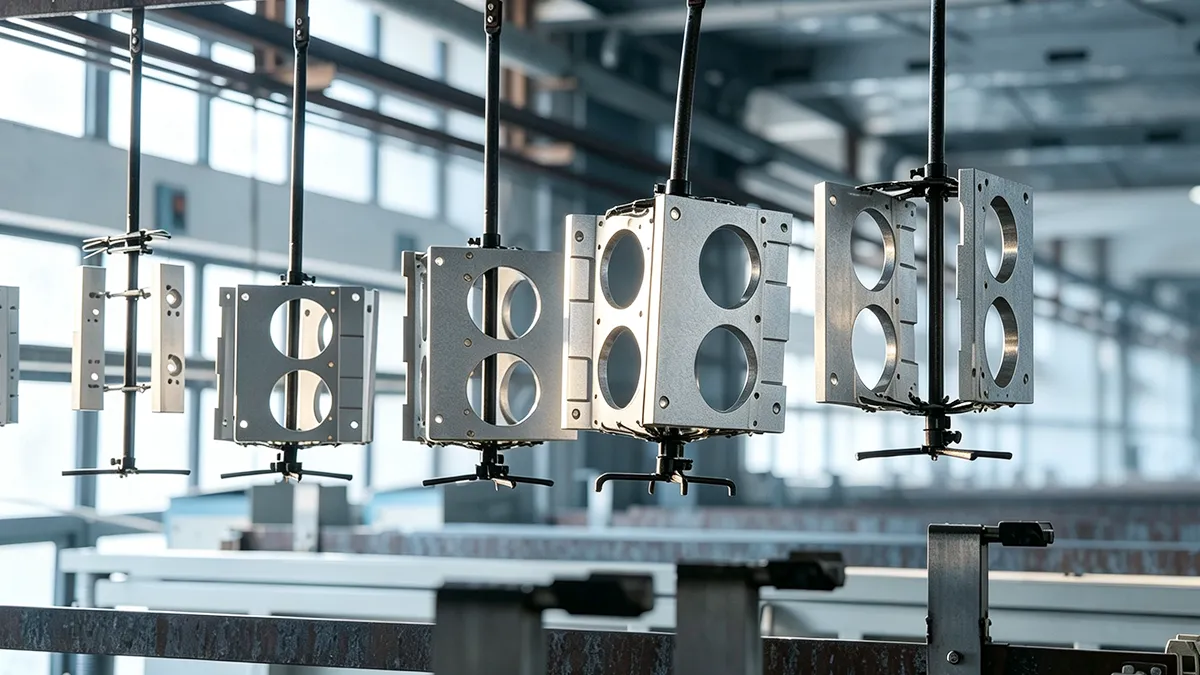
阳极氧化 effectively improves the corrosion protection, mechanical properties, and appearance of products, especially in aluminum CNC machining. This procedure involves forming a robust and rust-proof oxide film on the surface of the metal. Anodizing forms an oxide layer, forming a coating around the metal. Not only does this improve the metal’s characteristics, but it also contributes to the aesthetic value of the final product.

过程

  1. 表面处理: 在进行阳极氧化处理之前,要对部件进行清洁。彻底清洁可去除油污和污垢。操作员可使用机械或化学预处理技术,如抛光或蚀刻。.
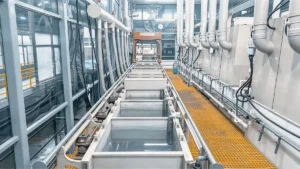
  2. 浸入电解质溶液: After cleaning, technicians put the part in an electrolyte bath, often acidic, sulfuric, or chromic acid. This bath creates an electrolytic process, resulting in the formation of the oxide layer. In this process, the part itself forms the anode of the system. The cathode, typically made of aluminum or lead, is positioned opposite the anode.
  3. 电流的应用 技术人员将直流电 (DC) 通过零件和阴极,在零件上发生电化学过程。电解液中的离子与部件表面的铝原子发生反应,生成氧化铝(Al₂O₃)。这种氧化层最初是多孔的,有利于随后的织物处理,如染色。.
  4. 着色和密封: 阳极氧化层允许染料渗入,便于对零件进行染色。有机或无机染料可渗透孔隙。最后一道工序是密封,以提高防腐性能并防止褪色。这包括将零件升高到沸点,使氧化铝水化并封闭所有孔隙。其他密封类型包括醋酸镍等化学物质,以进一步保护表面。.

阳极氧化的类型

Chromic Acid Anodizing (Type I )

It uses Chromic acid as the electrolyte and forms a thin and smooth anodic layer. However, it has a lower abrasion resistance than the other coatings. It is most applicable in aerospace parts where the fundamental properties required are fatigue strength and high corrosion resistance.

Sulfuric Acid Anodizing (Type II)

这种方法使用硫酸溶液作为电解液。这种工艺的零件比铬酸阳极氧化的零件厚。II 型阳极氧化有利于表面染色,适用于美观用途。它适用于大多数小家电、汽车配件和建筑物等需要外观、适度防锈和强度的场合。

Hard Anodizing using Sulfuric Acid at Lower Temperatures (Type III )

Comparable to Type II but at cooler temperatures and higher voltages. According to strict industry specifications like ASTM B580 Type A, this hard anodic coating typically ranges from 50 to 100 microns in thickness [1]. Furthermore, this dense ceramic layer achieves an exceptional microhardness equivalent to 60 to 70 HRC. This extraordinary hardness provides extreme abrasion resistance for heavily loaded moving parts.

Appropriate for demanding roles such as aerospace goods, military products, and industrial equipment. These applications require maximum durability of the surface or the whole device. Possible applications include pistons, gears, and other moving parts.

抛珠

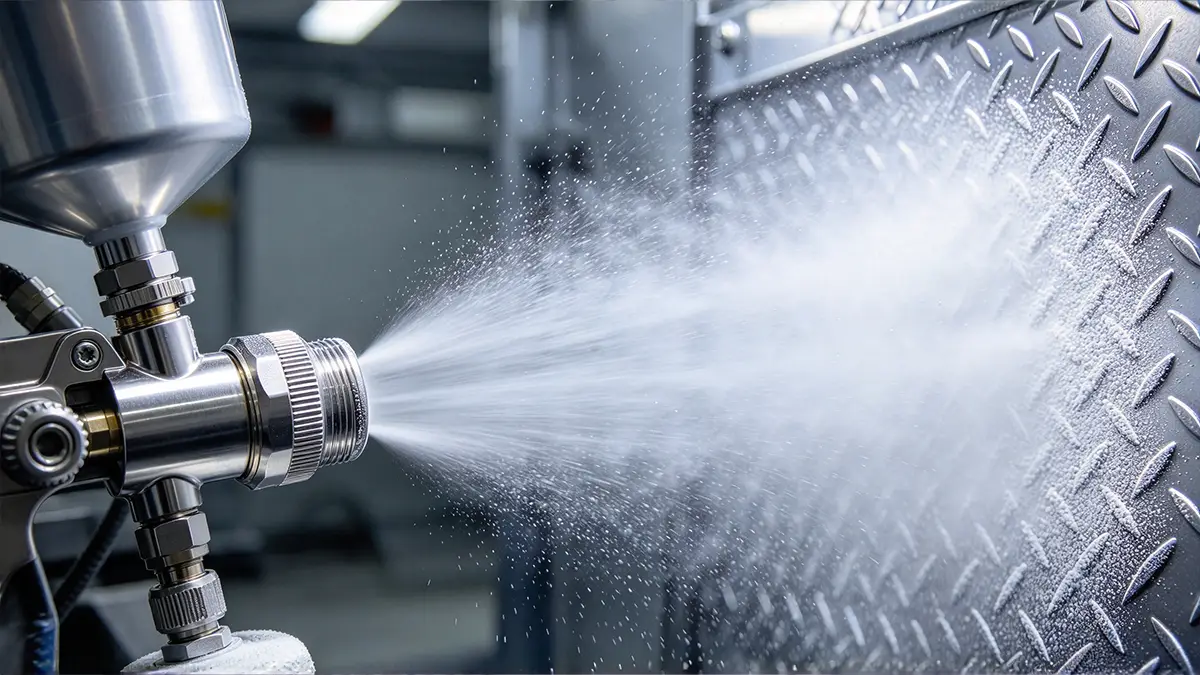
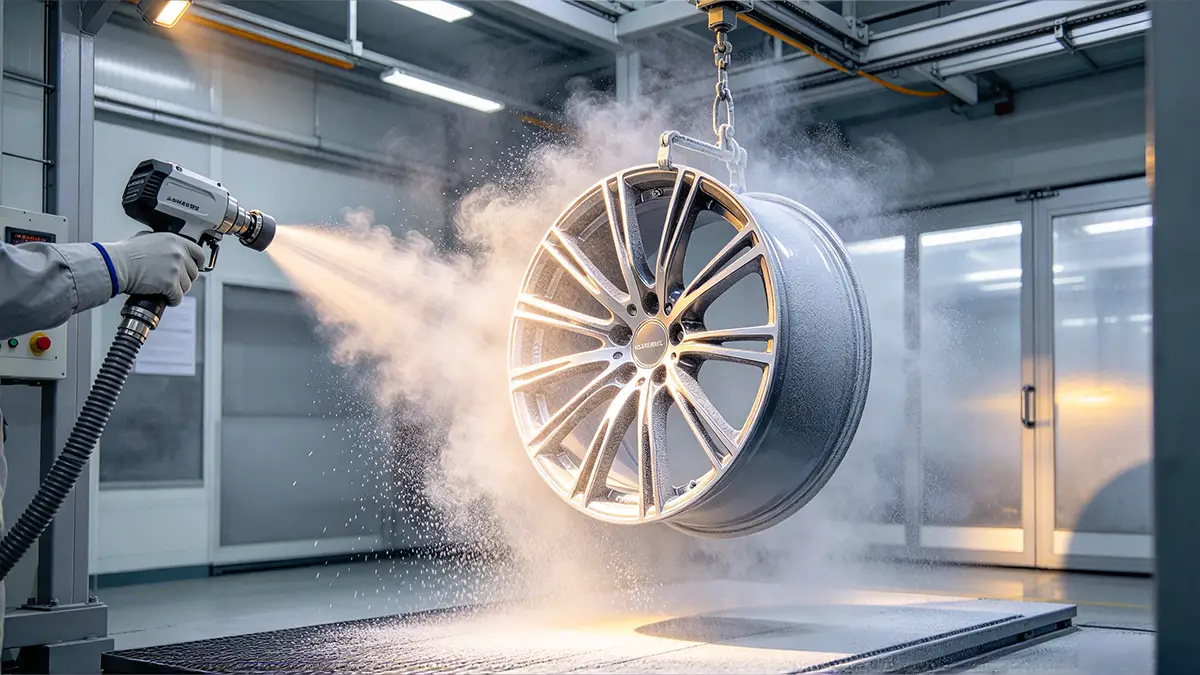
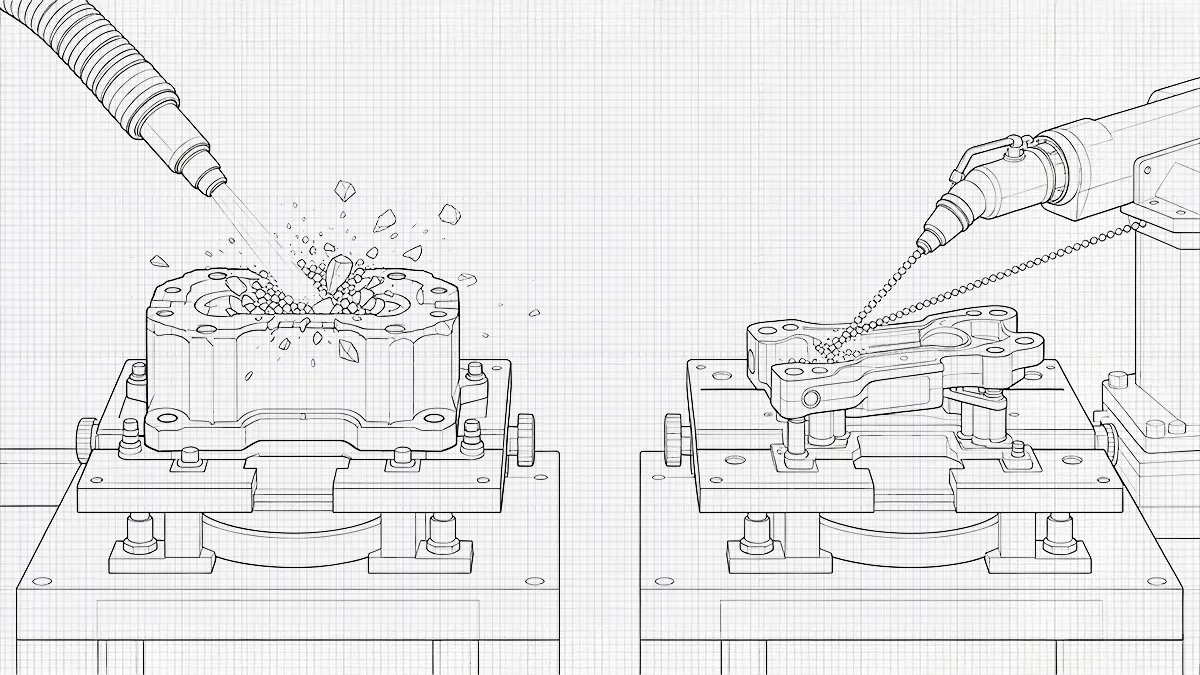
微珠喷砂是另一种表面处理方法,它将高压氧化物基玻璃微珠喷射到材料表面。在研磨介质的帮助下,调整工艺可获得光滑和粗糙的表面。它常用于美化、表面处理或去除表面污染物(如铁锈或油漆)。

过程

  1. 表面处理: 包括清洗,以去除残留的油或其他易脱落的污染物。.
  2. 喷砂柜或机器设置: 技术人员将工件放置在喷砂柜或机器夹具中。喷砂柜是一个封闭的空间,在这里进行喷砂,磨料不会飞离喷砂柜。.
  3. 加压空气和研磨介质: 操作员使用压缩空气将研磨材料(主要是玻璃珠)喷射到零件表面。表面处理的程度取决于空气的压力和工艺中使用的介质种类。.
  4. Controlled Surface Finishing: 操作员可以决定压力的大小、涂抹表面的紧密程度以及介质的涂抹角度。这对于完全控制抛光效果十分必要。根据不同的需要,珠喷适用于以不同的方式加工不同的工件。.
  5. 喷砂后清洁: 喷砂后,操作人员会清洗工件,以清除残留在工件上的喷砂介质或灰尘。这有助于在工件进行喷涂或装配等操作之前,避免因其他元素的污染而造成干扰。.

抛珠类型

玻璃珠喷砂

This specific blasting method employs spherical glass beads to create a uniform matte or satin finish. Unlike highly angular abrasive grit, these spherical particles impact the metal surface to create a microscopic peening effect rather than a cutting action [3]. This unique impact mechanism ensures that the precision CNC machined tolerances remain completely unaltered during the surface cleaning process. It is frequently helpful in household appliances, cars’ interiors and externals, furniture, light industry products, and other parts. In these applications, a smooth and beautiful look is essential.

氧化铝喷砂

This method employs highly angular and aggressive aluminum oxide grit. Because this abrasive media is significantly harder and sharper, aluminum oxide significantly removes more material. Due to their hardness, aluminum oxide significantly removes more material from the surface than glass beads. It is useful where a slightly rougher surface or more excellent material removal is necessary.

塑料珠喷砂

It employs plastic beads as the abrasive media, thus minimizing the rigorous treatment of the parts. Because plastic media is significantly softer than metal, it safely removes coatings and contaminants without altering or cutting into the underlying base material. The process offers a fine surface finish without adversely affecting the strength of the particular part. Plastic bead blasting is a suitable option for cleaning softer metals or delicate parts, often used in 汽车零部件制造航空航天部件制造.

碳化硅喷砂

One of the most aggressive techniques involves using silicon carbide particles. Silicon carbide ranks among the hardest synthetic abrasive materials available in the manufacturing industry. Possessing a remarkable Mohs hardness ranging from 9.0 to 9.5, it aggressively cuts into extremely rigid metal surfaces [4]. Due to this extreme hardness, it rapidly removes deep tool marks and creates a highly textured profile ideal for subsequent heavy-duty coating adhesion. Some applications include cleaning turbine blades, castings, high-intensity parts, and many others that require a robust surface before further treatment.

电解抛光

Electropolishing is a highly precise electrochemical process that dissolves a microscopic layer of material from the surface of metal parts. This technique is the opposite of electroplating and is more akin to dissolving, polishing, and smoothing. Electropolishing has main applications in iron-chromium, aluminum, titanium, and nickel alloys. Therefore, it is helpful for sectors that need high cleanliness and surface purity levels, like the food industry, medical equipment, and pharmaceuticals.

过程

  1. 表面处理: 在电抛光之前,需要对金属部件进行清洁脱脂。清洗可去除任何可能阻碍电化学过程的物质。.
  2. 浸入电解槽: 操作人员将金属部件浸入电解液槽中。电解槽由酸性溶液组成,通常是硫酸和磷酸溶液。在系统的电化学部分,‘部件 ’充当阳极,而阴极则是不锈钢或铅等惰性材料。.
  3. 电流的应用: 操作员在工件阳极和阴极之间施加电流。电流使工件的氧化层溶解在水溶液中。阴极表面局部的弧形峰而不是弧形谷的材料去除量迅速增加。这种选择性去除有助于使表面变平,从而使工件经抛光后表面光滑。.
  4. 材料溶解: The electropolishing process precisely strips off a microscopic layer of base material, typically ranging from 0.0025 mm to 0.025 mm in depth. This electrochemical dissolution preferentially targets microscopic surface peaks over valleys. Consequently, the process can systematically reduce the overall surface roughness average (Ra) by up to 50 percent while simultaneously passivating the metal [2]. The final surface finish appears remarkably superior and highly refined compared to standard mechanical polishing.
  5. 表面平滑和抛光 与原始状态相比,电解抛光可使表面光滑、闪亮和 ‘明亮’。除了美观之外,电解抛光还能极大地减少微观层面的粗糙度,有助于降低腐蚀的几率。.
  6. 抛光后的清洁和检查: 电解处理后,用清水清洗表面精加工部件,以去除电解质溶液。检查表面处理部分,确保去除合适的材料。.

表面抛光方法比较

The best surface finish for the CNC machined parts depends on features such as the type of material used, the application requirement, and the part’s working conditions. The most crucial decision is selecting the surface finishes as they regulate the performance, endurance, and, finally, the price of the part. All the materials under discussion react differently towards specific finishing procedures, and procedures such as anodizing are usually standard on aluminum. Likewise, it is necessary to consider the function of the part under discussion. For example, if extreme wear resistance is required, aluminum components should undergo hard anodizing (Type III).

On the other hand, electropolishing could benefit parts in incredibly sterile environments. Environmental exposure is also an essential factor, especially for those parts in corrosive environments, high or low temperatures, or chemicals. Aesthetics also affect the choice, mainly where industries such as customer electronics and automotive sectors, among others, use techniques such as polishing and anodizing. Budget considerations are essential in surface finish selection, directly impacting overall 数控加工成本, as more protective and visually appealing options often come at a higher cost. In this case, it is highly requisite to consider the performance requirements against the costs to make the right decision.

加工方法费用耐用性美学魅力常用材料典型应用
抛珠中度适中(哑光)铝、不锈钢汽车零部件、航空航天部件、电子产品
阳极氧化中度高(耐腐蚀、耐磨损)高(彩色选项)铝、钛航空航天、汽车、消费电子产品
电解抛光中等(表面光滑)不锈钢、铝制药设备、食品加工、医疗设备

Tips: If you would like to learn more about the full range of surface finishing processes, click “更多表面精加工工艺” to continue.

结论

Surface finishing is an essential component of overall manufacturing within any professional machine shop when dealing with CNC machined parts, bearing a tight influence over functionality and appearance factors.

阳极氧化、喷砂和电抛光工艺可改善腐蚀、耐磨性和表面光洁度等性能,使部件看起来更美观。

每种精加工方法都能满足与零件材料和预期用途相关的要求或问题。选择正确的表面精加工技术关系到数控加工零件的效率和耐用性。

由于对产品性能的要求,包括外在条件在内的其他属性也会影响这一决策过程。生产成本是另一个重要因素。

要根据特定产品的功能、成本和美观程度来满足他们的个性化需求,了解特定表面处理方法的具体细节至关重要。

参考资料

[1] ASTM International. (2019). ASTM B580-79(2019) Standard Specification for Anodic Oxide Coatings on Aluminum. https://doi.org/10.1520/B0580-79R19

[2] ASTM International. (2018). ASTM B912-02(2018) Standard Specification for Passivation of Stainless Steels Using Electropolishing. https://doi.org/10.1520/B0912-02R18

[3] Dong, H. (Ed.). (2010). Surface Engineering of Light Alloys: Aluminium, Magnesium and Titanium Alloys. Woodhead Publishing (Elsevier). https://doi.org/10.1533/9781845699451

[4] Tretyakov, Y. D. (2007). Handbook of Ceramic Hard Materials. Wiley-VCH. https://doi.org/10.1002/9783527618217

James Li 是一位拥有 15 年以上模具制造和注塑成型经验的制造专家。在 First Mold,他负责复杂的 NPI 和 DFM 项目,帮助数百种全球产品从创意走向量产。他将棘手的工程问题转化为经济实惠的解决方案,并与买家分享他的专业知识,使从中国采购变得更加容易。.
分享本文:
标签
评论

发表回复

您的邮箱地址不会被公开。 必填项已用 * 标注

zh_CNZH