

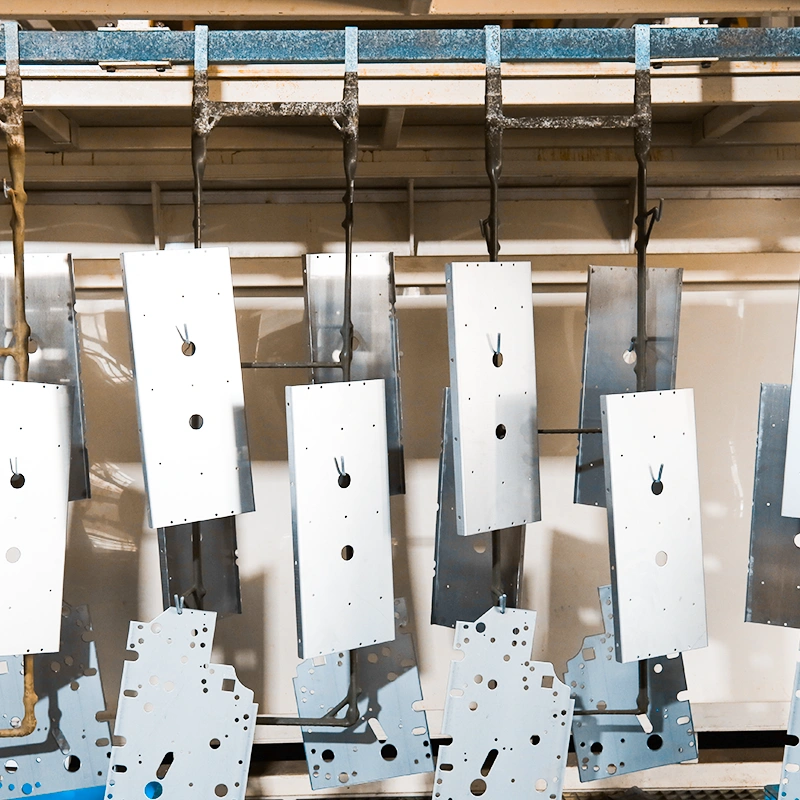
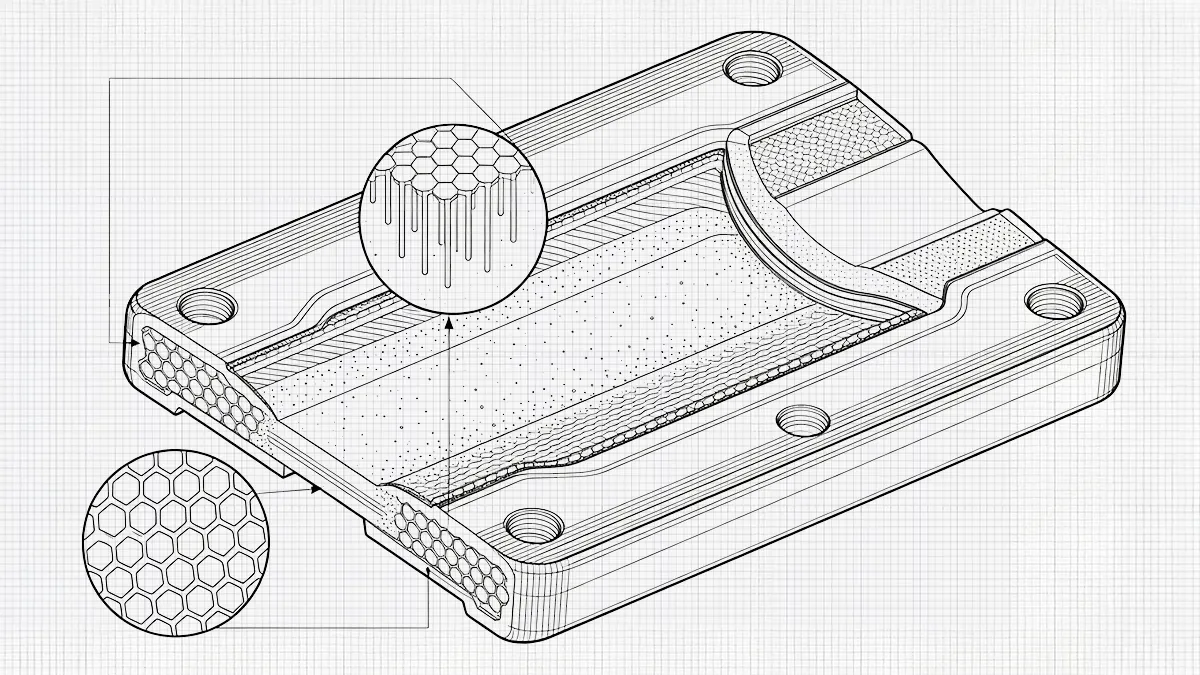
Surface finishing is part of manufacturing, especially for CNC machined parts. It uses techniques specifically designed to modify the surface characteristics of a component to meet targeted functional, aesthetic, or performance-related needs. Surface finishing beautifies the part and enhances its performance characteristics, such as corrosion resistance, wear resistance, and overall surface finish quality by minimizing surface roughness.
表面仕上げとは?
表面仕上げは、機械加工された部品の表面を、質感、外観、機能性に関して変化させるプロセスである。必要とされる部品によって、仕上げは機械的、化学的、または電気化学的に行われる。.
CNC加工 は、ワークピースの高い精度と再現性につながる。しかし、部品の表面には、形状と仕上げの両方に影響を与える特徴があります。.
One common issue is tool marks—fine lines or grooves left by the cutting tool—which may affect both aesthetics and functionality. Left untreated, these raw tool marks may not be aesthetically desirable or functionally suitable. Techniques like polishing or secondary finishing can effectively address them.
バリ、隆起したエッジ、パーティクル、または小さな隆起が形状の境界に形成されているような機械加工された形状は、バリ取り作業が必要である。.
機械加工や取り扱い、輸送によって表面につく傷は、美観上好ましくない。後々、機械的な問題を引き起こす原因にもなりかねません。.
CNC機械加工の一般的な表面仕上げ技術
表面仕上げは、CNC加工部品の品質と性能を決定する上で重要な役割を果たします。ここでは、さまざまな産業における標準的な仕上げ加工について説明します。.
陽極酸化処理
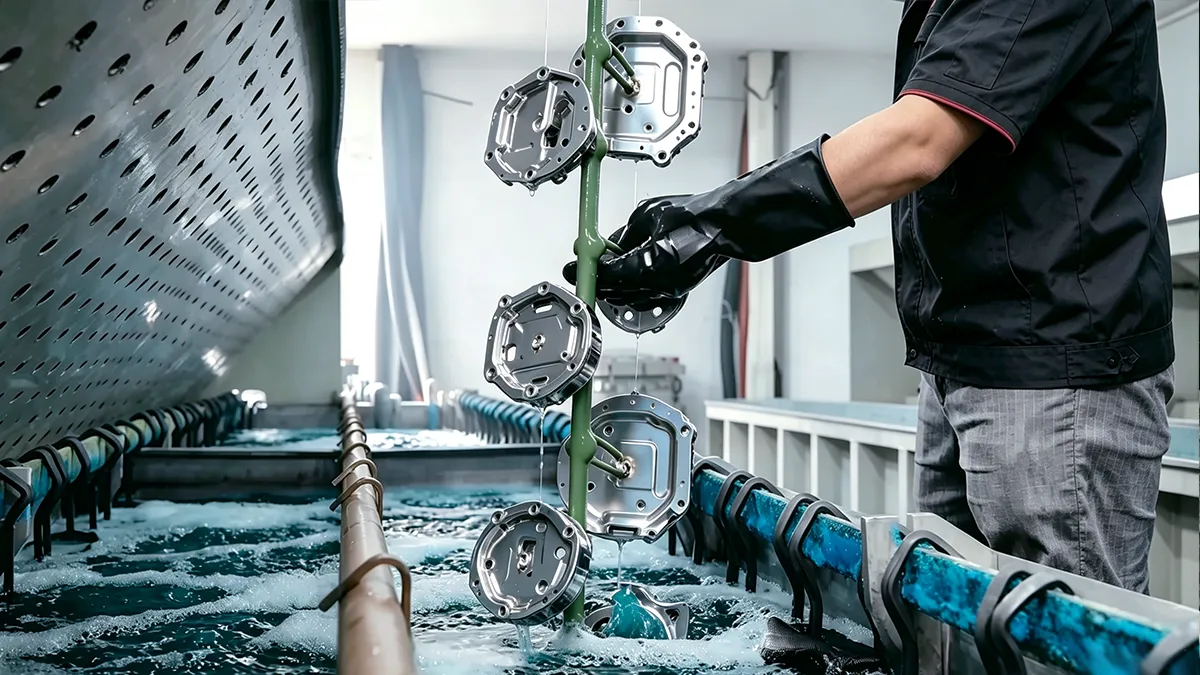
陽極酸化処理 effectively improves the corrosion protection, mechanical properties, and appearance of products, especially in aluminum CNC machining. This procedure involves forming a robust and rust-proof oxide film on the surface of the metal. Anodizing forms an oxide layer, forming a coating around the metal. Not only does this improve the metal’s characteristics, but it also contributes to the aesthetic value of the final product.
プロセス
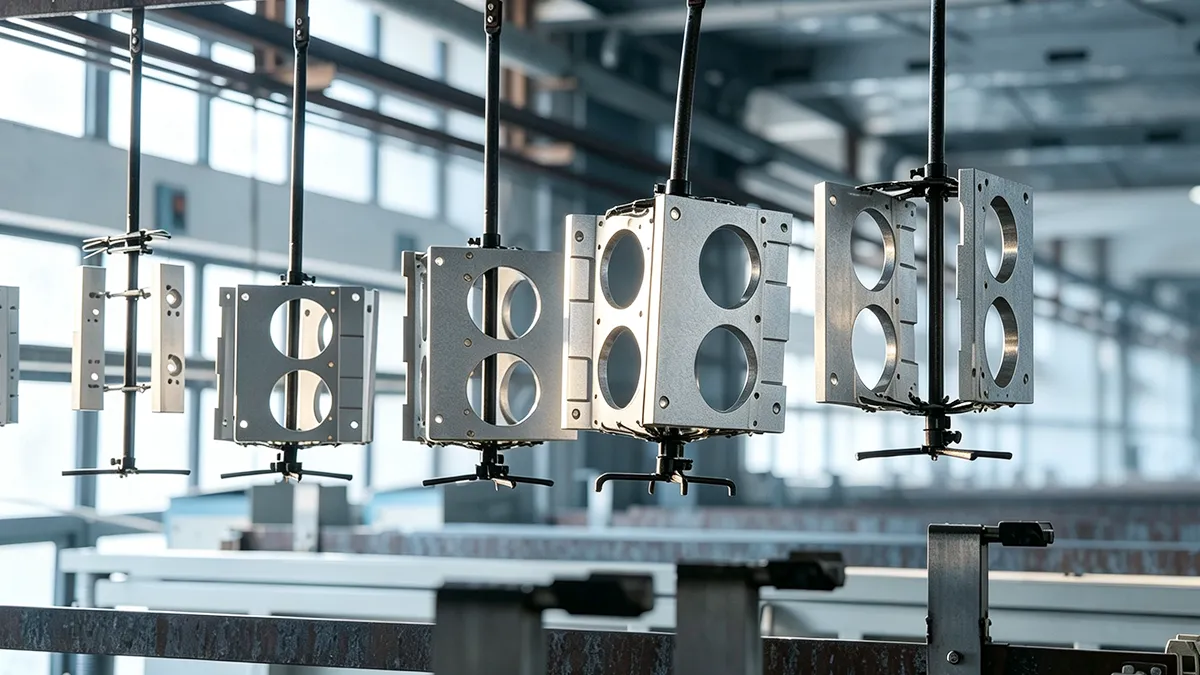
- 表面処理: 陽極酸化処理を施す前に部品の洗浄を行う。徹底的な洗浄により、油分や汚れを除去する。オペレーターは、研磨やエッチングのような機械的または化学的な前処理技術を使用することができます。.
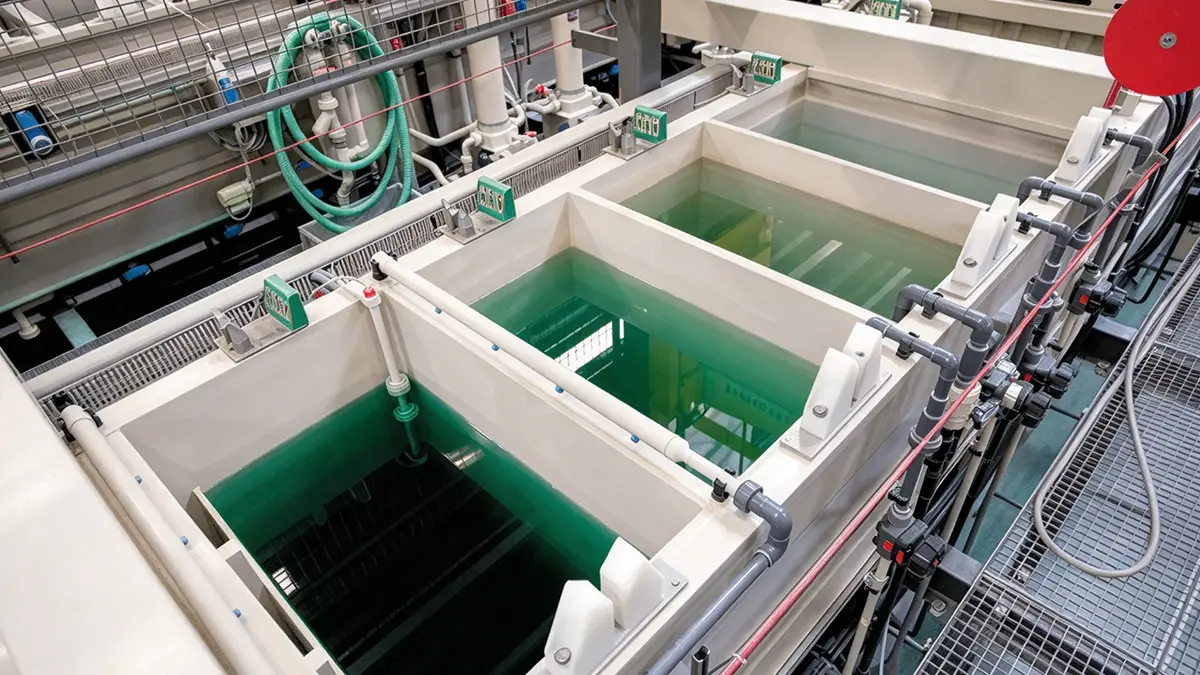
- 電解質溶液への浸漬: After cleaning, technicians put the part in an electrolyte bath, often acidic, sulfuric, or chromic acid. This bath creates an electrolytic process, resulting in the formation of the oxide layer. In this process, the part itself forms the anode of the system. The cathode, typically made of aluminum or lead, is positioned opposite the anode.
- 電流の応用: 技術者は部品と陰極に直流電流(DC)を流し、部品で電気化学プロセスが発生する。電解液からのイオンは部品表面のアルミニウム原子と反応し、酸化アルミニウム(Al₂O₃)を生成する。この酸化物層は最初は多孔質で、染色などのその後の布地処理を容易にする。.
- カラーリングとシーリング: アルマイト層は染料の浸透を可能にし、部品の染色を容易にする。有機または無機の染料が気孔に浸透する。シーリングは、耐食性を高め、色落ちを防ぐための最後の工程である。これは部品を沸点まで上昇させることで、酸化アルミニウムが水和し、すべての気孔を閉じる。その他のシーリングには、酢酸ニッケルなどの化学薬品が含まれ、表面をさらに保護します。.
アルマイト処理の種類
Chromic Acid Anodizing (Type I )
It uses Chromic acid as the electrolyte and forms a thin and smooth anodic layer. However, it has a lower abrasion resistance than the other coatings. It is most applicable in aerospace parts where the fundamental properties required are fatigue strength and high corrosion resistance.
Sulfuric Acid Anodizing (Type II)
この方法は、電解液として硫酸水溶液を使用します。クロム酸アルマイトより厚みがある。II型アルマイト処理は、表面を染色するのに有利であり、審美的な使用に適しています。外観、適度な錆びにくさ、強度が望まれるほとんどの小型電化製品、カーアクセサリー、建築物に有名である。.
Hard Anodizing using Sulfuric Acid at Lower Temperatures (Type III )
Comparable to Type II but at cooler temperatures and higher voltages. According to strict industry specifications like ASTM B580 Type A, this hard anodic coating typically ranges from 50 to 100 microns in thickness [1]. Furthermore, this dense ceramic layer achieves an exceptional microhardness equivalent to 60 to 70 HRC. This extraordinary hardness provides extreme abrasion resistance for heavily loaded moving parts.
Appropriate for demanding roles such as aerospace goods, military products, and industrial equipment. These applications require maximum durability of the surface or the whole device. Possible applications include pistons, gears, and other moving parts.
ビーズブラスト
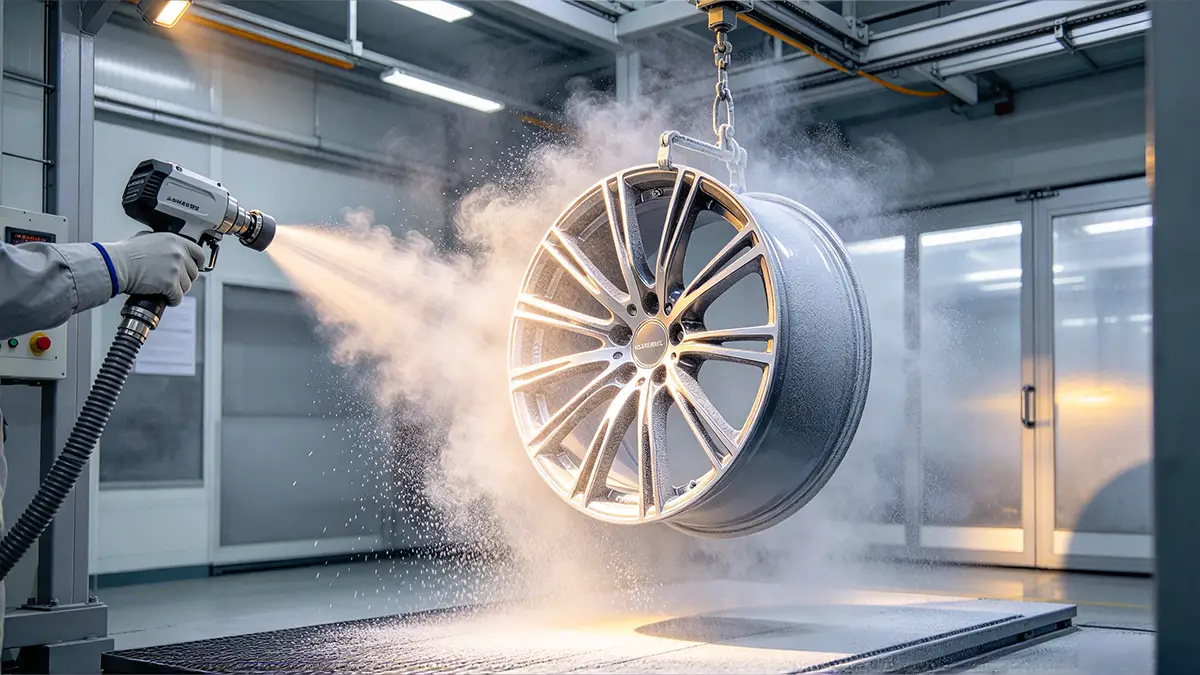
ビーズブラストも表面仕上げの方法の1つで、酸化物ベースの高圧ガラスビーズを材料の表面に衝突させます。プロセスを調整することで、研磨媒体の助けを借りて滑らかな表面と粗い表面を作ることができます。美化、表面処理、または錆や塗料などの表面汚染物質の剥離によく用いられます。.
プロセス
- 表面処理: 残留油分や剥離しやすい汚染物質を除去するために洗浄を行う。.
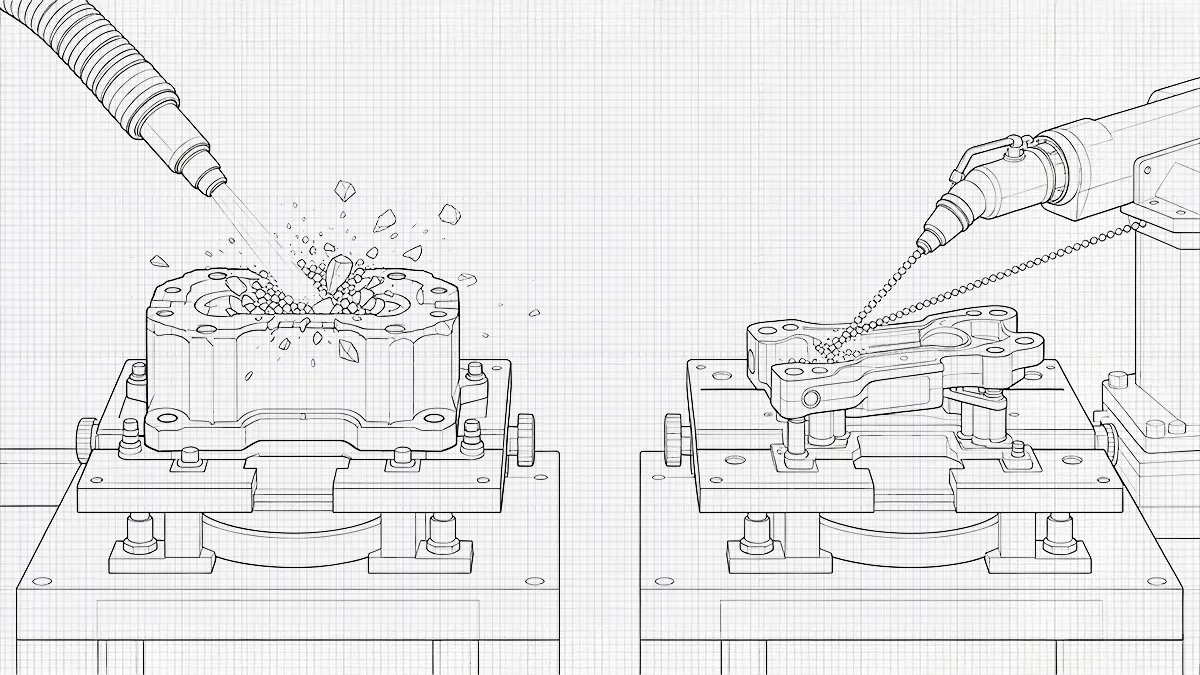
- ブラストキャビネットまたは機械のセットアップ: 技術者は部品をビーズブラストキャビネットまたは機械固定具に配置します。キャビネットはブラストが行われる閉鎖空間であり、研磨媒体がそこから飛び散ることはありません。.
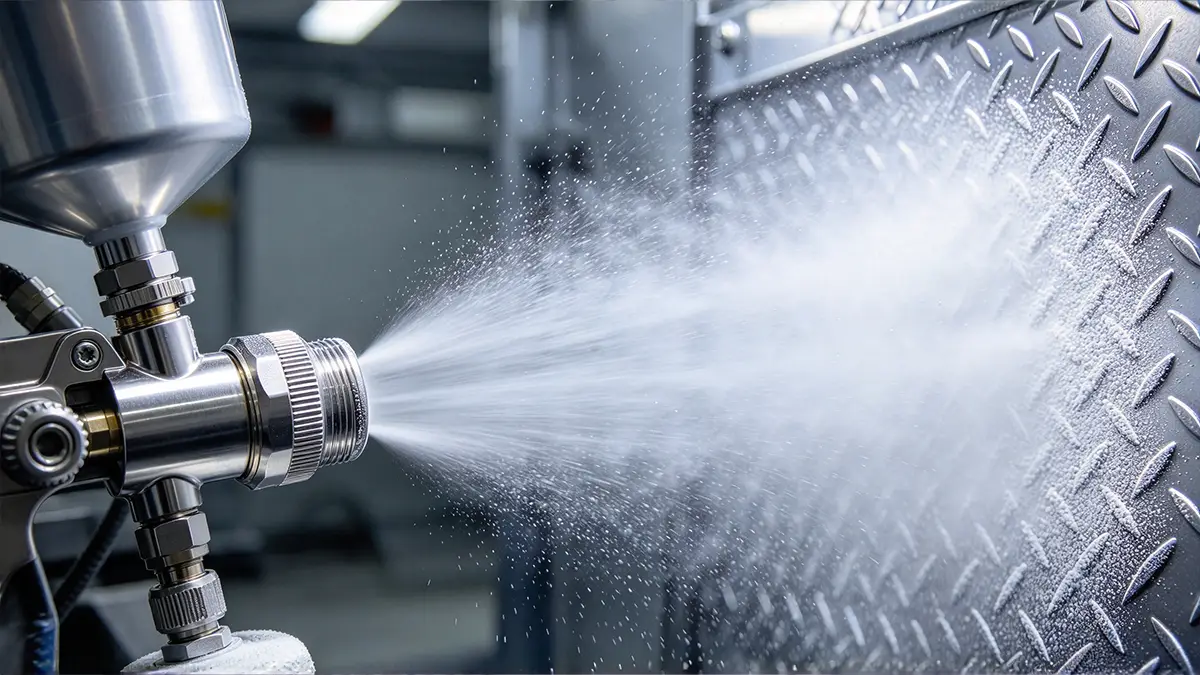
- 加圧空気と研磨媒体: オペレーターは、圧縮空気を使って研磨材(主にガラスビーズ)を部品の表面に噴射する。表面処理の程度は、空気の圧力とプロセスで使用される媒体の種類によって異なります。.
- Controlled Surface Finishing: オペレーターは、圧力の大きさ、メディアを当てる面の密着度、メディアの当てる角度を決めることができる。これは仕上げを完全に制御するために必要です。ビーズブラストは、必要に応じてさまざまな方法でさまざまな部品に作業するのに適しています。.
- ブラスト後のクリーニング: 作業者はブラスト後に部品を洗浄して、部品に残ったブラスト媒体や粉塵を除去します。これにより、部品が塗装や組み立てなどの作業を受ける前に、他の要素による汚染から生じる干渉を避けることができます。.
ビーズブラストの種類
ガラス・ビーズ・ブラスト
This specific blasting method employs spherical glass beads to create a uniform matte or satin finish. Unlike highly angular abrasive grit, these spherical particles impact the metal surface to create a microscopic peening effect rather than a cutting action [3]. This unique impact mechanism ensures that the precision CNC machined tolerances remain completely unaltered during the surface cleaning process. It is frequently helpful in household appliances, cars’ interiors and externals, furniture, light industry products, and other parts. In these applications, a smooth and beautiful look is essential.
酸化アルミニウムブラスト
This method employs highly angular and aggressive aluminum oxide grit. Because this abrasive media is significantly harder and sharper, aluminum oxide significantly removes more material. Due to their hardness, aluminum oxide significantly removes more material from the surface than glass beads. It is useful where a slightly rougher surface or more excellent material removal is necessary.
プラスチックビーズブラスト
It employs plastic beads as the abrasive media, thus minimizing the rigorous treatment of the parts. Because plastic media is significantly softer than metal, it safely removes coatings and contaminants without altering or cutting into the underlying base material. The process offers a fine surface finish without adversely affecting the strength of the particular part. Plastic bead blasting is a suitable option for cleaning softer metals or delicate parts, often used in 自動車部品製造 そして 航空宇宙部品製造.
炭化ケイ素ブラスト
One of the most aggressive techniques involves using silicon carbide particles. Silicon carbide ranks among the hardest synthetic abrasive materials available in the manufacturing industry. Possessing a remarkable Mohs hardness ranging from 9.0 to 9.5, it aggressively cuts into extremely rigid metal surfaces [4]. Due to this extreme hardness, it rapidly removes deep tool marks and creates a highly textured profile ideal for subsequent heavy-duty coating adhesion. Some applications include cleaning turbine blades, castings, high-intensity parts, and many others that require a robust surface before further treatment.
電解研磨
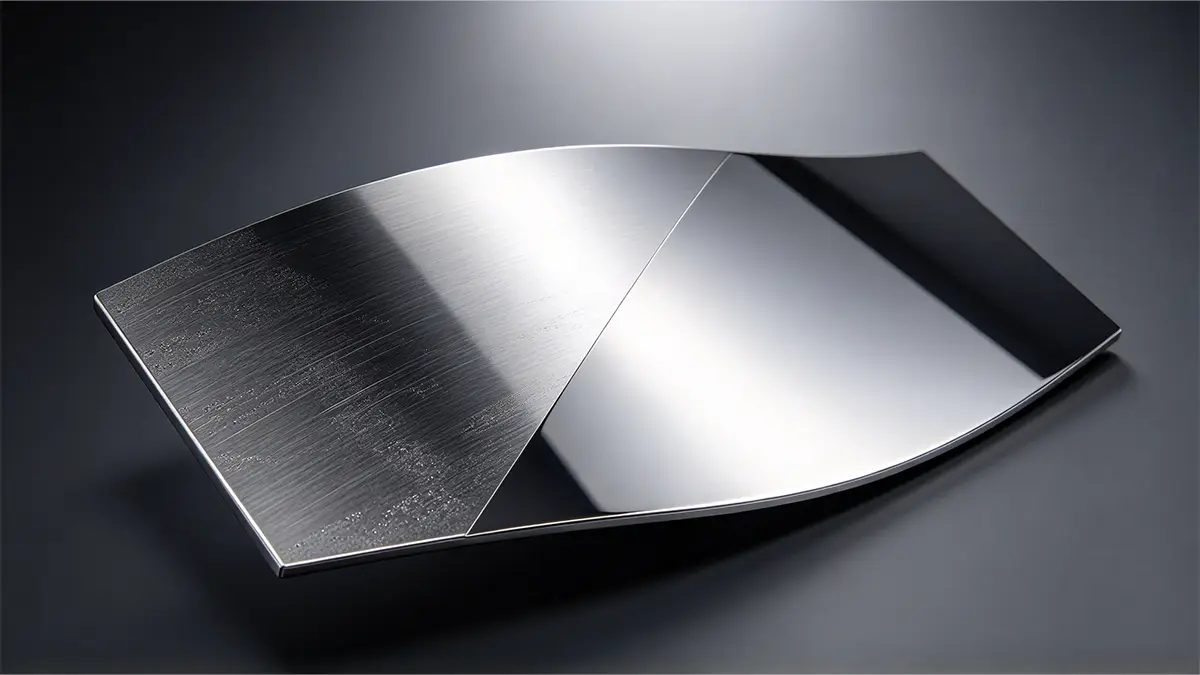
Electropolishing is a highly precise electrochemical process that dissolves a microscopic layer of material from the surface of metal parts. This technique is the opposite of electroplating and is more akin to dissolving, polishing, and smoothing. Electropolishing has main applications in iron-chromium, aluminum, titanium, and nickel alloys. Therefore, it is helpful for sectors that need high cleanliness and surface purity levels, like the food industry, medical equipment, and pharmaceuticals.
プロセス
- 表面処理: 電解研磨の前には、脱脂のために金属部品の洗浄が行われる。洗浄により、電気化学的プロセスを阻害する可能性のある物質を除去する。.
- 電解浴に浸す: 作業者は金属部品を電解質浴に浸す。この浴は酸溶液からなり、硫酸とリン酸溶液からなることが多い。システムの電気化学的な部分では、「部品」は陽極として機能し、陰極はステンレス鋼や鉛などの不活性材料である。.
- 電流の応用: オペレーターは部品の陽極と陰極の間に電流を流す。この電流により、部品の酸化層が水溶液中に溶解する。材料除去は、陰極表面の湾曲した谷部ではなく、湾曲した山部で急速に増加する。この選択的除去は、表面を平坦化することに寄与し、部品を研磨して滑らかな表面にすることを可能にする。.
- 材料の溶解: The electropolishing process precisely strips off a microscopic layer of base material, typically ranging from 0.0025 mm to 0.025 mm in depth. This electrochemical dissolution preferentially targets microscopic surface peaks over valleys. Consequently, the process can systematically reduce the overall surface roughness average (Ra) by up to 50 percent while simultaneously passivating the metal [2]. The final surface finish appears remarkably superior and highly refined compared to standard mechanical polishing.
- 表面の平滑化と研磨: 電解研磨により、表面は元の状態に比べて滑らかで光沢があり、「明るい」状態になります。審美的な面だけでなく、ミクロレベルの粗さを劇的に最小化し、腐食の可能性を減らすのに役立ちます。.
- 研磨後のクリーニングと検査: 電解研磨処理後、表面仕上げ部品を水洗いして電解液を除去する。表面仕上げ部をチェックすることで、適切な材料が除去されていることが保証される。.
表面仕上げ方法の比較
The best surface finish for the CNC machined parts depends on features such as the type of material used, the application requirement, and the part’s working conditions. The most crucial decision is selecting the surface finishes as they regulate the performance, endurance, and, finally, the price of the part. All the materials under discussion react differently towards specific finishing procedures, and procedures such as anodizing are usually standard on aluminum. Likewise, it is necessary to consider the function of the part under discussion. For example, if extreme wear resistance is required, aluminum components should undergo hard anodizing (Type III).
On the other hand, electropolishing could benefit parts in incredibly sterile environments. Environmental exposure is also an essential factor, especially for those parts in corrosive environments, high or low temperatures, or chemicals. Aesthetics also affect the choice, mainly where industries such as customer electronics and automotive sectors, among others, use techniques such as polishing and anodizing. Budget considerations are essential in surface finish selection, directly impacting overall CNC加工費, as more protective and visually appealing options often come at a higher cost. In this case, it is highly requisite to consider the performance requirements against the costs to make the right decision.
| 仕上げ方法 | コスト | 耐久性 | 美的アピール | 一般材料 | 代表的なアプリケーション |
|---|---|---|---|---|---|
| ビーズブラスト | 低い | 中程度 | 中程度(マット仕上げ) | アルミニウム、ステンレス鋼 | 自動車部品、航空宇宙部品、電子機器 |
| 陽極酸化処理 | 中程度 | 高い(耐食性、耐摩耗性) | 高(カラーオプション) | アルミニウム、チタン | 航空宇宙、自動車、家電 |
| 電解研磨 | 高い | 高い | 中程度(表面は滑らか) | ステンレススチール、アルミニウム | 製薬機器、食品加工、医療機器 |
Tips: If you would like to learn more about the full range of surface finishing processes, click “その他の表面仕上げ加工” to continue.
結論
Surface finishing is an essential component of overall manufacturing within any professional machine shop when dealing with CNC machined parts, bearing a tight influence over functionality and appearance factors.
陽極酸化処理、ビーズブラスト処理、電解研磨処理は、腐食性、摩耗性、表面仕上げなどの特性を改善し、部品に美的外観を与えます。.
各仕上げ方法は、部品の材料と使用目的に関連する要件や懸念事項に対処します。正しい表面仕上げ技術の選択は、CNC加工部品の効率と耐久性に関係します。.
外的条件を含むその他の属性は、製品性能の要求からこの意思決定プロセスに影響を与える。生産コストも不可欠な要素である。.
特定の製品の機能性、コスト、美観に基づき、個々のニーズに合った正しい選択をするためには、特定の表面仕上げ方法の詳細を理解することが不可欠である。.
参考
[1] ASTM International. (2019). ASTM B580-79(2019) アルミニウムの陽極酸化皮膜に関する標準仕様書. https://doi.org/10.1520/B0580-79R19
[2] ASTM International. (2018). ASTM B912-02(2018) 電気研磨を用いたステンレス鋼の不動態化に関する標準仕様書. https://doi.org/10.1520/B0912-02R18
[3] Dong, H. (Ed.). (2010). Surface Engineering of Light Alloys: Aluminium, Magnesium and Titanium Alloys. Woodhead Publishing (Elsevier). https://doi.org/10.1533/9781845699451
[4] Tretyakov, Y. D. (2007). Handbook of Ceramic Hard Materials. Wiley-VCH. https://doi.org/10.1002/9783527618217



 JA
JA  EN
EN  ES
ES  FR
FR  DE
DE  IT
IT  PT
PT  NL
NL  PL
PL  AR
AR  KO
KO  ZH
ZH