

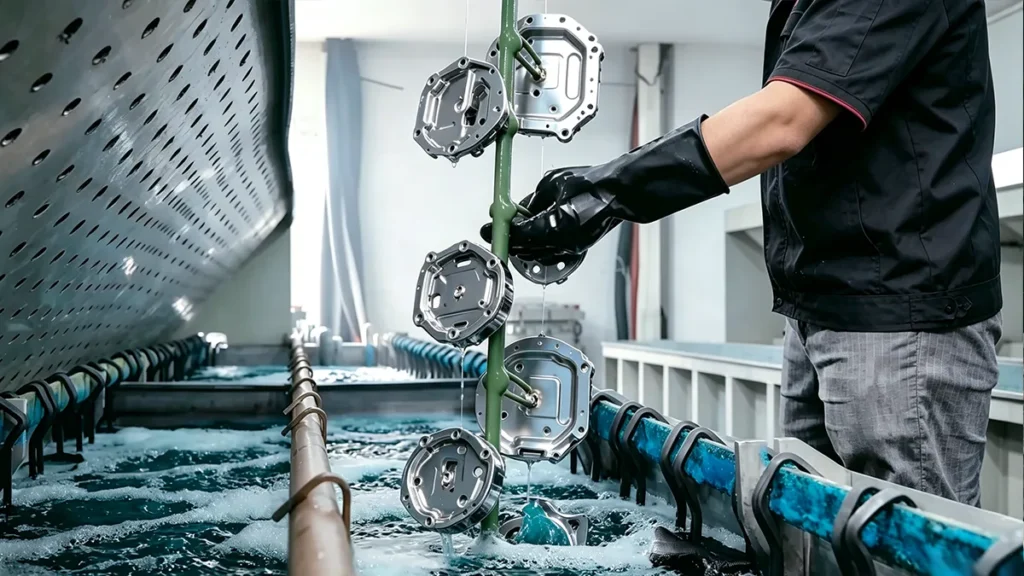
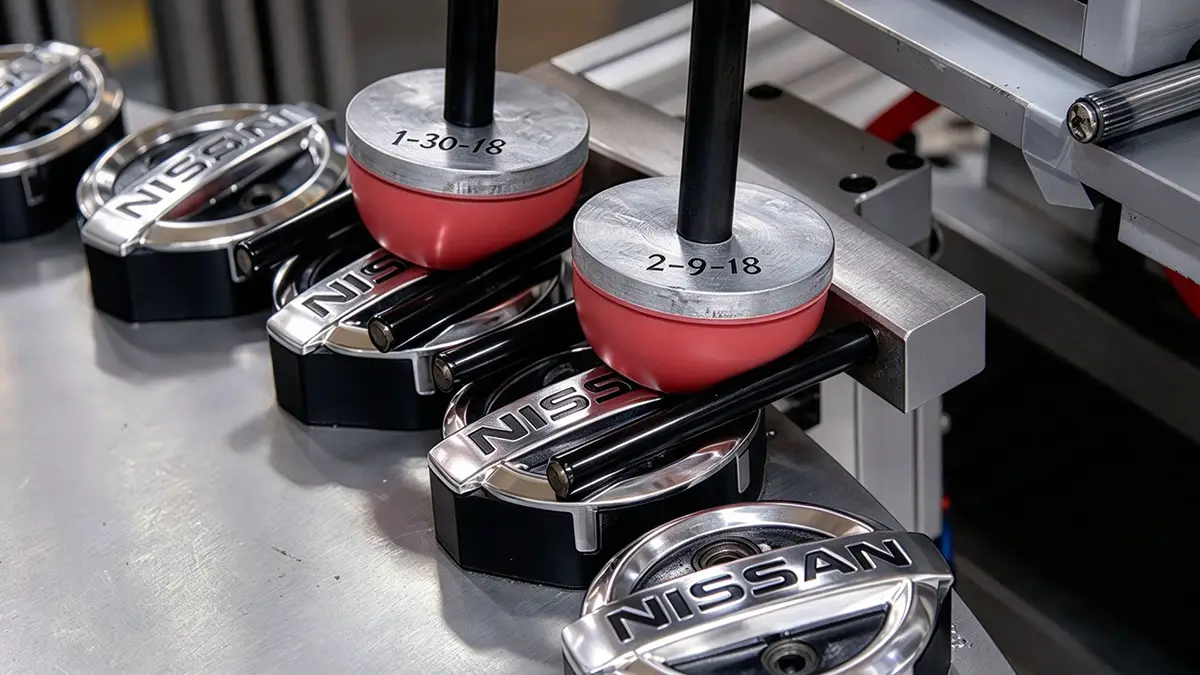
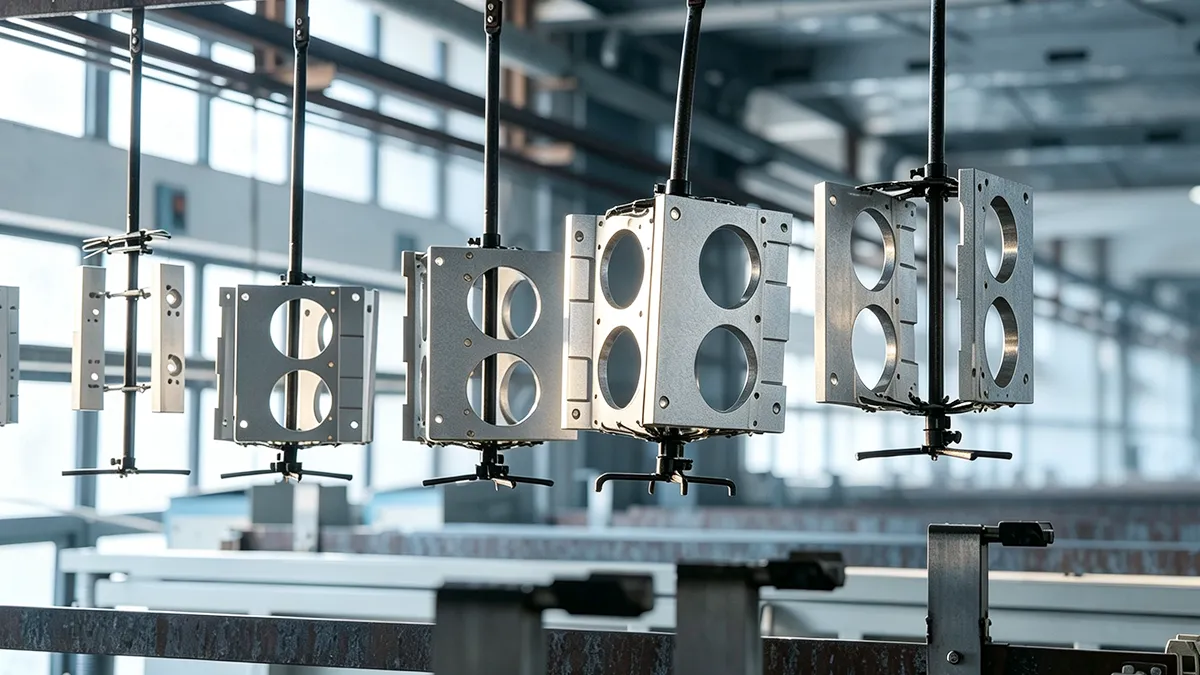
Galvaniseren is een veelgebruikt chemisch proces in de techniek. Het wordt soms beschouwd als een afwerkingsproces dat bedoeld is om een onderdeel zo te bewerken dat het aan specifieke functionele eisen voldoet. Neem bijvoorbeeld een stalen elektrische connector die bij de assemblage van auto’s wordt gebruikt. Zonder galvaniseren kan de connector gemakkelijk gaan roesten wanneer het voertuig wordt blootgesteld aan vocht en verontreinigingen. Als het onderdeel echter is gegalvaniseerd, kan het – afhankelijk van het gebruikte galvanisatiemateriaal – langer standhouden in deze corrosieve omgevingen. De technologie wordt ook op grote schaal toegepast in de schoonheidsindustrie. Door middel van galvaniseren krijgen oorbellen en kettingen een gouden uiterlijk, waardoor ze aantrekkelijker worden.
De effectiviteit van het galvaniseren hangt niet alleen af van de keuze van het juiste galvanisatiemateriaal, maar ook van de manier waarop de procesparameters worden beheerd. In deze bespreking worden diverse parameters van het galvaniseren onder de loep genomen, waaronder stroomdichtheid, galvanisatietijd, badchemie, temperatuur, pH, roering, de opstelling van anode en kathode, oppervlaktevoorbereiding en stroomrendement. Deze parameters moeten nauwlettend worden bewaakt om de gespecificeerde laagdikte, hechting, corrosiebestendigheid en hardheid te bereiken. Bovendien kunnen fabrikanten, door inzicht te hebben in deze parameters, de gewenste elektrische prestaties, het uiterlijk en de maatvoering realiseren met aanvaardbare procesvariatie.
Wat is galvaniseren?
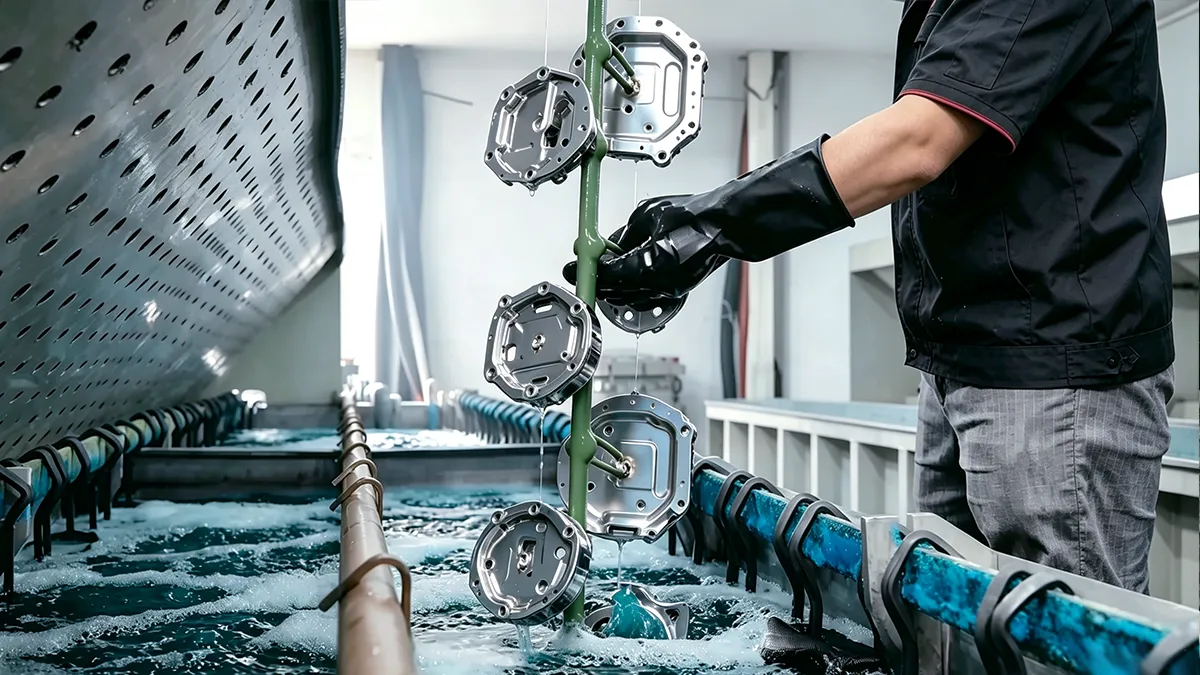
Galvaniseren is een productieproces waarbij door middel van elektrolyse een dunne laag metaalatomen op een ander materiaal wordt aangebracht. Het toegevoegde metaal wordt het afzettingsmetaal genoemd, en het onderliggende materiaal of werkstuk wordt het substraatmateriaal genoemd.
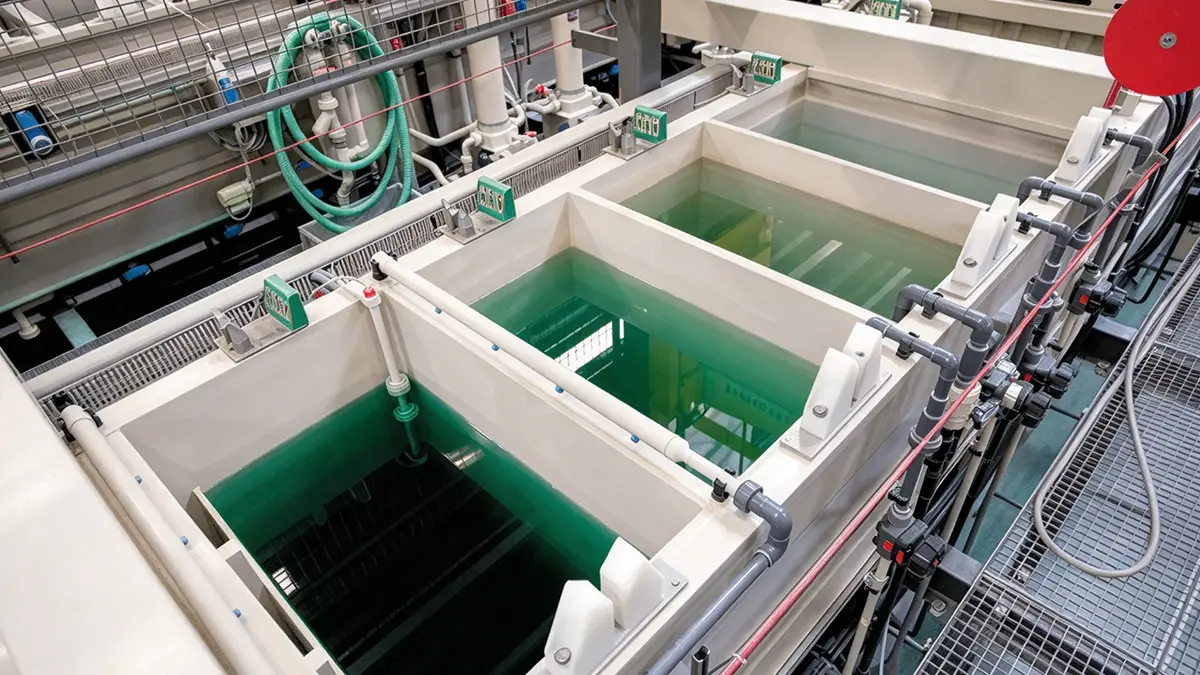
De belangrijkste onderdelen van een galvaniseerinrichting zijn de kathode (het te galvaniseren voorwerp), de anode (een metaal dat ionen levert voor het galvaniseren) en de elektrolytoplossing met daarin opgeloste ionen; samen vormen deze een elektrolytische cel die wordt geregeld door nauwkeurige elektrische parameters [1]. De gelijkstroomvoeding levert de elektrische energie die nodig is voor het afzetten van het metaal. Het galvaniseren omvat tevens een procesbesturingssysteem voor het regelen van de procesparameters.
Hoe werkt het galvanisatieproces?
Het galvanisatieproces verloopt stapsgewijs: het begint met de inspectie van de onderdelen en eindigt met de eindcontrole na het aanbrengen van de laag. In deze uiteenzetting zullen we het aanbrengen van een nikkellaag op een stalen onderdeel demonstreren.
1. Onderdeelinspectie
Inspectie van het substraat (in ons geval staal) vóór het galvaniseren. Belangrijke aandachtspunten zijn onder meer de samenstelling van het basismetaal, de oppervlakteruwheid, bewerkingssporen en bramen. Andere aandachtspunten zijn porositeit, lasfouten en maatnauwkeurigheid. Het substraat moet worden gecontroleerd op eventuele oxidevorming, aangezien dit de uiteindelijke afgezette laag kan beïnvloeden. Deze gebreken moeten vóór het etsen worden verholpen. Het galvanisatieproces verbergt deze gebreken niet. Ze zullen later op het uiteindelijke onderdeel nog steeds zichtbaar zijn.
2. Voorbereiding van het oppervlak
De voorbereiding van het substraat is essentieel vóór het aanbrengen van de coating, aangezien een hoge mate van reinheid van cruciaal belang is om een goede hechting van de coating te garanderen en defecten te voorkomen [3]. Hoewel staal er met het blote oog schoon kan uitzien, kan het toch vet, oliën, vingerafdrukken, oxiden, stof en resten van eerdere bewerkingen bevatten. Deze verontreinigingen kunnen de hechting van de nikkellaag op het stalen substraat belemmeren. De voorbereiding omvat het ontvetten van het stalen onderdeel in een alkalische oplossing om oliën te verwijderen, het spoelen om stof te verwijderen en zuuractivering om oxiden te verwijderen. In sommige gevallen wordt een nikkelbasislaag aangebracht. Dit is een dunne nikkellaag die wordt aangebracht voordat de hoofdnikkellaag wordt afgezet. De nikkelbasislaag verbetert de hechting aan het substraat en zorgt voor een effectief hechtingsoppervlak.
3. Belangrijkste galvanische bewerkingen
Bij het galvanisatieproces vindt er een elektronenoverdracht plaats. Er worden een anode en een kathode gevormd om een potentiaalverschil te creëren. In ons geval wordt de nikkelplaat aangesloten op de positieve pool, waardoor een anode ontstaat. Aan de andere kant wordt het stalen onderdeel aangesloten op de negatieve pool, waardoor een kathode ontstaat. Zowel de anode als de kathode worden ondergedompeld in een elektrolyt die nikkel bevat. Zodra de gelijkstroom wordt ingeschakeld, drijft een elektrische stroom nikkelionen naar het stalen onderdeel. Eenmaal afgezet, veranderen de nikkelionen in nikkelmetaal, waardoor een laag ontstaat. Bij de anode verliest nikkelmetaal elektronen en wordt het een ion, zoals beschreven door de reactie:;
Ni → Ni²⁺ + 2e⁻
Aan de kathode nemen nikkelionen rondom het staal elektronen op, waardoor nikkelmetaal ontstaat, zoals beschreven door de volgende reactie:;
Ni²⁺ + 2e⁻ → Ni
4. Spoelen en nabehandeling
In elke fase van het galvanisatieproces wordt het onderdeel gespoeld. Na dit elektrolyseproces helpt het spoelen om de elektrolyt van het oppervlak te verwijderen. Spoelen helpt kruisbesmetting tussen de baden te voorkomen. Na het spoelen ondergaat het onderdeel een nabehandeling, die onder meer kan bestaan uit afdichten, passiveren, een behandeling tegen verkleuring, smeren en drogen.
Wat zijn de belangrijkste parameters bij het galvaniseren?
In de onderstaande tabel worden de belangrijkste parameters van het galvanisatieproces samengevat.
| Parameter | Typische functie in de techniek | Wat gebeurt er als de ziekte slecht onder controle is? |
|---|---|---|
| Stroomdichtheid | Regelt de afzettingssnelheid en de eigenschappen van de afzetting | Verbranding, slechte dekking, te dik |
| Plateertijd | Bepaalt de aangebrachte dikte | Te weinig of te veel beplating |
| Badwatertemperatuur | Regelt de reactiekinetiek en de geleidbaarheid | Trage afzetting, ruwheid, chemische instabiliteit |
| pH | Beïnvloedt de afzettingschemie en de kwaliteit van de afzetting | Lage efficiëntie, grove of broze afzettingen |
| Concentratie van metaalionen | Toelevering van metaal | Dikteschommelingen, onstabiele afzetting |
| Opruiing | Verbetert het massatransport | Gebrek aan uniformiteit en plaatselijke uitputting |
| Afstand tussen anode en kathode | Beïnvloedt de stroomverdeling | Randopbouw en dunne plekken |
| Stroomrendement | Bepaalt hoeveel elektrische lading er nodig is voor metaalafzetting | Fouten bij het voorspellen van de dikte |
| Voorbereiding van het oppervlak | Bepaalt de hechting en de reinheid | Afbladderen, blaasvorming, slechte dekking |
| Filtratie | Verwijdert deeltjes en verontreinigingen | Putjes, knobbeltjes en oneffenheden |
| Verontreiniging van het badwater | Heeft invloed op de chemische samenstelling van de afzetting | Broosheid, verkleuring of slechte hechting |
| Oriëntatie van de onderdelen | Beïnvloedt de stroming van de oplossing en de stroomverdeling | Ongelijkmatige coating |
Stroomdichtheid
Het galvanisatieproces is gebaseerd op de wet van Faraday, die luidt:;
m = (M × I × t × η) / (n × F)
Waar m is de massa van het afgezette nikkel, M is de molaire massa van nikkel ≈ 58,69 g/mol, I is de stroom in ampère, en t is de galvanisatietijd in seconden. Dit biedt een kwantitatief kader voor het berekenen van de massa van het metaal dat tijdens de elektrolyse wordt afgezet [2].
Het galvanisatieproces hangt niet alleen af van de toegevoerde hoeveelheid. Ontwerpers en ingenieurs houden rekening met de stroomdichtheid (J). Dit is de hoeveelheid stroom die per oppervlakte-eenheid wordt geleverd. De stroomdichtheid wordt berekend als volgt:;
J = I / A
Waar A is het vergulde oppervlak.
Hoewel een hogere stroomdichtheid de afzettingssnelheid verhoogt, moet een te hoge stroomdichtheid worden vermeden. Dit kan leiden tot verbranding, ruwe afzettingen, overmatige waterstofontwikkeling, een slecht uiterlijk en verhoogde interne spanning.
De stroomdichtheid wordt vaak uitgedrukt in A/dm² (ASD), A/cm² of A/ft².
Plateertijd
Volgens de wet van Faraday beïnvloedt de galvanisatietijd de hoeveelheid metaal die theoretisch direct kan worden afgezet. Dit betekent dat, wanneer andere factoren zoals stroomdichtheid, elektrolytconcentratie en substraatcomponenten constant worden gehouden, een langere galvanisatietijd kan leiden tot een grotere hoeveelheid afgezet materiaal (in ons geval de dikte van de nikkelafzetting).
Stel dat het proces zodanig is gevalideerd dat een bepaalde stroomdichtheid ongeveer een bekende afzettingssnelheid oplevert. Uit de volgende tabel blijkt dat de dikte van de afzetting toeneemt naarmate de afzettingsduur langer wordt.
De afzettingssnelheid mag echter niet uitsluitend op basis van de galvanisatietijd worden beoordeeld. Aan alle andere factoren, zoals beschreven in de wet van Faraday, moet worden voldaan. Een grote uitdaging bij de stroomregeling is de ongelijkmatige stroomverdeling rond het onderdeel. Scherpe of uitstekende vormen in de matrijs hebben de neiging om een hogere lokale stroomdichtheid te ontvangen dan verzonken gebieden. Dit resulteert in gebieden met een hoge stroomdichtheid, wat leidt tot dikkere coatings, en gebieden met een lagere stroomdichtheid, wat leidt tot dunnere coatings.
Temperatuur en pH van elektrolyten
De temperatuur is een cruciale activeringsfactor die van invloed is op alle chemische processen bij het galvaniseren. Deze bepaalt de stabiliteit van het bad, het gedrag van additieven, de reactiekinetiek en de elektrische geleidbaarheid. Neem bijvoorbeeld MacDermid Alpha. Dit proces werkt bij een aanbevolen gemiddelde galvanisatietemperatuur van 55 °C, met een bereik van 50 tot 60 °C. Dit temperatuurbereik is lager dan dat van het Atotech-proces voor chemisch nikkel, dat bij 74–76 °C werkt.
Temperatuurverhoudingen vormen geen beperking voor continu bedrijf. Er bestaat een direct verband met de pH-waarden. In ons geval zou een bedrijfstemperatuur van 55 °C bijvoorbeeld leiden tot maximale afzetting bij een pH van 3,5–4,5. Uit de temperatuurverschillen tussen verschillende bedrijfstechnologieën blijkt dat ingenieurs een specifieke bedrijfsomgeving moeten vaststellen. De temperatuur moet nauwkeurig worden geregeld om afwijkingen van de galvanische chemie te voorkomen.
Effecten van de pH-waarde
De pH-waarde beïnvloedt het chemisch evenwicht van de elektrolyt. Dit heeft gevolgen voor de stroomopbrengst, de beschikbaarheid van metaalionen, de waterstofontwikkeling, het gedrag van additieven, de morfologie van de afzetting en de spanning in de afzetting. De gemiddelde aanbevolen pH-waarde voor het MacDermid Alpha-systeem voor elektrolytisch nikkel is 4,0, met een bereik van 3,5 tot 4,5. De pH-waarde mag de aanbevolen waarden niet overschrijden of onderschrijden. Hogere pH-waarden kunnen leiden tot minder ductiele afzettingen. Lagere pH-waarden kunnen daarentegen de galvaniseerefficiëntie verminderen.
Hoe kan het galvaniseren tijdens de productie worden geregeld?
Bij de procesregeling van het galvaniseren gaat het om het beheer van belangrijke parameters zoals de chemische samenstelling van het bad (elektrolyt), de pH, de stroomsterkte en de galvanisatietijd. De regeling van het bad omvat het beheer van de metaalconcentratie. Deze bewaking zorgt ervoor dat er voldoende ionenoverdracht plaatsvindt van de anode naar de kathode. Bij de regeling van de pH ligt de nadruk op de concentratie van additieven en reactiebijproducten. Een regelsysteem meet de pH van de reactanten en de eindproducten om een juiste balans te waarborgen. De elektrische regeling registreert stroom, spanning en stroomdichtheid. De stroomdichtheid moet binnen de aanbevolen bereiken vallen. Al deze maatregelen zijn computergestuurd, en rode signalen en sirenes in de industriële opstelling signaleren eventuele afwijkingen.
Referenties
[1] ASTM International. (2024). Normen voor galvaniseren: de schroef aandraaien. ASTM-nieuws en technische inzichten. https://www.astm.org/news/standards-electroplating-turning-screw-mj24
[2] Nationaal Instituut voor Normen en Technologie (NIST). (1997). Programma voor geavanceerde technologie: productie van motorvoertuigen. Archief van technische rapporten van het NIST. https://nvlpubs.nist.gov/nistpubs/Legacy/IR/nistir6079.pdf
[3] ASM International. (z.j.). Galvanische coatings. Handboeken van de ASM Digital Library. https://dl.asminternational.org/handbooks/edited-volume/46/chapter-abstract/552799/Electroplated-Coatings?redirectedFrom=PDF



 NL
NL  EN
EN  ES
ES  FR
FR  DE
DE  IT
IT  PT
PT  PL
PL  AR
AR  JA
JA  KO
KO  ZH
ZH