

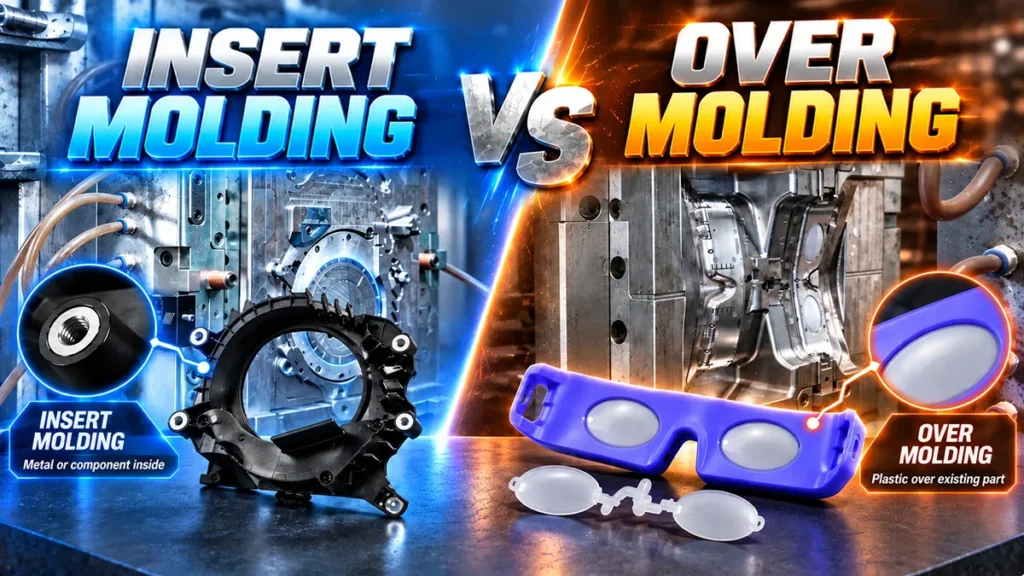
Formowanie wtryskowe stanowi szeroką dziedzinę inżynierii produkcji. W zależności od stosowanych metod i technologii formowanie wtryskowe można podzielić na formowanie z wkładką lub formowanie nakładkowe – techniki służące poprawie właściwości chemicznych i mechanicznych produktu końcowego, a także zapewnieniu zgodności z wysoce zalecanymi normami bezpieczeństwa. Niezależnie od tego, czy wybór dotyczy formowania nakładkowego, czy formowania z wkładką, użytkownik musi precyzyjnie określić swoje cele i zamierzenia dotyczące produktu końcowego. Na przykład w naszej firmie, podczas produkcji niestandardowych części dla naszych klientów, mieliśmy do czynienia z dwoma typowymi scenariuszami, a decyzja o zastosowaniu formowania nakładkowego lub formowania z wkładką była oparta na wymaganiach w każdym z tych przypadków.
W pierwszym scenariuszu postawiono przed nami zadanie wyprodukowania przemysłowej listwy zaciskowej. Listwa musiała charakteryzować się niezawodną przewodnością elektryczną, zapewniać pewne mocowanie zacisków oraz być odporna na wysoką temperaturę i wibracje. Po przeprowadzeniu analizy zdecydowaliśmy się na formowanie wtryskowe z wkładką zamiast formowania wtryskowego z nakładką. Zespół stwierdził, że wymagania dotyczące wyglądu i chwytu nie mogą przeważać nad wymogiem funkcjonalnym, jakim jest zintegrowanie przewodzącej części metalowej z tworzywem sztucznym.
W drugim scenariuszu pomogliśmy klientowi w wyprodukowaniu niestandardowej obudowy formowanej metodą overmoldingową do elektrycznej szczoteczki do zębów z akumulatorem, z wykorzystaniem formowania wtryskowego z wkładką. Podstawowymi wymaganiami w tym przypadku były: wygodny uchwyt, wodoodporność oraz atrakcyjny wygląd.
Oba scenariusze pokazują, że zarówno formowanie z nakładką, jak i formowanie z wkładką są równie ważnymi metodami formowania wtryskowego. Mają one jednak różne zastosowania. W niniejszym omówieniu pokrótce wyjaśniamy, na czym polega formowanie z nakładką i formowanie z wkładką, oraz wskazujemy różnice między tymi dwiema metodami produkcji.
Co to jest Overmolding?
Mówiąc najprościej, formowanie wtryskowe z nakładką to proces produkcyjny stosowany w formowaniu wtryskowym, w którym element jest otoczony lub pokryty drugim materiałem. Drugim materiałem jest zazwyczaj guma lub tworzywo sztuczne. Powstałe połączenie pozwala uzyskać jeden, zintegrowany produkt. Formowanie wtryskowe z nakładką zwiększa trwałość produktu, poprawia przyczepność, estetykę i funkcjonalność.
Podstawa w procesie formowania wtryskowego z nakładką nazywana jest podłożem. Podłoże określa właściwości konstrukcyjne produktu końcowego. Dlatego też dobór materiałów wykorzystywanych do produkcji podłoża ma zasadnicze znaczenie. Wybór materiałów na podłoże zależy od konkretnego zastosowania. Poniższa tabela zawiera zestawienie różnych materiałów i ich zastosowań.
Drugi materiał nazywany jest materiałem drugiego wtrysku i zazwyczaj jest topiony, a następnie nakładany wokół podłoża. Materiał drugiego wtrysku wybiera się ze względu na jego elastyczność, trwałość, odporność chemiczną lub właściwości uszczelniające. Poniższa tabela zawiera zestawienie niektórych z tych materiałów drugiego wtrysku.
| Materiał powłoki formowanej | Kluczowe właściwości | Typowe zastosowania |
|---|---|---|
| Elastomer termoplastyczny (TPE) | Miękka w dotyku, zapewnia doskonałą przyczepność, nadaje się do recyklingu | Rękojeści narzędzi, produkty konsumenckie |
| Termoplastyczny poliuretan (TPU) | Wysoka odporność na ścieranie i rozdarcia | Urządzenia przemysłowe, urządzenia do noszenia na ciele |
| Płynna guma silikonowa (LSR) | Odporność na wysokie temperatury, biokompatybilność | Wyroby medyczne, produkty dla niemowląt |
| Guma silikonowa | Elastyczny w szerokim zakresie temperatur | Uszczelki, uszczelki, zabezpieczenia elektroniczne |
| Miękkie PCV | Elastyczność przy zachowaniu opłacalności | Produkty konsumenckie, pokrowce ochronne |
| Santoprene® (TPV) | Doskonała odporność na warunki atmosferyczne i substancje chemiczne | Uszczelki samochodowe i sprzęt do użytku na zewnątrz |
| Inne elastomery o właściwościach zbliżonych do gumy | Zróżnicowana twardość i sprężystość | Indywidualne rozwiązania w zakresie uszczelniania i izolacji drgań |
Formowanie wtryskowe służy przede wszystkim poprawie funkcjonalności produktu. Dzięki tej technologii producenci uzyskują lepszą ergonomię, izolację drgań, lepszą przyczepność, redukcję hałasu oraz poprawę wyglądu produktu.
Czym jest formowanie z wtryskiem?
Formowanie z wkładką to zaawansowany proces produkcji tworzyw sztucznych, w którym wstępnie uformowany element (metalowy lub wykonany z innego materiału) umieszcza się wewnątrz formy, a następnie wstrzykuje się wokół niego tworzywo sztuczne w celu uzyskania pojedynczego, wytrzymałego i zintegrowanego elementu. Proces ten eliminuje konieczność wykonywania dodatkowych czynności montażowych. Zwiększa wytrzymałość produktu i zapewnia wysoką precyzję.
W procesie formowania z wkładkami powszechnie stosuje się elementy takie jak wkładki gwintowane, kołki, tuleje, styki elektryczne i metalowe wały. Stopiony tworzywo sztuczne przepływa wokół wkładki, tworząc ścisłe połączenie, które zwiększa trwałość i wydajność. Metoda ta jest szeroko stosowana w takich branżach, jak motoryzacyjna, elektryczna, elektroniczna, urządzeń medycznych oraz dóbr konsumpcyjnych. W przeciwieństwie do formowania nakładkowego, główne zadania formowania z wkładkami często polegają na zapewnieniu wzmocnienia konstrukcyjnego lub wbudowaniu kluczowych elementów nieplastikowych (takich jak przewodność elektryczna lub wytrzymały gwint metalowy) bezpośrednio w produkt. Typowe wkładki to m.in. mosiężne wkładki gwintowane, wałki ze stali nierdzewnej, magnesy, styki elektryczne, końcówki miedziane, łożyska i tuleje.
Jakie są główne różnice między formowaniem z nakładką a formowaniem z wkładką?
Zarówno formowanie z nakładką, jak i formowanie z wkładką polegają na łączeniu wielu materiałów w jeden element. Służą one jednak różnym celom i charakteryzują się odmiennymi procesami produkcyjnymi. Zrozumienie różnic między tymi metodami może pomóc zespołowi inżynierów w wyborze najbardziej odpowiedniego procesu w oparciu o wielkość produkcji, konstrukcję produktu oraz wymagania dotyczące właściwości użytkowych.
Różnice w procesie produkcyjnym
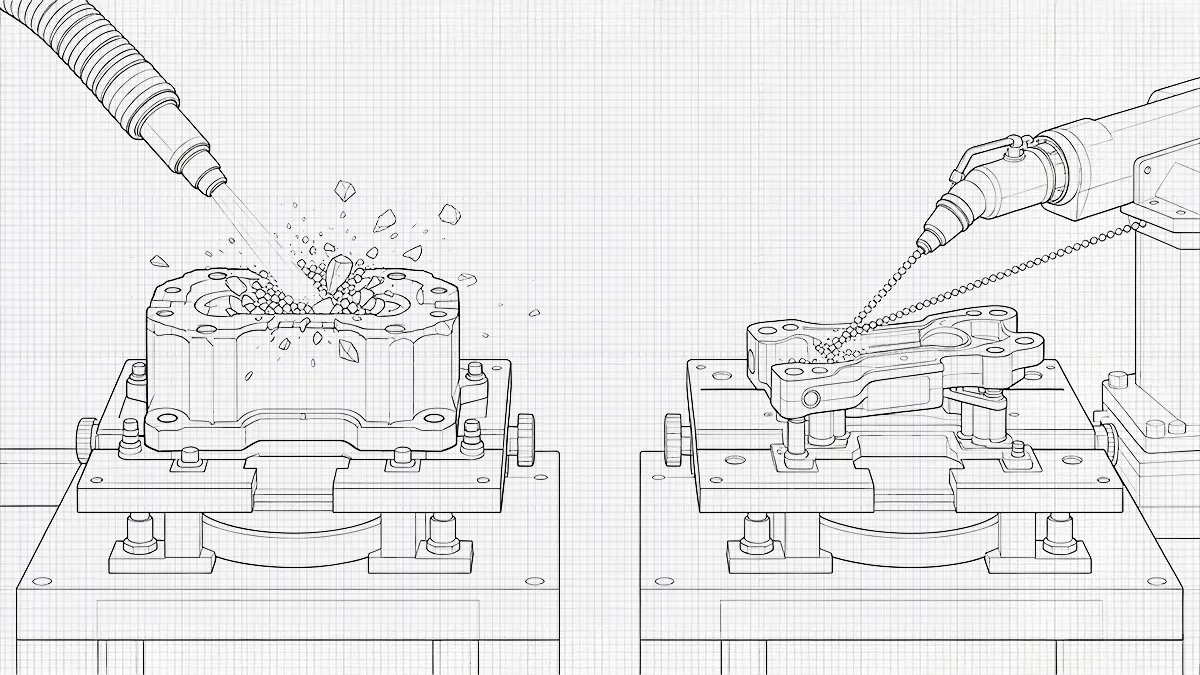
Formowanie z wkładką to proces formowania wtryskowego z jednym wtryskiem. Proces rozpoczyna się od wyprodukowania wkładki poprzez obróbkę skrawaniem, odlewanie ciśnieniowe lub inne metody. Czasami wkładki nie są wytwarzane w tej samej fabryce, lecz pozyskiwane z innego źródła. Wkładka jest przygotowywana i umieszczana w formie, a następnie wokół niej wtryskiwany jest stopiony tworzywo sztuczne. Gotowy element stanowi całość złożoną z wkładki i tworzywa sztucznego. Formowanie z wkładką eliminuje dodatkowe operacje montażowe, upraszczając w ten sposób produkcję.
Formowanie nakładkowe po drugiej stronie często wymaga dwuetapowego procesu lub specjalistycznej maszyny do formowania dwuetapowego. Pierwszym etapem jest wytworzenie podłoża. To sztywne podłoże można wyprodukować w ramach pierwszego cyklu formowania wtryskowego. Następnie podłoże można przenieść do oddzielnej formy (tzw. formowanie wtryskowe z podawaniem elementów) lub, w przypadku stosowania maszyny dwustrzałowej, pozostaje ono w tej samej maszynie i jest obracane do drugiej wnęki. Czasami konstrukcja może przewidywać jedną formę z dwiema różnymi wnękami. W takim przypadku podłoże jest obracane z pierwszej wnęki do drugiej za pomocą obrotowej płyty lub systemu indeksującego. Następnie drugi materiał jest topiony, wlewany wokół podłoża i pozostawiany do ostygnięcia. Powstały w ten sposób kompletny element wielomateriałowy jest wyrzucany z maszyny z wbudowanymi wszystkimi wymaganiami funkcjonalnymi. Ze względu na dwa oddzielne etapy formowania wymagane w formowaniu nakładkowym proces ten jest złożony w porównaniu z formowaniem z wkładką.
Porównanie procesów
W poniższej tabeli podsumowano różnice między procesami formowania z wkładką a formowaniem nakładkowym. Formowanie z wkładką to proces jednoetapowego wtrysku, natomiast formowanie nakładkowe to dwuetapowy proces formowania wtryskowego.
| Cecha | Formowanie wkładek | Overmolding |
|---|---|---|
| Główny cel | Zastosowanie wkładek w celu poprawy właściwości konstrukcyjnych lub funkcjonalnych | Dodaj drugi materiał, aby poprawić funkcjonalność, komfort lub wygląd |
| Pierwszy element | Wkładka metalowa, ceramiczna, magnes, łożysko, zacisk elektryczny lub inna wkładka | Podłoże z tworzywa sztucznego, metalu, szkła, ceramiki, materiałów kompozytowych lub elektroniczne |
| Drugi materiał | Termoplast inżynieryjny | Elastomer, silikon, TPU, TPE, miękkie PVC lub inny kompatybilny polimer |
| Liczba etapów formowania | Jeden | Dwa (lub jeden ciągły cykl na maszynie dwucyklowej) |
| Wkładanie/obsługa podłoża | Wstawienie danych przed wstrzyknięciem | Podłoże przenoszone między etapami formowania |
| Typowy mechanizm wiązania | Hermetizacja mechaniczna (czasami wspomagana adhezją chemiczną) | Adhezja chemiczna, połączenie mechaniczne lub oba te czynniki |
| Redukcja montażu | Eliminuje konieczność oddzielnego montażu wkładki | Eliminuje konieczność stosowania oddzielnych uchwytów, uszczelek i osłon ochronnych |
Różnice w stopniu złożoności produkcji
Formowanie z wkładką charakteryzuje się stosunkowo prostszym przebiegiem produkcji niż formowanie nakładkowe. Proces ten wymaga jedynie jednego wtrysku materiałów po odpowiednim osadzeniu wkładki. W praktyce oznacza to krótsze czasy cyklu, niższe koszty produkcji oraz mniej skomplikowane oprzyrządowanie. Formowanie nakładkowe jest stosunkowo złożone i wiąże się ze stosunkowo wyższymi kosztami pracy. Podłoże musi być precyzyjnie dopasowane do formy do wtrysku dodatkowego. Skuteczność procesu zależy od kompatybilności między podłożem a powłoką wtryskową. Proces ten charakteryzuje się dłuższym czasem opracowania i większą złożonością oprzyrządowania. Jednak z drugiej strony wtrysk nakładkowy zapewnia większe ulepszenia funkcjonalne i estetyczne.
Różnice w doborze materiałów
Istnieje znaczna różnica w doborze materiałów między formowaniem z wkładką a formowaniem nakładkowym. W przypadku formowania z wkładką jako materiał podstawowy do pokrycia wkładki stosuje się zazwyczaj tworzywo sztuczne. Wkładka może być wykonana z różnych materiałów, takich jak metal, ceramika lub element elektryczny. Z kolei w przypadku formowania nakładkowego można zastosować kombinację różnych materiałów między podłożem a drugim materiałem.
Na przykład sztywne, wykonane na zamówienie podłoże z tworzywa sztucznego można połączyć z miękkim elastomerem lub metal z elastomerem, tworząc konstrukcje wielomateriałowe. Uzyskanie trwałego wiązania chemicznego w takich połączeniach wymaga precyzyjnego dopasowania energii powierzchniowych i właściwości termodynamicznych obu materiałów [1]..
Różnice w typowych zastosowaniach
Zarówno formowanie z wkładką, jak i formowanie nakładkowe mają swoje specyficzne obszary zastosowań. W poniższej tabeli przedstawiono niektóre z obszarów zastosowań tych metod.
| Typowe zastosowania formowania wtryskowego z wkładkami | Typowe zastosowania formowania wtryskowego z nakładką |
|---|---|
| • Wkładki gwintowane w obudowach z tworzywa sztucznego • Złącza elektryczne i zaciski • Urządzenia medyczne z wbudowanymi komponentami • Czujniki samochodowe • Obudowy łożysk • Wkładki wałów przekładniowych • Elementy złączne samozaciskowe • Ozdobne metalowe intarsje | • Miękkie w dotyku uchwyty narzędzi • Wodoodporne obudowy elektroniczne • Uchwyty do urządzeń medycznych • Pokrętła sterujące w motoryzacji • Elektronika użytkowa z ochroną przed uderzeniami • Zintegrowane uszczelki i uszczelki • Odciążniki kabli • Antypoślizgowe nakładki na nóżki • Osłony czujników biometrycznych • Ergonomiczne przyciski z nakładką |
W jaki sposób formowanie z wtryskiem poprawia wytrzymałość mechaniczną?
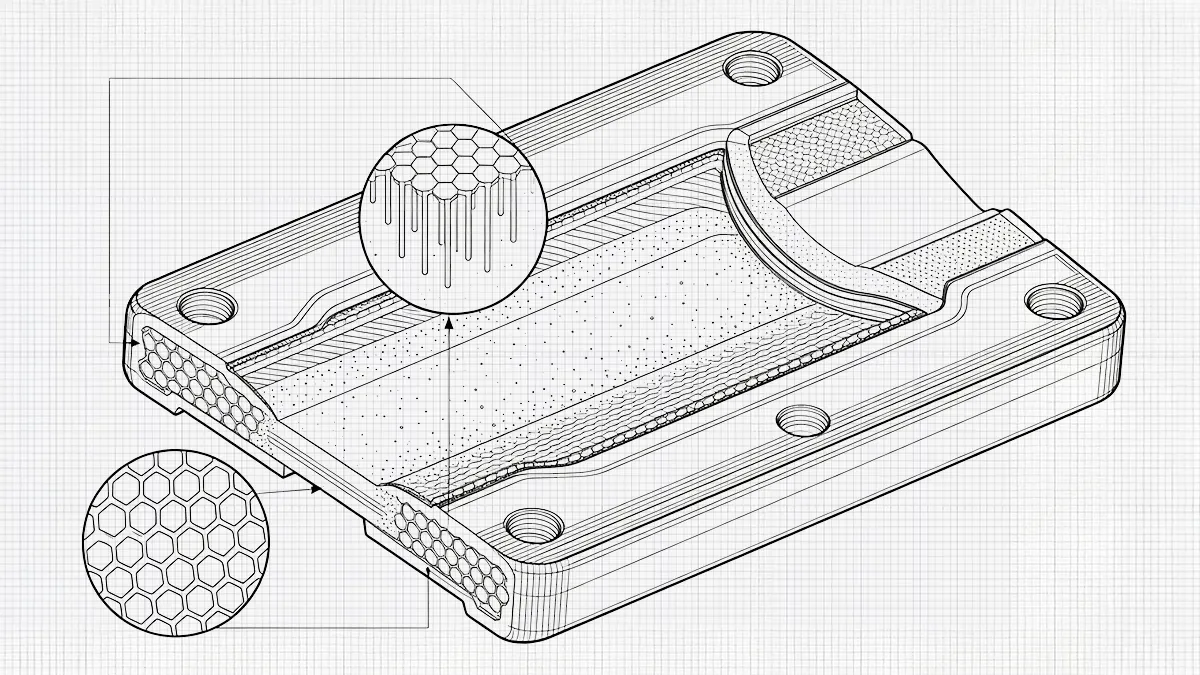
Formowanie z wkładkami to nie tylko technologia produkcyjna. Głównym powodem wyboru tej technologii jest zwiększenie wytrzymałości mechanicznej i konstrukcyjnej. Produkt wykonany wyłącznie z tworzywa sztucznego nie zapewnia odpowiedniej nośności. Wymaga to wzmocnienia go za pomocą metalowych wkładek o wysokiej wytrzymałości podczas formowania wtryskowego. Powstały w ten sposób produkt, mimo że może charakteryzować się niską masą, wykazuje wysoką wytrzymałość mechaniczną oraz odporność na korozję. Formowanie z wkładkami przekierowuje obciążenia, które w innym przypadku oddziaływałyby na polimer, na metalowe wzmocnienie. W rezultacie produkt zyskuje zwiększoną niezawodność konstrukcyjną. Właściwości mechaniczne formowania z wkładkami są poprawiane dzięki zastosowaniu różnorodnych elementów konstrukcyjnych, takich jak radełkowanie, podcięcia, otwory przelotowe i chropowatość powierzchni.
Rola radełkowania
Na powierzchni płytek zwykle wycina się rombowe, proste lub spiralne wzory rowków w ramach procesów deformacji powierzchniowej. Ta chropowata tekstura powoduje powstanie mikromechanicznego połączenia między płytką a stopionym polimerem. Podczas wtrysku stopiony polimer przepływa i osiada wokół tych rowków. Po zestaleniu się polimer blokuje się w tych rowkach, co znacznie poprawia wytrzymałość na wyrywanie i odporność na moment obrotowy.
Rola podcięć
Innym sposobem na poprawę właściwości mechanicznych w procesie formowania z wkładką jest zaprojektowanie elementów o odwrotnym kącie nachylenia w geometrii wkładki. Stopiony polimer wypełnia te wnęki, tworząc fizyczne zablokowanie. W rezultacie zapobiega się ruchowi osiowemu lub obrotowemu, zwłaszcza w zastosowaniach narażonych na drgania lub poddanych dużym obciążeniom. Wkładki z podcięciami stosuje się głównie w urządzeniach przemysłowych lub motoryzacyjnych.
Rola otworów przelotowych
Otwory przelotowe to otwarte kanały przebiegające przez wkładki. Stopiony tworzywo sztuczne przepływa przez te otwory, a po zestaleniu tworzy solidne mocowanie. Mocowanie to zwiększa wytrzymałość połączenia między wkładką a polimerem, zarówno w płaszczyźnie pionowej, jak i poziomej. Podczas projektowania elementów z otworami przelotowymi należy przeprowadzić analizę przepływu, aby upewnić się, że nie ma w nich pustych przestrzeni.
Jakie są wytyczne DFM dotyczące wkładek metalowych?
Jakość formowania wymaga odpowiedniego zaprojektowania wkładek. W przypadku wkładek metalowych przy projektowaniu należy uwzględnić zalecenia dotyczące skutecznego radełkowania, rozmieszczenie wkładek, kąty nachylenia oraz rozmieszczenie wlewów. Zalecenia dotyczące radełkowania
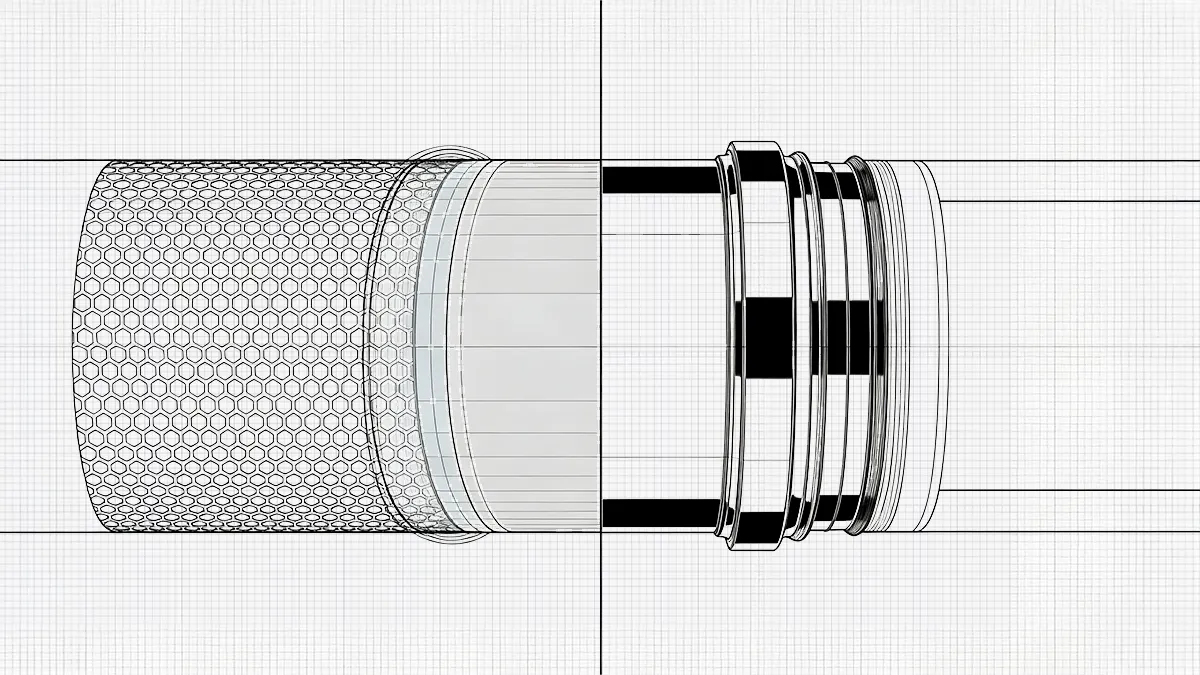
Radełkowanie zapewnia silniejsze mocowanie mechaniczne w porównaniu z klejami. Różne wzory radełkowania mają różne zastosowania. Na przykład w przypadku dużych obciążeń zaleca się wybór radełkowania diamentowego. Krzyżujące się wzory tego rodzaju radełkowania zapewniają wielokierunkowe blokowanie mechaniczne, niezbędne dla zapewnienia odporności na moment obrotowy i wyrywanie. Radełkowanie to znajduje zastosowanie w obudowach czujników samochodowych, złączach elektronicznych, maszynach przemysłowych oraz zespołach urządzeń medycznych.
Innym rodzajem radełkowania jest radełkowanie spiralne, które doskonale sprawdza się przy obciążeniach dynamicznych. Charakteryzuje się ono ciągłymi spiralnymi rowkami biegnącymi wokół wkładki, które są odporne zarówno na siły obrotowe, jak i na wyrywanie osiowe. Oprócz wysokiej odporności zmęczeniowej radełkowanie spiralne charakteryzuje się zmniejszoną koncentracją naprężeń, dzięki czemu znajduje zastosowanie w robotyce, elektronarzędziach oraz zespołach lotniczych i kosmicznych. Radełkowania tego typu można stosować w przypadku wkładek poddawanych powtarzającym się obciążeniom i drganiom.
Poniższa tabela zawiera zestawienie różnych rodzajów radełek oraz ich zastosowań.
| Wzór radełkowania | Odporność na wyciąganie | Odporność na moment obrotowy | Odporność na zmęczenie | Złożoność produkcji |
|---|---|---|---|---|
| Diament | Doskonały | Doskonały | Doskonały | Umiarkowany |
| Spiralny | Doskonały | Znakomite | Znakomite | Umiarkowany |
| Prosty | Umiarkowany | Umiarkowany | Umiarkowany | Niski |
| Gładki | Słaby | Słaby | Słaby | Bardzo niski |
Wstawianie elementów
Ułożenie wkładki ma wpływ na jakość połączenia, dokładność wymiarową oraz wytrzymałość mechaniczną. Niewielki ruch lub przesunięcie wkładki w formie podczas wtrysku może spowodować słabe połączenie, powstawanie nadlewek i niską jakość detalu, co prowadzi do odrzucenia partii. Aby zapewnić prawidłowe ułożenie wkładki, należy postępować zgodnie z poniższymi wytycznymi:
1. Należy zachować jednolitą grubość ścianki wokół wkładki.
Jednolita grubość ścianek wokół wkładki sprzyja równomiernemu przepływowi stopu, chłodzeniu i rozkładowi naprężeń. Grube sekcje przyczyniają się do nierównomiernego skurczu z powodu powolnego chłodzenia, natomiast cienkie sekcje prowadzą do powstawania pustych przestrzeni i słabych punktów z powodu niepełnego wypełnienia. Aby uniknąć różnic w grubości, można zastosować stopniowe przejścia z zwężeniami lub zaokrągleniami. W przypadku wielu niestandardowych tworzyw termoplastycznych zalecana grubość ścianki wynosi 2–4 mm. Ponadto inżynierowie muszą uwzględnić rozbieżność w współczynniku liniowej rozszerzalności cieplnej (CLTE) między metalową wkładką a tworzywem sztucznym, aby zapobiec powstawaniu naprężeń promieniowych po formowaniu. [2].
2. Zabezpiecz długie wkładki, aby zapobiec ich przemieszczaniu się podczas wstrzykiwania.
Wkładki smukłe lub długie mogą się łatwo przemieszczać pod wpływem dużych sił wywieranych przez stopiony polimer, który wpływa do wnęki z dużą prędkością. Jeśli nie są podparte, wkładki te mogą się przechylać, obracać i wibrować podczas wypełniania. Może to powodować nierównomierne pokrycie tworzywem sztucznym, co wpływa na jakość produktu. Dlatego też, jeśli to możliwe, należy podparć wkładki na obu końcach. W przypadku wkładek wydrążonych można zastosować trzpienie rdzeniowe, aby zapewnić ich stabilność.
3. Wykorzystaj elementy pozycjonujące lub specjalne gniazda do powtarzalnego rozmieszczania
W przypadku produkcji wielkoseryjnej powtarzalność jest kluczowym czynnikiem projektowym. Wymaga to szczególnej uwagi, aby uniknąć błędów. Konieczne jest zatem zastosowanie elementów ustalających, które unieruchamiają wkładki we wszystkich kluczowych kierunkach. Do typowych elementów ustalających należą kołki ustalające, rowki w kształcie litery V, precyzyjne gniazda oraz występy.
4. Projektowanie pod kątem załadunku z wykorzystaniem robotów w produkcji wielkoseryjnej.
Czasami popyt na wyroby formowane z wkładkami może dwu- lub trzykrotnie przewyższyć przewidywane wielkości produkcji. W takich przypadkach ręczne ładowanie wkładek może okazać się niepraktyczne ze względu na ścisłe ograniczenia dotyczące czasu cyklu oraz konieczność zapewnienia absolutnej spójności rozmieszczenia. Aby zachować spójność, zapewnić szybkie cykle produkcyjne i obniżyć koszty pracy, zaleca się wdrożenie zrobotyzowanego systemu ładowania.
Porównanie kosztów
W poniższej tabeli przedstawiono zestawienie kosztów formowania z wkładką w porównaniu z formowaniem nakładkowym.
| Czynnik kosztowy | Formowanie wkładek | Overmolding |
|---|---|---|
| Oprzyrządowanie | Niższy | Wyższy |
| Inwestycje w maszyny | Niższy | Wyższy |
| Automatyzacja | Opcjonalnie | Często wymagane |
| Czas cyklu | Krócej | Dłuższy |
| Koszt materiałów | Niższy | Wyższy |
| Oszczędności wynikające z montażu | Wysoki | Wysoki |
| Koszt złomu | Umiarkowany | Wyższy |
Wnioski
Nie ma jednej uniwersalnej zasady pozwalającej na wybór między formowaniem z wkładką a formowaniem nakładkowym. Obie techniki mają swoje specyficzne zastosowania w różnych branżach. Wybór między nimi powinien opierać się na funkcji produktu, a nie na dostępnych opcjach produkcyjnych. Tam, gdzie najważniejsza jest integralność strukturalna, można zdecydować się na formowanie z wkładką. Zapewnia ono produktowi długotrwałą wytrzymałość mechaniczną. Z drugiej strony formowanie z nakładką sprawdza się w przypadkach, w których najważniejsza jest funkcjonalność produktu, zwłaszcza w środowiskach narażonych na wibracje, w zakresie uszczelniania oraz obsługi narzędzi.
Odniesienie
[1] Awaja, F., Gilbert, M., Kelly, G., Fox, B. i Pigram, P. J. (2009). Adhezja polimerów. Postępy w naukach o polimerach, 34(9), 948-968. https://doi.org/10.1016/j.progpolymsci.2009.04.007
[2] Elsevier B.V. (b.d.). Współczynnik rozszerzalności cieplnej. ScienceDirect Topics. Pobrano z https://www.sciencedirect.com/topics/engineering/coefficient-of-thermal-expansion




 PL
PL  EN
EN  ES
ES  FR
FR  DE
DE  IT
IT  PT
PT  NL
NL  AR
AR  JA
JA  KO
KO  ZH
ZH