

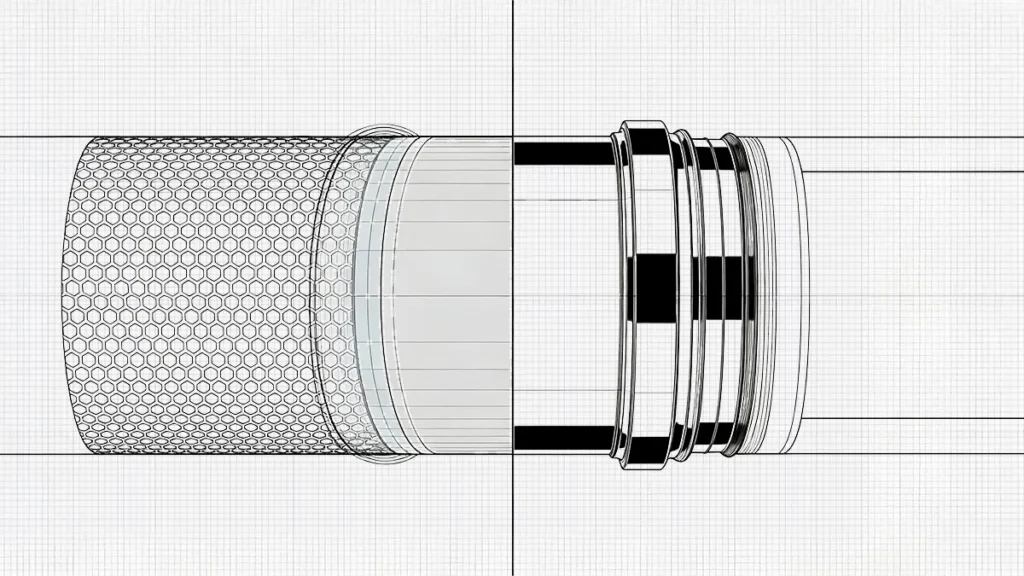
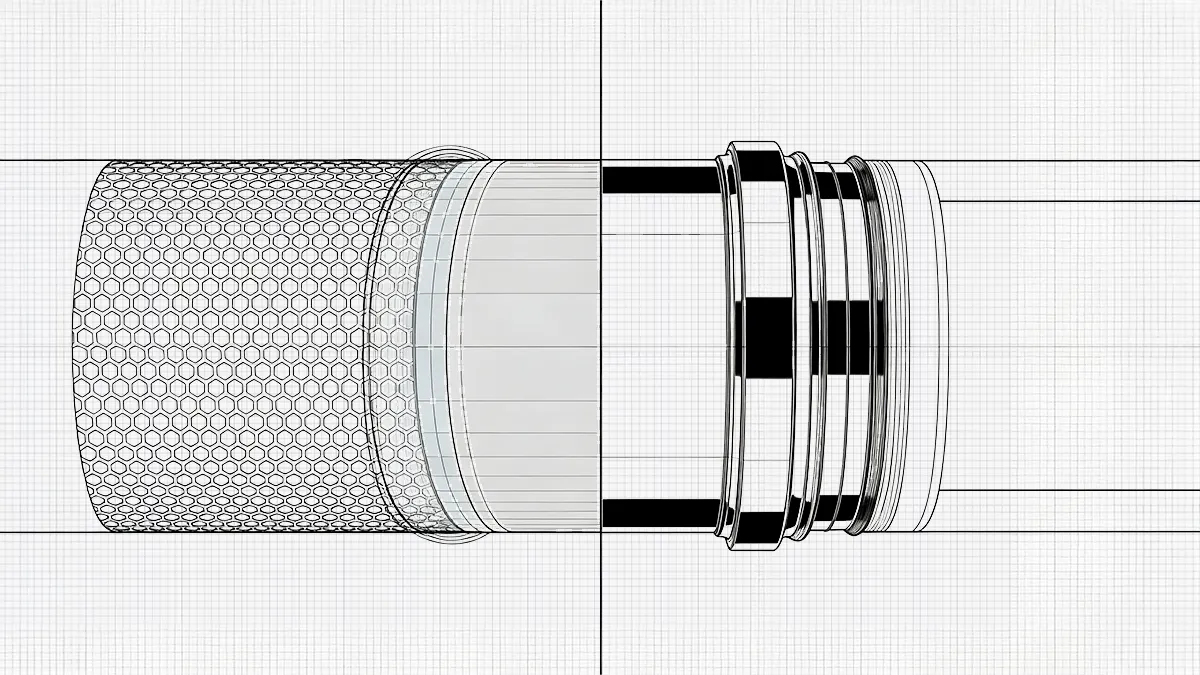
يبدو المكون المعالج بالأنودة والمكون المطلي بالكهرباء متشابهين. ويتطلب الأمر خبرة عالية للتمييز بينهما، خاصةً عن طريق الملاحظة. ويكمن الاختلاف الرئيسي بين عملية الأكسدة الكيميائية والطلاء الكهربائي في أن الأكسدة الكيميائية تضيف طبقة واقية إلى المكون لتعزيز قوته ومقاومته للتآكل ومقاومته للاحتكاك. كما يمكن استخدام هاتين التقنيتين كإضافات زخرفية في صناعة التجميل ومستحضرات التجميل. يتناول هذا الدليل الاختلافات الفنية بين عملية الأكسدة الكيميائية والطلاء الكهربائي لمساعدة القراء على فهم هاتين الطريقتين بوضوح.
كيف تتم عملية الأنودة؟
الأنودية هي عملية أكسدة كهروكيميائية تُطبق عادةً على مكونات الألومنيوم. وتُستخدم لتجهيز هذه المكونات بحيث تفي بأدوار محددة وفقًا لمتطلبات المستخدم.
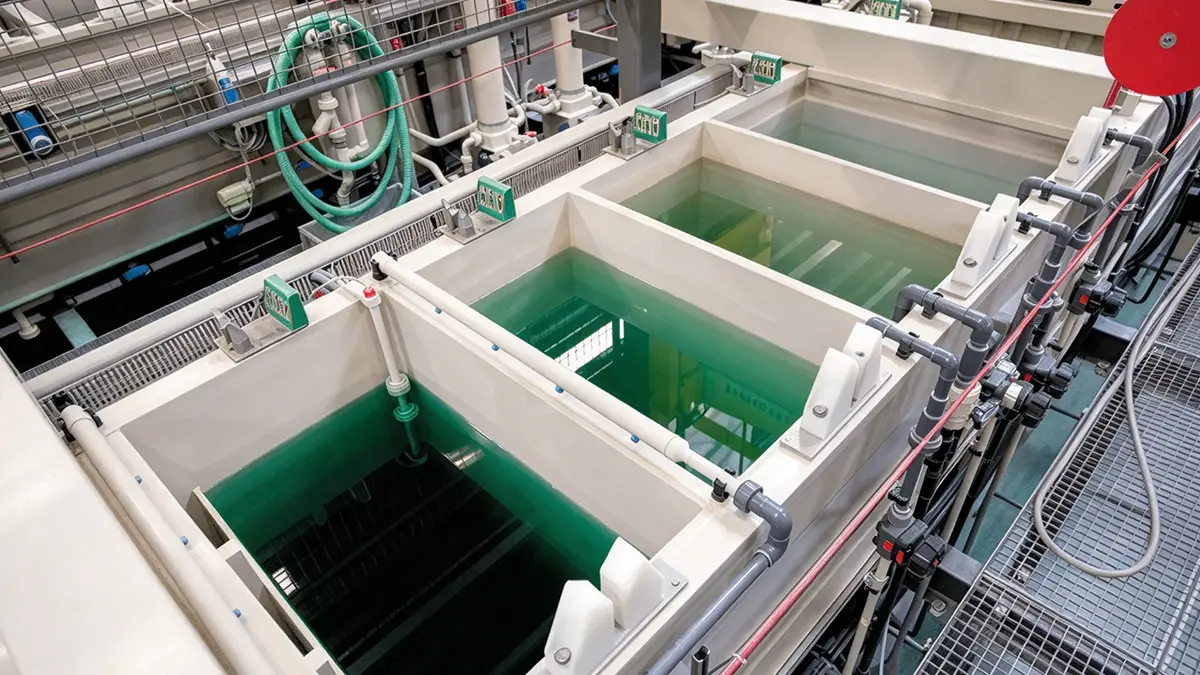
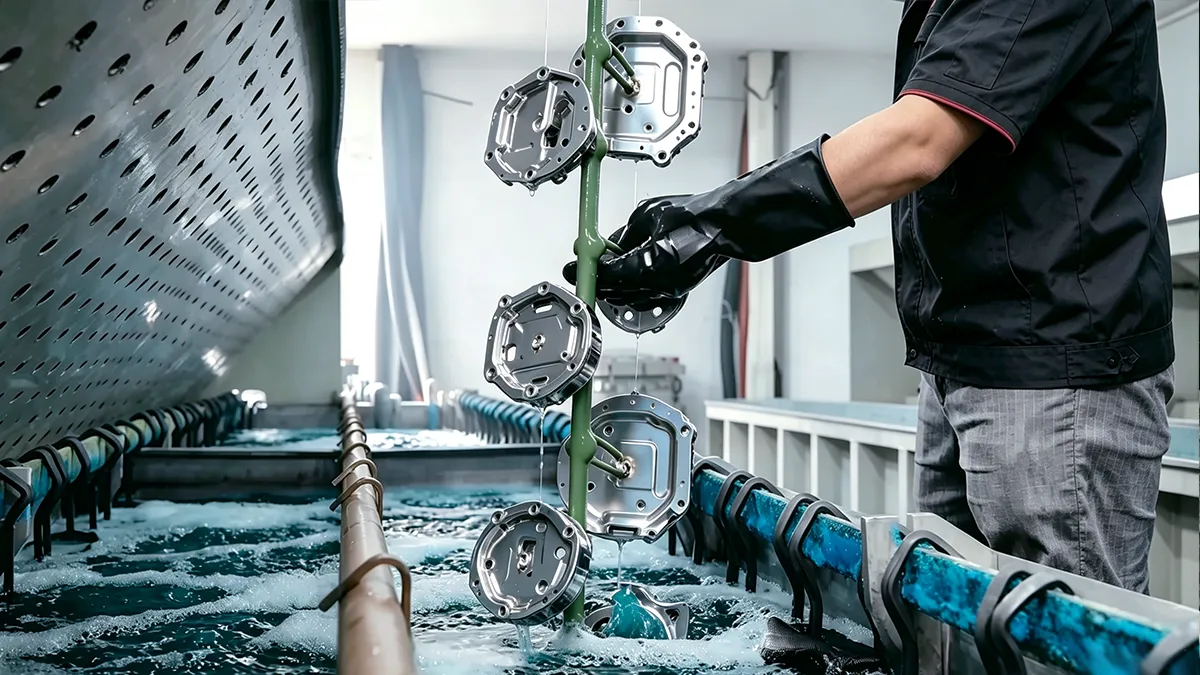
أثناء عملية الأنودة، يُغمر معدنان في محلول كيميائي يُسمى «الكهربوليت». وأكثر الكهربوليتات شيوعًا في عملية الأنودة هي محاليل حامض الكبريتيك وحامض الكروميك. يُوصَل أحد المعدنين بالطرف الموجب لمصدر الطاقة، مما يجعله أنودًا. أما المعدن الثاني فيُوصَل بالطرف السالب، مما يجعله كاثودًا.
يتم تشغيل مصدر الطاقة لتوفير تيار كهربائي. وعندما يمر التيار الكهربائي عبر الحمام، فإنه يؤدي إلى تفكك جزيئات الماء، مما يؤدي إلى إطلاق أيونات الأكسجين. ثم تلتصق أيونات الأكسجين بسطح المعدن الأنودي، مما يؤدي إلى حدوث تفاعل كيميائي معه. ينتج عن هذا التفاعل أكسيد معدني. وعلى عكس الطلاء أو الطلاء الكهربائي، تتكامل طبقة أكسيد المعدن مع الركيزة الأساسية، لذا فهي لا تتقشر أو تتكسر أبدًا. وفي حالة الألومنيوم، يوفر أكسيد الألومنيوم قوة هيكلية، مما يجعله قابلاً للتطبيق في البيئات التي تتعرض لأحمال عالية.
هناك ثلاثة أنواع من عملية الطلاء الأنودي، اعتمادًا على مستوى مقاومة التآكل ومقاومة التآكل والمظهر المطلوب. وقد تم تلخيص هذه الأنواع في الجدول أدناه؛;
| النوع | الكيمياء / الوصف | نطاق الطلاء النموذجي | الغرض المعتاد |
|---|---|---|---|
| النوع الأول | الأنودة بحمض الكروميك | حوالي 0.5–7.6 ميكرومتر | التطبيقات الفضائية التي تتطلب مقاومة التآكل وأداءً جيدًا في ظروف الإجهاد |
| النوع الثاني | الأنودة بحمض الكبريتيك | حوالي 1.8–25.4 ميكرومتر | أعمال التشطيب العامة للحماية والزخرفة |
| النوع الثالث | الأنودة الصلبة | حوالي 12.7–115 ميكرومتر | مقاومة التآكل، ومقاومة الاحتكاك، والتطبيقات الهندسية |
كيف يعمل الطلاء الكهربائي؟
في عملية الطلاء الكهربائي، يعمل التيار الكهربائي على إذابة أيونات معدنية من أحد القضبان المعدنية وترسيبها على المعدن المستهدف. ويُعرف المعدن المضاف باسم «معدن الترسيب»، بينما تُعرف المادة الأساسية أو قطعة العمل باسم «مادة الركيزة».
تشمل المكونات الرئيسية لمنظومة الطلاء الكهربائي الكاثود (القطعة المراد طلاءها)، والأنود (معدن يزود العملية بالأيونات اللازمة للطلاء)، ومحلول الإلكتروليت الذي يحتوي على أيونات مذابة. ويوفر مصدر الطاقة بالتيار المستمر الطاقة الكهربائية اللازمة لعملية الترسيب. كما يتضمن الطلاء الكهربائي نظامًا للتحكم في العملية من أجل ضبط معلمات العملية.
المعدن الأكثر استخدامًا في عملية الطلاء الكهربائي هو النيكل. لنفترض أنه يتعين طلاء الفولاذ بالنيكل كهربائيًّا؛ في هذه الحالة يُعتبر النيكل الأنود، بينما يُعتبر الفولاذ الكاثود. عند الأنود، يفقد معدن النيكل إلكترونات ليصبح أيونًا.
Ni → Ni²⁺ + 2e⁻
عند الكاثود، تكتسب أيونات النيكل المحيطة بالفولاذ إلكترونات لتشكل معدن النيكل.
Ni²⁺ + 2e⁻ → Ni
كقاعدة عامة، تُعامل قطعة العمل عادةً على أنها الكاثود. ويُصنف الطلاء الكهربائي وفقًا للمعدن المترسب. على سبيل المثال، يؤدي الطلاء بالنيكل إلى ترسيب النيكل على قطعة العمل، بينما يؤدي الطلاء بالزنك إلى ترسيب الزنك على قطعة العمل.
ما هي المواد التي يمكن طلاءها بطبقة الأكسيد أو بالطلاء الكهربائي؟
يُعد اختيار المواد أحد أوضح أوجه الاختلاف بين عملية الأكسدة الأنودية والطلاء الكهربائي. ترتبط عملية الأكسدة الأنودية ارتباطًا وثيقًا بالألومنيوم وسبائكه، والمغنيسيوم، والتيتانيوم. في عملية الأكسدة التقليدية، عادةً ما يختار المهندسون الألومنيوم. ومع ذلك، تختلف طريقة الأكسدة باختلاف سبائك الألومنيوم، مما يؤثر على تكوين الطلاء ومظهره وتجانسه. على سبيل المثال، يُظهر النحاس والزنك سلوكًا مختلفًا عند دمجهما مع مكونات أخرى في السبائك مثل السيليكون والمغنيسيوم.
من ناحية أخرى، فإن اختيار المواد المستخدمة في الطلاء الكهربائي أوسع نطاقًا. ومن بين الركائز الشائعة الاستخدام: الفولاذ الكربوني، والنحاس، والفولاذ المقاوم للصدأ، والألومنيوم، والنحاس الأصفر، وسبائك الزنك، وسبائك النيكل. أما المعادن التي يتم ترسيبها عادةً فهي: النيكل، والزنك، والنحاس، والكروم، والفضة، والذهب.
كيف يمكن مقارنة عملية الأنودة مع عملية الطلاء الكهربائي من حيث سماكة الطلاء؟
لا توجد سماكة طلاء موحدة محددة لعمليات الأكسدة أو الطلاء الكهربائي. وتعتمد السماكة المناسبة على عدة عوامل، مثل المادة الأساسية، والتفاوت المسماري، واستخدام القطعة، وبيئة التآكل.
سماكة الطلاء الأنودي
بالنسبة للتشطيبات الزخرفية الرقيقة، تصل سماكة الطلاء الأنودي إلى بضعة ميكرومتر فقط. ويمكن أن تصل هذه السماكة إلى 100 ميكرومتر في حالة الطلاء الأنودي الصلب. ويصنف مجلس مصنعي الألومنيوم المطلي بالأنود الألومنيوم المعماري إلى فئتين. توفر الفئة الأولى سماكة دنيا تقريبية تبلغ 18 ميكرومتر، بينما توفر الفئة الثانية سماكة دنيا تقريبية تبلغ 10 ميكرومتر.
سماكة الطلاء الكهربائي
تختلف الطلاءات المستخدمة في الطلاء الكهربائي باختلاف التطبيقات، حيث تتراوح بين الرواسب الزخرفية الرقيقة والطلاءات الهندسية الأكثر سمكًا المستخدمة لتعزيز القوة الهيكلية. على سبيل المثال، يبلغ سمك الكروم الزخرفي بضعة ميكرومتر. وفي الوقت نفسه، يتراوح سمك النيكل بين عدة ميكرومتر وعشرات الميكرومتر. أما الكروم الصلب، فيمكن أن يصل سمكه إلى عشرات أو مئات الميكرومتر، حسب التطبيق المحدد.
أي عملية تنتج السطح الأكثر صلابة؟
تعتمد الصلابة التي يتم تحقيقها من خلال عملية الأكسدة الأنودية والطلاء الكهربائي على الطرق والمواد المستخدمة. فعلى سبيل المثال، يؤدي اختيار مادة الألومنيوم إلى الحصول على قيم صلابة مجهرية تصل إلى 400 HV، اعتمادًا على السبيكة المستخدمة. وتُنتج عملية الأكسدة الأنودية القوية طبقة من أكسيد الألومنيوم تشبه السيراميك، مما يتيح استخدام الألومنيوم في البيئات المسببة للتآكل.
وتكون صلابة السطح أعلى من ذلك في حالة الطلاء الكهربائي بالكروم الصلب الهندسي. ويمكن أن يتراوح مستوى الصلابة بين 750 HV و1050 HV.
| معالجة السطح | سلوك الصلابة النموذجي |
|---|---|
| الأنودة التقليدية | أقل من عملية الأكسدة الصلبة |
| الأنودة الصلبة | غالبًا ما يصل عددها إلى عدة مئات من HV |
| الطلاء بالنيكل | يعتمد بشكل كبير على الخصائص الكيميائية للنيكل والمعالجة الحرارية |
| طلاء الكروم الصلب | عادةً ما تتراوح القيم بين 750 و1050 هرتز تقريبًا |
لا يمكن الاعتماد على صلابة السطح لتحديد أي من العمليتين أفضل من الأخرى. فهناك آليات أخرى يجب أخذها في الاعتبار، مثل آلية التآكل، وتماسك الطلاء، وصلابة الركيزة.
أيهما يوفر مقاومة أفضل للتآكل؟
لا توجد طريقة أفضل من الأخرى في تحقيق مقاومة التآكل. فطبقة أكسيد الألومنيوم الناتجة عن عملية الأنودة تجعل الألومنيوم مقاومًا للعوامل البيئية. ومع ذلك، بعد عملية الأنودة، يتم إغلاق الطبقة لتقليل نفاذيتها نظرًا لبنيتها الأنودية المسامية. وبفضل عملية الأنودة الصلبة والإغلاق المناسبين، يجد الألومنيوم تطبيقات واسعة النطاق حتى في البيئات شديدة التآكل.
تعتمد فعالية الطلاء الكهربائي في تحقيق مقاومة التآكل على بنية الطلاء وطبيعة المعدن المودع. ويستخدم المهندسون الزنك على نطاق واسع في الطلاء الكهربائي بسبب قدرته على توفير الحماية التضحية من التآكل. تقدم المواصفة ASTM B633 إرشادات حول الطلاء الكهربائي بالزنك على الفولاذ والحديد. وتنص على أنه، من أجل الحصول على حماية فعالة من التآكل، يجب أن يخضع الجزء لمعالجات تكميلية مثل التخميل.
لا يمكن لأي من عمليتي الأكسدة أو الطلاء الكهربائي أن تحقق مقاومة للتآكل تفوق الأخرى دون اللجوء إلى معالجة إضافية. ومن المهم إجراء عملية إحكام الإغلاق أو معالجة لاحقة لتجنب حدوث الشقوق والمسام والانقطاعات، ولتعزيز مقاومة التآكل.
متى ينبغي للمهندسين اختيار عملية الأكسدة بدلاً من الطلاء الكهربائي؟
هناك بعض المجالات التي يُعد فيها الطلاء الأنودي أكثر ملاءمة من الطلاء الكهربائي. أولًا، يُفضل الطلاء الأنودي بشدة في المجالات التي يُستخدم فيها الألومنيوم كمكونات هيكلية. في مثل هذه التطبيقات، يفضل المهندسون عادةً الحفاظ على مظهر الألومنيوم. بل إن هذه الطريقة مناسبة حتى عندما يسعى المهندسون إلى الحفاظ على اللون الأسود أو الشفاف أو أي ألوان أخرى. وللاحتفاظ باللون الأسود، تُستخدم عملية أنودية سوداء متخصصة تعتمد على الصباغة. ثانيًا، تُستخدم عملية الأنودة في الحالات التي يجب أن يكون فيها الطلاء متكاملًا بشكل دائم أو قوي مع الركيزة. وهذا يساعد على منع تقشر الطلاء، وبالتالي الحفاظ على مقاومة التآكل. ثالثًا، يفضل المهندسون عملية الأنودة عندما لا يحتاجون إلى طلاء إصلاحي معدني سميك.
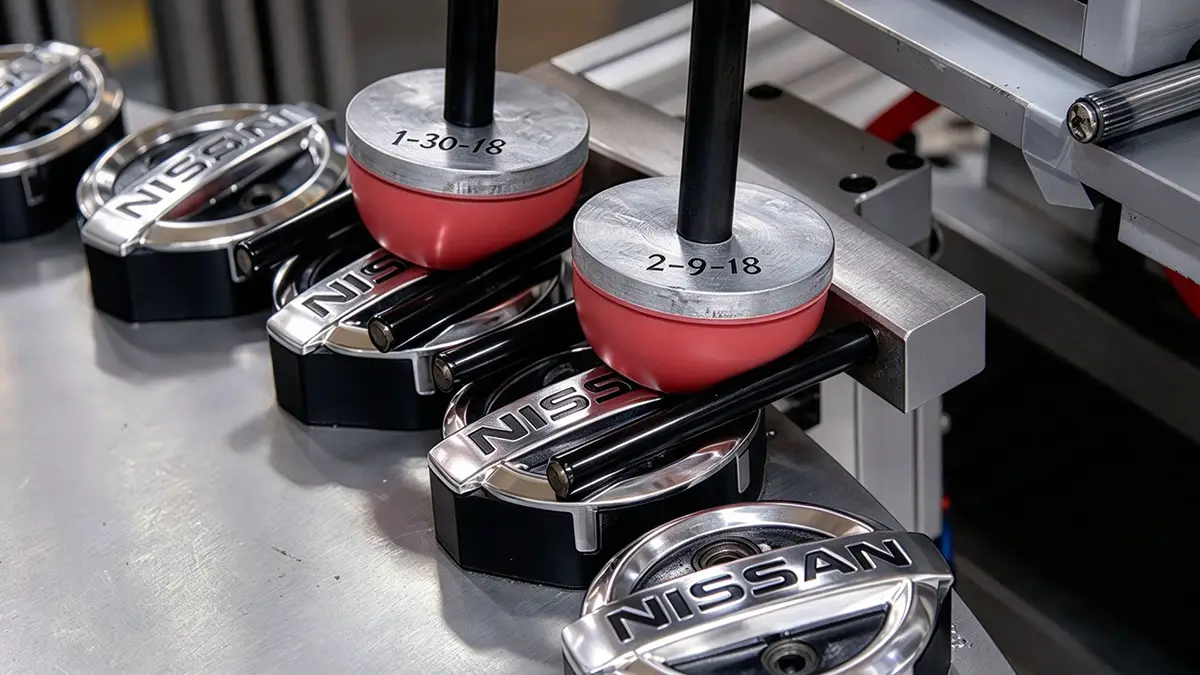
ومن أمثلة مجالات التطبيق: العلب الإلكترونية، وتزيينات السيارات، وهياكل الكاميرات، والمعدات البصرية، والمبددات الحرارية. ويُصنف الطلاء الأودي إلى تطبيقات زخرفية وتطبيقات هندسية. وترد المبادئ التوجيهية الخاصة بالأنودة الزخرفية والوقائية للألومنيوم في المعيار ISO 7599. من ناحية أخرى، يوفر المعيار ISO 10074 مبادئ توجيهية للأنودة الصلبة في التطبيقات الهندسية.
متى ينبغي للمهندسين اختيار الطلاء الكهربائي بدلاً من ذلك؟
في بعض الأحيان، يصمم المهندسون نظامًا أو مكونًا بحيث يكون لسطحه خاصية معدنية معينة. ويمكن تحقيق ذلك بفعالية عن طريق الطلاء الكهربائي للركيزة بالمعدن المطلوب. ومن بين الخصائص التي يسعى المهندسون إلى تحقيقها في معادن الطلاء المختلفة: التوصيلية الكهربائية، ومقاومة التلامس المنخفضة، وصلابة السطح العالية، ومقاومة التآكل. وفي بعض الأحيان، يسعى المصنعون إلى تحقيق قابلية اللحام، وانخفاض الاحتكاك، والمظهر المعدني، والمقاومة الكيميائية.
ومن بين الاستخدامات الشائعة: أدوات التثبيت المصنوعة من الفولاذ المطلي بالزنك لمقاومة التآكل، والمكونات المطلية بالنحاس للتوصيل الكهربائي، والسلاسل المعدنية المطلية بالذهب لأغراض التجميل.
الخاتمة
يختلف الطلاء الأنودي عن الطلاء الكهربائي في عدة نواحٍ. ويكمن الاختلاف الرئيسي في أن عملية الأنودة تعزز عملية الأكسدة الطبيعية، في حين أن الطلاء الكهربائي يطبق معدنًا على سطح معدن آخر. ورغم أن عملية الأنودة توفر مقاومة محسّنة للتآكل وخيارات زخرفية، إلا أنها لا تستطيع عادةً تحقيق نفس مستوى مقاومة التآكل الذي توفره بعض معالجات الأسطح، مثل الطلاء بالكروم الصلب أو طلاءات الترسيب الفيزيائي للبخار (PVD). بالإضافة إلى ذلك، لا تعمل عملية أنودة الألومنيوم على جميع المعادن. يجب اتخاذ القرار النهائي بناءً على جميع مواد المنتج، وظروف الاستخدام، ومتطلبات الأداء، والميزانية، مع أخذ السياق العام في الاعتبار.



 AR
AR  EN
EN  ES
ES  FR
FR  DE
DE  IT
IT  PT
PT  NL
NL  PL
PL  JA
JA  KO
KO  ZH
ZH