

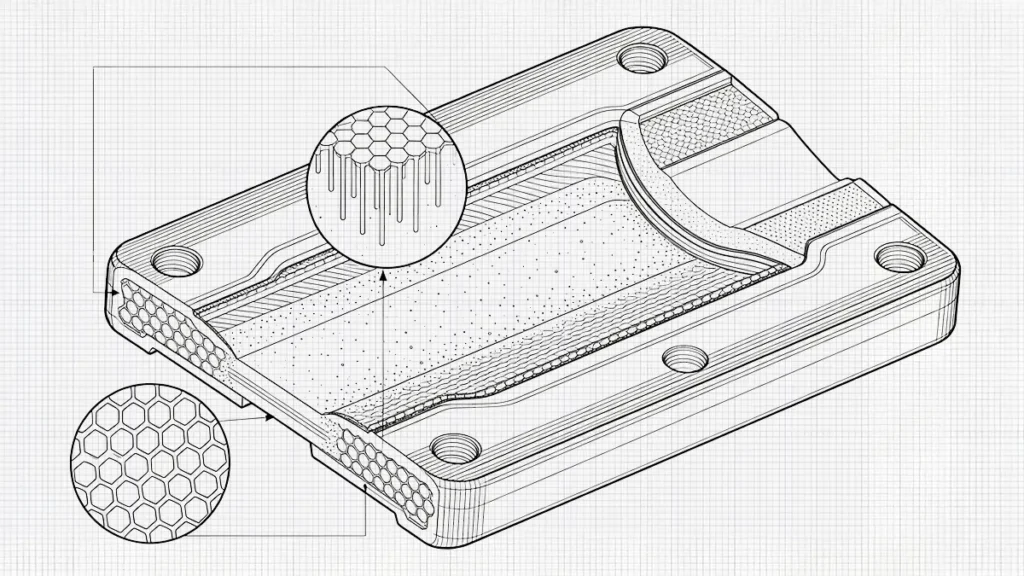
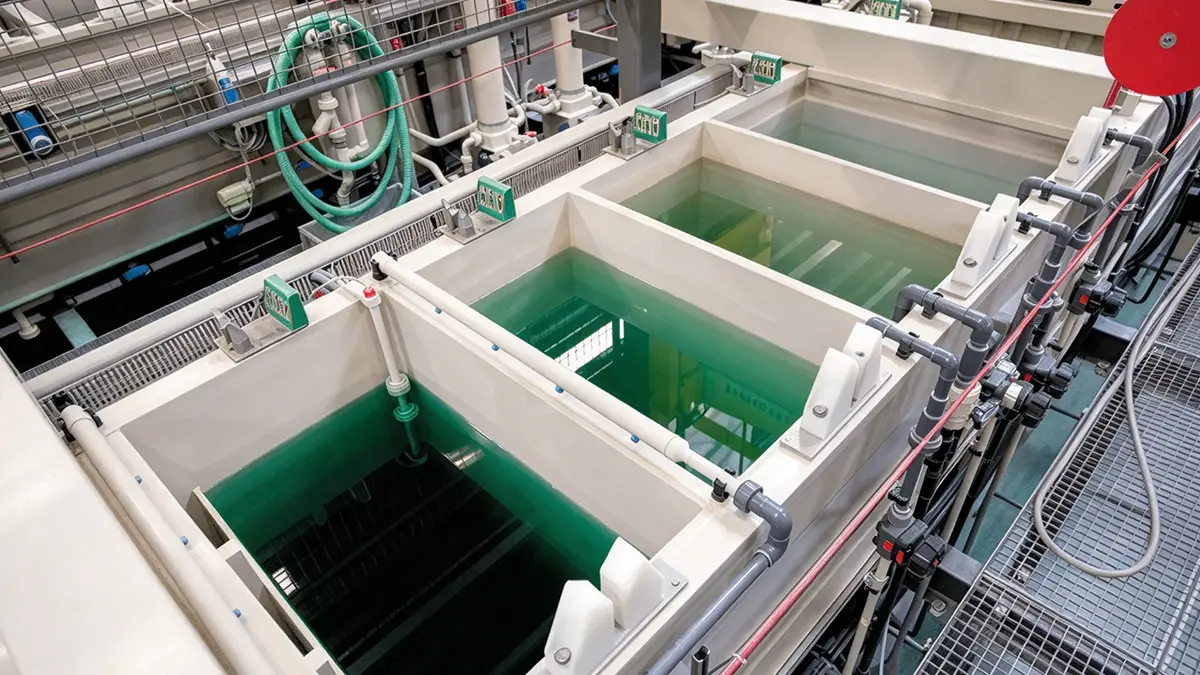
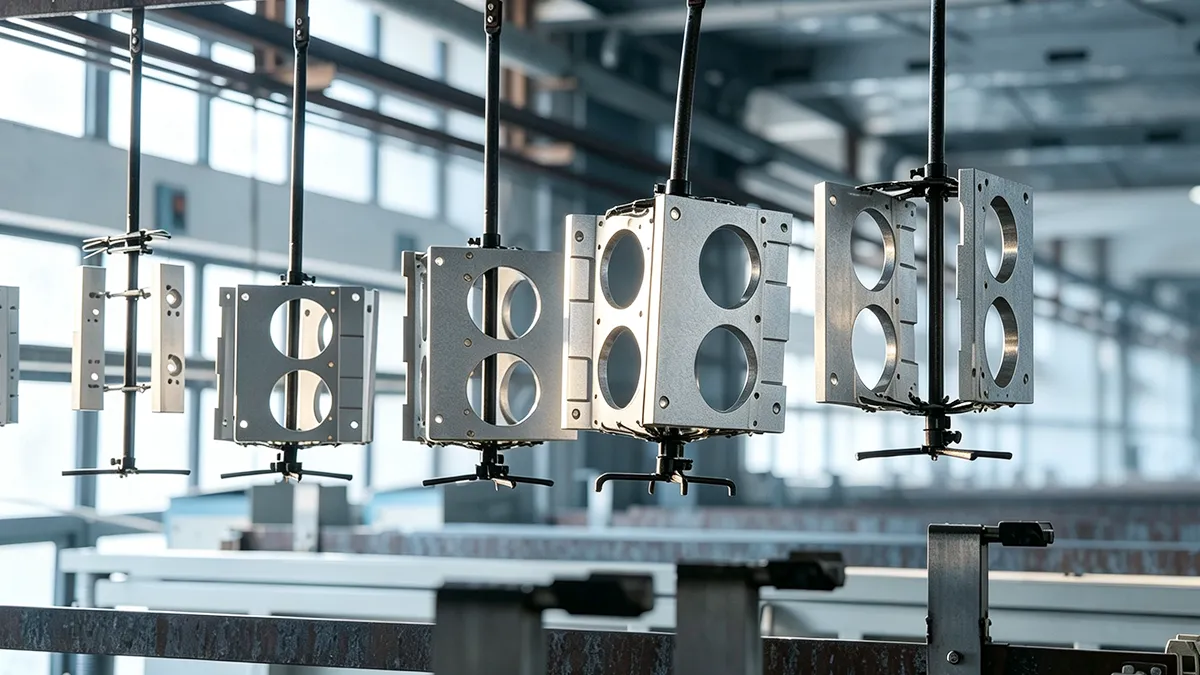
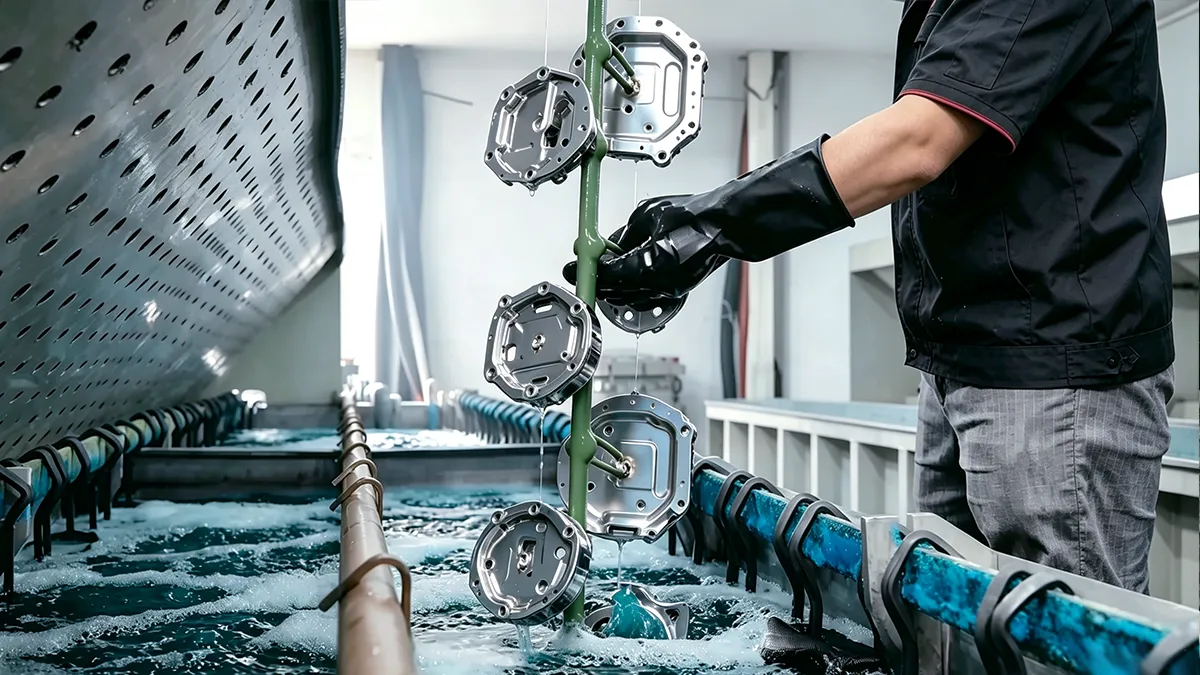
يخضع أي جزء يُوضع في خزان الأكسدة الكيميائية لنفس العملية الكهروكيميائية، بغض النظر عن الغرض من استخدامه. ويُحدد ما إذا كان الجزء المصنوع من الألومنيوم المُؤكسد سيخرج نظيفًا أم هشًا أم قابلًا للتجفيف، حتى قبل وصول ذلك الجزء إلى خط الإنتاج. يحدث كل هذا في رسم تحديد السبائك، الذي يحدد المادة أو درجة المعدن المطلوبة للقطعة. ويتم تضمينه في قائمة المواد (BOM)، أو الملاحظات العامة، أو مربع العنوان. على سبيل المثال، قد ينتج عن جزأين يتم وضعهما داخل حوض الأكسدة، بنفس التيار وفي نفس الوقت، طلاءات مختلفة بشكل ملحوظ. فعلى سبيل المثال، إذا كان أحدهما من النوع 7075-T6 والآخر من النوع 6061-T6، فقد يظهران اختلافات في اللون أو عدم تطابق في المظهر.
سيركز هذا الدليل بشكل خاص على هذا المتغير: كيفية تأثير التركيب الكيميائي لسبائك الألومنيوم على نتائج عملية الأكسدة. كما سيتناول تأثيره على قطع العمل المصبوبة بالقالب وتلك التي تمت معالجتها باستخدام آلات التصنيع بالتحكم الرقمي (CNC)، مع مراعاة خصائص مثل التفاوتات الأبعاد، واختيار السبائك، والمواصفات الواردة في الرسومات.
لماذا تؤدي عملية الأنودة نفسها إلى نتائج مختلفة على السبائك المختلفة؟
عندما يتعلق الأمر بعملية أنودة سبائك الألومنيوم، فإن السؤال لا يدور حول قدرة المادة على الخضوع لعملية الأنودة، بل حول كيفية تصرفها أثناء العملية وبعدها. تنتج عملية الأنودة طبقة من أكسيد الألومنيوم على سطح الألومنيوم من خلال تفاعل كهروكيميائي، مما يؤدي إلى تكوين طبقة واقية متينة وفقًا للمعايير الهندسية مثل ASTM B580 [1]. إذا كان الألومنيوم نقيًّا، فإنه يتأكسد بشكل نظيف وواضح. أما بالنسبة لعناصر السبائك، فإن التأثير يكون جليًّا لأنها تنفصل عند السطح الفاصل بين المعدن والأكسيد مع نمو الطبقة. ويُظهر كل عنصر تأثيرات هيكلية وبصرية مميزة على الطبقة الناتجة.
تتشكل طبقة أكسيد متجانسة ذات سماكة ولون يمكن التنبؤ بهما على مادة السبائك التي تحتوي على 6061. أما السبائك عالية القوة التي تحتوي على نسبة عالية من النحاس، فتنتج طبقة طلاء أغمق وغير متجانسة.
إن فهم هذا الجانب يساعد الصناعات على تحديد كيفية تأثير المواد على نتائج عملية الأكسدة. وهذا يساعد في تحديد الغرض من الالتزام بالمواصفات وكيفية التعامل مع النتائج غير المتوقعة.
- النحاس: يظهر لونًا مصفرًا واضحًا في فيلم شفاف من النوع الثاني، حتى عند نسبة 1% بالوزن.
- الزنك: وعندما يستقر تحت طبقة الأكسيد، يظهر لونه أزرق.
- الحديد والمنغنيز: تسبب تغيرًا في اللون من الأصفر إلى البني.
- السيليكون: يؤدي ذلك إلى إخلال بتجانس نمو الأكسيد وينتج عنه أسطح داكنة وغير منتظمة، حيث تظل المناطق الغنية بالسيليكون عالقة على السطح. ويحدث هذا عند درجة حرارة تتراوح بين 8 و9% تقريبًا أو أعلى؛ حيث لا يتحول إلى أكسيد على الإطلاق.
وبالتالي، فإن سبيكتين لهما معلمات أنودة متشابهة —الوقت، ودرجات الحرارة، وتركيز المحلول— ستؤديان إلى ظهور الخزان بمظهر مختلف تمامًا.
مقارنة بين عمليات أنودة سبائك الألومنيوم.
غالبًا ما تقتصر المقارنة بين سبائك الألومنيوم على المظهر مقابل القوة.
| سبيكة | العناصر الرئيسية المكونة للسبائك | سلوك عملية الأنودة | الاستخدام النموذجي |
|---|---|---|---|
| 6061-T6 | Mg 0.8–1.2% Si 0.4–0.81 TP4T | امتصاص ممتاز للصبغة. يشكل طبقة رقيقة موحدة وشفافة. | العلب والأجزاء الهيكلية المصنعة باستخدام الحاسب الآلي (CNC). |
| 6063-T5 | Mg 0.45–0.91 TP4T Si 0.2–0.6% | أكثر نقاءً واتساقًا من 6061؛ لكنه أقل قوة. | المنتجات المبثوقة، والأجزاء المعمارية والتجميلية. |
| 5052-H32 | Mg 2.2–2.8% | وضوح جيد، وقد تظهر بقع سطحية خفيفة على الألواح المشكلة. | حاويات الأحياء البحرية. |
| 2024-T3 | Cu 3.8–4.9% Mg 1.2–1.8% | يظهر النحاس بلون أصفر-رمادي غير متجانس. | الهياكل الفضائية. |
| 7075-T6 | Zn 5.1–6.1% Cu 1.2–2.0% Mg 2.1–2.9% | مزيج من الزنك والنحاس. ينتج طبقة أغمق، ذات لون بني، وأقل تجانسًا. | معدات ذات متانة عالية |
بالنسبة للطلبات الداخلية الخاصة بالتصنيع باستخدام الحاسب الآلي (CNC) في ورشتنا، عندما تحدد رسومات العملاء تشطيبات مؤكسدة عالية الوضوح (الأحمر والأزرق والألوان المشبعة)، يتم التركيز في التصميم على استخدام سبائك 6063-T5 أو 6061-T6 بدلاً من 7075. فالزنك والنحاس الموجودان في سلالة 7075 يعملان على تشتيت الضوء وتخفيف تشبع الألوان حتى مع استخدام تقنيات أنودية عالية الجودة.
لماذا يصبح لون الألومنيوم من النوعين 2024 و7075 أغمق أو أقل تناسقًا عند معالجته بالأنودة؟
يكون الأكسيد المتكون أثناء عملية الأنودة مساميًا، ويتم امتصاص الصبغة بداخله، مما ينتج عنه ألوان مختلفة. ويعود اللون إلى عناصر السبائك مثل النحاس (Cu) والزنك (Zn) والمغنيسيوم (Mg) والسيليكون (Si) التي تؤثر على طبقة أكسيد الألومنيوم. وفي حالة السبائك المطروقة، يمكن أن تؤدي النسبة المئوية لوزن هذه العناصر إلى تغيير درجة لون طبقة الأكسيد بشكل جذري. أما بالنسبة للسبائك المصبوبة، فإذا كان محتوى الشوائب مرتفعًا جدًّا، يصبح من المستحيل الحصول على ألوان معينة.
على سبيل المثال، في السبائك مثل 2024 و7075، تنتج الشوائب لونًا رماديًا داكنًا بعد عملية الأنودة بسبب ارتفاع نسبة النحاس في السبيكة 2024 وارتفاع نسبة الزنك في السبيكة 7075. تتميز الجسيمات الفلزية المشتركة في سبيكة 2024 الغنية بالنحاس بأنها أكثر مسامية وأقل تجانسًا. ومن ثم، فهي مناسبة لأجزاء الطيران المحددة بعملية أنودة بحمض الكروم من النوع الأول بدلاً من النوع الثاني. وغالبًا ما يُعد النوع الأول هو العملية المفضلة للحفاظ على مقاومة التعب الأصلية للمادة نظرًا لانخفاض الإجهاد الذي تسببه وتحملها الأفضل في المسبوكات.
يوفر النوع الثالث سطحًا ملائمًا لأقسى الظروف البيئية. ومع ذلك، لا يتم تطبيق الطلاء الصلب من النوع الثالث على النحاس أو على أي مادة تحتوي على نسبة من السيليكون تزيد عن 5% أو 8%، أو على السبائك التي تزيد مساميتها عن 5%.
تشتهر سبيكة 7075 بقوتها المذهلة، لكن محتواها من الزنك والنحاس يعقّد عملية الأكسدة، مما يؤدي إلى عدم انتظام طبقة الأكسيد. وتتميز هذه السبيكة في التطبيقات التي تتطلب تحمل إجهادات عالية وقوة كبيرة، لا سيما في الأجزاء المعرضة للتآكل الشديد، وكذلك في المواد العسكرية والهيكلية.
يكاد يكون من المستحيل الحصول على ألوان أفتح باستخدام هذه السبائك. ولتحقيق مطابقة أفضل للألوان، تنتج السبائك 5052 و3003 طبقة مؤكسدة أكثر نقاءً.
لماذا يُعدّ طلاء الطرازين A380 وADC12 بالأكسيد أكثر صعوبة؟
تُعدّ A380 وADC12 أكثر سبائك الألمنيوم المصبوبة بالقالب شيوعًا، وتتمتعان بخصائص متشابهة. وتهيمن ADC12 على الأسواق الآسيوية، بينما تسود A380 في أمريكا الشمالية. ويُعدّ إجراء عملية الأنودة لهذه السبائك أمرًا صعبًا ويتطلب رقابة صارمة للغاية على العملية. لذلك، يقتصر أنودة هذه السبائك على الحماية الوظيفية من التآكل والتشطيبات باللون الأسود أو الرمادي الداكن.
تنبع هذه العقبة من تركيبها الكيميائي. فعلى سبيل المثال، تحتوي مادة الألومنيوم ADC12 على نسبة من السيليكون تتراوح بين 9.6% و12%، وهي نسبة لا تشارك تقريبًا في التفاعل.
يحتوي سبيكة A380 على نسبة أقل من السيليكون (7.5%–9.5%) ونسبة أعلى من النحاس تتراوح بين 3.0% و4.0%. وعلى الرغم من انسيابيتها العالية، فإنها لا تضاهي قدرات سبيكة ADC12 الفائقة في ملء التجاويف. ولهذا السبب، فإنه أكثر ملاءمةً للحصول على خصائص ميكانيكية فائقة.
عندما يتأكسد الألومنيوم، يبقى السيليكون — وهو عنصر غير موصل — على شكل رقائق أو جزيئات، مكونًا “طبقة غبارية” غير متماسكة. ولذلك، يجب معالجة الأجزاء المصبوبة من الألومنيوم بالأنودة لضمان مقاومتها للتآكل، وينبغي على فرق المشتريات توقع ظهور ألوان داكنة أو طبيعية (غير مصبوغة) عند تحديد مواصفات ADC12/A380. وللحصول على تشطيب مصبوغ لامع وموحد، يُعد الألومنيوم 6061 أو 6063 أكثر موثوقية، حتى مع ارتفاع تكلفة القطعة.
كيف يتفاعل اختيار السبائك مع الانتقاء من النوع الثاني مقارنة بالنوع الثالث؟
بمجرد تحديد عملية الأكسدة في الرسم الفني، من المرجح أن تختار بين نوعين. وقد يؤدي الاختيار الخاطئ إلى حماية غير كافية أو تكبد تكاليف إضافية.
| سبيكة | النوع الثاني (طلاء أنودي بالكبريت) | النوع الثالث (الأنودة الصلبة) |
|---|---|---|
| 6061-T6 | ممتاز من حيث الوضوح في الفصل وامتصاص الصبغة. | ممتاز، يتخذ لونًا رماديًا/أسودًا موحدًا |
| 6063-T5 | ممتاز، أنقىها جميعًا من بين جميع السبائك. | جيد، ينتج طبقة أكثر نعومة من 6061. |
| 5052-H32 | تتميز بوضوح جيد، وهي مثالية للاستخدامات البحرية بفضل مقاومتها للتآكل. | جيد، لكن الممارسة محدودة. |
| 2024-T3 | تناغم ضعيف، لا سيما من الناحية الشكلية. | ضع في اعتبارك النوع الأول، لا يُنصح به بشدة |
| 7075-T6 | مقبول، لكن لونه مائل إلى البني. | مقبول، لون أغمق. |
| A380/ADC12 (مصبوب بالقالب) | ضعيف، محدود بالسيليكون | يا للأسف، لا يمكن صب سبيكة عالية المحتوى من السيليكون. |
كيف ينبغي لمبرمجي الحاسب الآلي (CNC) أن يأخذوا في الاعتبار التفاوتات الأبعاد؟
نظرًا لاختلاف كل مشروع عن الآخر، يتبع المصممون إرشادات عامة بشأن بدلات التصنيع وفقًا لعملية الإنتاج المستخدمة. يقوم مبرمجو CNC بتحديد هوامش الأبعاد استنادًا إلى قاعدة 50/50 التقريبية للأجزاء المصنوعة من الألومنيوم التي تخضع لعملية الأكسدة. وهذا يعني أنه أثناء العملية، تنمو طبقة الأكسيد بسمك 50% نحو القاعدة، بينما تنمو النصف الآخر 50% إلى الخارج، لتضيف إلى السطح الأصلي.
لذلك، من أجل الحصول على الأبعاد الصحيحة، يجب أن يكون الهامش المخصص لكل سطح نصف سمك الطلاء الإجمالي المحدد بالضبط.
وفقًا للمعيار MIL-A-8625، يُحدد أمر الشراء أو مخطط القطعة نوع الطلاء وسُمكه وطريقة الختم.
عند تحديد عملية الطلاء الأنودي في الرسم، يمكنك الاختيار بين نوعين:
يتميز النوع الثاني بسماكة طلاء تتراوح بين 0.0002 و0.001 بوصة (5–25 ميكرومتر). ويتيح هامش نمو خارجي لتحقيق أفضل ملاءمة ممكنة.
يتراوح السماكة الإجمالية للطلاء الصلب من النوع الثالث بين 0.001 و0.003 بوصة (25–75 ميكرومتر). ويجب أخذ هذا التفاوت في الاعتبار لضمان التوافق الصحيح بين الثقوب والأعمدة والخصائص المقابلة.
الميزات مثل الثقوب الملولبة، ومقاعد المحامل، وثقوب المسامير ذات نطاقات التفاوت التي تقل عن ±0.001 بوصة تقريبًا: يجب تغطيتها أو سدها قبل عملية الأكسدة، أو معالجتها آليًّا بعدها.
كيف يُشار إلى عملية أنودية الألومنيوم في المخطط؟
يجب أن يتضمن الرسم الهندسي إشارات واضحة إلى عملية أنودة الألومنيوم لتحديد التشطيبات والمظهر وتجنب مشاكل الأبعاد.
- معيار الأنودة ونوعها وفئتها: مثال: النوع الثالث (طلاء صلب)، معيار مرجعي مثل MIL-A-8625، الفئة 2 (مصبوغ).
- ملاحظة بشأن الأبعاد: التأكد مما إذا كانت الأبعاد المذكورة تنطبق قبل عملية الأنودة أم بعدها.
- التغطية والوصلات: للمناطق التي تتطلب نقاط تلامس كهربائية أو واجهات ذات تفاوتات ضيقة.
- نطاق سماكة الطلاء بالميكرون أو الميل.
الخاتمة
يُعد طلاء الألمنيوم بالأنودة عملية فعالة لتشطيب منتجات الألمنيوم وتحسين أدائها وجاذبيتها البصرية. إن فهم هذه العملية يساعد على اتخاذ الخيار الأمثل لتلبية أي احتياجات، حيث توفر مجموعة متنوعة من أنواع وألوان الطلاء بالأنودة. يساعدك هذا الدليل على اتخاذ قرارات مستنيرة للحصول على منتجات ألمنيوم مطلية بالأنودة عالية الجودة.
تتميز خدماتنا في مجال الطلاء الأنودي بالجودة والدقة في كل مشروع، مما يساعدكم على تحقيق أهدافكم. ولذلك، تلتزم فرقنا الفنية بتوفير تفاوتات دقيقة ونتائج عالية الأداء في كل مرة.
المرجع
[1] ASTM International. (2019). ASTM B580-79(2019) المواصفات القياسية لطلاءات أكسيد الألومنيوم الأنودية. قاعدة بيانات معايير ASTM. https://www.astm.org/b0580-79r19.html



 AR
AR  EN
EN  ES
ES  FR
FR  DE
DE  IT
IT  PT
PT  NL
NL  PL
PL  JA
JA  KO
KO  ZH
ZH