

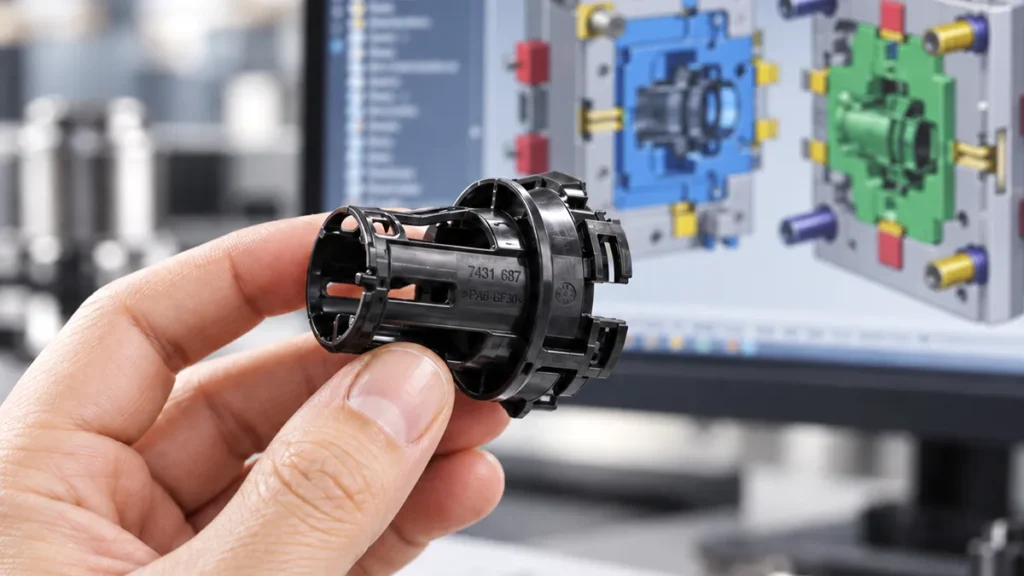
لننظر إلى التحديات التقنية التي قد تواجهها شركة متخصصة في الأجهزة الطبية عند تطوير مستشعر لرصد مستوى السكر في الدم. يُعد المستشعر نظامًا معقدًا يحتوي على مكونات إلكترونية صغيرة للغاية. وهذا يعني أنه يجب تصغير الحجم البلاستيكي الواقي للمستشعر. وقد يؤدي استخدام تقنية القولبة بالحقن التقليدية إلى زيادة تعقيد عملية التصنيع نظرًا لصغر حجم التجويف بشكل كبير. على سبيل المثال، يجب أن تنتقل المادة المنصهرة المستخدمة في هذه الطريقة التقليدية عبر مسار ضيق قبل أن تتجمد، مما يجعل اختيار المواد أمرًا صعبًا.
من ناحية أخرى، إذا تم اختيار مادة ذات معدل تجميد مرتفع، فيجب إيلاء مزيد من الاهتمام لتصميم نظام البوابة والقنوات لتجنب التجميد قبل الملء. ونتيجة لذلك، يجب أن يتمكن القالب المستخدم في هذه العملية من إعادة إنتاج تفاصيل قد لا يتجاوز عرضها بضع مئات من الميكرومتر. وبشكل فعلي، تتطلب هذه العملية نهجًا للقولبة بالحقن الدقيق، والذي قد يختلف عن القولبة التقليدية.
القولبة الدقيقة هي طريقة لتشكيل وتصنيع اللدائن الحرارية لإنتاج منتجات وقطع ومكونات يقل وزنها غالبًا عن جرام واحد ويبلغ قطرها بضعة ملليمترات فقط. تتميز المكونات المنتجة عن طريق القولبة الدقيقة بالحجم الصغير بدرجة عالية من التعقيد، لكنها تتطلب اهتمامًا شديدًا بالكفاءة والدقة والإتقان طوال عملية التصنيع. تكون التفاوتات المسموح بها في القولبة بالحقن الدقيقة ضيقة للغاية، وعادةً ما يتم الحفاظ عليها في حدود ميكرومتر واحد (±1 إلى 5 ميكرومتر أو ±0.0001 إلى ±0.0002 بوصة). المهندسون لا حاجة إلى القولبة بالحقن المصغرة لإنتاج قطع تتطلب تفاوتات أبعاد أوسع؛ وفي مثل هذه الحالات، تُعد القولبة بالحقن التقليدية أكثر فعالية من حيث التكلفة.
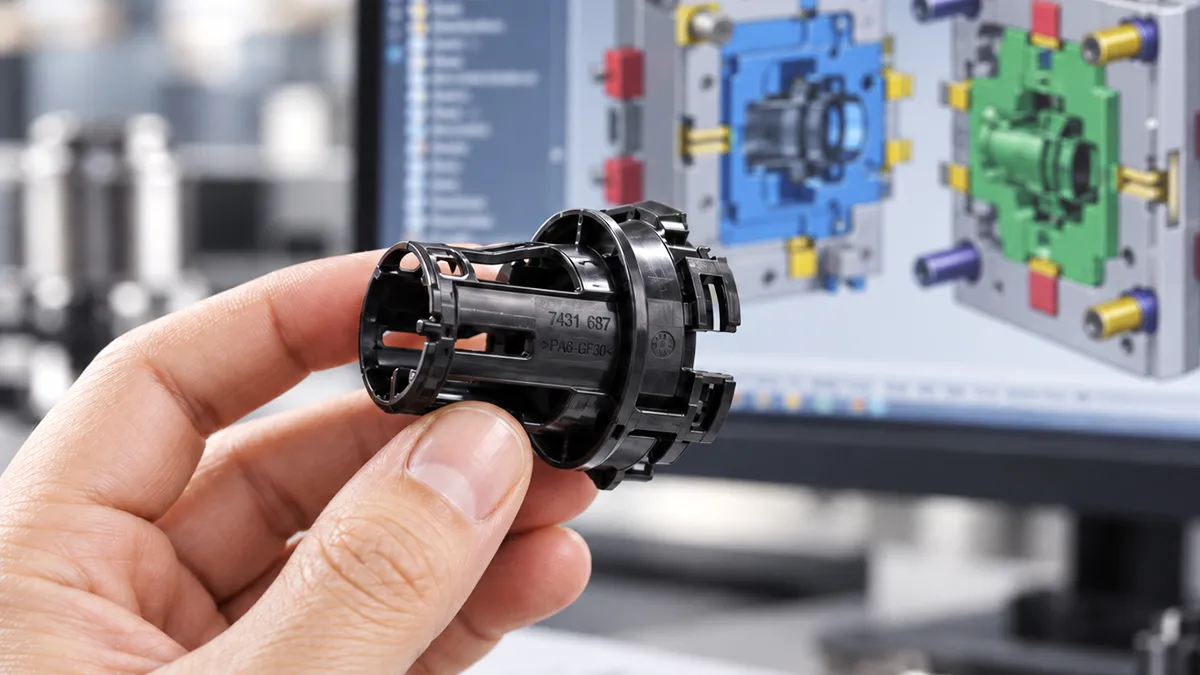
ما الذي يميز القولبة بالحقن الدقيقة عن القولبة بالحقن التقليدية؟
يكمن الاختلاف الرئيسي بين القولبة بالحقن الدقيقة والقولبة بالحقن التقليدية في الحجم الذي تصبح عنده ظواهر التصنيع هي السائدة. تتطلب القولبة بالحقن الدقيقة أعلى مستوى من الدقة مقارنةً بالقولبة التقليدية. وعادةً ما تتميز بأجزاء صغيرة جدًّا، ومقاطع رفيعة، وخصائص مصغرة. لا يوجد تعريف أو مواصفات مقبولة عالميًا لـ“القطعة الدقيقة” في مجال القولبة بالحقن الدقيقة. ويمكن تعريف القطعة الدقيقة من خلال تطبيقاتها وتقنيات تصنيعها.
تؤدي التغييرات الطفيفة في إعدادات القولبة بالحقن الدقيقة إلى تأثيرات كبيرة على طبيعة المنتج النهائي. على سبيل المثال، يمكن لتغيير بسيط في هندسة فتحة الحقن أن يغير سلوك التعبئة بشكل ملحوظ. ومن المحتمل أن يؤدي ذلك إلى ظهور فراغات أو خطوط لحام في الأجزاء الصغيرة. ويمكن التحكم في تحدي التعبئة هذا بسهولة أكبر في القولبة بالحقن التقليدية مقارنةً بالقولبة بالحقن الدقيقة. كما تتطلب عملية الحقن في القولبة الدقيقة تحكماً مناسباً في قوى الإخراج. فالأجزاء الدقيقة تحتوي على ملامح دقيقة يمكن أن تنكسر بسهولة تحت تأثير قوى إخراج أعلى نسبياً. بالإضافة إلى ذلك، يمكن أن يصبح تدهور البوليمر كبيراً في القولبة بالحقن الدقيق لأن حجم المادة المنصهرة صغير وقد يكون وقت البقاء طويلاً نسبياً.
ما هي التطبيقات التي تستفيد أكثر من غيرها من تقنية القولبة بالحقن الدقيق؟
تتسم بيئات تصنيع المكونات البوليمرية المصغرة بكميات إنتاج كبيرة. وهذا يجعل القولبة بالحقن الدقيقة مناسبة لهذا النوع من الإنتاج. وعادةً ما يكون هذا النوع من القولبة بالحقن مؤتمتًا، مما يزيد من دقة الإنتاج وفعاليته. ويلخص الجدول التالي مجالات تطبيق القولبة بالحقن الدقيقة.
| التطبيق | السمات النموذجية للقطع المصبوبة بالقالب الدقيق | الشاغل الهندسي الرئيسي |
|---|---|---|
| الأجهزة الطبية | قنوات ميكروفلويديكية، أغلفة مصغرة | التوافق الحيوي، ثبات الأبعاد |
| الإلكترونيات | الموصلات، مكونات أجهزة الاستشعار | العزل الكهربائي والدقة |
| أجهزة الاستشعار المستخدمة في السيارات | أجهزة التثبيت، العلب، مكونات المشغلات | مقاومة درجات الحرارة والاهتزازات |
| البصريات الدقيقة | العدسات، الهياكل البصرية | تشطيب السطح والتكرار |
| الميكانيكا الدقيقة | التروس، والأعمدة، والوصلات | دقة الأبعاد والتآكل |
| أجهزة «المختبر على الرقاقة» | القنوات، الحجرات، الواجهات | خصائص الحشو والسطح |
| الأجهزة الإلكترونية الاستهلاكية | مشابك وأغلفة مصغرة | تفاوت التجميع |
| تغليف أنظمة الميكانيكا الدقيقة (MEMS) | المساكن الصغيرة والهياكل الواقية | المحاذاة والإحكام |
كيف ينبغي تصميم القطعة الصغيرة قبل البدء في تصنيع القوالب؟
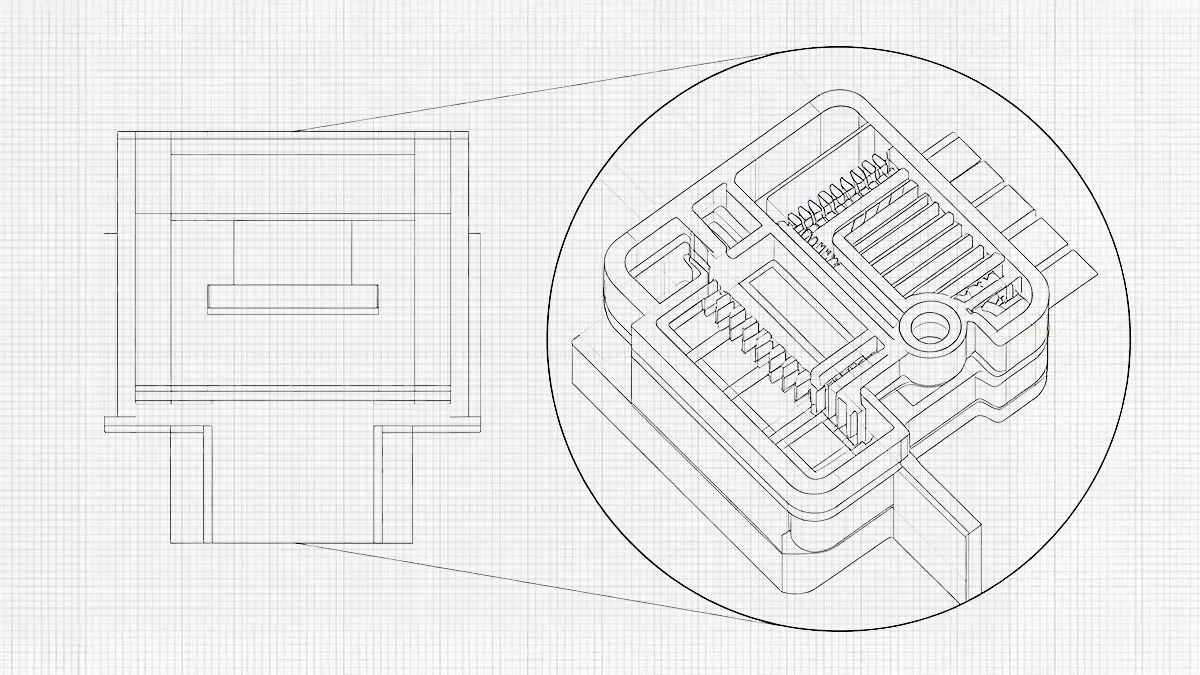
يتمثل أحد أكبر الأخطاء التي يرتكبها المصنعون عند تطبيق تقنية القولبة بالحقن في الاكتفاء بالتصميم بناءً على الإمكانيات الهندسية فحسب. يجب أن تبدأ عملية التصميم بمراعاة قدرات العملية. وعند اختيار الأشكال الهندسية للقالب، يجب أن يكون الاعتبار الرئيسي هو ما إذا كانت عملية القولبة قادرة على إنتاج القطعة أم لا. من خلال نظام CAD، يمكن للمهندسين تصميم قطعة بسماكة جدار تبلغ 100 ميكرومتر للأضلاع، و150 ميكرومتر للثقوب، أو 0.20 ملم. ومع ذلك، قد لا يكون من السهل صب القطعة بشكل متكرر، أو إخراجها دون تلف، أو فحصها بدقة. وهذا يعني أن القولبة بالحقن الدقيق عملية حساسة للغاية. فأي تغيير بسيط في الشكل الهندسي يمكن أن يكون له تأثير كبير على معلمات القولبة مثل مقاومة تدفق البوليمر، وضغط الحقن، والتبريد، والانكماش، أو قوة الإخراج. يجب أن تراعي عملية التصميم المعلمات التالية.
مراجعة التصميم من منظور التصنيع للأجزاء الدقيقة
يجب على المصممين إجراء مراجعة للتصميم من منظور التصنيع قبل إصدار نموذج CAD للأجزاء الدقيقة لاستخدامه في صناعة القوالب. تساعد هذه المراجعة في تقييم الجوانب العملية لعملية التصنيع لتجنب التخيلات النظرية. ويجب أن تأخذ هذه المراجعة في الاعتبار معايير مختلفة، مع الإجابة على أسئلة بالغة الأهمية كما هو موجز في الجدول أدناه؛;
| معلمة التصميم | سؤال هندسي | الخطر الرئيسي في حالة سوء التصميم |
|---|---|---|
| سُمك الجدار | هل يمكن للبوليمر أن يملأ المقطع؟ | تسديدة قصيرة، ضغط عالٍ |
| تجانس الجدران | هل سيبرد الجزء بشكل متساوٍ؟ | التشوه، الانحناء |
| نسبة العرض إلى الارتفاع | هل هذه الميزة طويلة/رفيعة جدًّا؟ | مشاكل التعبئة والأدوات |
| مسودة | هل يمكن أن ينفصل هذا الجزء؟ | الالتصاق، التشوه |
| نصف قطر الزاوية | هل يمكن تشكيل هذه القطعة وتصنيعها آليًّا؟ | تركيز الإجهاد، صعوبة الأداة |
| الضلوع | هل الضلع سميك وقصير بما يكفي؟ | ملء غير كامل، كسر |
| الرؤساء | هل القلب قوي بما يكفي؟ | تلف القلب |
| الثقوب الدقيقة | هل القولبة أفضل من المعالجة الميكانيكية الثانوية؟ | نوى مكسورة، ثقوب مسدودة |
| البوابة | هل يتم توزيع التدفق بشكل مناسب؟ | خطوط اللحام، اختلال توازن الضغط |
| التنفيس | هل يمكن للهواء أن يتسرب؟ | آثار الحرق، الطلقات القصيرة |
| الطرد | أين سيتم تطبيق القوى؟ | تشوه الأجزاء |
| خط الفراق | هل يمر عبر سطح حرج؟ | وميض، عدم تطابق |
| الانكماش | هل ستبقى الأبعاد النهائية ضمن حدود التفاوت المسموح به؟ | الأجزاء غير المطابقة للمواصفات |
| التسامح | هل هذه العملية قادرة على تحمله؟ | معدل رفض مرتفع |
| علم القياس | هل يمكن قياس هذه الخاصية بشكل موثوق؟ | القبول/الرفض الخاطئ |
المعلمات التصميمية الحاسمة الرئيسية
يُعد سمك الجدار معلمة بالغة الأهمية في عملية القولبة بالحقن الدقيق. ويتناسب انخفاض الضغط عكسياً مع مكعب سمك القناة، كما هو موضح في المعادلة التالية؛;
ΔP ≈ 12μLQ / (wh³)
المكان ΔP هو انخفاض الضغط،, μ هي لزوجة البوليمر، و L هو طول التدفق. Q هو معدل التدفق الحجمي،, w هو عرض القناة، و h هو سماكة القناة. ويتمثل الشرط الأساسي في تصميم الجدران في استخدام الجدار الأكثر سماكة الذي يلبي متطلبات التصغير الوظيفي.
عند تصميم قوالب الحقن الدقيقة لأغراض التصنيع، يجب مراعاة التفاوتات المسموح بها جنبًا إلى جنب مع عوامل مثل حجم القطعة، والبوليمر، والهندسة، وقدرة القالب، ودرجة حرارة التشغيل، والوظيفة المطلوبة. وينبغي على المصممين تقسيم الأبعاد إلى أبعاد وظيفية حاسمة، وأبعاد تجميع ثانوية، وأبعاد غير وظيفية. ويمكن اختيار التفاوتات الأكثر دقة للأبعاد التي تهم أداء المنتج. وقد يؤدي تطبيق هذه التفاوتات على كل جزء من القالب إلى زيادة تكاليف الأدوات والتفتيش.
ما الذي ينطوي عليه تصنيع القوالب بالحقن الدقيق؟
يُعد القولبة بالحقن الدقيق عملية متعددة الخطوات تمتد من التصميم باستخدام برامج CAD وصولاً إلى الإنتاج الضخم. وفيما يلي تسلسل الخطوات؛;
التصميم باستخدام برنامج CAD → تصميم القوالب → التصنيع الدقيق → تجميع القوالب → تأهيل القوالب → تجهيز المواد → إعداد الماكينات → تطوير العملية → قطع الإنتاج الأولية → الفحص → التحقق من صحة العملية → الإنتاج الضخم
تتسم العمليات المستخدمة في عملية القولبة بالحقن الدقيقة هذه بدقة أكبر مقارنةً بتلك المستخدمة في عملية القولبة بالحقن التقليدية. على سبيل المثال، في عملية القولبة بالحقن الدقيقة، قد يتعين التحكم في محاذاة القالب على نطاق الميكرومتر، في حين أن فتحات الحقن قد لا تتجاوز جزءًا صغيرًا من المليمتر.
يتم تصحيح غالبية الأخطاء في عملية تصنيع القوالب بالحقن الدقيق في غرفة التصميم باستخدام برامج CAD. وهنا، يقوم مهندسو التصميم بمحاكاة كيفية تصرف القالب تحت تأثير قوى مختلفة، مثل ضغوط تدفق المواد وقوى الإخراج.
قبل تصنيع القالب، يقوم المهندسون بمراجعة تصميم القوالب الدقيقة من منظور التصنيع (DFM). ويوضح الجدول التالي بعض الجوانب التي يتم تناولها في عملية DFM.
| عامل التصميم | لماذا هذا مهم |
|---|---|
| سُمك الجدار | التحكم في عمليات التعبئة والتبريد والانكماش |
| نسبة العرض إلى الارتفاع في الأفلام القصيرة جدًّا | قد تؤدي النسب المرتفعة إلى عدم ملء الحاوية بالكامل أو إلى حدوث كسر |
| مسودة | يقلل من الأضرار الناتجة عن إزالة القوالب |
| موقع البوابة | يتحكم في عملية الملء والتوجه الجزيئي |
| التنفيس | يسمح للهواء والغازات المحبوسة بالخروج |
| الطرد | يمنع تشوه التفاصيل الدقيقة |
| التفاوتات المسموح بها | يجب مراعاة التباين في القوالب |
| المواد | يحدد معدل التدفق والانكماش والسلوك الحراري |
القاعدة العامة في القولبة بالحقن التقليدية، والتي تقضي بجعل كل شيء أكثر سمكًا، لا تنطبق في القولبة بالحقن المجهري. قد يحتوي القالب الصغير على تجاويف وأضلاع ودبابيس وقنوات وثقوب وقنوات ميكروفلويديكية صغيرة للغاية. ويمكن تصنيع هذه القوالب باستخدام طرق متنوعة، مثل التصنيع الصغير باستخدام الحاسب الآلي (CNC)، والتصنيع الصغير باستخدام القطع الكهربائي (EDM)، والتصنيع باستخدام الأسلاك الكهربائية (wire EDM)، والتصنيع بالليزر، والطحن الدقيق، والطحن الصغير.
مواد صب الحقن الدقيق
ومن بين المواد عالية الأداء المناسبة للقولبة الدقيقة: مادة PEEK (بولي إيثر إيثر كيتون)، و LCPs (بوليمرات الكريستال السائل)، و PPSU (بولي فينيل سلفون). يوفر مادة PEEK مزيجًا فريدًا من القوة العالية والمقاومة الكيميائية الممتازة والقدرة على تحمل عمليات التعقيم المتكررة. كما أن توافقها الحيوي الطبيعي يجعلها مثالية للمنتجات القابلة للزرع على المدى الطويل.
تُقدَّر البوليمرات ذات السلاسة العالية (LCPs) بثباتها الأبعاد الممتاز ولزوجتها المنخفضة. فهي تتمتع بقدرة فائقة على التدفق، مما يتيح لها ملء مسارات طويلة جدًّا وضيقة دون أي تدهور في جودتها. أما مادة PPSU، فهي معروفة بصلابتها الاستثنائية وشفافيتها. ويمكنها تحمل الظروف التي تتطلب التعقيم في الأوتوكلاف والتعقيم بالأشعة جاما.
الخاتمة
يُعد القولبة بالحقن الدقيق أمرًا لا غنى عنه لإنتاج مكونات بوليمرية مصغرة عالية الدقة في مجالات الطب والإلكترونيات والبصريات الدقيقة. ونظرًا لأن الميزات الدقيقة تتأثر بشدة بأدنى التقلبات في التصميم أو العملية، فإن النجاح يعتمد بشكل كبير على المراجعات الصارمة لتصميم قابل للتصنيع (DFM)، والإدارة الدقيقة للتفاوتات المسموح بها، والاختيار الدقيق للمواد.




 AR
AR  EN
EN  ES
ES  FR
FR  DE
DE  IT
IT  PT
PT  NL
NL  PL
PL  JA
JA  KO
KO  ZH
ZH