

Powder coating, or electrostatic spray deposition (ESD), is the most common and popular color-application process for metal products and components. Powder coating offers numerous benefits. It can coat virtually any surface, from appliances to cars and even buildings. It can be applied electrostatically and is cured under ultraviolet light or heat. Powder coating is the fastest-growing finishing technology in North America, representing over 10% of all industrial finishing applications. Powder coating adds a new touch of color with great protection. Powder-coated furniture and other items are less likely to suffer damage over time. The coat is consistent, thicker, long-lasting, non-toxic, and less flammable.
What is Powder Coating?
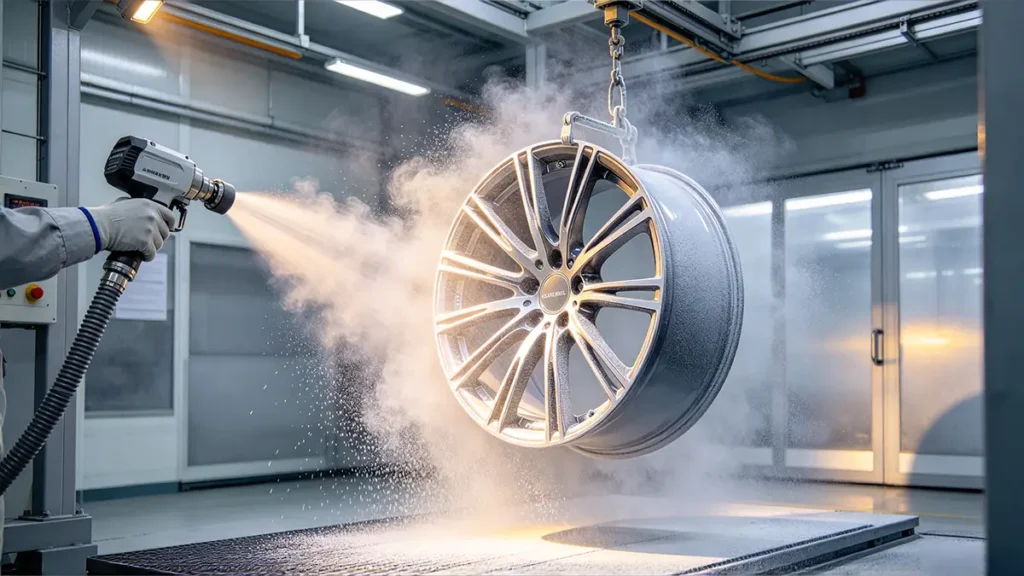
Powder coating is the process of applying electrostatically charged, grounded particles of color pigment and resin to a metal-based product or part. The parts are then moved into an oven, where they are heated for 10 to 20 minutes at an average of 200°C, depending on the material and powder used. In the oven, the pigment and resin melt and fuse into one. Once cooled, it is one of the most durable paints available to protect your product.
Powder coating consists of three key parameters. First, the process involves powder application, where fine particles are sprayed onto a prepared metal surface. Second, the process involves particle adhesion. Through electrostatic charging, the powder adheres to the grounded workpiece. Lastly, the process involves curing. Heat melts and chemically cures the coating, creating a continuous film.
Powder coating differs from traditional coatings. It is a new type of 100% solid, solvent-free powder coating. Because it does not use solvents, it is free, pollution-free, recyclable, environmentally friendly, energy– and resource-saving, and labor-efficient. The table summarizes the components of powder coating.
| المكوّن | الوظيفة |
|---|---|
| Resin or binder | Forms the continuous coating film |
| Pigments | Provide color and opacity |
| Curing agent | Enables chemical crosslinking in thermoset powders |
| الحشو | Adjust cost, texture, hardness, and other properties |
| المضافات | Control flow, gloss, leveling, and surface appearance |
How Does the Powder Coating Process Work?
The powder coating process is a three-stage process involving surface preparation, powder application, and heat curing.
Stage 1: Surface Preparation
Surface preparation is essential for powder adhesion. It ensures strong adhesion between the powder and the substrate. During surface preparation, the following activities are undertaken.
Clean and degrease the surface
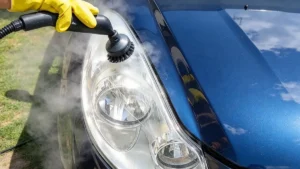
The surface must be free of oil, grease, rust, and dirt. Clean the substrate using alkaline cleaners, rinse stages, and drying methods.
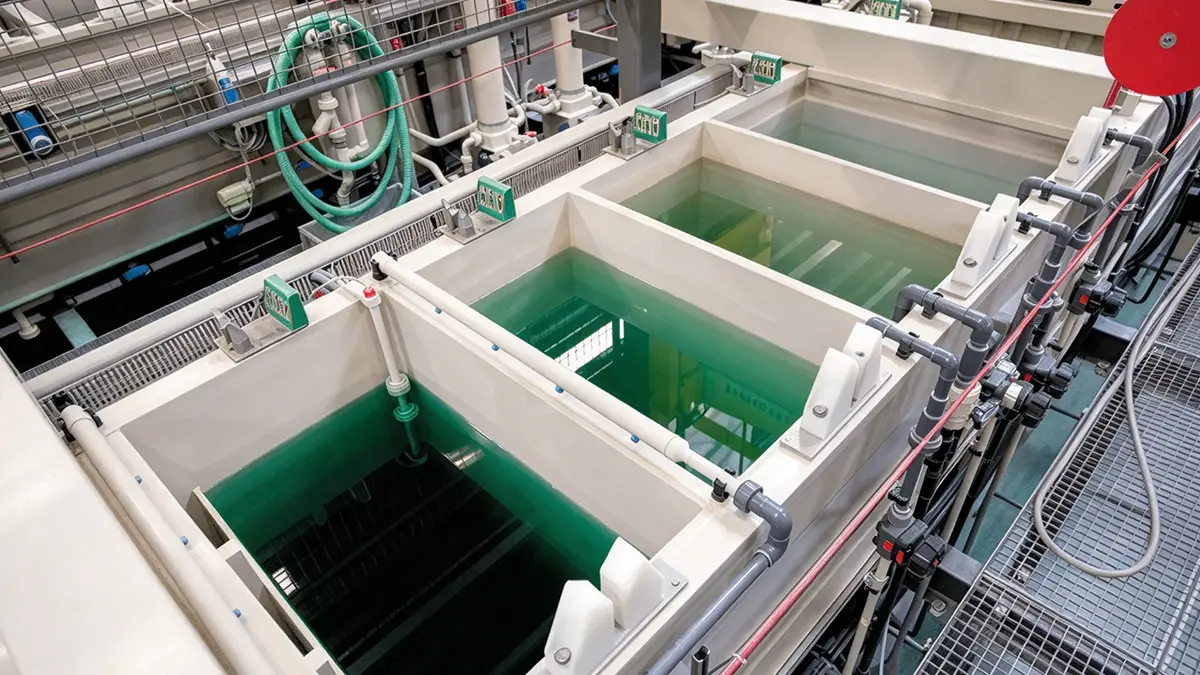
Chemically pre-treat the surface
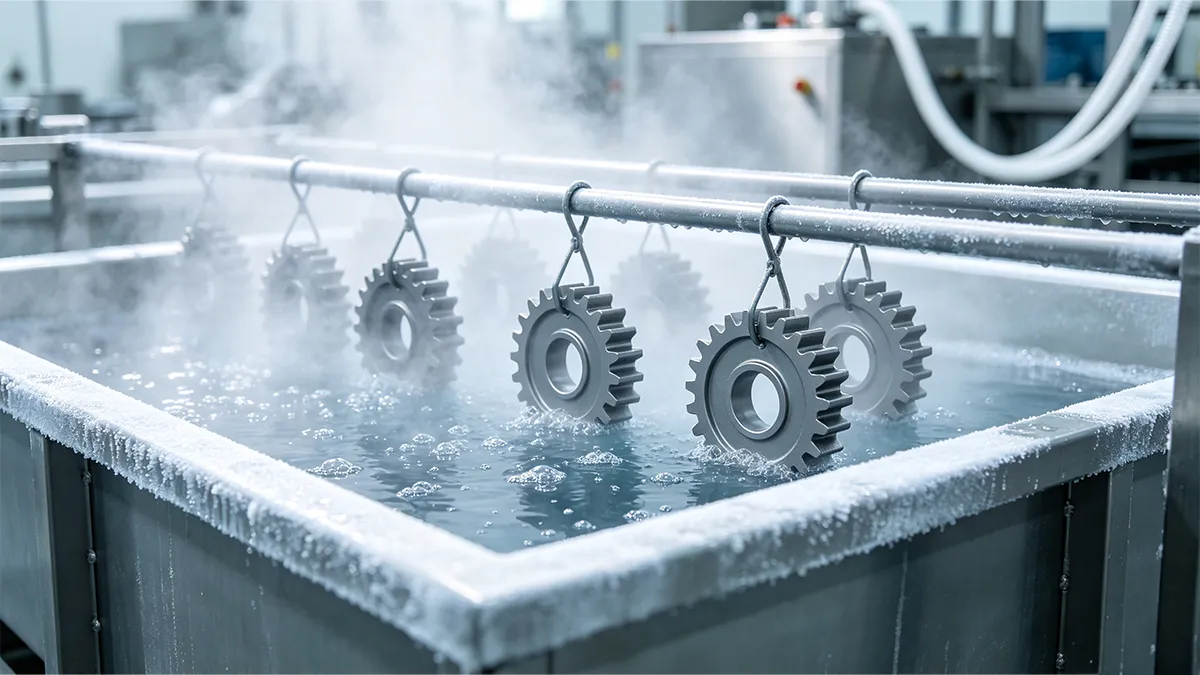
Surfaces, especially metals, are treated with iron phosphate, zinc phosphate, or chrome-free zirconium to enhance corrosion resistance and coating adhesion. Aluminum often receives a chromate or titanium-based conversion coating.
Mechanically pre-treat the surface
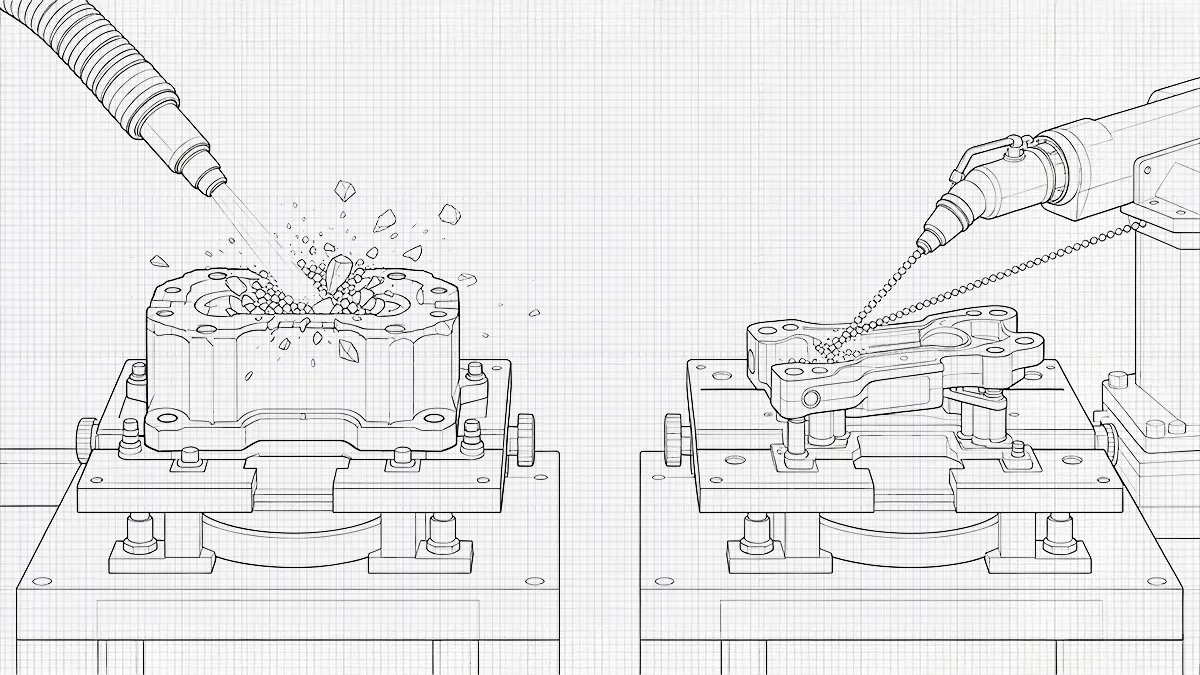
Sometimes the substrate surface contains heavy contaminants that chemical treatment may not remove effectively. Remove these contaminants with methods like sandblasting, shot blasting, or grit blasting. This approach creates a textured surface, improving mechanical bonding. Abrasive types vary based on the desired finish and substrate sensitivity.
Mask protected areas
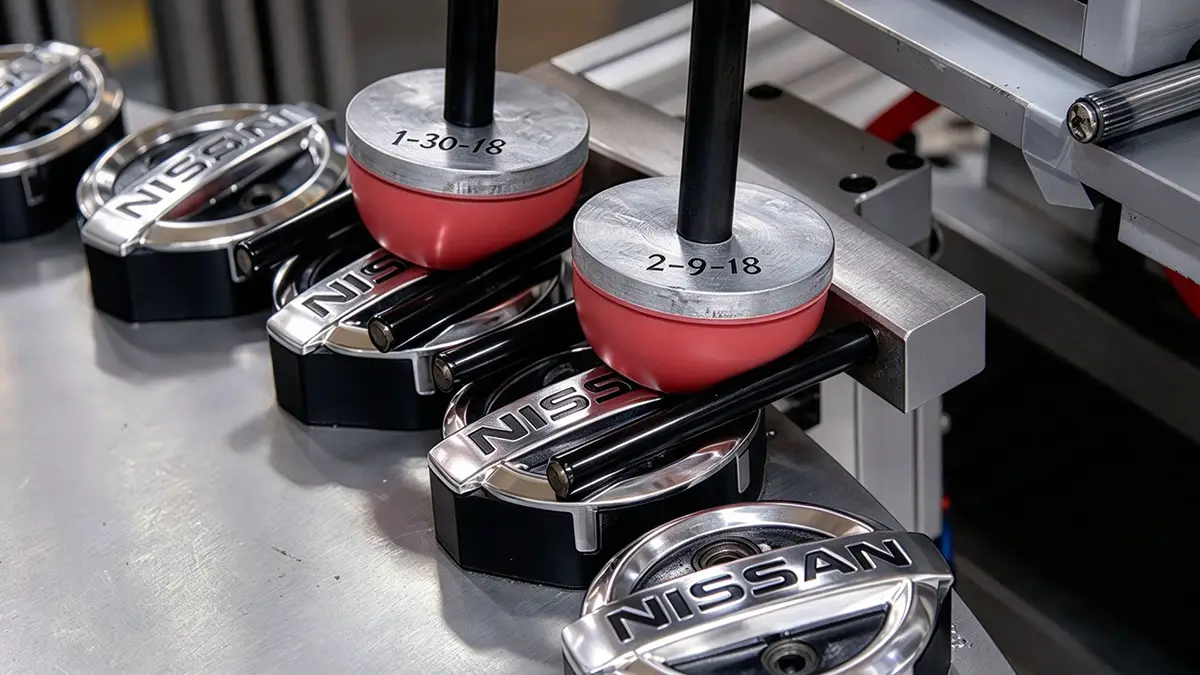
Certain parts may need to remain uncoated. Masking tapes or dots protect threads or surfaces from powder overspray. Masking prevents powder from adhering to these surfaces.
Stage 2: Electrostatic Application
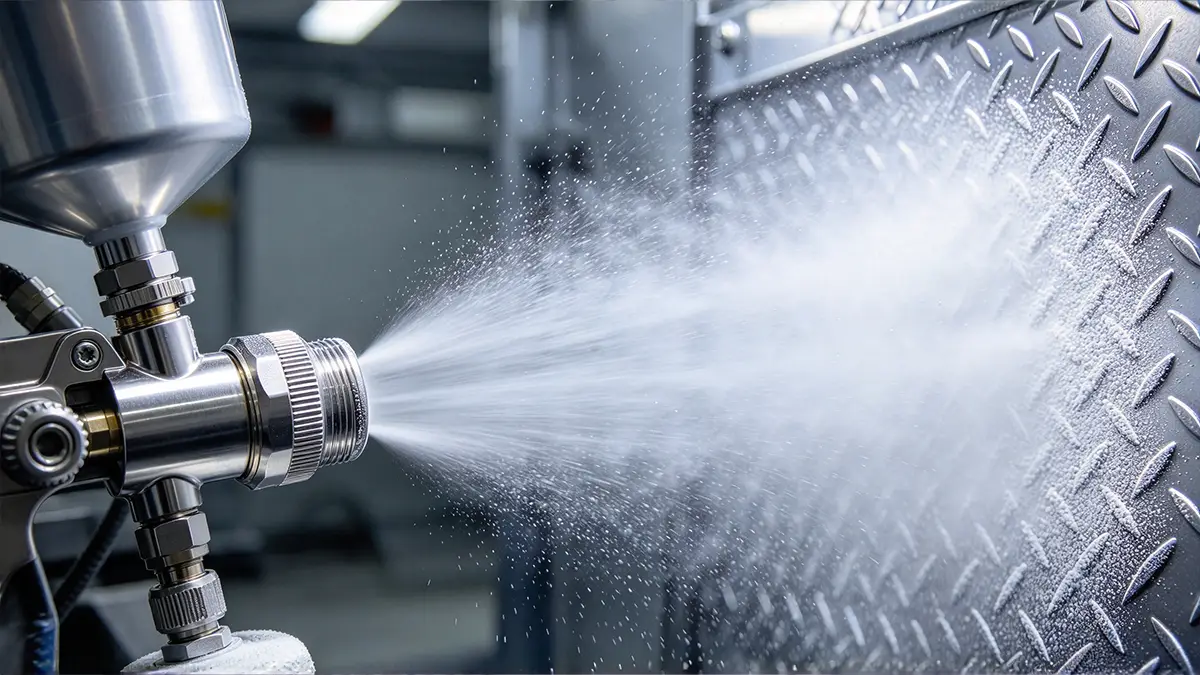
Powder is applied through Electrostatic Spray Deposition (ESD), which is the industry standard for metal parts. During this process, the gun fluidizes the material and sprays it onto the part. The powder particles are charged electrically and attracted to the grounded substrate. This electrostatic attraction helps coat even complex geometries evenly.
Two types of guns spray the materials.
Corona Guns
They use an external high-voltage power supply (typically 60–100 kV) connected to a sharp electrode at the gun’s tip. A strong electrostatic field, called corona discharge, ionizes the air. As powder particles pass through this ionized air zone, they pick up a negative charge and form a charged cloud directed at the grounded metal part. The corona gun is best used for high transfer speed, fast coating of large flat surfaces, and general industrial applications. Effective earthing prevents static discharge, ensures uniform thickness, improves transfer efficiency, and avoids powder waste, which is also a mandatory occupational safety requirement for mitigating spark ignition hazards in electrostatic spraying [1]. It’s a safety- and quality-critical factor.
Triboelectric (Tribo) Guns
Unlike corona guns, these guns do not use an external high-voltage electrode or power cable at the nozzle. Instead, they rely on frictional charging. Fluidized powder particles are forced to flow vigorously through a specially designed friction barrel. The barrel is often made of Teflon or similar engineered plastics to make charging easier. The physical contact and rubbing against the internal walls transfer a positive or negative electrostatic charge to the particles.
Besides ESD, powder coating can be achieved with fluidized bed coating. In this process, the part is preheated and immersed in an aerated powder bed. The powder melts on contact and forms a continuous film. It’s mostly used for thermoplastic powders on non-flat or heavy-duty parts.
Stage 3: Heat Curing
Curing is a critical part of powder coating as it transforms the powder into a solid, protective layer. After application of powder to the substrate, the coated part is baked at temperatures between 160–220°C. Baking temperature depends on the powder type and part mass. For thermoset powders, heat initiates a cross-linking reaction that creates a chemically stable finish. Thermoplastics, in contrast, melt and solidify without chemical reaction.
The commonly used ovens include convection ovens, infrared (IR) ovens, and UV ovens. Convection ovens circulate hot air and suit large parts. Infrared (IR) ovens provide rapid heating for parts with thin sections. UV ovens are ideal for heat-sensitive materials like MDF or plastics and use light rather than prolonged heat to cure special UV-curable powders.
What are the benefits of Powder Coating?
Powder coating offers several advantages over liquid paint.
- Powder Coating minimizes Quality issues: The powder coating process eliminates the solvents used in wet paints**, heavily reducing Volatile Organic Compounds (VOCs) and Hazardous Air Pollutants (HAPs) to comply with stringent environmental regulations [2]. The less solvents used in the coating/painting process, the less pollution is released into the atmosphere.
- Powder coating is Easily Applied. Powder coating is generally easier to apply to a part. Powder coating also has less chance of runs or drips than wet paint.
- Powder Coat is Durable: Powder coatings are often made from more robust materials than wet paints. If durability is a concern, powder coating is the better choice.
- Cost Effectiveness: Most often, powder coating a part is cheaper. In modern high-volume manufacturing facilities, powder coating large quantities on an automated line offers significant cost reductions and efficiency improvements compared to traditional painting.
What are the Limitations of Powder Coating?
Despite its wide application in industrial setups, powder coating has inherent challenges. Manufacturers must address these challenges and weigh them against the benefits before choosing powder coating over other coating processes. Here are some challenges of using powder coating.
- During powder coating, the powder is charged, and the substrate attracts the powder, which is held in place by static force. Traditionally, this meant that non-conductive surfaces could not be powder coated. While standard thermoset powders still require a grounded metal substrate, modern advancements like UV-curable powder coatings are now overcoming this limitation to accommodate heat-sensitive materials like engineered plastics and MDF.
- Powder coating must be baked on. It takes a considerable time and significant heat to “melt” powder onto the substrate.
- Because it requires an electrical component, the powder can have significant voids in the film. This is especially true in corners and tight areas where a Faraday cage may form. If the voltage is kicked up to eliminate the voids, the powder can build up in the corners. This may cause uncured material and weaknesses, not to mention loss of detail in the piece.
- If not prepared correctly and clinically clean, powder cannot stick properly and can peel off in sheets.
- If required, powder is difficult or impossible to touch up or replace unless it is first burned off.
How different is Powder Coating from Paint?
The main difference between powder coating and paint is in the physical form and application. Paint is usually in liquid form. In paint, a film-forming substance called the binder is mixed with pigments and other additives. To maintain viscosity, oil-based paint uses hydrocarbon solvents. For water-based paint, the solvent is water.
In case of powder coating, the binder is also a solid. A mix of solid binder, pigments, and other additives is prepared. The mix is then melted, and the contents get homogenized during melting. The melted paint is then cooled, and the resulting dry mix is powdered. This fine powder is your powder coating. A powder coating contains no solvent. It is always applied by spray with a special paint gun. The following table summarizes the differences between powder coating and paint.
| Comparison Factor | Liquid Paint | طلاء المسحوق |
|---|---|---|
| Physical form | Liquid | Fine dry powder |
| Binder | Liquid or dissolved film-forming binder | Solid film-forming binder |
| التركيب | Binder, pigments, additives, and solvent (water or hydrocarbons) | Solid binder, pigments, and additives; no solvent |
| عملية التصنيع | Solids dispersed in the binder to form paint | Ingredients are melted and homogenized, cooled, and ground into powder |
| Solvent content | Contains water or organic solvents, depending on the type | Solvent-free |
| Application methods | Brushing, rolling, or spraying | Electrostatic spraying using a special powder coating gun |
| Film formation | Solvent evaporates and the binder forms a polymer film | Powder melts in an oven and chemical reactions form a hard film |
| Curing temperature | Room temperature or heating, depending on the binder | Requires oven heating |
| Overspray recovery | Generally more difficult to recover and reuse | Overspray can often be collected and reused, subject to contamination and process controls |
| Fire risk | Organic solvents can increase fire risk | No solvent-related fire risk during application, although powder dust and the curing oven still require safety controls |
| Film properties | Varies with paint formulation; can provide different levels of durability | Typically produces a hard, durable film with good resistance to degradation |
| Service life | Depends on the formulation and application | Can provide longer service life when properly selected and applied |
| Shape limitations | Suitable for complex and irregular shapes | More suitable for parts with accessible surfaces and manageable geometry |
| Equipment requirements | Brushes, rollers, or paint spray equipment | Powder coating gun and curing oven |
| Applicability | Can be used in many locations with suitable equipment | Requires suitable facilities, equipment, and oven access |
Liquid paint uses a solvent- or water-based liquid carrier, while powder coating uses a solid binder in powder form. Powder coating requires specialized spray equipment and oven curing, but it can offer durable films and reduced solvent emissions.
المرجع
[1] Occupational Safety and Health Administration (OSHA). (n.d.). 1910.107 – Spray finishing using flammable and combustible materials. United States Department of Labor. Retrieved from https://www.osha.gov/laws-regs/regulations/standardnumber/1910/1910.107
[2] United States Environmental Protection Agency (EPA). (2020). Surface Coating of Miscellaneous Metal Parts and Products: National Emission Standards for Hazardous Air Pollutants (NESHAP). المصادر الثابتة لتلوث الهواء وفقًا لوكالة حماية البيئة (EPA). تم الحصول عليه من https://www.epa.gov/stationary-sources-air-pollution/surface-coating-miscellaneous-metal-parts-and-products-national



 AR
AR  EN
EN  ES
ES  FR
FR  DE
DE  IT
IT  PT
PT  NL
NL  PL
PL  JA
JA  KO
KO  ZH
ZH