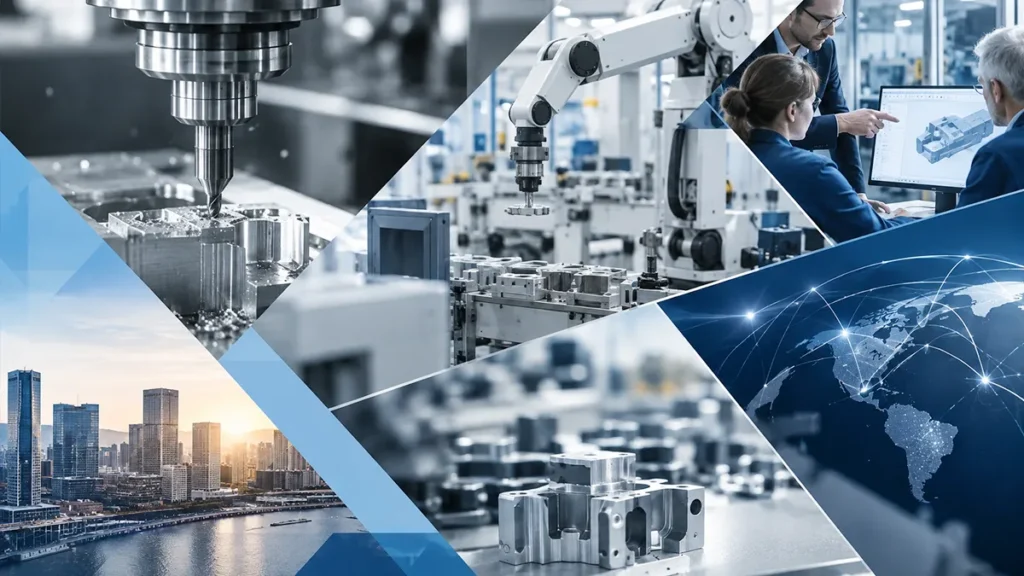
工場の状況は決して単純化されていません。AIを活用した品質管理、頻繁に途切れるサプライチェーン、クラウドプラットフォームとの連携を想定していなかったOTシステム――未解決の問題は増え続けています。 従来のERPは調達業務を処理します。しかし、午前3時にエラーコードを吐き出すPLCの対応まではできません。本記事では、このギャップを実際に解消しようとしている7社のベンダーと、自社の業務に最適なベンダーを見極める方法について解説します。.
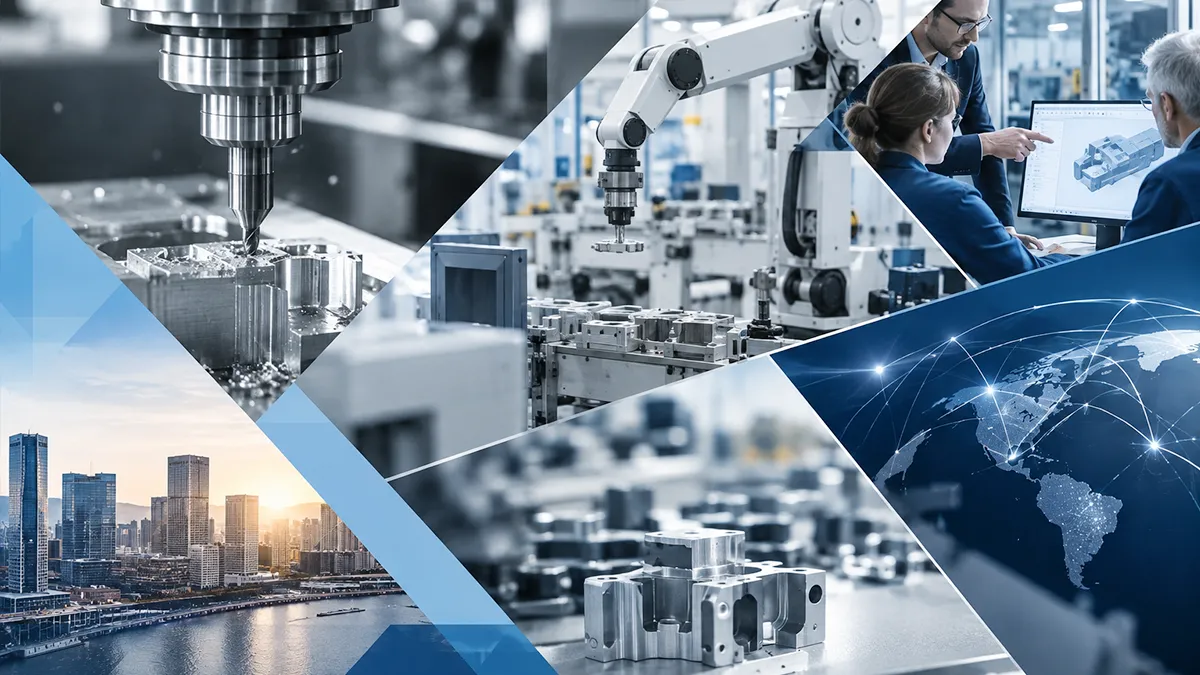
メーカーがようやくアップグレードに乗り出す背景とは
状況を一変させた4つの要因
長年にわたり、「デジタルトランスフォーメーション」といえば、たいていはスライド資料上の話に過ぎませんでした。しかし、今は違います。.
- OTとITの融合は、もはや避けられないものとなっています。. SCADAシステム、MESプラットフォーム、ERP、そしてIoTセンサーは、リアルタイムでデータを共有することが求められています。しかし、ほとんどの工場で稼働しているインフラは、そのための設計がなされていません。このギャップを埋めるには、相当な労力が必要です。.
- ランサムウェアの被害は、他のどの業界よりも製造業に深刻な打撃を与えた。. 2023年に発生した「Cl0p」攻撃は、良い事例と言えます。数十社の産業用サプライヤーが被害を受け、長時間の稼働停止や深刻な経済的損害が生じました。今やゼロトラストは必須の対策です。.
- EUの規制への準拠は、あっという間に複雑化してしまった。. REACH、ELV、EUバッテリーパスポート。欧州のOEMメーカーに製品を供給している場合、材料のトレーサビリティは、エンジニアリング上の重要な課題となっています。.
- AIの格差が顕在化し始めている。. 2023年から2024年にかけて、欠陥検出や予知保全のためにコンピュータビジョンを導入した工場は、より効率的な運営を実現している。導入しなかった工場は、その差を実感しつつある。.
適切なテクノロジーパートナーの選び方
ベンダーを評価する際に本当に重要なこと
能力紹介のプレゼンテーションは省略しましょう。もっと核心を突く質問を投げかけてください:
- OPC-UAとの連携やエッジコンピューティングにも対応しているのでしょうか、それともすべてSaaSのダッシュボードだけなのでしょうか?
- パートナー認定だけでなく、どのような独自のツールを提供しているのでしょうか?
- 実際の顧客事例を用いて、IMDSやELVへの準拠支援を実証することは可能でしょうか?
- 同規模の顧客企業における実際の実装スケジュールはどのようになっていますか?
- 参考となる事例研究には具体的な数値が記載されていますか、それとも単に「効率の向上」とだけ書かれているのでしょうか?
以下のベンダーは、地理的な多様性と実務面での専門性を考慮して選定されました。大手が1社、残りは中堅企業です。中堅企業の方が、より特定の分野に特化していることが多いからです。.
2026年に注目すべき企業
DXCテクノロジー

IT製造分野で45年以上の実績。これは単なるマーケティングの謳い文句ではありません。同社は世界中で300以上のミッションクリティカルな環境を管理しており、その実績を反映した独自のツールを開発してきました。MaCSはコネクテッド・マニュファクチャリングを、IMDSは材料のコンプライアンスを、CDXはサプライチェーン全体にわたるデジタルデータ交換をそれぞれ担当しています。.
実際に実証された成果:KION Groupは、Azureを活用することでハードウェアのプロビジョニング期間を12週間から12時間に短縮しました。あるチタンサプライヤーは、DXCのIoTおよびアナリティクス・スタックを導入することで、四半期ごとに$8.7Mに上る政府からの罰金を解消しました。IDCは同社を「2025年の産業用IoT分野におけるリーダー」に選出しました。 製造サービスに関する詳細はこちら: https://dxc.com/industries/manufacturing
シーメンス・デジタル・インダストリーズ・ソフトウェア
Teamcenter、Opcenter、Xcelerator —— シーメンスは、航空宇宙、自動車、重機業界で数十年にわたり実証されてきた製造向けソフトウェアスタックを構築しました。そのデジタルツイン機能は、現在利用可能なものの中でも最も成熟したもののひとつです。.
2024年にNVIDIAと共同で行った産業用メタバースによる工場シミュレーションは、現実的かつ具体的なものでした。PLMとMESを単一のシステムとして運用する必要がある、複数の拠点を持つ大規模な製造業者に最適です。最もシンプルな選択肢ではありませんが、その深みがまさにポイントです。.
ヘキサゴンAB

スウェーデンを拠点とし、着実かつ真摯な姿勢で事業を展開しています。ヘキサゴンのプラットフォームは、品質管理、計測(PRISMO CMM、ROMER 関節アームシステム)、生産スケジューリング、シミュレーションを網羅しており、これらはすべて「Nexus」環境を通じて連携しています。.
Nexusは、ライフサイクル全体にわたる設計、エンジニアリング、生産データを連携させます。特に、部品の系譜や寸法公差がすべてを左右する航空宇宙分野や精密製造分野において、その強みを発揮します。派手さはありませんが、ヨーロッパの大手防衛・自動車OEM企業のワークフローにおいて、常に活用されています。.
Aras Corporation

航空宇宙、防衛、医療機器、自動車など、複雑さが常態となっている製造業向けのエンタープライズPLM。Arasが他社と一線を画すのはそのアーキテクチャにあります。同社のローコードプラットフォームにより、製造業者はコードベースを分岐させることなくワークフローを構成することができます。.
つまり、アップグレードにかかる期間とコストを削減できるということです。GEエアロスペースとエアバスは、いずれも顧客リストに名を連ねています。Aras Innovatorは100カ国以上で導入されています。価格競争を目指すのではなく、汎用プラットフォームでは対応できない環境において、構成の柔軟性を武器に競争しています。.
Tulipインターフェース

ノーコード、現場重視、迅速な導入。Tulip を使えば、開発者ではなくプロセスエンジニアが、ドラッグ&ドロップのインターフェースを使って、デジタル作業指示書、品質チェックリスト、オペレーター用ダッシュボードを作成できます。PLC、ERP、機械センサーとは、導入直後から連携可能です。.
メドトロニック、ジョンソン・エンド・ジョンソン、JABILなどが導入企業として挙げられます。アナログなプロセスとデジタル化への意欲の間で板挟みになっている中堅メーカーにとって、四半期単位ではなく数週間で稼働させる必要がある場合、このソリューションは最適です。ポジショニングも明快で、実際に効果を上げています。.
クリティカル・マニュファクチャリング

ポルトガルを拠点とし、半導体、電子機器、医療機器の製造に注力しています。これらの業界では、数百にも及ぶ工程にわたって個々の部品を追跡することは、単なる選択肢ではなく、必須の業務なのです。.
CM MESは、より広範なプラットフォームでは一貫して見落とされがちなレベルで、系図管理、SPC、および設備統合に対応しています。あらゆる業種に対応しようとはしていません。アジアやヨーロッパの半導体ファブやティア1の電子機器受託製造業者を中心に、強固な顧客基盤を築いています。対象範囲は限定的ですが、その実行力は高いです。.
日立ヴァンタラ

親会社である株式会社日立製作所は、鉄道車両、エレベーター、電力機器などを製造しています。こうした事業背景は決して偶然のものではなく、日立ヴァンタラが「Lumada」産業用IoTプラットフォームを構築する上で大きな影響を与えています。このプラットフォームは、工場のOTデータを分析やAIワークロードに結びつけるものであり、他社製品に比べてより実践的な基盤を備えています。.
エネルギー、自動車、重工業の分野で導入が進んでいる。ステランティスのコネクテッドファクトリー事業は、具体的かつ実証可能な事例となっている。日本および東南アジアで強みを発揮している。欧州でも、特にエネルギーおよび離散型製造業の分野で拡大している。.
まとめ
ここにあるベンダーのどれひとつとして、すべてのメーカーにとって最適な選択肢というわけではありません。DXCとシーメンスは、エンタープライズ規模で最も充実した知的財産(IP)を提供しています。 HexagonとCritical Manufacturingは、精度、MES、コンプライアンスといった分野に特化して深く掘り下げています。Aras、Tulip、日立は、それぞれ異なる具体的な課題を解決しています。真の問いは、比較表上でどの企業が最も優れているかということではありません。それは、営業トークではなく、実際の工場現場で、過去にあなたの課題を実際に解決したことがあるのはどの企業か、ということです。.
よくあるご質問
生産、品質管理、およびサプライチェーン業務を最適化するためのソフトウェア、サービス、またはプラットフォームを提供するベンダー。これには、MES、PLM、産業用IoT、AI分析、コンプライアンスツールなどが含まれる場合があり、場合によってはこれらすべてを網羅することもある。.
ERPは、財務、調達、計画といった業務プロセスを管理します。MESは、作業指示書、設備、品質検査、トレーサビリティといった現場の管理を行います。これらは連携して機能するように設計されていますが、実際には連携していないことがよくあります。.
OPC-UAプロトコルの対応状況、IATF 16949への準拠状況、あるいは多品種少量生産環境におけるプロセス系譜の取り扱いについて質問してみてください。曖昧な回答や、営業資料に話を戻そうとする態度は、確かな兆候となります。.
コンピュータビジョンによる欠陥検出、回転機器の予知保全、需要予測といった用途であれば――その通りです。実績も確認されています。しかし、具体的なユースケースを伴わない一般的な「AI変革」の売り込みに対しては、懐疑的な態度をとるのが妥当でしょう。.
工場現場のシステム(PLC、SCADA、CNC工作機械)をクラウドプラットフォーム、分析ツール、ERPに接続し、リアルタイムのデータを共有できるようにする。これが適切に機能すれば、得られる可視性は実に有用だ。しかし、うまく機能しない場合、誰も信頼しないダッシュボードが出来上がってしまう。.





 JA
JA  EN
EN  ES
ES  FR
FR  DE
DE  IT
IT  PT
PT  NL
NL  PL
PL  AR
AR  KO
KO  ZH
ZH