


في التصنيع الآلي باستخدام الحاسب الآلي، يعد اختيار سائل القطع بشكل صحيح أمرًا بالغ الأهمية لضمان كفاءة وجودة وسلامة عمليات التشغيل الآلي. لا تقوم سوائل القطع، والمعروفة أيضًا باسم "سائل التبريد" أو "سائل تشغيل المعادن" أو "سائل التشغيل الآلي"، بتشحيم منطقة القطع وتبريدها فحسب، بل تساعد أيضًا على إزالة البُرادة ومنع ارتفاع درجة حرارة الماكينة وتآكلها.
ستوضح هذه المقالة بالتفصيل التصنيفات والخصائص الأساسية لسائل التبريد، وتستكشف كيفية اختيار سائل القطع الأنسب بناءً على أنواع المواد المختلفة وعمليات التشغيل الآلي لتحسين أداء الماكينات وإطالة عمر الأداة وتقليل تكاليف التصنيع الآلي. نأمل أن يساعد ذلك الشغوفين بالتصنيع الآلي باستخدام الحاسب الآلي.
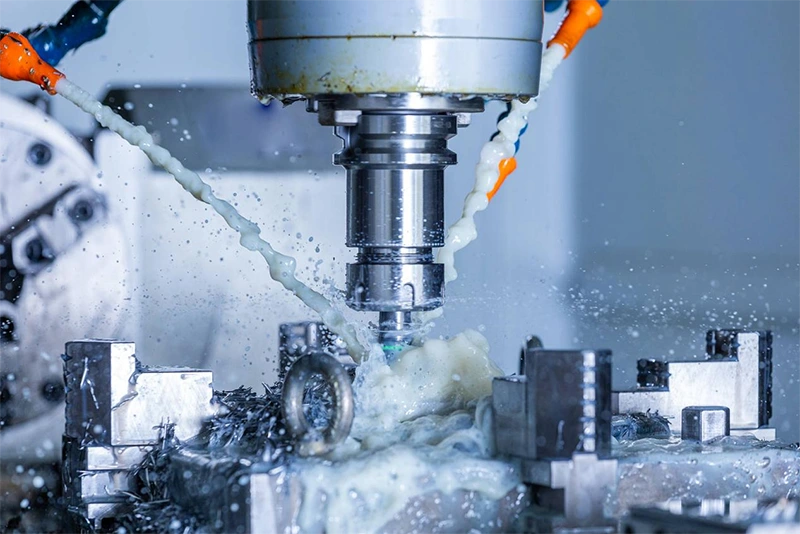
التصنيفات الأساسية لسوائل القطع
تشمل سوائل القطع السائدة بشكل أساسي الأنواع التالية، ومن الضروري فهم خصائص كل منها قبل الاستخدام.
(1) مستحلب (سائل قطع ذو أساس مائي)
يتكون بشكل أساسي من الماء والزيت المستحلب ومضافات مختلفة. تشمل مزايا سائل التبريد هذا التكلفة المنخفضة وأداء التبريد الجيد، وهو مناسب بشكل خاص لعمليات التصنيع الآلي التي تتطلب تبديدًا كبيرًا للحرارة. ومع ذلك، فإن له أيضًا عيوبًا، مثل كونه عرضة لنمو البكتيريا والتآكل العالي، مما يستلزم رقابة صارمة وصيانة دورية أثناء الاستخدام.
(2) سائل اصطناعي بالكامل
سائل قطع لا يحتوي على زيوت بترولية، ويتكون أساسًا من إضافات كيميائية متنوعة. وتشمل مزاياه الرئيسية التبريد الممتاز (وغالبًا ما يُصنف وفقًا لمعايير صناعية مثل ASTM D2881 [1]) وأداء التشحيم ومقاومة نمو البكتيريا، مما يجعلها تحظى بشعبية كبيرة في التطبيقات التي تتطلب بيئات تصنيع عالية النظافة. ومع ذلك، فإن السوائل الاصطناعية بالكامل باهظة الثمن نسبيًا، وقد تكون بعض مكوناتها الكيميائية مسببة للتآكل في الماكينة.
(3) سائل شبه اصطناعي
يقع بين السائل المستحلب والسائل الاصطناعي بالكامل، ويحتوي على نسبة معينة من قاعدة زيت البترول والماء. يجمع هذا المبرد بين تأثير التبريد الخاص بالمستحلب والتشحيم الخاص بالسائل الاصطناعي بالكامل، محاولاً تحقيق التوازن بين المزايا. ومع ذلك، يجب الانتباه إلى قابليته للتآكل والتآكل. قد يؤثر ذلك على قابليته للتطبيق في بيئات تصنيع معينة.
(4) زيت القطع المستقيم (سائل قطع ذو أساس زيتي)
يُصنع بشكل أساسي من الزيت المعدني أو الزيت النباتي، وهو خالٍ تمامًا من الماء، مما يوفر قدرة تزييت فائقة ويمنع التصاق قطعة العمل التآكل والصدأ. وهذا يجعله مناسبًا بشكل خاص لعمليات التصنيع التي تتطلب تزييتًا عاليًا. ومع ذلك، فإن السعة الحرارية لزيت القطع المستقيم منخفضة نسبيًّا، كما أن تأثيره التبريدي ليس بنفس كفاءة سوائل القطع ذات الأساس المائي، وهو ما قد يشكل عائقًا في عمليات التصنيع عالية السرعة أو التي تتسم بدرجات حرارة عالية.
(5) زيت قابل للذوبان:
هذا هو المادة الأولية المركزة ذات الأساس الزيتي التي تشكل المستحلبات المذكورة في الفئة (1). وعادةً ما تحتوي على نسبة عالية من الزيوت المعدنية (غالبًا ما تتراوح بين 50 و80%)، مما يوفر قدرة تزييت فائقة لتلبية احتياجات المعالجة الآلية الشاقة. ومع ذلك، يتطلب استخدام الزيت القابل للذوبان مراقبة صارمة لنسبة التخفيف وجودة المياه لمنع التآكل ونمو البكتيريا، مما يضمن سلامة وكفاءة عملية التصنيع.
بعد الفهم الواضح لخصائص سوائل التشغيل الآلي المختلفة، يمكننا اختيار سائل تشغيل المعادن المناسب للمواد والعمليات المختلفة لتحسين أداء التشغيل الآلي.
سوائل القطع المناسبة للمواد المختلفة
يعد اختيار سائل التبريد المناسب أمرًا حاسمًا لضمان كفاءة التصنيع الآلي وجودة عالية، حيث تتطلب المواد المختلفة سوائل قطع مختلفة.
(1) المعادن الخفيفة مثل الألومنيوم
نظرًا لطبيعتها اللينة واللزجة وميلها إلى الالتصاق بأداة القطع (مما يتسبب في تراكم البقايا على حافة الأداة)، نوصي باستخدام سائل قطع مائي يتميز بقدرة تبريد عالية ولزوجة منخفضة. يعمل سائل المعالجة هذا على منع تراكم البقايا على الأداة بشكل فعال، مما يقلل الاحتكاك أثناء المعالجة، ويمنع ارتفاع درجة الحرارة، ويضمن الحصول على سطح نهائي أملس.
(2) المواد التي يصعب التعامل معها مثل الفولاذ المقاوم للصدأ
نظرًا لأن القوة والمتانة العاليتين للفولاذ المقاوم للصدأ قد تتسببان في تآكل شديد للأدوات، فإن استخدام سوائل تشغيل المعادن المزودة بمضافات الضغط الفائق (EP) يعد أمرًا بالغ الأهمية. حيث تشكل هذه المضافات طبقة واقية على سطح التلامس بين الأداة وقطعة العمل، مما يقلل من التآكل والالتصاق، ويحسن كفاءة القطع.
(3) النحاس وسبائكه
يجب استخدام سوائل القطع التي تمنع تغير لون السطح وتآكل قطعة العمل. النحاس ناعم نسبيًا وعرضة للالتصاق أثناء التشغيل الآلي. يمكن أن يؤدي اختيار سوائل التبريد التي تحتوي على نسبة منخفضة من الكبريت أو لا تحتوي على الكبريت إلى تجنب البقع السوداء وغيرها من تفاعلات الأكسدة على سطح الماكينة مع الحفاظ على اللون الأصلي وبريق النحاس.
(4) مواد سبائك التيتانيوم
ونظراً لقوة سبائك التيتانيوم العالية والتوصيل الحراري المنخفض، يوصى باستخدام سوائل القطع المصممة خصيصاً للسبائك ذات درجة الحرارة العالية، والتي تحتوي عادةً على مكونات تشحيم وتبريد فعالة. توفر المبردات المناسبة تشحيمًا جيدًا، وتقلل من حرارة الاحتكاك، وتمنع التفاعلات الكيميائية والالتصاق بشكل فعال، مما يطيل من عمر الأداة.
(5) السبائك ذات درجة الحرارة العالية مثل السبائك القائمة على النيكل والكوبالت
تولد هذه المواد كمية كبيرة من الحرارة أثناء القطع بسبب مقاومتها للحرارة و صلابة عالية. عند تصنيع هذه المواد، يُوصى بشدة باستخدام سوائل قطع مقاومة للضغط الشديد، مُركَّبة من مركبات الكبريت أو الفوسفور غير النشطة، والتي تشكل طبقة واقية في درجات الحرارة المرتفعة، مما يقلل من الاحتكاك والتآكل. بالإضافة إلى ذلك، يلزم توفير أداء تبريد ممتاز، وهو ما يستلزم غالبًا استخدام أنظمة سوائل التبريد عالية الضغط (HPC) التي تعمل بضغط يتراوح بين 70 و100 بار [2] للتغلب على حاجز البخار الحراري.
كل مادة لها خصائصها الفيزيائية والكيميائية الفريدة، ويمكن أن يؤدي اختيار سائل التبريد الأنسب إلى تعزيز كفاءة التصنيع والجودة مع زيادة عمر الماكينات والأدوات إلى أقصى حد.
سوائل القطع المناسبة للعمليات المختلفة
كما أن الأنواع المختلفة من عمليات التصنيع الآلي لها متطلبات محددة لاختيار سوائل الأشغال المعدنية، بما في ذلك التبريد والتشحيم وإزالة البُرادة والجوانب المضادة للتآكل.
(1) عمليات الدوران
غالبًا ما تتضمن إزالة المواد باستمرار، مما يتطلب سوائل قطع ذات أداء تبريد وتزييت جيد لحماية الأدوات وقطع العمل. عند خراطة الفولاذ أو السبائك الصلبة، يمكن أن يوفر اختيار سوائل الماكينات القائمة على الزيت مع إضافات الضغط الشديد تشحيمًا إضافيًا، مما يقلل من توليد الحرارة والتآكل. بالنسبة للألومنيوم أو المعادن غير الحديدية الأخرى، ينصب التركيز على قدرة التبريد لسائل القطع لمنع التصاق المواد بالأداة.
(2) عمليات الطحن
تتضمن مسارات أدوات أكثر تعقيدًا وقطعًا متعدد النقاط، مما يتطلب استخدام سوائل القطع لتوفير أداء ممتاز في التبريد وإزالة البرادة. عند تصنيع المواد الصعبة المعالجة مثل الفولاذ المقاوم للصدأ أو السبائك عالية الحرارة، يمكن لسوائل القطع عالية الأداء، سواء كانت اصطناعية بالكامل أو شبه اصطناعية، أن تقلل بشكل فعال من تآكل الأدوات والتشوه الحراري الشديد لقطعة العمل. كما أنها تحافظ على درجات حرارة منخفضة في منطقة القطع، مما يحسن دقة التصنيع.
(3) عمليات الحفر
يتطلب حفر الثقوب العميقة استخدام سوائل التصنيع لتخترق قاع الثقب من أجل توفير التزييت والتبريد. تساعد سوائل القطع الفعالة على إزالة البرادة بسرعة، ومنع الانسداد وارتفاع درجة الحرارة، وتجنب تلف جدران الثقب وعدم دقة الأبعاد. بالنسبة لحفر الثقوب العميقة، يُعد استخدام سوائل القطع المائية ذات اللزوجة المنخفضة والقدرة العالية على التبريد مناسبًا بشكل خاص، لأن هذه السوائل يمكنها اختراق الثقوب الصغيرة والمساحات الضيقة بسهولة.
(4) عمليات الطحن
تنتج هذه العملية حرارة كبيرة، مما يتطلب استخدام سوائل قطع ذات أداء تبريد ممتاز لمنع ارتفاع درجة حرارة قطعة العمل والتلف الحراري. وعادةً ما تُفضل سوائل القطع ذات الأساس المائي لأنها قادرة على امتصاص الحرارة وتوصيلها بسرعة، مما يحافظ على درجات حرارة منخفضة في منطقة الطحن. بالإضافة إلى ذلك، فإن القدرة العالية على التنظيف (قدرة الشطف) ضرورية للغاية لإزالة البرادة المجهرية، ومنع انسداد عجلة الطحن، وتحسين جودة تشطيب السطح.
وباختصار، لا يؤدي اختيار سائل التبريد المناسب إلى تحسين كفاءة الماكينات وجودتها فحسب، بل يؤدي أيضًا إلى إطالة عمر الماكينات والأدوات. وهذا يضمن السلامة التشغيلية وتعظيم الفوائد الاقتصادية.
احتياطات استخدام سوائل القطع
عند اختيار سوائل القطع، من الضروري النظر بشكل شامل في أدائها وسلامتها وتأثيرها البيئي لتحقيق أقصى قدر من الفعالية من حيث التكلفة.
(1) حماية البيئة
يتزايد التأكيد على حماية البيئة، مما يجعل سوائل القطع الصديقة للبيئة موضوعًا مهمًا. تُصنع سوائل القطع الصديقة للبيئة بشكل أساسي من مواد قابلة للتحلل الحيوي، مما يقلل من التلوث البيئي. وبالإضافة إلى ذلك، لا تحتوي سوائل القطع هذه عادةً على مواد كيميائية ضارة، مما يقلل من صعوبة وتكلفة معالجة سوائل النفايات. ويساعد استخدام سوائل القطع الصديقة للبيئة الشركات على الامتثال للوائح البيئية الصارمة بشكل متزايد ويعزز صورة علامتها التجارية الخضراء.
(2) السلامة
تعد السلامة عاملاً لا غنى عنه في بيئة العمل، لا سيما عند استخدام سوائل القطع. قد تحتوي سوائل القطع التقليدية على مواد كيميائية ضارة مثل الكبريتات والكلور والمعادن الثقيلة، والتي يمكن أن تسبب تهيجًا في الجلد ومشاكل في الجهاز التنفسي ومشاكل صحية أكثر خطورة. لذلك، يجب اختيار سوائل قطع منخفضة السمية أو غير سامة، والحفاظ على تركيزات الرذاذ المتطاير في الهواء أقل بكثير من الحد الأقصى الذي حدده المعهد الوطني للسلامة والصحة المهنية (NIOSH) وهو 0.4 ملغ/م³ [3] وهو أمر أساسي لحماية صحة المشغلين، والحد من المخاطر الصحية، وتوفير بيئة عمل أكثر أمانًا لهم.
(3) الاقتصاد
من الناحية الاقتصادية، يُعد اختيار سائل القطع المناسب أمراً بالغ الأهمية للتحكم في تكاليف الإنتاج. وقد تكون تكاليف الشراء الأولية لسوائل التصنيع الصديقة للبيئة وذات الأداء العالي أعلى. لكن على المدى الطويل، يمكنها أن تخفض التكاليف التشغيلية الإجمالية بشكل كبير من خلال تقليل تآكل الأدوات، وتحسين كفاءة الماكينات، وخفض رسوم التخلص من النفايات. بالإضافة إلى ذلك، يمكن أن يؤدي استخدام سوائل تشغيل الآلات عالية الجودة إلى إطالة عمر المعدات، وتقليل انقطاعات الإنتاج، وتحسين تكاليف الإنتاج بشكل أكبر.
الملخص
تناقش هذه المقالة بشكل شامل أنواع سوائل التبريد ومعايير اختيارها لمختلف المواد وعمليات التصنيع الآلي. بدءًا من المستحلبات إلى السوائل الاصطناعية بالكامل، لكل سائل قطع مزاياه الفريدة والسيناريوهات القابلة للتطبيق، مما يوفر التبريد الأمثل والتشحيم والتأثيرات المضادة للتآكل لمواد محددة واحتياجات التصنيع الآلي مع التركيز أيضًا على الاعتبارات البيئية والسلامة والاعتبارات الاقتصادية.
من خلال الاختيار الدقيق واستخدام سوائل القطع المناسبة، فإن المنشآت التي تقدم خدمات تصنيع مخصصة باستخدام الحاسب الآلي (CNC) يمكن أن تسهم في تحسين كفاءة التصنيع وجودة المنتج، وضمان بيئة تشغيل آمنة، وتحسين تكاليف الإنتاج، مما يحقق إنتاجًا فعالاً واقتصاديًا ومستدامًا.
المرجع
[1] ASTM International. (2019). المعيار ASTM D2881-19: التصنيف القياسي لسوائل تشغيل المعادن والمواد ذات الصلة. https://doi.org/10.1520/D2881-19
[2] رايكار، س. ج.، ودا دونا، د. م. (2019). النمذجة الحرارية لتوزيع درجة حرارة الأداة أثناء عملية الخراطة بمساعدة سائل التبريد عالي الضغط لمادة إنكونيل 718. مجلة «المواد»، 12(3)، 408. https://doi.org/10.3390/ma12030408
[3] المعهد الوطني للسلامة والصحة المهنية (NIOSH). (1998). معايير المعيار الموصى به: التعرض المهني لسوائل تشغيل المعادن. مراكز السيطرة على الأمراض والوقاية منها (CDC). https://stacks.cdc.gov/view/cdc/5175



 AR
AR  EN
EN  ES
ES  FR
FR  DE
DE  IT
IT  PT
PT  NL
NL  PL
PL  JA
JA  KO
KO  ZH
ZH