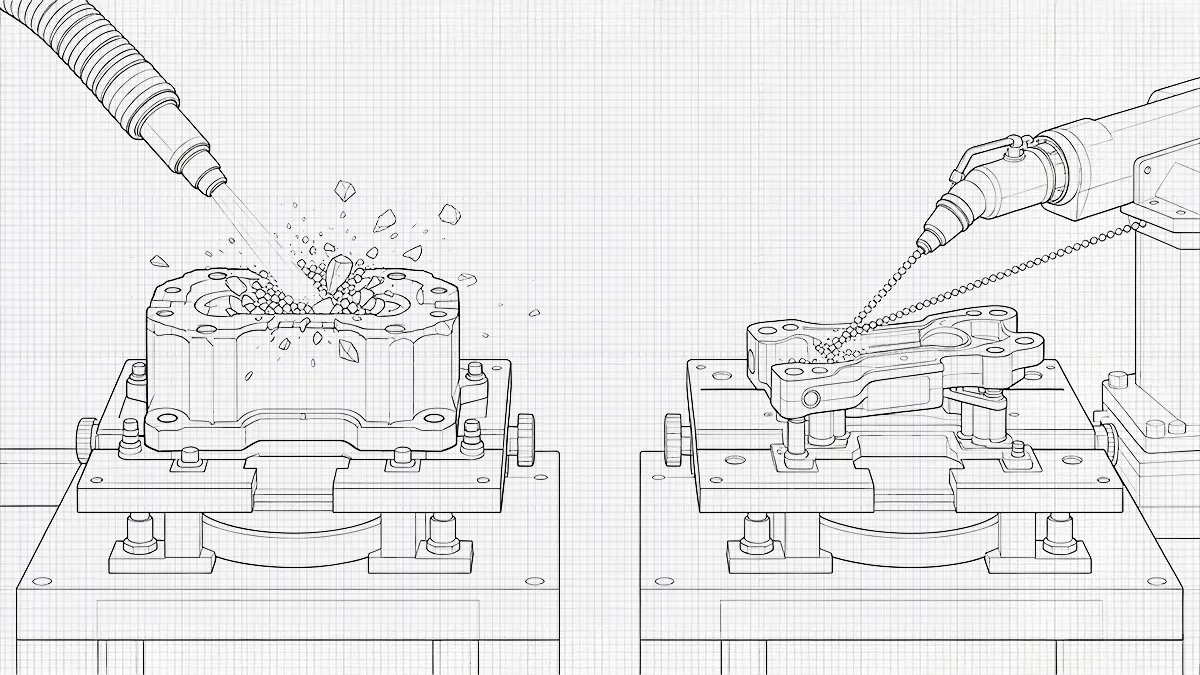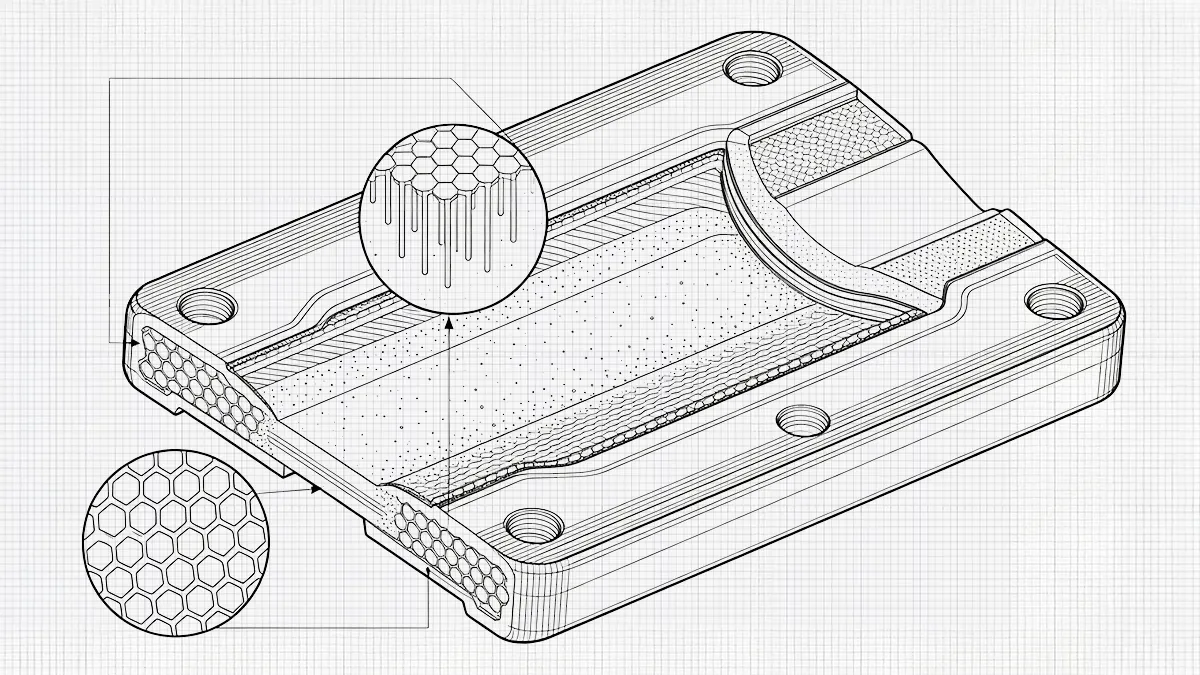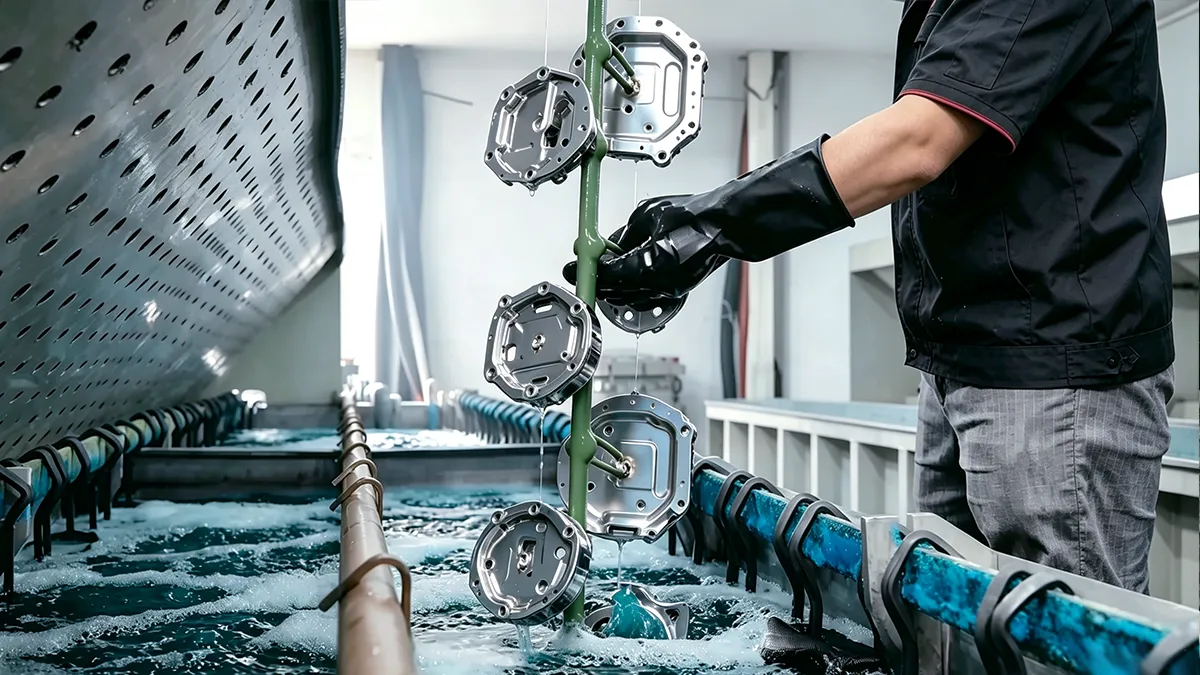
在 数控加工要确保加工操作的效率、质量和安全,正确选择切削液至关重要。切削液又称 "冷却液"、"金属加工液 "或 "加工液",不仅能润滑和冷却切削区域,还能帮助清除切屑,防止机械过热和磨损。
本文将详细介绍冷却液的基本分类和特性,探讨如何根据不同的材料类型和加工操作选择最合适的切削液,以优化加工性能、延长刀具寿命并降低成本。 加工成本.我们希望这能帮助那些热衷于数控加工的人。
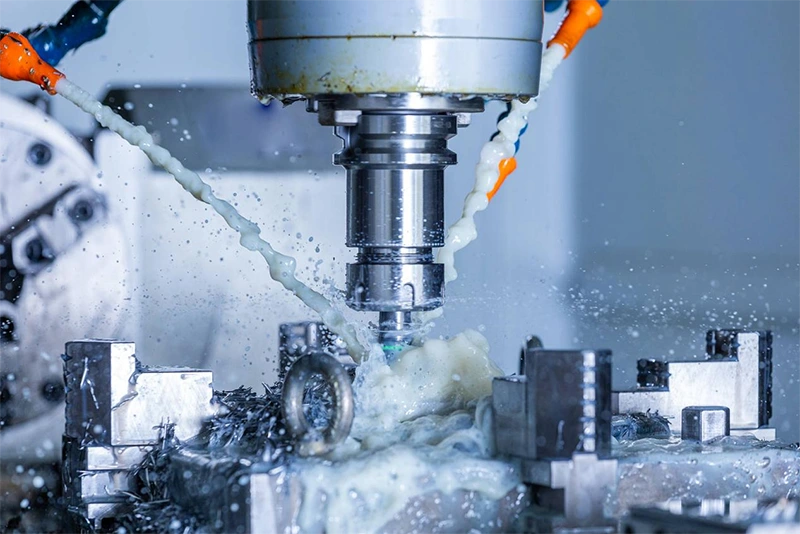
切削液的基本分类
主流切削液主要包括以下几种类型,在使用前必须了解每种切削液的特性。
(1) 乳化液(水基切削液)
主要由水、乳化油和各种添加剂组成。这种冷却剂的优点是成本低、冷却性能好,尤其适用于需要大量散热的加工操作。但它也有缺点,如容易滋生细菌和腐蚀性强,因此在使用过程中需要严格控制和定期维护。
(2) 全合成润滑油
Cutting fluid without petroleum oil base, primarily composed of various chemical additives. Its main advantages include excellent cooling (often classified under industry standards like ASTM D2881 [1]) and lubrication performance and resistance to bacterial growth, making it very popular in applications requiring highly clean machining environments. However, fully synthetic fluids are relatively expensive, and some chemical components may be corrosive to the machine.
(3) 半合成流体
介于乳化液和全合成液之间,含有一定比例的石油基和水。这种冷却液兼具乳化液的冷却效果和全合成液的润滑性,试图平衡两者的优点。不过,我们必须注意其生物稳定性和腐蚀性。这可能会影响其在某些加工环境中的适用性。
(4) 直切削油(油基切削液)
Mainly made from mineral oil or vegetable oil and is completely water-free, thus providing superior lubricity and preventing workpiece corrosion and rust. This makes it particularly suitable for machining operations requiring high lubrication. However, the heat capacity of straight-cutting oil is relatively low, and its cooling effect is not as good as water-based cutting fluids, which may be a limitation in high-speed or high-temperature machining.
(5) 可溶性油:
This is the concentrated oil-based precursor that forms the emulsions discussed in category (1). It typically contains a high mineral oil content (often 50-80%), providing superior lubricity for heavy-duty machining needs. However, the use of soluble oil requires strict control of the dilution ratio and water quality to prevent corrosion and bacterial growth, ensuring the safety and efficiency of the machining process.
在清楚了解不同加工液的特性后,我们就可以针对不同的材料和操作选择合适的金属加工液,从而优化加工性能。
适用于不同材料的切割液
由于不同的材料需要不同的切削液,因此选择正确的冷却液对于确保高效和高质量的加工至关重要。
(1) 铝等轻金属
Due to its soft, gummy nature and tendency to adhere to the cutting tool (causing Built-Up Edge), we recommend using a water-based cutting fluid with high cooling capacity and low viscosity. This machining fluid effectively prevents chip buildup on the tool, reducing friction during machining, preventing overheating, and ensuring a smooth surface finish.
(2) 不锈钢等难加工材料
Because stainless steel’s high strength and toughness can cause severe tool wear, utilizing metalworking fluids with extreme pressure (EP) additives is crucial. These additives form a protective film on the contact surface between the tool and the workpiece, reducing wear and welding, and improving cutting efficiency.
(3) 铜及其合金
应使用可防止工件表面变色和腐蚀的切削液。铜相对较软,在加工过程中容易粘附。选择含硫量低或不含硫的冷却液可避免加工表面出现黑斑和其他氧化反应,同时保持铜的原有色泽。
(4) 钛合金材料
由于钛合金强度高、导热率低,建议使用专为高温合金设计的切削液,通常含有高效润滑和冷却成分。合适的冷却液可提供良好的润滑,减少摩擦热,并有效防止化学反应和粘附,延长刀具寿命。
(5) 高温合金,如镍基合金和钴基合金
These materials generate a lot of heat during cutting due to their heat resistance and high hardness. When machining these materials, it is highly recommended to use extreme pressure cutting fluids formulated with inactive sulfur or phosphorus compounds, which form a protective film under high temperatures, reducing friction and wear. Additionally, excellent cooling performance is required, often necessitating High-Pressure Coolant (HPC) systems operating at 70 to 100 bar [2] to overcome the thermal vapor barrier.
每种材料都有其独特的物理和化学特性,选择最合适的冷却液可以提高加工效率和质量,同时最大限度地延长机床和工具的使用寿命。
适合不同作业的切削液
不同类型的加工操作对金属加工液的选择也有特定要求,涉及冷却、润滑、排屑和防腐蚀等方面。
(1) 转弯作业
车削加工通常需要连续去除材料,因此要求切削液具有良好的冷却和润滑性能,以保护刀具和工件。在车削钢或硬质合金时,选择含有极压添加剂的油基加工液可以提供额外的润滑,减少发热和磨损。对于铝或其他有色金属,重点在于切削液的冷却能力,以防止材料附着在工具上。
(2) 碾磨作业
Involves more complex tool paths and multi-point cutting, requiring cutting fluids to provide excellent cooling and chip removal performance. When machining hard-to-machine materials such as stainless steel or high-temperature alloys, high-performance fully synthetic, or semi-synthetic cutting fluids can effectively reduce tool wear and severe thermal distortion of the workpiece. They maintain low temperatures in the cutting area, improving machining accuracy.
(3) 钻井作业
Deep hole drilling requires machining fluids to penetrate the hole bottom to provide lubrication and cooling. Efficient cutting fluids help quickly remove chips, prevent clogging and overheating, and avoid damage to the hole wall and dimensional inaccuracies. For deep hole drilling, using low-viscosity and high-cooling water-based cutting fluids is especially suitable because these fluids can easily penetrate small holes and narrow spaces.
(4) Grinding Operations
Generates significant heat, requiring cutting fluids with excellent cooling performance to prevent workpiece overheating and thermal damage. Water-based cutting fluids are usually preferred because they can quickly absorb and conduct heat, maintaining low temperatures in the grinding area. Additionally, high detergency (flushing capability) is strictly necessary to wash away microscopic swarf, prevent grinding wheel loading, and improve surface finish quality.
总之,选择合适的冷却液不仅能提高加工效率和质量,还能延长机床和工具的使用寿命。这样既能确保操作安全,又能实现经济效益最大化。
使用切削液的注意事项
在选择切削液时,有必要全面考虑其性能、安全性和对环境的影响,以最大限度地提高成本效益。
(1) 环境保护
环境保护日益受到重视,因此环保型切削液成为一个重要课题。环保型切削液主要由可生物降解材料制成,可减少对环境的污染。此外,这些切削液通常不含有害化学物质,从而降低了废液处理的难度和成本。使用环保型切削液有助于企业遵守日益严格的环境法规,并提升其绿色品牌形象。
(2) 安全
Safety is an indispensable factor in the work environment, especially when cutting fluids are involved. Traditional cutting fluids may contain harmful chemicals such as sulfates, chlorine, and heavy metals, which can cause skin irritation, respiratory problems, and more serious health issues. Therefore, choosing low-toxicity or non-toxic cutting fluids and maintaining airborne mist concentrations strictly below the NIOSH limit of 0.4 mg/m³ [3] is key to protecting operator health, reducing health risks, and providing a safer working environment for operators.
(3) 经济
From an economic perspective, choosing the right cutting fluid is crucial for controlling production costs. Environmentally friendly and high-performance machining fluids may have higher initial purchase costs. But, in the long run, they can significantly lower overall operational costs by reducing tool wear, improving machine efficiency, and lowering waste disposal fees. Additionally, using high-quality metalworking fluids can extend equipment life, reduce production interruptions, and further optimize production costs.
摘要
本文全面讨论了冷却液的类型及其针对不同材料和加工操作的选择标准。从乳化液到全合成液,每种切削液都有其独特的优势和适用情况,可针对特定材料和加工需求提供最佳冷却、润滑和防腐蚀效果,同时还注重环境、安全和经济因素。
Through precise selection and application of suitable cutting fluids, facilities providing custom CNC machining services can improve machining efficiency and product quality, ensure a safe operating environment, and optimize production costs, achieving efficient, economical, and sustainable production.
参考资料
[1] ASTM International. (2019). ASTM D2881-19 Standard Classification for Metalworking Fluids and Related Materials. https://doi.org/10.1520/D2881-19
[2] Raykar, S. J., & D’Addona, D. M. (2019). Thermal Modeling of Tool Temperature Distribution during High Pressure Coolant Assisted Turning of Inconel 718. Materials, 12(3), 408. https://doi.org/10.3390/ma12030408
[3] National Institute for Occupational Safety and Health (NIOSH). (1998). Criteria for a Recommended Standard: Occupational Exposure to Metalworking Fluids. Centers for Disease Control and Prevention (CDC). https://stacks.cdc.gov/view/cdc/5175