

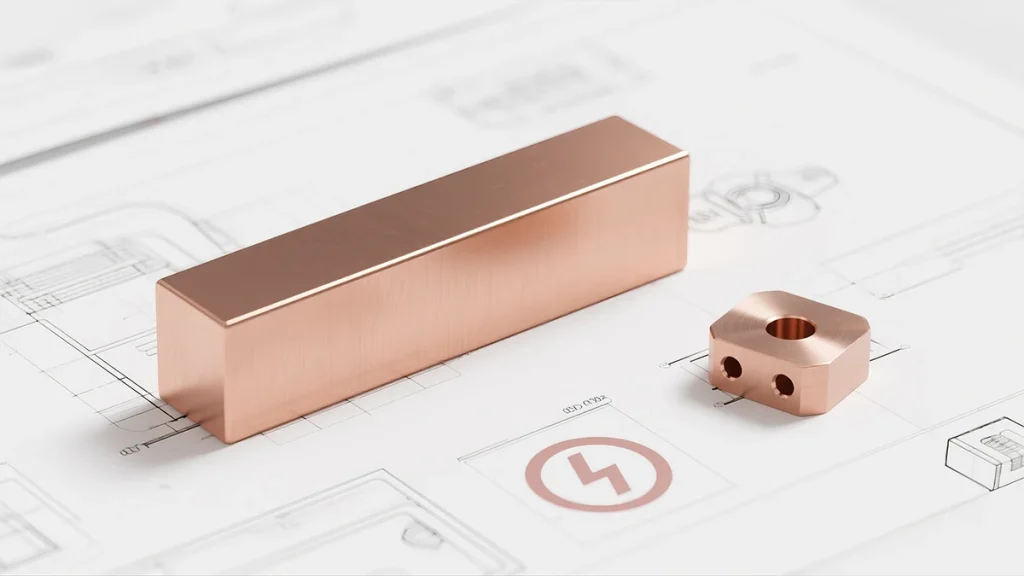
Copper and its alloys have been the mainstay of materials used in the automotive and electrical disciplines. It has excellent traits in thermal and electrical properties. Additionally, it is effective in corrosion protection and has various visible options. Today, copper alloys provide the materials applicable for product design on a new, innovative level. Designers must understand the copper’s properties and limitations, and suitable manufacturing processes. Also, they need to fully understand good finishing and supplier cooperation to use copper in product development.
Why Choose Copper (Alloys)?
1. Electrical and Thermal: Copper has the highest electrical conductivity of any non-precious metal. It is ideal for electrical applications. Key applications are wiring, connectors, and circuit components. Its high thermal conductivity makes it suitable for heat exchangers, radiators, and cookware.
2. Corrosion Resistance: Copper alloys produce a shielding oxide surface, which makes them highly corrosion-resistant, especially in marine and industrial use. Their resistance to corrosion makes brass and bronze the standard materials for plumbing and marine applications. Apart from resistance, they are also durable.
3. Antimicrobial Properties: Copper and its alloys have antimicrobial properties that naturally kill bacteria and viruses. Thus, they are ideal for healthcare, food processing, and the public.
4. Aesthetic Appeal: Copper’s gamut of inherent colors, ranging from bright pink to a greenish patina, supports its popularity. Copper is used in decorative hardware and is increasingly applicable in jewelry parts and luxury consumer markets.
5. Malleability and Workability: Copper’s malleability makes it suitable for elaborate design feature development and even deep-drawing techniques. Brass alloys, which are stronger than pure copper, generally offer good machinability with minimal inconvenience. They are also easy to work with in the production process.
Key Copper Alloys for Designers
| Copper Alloys for Designers | Applications | Advantages | Variations |
|---|---|---|---|
| Brass (Copper + Zinc) | A key component in making decorative pieces, a key component in the manufacture of musical instruments, and a part of components for Fixtures and doorknobs | It has an attractive golden hue, good machinability, and moderate corrosion resistance. | There are variations in Cartridge brass, naval brass, and free-machining brass. |
| Cupronickel (Copper + Nickel) | A key component in making heat exchangers, a key component in the manufacture of coins, and a part of components for marine hardware | It provides high resistance to seawater corrosion, decent strength, and good thermal conductivity. | 90/10 (C70600), 70/30 (C71500) |
| Phosphor Bronze | Used in making Springs, a key component in manufacturing bearings, and part of components for electrical connectors. | It offers high fatigue resistance and exhibits elasticity with good corrosion resistance. | Phosphor Bronze (Copper + Tin + Phosphorus) |
| Beryllium Copper | Used in making non-sparking tools, a key component in the manufacture of aerospace, and a part of components for precision instruments | High strength, fatigue resistance, and electrical conductivity. | |
| Bronze (Copper + Tin) | A key component in making bearings, a key component in the manufacture of fixtures, and a part of components for sculptures | The material has an effective wear resistance. It also has high strength and corrosion resistance in saltwater. |
When To Explore The Parameters Of Alternatives Of Materials
1. Cost: The production cost of using metals like copper and their alloys is often higher than that of alternatives. Because of the increased material costs, the use of copper may not be viable in cost-controlled or high-volume production. Therefore, the value of copper’s unique attributes against the economic consequences should be the priority.
2. Weight: A significant shortcoming of copper is that its high density will yield a heavier component. That is more common for a given size than many common engineering materials. This additional weight may also put such designs at a disadvantage, which seek to minimize mass
3. Mechanical Strength: Copper in its pure form is not strong enough. It also provides inadequate tensile strength for structural or heavy load-bearing operations. Alloying can increase copper’s strength, but it cannot guarantee the same strength as steel or titanium. Therefore, in cases with high mechanical loads where copper alloys may not suffice, designers often need to consider alternative materials with superior strength, carefully balancing performance requirements with economic factors.
4. Colour Stability: Oxidation over time develops a patina on copper. It changes its surface’s appearance and texture. Design professionals must know these color shifts and whether they will adopt or safeguard the old appearance by using coatings.
5. Work Hardening: Successive cold working operations such as bending, drawing, and forming can lead to work hardening of copper alloys. This hardening reduces their ductility and can make further forming difficult or lead to cracking. Unless intermediate annealing takes place, the material’s hardness and resistance to forming will continue to increase with further deformation. Designers need to plan carefully to preserve the capacity of the material under transformation in shape.
Copper and Manufacturing Processes
Product designers find significant advantages in copper’s adaptability in various manufacturing modes.
Casting
Owing to their high fluidity, bronze and brass are especially suitable for castings. Both functional and ornamental objects emerge using sand casting and investment casting techniques. There are excellent approaches to developing objects like sculptures. Others are special for creating door handles and custom architectural accessories.
Forging
Metals such as copper and their alloys increase in strength. Their mechanical strength is crucial for high tolerance to fatigue, wear and tear. Shaping metal involves compressive forces that occur at higher temperatures. It is also commonly applicable for making electrical terminals and mechanical linkages.
Machining
Brass alloys and similar copper materials are manufactured to produce light chips during machining. This also reduces tool damage and increases productivity. The capacity to produce small chips becomes particularly advantageous for manufacturing high-tech parts, including fasteners, valve elements, and fittings. The precision and smooth finish potential make it applicable in situations that demand extraordinary precision and surface quality.
Tips: Comprehensive guide of copper CNC machining.
Sheet Metal Forming
Copper’s superior ductility allows it to transition into several designs through stamping, drawing, and spinning. This versatility allows it to produce practical and aesthetically interesting objects, such as cookware, statement lighting, and architectural finishes. Consequently, low variation in quality occurs through high-volume manufacturing.
Additive Manufacturing
Copper-based additive manufacturing is valuable because it is appropriate for producing components with complex internal structures, including parts such as heat sinks and fluid passages. In the past, copper’s high reflectivity and thermal conductivity have hampered its use in additive manufacturing. However, advances in laser and binder-jet technologies have improved its range. Technological developments continue to change additive manufacturing in copper. The change enables designers to produce innovative, light, and efficient components.
Joining Techniques
Different joining methods, including soldering, brazing, and welding, are applied to copper and its alloys. They have different advantages and procedural requirements. The proper technique for joining copper focuses on the thickness of materials, anticipated loads, and the heat conditions experienced in the finished product. Designers should consider joint design and the compatibility of materials. They should also consider post-processing keys for optimal performance and aesthetics, such as cleaning or finishing.
Surface Finishing Options for Copper
Polishing and Buffing
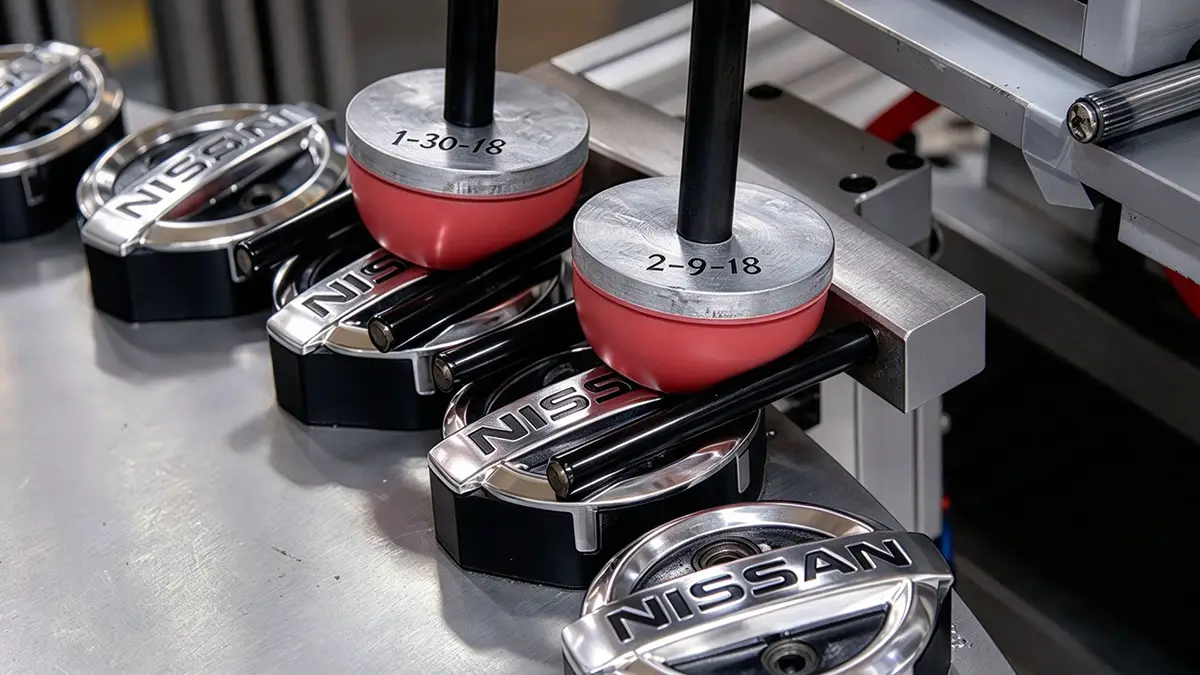
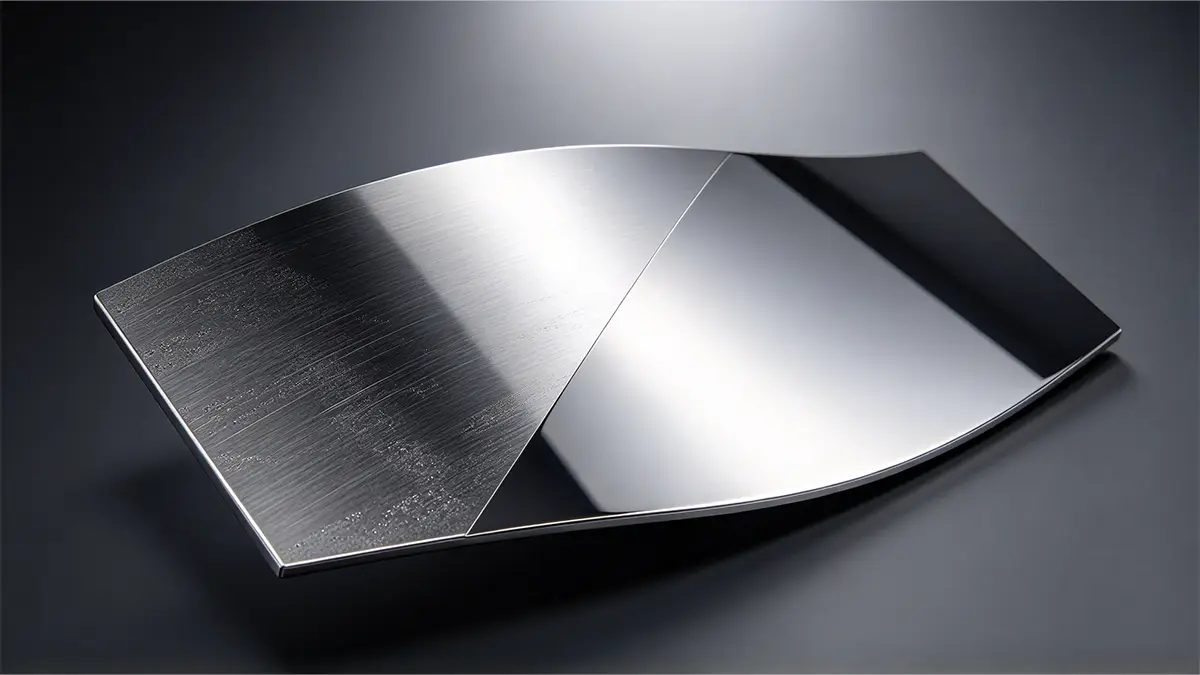
These methods develop into mechanical finishes for copper surfaces. The strategy is often applicable to decorative products. Key among them are lighting fixtures for indoor purposes, home decor, and jewelry products. Copper, as a material, typically includes a transparent protective layer to ensure the finish is attractive.
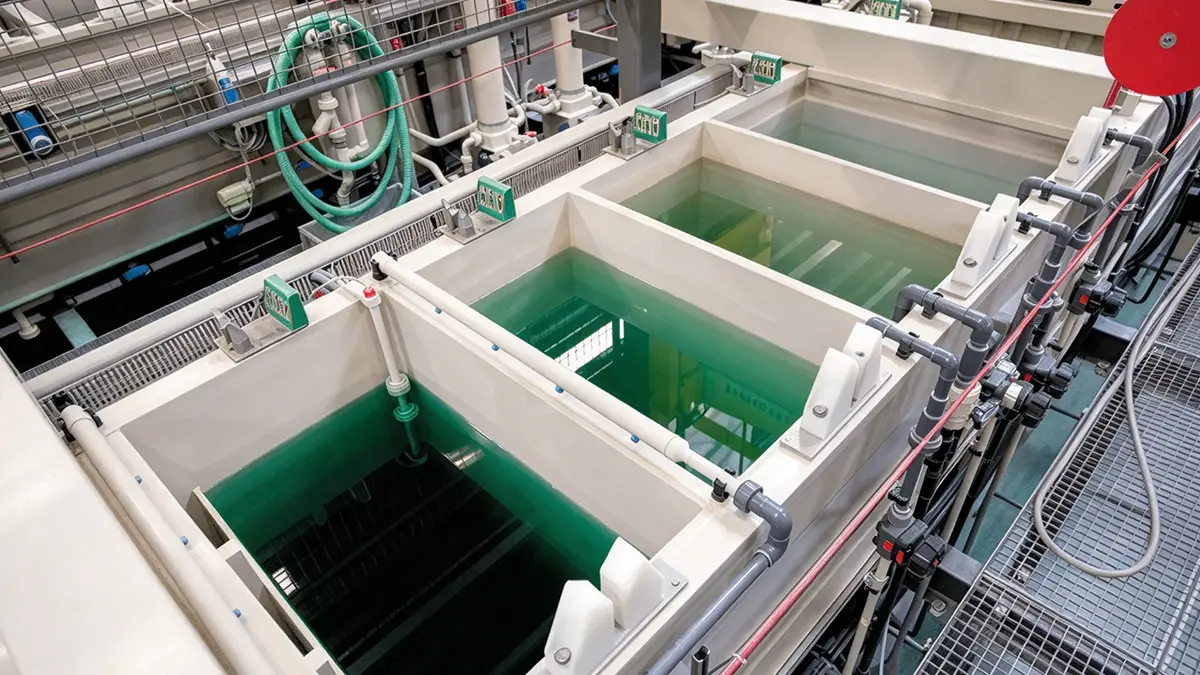
Electroplating
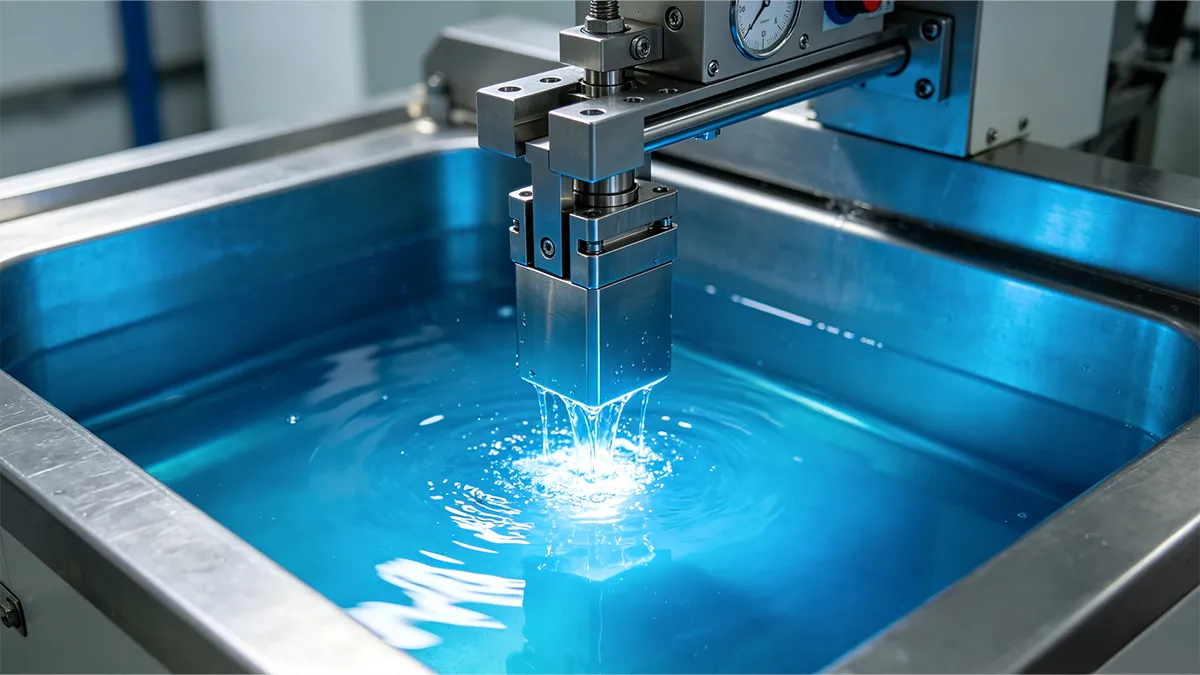
The durability of copper relies on adding chrome, nickel, and gold during electroplating. The technique has wide applications in sanitary hardware, automotive parts, and electronic devices. The designer is empowered to choose from different plating materials, which impact the product’s color and surface finish.
Patination
Patination is an aesthetic choice that applies specific aged or colored looks. It occurs intentionally using chemical methods of aging materials. Designers often choose the finish to create copper surfaces of colors associated with natural oxidation in blues, blacks, and greens. The choice is also to gain an aesthetic sense of artistry or antiquity. The methods are regularly applied in buildings, outdoor sculptures, and reserved design collections.
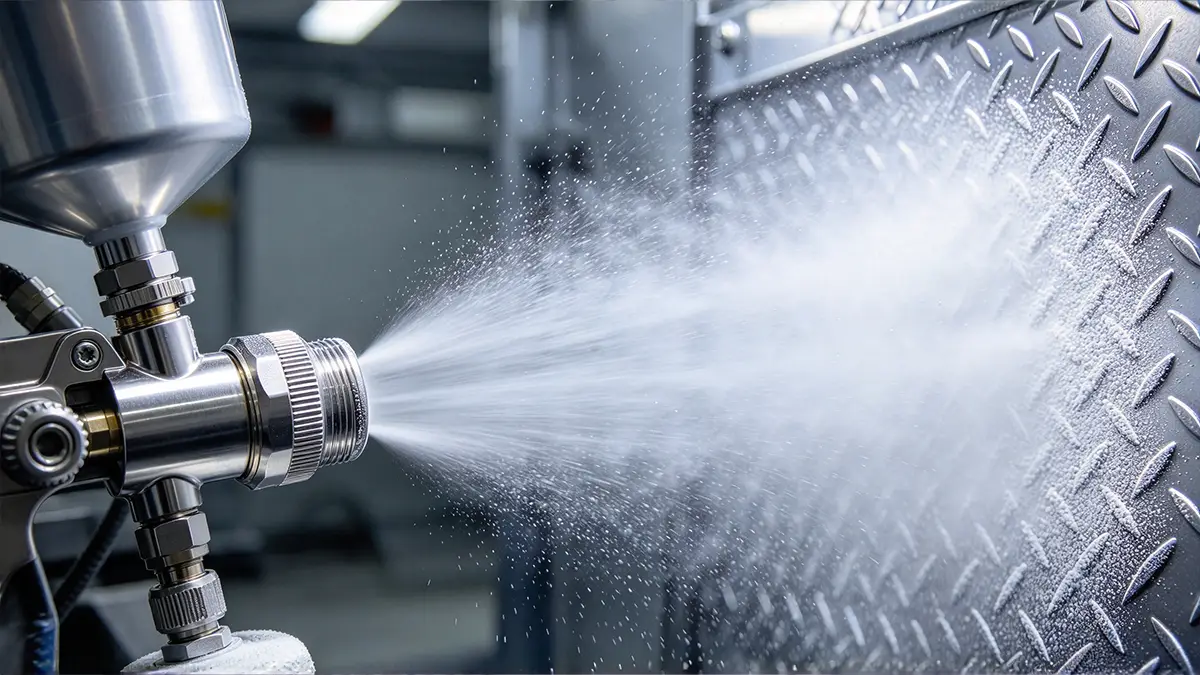
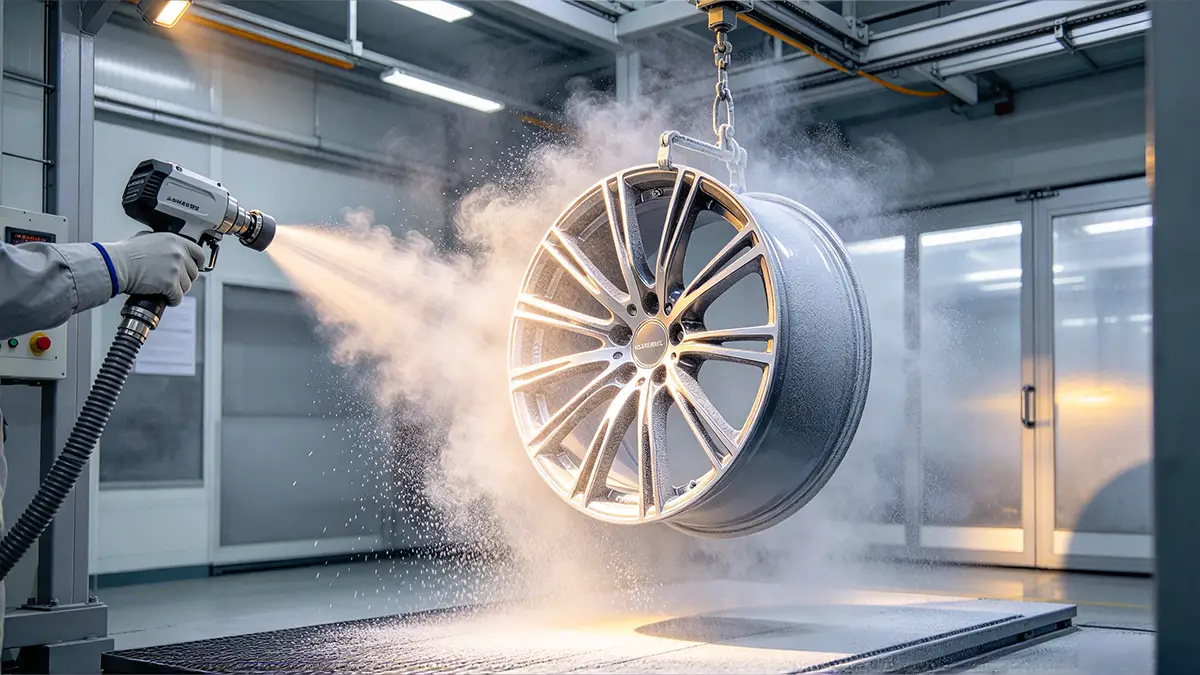
Powder Coating
Powder coating involves coating a dry powder. It is then heated to a cure, leaving a robust, protective encapsulation. By providing plenty of color and finish options, powder coating looks better and can withstand extreme outdoor conditions. The technique is effective for copper attachments exposed to parts or in close contact with users.
Clear Coatings and Lacquers
Copper’s initial appearance remains intact through coatings and lacquers. Such coatings reduce the fatigue of the extract to appear in tarnish and oxidize. That makes them suitable for cases where the aesthetic essence of the product is critical to its maintenance. However, exposure to UV rays for too long and environmental stresses causes a loss of integrity. The impact of this is often the reason they need routine maintenance or a fresh application.
Effective Communication Strategies for Product Designers and Manufacturing Partners
Sensible and transparent communication between design and manufacturing teams is critical to successfully realizing products.
Inclusion of Detailed Technical Drawings and CAD Models
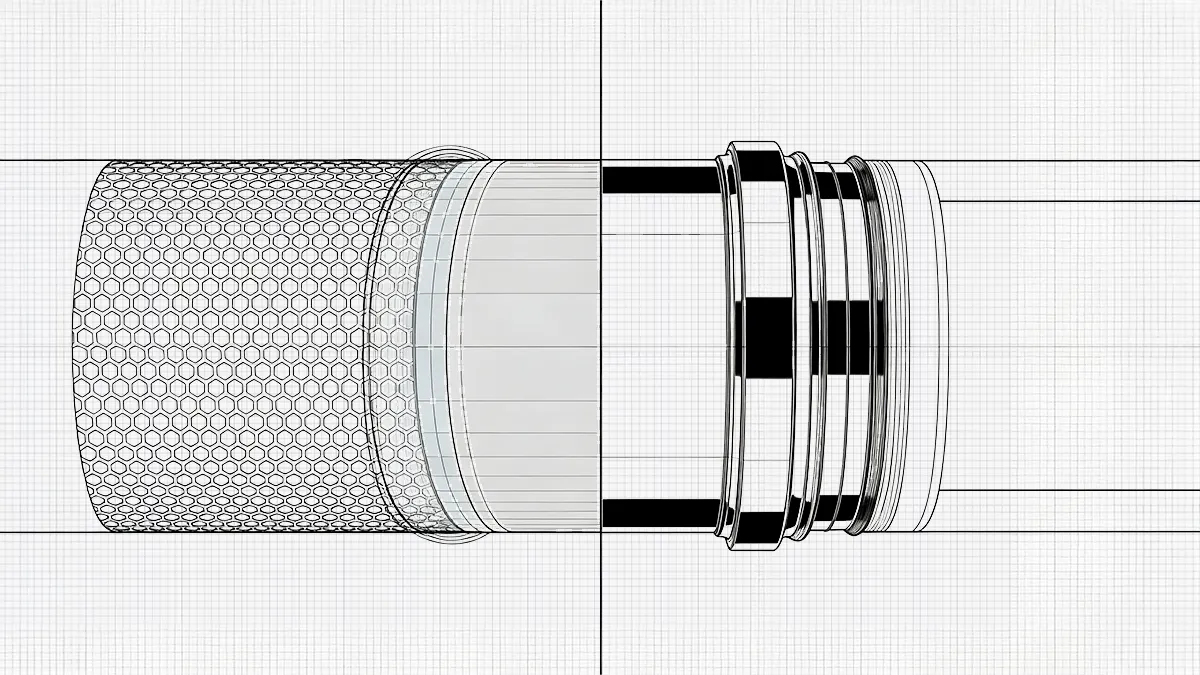
Manufacturing partners need to understand the specifications and requirements of the design. That is because of information about technical details via CAD models and annotated drawings. Clearly define the specified dimensions, tolerances, and surface finishes on the technical drawings. Consider that copper alloys may need unique handling methods than metals such as steel or aluminum. Visual depiction of design specifications increases comprehension, minimizes errors, and contributes to manufacturable components.
Material Specification Standards
Where the selection of copper alloy is key, using international standards on the subject, such as ASTM, ISO, or EN, is helpful. More importantly, it is effective in establishing the material’s specification. The objective is to ensure no disagreements about the material and how it will respond. In this way, it avoids mismatching and reduces the opportunity of choosing an alloy that does not satisfy the design requirements. Standardized specifications make it easier to acquire materials. It also helps improve the reliability of quality checks.
Prototype Feedback Loops
Creating prototypes in the first stage allows designers and manufacturers to examine form, fit, and function. Prototypes in the design process help identify material performance weaknesses and production obstacles. Incorporating real-world inputs in design changes reduces the chance of rework or performance problems in the final product.
Tolerance Discussion
Engineers must carefully consider how tolerance changes may occur during manufacture. It is because the material that electronic device engineers design, copper, which is soft, expands and contracts with heat at a high rate. The engagement of production engineers in the discussion facilitates the establishment of tolerance. The tolerances are a successful balance of component capability and fabrication efficiency. Such a teamwork approach leads to parts that perform the desired function. They absolve the parts from unnecessary manufacturing rejections.
Process Integration
Interviewing manufacturing engineers at the design stage can help identify problem areas. It can also suggest how the manufacturing process can undergo improvements. For example, designers usually consider whether mixing copper into a single piece is possible. However, production experts sometimes propose to segment it for ease of casting and more effectiveness overall. Working together on time makes it possible to close the gap between imagined concepts. That extends to manufacturing realities.
Terminology Alignment
Technical language is repeated when describing finishes. It also describes the hardness or treatments that help create better communication between designers and manufacturers. A straightforward misunderstanding of technical terms for copper, brass, and bronze may inadvertently result in the final appearance. It can also lead to a product’s differing performance. If teams speak the same language, albeit a language of their understanding, communication and cooperation are easier.
Conclusion
Copper and its alloys are central materials that determine today’s product design. Its various electrical, thermal, and antimicrobial functionalities and visually pleasing nature enable functional performance. It also leads to expressive design outcomes. Understanding the distinct nature of essential alloys and defining their boundaries. The goals touch on design goals for appropriate manufacturing and finishing processes. That allows designers to utilize copper capabilities in various types of products. Also, close collaboration with suppliers provides for the exchange of correct information. It also leads to thorough documentation and sustained prototyping. It will enable designers to fulfill design objectives while providing practical, high-quality products.
Tips: Learn more about the other metals for product designers




 EN
EN  ES
ES  FR
FR  DE
DE  IT
IT  PT
PT  NL
NL  PL
PL  AR
AR  JA
JA  KO
KO  ZH
ZH