

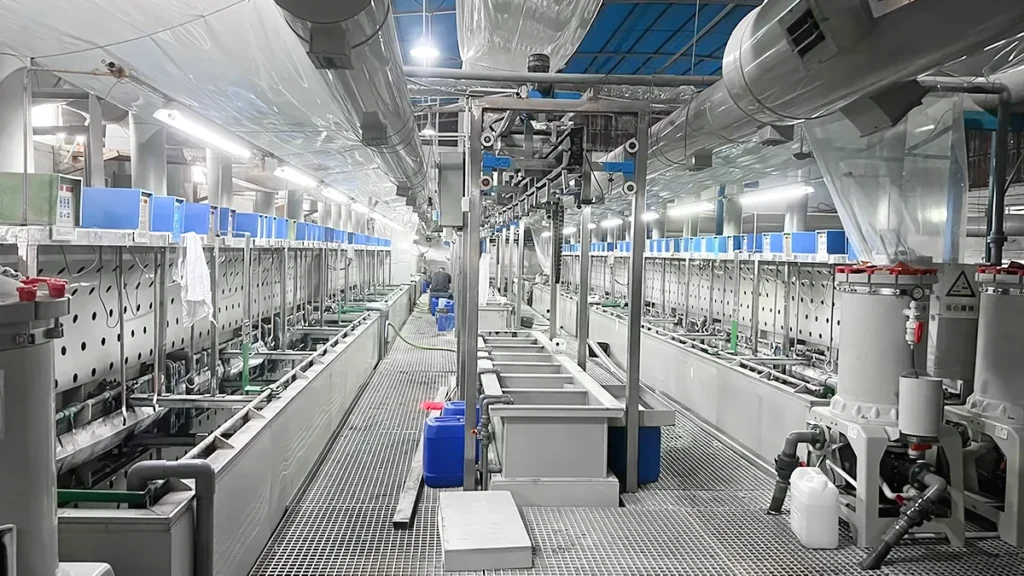
Metal plating is one of the most popular surface finishing procedures in modern-day manufacturing. It involves the coating of a substrate with a light metallic substance to enhance its functionality, aesthetics, and strength. It is also applied on steel, copper, brass, and aluminum to increase corrosion resistance, wear resistance, and a decorative finish.
Among the most common plating materials are zinc and nickel. Indeed, both plating methods have practical advantages. Zinc plating is largely valued due to its ability to provide protection for steel through sacrificial corrosion, whilst the nickel plating is usually valued for its toughness, durability, and the shininess appearance.
However, although there are some similarities in the electroplating processes, the two methods are very different, chemically speaking, chemistry, protective mechanisms, and industrial applications. Engineers, manufacturers, and product designers find these differences significant in selecting the suitable surface treatment.
Fundamentals of Zinc Plating
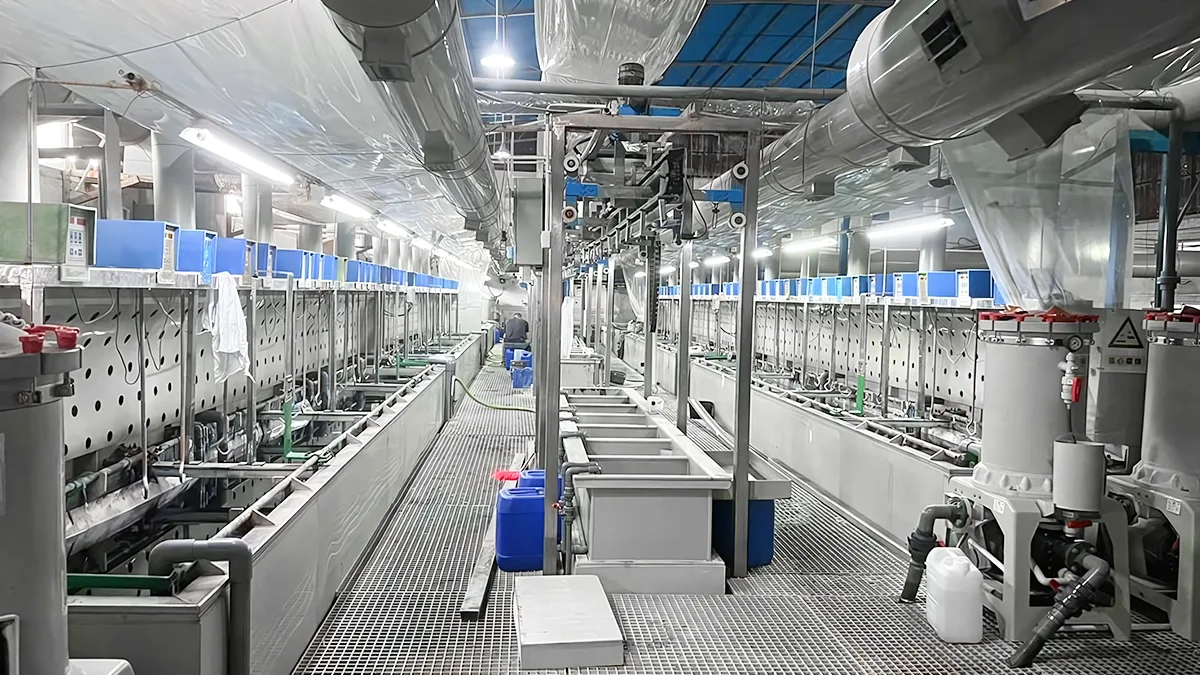
The zinc plating method is widely used in steel corrosion protection. The process deposits a thin layer of zinc onto the metal surface through electrochemical reactions occurring in a plating bath. Being more sensitive to the environment as compared to steel, zinc initially corrodes when it is exposed to environmental factors. It is a form of sacrificial coating of the base metal against rusting.
Electroplating Process for Zinc
Zinc electroplating starts with surface preparation. In order to improve adhesion, components are washed to remove oils, dirt, and oxidation coats. Cleaning is occasionally done by de-greasing the alkaline and debris using acid.
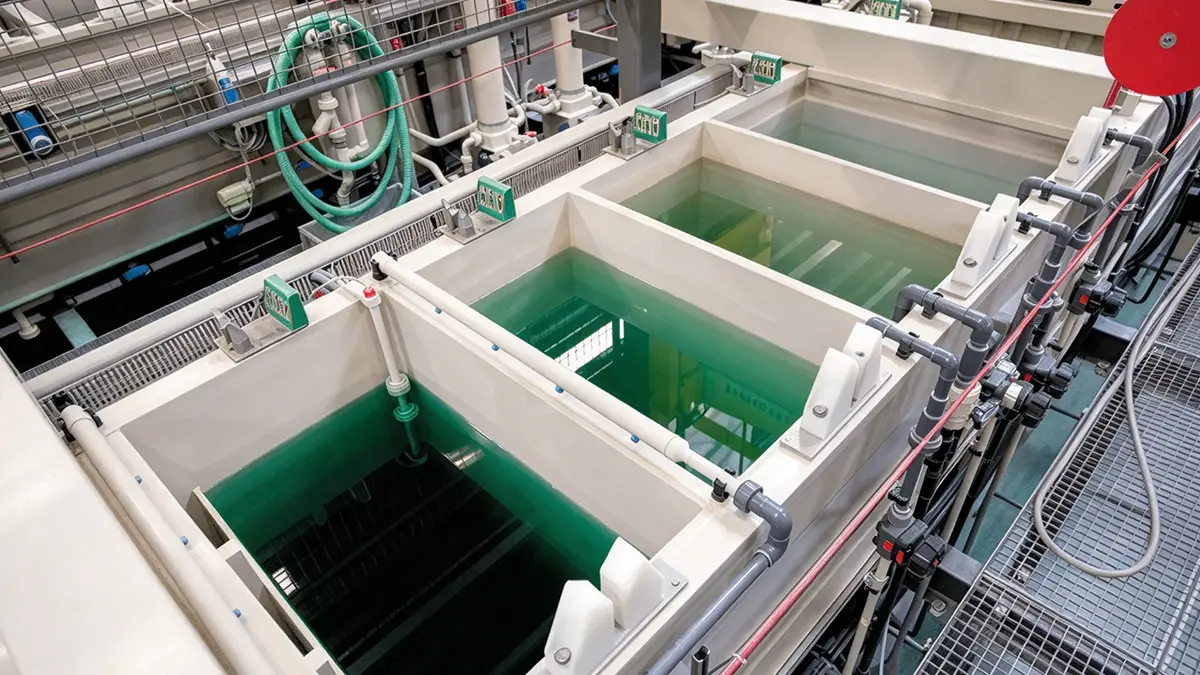
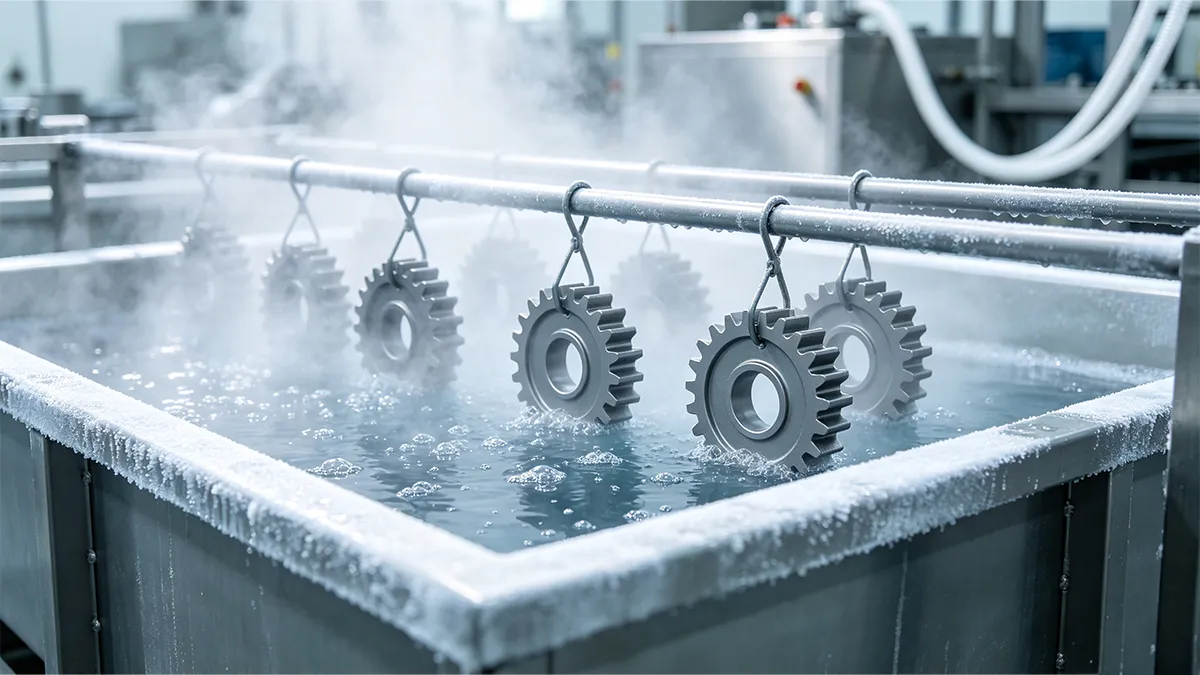
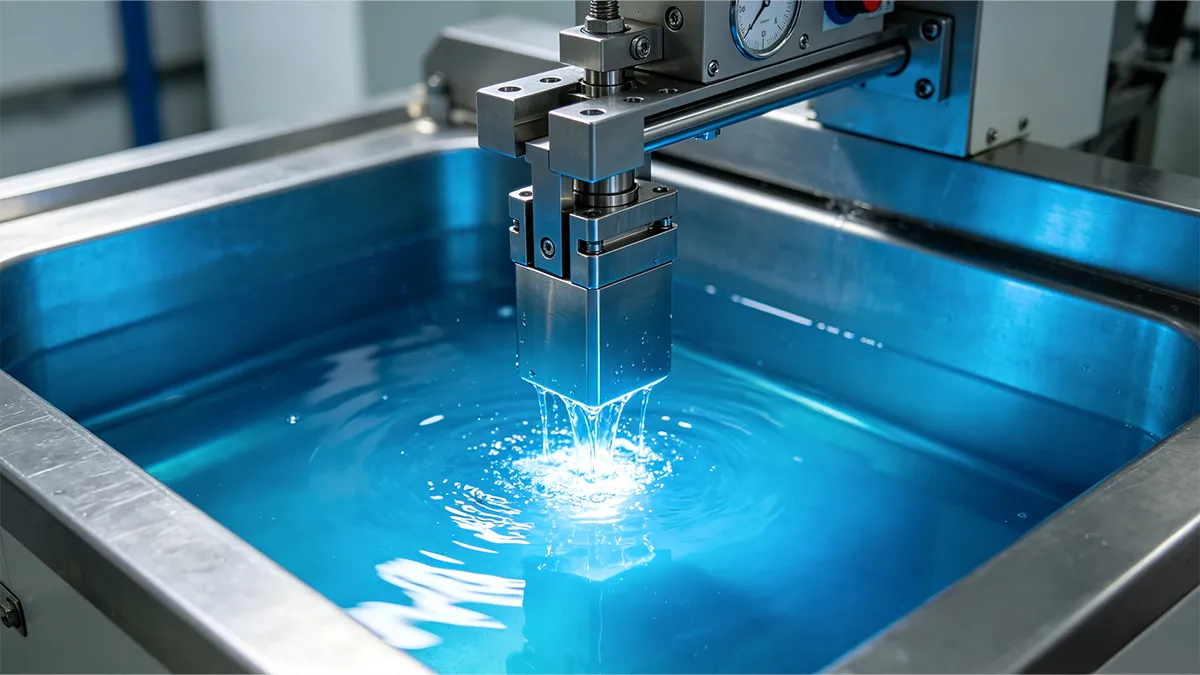
Once the surface is ready, the parts are immersed in a zinc electrolyte solution and connected to the cathode of a power supply [1]. The bath dissolves the zinc metals to obtain the zinc ions, which are deposited on the component surface.
After plating, the components undergo chromate conversion coating and rinsing. Such after-treatments also increase the corrosion resistance in an excellent manner.
What are the Types of Zinc Plating Finishes?
Zinc plating can be finished in a series of chromate finishes that alter finishes and affect corrosion properties.
Clear zinc finishes offer bright metallic finishes and are typically applied to hardware used indoors. Zinc finishes are offered in the yellow color and offer a superior corrosion resistance. Black zinc finishes are aesthetically darker and commonly used in automotive finishes, and olive drab finishes used in military equipment where greater resistance to corrosion is required.
What are the Properties of Zinc Coatings?
Zinc coatings typically range between 5 and 25 microns in thickness, depending on the application. They provide average mechanical life and decent protection of climate-subject steel parts.
Zinc plating is capable of self-protection by sacrificial protection, and this is the greatest advantage of this plating method. Scratches or other damage can take place in the coating, yet the zinc corroding the surrounding will do it, without rust infection in the underlying steel.
Fundamentals of Nickel Plating
The other process of electroplating is nickel plating, which is the deposition of a nickel thin film on metals. Nickel plating is primarily applied as a protective coating, unlike the zinc finishes that separate the underlying material from the surrounding.
Nickel plating may be done using electrolytic plating or electroless plating. Electroless nickel plating uses a reduction process instead of an electrical current and can be used on complex geometries as well.
Electroplating Process for Nickel
Nickel electroplating process begins similarly to the zinc electroplating process. The parts are washed, greased, and chemically activated to have the right adhesion.
Once the components are prepared, they are dipped in a bath of nickel electrolyte, which contains nickel sulfate or nickel chloride solutions. Electrical current causes nickel ions to deposit onto the substrate, forming a dense metallic coating.
Current density and plating time can be used to control the plating brightness and thickness.
What are the Types of Nickel Plating?
Nickel plating comes in some varieties, which can be determined according to the necessary finish and performance characteristics.
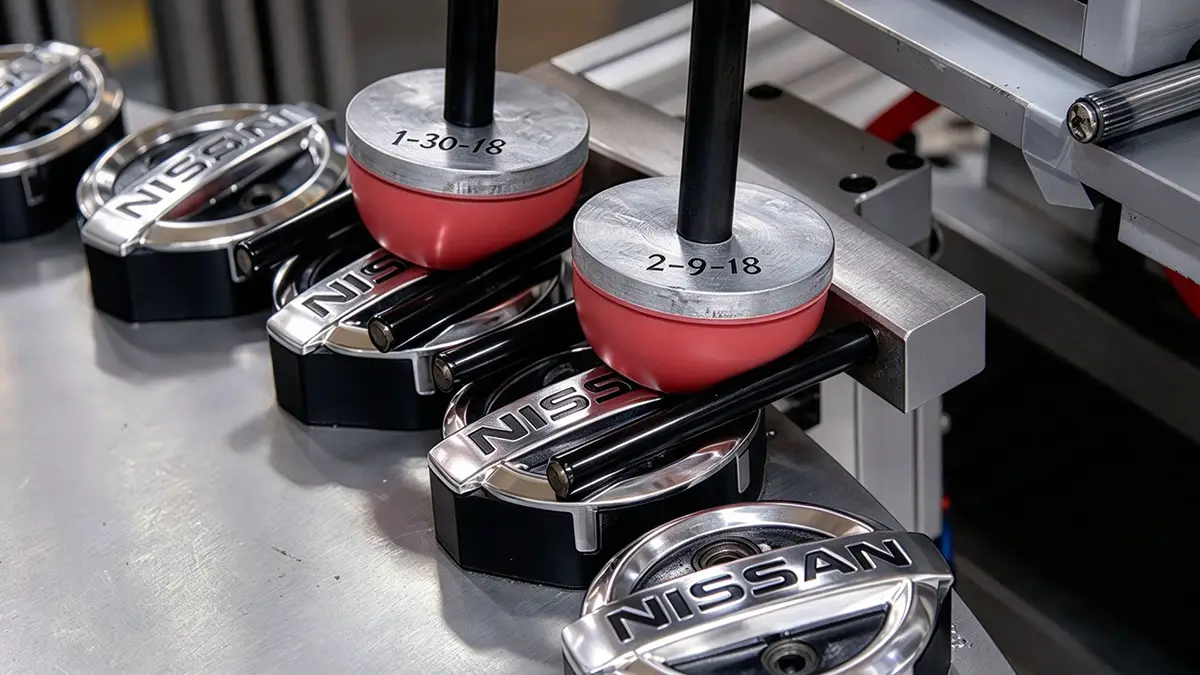
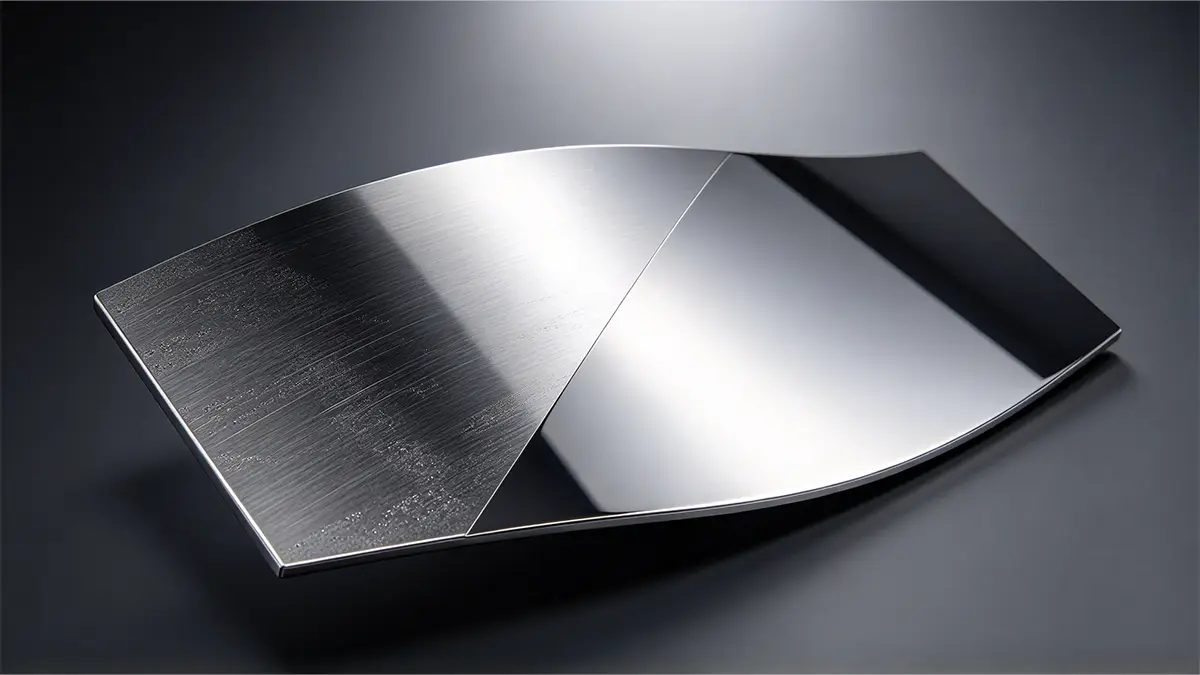
Dramatic nickel plating is typically used on decorative surfaces as it forms a high-reflection finish. Matte nickel plating provides a less glamorous appearance but can be used to increase the corrosion resistance as part of other layers. Electroless nickel plating is highly homogeneous in thickness and could also be subjected to phosphorus to increase wear resistance and hardness [2].
What are the Properties of Nickel Coatings?
Nickel finishes are very hard when contrasted with zinc and are highly wear-resistant. They are normally applied at the points that involve friction, repetition contact, or mechanical stress.
Nickel fails to provide sacrificial protection like zinc. Instead, it is similar to a shield that does not permit the access of moisture and oxygen to the substrate.
Nickel plating is a very popular product because of its hardness and attractive appearance, which finds application in both functional and decorative products.
Key Differences Between Zinc Plating and Nickel Plating
Mechanical and Physical Properties
Zinc coating is a lot easier to wear out as compared to nickel coating [3]. This makes nickel plating suitable for moving components, tools, and mechanical components that are subjected to friction.
Zinc finishes are not as hard but have adequate protection for fasteners, brackets, and structural hardware.
Appearance and Surface Finish
Nickel plating is able to provide a clear, mirror-like finish, and this finish is often used in decoration.
Zinc plating usually produces a duller finish, but with chromate treatments, color and appearance can change.
Cost and Processing Considerations
Zinc plating is less expensive due to the decreased material cost and convenience in processing.
Nickel plating involves more expensive materials and tighter process control, which increases overall production cost.
Industrial Applications
Applications of Zinc Plating
Zinc plating has been used extensively in preventing corrosion on steel fasteners, nuts, bolts, washers, and brackets. These are normally applied in car components, construction equipment, and household appliances.
As zinc plating is cost-effective, it is frequently utilized in large-scale production of machine components that require protection against corrosion but do not suffer from high wear resistance.
Applications of Nickel Plating
Nickel plating is largely used in cases where durability and a glamorous finish are required. Consumer appliances, lighting fittings, plumbing, and electronic connectors are the typical products of nickel finish.
Another industrial application of nickel plating is in tools, machine components, and aerospace components in need of hardness and wear resistance.
Performance Comparison
| Property | Zinc Plating | Nickel Plating |
|---|---|---|
| Corrosion Protection | Sacrificial protection | Barrier protection |
| Typical Thickness | 5–25 µm | 5–50 µm |
| Hardness | Moderate | High |
| Wear Resistance | Moderate | Excellent |
| Cost | Lower | Higher |
| Appearance | Matte or colored finishes | Bright reflective finish |
| Common Applications | Fasteners, hardware | Tools, electronics, decorative parts |
Advantages and Limitations of Zinc Plating
Zinc plating provides excellent corrosion protection for steel components exposed to atmospheric environments. This allows it to be applied to safeguard the substrate even in situations when the coating does not damage much due to its sacrificial property. In addition, the process is also quite low-cost and applicable in large-scale manufacturing.
The zinc finishes are, however, not extremely hard compared to other plating materials. They easily wear out under mechanical friction and cannot withstand extremely strong chemical influences. In the applications that require a high degree of hardness or wear, zinc plating may not be sufficient.
Advantages and Limitations of Nickel Plating
Hardness, wear resistance, and appearance of nickel plating make it superior to most other forms of plating. It is also smooth and reflective, and that is the reason why it can be used as a decoration as well as a practical item. Even the distribution of coating can also be supported by electroless nickel plating, irrespective of the shapes.
Regardless of these advantages, nickel plating has been demonstrated to be more expensive than zinc plating and has to be treated with caution [4]. Coating damage can also expose the underlying metal to corrosion since it is not associated with a sacrificial action, but rather a barrier protection.
Environmental and Regulatory Considerations
Metal plating processes require careful management of chemicals and wastewater to comply with environmental regulations. Zinc plating baths typically contain the zinc salts and chromate conversion finishes, and some of them in the past contained hexavalent chromium.
Nickel plating solutions contain nickel compounds, which ought to be properly disposed of and well handled. Modern plating plants have come up with high-tech levels of filtration and waste management to reduce the impact and comply with regulations.
Selection Criteria: Choosing Between Zinc and Nickel Plating
The selection of the correct method of plating is based on several engineering factors to be taken into consideration, including the corrosive demands, the mechanical life, the cost issues, and the desired appearance.
Structural components and fasteners that require cheap corrosion protection are usually zinc-coated. Nickel plating is usually the preferred choice where wear and tear resistance, hardness, and decorative features are more important.
In other applications, multiple layers of coating, such as nickel, then chromium plating, have been used by manufacturers to produce more strength and beauty.
Future Trends in Metal Plating Technologies
Advancements in plating technology continue to improve coating performance and environmental sustainability. New trivalent chromate passivation systems are being used to do zinc plating rather than the traditional hexavalent chromates.
Electroless nickel technologies are also evolving to offer enhanced hardness and corrosion resistance, as well as lowering the ecological effects of the coating.
Conclusion
Zinc plating and nickel plating are used in numerous industries. Whereas zinc plating has the benefit of being cost-effective and provides sacrificial corrosion-resistant coating on steel, nickel plating is hard, wear-resistant, and aesthetically pleasing.
The choice of coating eventually rests on the functionality requirement of the component, the environment in which the component is to be used, and the cost-effectiveness factor. Understanding the differences between these two plating processes enables engineers and manufacturers to select the most appropriate surface treatment for their applications.
References
[1] Lincoln Industries (2021, March 21) What is zinc plating, and what are the benefits? https://lincolnindustries.com/blog.html/article/2021/03/17/what-is-zinc-plating-and-what-are-the-benefits-
[2] Electris (2025, January 25). What is Nickel Plating and What Benefits Does It Offer? https://www.electriscoatings.com/en/blog/what-is-nickel-plating-and-what-benefits-does-it-offer
[3] Moss Metal Coatings (2025). Zinc Plating. https://www.moss-metal-finishing.co.uk/finishes/zinc-plating/
[4] KC Jones (2023, January 31). Nickel Plating Vs Zinc Plating. https://www.electriscoatings.com/en/blog/what-is-nickel-plating-and-what-benefits-does-it-offer





 EN
EN  ES
ES  FR
FR  DE
DE  IT
IT  PT
PT  NL
NL  PL
PL  AR
AR  JA
JA  KO
KO  ZH
ZH