

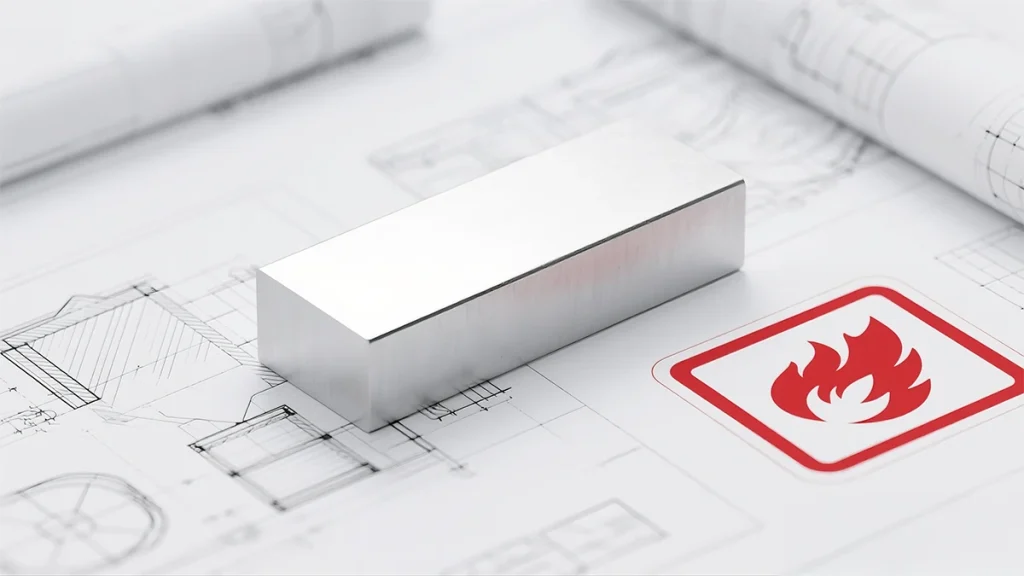
As the lightest structural metal, magnesium has attractive physical and mechanical properties. More importantly, it is for designers whose main task is to create something light and strong. Its castability, high specific strength, and favorable electromagnetic shielding properties make its alloys more crucial. The alloys are predominantly used in automotive, aerospace, electronics, and medical device applications.
Moreover, its natural availability and recyclability make magnesium a sustainable product design goal. Thus, it is a desirable choice for green-conscious manufacturers. The ability of magnesium alloys to dampen vibration and noise even strengthens the best uses of such alloys. Its applicability and applications are common in electronic and mechanical equipment housings. The attribute enhances general performance for users. It also protects inner elements from outside vibrations.
Notably, magnesium can be formed with less energy consumption. That can make production more efficient with potentially lower tool wear rates in some machining operations. While the initial material cost of magnesium is typically higher than aluminum, factors like faster machining speeds, extended tool life in die casting, and potential for part consolidation can, in specific high-volume applications, offset some of these costs, potentially leading to competitive or even lower overall manufacturing costs in certain scenarios.
Further, magnesium’s visual flexibility and toughness allow designers to reach the previously unseen frontiers of lightweight design. The ability of the alloy to coat into detailed shapes and its receptivity to various surface finishing determine its flexibility. It then enables it to meet both functional and decorative properties.
As demand for light and effective goods grows, the preference for new light materials increases. Additionally, magnesium is an increasingly relevant and strategic material for product designers focused on lightweight and performance.
Key Magnesium Alloys for Designers
The infrequent application of pure magnesium in the industry requires the development of alloys for practical purposes. Magnesium combines with aluminum, zinc, manganese, silicon, and rare earth metals. It enhances its mechanical properties and increases its corrosion resistance. Though designers favor several alloys, such as AZ91D, AM60, and ZK60, all three have distinct advantages that can serve their purposes.
AZ91D is an impressive magnesium alloy that is more suitable than any other for die casting. It contains about 9% aluminum and about 1% zinc. Its features are superior corrosion performance. It has a high-strength-to-weight ratio commonly applicable in automotive parts. Other sectors include housing and general cast products. Due to its stable characteristics, designers often choose AZ91D for lightweight, reliable structural applications.
AM60 is a magnesium-aluminum alloy with energy absorption and ductility capabilities and, therefore, suitable for use on automotive crash components, seat frames, and steering wheels. The high ductility in AM60 compared to AZ91D indicates that there is more deformation that the AM60 can endure before breaking, providing greater safety in the impact situation.
The primary alloying elements of ZK60 are zinc and zirconium, which confer excellent strength and endurance in fatigue to the alloy. Such an alloy is usually implemented in aerospace, sports equipment, and high-performance automotive components to gain weight savings without losing structure. In demanding high-stress mechanical applications, ZK60 alloy provides a stable and effective solution.
Scenarios For The Use Of Alternative Materials To Magnesium
Although magnesium has several benefits, it may not work for all manufacturers. Designers must also assess the limitations of magnesium.
Cost and Availability
Magnesium-based materials can be much more expensive than plastics or standard aluminum alloys in small runs. Additional protective layers or corrosion-protective features can significantly increase the overall production costs. Applications that must save on costs may prefer using aluminum or polymer materials.
Corrosion Susceptibility
Magnesium is more susceptible to galvanic corrosion. Planning is needed when it comes into contact with moisture or salt exposure. Surface treatments are essential to avoid uncontrolled degradation of magnesium components. Otherwise, stainless steel or coated aluminum is usually a more reliable material in case moisture or adverse conditions occur.
Flammability and Processing Complexity
Magnesium’s combustible qualities in its particulate and molten state elevate workers’ risk in machining, welding, or casting. This level of security requires unique standards and confines the use of magnesium in controlled manufacturing environments. Firms usually choose more stable materials, such as aluminum or titanium, if the factories are unprepared to cope with magnesium processing risks.
Magnesium & Manufacturing Processes
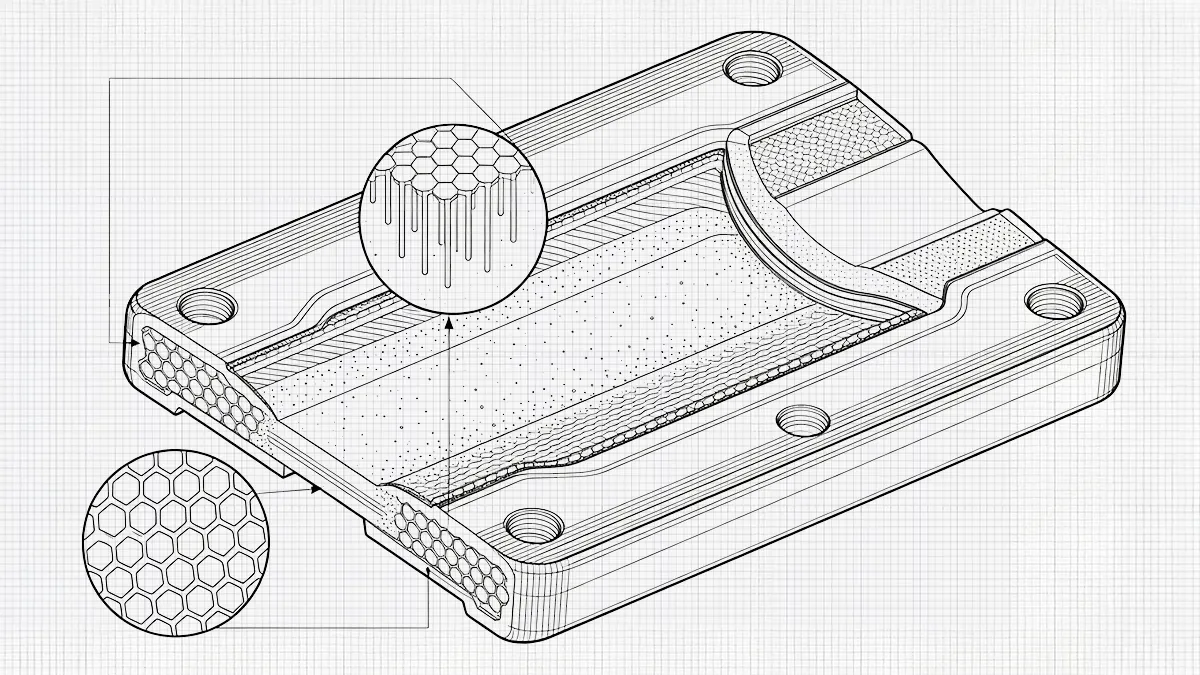
There are numerous manufacturing methods for magnesium alloys. The choice of manufacturing technique depends on factors such as the specific alloy, part complexity, required mechanical properties, production volume, and cost considerations. Each technique has varying levels to optimize such unique characteristics and performance. Die castings, forging (a type of hot working), extrusion (another type of hot working), machining, and additive manufacturing are the major processes in magnesium alloy manufacture. Die casting is by far the most standard method of making magnesium parts. It facilitates the mass production of such components with accurate specifications and a neat surface. It is suitable for the manufacture of automotive and electronics parts. Such parts require very high precision and consistency. The mechanical performance of magnesium alloys is effective through the refinement of the grain structure. Its effectiveness is also due to an increase in fatigue resistance by forging.
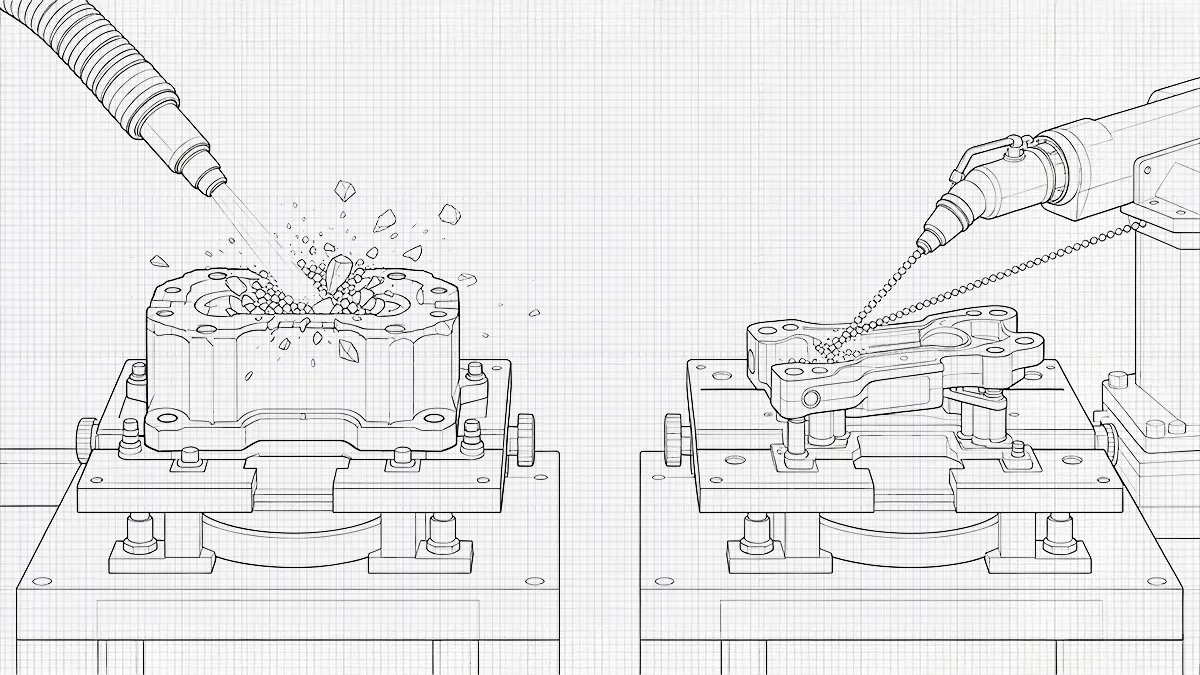
Forged magnesium parts are widely applicable in active applications. It includes areas like aerospace and racing cars, but also exclusive bicycles. Forging is an effective strategy if parts are to prove themselves exceptionally strong and reliable. Due to its low cutting resistance and soft nature, magnesium is generally easy to machine, allowing for high cutting speeds and a good surface finish. However, a critical consideration is that magnesium chips are highly combustible, requiring stringent fire prevention measures. Processing magnesium necessitates special ventilation and fire protection controls in the manufacturing environment. Using appropriate safety protocols, machining creates the possibility of producing high-detail, custom-machined magnesium components. Additive Manufacturing presents a promising solution for the manufacture of complex parts or complex geometries. Magnesium additive manufacturing is increasing in aerospace parts manufacturing. Also, in biomedical parts, it helps to reduce weight and allows for customizing object shapes.
Surface Finishing Options for Magnesium
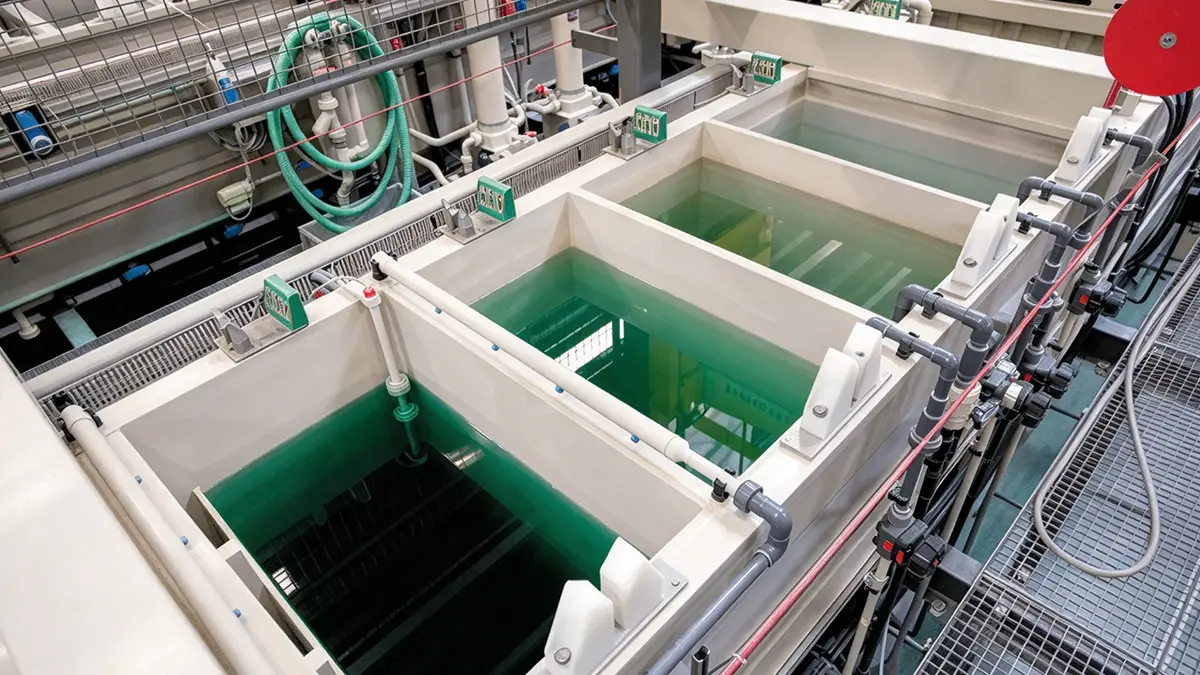
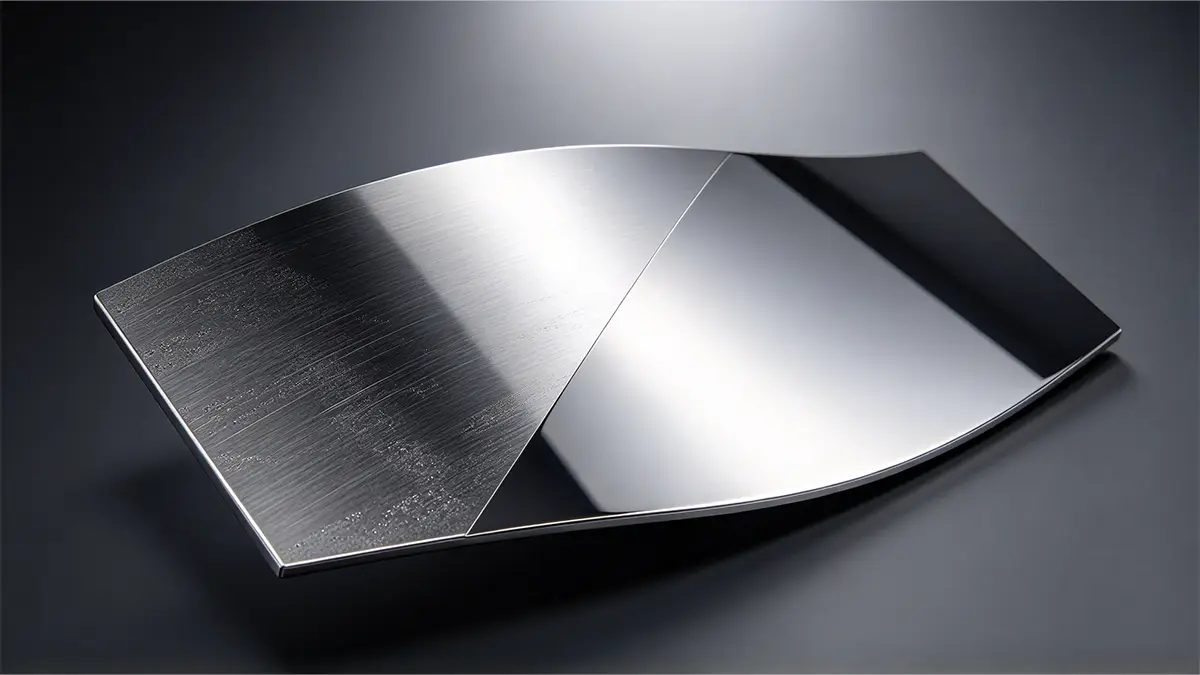
Magnesium is highly reactive and suitable for surface finishes. The objective is to improve its corrosion and appearance characteristics.
Anodizing
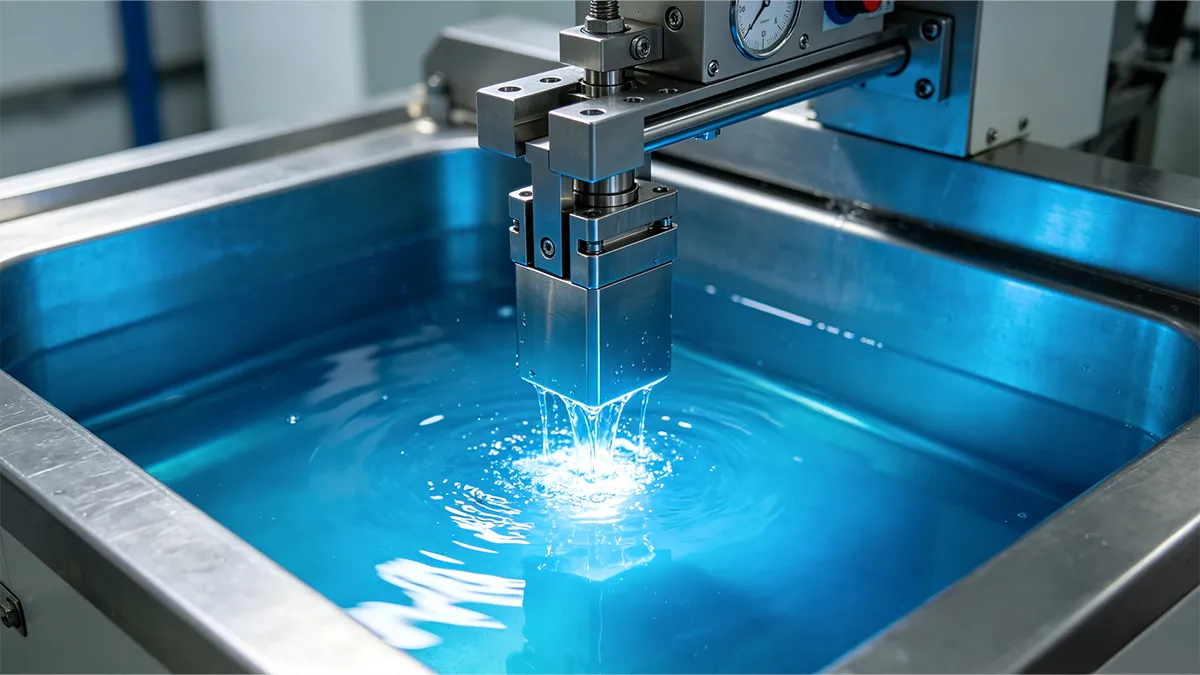
Anodizing refers to electrochemical processes that create a thick oxide layer on magnesium. It significantly improves magnesium’s corrosion and abrasion resistance. In addition, the treatment provides flexible finishing for both functional and decorative purposes. Variations in magnesium alloys usually cause difficulties in applying standard anodizing solutions due to these alloys’ diverse surface properties and reactivity. When standard approaches are inadequate, plasma electrolytic oxidation (PEO) or micro-arc oxidation is key to optimal protective performance and consistent coating.
Conversion Coatings
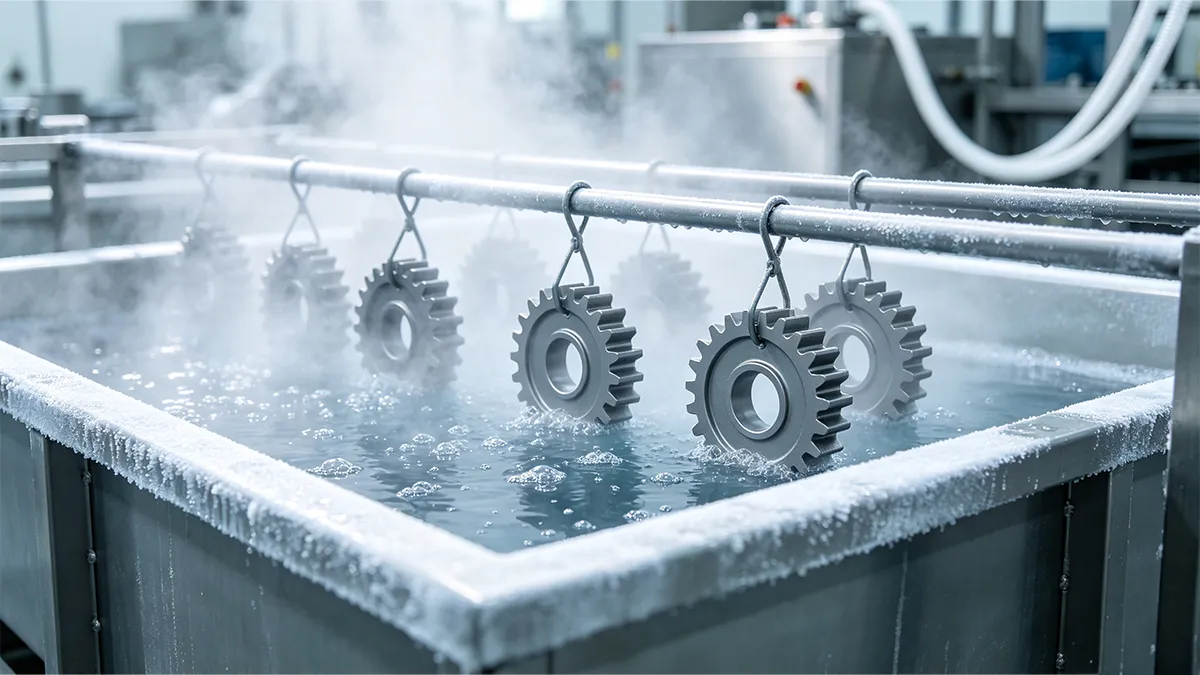
Conversion coating processes entail chemical treatment to create corrosion-resistant surfaces over magnesium pieces. It involves coatings such as chromate and phosphate. The coatings are a dependable primer for surface attachment in any further finishing operations. Their use is highly appreciated in the military, aerospace, and manufacturing industries. Such industries prefer performance and reliability, which count the most.
Powder Coating
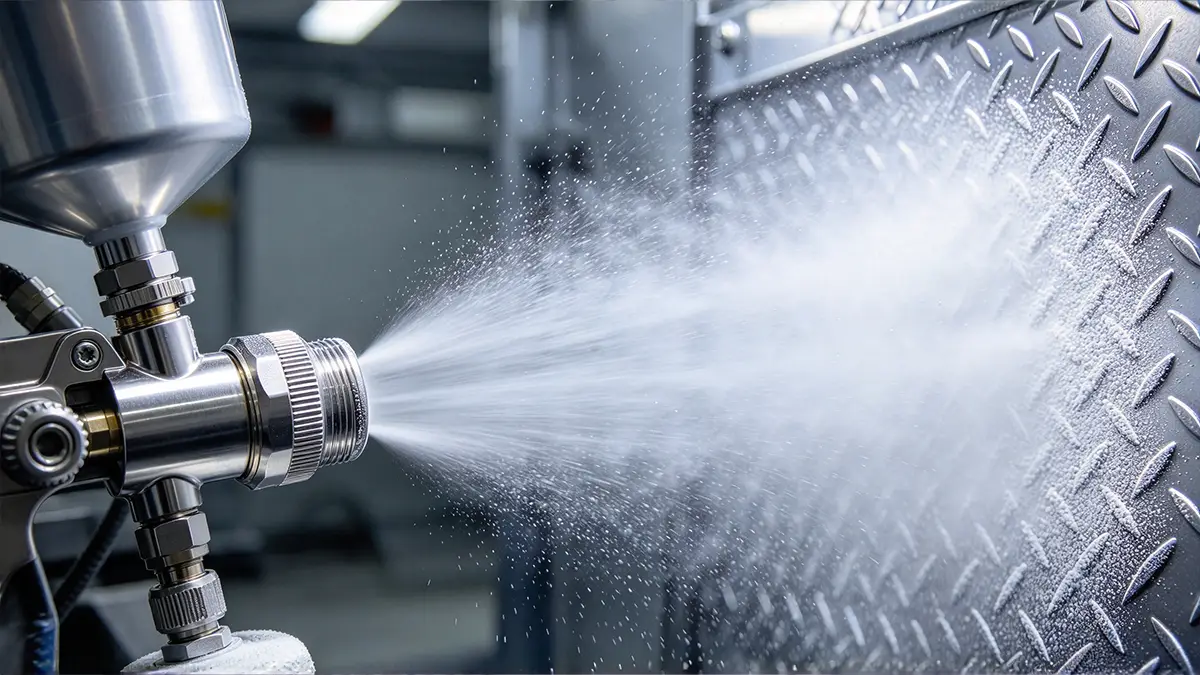
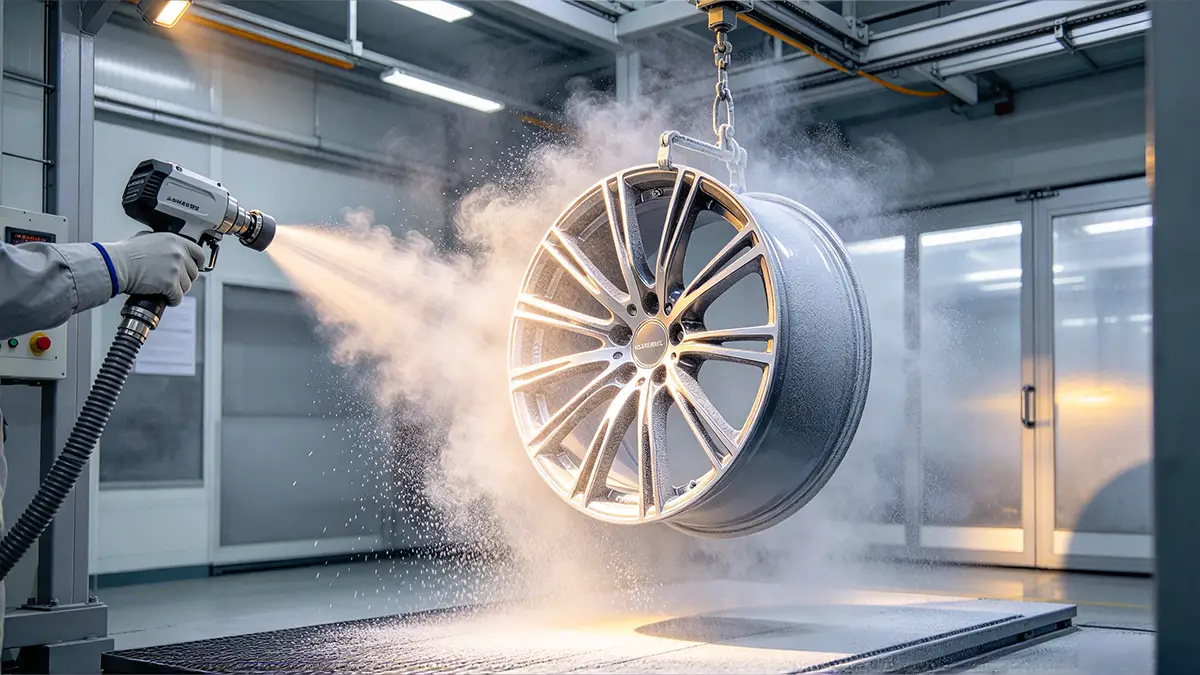
Applying powder coating to magnesium parts involves applying it dry. The following process is heating it and developing a sturdy, uniform surface. This process gives the designers a wide range of colors and textures. It also makes it more durable against chipping, scratching, and environmental exposure. It has noticeable and touchable applications, including electronic devices, bicycles, and indoor furniture. The parts are suitable for applying powder coats because of their dependable appearance and durability. Powder coating, which does not involve solvent, attracts attention as an environmentally conscious coating style.
Electroplating
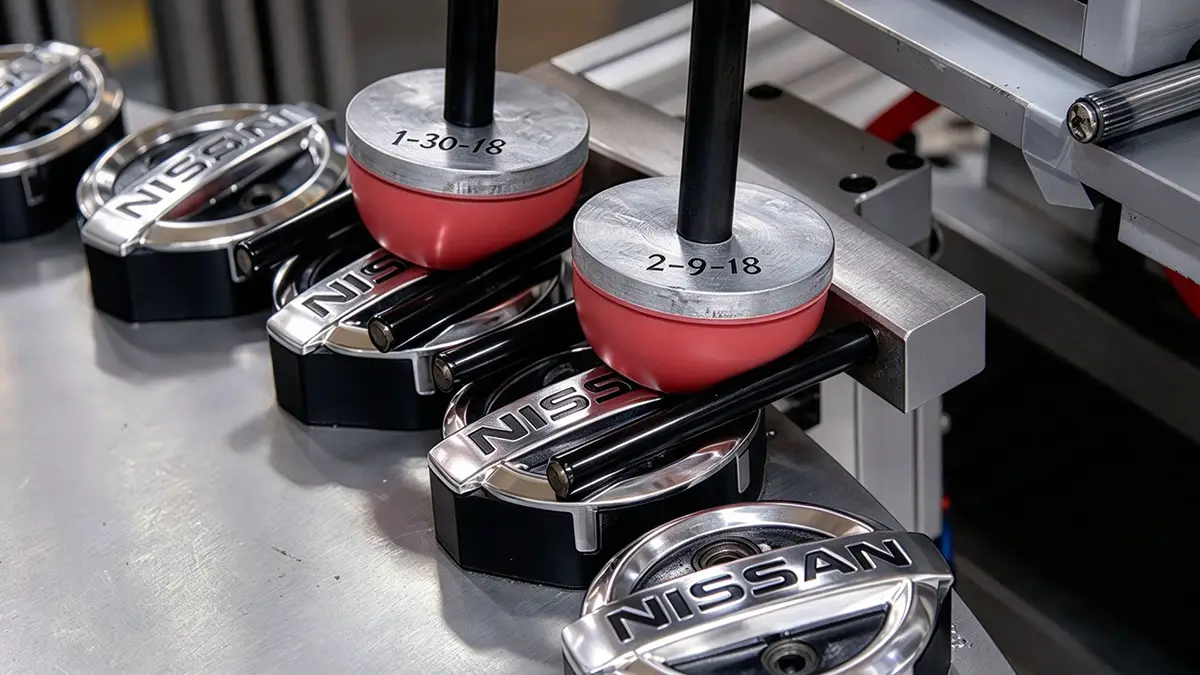
Electroplating magnesium begins with the deposition of a metallic layer, such as nickel, chrome, or gold. The fastening occurs on the component, typically after the adhesion promoter has been applied. Besides providing a visually pleasing surface, this finish significantly enhances the product’s durability and corrosion protection. It is regularly applicable in both automotive interiors and medical instruments. It is also relevant where appearance and durability are key. The high reactivity of magnesium is such that the necessary pre-treatment steps must be done carefully. It has to occur along with the inclusion of intermediate layers to yield effective electroplating results and an effective component life span.
Case Study
Lightweight Electronics Housing: Frequent applications of magnesium alloy are used to make lightweight electronics housings. It also applies to strong devices like laptop shells and camera body designs. Designers chose the AZ91D magnesium alloy because of its excellent castability and strength while resisting corrosion. The goal was to make it a lighter-weight object. However, it is also solid and has an excellent-quality metallic finish. Die-casting facilities produce complex designs with fragile walls that do not need much further treatment. It accelerates the manufacturing process and saves costs. After the parts were treated with two protective steps, each underwent a conversion coating. It also underwent a black powder coating to prevent sweat, oils, and mild abrasions on magnesium. The tight collaboration between the designers’ and manufacturers’ teams led to the production of the functional parts. The product met the functional goals and aesthetic requirements. They also supported the brand’s efforts in terms of sustainability and portability.
How Product Designers Work Smoothly with Their Manufacturing Partners
Successful material performance in products depends significantly on designers and manufacturers in a simple way, particularly with complicated materials such as magnesium alloys.
Technical Drawing and CAD
Designers should provide complete CAD models with key dimensions, finish requirements and tolerance levels, and the magnesium alloy specification. Adding such annotations helps manufacturers understand the representations correctly and lessens the chances of problems in molding or machining. Magnesium exhibits differences from aluminum (and steel) in shrinkage, draft angles, and wall thickness, making it essential.
Material Specifications
The materials come in the form of material specifications, where one can check the alignment of the material specifications. They must align with ASTM B93/B93M or ISO 16220 standards. Engineers can always be consistent and clear during the selection process of magnesium alloys. Chemical composition, mechanical properties, and expectations from processing remove uncertainty from materials selection during manufacturing. Designers thus enable suppliers and manufacturers to meet the material specifications accurately. Compliance with a standard reference simplifies material selection and improves international collaboration.
Prototype Feedback Loops
A quick assessment of form, fit, and function is achievable using 3D-printed plastic. That can also occur through a CNC-machined magnesium sample prototype. Physical models at this stage allow both parties to identify the problems ahead. Thus, having the full production tuned perfectly for quality and efficiency. The involvement of manufacturers at this juncture ensures that the practicalities of manufacturing are part of the steps following design improvements. Therefore, developers can prevent the hefty expense of revising later.
Tolerance Discussion
Designers must consider thermal expansion and softness when delineating dimensional specifications. Imposing unrealistic or too-tight tolerances may cause distortion. Other factors are product failure or increased manufacturing costs. Designers can guarantee that their performance demands can be met during production. Manufacturers and designers aim to improve the efficiency of manufacturing and product reliability.
Process Integration
Working with manufacturing engineers at the early design phase identifies and solves emerging problems early. Designers may suggest complex or combined features that appear appealing but may be difficult and expensive to produce in magnesium. Hints from the manufacturing team may include segmenting. They may also redesign parts for casting or machining convenience. Manufacturability undergoes enhancement without compromising the intended meaning of the design.
Terminology Alignment
A properly defined glossary or reference document is helpful in both the design and manufacturing groups. It ensures that they are all aware of what “anodizing,” “conversion coating,” or “hardness rating” entails. Issues with finishing, processing, or material selection may arise due to confusion with terminology. A standard nomenclature at the beginning facilitates mutual understanding of requirements and the steps. Such alignment ensures that teams communicate better.
Conclusion
Magnesium materials present unique benefits to product designers. It is in terms of weight, strength, and formability and is best in fields seeking performance and efficiency. The selection of alloy methods and surface finishing helps designers provide lightweight, rugged, and visually appealing outcomes. However, designers should pay due attention to the weaknesses of magnesium. These weaknesses include vulnerabilities to corrosion, combustibility, and typically higher raw material prices compared to some alternatives. However, close collaboration with manufacturers can help optimize designs and processes to mitigate these challenges and manage overall costs effectively. A thorough appreciation of the magnesium product lifecycle arms designers with the knowledge. Knowledge is key for subsequent logic and creativity: the advanced technologies and the increase in sustainability concerns position magnesium to grow its presence in product design.
Tips: Learn more about the other metals for product designers




 EN
EN  ES
ES  FR
FR  DE
DE  IT
IT  PT
PT  NL
NL  PL
PL  AR
AR  JA
JA  KO
KO  ZH
ZH