

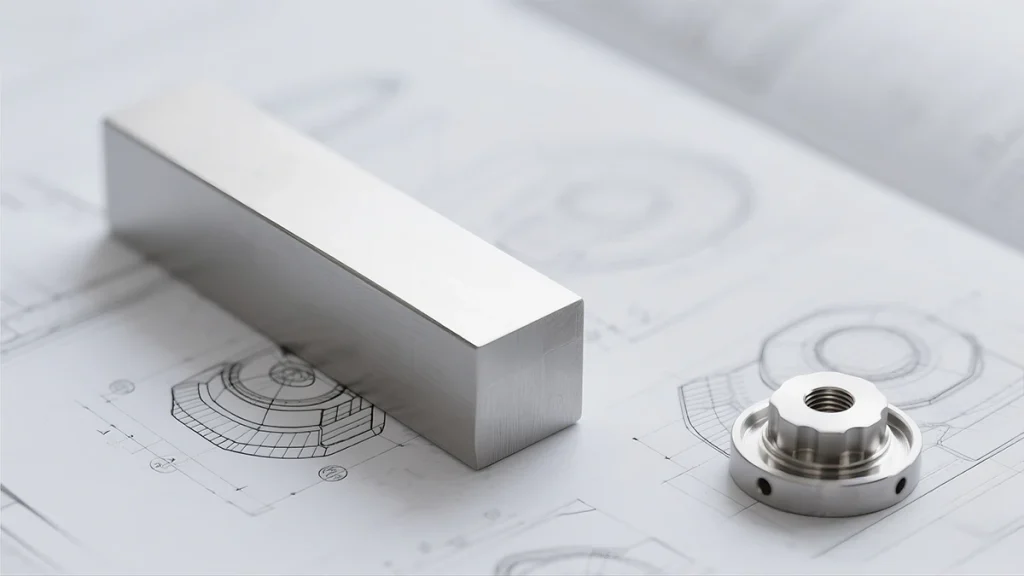
Nickel is a versatile and highly regarded metal used to manufacture many products. This is mainly due to its exceptional durability, heat, and corrosion resistance. It is used across many different industries to make tons of products. This metal is useful in the healthcare, aerospace, and consumer electronics industries.
In product design, the choice of material is the cornerstone of functionality and innovation. Many product designers choose nickel because of its wide range of possibilities. It’s widely used in mass production and prototyping because it’s easier to cast, machine, plate, and weld. However, the cost factor and machining pose a challenge, which can push for alternative materials. This empowerment to make creative decisions is key to working with nickel.
This guide will provide an in-depth resource for product designers who want to understand nickel’s influence when integrated into their designs.
Why Choose Nickel?
Nickel is renowned for its inherent properties and ability to alloy with various materials. Because of its chemical, physical, and mechanical properties, it’s truly a remarkable material.
Why Do Product Designers Prefer Nickel And Its Alloys?
1. High corrosion resistance: Nickel forms a protective layer when exposed to harsh environmental conditions such as moisture, air, and acids. This property is highly recommended in several applications because it translates to a longer lifespan. It’s useful where it helps cut down maintenance costs and enhance safety, like in the Marine environment.
2. High-Strength and Ductility: Nickel is unmatched in the balance of strength and ductility. Under repeated stress, it resists breaking or fracturing. This property is required to create aircraft materials subjected to frequent and varying stresses. In particular, Nickel alloys endure these stress cycles without degradation, making it safer to produce these structures.
3. Magnetic properties: Nickel is a Ferromagnetic material. Electronic devices and equipment leverage this property. It is good at conducting electricity, so it is often found in electrical parts and connectors.
4. Heat Resistant: Some nickel alloys can handle high temperatures without getting weaker. This ability is due to forming a protective layer on their surface in the presence of heat. This makes them perfect for demanding jobs, like in gas turbines and even nuclear reactors
5. Aesthetic Appeal: Nickel offers design flexibility and functionality. When plated, it appears shiny and lustrous, a quality highly preferred by product designers to create desired visuals and styles for their products.
6. Alloying Versatility: Nickel can alloy with several metals, such as chromium, copper, molybdenum, and iron. This allows engineers and metallurgists to create different metal characteristics. This ability ensures the metal meets the required properties for a given application. For instance, combining with copper metal improves its electrical conductivity properties.
7. Biocompatibility: Certain nickel alloys are used in medical components since they are safe for human contact. Their resistance to sterilization and hypoallergenic properties make them suitable for producing medical equipment like implantable devices, Dental braces, and surgical instruments.
Key Nickel Alloys for Designers
Nickel alloys harness nickel’s exceptional properties to achieve the required properties. The alloying process involves regulated heat treatments and precise ratios to maximize the alloy’s strengths or other particulars.
Nickel-Copper Alloys (Monel)
These consist of nickel, copper, and some small amounts of iron, manganese, carbon, and silicon. They exhibit excellent corrosion resistance, malleability, high strength, and low coefficient of thermal expansion. They are applicable in marine environments and other acidic and alkaline settings.
Nickel-Chromium Alloys (Nichrome)
They have a silvery gray appearance and are known for their high temperature and electrical resistance. Their ability to withstand extreme temperatures without oxidizing makes them suitable for heating devices like heaters, toasters, and dental restorations.
Nickel-Molybdenum and Nickel-Chromium-Molybdenum Alloys (e.g., Hastelloy® series)
Many alloys under trade names like Hastelloy® are renowned for their resistance to highly corrosive environments, including strong acids and oxidizing/reducing agents. Common grades are often complex nickel-chromium-molybdenum (e.g., Hastelloy C-276) or nickel-molybdenum alloys. They are ideal in chemical processing and pharmaceutical industries where material integrity is essential.
Nickel-Chromium-Iron Alloys (e.g., Inconel® series)
Superalloys, often known by trade names like Inconel®, typically contain high percentages of nickel and chromium, often with significant iron and other elements like molybdenum or niobium (e.g., Inconel 625, Inconel 718). These alloys exhibit exceptional oxidation and corrosion resistance and high-temperature strength. Their main drawback is that they are often difficult to machine and shape.
Nickel-Titanium Alloys (Nitinol)
These alloys have the unique feature of returning to a pre-defined shape upon heating, which is superelastic. They are ideal for medical devices like stents, orthodontic wires, and surgical equipment.
Nickel Silvers (German Silver)
Consists of copper, nickel, and zinc. Despite their name, they contain no silver at all. They resist corrosion, are easily machined, and have an attractive silvery appearance. Highly used in consumer products like cutlery, decorative components, and musical instruments.
Nickel’s Limitations
Despite the many favorable attributes of nickel and its alloys, they experience some drawbacks.
Nickel is a metallic element that exists naturally but can only be obtained through mining. This process can have serious environmental downsides, such as deforestation, soil profile alteration, and water and air pollution. Consequently, it affects animals’ migratory routes and reduces the living standards of the communities around the mining areas.
Nickel and its high-performing alloys are costly compared to other metals like steel and aluminum. So, alternative materials offer a solution for some of those more delicate applications where you don’t need unique nickel properties. As a product designer, it’s crucial to weigh the benefits of nickel against its cost to ensure your designs are both practical and economical.
Considering the weight of a metal, nickel is relatively dense. In applications where weight is a sensitive factor, like aerospace, lightweight materials like aluminum and magnesium might be preferred, provided they fulfill the performance criteria.
Some nickel alloys have high electrical resistance properties. However, pure metals like copper and aluminum would be preferable where high electrical conductivity is required, such as wiring.
In specific high-chemical environments, it has excellent resistance to corrosive substances. Special metals like stainless steel, titanium, or non-metallic materials will be required if nickel is susceptible to oxidizing acids or sulfur compounds.
Exposure to nickel metal can cause contact dermatitis in people with sensitive skin. So, product designers should consider these aspects when selecting nickel components during the design process.
Nickel and Manufacturing Processes
Nickel’s unique qualities are a result of good manufacturing processes and following quality control measures. Understanding how nickel behaves in production processes is a good start to optimizing its performance. Therefore, it’s worth looking at the manufacturing processes and what they mean for product design.
Nickel Die Casting
This process involves injecting molten nickel alloy inside a die mold cavity formed by two molds under high pressure. The technique shares some traits with injection molding, a plastic manufacturing process. Historically, metal casting involved pouring molten metal into the mold, aided by gravity. Die casting, however, uses pressure instead of gravity to fill the mold.
This manufacturing process is ideal for mass production and complex geometries while maintaining high precision and accuracy. It is suitable for nickel-aluminum bronzes rather than pure nickel. While die casting offers potential for mass production, the supplier landscape differs from 3D printing and machining. Primarily, this process aims at large-volume production.
Metal Injection Molding (MIM) of Nickel Parts
MIM (metal injection molding) can manufacture nickel components. It works by melting the nickel and then injecting it into a mold. This process is excellent for high-volume production of parts that must be strong, resist corrosion, and have high accuracy. An example of an alloy produced through this method is nickel-steel blends, which improve sintering during production.
Nickel Electroforming
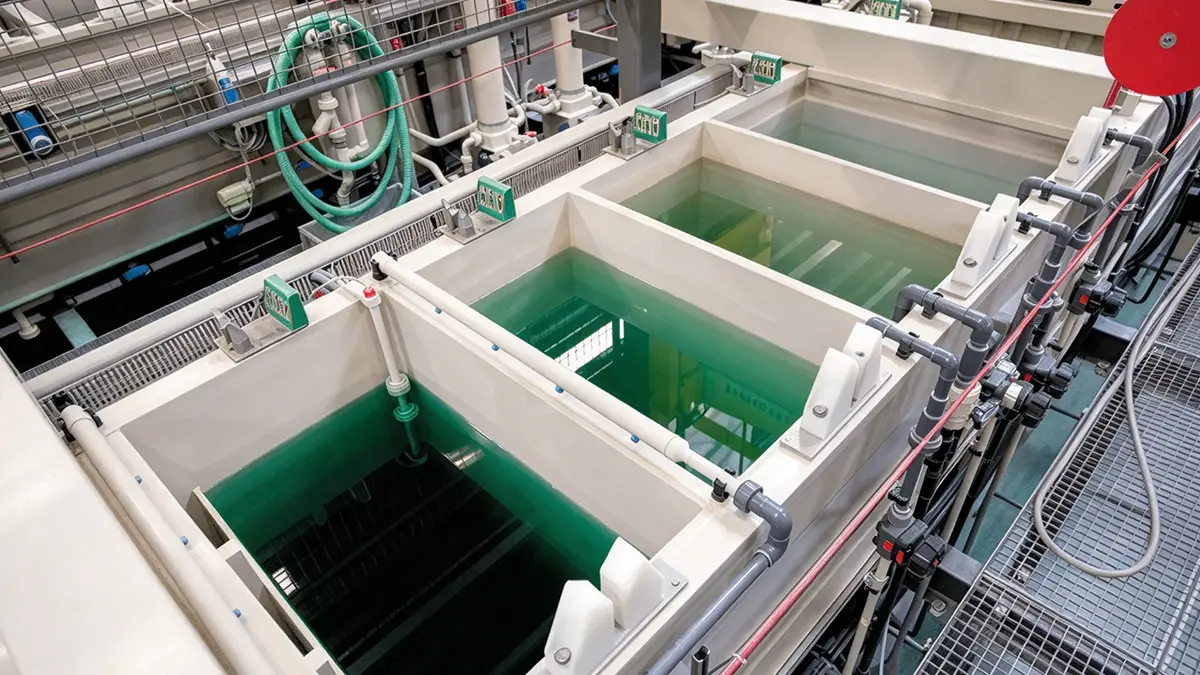
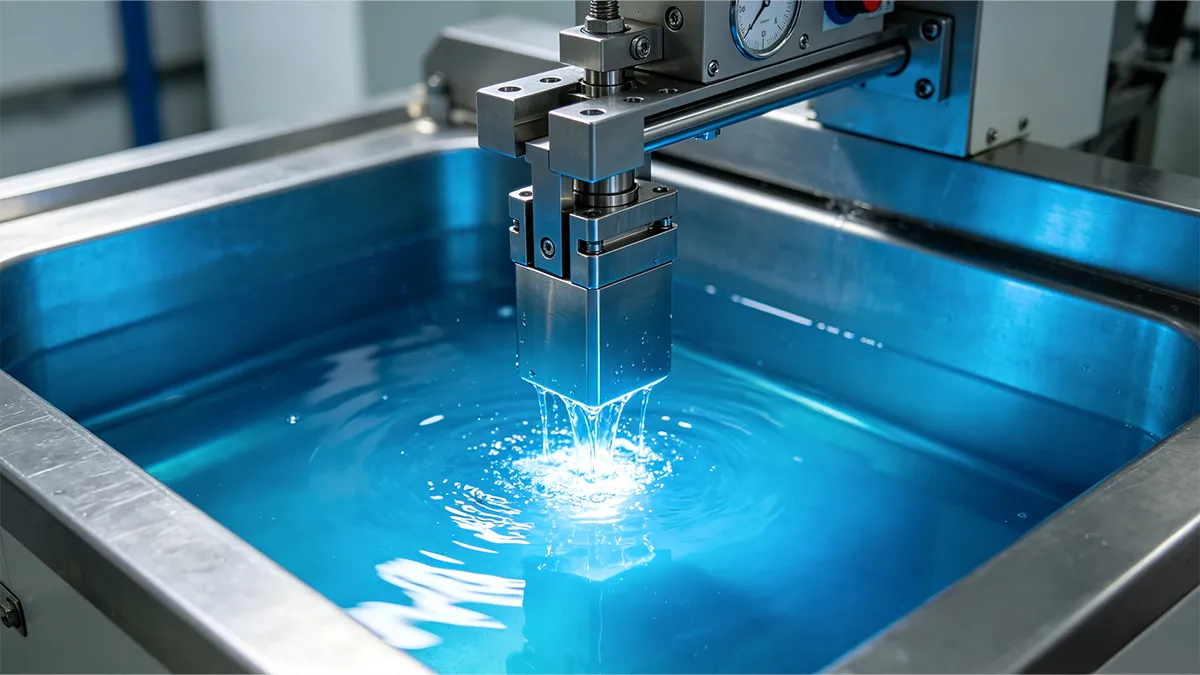
Electroforming is a unique metal fabrication process that produces parts by electrodeposition upon a mandrel or mold separated from the deposit. The process requires two electrodes (an anode and a cathode) immersed in a conducting electrolyte solution containing metallic salts and a source of DC power. Metallic ions Ni++ convert into atoms as the current passes through, which travel to the cathode surface and build a layer to produce a deposit. Upon completion, the finished electroform ejects from the mandrel. High-precision molds and dies are helpful in applications such as blow molding, embossing, and plastic injection molding.
Nickel 3D Printing
Nickel and its alloys are 3D printed using techniques like Laser Powder Bed Fusion (LPBF), also known as DMLS or SLM. A high-powered laser melts powdered nickel metal and fills it layer by layer to create intricate geometries. Nickel-based alloys specifically designed for 3D printing include; Inconel 718 & 625 and Hastelloy X & Haynes 282.,
Depending on the alloy and intended geometry, other alternative processes include stamping, forging, spinning, and deep drawing.
Surface Finishing Options For Nickel
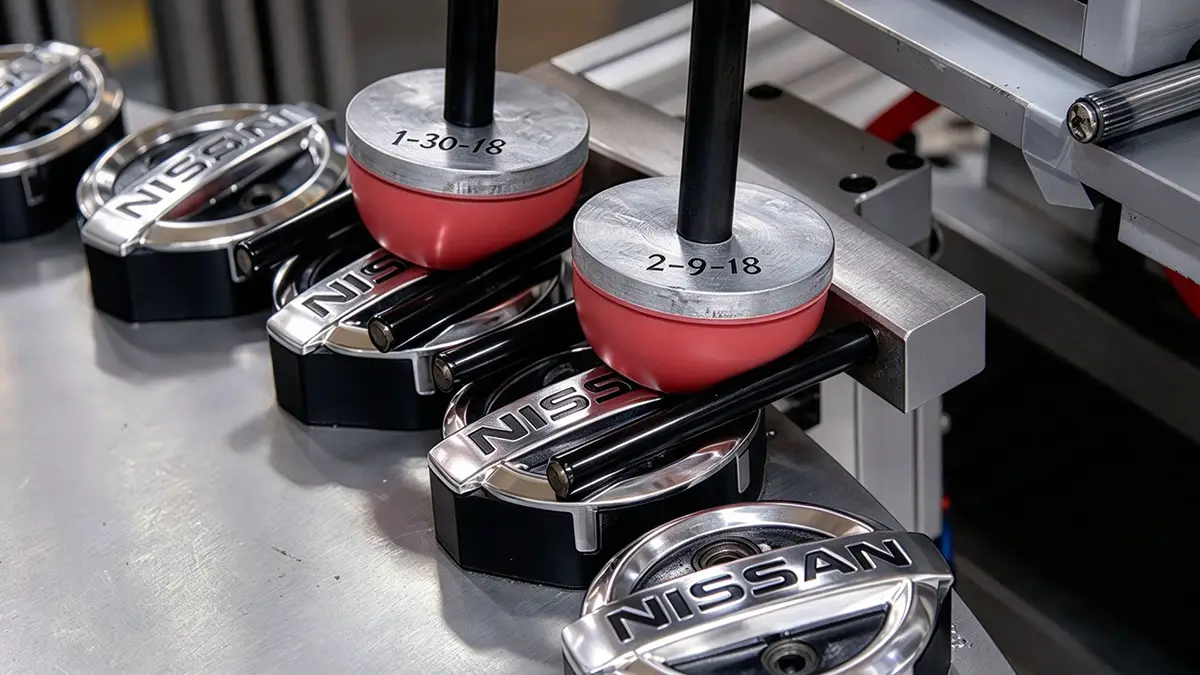
- Electroplating involves depositing a layer of nickel on a metal’s surface. This electrochemical process enhances the appearance, prevents corrosion, and minimizes wear on the coated object. Materials applied through this process include steel, brass, and some plastics.
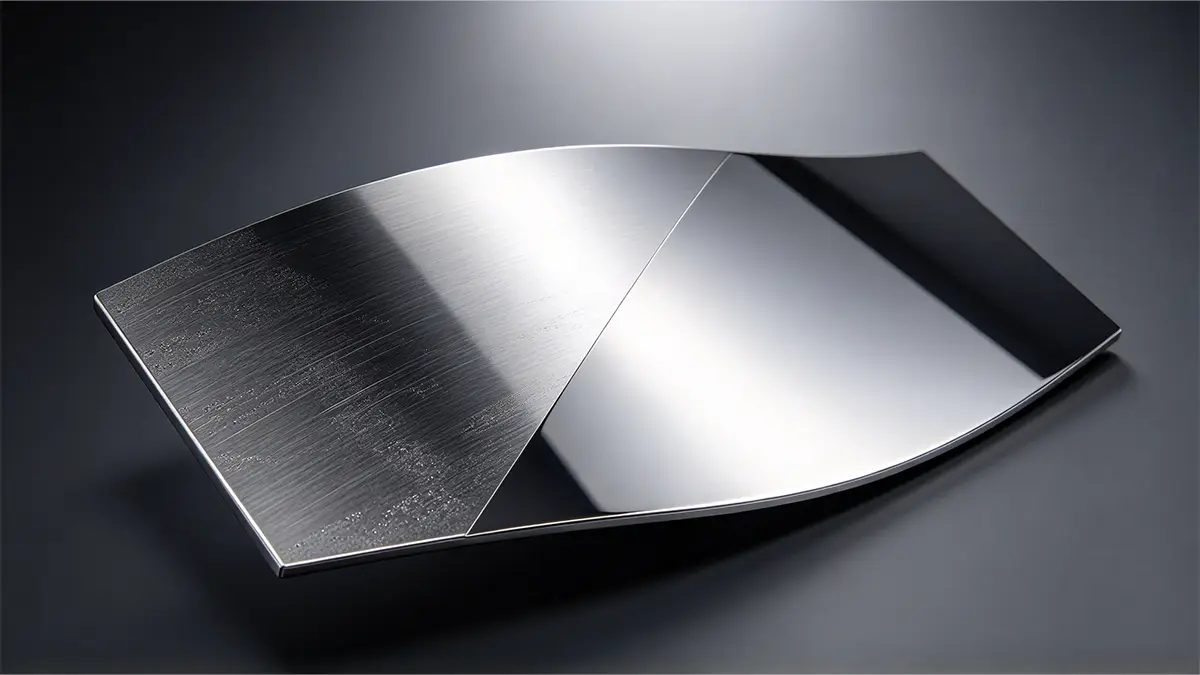
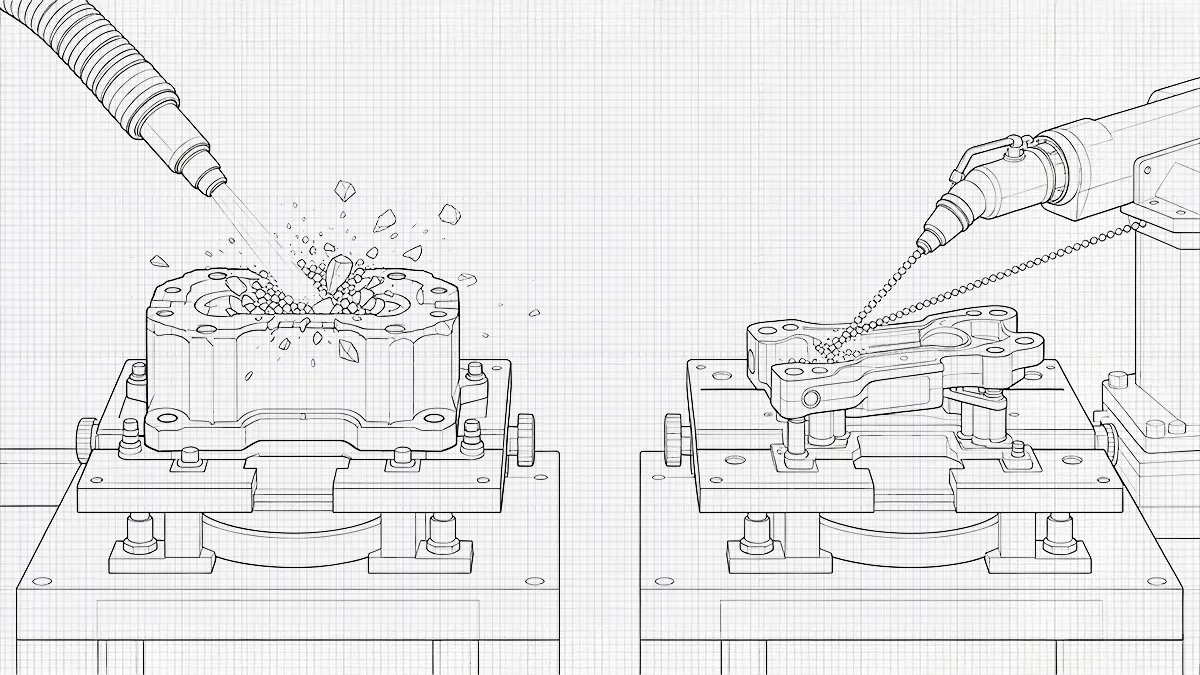
- Electro-polishing and buffing enhance the appearance of nickel parts by creating a smooth, lustrous surface. Different grades of abrasives produce reflectivity.
- Chemical Polishing or Brightening: Treatments exist that can clean the nickel surface and enhance its luster. While nickel inherently forms a thin oxide layer, specific ‘passivation’ treatments in the same vein as those for stainless steel are less common for significantly enhancing its bulk corrosion resistance; its corrosion behavior is primarily dictated by its composition and the environment.
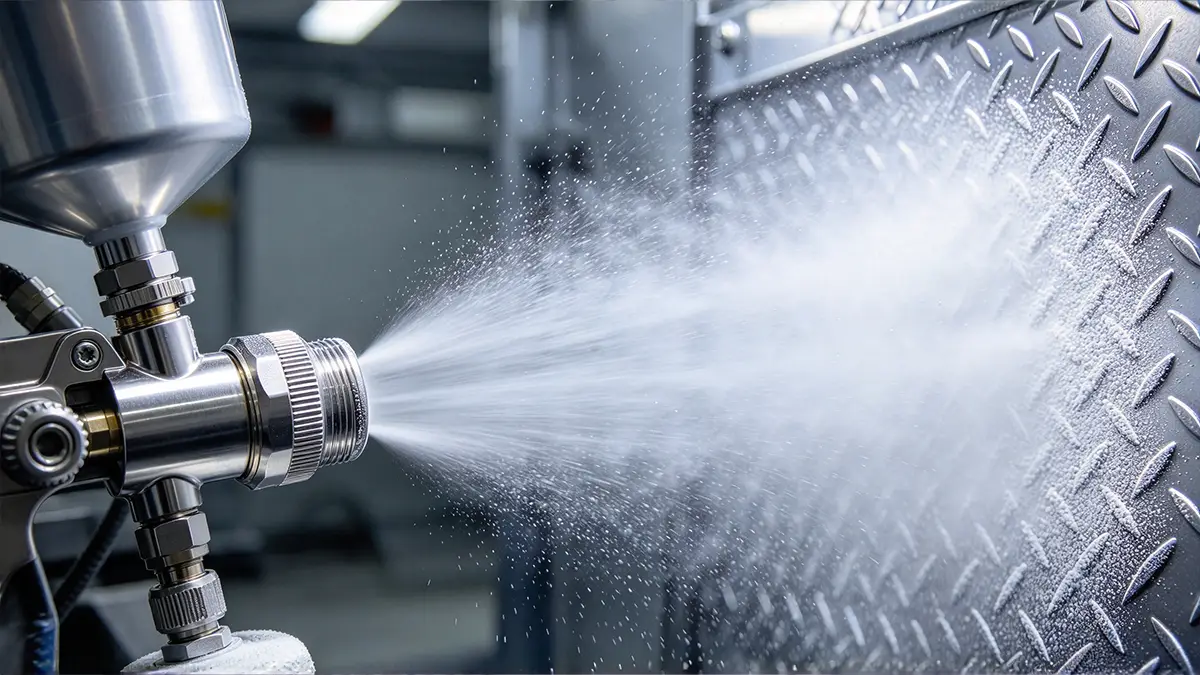
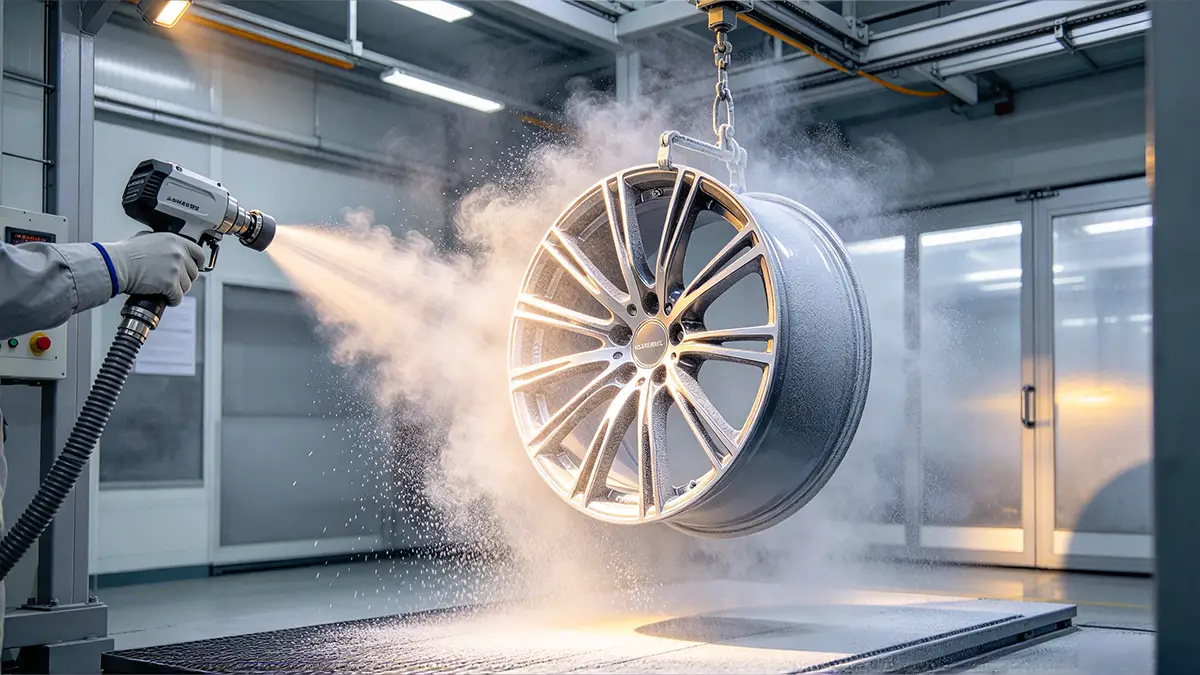
- Painting and Powder Coating—Painting with specialized primers can improve the aesthetics, while powder coating can provide additional protection in some surroundings.
- Texturing‘s primary purpose is to improve grip and aesthetics. Various techniques used include chemical etching, mechanical abrasion, and laser etching.
Case Study
Product: Design of invasive surgical equipment, a small mesh tube(stent) to open blocked arteries.
Challenge: Develop a corrosion-resistant device that is biocompatible and can withstand repeated sterilization without losing its functionality.
Material of Choice: Nickel-titanium (Nitinol).
Why Nickel-Titanium (Nitinol)?
Its superelastic property allows the tube to flex and adapt to the dynamic movement of the arteries, ensuring patient comfort and long-term use without permanent deformation.
Biocompatibility: Nitinol is an FDA-approved alloy for implantable devices. Their compositing and surface treatments ensure safety.
Corrosion resistance: The environment within the body necessitates a corrosion-resistant material. Nitinol guarantees long-term stent stability.
Design
Consider:
- Alloy composition.
- Wire diameter.
- Draft Angles.
- Mesh pattern.
- Operation mechanism.
Results:
Alloy composition (Nitinol -Ti-55.8%Ni) due to its shape memory, easier deployments, and comfort.
A wire diameter of radii between 0.8mm and 1.2mm reduces warping and enhances the radial strength.
Incorporating a draft angle of 1-2° ensured a 98% production yield.
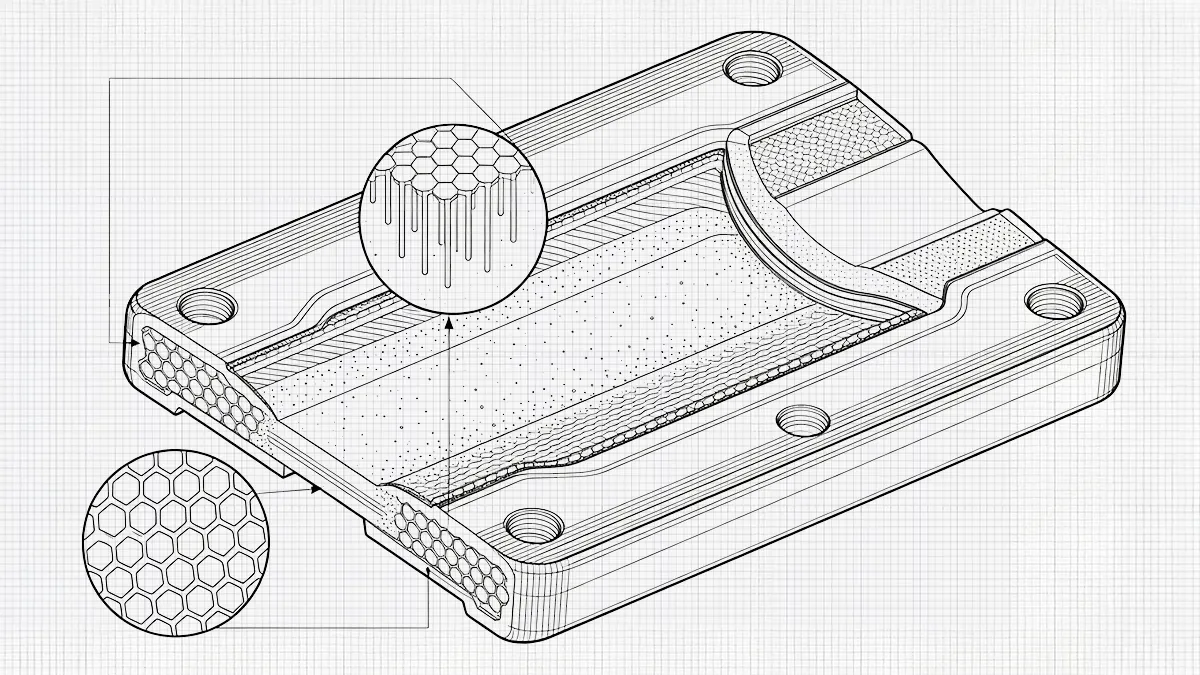
Optimized closed-cell mesh pattern with radii of 0.1mm, reducing stress concentration effectively.
The Nitinol property of the self-expanding mechanism makes it possible to deploy the stents successfully.
Key Challenges Experienced And Solutions Provided
Material selection: choice of the right material that withstands the corrosive nature of the human body environment.
Deployment mechanism: designing a system that delivers the required results in the target location.
Achieving design precision during manufacturing and producing intricate shapes with Nitinol for a physical product poses a challenge. However, tight tolerances and dimensions were non-negotiable.
Balancing Support and Deliverability: Produce a flexible stent that navigates the blood vessels and is strong enough to keep the arteries open as required.
Solution:
Fatigue testing and design modification: Thorough testing and modification are needed to optimize the stent’s material properties and geometry.
Precise material specification: Cooperation with material experts to control Nitinol’s composition and heat treatments.
Collaboration with manufacturing companies experienced in Nitinol processing is needed to obtain the information needed.
Conclusion:
The case illustrates how Nitinol selection combined with optimized design can effectively address the challenges in product technology. Its capacity to integrate well in the body with advanced engineering improves products and drives progress.
How Product Designers Communicate Efficiently with Their Manufacturing Partners.
- Comprehensive and clear documentation is achieved through detailed technical drawings, such as 3D, STEP, and IGES files. These files contain all the information needed, such as material, tolerance, and surface finish requirements.
- Manufacturers can be involved in manufacturing in the early stages of the design process. Because of their experience and expertise, they can offer valuable insights into the process. Handling potential challenges and design concepts upfront can prevent costly work.
- Establish clear communication channels, such as regular meetings and video conferences. Good communication will ensure everyone is proactively involved in the process and on the same page.
- Prototypes and Visual Aids, such as simulations, renderings, and physical prototypes, provide clear design intent. Prototypes made from the intended material can help discover potential manufacturing challenges.
- Use of standardized terminology acceptable to industry standards and can be easily understood to prevent misinterpretation.
- Cultural awareness is fundamental when dealing with international manufacturing partners. Mindfulness about their business practices and communication styles can make a huge difference in how well you collaborate.
- Active listening and Open dialogue foster an environment where parties involved feel comfortable asking questions and giving feedback. This avoids many misunderstandings and ensures that any issues or worries are effectively addressed.
Conclusion
Nickel alloys give designers powerful tools. They resist corrosion & high heat and offer magnetic properties & visual appeal. But designers must also consider cost, environmental factors, and production challenges when choosing metal materials. The key lies in truly understanding nickel’s strengths, choosing the right alloy, and working closely with manufacturers. When applied smartly, these materials can lead to innovative solutions across industries.
Tips: Learn more about the other metals for product designers





 EN
EN  ES
ES  FR
FR  DE
DE  IT
IT  PT
PT  NL
NL  PL
PL  AR
AR  JA
JA  KO
KO  ZH
ZH