


Product designers regard steel as one of the essential and multifunctional materials available. Steel mainly comprises iron and carbon. It is strong, adaptable, cost-efficient, and sustainable. Steel is the ideal choice for designers in many sectors. Key among them is manufacturing cars, buildings, electronics, and medical apparatuses.
Why Steel
Product designers rely on steel as a dependable material due to its outstanding mechanical qualities. The material’s high tensile and compressive strength supports its viability for construction and products. Ductility and malleability in steel are crucial as they remain intact when formed into complex shapes, an essential characteristic in detailed designs. Steel’s ease of accessibility and moderate cost are considerable strengths of the material. Even though materials such as titanium and carbon fiber composites possess high performance, steel typically costs less. It also provides comparable performance. Steel is a cost-effective and functional material applicable to premium and mass products. Steel’s complete recyclability is important as sustainability has become a key part of today’s design briefs. Consequently, steel is appropriate for distinctive consumer goods shown to users and for masked mechanical parts.
Key Steel Alloys for Designers
Knowledge of the different types of steel alloys helps identify the proper material for design projects. Other types of steel possess varying characteristics, which affect other applications. Key categories of steel are carbon steel, alloy steel, stainless steel, tool steel, and high-strength low-alloy (HSLA) steel.
Carbon Steel: This is the simplest type of steel and is applicable in many sectors. Its composition is mostly iron and carbon, while its alloy content is low. Carbon variants ranging from low to high are available in this steel. Its low carbon content and low carbon steel make it easily applicable. It is crucial for automotive panels. However, its high carbon steel hardness and wear resistance qualify it for springs and wires that require high strength.
Alloy Steel:
Alloying elements such as chromium, nickel, and molybdenum are added to carbon steel to enhance or create specific mechanical properties. Its increased toughness, strength, and resistance to wear and corrosion make it applicable in manufacturing power generation equipment. It is also essential in aerospace and heavy machinery. Designers often choose alloy steel for applications demanding superior performance under extreme conditions.
Stainless Steel
Stainless steel is an alloy of iron, with a minimum of 10.5% chromium by mass, which provides its characteristic corrosion resistance. These traits enable steel to protect against corrosion and maintain its appearance. It is a popular material for the medical, food processing, and architectural industries. Its different grades, 316 and 304, are unique in offering resistance to corrosion. Also, they vary in ease of fabrication and strength, offering designers a list of materials to choose from.
Tool Steel
Tool steel is crucial to producing tools and die-manufacturing components. Vanadium and tungsten are elements within its structure that make it hard and resistant. Thus, it is effective against abrasion and deformation. Tool steel is essential for producing parts for cutting and high-precision devices and gadgets.
High-Strength Low-Alloy Steel (HSLA)
HSLA steels offer higher strength than plain carbon steels, allowing for the design of lighter components for a given level of durability, or stronger components of similar weight. Their strength-to-weight ratio is significantly higher compared to regular carbon steels. They are particularly well suited for situations where superior performance and weight economization are essential. The needs and parts undergo matching in various precision entities to work in subgrades of the different steel products. In what instances do we look beyond steel as the material of choice?
Limitations of Steel Material
Weight Sensitivity
Steel has heavy properties and is hence heavier than titanium and aluminum. Whenever low weight is essential for product usability, lighter materials can potentially boost user experience and productivity. The laptop casing contains keyparts that make it lighter and more reliable in hardness.
Corrosion Challenges
Common carbon or alloy steels are more susceptible to rust and deterioration when exposed to water or chemicals. Product parts in chemically reactive and marine environments require nonferrous materials for effective performance.
Cost Considerations
Using steel containing expensive elements such as nickel or cobalt is financially restrictive in many situations. Substitution in engineered plastics, composites, or simpler metals can effectively minimize material and production expenditures.
Manufacturing Complexity
Shape-changing steel processes are more complex than those required for softer substances like plastics or softer metals such as aluminum. The demand for more complex machining is costly, and the costs extend beyond the budget when high precision is needed. Under these circumstances, aluminum or injection-molded plastics make manufacturing more straightforward and efficient. If limitations are spotted early, designers can choose materials that deliver good performance at lower costs.
Steel & Manufacturing Processes
Steel can realize product design’s technical and aesthetic desires due to its ability to withstand several fabrication processes. Knowledge of these approaches enables designers to select feasible materials. They also have to match them with available manufacturing equipment.
Casting
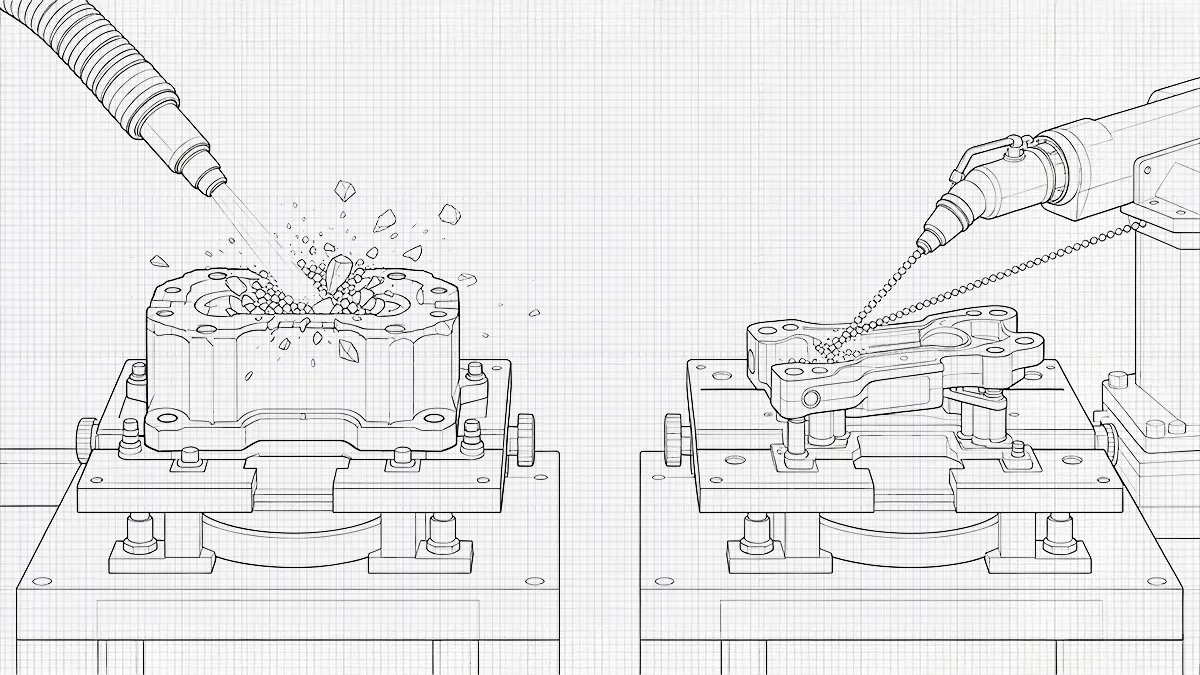
Steel is poured into molds in the casting process. This process is key to the manufacture of different surfaces and is best for substantial parts. Designers need to take into account shrinkage and cooling rates. The objective is to meet dimensional accuracy.
Forging
In the forging process, the material undergoes deformation with high pressure at a high temperature. This technique allows the material to experience eased strength and a modified grain structure. It uses components that undergo or are suitable for high strength, like automotive axles and gears for aircraft landing.
Machining
For precision steel components, grinders, effective mills, and different lathes are standard. Although machining steel may take longer and cost more than other materials, the process is indispensable. It strives to achieve fine tolerances and surface finishes for certain parts.
Welding
Steel structures can be reliably connected thanks to the material’s ease of welding, mainly achieved through MIG, TIG, and arc welding. Since welded components are strong and dependable, they are essential on construction sites. Additionally, they are applicable in shipbuilding, parts and processes, and automobile manufacturing. Designers must clearly label weld types, sizes, locations, and other specifications directly within their technical drawings using appropriate welding symbols.
Sheet Metal Forming
Pressure and dies are essential for shape transformation. Key processes are the cutting process, the stamping process, and the bending of the materials. The method is frequently employed to form enclosures, panels, and chassis. Effective manufacturing requires designers to incorporate bend radii, the challenge of tooling, and springback. Product strength, visual quality, and how efficiently it applies to practical parts performance are determined by choosing suitable process combinations.
Surface Finishing Options for Steel
Finishing the surface of steel components contributes to their visual quality and improves their performance. Applying the appropriate finish may strengthen corrosion resistance.
Polishing and Buffing
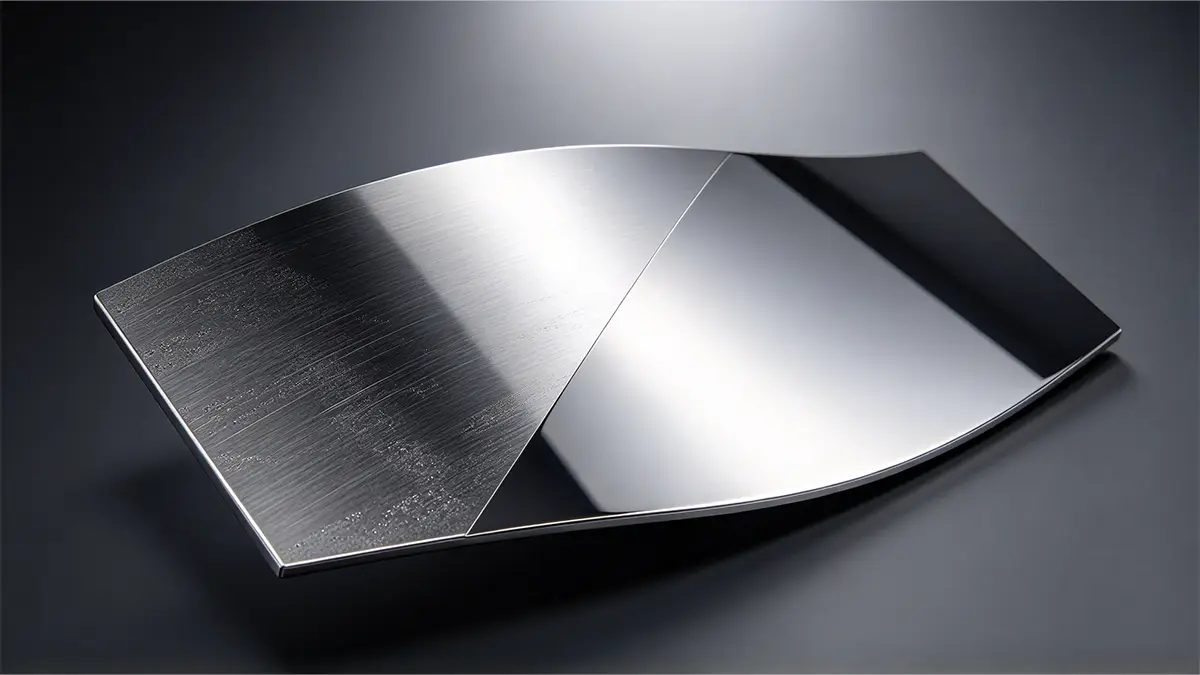
Mechanical polishing gives the steel a smooth, shiny surface suitable for decorating parts such as fixtures and appliances. The luster of polished surfaces is adequate through a buffing process that comes afterward. Although polished surfaces are attractive, they are prone to showing fingerprints and scratches. Thus, they should be applicable in environments with minimal handling or protection through coatings.
Galvanizing
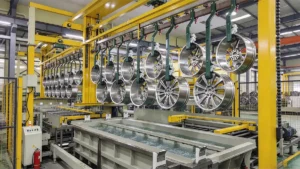
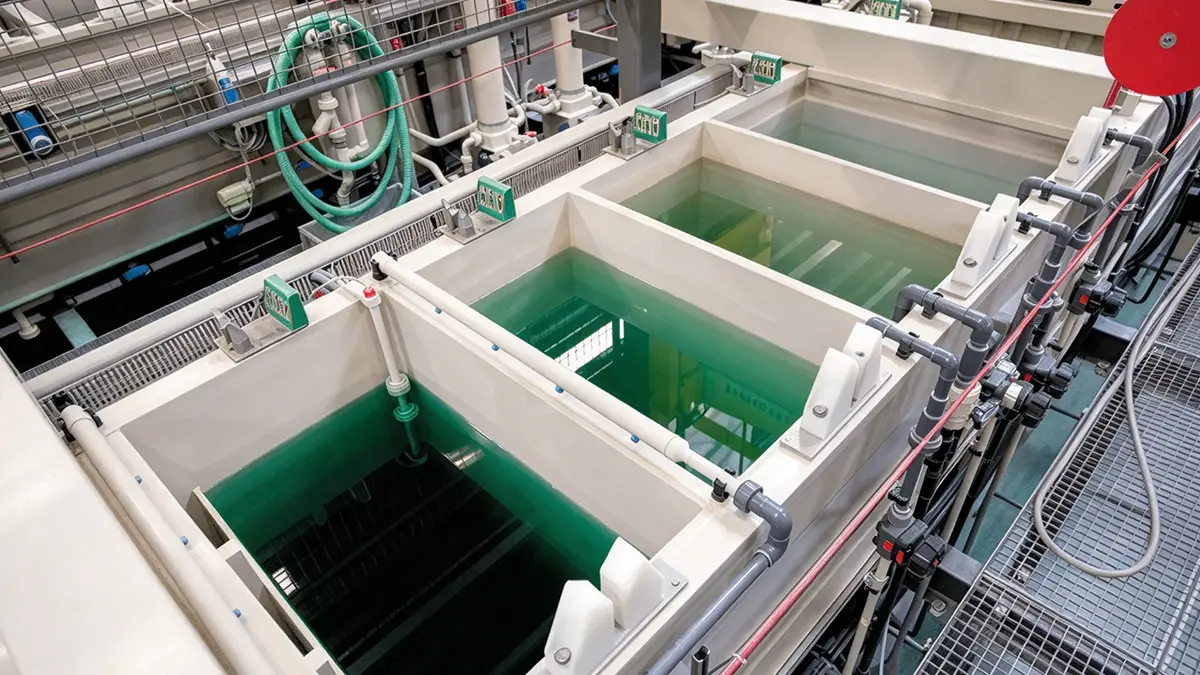
This process involves applying a zinc coating to steel to prevent it from rusting. Hot-dip galvanizing is the choice for infrastructure and construction due to its durability and effectiveness against rust. Designers ought to evaluate the thickness and finish of the zinc layer when making specifications for galvanized parts.
Powder Coating
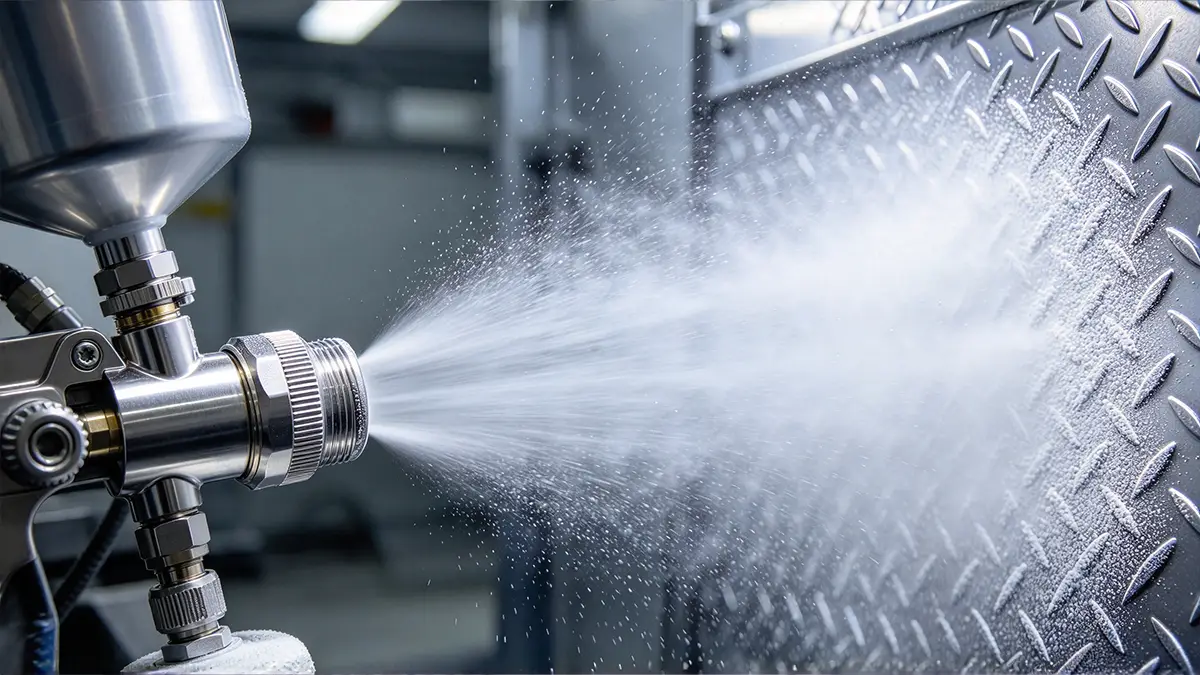
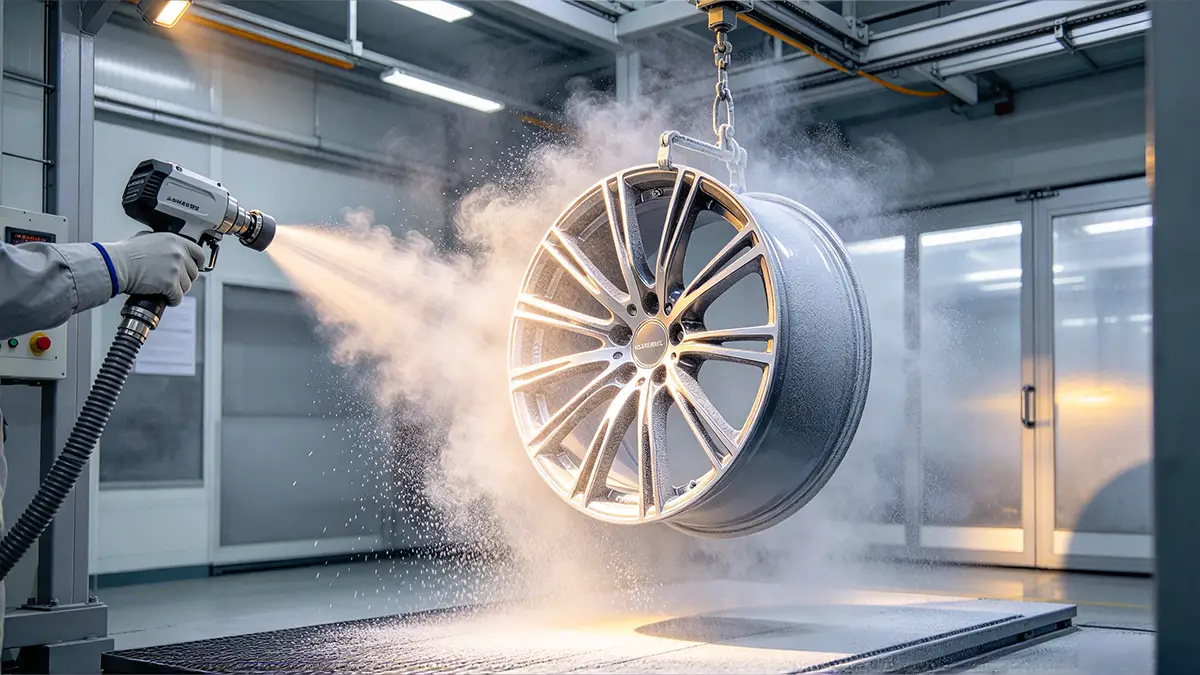
Powder coating offers strength and beauty, as finishes are available in a broad palette of colors and textures. Using an electric static process and heat curing, powder coating produces a surface layer that resists damage from chipping, scratching, and fading. It is suitable for finishing consumer products, automotive parts, and outdoor gear.
Black Oxide
Black oxide is a chemical conversion coating that produces a matte black surface. It protects against rust and is frequently applied to fasteners, tools, and firearms. Although it does not offer the same level of corrosion resistance, it is still cost-effective for improving a surface’s look and minimizing glare.
Heat Treatment
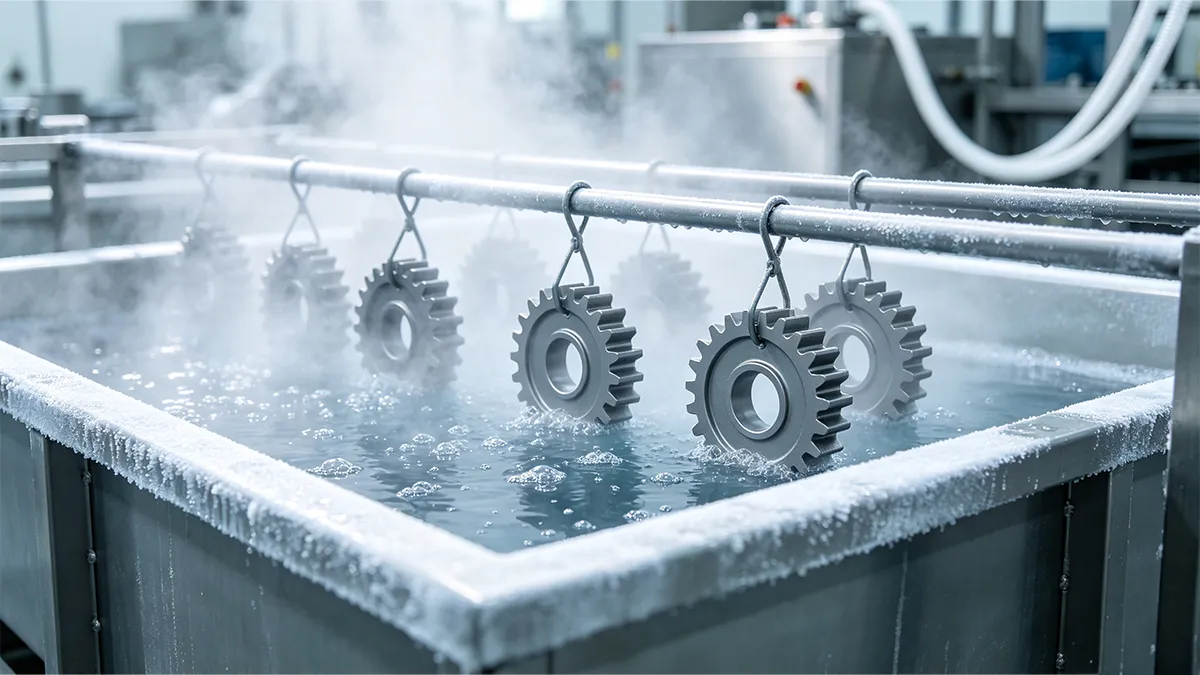
Designers frequently recommend heat-treated steels for use in tools, yielding parts, and structural applications. Passivation, a post-treatment method, may become necessary to further protect against corrosion. The proper finish guarantees that functional standards, brand identity, and user demands exist. Therefore, heat remains an essential element in the passivation process.
A Case Study
Automotive Gearbox Housing
A critical aspect of the steel is the gearbox housing. Steel Designers at an automotive company are producing plans for the gearbox housing of an upcoming electric vehicle. The design specification requires that the part be strong and durable enough to withstand substantial loads and torque. After evaluating numerous materials, the team chose high-strength, low-alloy (HSLA) steel. The choice is due to its strength-to-weight properties and fatigue resistance. The designer decides to use casting for the primary production stage and perform critical CNC machining for cost savings. They often opt for a powder-coated steel finish for better corrosion resistance and visual consistency. Early communication leads the design team to make necessary adaptations to the wall thicknesses and draft angles for simplified casting. The final product is both lightweight and highly resistant to stress. It is environmentally friendly and compatible with the vehicle’s drivetrain because it contains recyclable components.
How Product Designers Share Information Efficiently With Their Manufacturing Partners
Effective communication between stakeholders in product design and those responsible for production is fundamental.
1. CAD Models and Technical Drawings
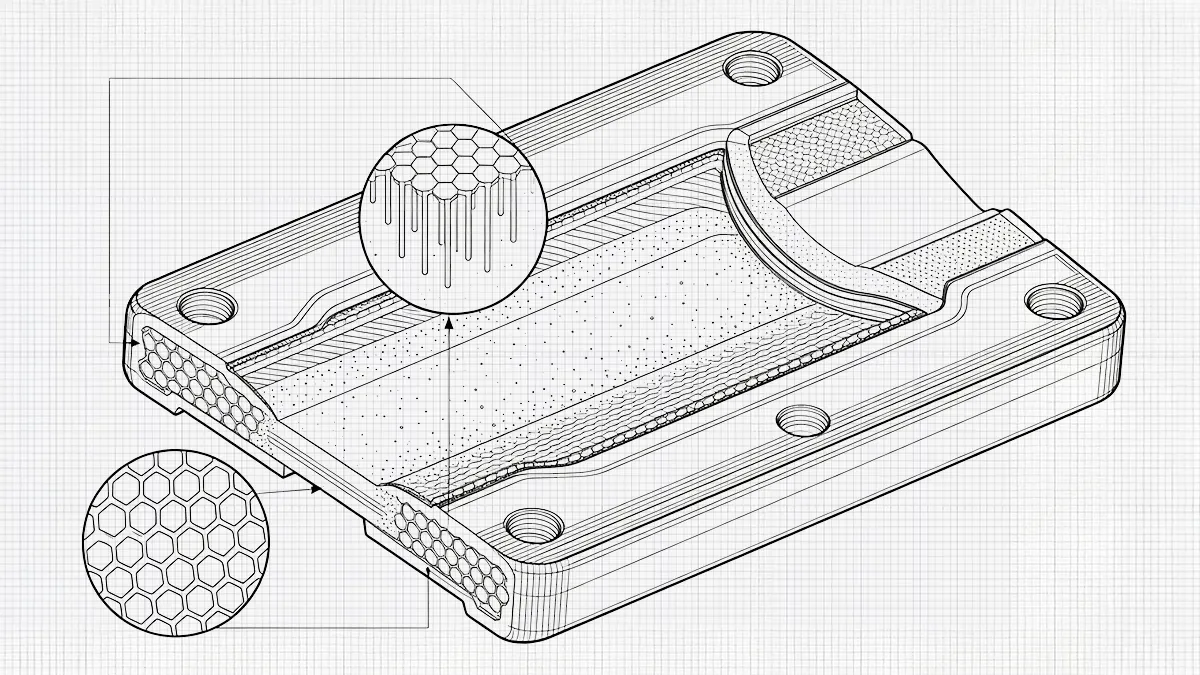
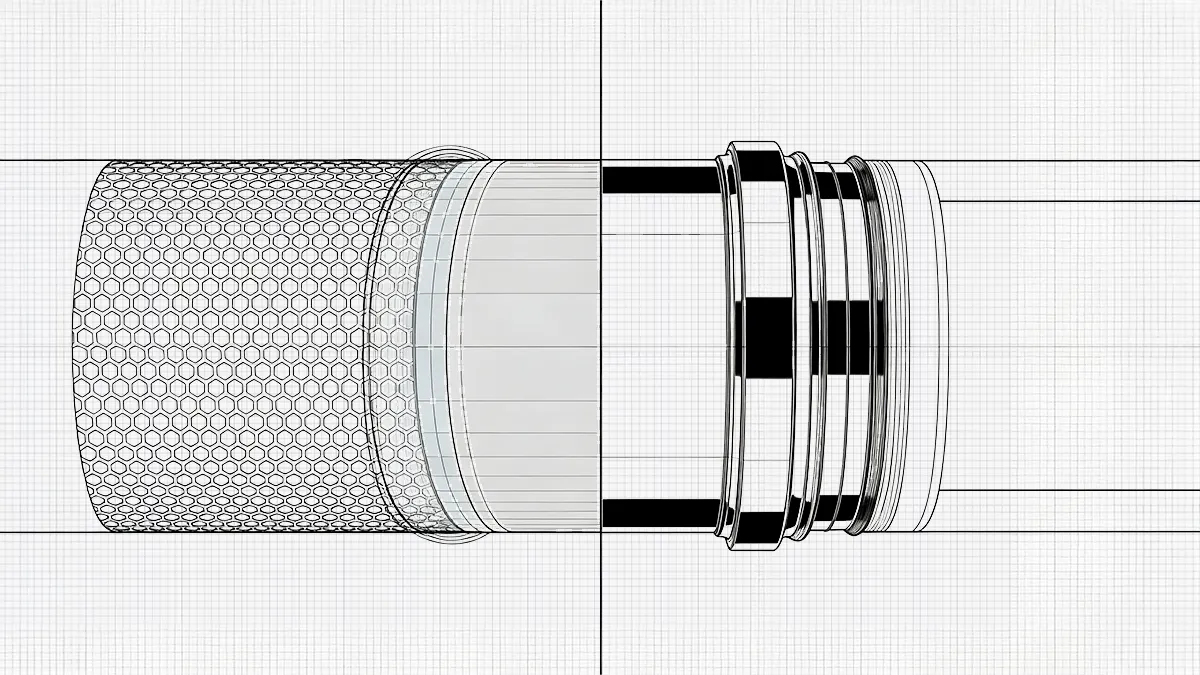
Tolerance is present through effective CAD models, the existing material grades, and precision surface finish. Thus, the models are the leading way for steel designers and manufacturers to communicate; clarifying all details is crucial. Providing suppliers with clear pictorial views (such as isometric or orthographic views) and cross-sectional information simplifies their understanding of assembly sequences and part interactions. Such thorough documentation minimizes the chance of misunderstandings. In the long run, it accelerates the development process and guarantees the product is manufactured to specifications.
2. Material Specification
Global consultations on practical standards for steel grade are needed. Key standards include the EN ISO and ASTM, which vary depending on geographical location. Global supply networks need uniform consistency to guarantee the quality of materials and on-time delivery.
3. Prototype Feedback Loops
Using Steel prototypes allows designers to evaluate whether a product meets form, fit, and functional standards before full production. Validation of design principles can occur swiftly by applying 3D printing. Other processes include CNC machining or using existing parts. Manufacturers’ continuous use during this process improves design quality. The quality improvement is driven by highlighting flaws in tooling, assemblies, and design at an early stage. Such a collaborative process helps prevent the need for expensive changes as the production process advances.
4. Tolerance Discussion
Effective production capacity is achieved through discussing tolerances openly between designers and manufacturing specialists. Using tolerances too tight may result in costlier production. Additionally, it may result in more incredible waste and more difficult machining processes. The product’s performance can be negatively affected if manufacturing tolerances are too broad. Additionally, it can also ease assembly. A compelling blend of accommodation for production processes and specifications leads to products of the highest quality. It also leads to products of greater feasibility for manufacturing.
5. Process Integration
Early collaboration between designers and production engineers helps close the design process’s concept-feasibility gap. They can determine how production processes can manage intricate shapes. It also helps determine appropriate joining approaches or finishing selections for large-scale manufacture. Furthermore, this collaboration enables engineers to identify and implement necessary design modifications to cut expenses, making assembly more straightforward, or increasing product toughness. The objective is to cut expenses, making assembly more straightforward, or increasing product toughness. Collaborating this way guarantees that the end product combines invention with practicality in production.
6. Terminology Alignment
Correct use of steel words is instrumental for design and manufacturing departments. Staff must have a common understanding, which will help with brushed finishes. Additionally, that extends to the nitride surface and the existing annealed condition. Such alignment contributes to product uniformity. It is also instrumental in diminishing the chances of costly rectification or quality defects.
Conclusion
The use of steel in product design is mainly due to its strong adaptability, outstanding strength, and competitive cost. When designers become knowledgeable about the range of steel alloys, reliable products undergo the whole design process. This knowledge also helps them recognize their various characteristics. Finally, it allows the designers to use steel manufacturing techniques with suitable surface finishes to meet product requirements.
Tips: Learn more about the other metals for product designers




 EN
EN  ES
ES  FR
FR  DE
DE  IT
IT  PT
PT  NL
NL  PL
PL  AR
AR  JA
JA  KO
KO  ZH
ZH