


Aluminum is a crucial product design item due to its splendid combination of properties and variability. These properties make this material so desirable for designers. Aluminum has a good strength-to-weight ratio, excellent corrosion resistance, good thermal conductivity, and is lightweight. These critical features make it the right material for many applications, from consumer electronics to automotive parts, aerospace components, and everyday kitchen and household articles.

In addition, aluminum is recyclable to a significant extent, which is consistent with the new sustainability tendencies.
This guide aims to help product designers understand why aluminum is an excellent option, showing the most commonly used aluminum alloys and their main strengths. It also identifies the limitations of the material. This knowledge assists the designers in knowing when other materials may be more suitable. In addition, the guide examines some of the critical manufacturing processes, including CNC machining of aluminum, die casting, and mold making, that allow for efficient and accurate manufacturing.

Why Choose Aluminum?
Aluminum is unique in product design because of its outstanding strength-to-weight ratio, which engineers measure using a specific strength formula:
Specific Strength = Tensile Strength(σu)/Density(ρ)
Having a density of around 2.7 g/ cm³, aluminum provides about a third of the weight of steel while giving tensile strengths ranging from 70 MPA (pure aluminum) to 570 MPA (high-strength alloys such as 7075). This lightweight quality directly improves fuel efficiency in automotive and aerospace applications and provides greater portability in consumer electronics.
Furthermore, aluminum also possesses a naturally occurring oxide layer (Al₂O₃) on the surface, which gives it excellent corrosion resistance without additional coatings, even when exposed to extreme weather. This passivation layer preserves strength and structural integrity while decreasing the maintenance cost and increasing the lifetime of the product.
Besides mechanical advantages, aluminum shines in terms of thermal and electrical conductivity. It has a thermal conductivity between 150 and 235W/m·K, depending on the alloy, which exceeds most structural metals and makes it very suitable as a component of heat sinks and thermal management in electronics. Electrical conductivity is usually 37.7 MS/m (around 61% of copper’s conductivity), which makes aluminum a cheap choice for wiring and power distribution serving, where weight is an essential factor.

Aluminum is also appreciated by designers for its 100% recyclability of the material without degradation of properties, which is consistent with the principles of the circular economy. Physical properties that are relevant to the design of engineering are summarized in Table 1.
| Property | Aluminum (6061 Alloy) | Steel (AISI 1018) | Copper |
|---|---|---|---|
| Density (g/cm³) | 2.7 | 7.87 | 8.96 |
| Tensile Strength (MPa) | 310 | 440 | 210 |
| Thermal Conductivity (W/m·K) | 167 | 50 | 401 |
| Electrical Conductivity (MS/m) | 36 | 10 | 58 |
Key Aluminum Alloys for Designers
When making products using aluminum, it is imperative to choose the correct alloy to strike an appropriate balance between strength, durability, and manufacturability. Every aluminum alloy has specific mechanical and chemical characteristics, which make it more applicable to particular uses and environments. Knowledge of these differences can help designers optimize performance while keeping costs controlled and compatible with manufacturing techniques. The following overview has some of the primary aluminum alloys used in product design and their basic properties.
6061 Aluminum
6061 aluminum alloy is a material used in various applications. It is a precipitation-hardened composition comprising magnesium and silicon elements with superior strength, corrosion resistance, and welding abilities. In the T6 temper, it reaches a tensile strength of approximately 310 MPa and a yield strength of approximately 275 MPa.
It still has a low density of 2.7 g/cm³, making it a good strength-to-weight ratio for structural applications. Its natural aluminum oxide layer gives excellent corrosion protection, particularly in an atmospheric condition.
The alloy is welded efficiently by TIG and MIG welding with the least weakening of the heat-affected zone. Besides, 6061 is good at machinability, thus providing accurate CNC machining of complex designs.
Such characteristics of the 6061 aluminum make it an excellent choice for aerospace, automotive, and marine structural applications where weighty toughness is essential.

7075 Aluminum
7075 aluminum alloy is an alloy that has high strength and is primarily alloyed with zinc, magnesium, and copper, providing tensile strengths up to 570 MPa while having roughly one-third the density of steel (2.81 g/cm³), which allows for significantly This outstanding strength-to-weight ratio makes 7075 great for aerospace structures, military-grade equipment, and other extreme application where maximum performance with the least weight is needed.
However, its corrosion resistance is not as high as that of 6061, so it typically uses protective coatings or anodizing for harsh environments.
Although 7075 has good machinability, its weldability is poor because it tends to crack and lose strength in the HAZ.
7075 aluminum is selected by the engineers when structural rigidity and load-carrying ability are of prime concern, but weight saving is still a significant concern.

5052 Aluminum
The 5052 aluminum alloy is famous for its superior corrosion resistance in severe conditions with salt water and chemicals, and, hence, is ideal in marine and outdoor applications.
5052 is an aluminum alloy, predominantly (about 2.5%) magnesium (Mg). It offers moderate strength with a tensile strength of roughly 210 MPa and a yield of around 145 MPa, and it has good shape and welding characteristics.
It is highly resistant to corrosion by chloride due to a stable oxide film that prevents pitting and degradation; hence, it is long-term reliable in saltwater, coastal, and industrial environments.
Although 5052 loses its strength compared to 6061 and 7075 alloys, its combination of corrosion resistance, ductility, and ease of fabrication makes it the perfect alternative for fuel tanks, marine hulls, roofing, and other exposed external elements that find their way into exterior architectural applications.
| Hardening | Ultimate MPa (PSI) | Yield MPa (PSI) | Tensile Strength acc. ASTM B209 [KSI] | Yield Strength acc. ASTM B209 [KSI] |
|---|---|---|---|---|
| O | 195 (28000) | 89.6 (13000) | ||
| H32 | 228 (33000) | 193 (28000) | 31.0 – 38.0 | >23.0 |
| H34 | 262 (38000) | 214 (31000) | 34.0 – 41.0 | >26.0 |
| H36 | 276 (40000) | 241 (35000) | 37.0 – 44.0 | >29.0 |
| H38 | 290 (42000) | 255 (37000) | >39.0 | >32.0 |

3003 Aluminum
3003 Aluminum alloy has the primary alloying element, i.e., manganese, which gives good corrosion resistance and excellent formability; therefore, it is highly suitable for decorative parts and enclosures that must be lightweight. With a reasonable tensile strength of approximately 115 MPa and yield strength of around 95 MPa, 3003 is less complicated and more ductile than most structural alloys, which makes it easy to deform, bend, and draw without cracking.
Its corrosion resistance is high under most atmospheric conditions, resulting from the protective oxide layer, but it performs poorly in marine or severe atmospheres compared to alloys such as 5052. Helping designers choose 3003 aluminum for such applications as roofing, siding, decorative trims, and consumer product housings, where ease of fabrication and surface finish quality are critical requirements, modest durability results.
When Do We Need to Consider Other Materials?
Aluminum has a lot of engineering advantages. However, it also has significant limitations that designers need to consider. Arguably, one of its major weaknesses is its low wear strength compared to hard metals such as steel. The Brinell hardness of aluminum usually falls between 40-150 HB, which varies depending on alloy and temper; steel alloys often exceed 200 HB. For this reason, aluminum becomes less adequate for parts under high friction, abrasion, or constant mechanical contact, like gears, bearing surfaces, and cutting tools.
In addition, its melting point (being around 660°C) is much lower than that of steel (>1400°C); this limits its use in high-temperature applications such as the parts of engines, exhaust systems, or furnace components, where stability and strength at high temperatures are essential.
In addition, aluminum’s relatively low modulus of elasticity (~69 GPa) provides more significant deflection than steel (modulus of ~200 GPa), which may be a design issue in applications where rigidity or dimensional stability is required under stress. The cost also affects material selection; whereas aluminum can provide extremely favorable strength-to-weight ratios, some steels and engineering plastics could be more cost-effective in mass production, particularly for places where hardness or wear resistance is the primary design factor.
Table: Comparisons Of Critical Mechanical Properties
| Property | Aluminum Alloy (6061 – T6) | Carbon Steel (AISI 1045) | Engineering Plastic (Nylon 6/6) |
|---|---|---|---|
| Tensile Strength (MPa) | 310 | 570 | 80 – 100 |
| Brinell Hardness (HB) | 95 | 150 – 200 | 20 – 30 |
| Melting Point (°C) | 660 | 1425 | 260 – 270 |
| Modulus of Elasticity (GPa) | 69 | 200 | 2 – 3 |
| Density (g/cm³) | 2.70 | 7.85 | 1.15 |
Before settling for aluminum, engineers must analyze the requirements of wear resistance, thermal exposure, stiffness, and the cost involved in the products. Steel or special plastics can outperform aluminum for applications that entail high friction, high temperatures, or extremely high hardness needs. As opposed to steel molds, aluminum molds have better thermal conduction.
Aluminum & Manufacturing Processes
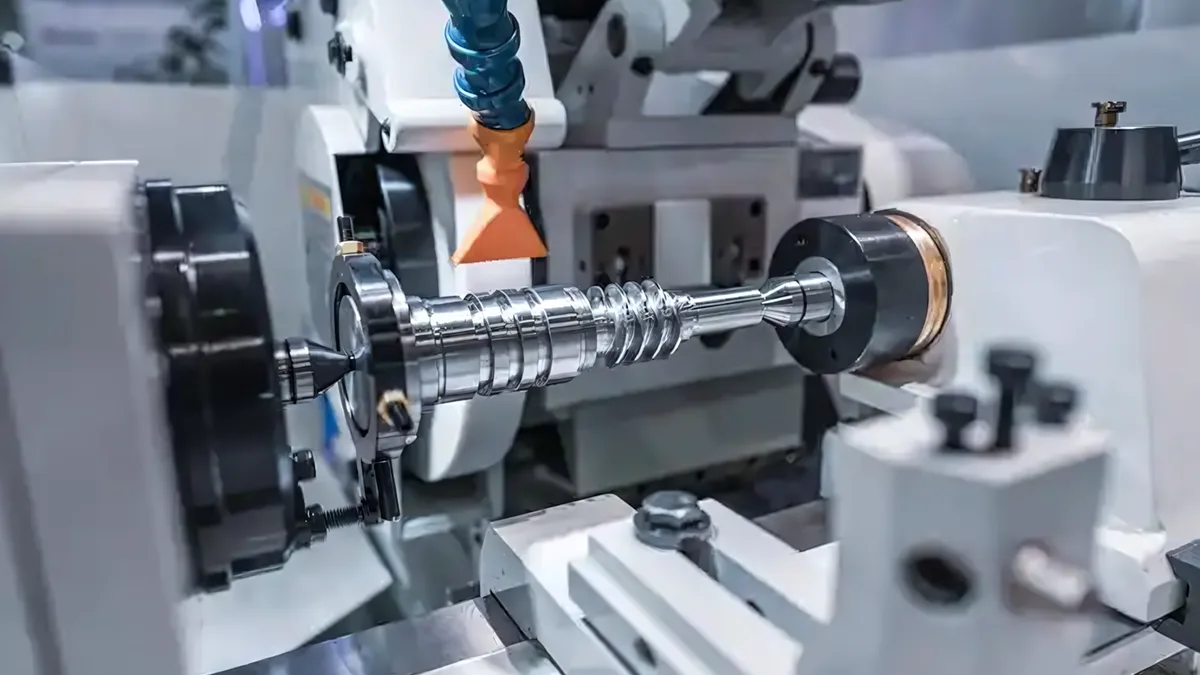
Aluminum has become a tentative choice for product designers who want to balance precision, scalability, and cost. CNC machining of aluminum typically achieves tolerances of ±0.005 in (±0.13 mm) for standard precision and can reach ±0.001 in (±0.025 mm) in premium or ultra-precision processes, a requirement for making functional prototypes, small to medium production. The machinability index of the material, usually about 90% compared to free-machining aluminum, ensures the cutting, drilling, and milling operations with high efficiency and low tool wear. During machining, the designers enjoy the benefits of aluminum thermal conductivity (~205 W/m·K) in dissipating heat and generating thermal distortion. Further, CNC machining offers advanced geometrical profiles and intricate features, which are difficult to develop through casting or forging.

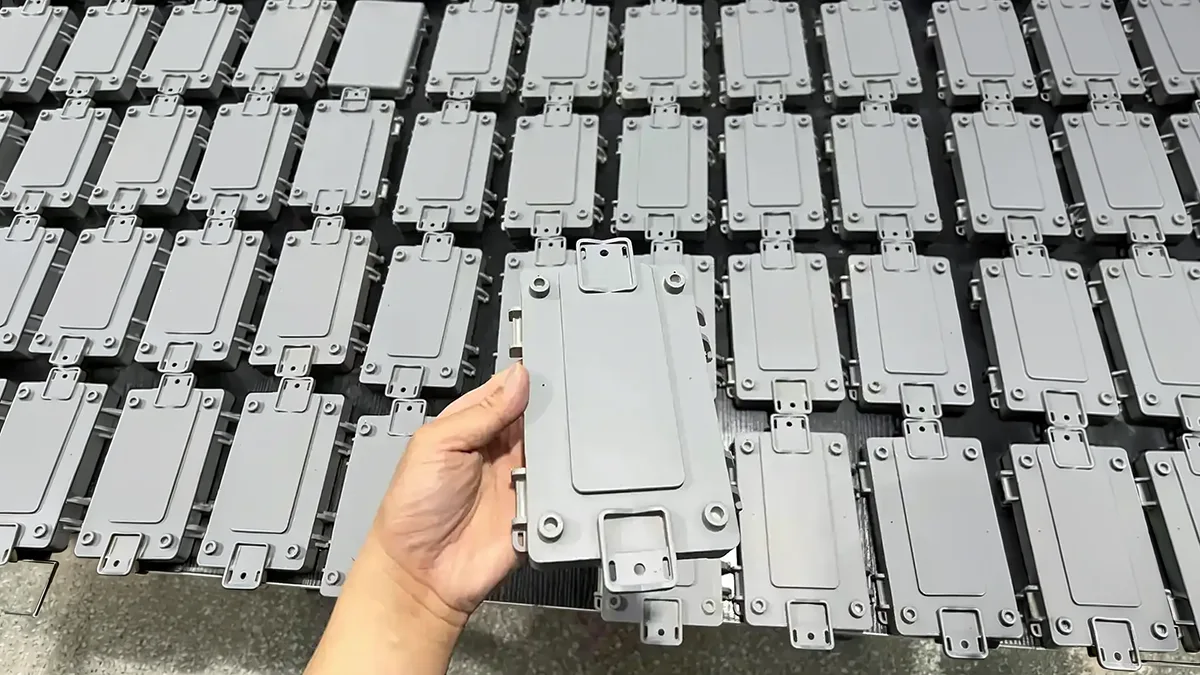
Instead, aluminum die casting will shine through in more complex parts production instances involving high dimensional accuracy and reliability of parts produced on a large scale. Die casting injects molten aluminum (melting point ~660°C) under high pressure into tool steel dies, defining thin-walled sections and intricate detailing. This approach allows cycle times for aiming at 15-30 seconds per piece, which is optimal for mass production, given the throughput.
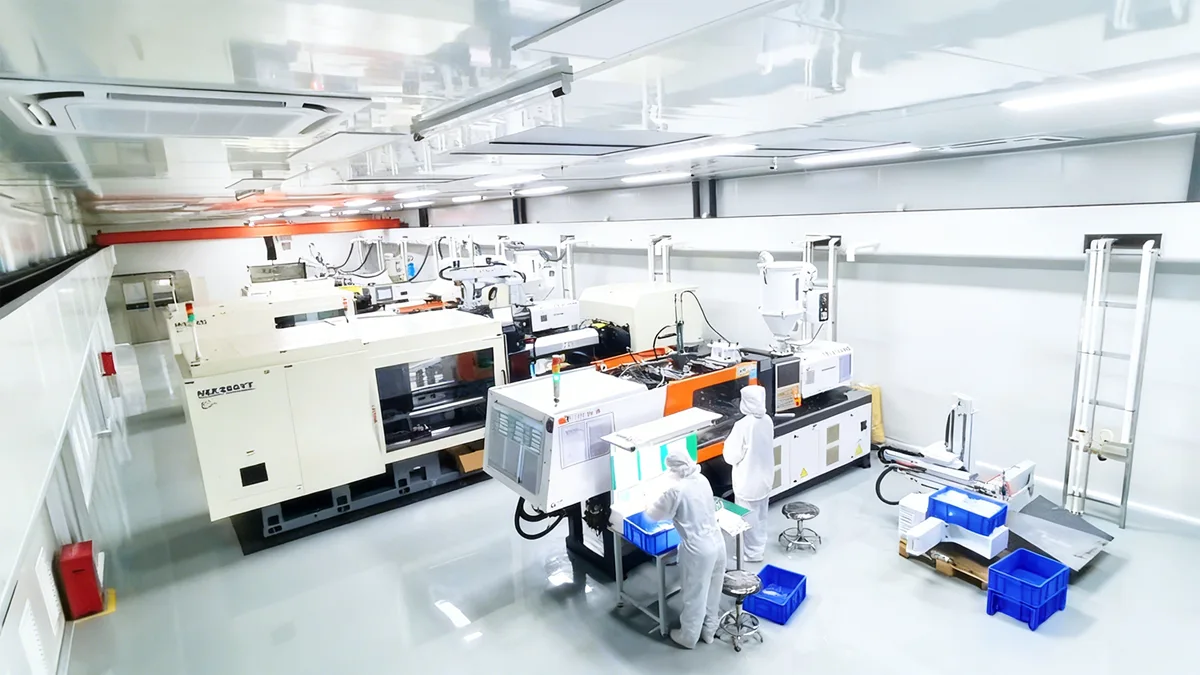
Aluminum molds also play a crucial role in injection molding and prototype tooling. They have better thermal conductivity, which means higher cooling rates and lower cycle times. Nevertheless, the hardness and wear resistance of aluminum molds are not high enough to sustain them in heavy usage applications.
Table: Differences Between The Essential Characteristics Of Manufacturing Techniques
| Process | Tolerance (mm) | Typical Volume | Cycle Time | Cost Efficiency | Ideal Application |
|---|---|---|---|---|---|
| CNC Machining | ±0.01 | Low to Medium | Variable (hours) | High for small batches | Prototyping, complex parts |
| Die Casting | ±0.05 | High | 15 – 30 sec/part | High for mass production | Complex shapes, automotive |
| Aluminum Molds | ±0.02 | Low to Medium | Reduced vs. steel | Moderate, faster cycles | Prototyping, small batch molds |
Surface Finishing Options for Aluminum
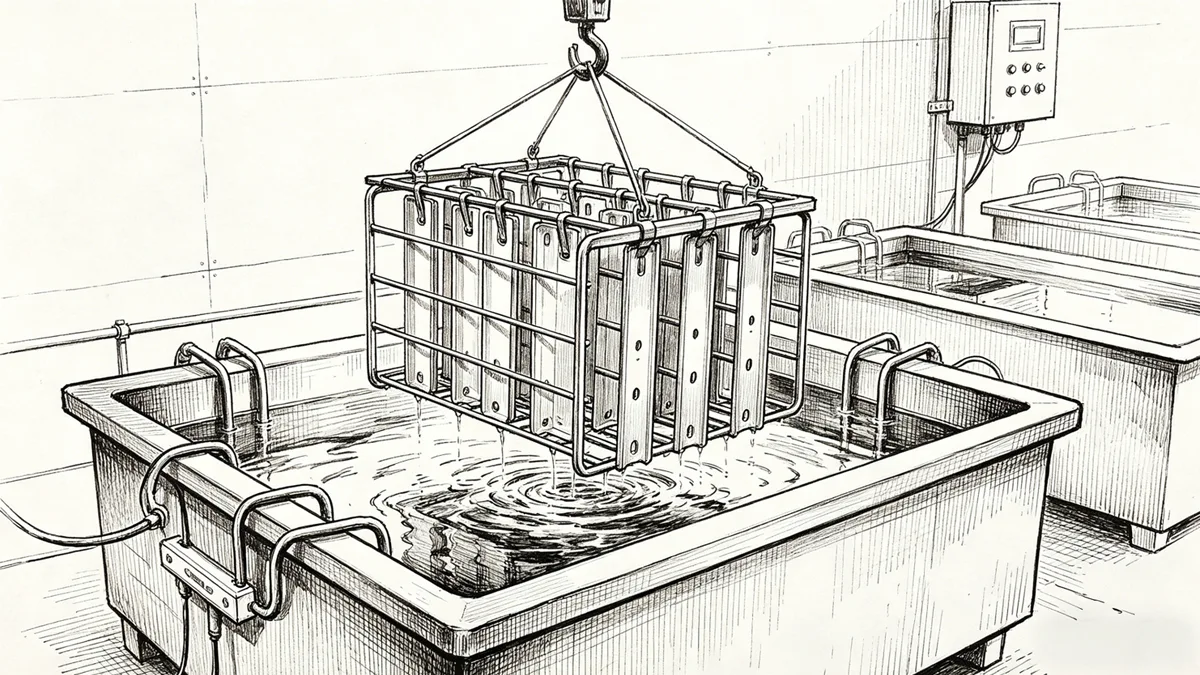
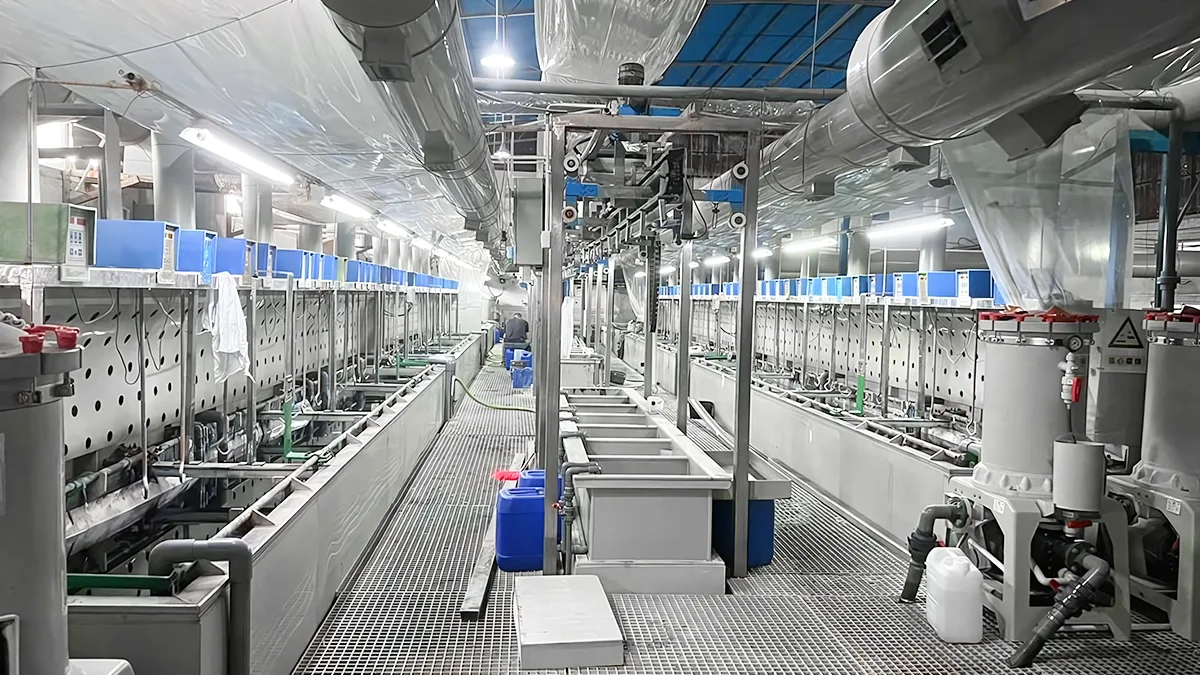
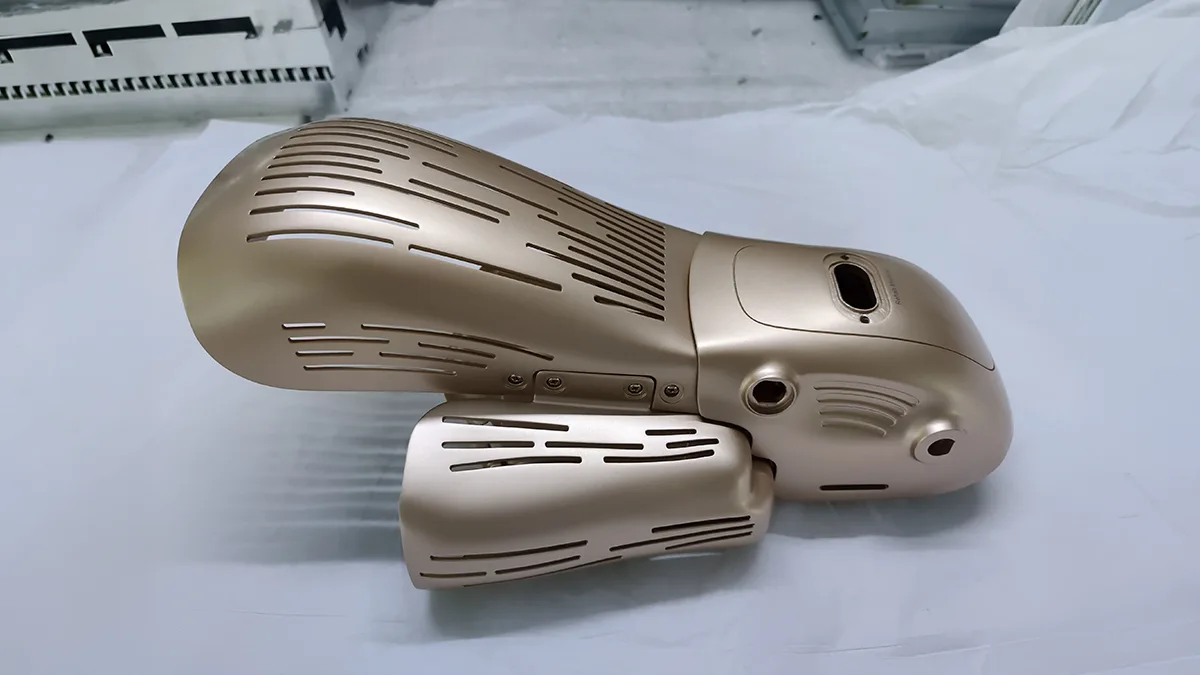
The surface finishing processes significantly affect the ability of aluminum components to perform functionally and aesthetically. Anodizing is still the most common one. In this process, a top layer of aluminum gets converted into an oxide of aluminum (Al₂O₃), which enhances the hardness of the surface (up to ~500 HV). The process makes aluminum corrosion-resistant and allows dye penetration for coloration. Type II anodizing provides decorative finishes, while Type III (Hardcoat) extends wear resistance to be used in industries.
Powder coating is applied electrostatically and thermally, forming a tough polymeric coating resistant to UV degradation, chipping, and abrasion, making it suitable for architectural and consumer products.
Mechanical polishing mechanically polishes the surface to drive down the values of Ra (roughness average), commonly less than 0.2 µm, and improves the reflective property for optical or high-end consumer units.
Brushing comprises an abrasive belt that finishes following a uniform grain direction with a satin-like feel, reducing the surface’s visual flaws.

Case Study: Aluminum in Consumer Electronics
The manufacture of laptops is one of the real-life applications of aluminum. One of the companies that made changes in laptop manufacturing was Apple, which introduced the unibody MacBook Pro in 2008. Engineers choose 6061 aluminum because of its high strength-to-weight ratio, corrosion resistance, and machinability. The making process includes a solid block of extruded aluminum, which goes through 13 discrete CNC milling processes to attain the final shape. This method eliminates the multiplicity of parts and fasteners that lead to a thinner, more rigid housing. The accuracy of CNC machining makes it possible to produce small tolerances and intricate internal shapes that improve structural strength and attractive appearance.
Machined aluminum chassis are post-processed by an anodized coating, which creates a thick oxide layer and makes the surface hard and corrosion-resistant. This finish also provides an option for color customization, adding to the sleek look of the laptop. More than that, the unibody design makes components more durable while simplifying the manufacturing process and decreasing environmental harm by minimizing the amount of wasted materials. Companies’ innovative use of aluminum and superior manufacturing processes set a new standard for the laptop’s design, which impacted the integrated consumer electronics industry.

How Do Product Designers Communicate Efficiently with Their Manufacturing Partners?
Technical correctness, prompt interaction, and a constant loop of interaction are the keys to successful communication by the product designers with the manufacturing partners. The designers must create complete 3D CAD models and detailed 2D engineering drawings with geometric dimensioning and tolerancing (GD&T) containing datums, feature control frames, tolerance zones, etc.
It is essential to mention the aluminum grade (e.g., 6061-T6, 7075-T651) and the design parameters necessary for the surface finish (such as anodizing type, thickness, and /or powder coating specifications). Early considerations should include process limitations such as minimum wall thickness for the die casting, permissible draft angles, CNC machining burrs tolerance, and thermal properties of aluminum during post-processing.
Design for manufacturability (DFM) reviews should be scheduled by designers to make functional requirements compatible with tooling constraints and production abilities. Once the suppliers participate in design iterations, they can optimize cost, performance, and lead time. Course check-ins in prototyping and pilot manufacturing guarantee that expectations are on par regarding tolerances, quality controls, and functioning markers.
Conclusion
Aluminum is an intelligent, dependable option for product designers’ needs that combines design strength, weight, and flexibility. Knowledge of aluminum alloys, manufacturing alternatives such as die casting and aluminum CNC machining, and the appropriate surface finishes can enable designers to develop high-performance products in terms of their function and look. However, for aluminum, proper material selection and the keen involvement of manufacturing partners guarantee optimum results. The use of the full potential of aluminum will enable designers to introduce innovative, durable, and cost-effective products more effectively in terms of speed and efficiency.
Tips: Learn more about the other metals for product designers




 EN
EN  ES
ES  FR
FR  DE
DE  IT
IT  PT
PT  NL
NL  PL
PL  AR
AR  JA
JA  KO
KO  ZH
ZH