

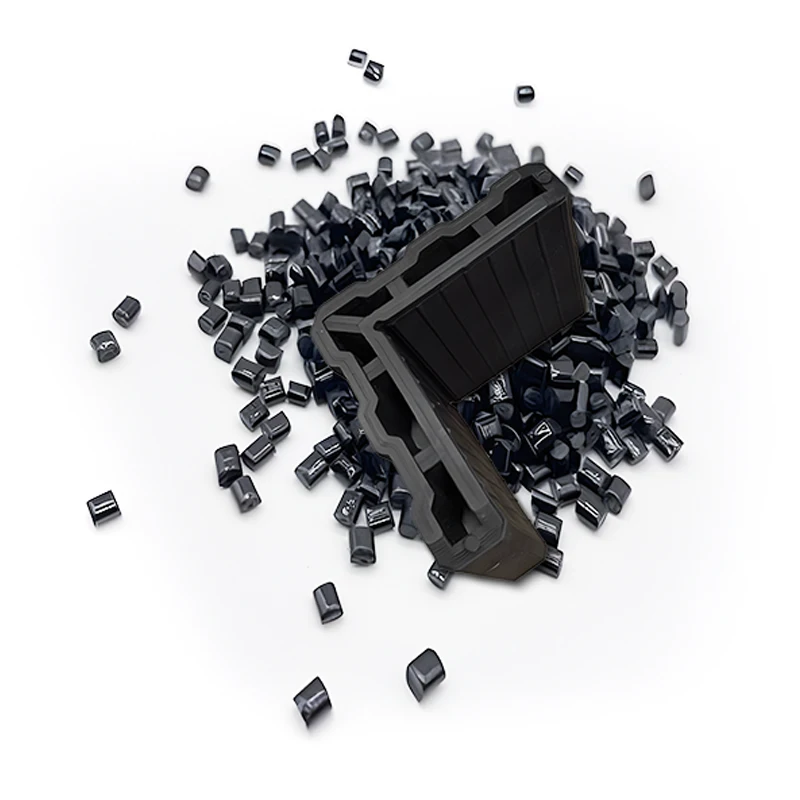
Polyphenylene Oxide (PPO), also known as Polyphenylene Ether (PPE), is an advanced engineering plastic that offers a unique blend of properties. These properties make PPO plastic an ideal choice for various applications, particularly in the electrical, electronic, automotive, and appliance industries.
This guide delves into the key properties, applications, processing methods, and modifications of PPO material, providing a detailed resource for designers and manufacturers.
Understanding PPO Plastic Material
Polyphenylene Oxide (PPO) is a thermoplastic polymer derived from phenols. It is renowned for its excellent dimensional stability, low water absorption, and superior electrical properties. These attributes make PPO highly suitable for demanding environments and applications.
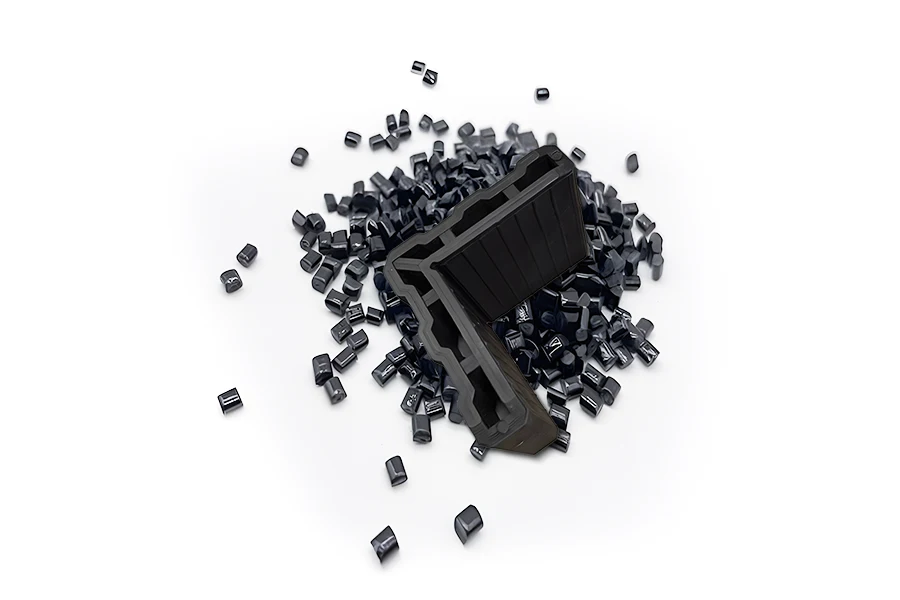
Key Properties of PPO
Chemical Properties
| Chemical Resistance | Rating |
|---|---|
| Acids (concentrated) | Fair |
| Acids (dilute) | Good |
| Alcohols | Fair |
| Alkalis | Good |
| Aromatic Hydrocarbons | Poor |
| Greases and Oils | Fair |
| Halogens | Poor |
| Ketones | Fair |
Electrical Properties
| Electrical Property | Value |
|---|---|
| Dielectric constant @ 1 MHz | 2.7 |
| Dielectric strength (kV/mm) | 16-20 |
| Dissipation factor @ 1 kHz | 0.004 |
| Surface resistivity (Ohm/sq) | 2×10^16 |
| Volume resistivity (Ohm.cm) | 10^17 |
Mechanical Properties
| Mechanical Property | Value |
|---|---|
| Abrasive resistance (mg/1000 cycles) | 20 |
| Coefficient of friction | 0.35 |
| Elongation at break (%) | 50 |
| Hardness – Rockwell | M78/R115 |
| Izod impact strength (J/m) | 200 |
| Poisson’s ratio | 0.38 |
| Tensile modulus (GPa) | 2.5 |
| Tensile strength (MPa) | 55-65 |
Physical Properties
| Physical Property | Value |
|---|---|
| Density (g/cm³) | 1.06 |
| Flammability | HB |
| Limiting oxygen index (%) | 20 |
| Resistance to UV | Good |
| Water absorption (% over 24 hours) | 0.1-0.5 |
Thermal Properties
| Thermal Property | Value |
|---|---|
| Coefficient of thermal expansion (x10^-6 K^-1) | 60 |
| Heat-deflection temperature (°C, 0.45 MPa) | 137 |
| Heat-deflection temperature (°C, 1.8 MPa) | 125 |
| Lower working temperature (°C) | -40 |
| Thermal conductivity (W/m·K) | 0.22 @ 23°C |
| Upper working temperature (°C) | 80-120 |
Benefits of Polyphenylene Oxide (PPO)
Polyphenylene Oxide (PPO) is a highly versatile thermoplastic polymer known for its exceptional properties, making it an attractive material for a wide range of applications. Here is a detailed exploration of the key benefits offered by PPO plastic:
Dimensional Stability
PPO resin maintains its shape and size under mechanical stress and thermal exposure, making it ideal for precision parts. It does not easily deform under load or temperature changes, ensuring consistent performance in industries like automotive and aerospace.
Electrical Insulating Properties
PPO plastic has excellent electrical insulation properties, making it suitable for electrical connectors and electronic components. It can withstand high voltages and has low dielectric loss, ensuring reliable and efficient performance in electrical applications.
Chemical Resistance
PPO resists acids, bases, and detergents, ensuring longevity and durability in harsh chemical environments. This makes it ideal for chemical processing equipment and other applications exposed to corrosive substances, reducing maintenance and replacement needs.
Aesthetic and Surface Finish
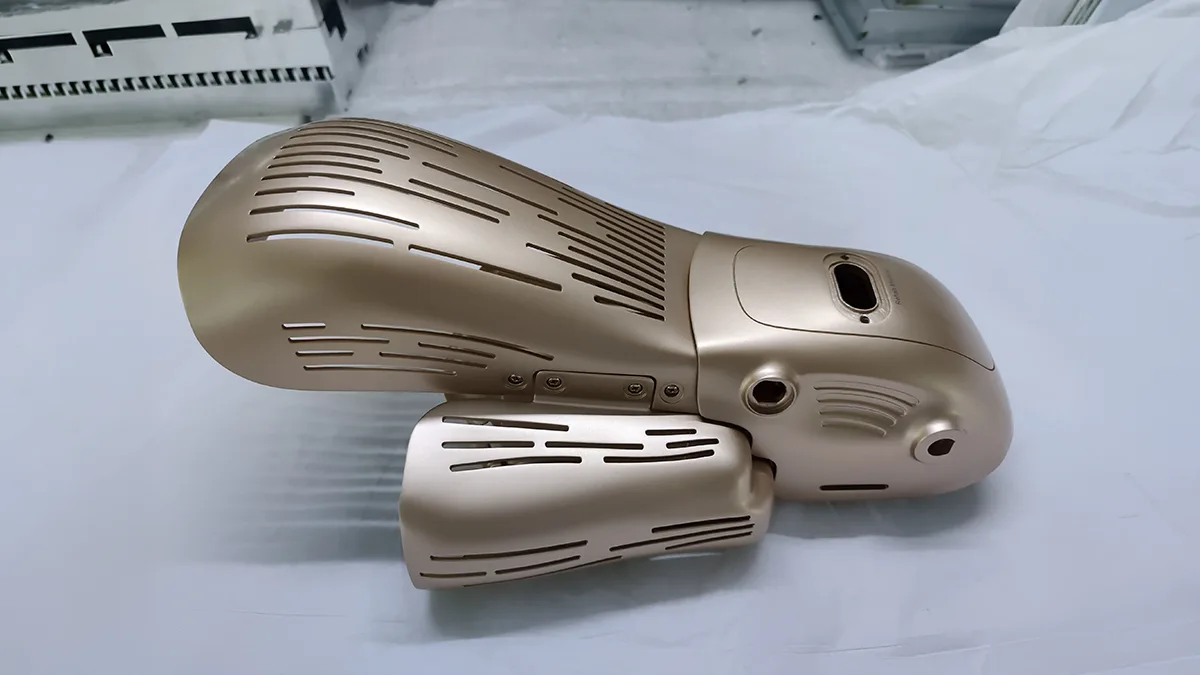
PPO provides a smooth surface finish, eliminating the need for extensive post-processing in visible components. This enhances the aesthetic appeal of consumer-facing products like electronics and automotive interiors, while also reducing manufacturing costs.
Applications of PPO Material
Automotive Industry
In the automotive sector, PPO plastic is valued for its high heat resistance, dimensional stability, and electrical properties. It is used in components such as under-the-hood parts, fuel system components, and electrical connectors. The material’s durability and resistance to high temperatures make it suitable for these demanding environments.
Electronics Industry
PPO’s excellent dielectric properties make it ideal for the electrical and electronics industries. It is commonly used in wire coatings, electrical connectors, and various electronic components. Its low water absorption and dimensional stability ensure reliable performance in these applications.
Appliances
PPO’s resistance to detergents and bleaches, coupled with its dimensional stability, makes it an excellent choice for home appliances. It is used in parts such as pump housings, dishwasher-safe food containers, and knobs on cooking ranges. These applications benefit from PPO’s durability and ease of maintenance.
Modifications of PPO
Modifying PPO material can further enhance its properties and expand its range of applications. Various modification techniques are employed to tailor PPO to specific needs, including:
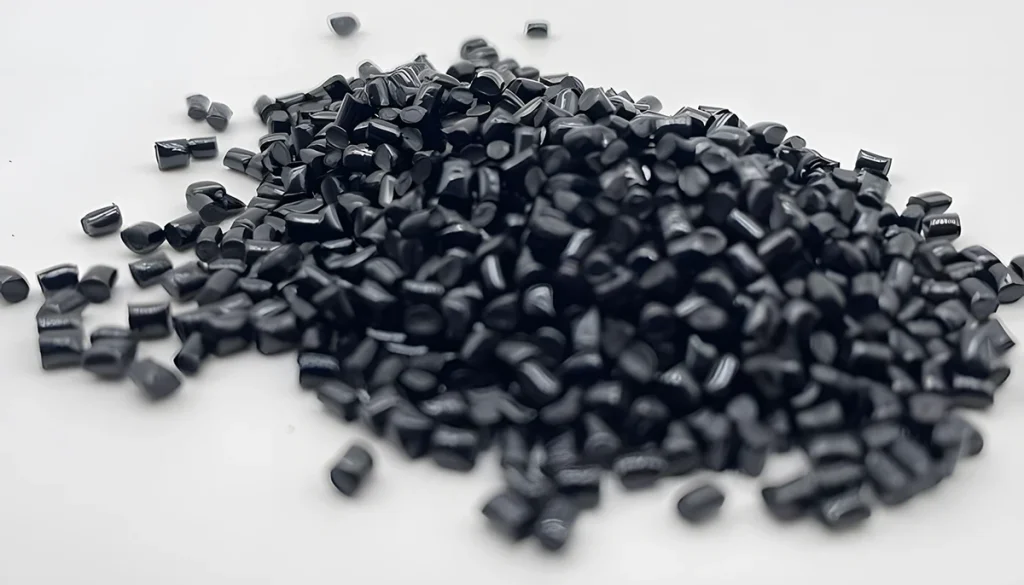
Surface Modifications
Surface modifications can improve PPO’s properties for specific applications, such as membrane preparation and hydrogen fuel cell stack enclosures.
- Membrane Preparation: Modified PPO plastic membranes exhibit enhanced performance in nanofiltration and other filtration processes. Surface modifications can improve rejection coefficients and efficiency.
- Hydrogen Fuel Cell Stack Enclosures: Modified PPO (mPPO) demonstrates excellent moldability for injection molding, making it suitable for lightweight and productive hydrogen fuel cell stack enclosures.
Composites and Blends
Creating composites and blends with other materials can enhance PPO’s mechanical, thermal, and chemical properties.
- Peroxide Initiators: The concentration of peroxide initiators in PPO-based composites can significantly affect their structure and properties. Research into these effects has provided valuable insights for optimizing PPO composites.
- Blends with Other Polymers: Blending PPO plastic with other polymers, such as polystyrene, improves its processability and extends its range of applications.
Processing Challenges of PPO
Polyphenylene Oxide (PPO) is a high-performance polymer known for its excellent thermal and electrical insulating properties. However, its processing poses significant challenges due to its inherent characteristics. These challenges include:
High Melting Point and Poor Melt Viscosity
PPO’s high melting point and poor melt viscosity contribute to a narrow processing window. These properties make it difficult to process PPO material in various applications, requiring precise control over processing conditions.
Oxidative Degradation
PPO is susceptible to oxidative degradation, which negatively impacts its performance and longevity. This degradation occurs during processing and can lead to reduced material properties and potential failures in final products.
Advances in Blending: PPO/PS
To address the processing challenges of PPO, advancements in polymer science have led to the development of blends with polystyrene (PS). The resulting material, known as Polyphenylene Oxide Polystyrene (PPO/PS), combines the beneficial properties of both polymers.
Creation of PPO/PS Blends
The PPO/PS blend is produced by physically mixing PPO and PS. In this blend, polystyrene acts as a compatibilizer, enhancing the melt flow properties of PPO and significantly improving its processability.
Benefits of PPO/PS Blends
The PPO/PS blend offers several benefits:
- Improved Processability: The addition of PS to PPO improves melt flow characteristics, making the material easier to process.
- Enhanced Oxidative Stability: The blend reduces the oxidative degradation of PPO, ensuring better performance and longevity.
- Retention of PPO Properties: Despite the improved processability, the blend maintains the desirable properties of PPO, such as thermal stability and electrical insulating capabilities.
Design Considerations for PPO Parts
Designing parts with Polyphenylene Oxide (PPO) requires careful consideration of the material’s properties to ensure optimal performance and manufacturability. Here are key considerations for designers:
Wall Thickness
Maintaining uniform wall thickness is essential to minimize defects such as warping, sink marks, and uneven cooling. For PPO parts, an optimal wall thickness ranges from 1.5mm to 3mm, which balances strength and material efficiency, ensuring consistent quality and performance.
Gate Location and Size
Strategically placing and sizing the gate is crucial for uniform mold filling and reducing pressure loss. The gate should ideally be located at the thickest part of the mold or near the center of symmetry to ensure even distribution of the molten material and minimize potential defects.
Draft Angles
Incorporating draft angles in the design of PPO parts facilitates easy ejection from the mold, reducing the risk of damage during the demolding process. A minimum draft angle of 1 to 2 degrees is recommended for vertical surfaces to ensure smooth and efficient production.
Rib Design
Ribs are used to enhance the stiffness of PPO parts without significantly increasing wall thickness. To avoid sink marks and other molding issues, ribs should be designed with a thickness of 0.5 to 0.7 times the adjacent wall thickness, providing additional structural support while maintaining part integrity.
Best Practices for Designers and Manufacturers
To maximize the benefits of PPO plastic, designers and manufacturers should follow these best practices:
- Material Selection: Understand PPO’s unique properties and select the appropriate grade and modifications for specific applications.
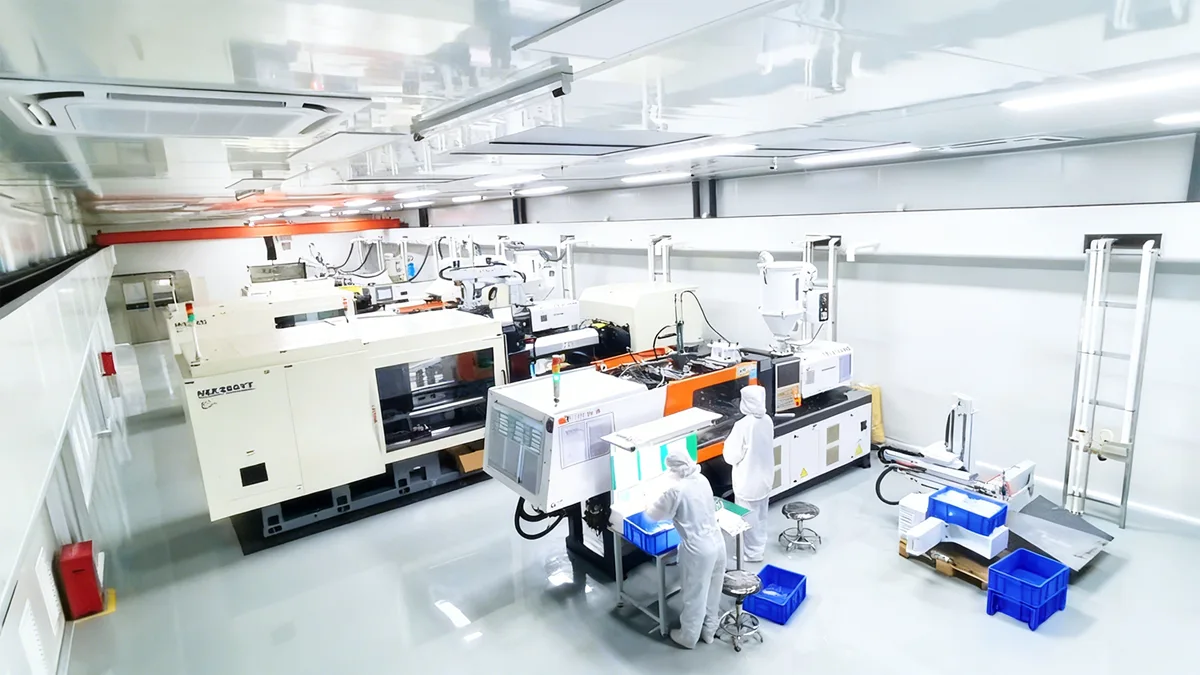
- Processing Techniques: Employ proper annealing, machining, and PPO injection molding techniques to achieve high-quality PPO parts.
- Design Considerations: Optimize part design, including wall thickness, gate location, rib design, and draft angles, to ensure reliable performance.
- Quality Control: Implement strict quality control measures to prevent contamination, warpage, cracking, and dimensional inaccuracies.
Post-Molding Operations for Polyphenylene Oxide (PPO) Parts
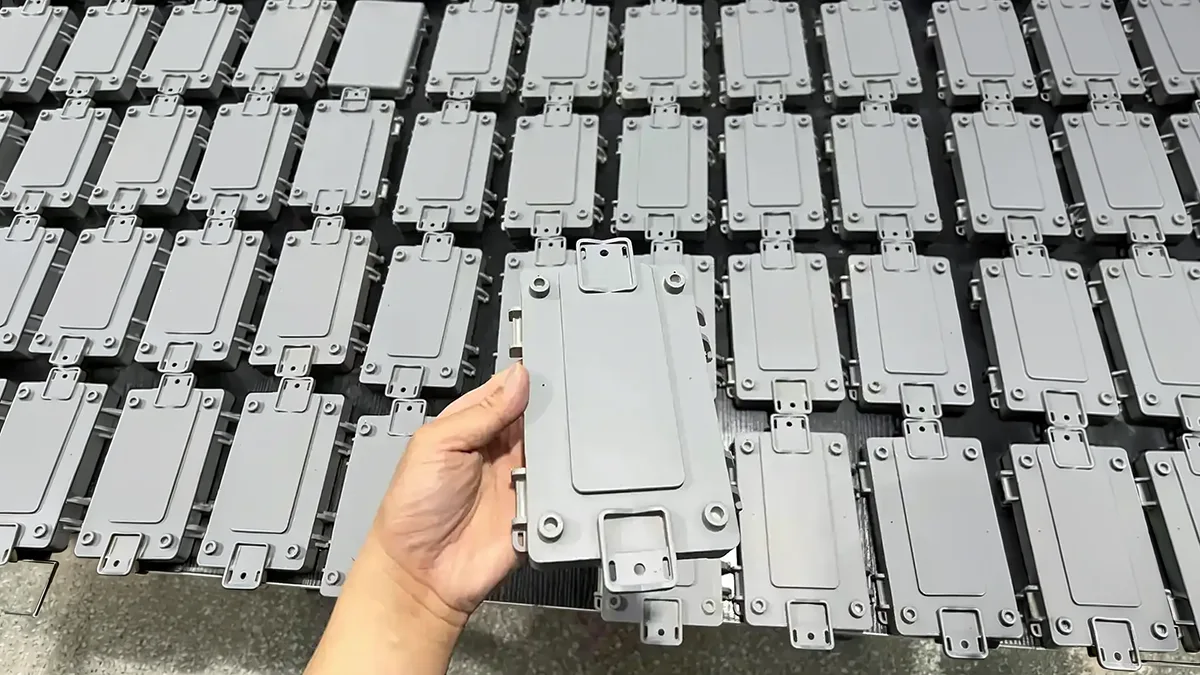
To ensure that PPO parts meet specific functional and aesthetic standards, various post-molding operations are essential. These operations help in refining the parts to achieve the desired quality and performance.
Trimming and Finishing
Techniques for Removing Excess Material:
- Manual Trimming: Skilled operators use knives or other handheld tools to carefully remove excess material. This method is suitable for low-volume production or complex shapes where precision is paramount.
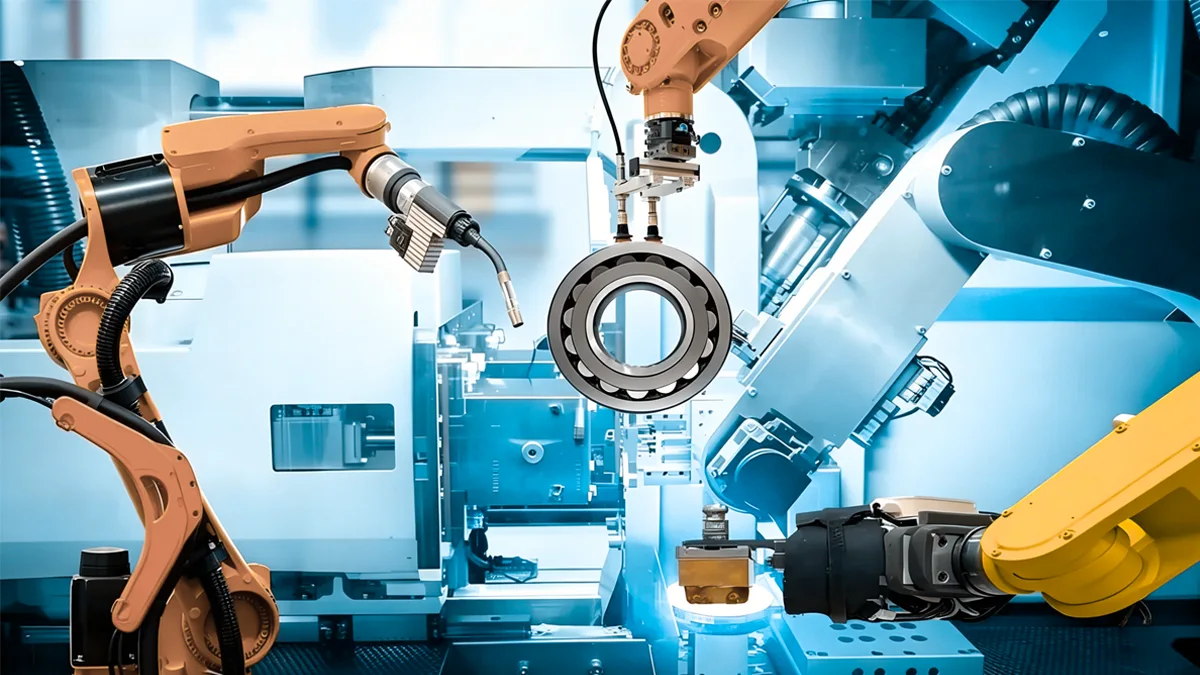
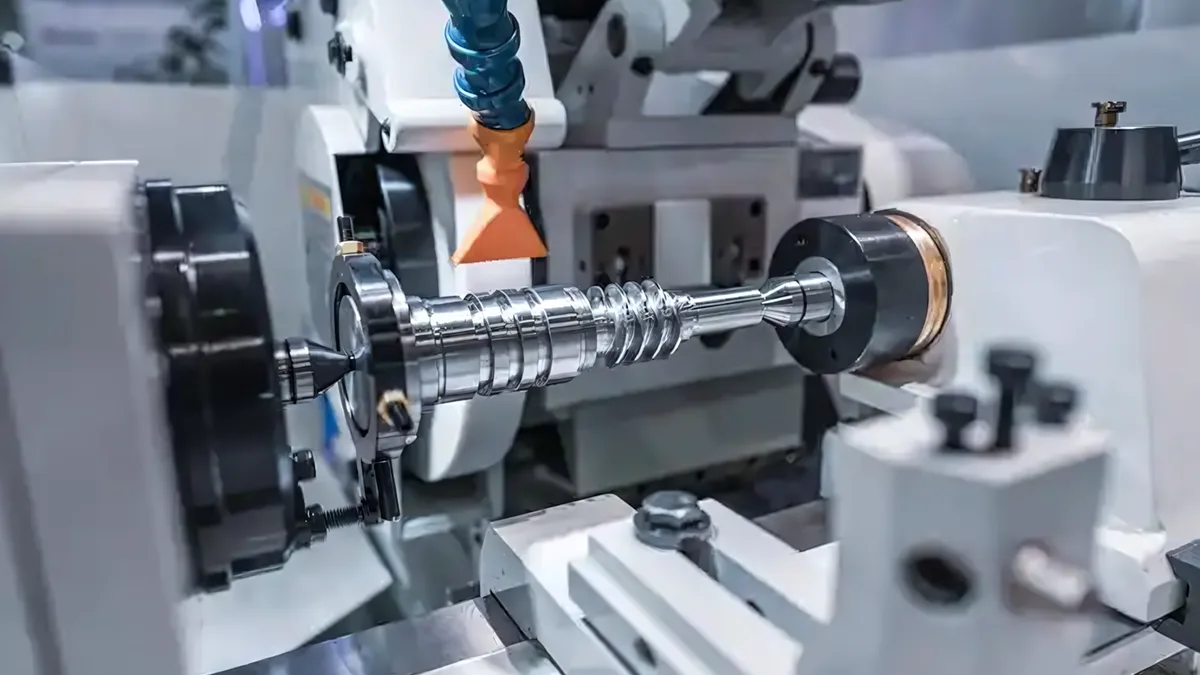
- CNC Machining: Computer Numerical Control (CNC) machines provide high precision and repeatability, making them ideal for high-volume production. CNC machining can handle intricate designs and tight tolerances.
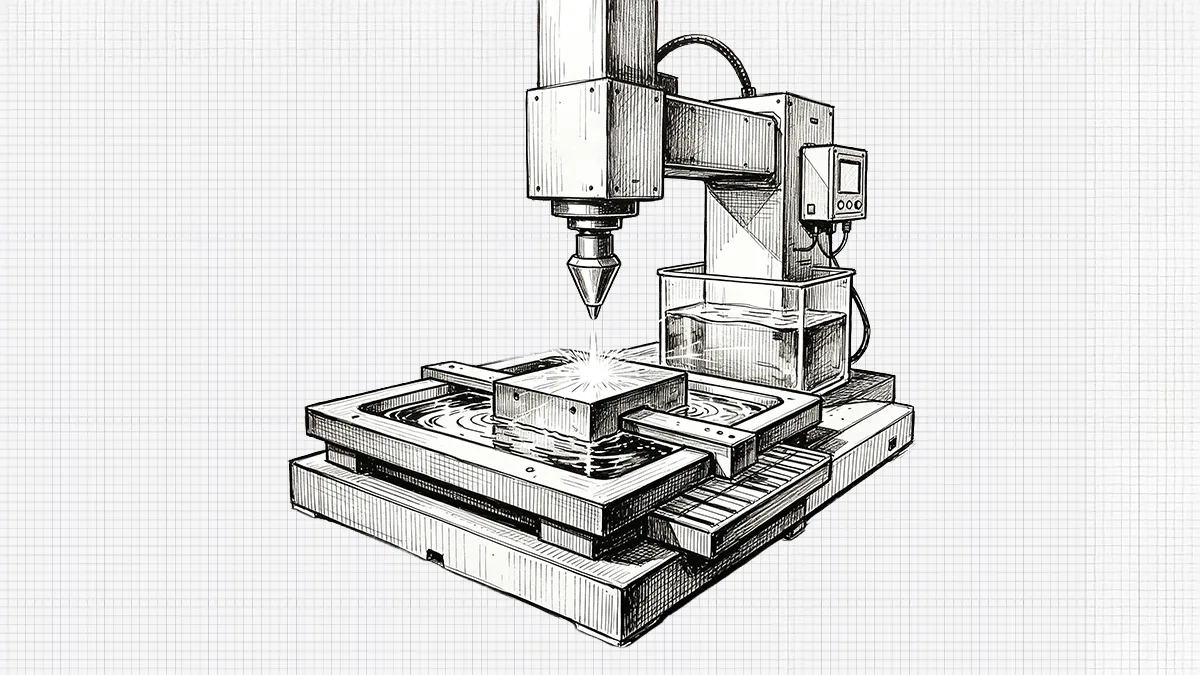
- Laser Cutting: This technique uses a high-powered laser to cut or trim the material. It offers clean edges and can be used for detailed work. Laser cutting is also beneficial for minimizing mechanical stress on the parts.
Finishing Processes to Enhance Surface Appearance and Properties:
- Sanding: Sanding smoothens the surface and removes any minor imperfections. It prepares the parts for subsequent finishing steps like painting or plating.
- Polishing: Polishing further refines the surface, giving it a glossy finish. It is particularly important for parts that require a high-quality aesthetic appearance.
- Painting: Applying paint can improve the visual appeal and provide additional protection against environmental factors. Special coatings can also enhance the material’s performance characteristics, such as UV resistance.
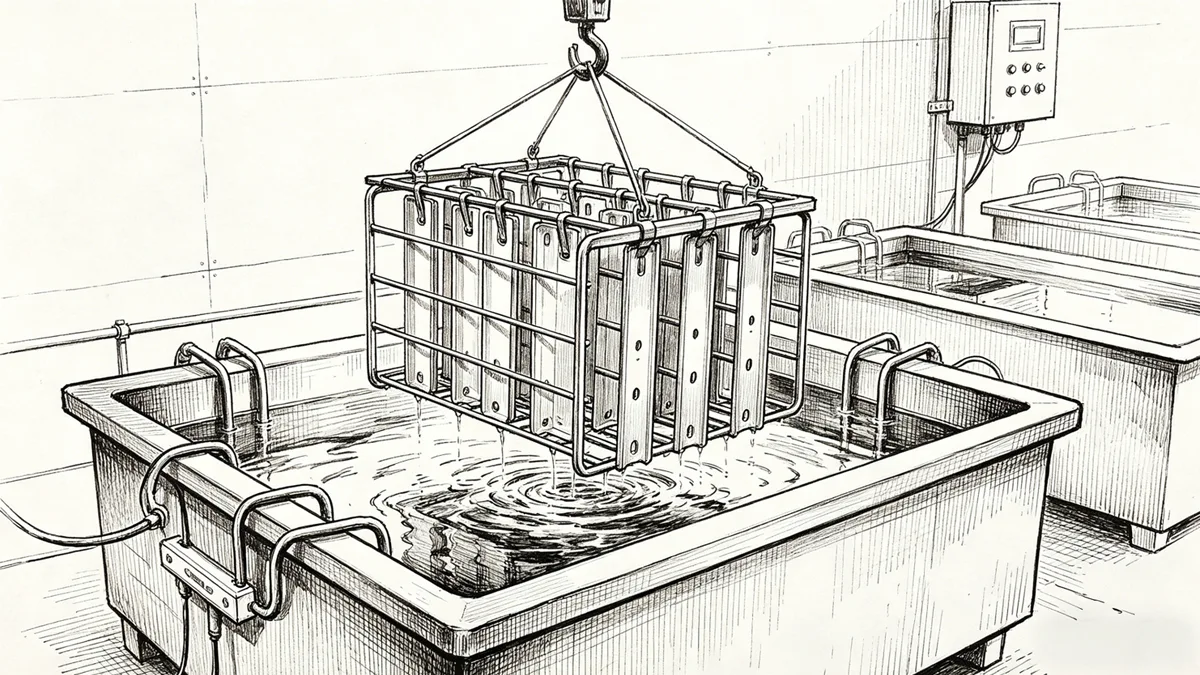
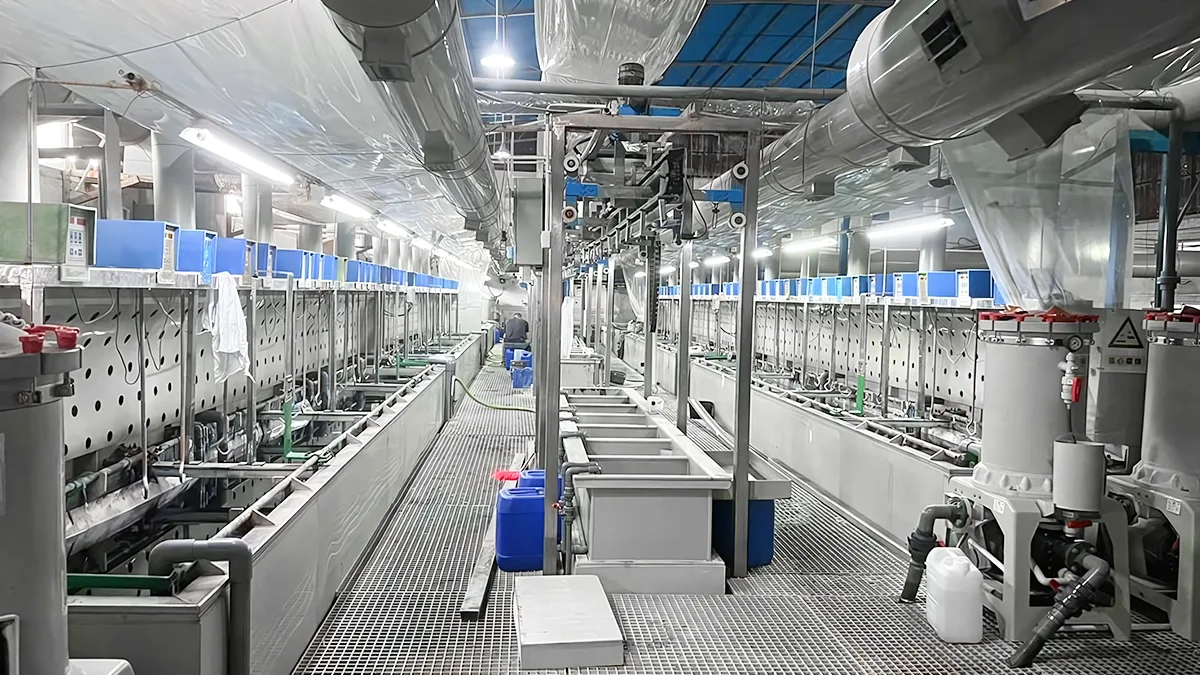
- Plating: Electroplating or other types of plating can be used to add a metallic layer to the surface, improving both appearance and durability. This is especially useful for parts exposed to harsh conditions.
Assembly Considerations
- Adhesive Bonding through Epoxy Resins and Cyanoacrylates: These adhesives are effective for bonding PPO parts. Epoxy resins offer strong, durable bonds that can withstand various environmental conditions. Cyanoacrylates, commonly known as super glues, provide quick bonding solutions for smaller or less demanding applications.
- Ultrasonic Welding by Joining PPO Parts Without Contaminants: Ultrasonic welding uses high-frequency ultrasonic vibrations to create a solid-state weld. This method is advantageous because it does not introduce contaminants or require additional materials, ensuring the integrity of the parts.
- Mechanical Fastening of Screws and Rivets: Mechanical fasteners such as screws and rivets are commonly used to assemble PPO parts. They offer reliable and removable joints, making them suitable for parts that may need to be disassembled for maintenance or repairs.
Quality Control
- Visual Inspections: Visual inspections involve examining the parts for any visible defects such as surface blemishes, warpage, or cracks. This is a quick and effective way to identify obvious issues.
- Dimensional Checks: Using tools like calipers and micrometers, dimensional checks ensure that parts meet the required specifications. This is critical for ensuring the parts fit correctly in their intended applications.
Testing Procedures
- Stress Tests: Stress tests evaluate the part’s ability to withstand mechanical forces. This ensures the part will perform well under load conditions.
- Heat Resistance Tests: These tests determine how the part responds to high temperatures, ensuring it can maintain performance in demanding environments.
Packaging Considerations
- Protective Measures During Storage and Transportation: Proper packaging is crucial to prevent damage to the parts during storage and transportation. This can include using protective materials such as foam inserts, bubble wrap, or custom-designed packaging solutions to cushion the parts and keep them secure.
Handling Guidelines
- Preventing Damage to Finished Parts: Clear handling guidelines should be established and communicated to all personnel involved in the handling process. This includes instructions on lifting, moving, and storing the parts to avoid scratches, dents, or other forms of damage.
Conclusion
Polyphenylene Oxide (PPO) is a versatile and advanced engineering plastic with a unique combination of properties. By understanding its key attributes, applications, processing methods, and modifications, designers and manufacturers can harness PPO’s potential for various industries.
Following best practices and addressing common challenges will ensure the successful utilization of PPO in high-performance applications.
Tips: Learn more about the other plastics




 EN
EN  ES
ES  FR
FR  DE
DE  IT
IT  PT
PT  NL
NL  PL
PL  AR
AR  JA
JA  KO
KO  ZH
ZH