

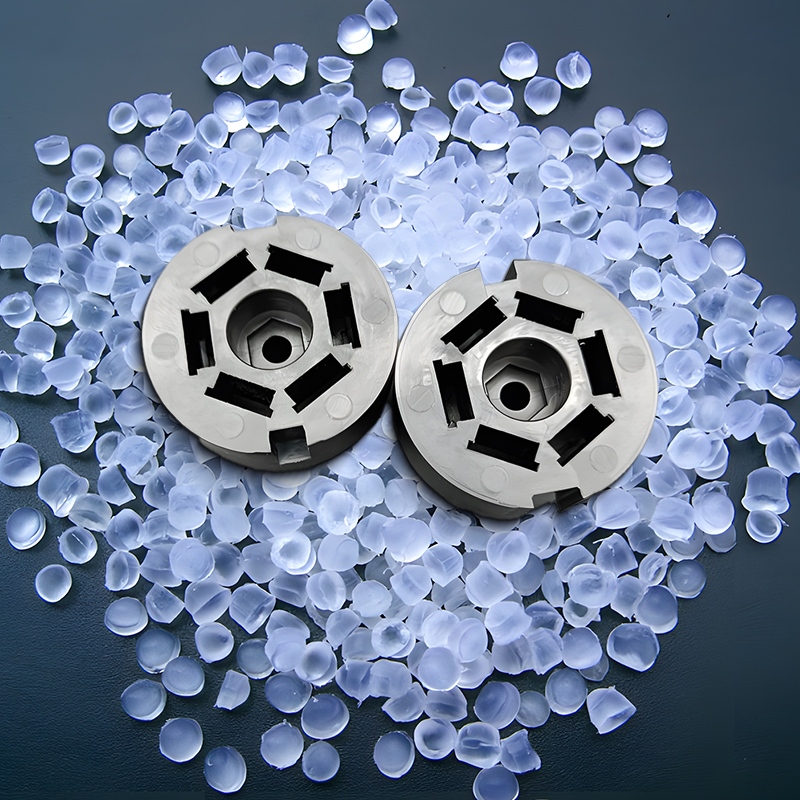
Polyvinyl Chloride (PVC or Vinyl) is a high-strength thermoplastic material widely used in applications such as pipes, medical devices, and wire and cable insulation. It is the world’s third-most widely produced synthetic plastic polymer. This guide provides detailed information on PVC plastic, covering its properties, types, processing methods, applications, and modifications aimed at designers and manufacturers.
Understanding Polyvinyl Chloride (PVC)
Polyvinyl Chloride (PVC), often called Vinyl, is an economical and versatile thermoplastic polymer. This Vinyl was first made unintentionally in 1872 by German chemist Eugen Baumann, who exposed vinyl chloride gas sealed in a tube to sunlight, producing a white solid called PVC.
Notably, German chemist Friedrich Klatte received the first patent for polymerizing PVC using sunlight in 1913. By World War I, Germany produced various flexible and rigid PVC products to replace corrosion-resistant metals. Today, PVC plastic is the third-largest global thermoplastic by volume after polyethylene and polypropylene.
With global recognition, the building and construction industry now predominantly uses this material to produce door and window profiles. Manufacturers also commonly use it to produce drinking and wastewater pipes, wire and cable insulation, and various medical devices.
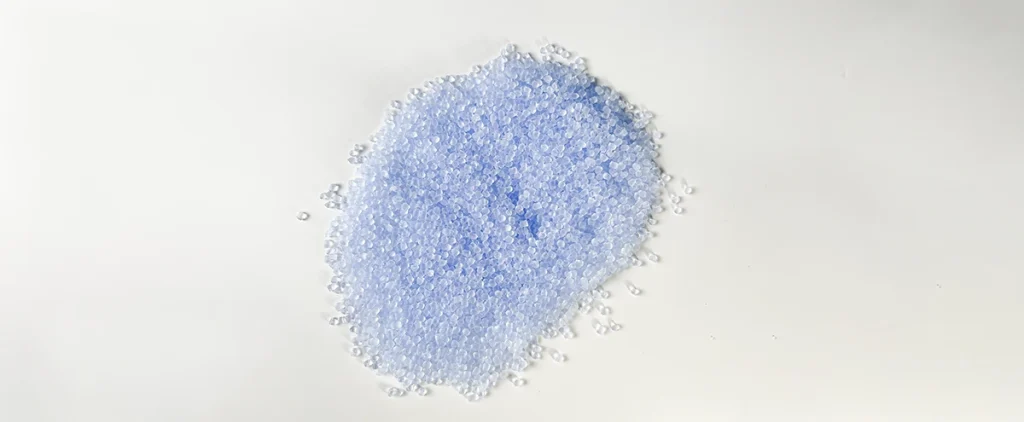
Forms of PVC
Flexible PVC
- Density: 1.1-1.35 g/cm³
- Overview: Formed by adding compatible plasticizers to PVC, lowering crystallinity and resulting in a more transparent and flexible plastic. Also known as PVC-P.
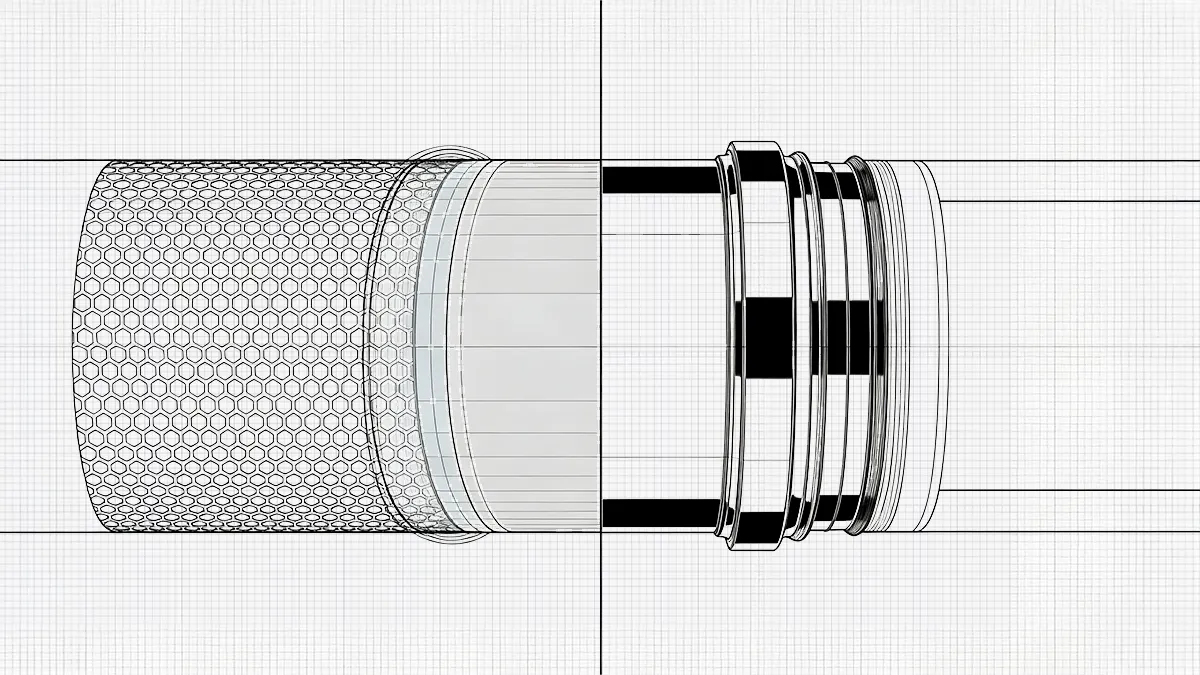
- Applications: Used in applications requiring flexibility, such as cables, hoses, and inflatable products.
Rigid PVC
- Density: 1.3-1.45 g/cm³
- Overview: Stiff and cost-effective plastic resistant to impact, water, weather, chemicals, and corrosive environments. Also known as UPVC, PVC-U, or uPVC.
- Applications: Commonly used for pipes, window frames, and other construction materials.
Chlorinated PVC (CPVC)
- Overview: Prepared by chlorination of PVC resin, increasing chlorine content to about 66%, enhancing durability, chemical stability, and flame retardancy.
- Applications: Suitable for high-temperature applications such as hot water pipes and industrial fluid handling.
Molecular Oriented PVC (PVC-O)
- Overview: Formed by reorganizing the amorphous structure of PVC-U into a layered structure, enhancing physical characteristics such as stiffness, fatigue resistance, and lightweight.
- Applications: Used in high-performance pressure pipes.
Modified PVC (PVC-M)
- Overview: An alloy of PVC formed by adding modifying agents to enhance toughness and impact properties.
- Applications: Utilized in applications requiring enhanced durability and impact resistance.
Properties of PVC
PVC is a highly versatile material with many properties that make it suitable for various applications. Understanding these properties helps designers and manufacturers select the right type of PVC plastic for their specific needs.
Key Properties of PVC
| Property | Value |
| Density | 1.3-1.45 g/cm³ (Rigid PVC) |
| Shore Hardness | 80 (Shore D, Rigid PVC) |
| Thermal Stability | Up to 60°C (Rigid PVC) |
| Flame Retardancy | Self-extinguishing |
| Dielectric Strength | Excellent |
| Volume Resistivity | High |
| Chemical Resistance | Excellent |
| Weather Resistance | Excellent |
Mechanical Properties
- Abrasion Resistance: High resistance to wear and tear, making it suitable for applications requiring durability.
- Toughness: PVC can withstand significant stress without breaking, which is ideal for construction and automotive applications.
- Hardness: Rigid PVC has a Shore D hardness of around 80, providing a rigid and durable surface.
Thermal Properties
- Thermal Stability: PVC maintains its properties over a wide temperature range, with rigid PVC suitable for applications up to 60°C.
- Flame Retardancy: High chlorine content makes PVC self-extinguishing, providing excellent fire resistance.
Electrical Properties
- Insulation: PVC has excellent dielectric strength, making it a good insulator for electrical applications, particularly wire and cable insulation.
- Volume Resistivity: High electrical resistivity ensures it effectively resists the flow of electrical current.
Chemical Properties
- Chemical Resistance: PVC is resistant to most inorganic chemicals, including acids, bases, salts, and aliphatic hydrocarbons.
- Weather Resistance: PVC is resistant to weathering, making it suitable for outdoor applications.
Physical Properties
- Density: PVC is relatively dense compared to other plastics, contributing to its robustness.
- Transparency: Producers can create it in transparent and opaque forms, offering versatility in medical devices and packaging applications.
Processing of PVC
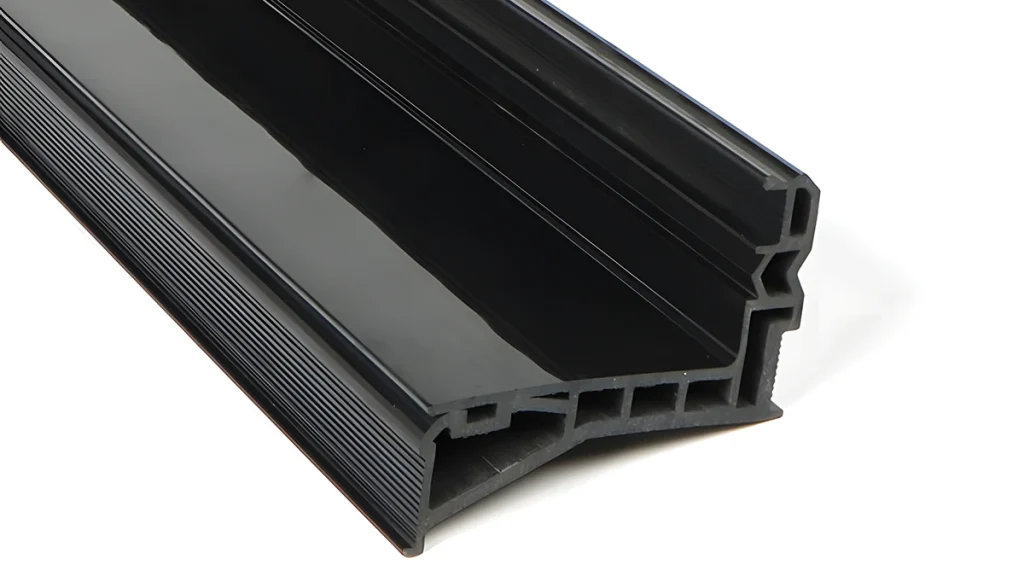
Extrusion
Used to create continuous shapes such as pipes, profiles, and sheets. Extrusion temperatures are typically 10-20°C below injection molding temperatures to avoid premature degradation.
Calendering
Used for making PVC films and sheets. This process involves passing the PVC compound through a series of heated rollers to achieve the desired thickness and finish.
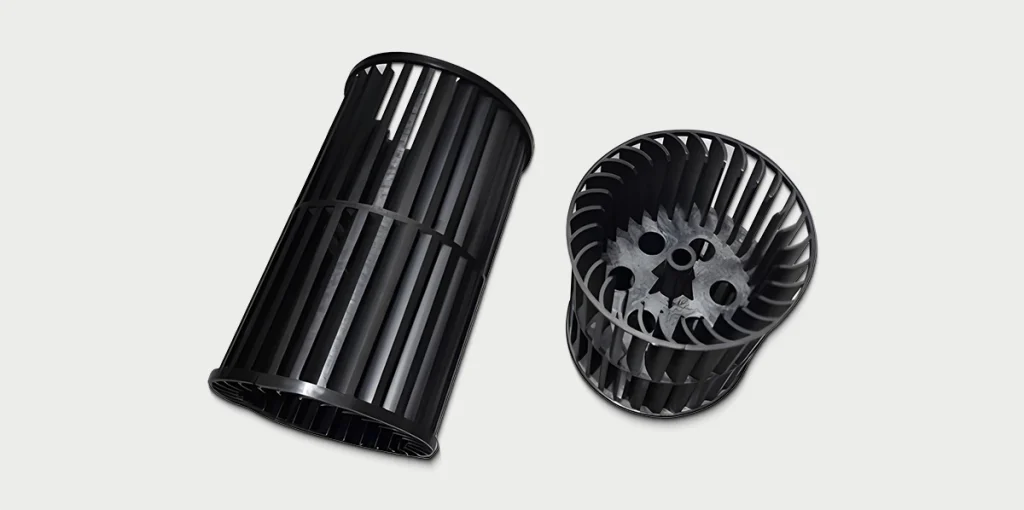
Injection Molding
Used to produce complex shapes and high-precision components:
- Plasticized PVC: Melt temperature 170-210°C, mold temperature 20-60°C, mold shrinkage 1-2.5%
- Rigid PVC: Melt temperature 170-210°C, mold temperature 20-60°C, mold shrinkage 0.2-0.5%
Stretch Blow Molding
Used for making bottles and hollow containers by stretching and inflating heated PVC preforms.
3D Printing
Recent advancements now enable the use of PVC plastic in additive manufacturing. For example, Chemson Pacific Pty Ltd demonstrated 3DVinyl™ PVC material by 3D printing a giant flower vase using a pellet-fed 3D printer.
Bonding Methods
PVC can be bonded using various techniques, including:
- Welding: Heat application and pressure to join PVC parts.
- Adhesives: Chemical bonding techniques suitable for both flexible and rigid PVC.
Applications of PVC
Building and Construction
PVC’s durability, resistance to weathering, and ease of installation make it extensively used in the construction industry:
- Pipes: Drinking and wastewater pipes
- Profiles: Window and door frames
- Roofing Materials: Lightweight and weather-resistant
Healthcare
The healthcare industry relies on PVC for a variety of medical devices due to its ability to be sterilized:
- Blood Bags: Durable and safe for storing blood
- Tubing: Flexible and transparent for IV and other medical uses
- IV Bags: Sterilizable and resistant to chemicals
Electronics
Manufacturers widely use PVC for insulating electrical wires and cables due to its excellent insulation properties:
- Cable Insulation: Durable and resistant to wear and tear
- Electrical Boxes: Provides safety and protection
Automotive
PVC is found in many automotive parts due to its durability and resistance to chemicals:
- Dashboards: Resistant to wear and UV exposure
- Seat Coverings: Durable and easy to clean
- Wiring Insulation: Protects electrical systems
Packaging
PVC’s flexibility and resistance to oil and grease make it an excellent choice for packaging:
- Food Packaging: Safe and durable
- Pharmaceutical Packaging: Resistant to chemicals and moisture
Environmental Considerations When Designing PVC Parts
PVC is a popular synthetic plastic polymer known for its durability and cost-effectiveness. However, its production, use, and disposal can have significant environmental consequences.
These include releasing harmful chemicals during manufacturing, the challenge of recycling, and potential ecological damage from improper disposal.
Hence, it’s important to implement the following sustainability practices when designing and manufacturing PVC parts:
Sustainable Sourcing of Raw Materials
To minimize environmental harm, sourcing raw materials sustainably is crucial. This involves using recycled PVC or sourcing virgin PVC from manufacturers that adhere to eco-friendly practices. Sustainable sourcing reduces the carbon footprint and conserves natural resources.
Reducing Toxic Emissions During Production
PVC production can release toxic chemicals such as dioxins and vinyl chloride monomer. Employing advanced manufacturing techniques that minimize these emissions is essential. For example, using closed-loop systems and adopting cleaner production technologies can significantly reduce the release of harmful substances into the environment.
Designing for Durability and Longevity
Creating durable PVC parts that withstand wear and tear reduces the need for frequent replacements. This longevity translates to less waste and a lower environmental impact over time. Additionally, designing parts that are easy to repair rather than replace extends their lifecycle and conserves resources.
Incorporating Recyclability into Design
One critical consideration in designing PVC parts is ensuring they are recyclable. This involves selecting PVC grades that are easier to recycle and designing parts that can be easily disassembled. Clear labeling and recycling instructions can also enhance PVC products’ recyclability.
Minimizing Waste in the Design Process
Efficient design processes that minimize waste are vital. This can be achieved by using computer-aided design (CAD) software to optimize material use, thereby reducing offcuts and scrap. Additionally, adopting lean manufacturing principles can streamline production and minimize waste.
Eco-Friendly Additives and Stabilizers
Traditional additives and stabilizers used in PVC can be harmful to the environment. Switching to eco-friendly alternatives, such as calcium-zinc stabilizers instead of lead-based ones, can significantly reduce the ecological impact. These green additives ensure that the PVC parts are safer for the environment and human health.
Energy-Efficient Manufacturing
Energy consumption is a significant factor in the environmental footprint of PVC production. Implementing energy-efficient manufacturing practices, such as using renewable energy sources and optimizing production processes, can lower energy use and reduce greenhouse gas emissions.
Lifecycle Analysis of PVC Products
Conducting a lifecycle analysis (LCA) helps designers understand the total environmental impact of PVC parts from production to disposal. This holistic approach identifies areas where improvements can be made to reduce the ecological footprint, ensuring that every stage of the product’s life is considered.
Compliance with Environmental Regulations
Adhering to local and international environmental regulations is crucial in PVC part design. Regulations often dictate the permissible levels of certain chemicals and the required standards for recycling and disposal. Compliance not only ensures legal adherence but also promotes sustainable practices.
Promoting Circular Economy Practices
Incorporating circular economy principles into PVC part design encourages reuse, refurbishment, and recycling. This approach contrasts with the traditional linear economy of make-use-dispose, promoting a more sustainable lifecycle for PVC products.
Innovative Recycling Technologies
Advancements in recycling technologies offer new opportunities for managing PVC waste. Mechanical recycling, chemical recycling, and energy recovery are some methods that can be used to reclaim materials from PVC products, reduce landfill use, and conserve resources.
Popular Modifications of PVC
Modifying PVC can significantly enhance its properties, allowing it to meet specific application performance requirements. Here are some popular modifications:
Plasticizers
Plasticizers are added to PVC plastic to increase its flexibility and workability. They lower the crystallinity of the polymer, making it more pliable and easier to process. Common plasticizers include:
- Phthalates: Widely used for flexibility in products like cables and hoses.
- Adipates and Trimellitates: Used where higher performance is needed, such as in automotive interiors and medical devices.
Heat Stabilizers
Heat stabilizers are essential for preventing degradation during the processing of PVC. They help maintain the polymer’s properties under high temperatures. Common types include:
- Calcium-Zinc Stabilizers: Non-toxic and suitable for various applications, including food packaging.
- Tin-Based Stabilizers: Provide excellent thermal stability and are often used in rigid PVC applications like pipes and profiles.
Fillers
Fillers enhance the mechanical properties of PVC and reduce production costs. They can improve stiffness, strength, and impact resistance. Common fillers include:
- Calcium Carbonate: Increases rigidity and reduces costs.
- Titanium Dioxide: Provides opacity and UV resistance.
- Glass Fibers: Enhance tensile strength and dimensional stability.
Lubricants
Lubricants are added to PVC to improve its processing characteristics by reducing friction during extrusion and molding. They can be classified into:
- External Lubricants: Prevent PVC from sticking to processing equipment.
- Internal Lubricants: Reduce the melt viscosity of PVC, improving flow during processing.
UV Stabilizers
UV stabilizers protect PVC products from degradation caused by exposure to sunlight. These additives are crucial for outdoor applications. Common UV stabilizers include:
- Hindered Amine Light Stabilizers (HALS): Protect against UV radiation by scavenging free radicals.
- Benzotriazoles: Absorb UV radiation and dissipate it as low-level heat.
Impact Modifiers
Impact modifiers are added to PVC to improve its toughness and resistance to impact. These additives are especially important for applications that require high durability. Common impact modifiers include:
- Acrylic Modifiers: Improve impact strength and clarity in transparent applications.
- Methacrylate-Butadiene-Styrene (MBS): Enhance toughness without affecting clarity, ideal for rigid PVC applications.
Flame Retardants
Flame retardants are added to PVC to enhance its fire resistance, making it safer for various applications. Common flame retardants include:
- Antimony Trioxide: Often used with halogenated flame retardants to enhance fire resistance.
- Aluminum Hydroxide: Releases water when heated, helping to cool the material and suppress flames.
Processing Aids
Processing aids improve the flow properties and surface finish of PVC products. They help achieve smoother surfaces and reduce defects during processing. Common processing aids include:
- Acrylic-Based Aids: Improve melt flow and surface quality.
- Silicone-Based Aids: Enhance processing efficiency and surface smoothness.
Blends with Thermoplastics
Blending PVC with other thermoplastics can enhance its properties for specific applications:
- PVC/Polyester Blends: Improve abrasion resistance, tensile strength, and tear resistance.
- PVC/PU Blends: Increase chemical and abrasion resistance, suitable for automotive and industrial applications.
- PVC/NBR Blends: Enhance elasticity and recovery, making them ideal for flexible applications like hoses and seals.
Processing Conditions of PVC
Extrusion and Injection Molding
PVC processing requires thermal stabilization to prevent decomposition. The process involves intimate mixing of PVC resin with additives to convert it into a thermoplastic melt.
Injection Molding Parameters for PVC
| Parameter | Flexible PVC | Rigid PVC |
| Melt Temperature | 170 – 210°C | 170 – 210°C |
| Mold Temperature | 20 – 60°C | 20 – 60°C |
| Mold Shrinkage | 1 – 2.5% | 0.2 – 0.5% |
| Material Injection Pressure | Up to 150 MPa | Up to 150 MPa |
| Packing Pressure | Up to 100 MPa | Recommended Screw L/D Ratio: 15 to 18 |
Extrusion Parameters for PVC
Extrusion temperatures for PVC are typically 10-20°C below injection molding temperatures to avoid premature thermal degradation.
3D Printing of PVC
Recent developments have introduced PVC into 3D printing, such as Chemson Pacific Pty Ltd’s 3DVinyl™ PVC material, demonstrating a world-first by 3D printing a giant flower vase using a pellet-fed 3D printer.
Bonding Methods for PVC
PVC can be bonded using various techniques, including welding and adhesives. These methods involve applying heat or pressure to soften and join the material.
Conclusion
Polyvinyl Chloride (PVC) is a highly versatile and commonly used plastic with numerous applications across various industries. Its durability, resistance to environmental stressors, and customizable nature make it a go-to material for designers and manufacturers.
While it has some environmental implications, ongoing efforts to improve recycling and manage PVC waste are pushing towards a more sustainable use of this invaluable material. By understanding PVC’s properties, modifications, and applications, designers and manufacturers can make informed decisions and effectively utilize PVC plastic in their products.
Tips: Learn more about the other plastics



 EN
EN  ES
ES  FR
FR  DE
DE  IT
IT  PT
PT  NL
NL  PL
PL  AR
AR  JA
JA  KO
KO  ZH
ZH