

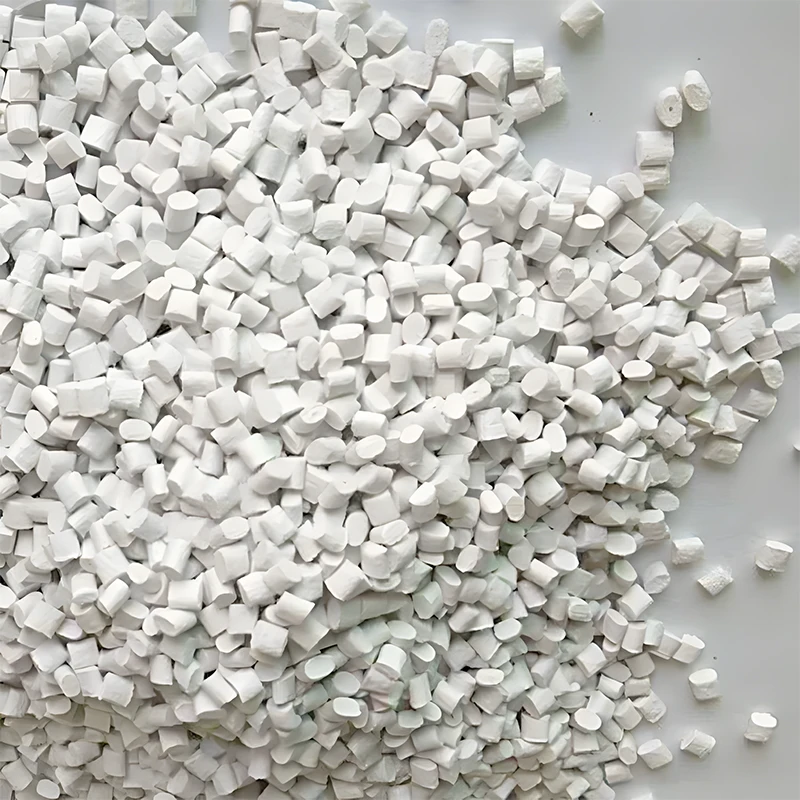
Polyphthalamide (PPA) is a high-performance resin belonging to the nylon family, characterized by exceptional thermal, mechanical, and physical properties. This guide explores the key characteristics, applications, manufacturing considerations, modifications, comparisons with similar plastics of PPA plastic, providing valuable insights for designers and manufacturers.
Understanding Polyphthalamide (PPA)
Polyphthalamide (PPA) is a semicrystalline aromatic polyamide renowned for its high stiffness, excellent heat resistance, and low moisture absorption.
Developed as an evolution from traditional polyamides like Nylon 66, PPA plastic offers superior performance in demanding applications where other engineering plastics may fall short.
It is commonly reinforced with glass or mineral fillers to further enhance stiffness and dimensional stability, making it suitable for high-temperature environments.
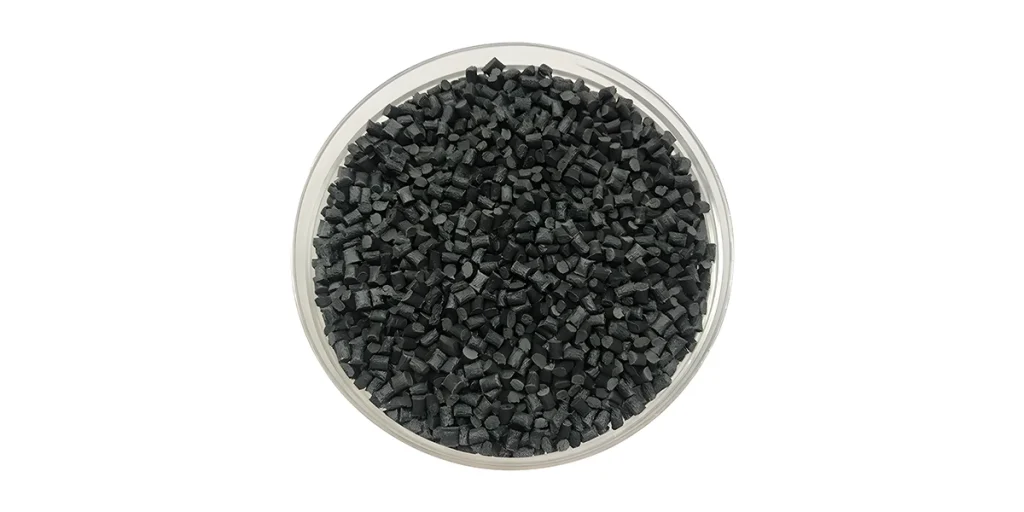
Properties of PPA
Mechanical Properties
PPA material exhibits exceptional mechanical properties crucial for structural applications:
| Property | Value |
|---|---|
| Tensile Strength | High |
| Flexural Modulus | Very High |
| Impact Strength (Notched) | Good |
| Hardness (Rockwell) | High |
Thermal Properties
PPA resin is famous for its outstanding thermal performance.
| Property | Value |
| Heat Deflection Temperature | > 280°C |
| Melting Point | High |
| Thermal Expansion Coefficient | Low |
Chemical Resistance
PPA demonstrates robust chemical resistance:
| Property | Value |
|---|---|
| Chemical Resistance | Excellent |
| Moisture Absorption | Low |
| Resistance to Acids | High |
| Resistance to Alkalis | High |
Electrical Properties
PPA resin offers excellent electrical characteristics:
| Property | Value |
|---|---|
| Dielectric Strength | High |
| Volume Resistivity | High |
| Dielectric Constant | Low |
Applications of Polyphthalamide (PPA) Across Industries
Polyphthalamide (PPA) is a versatile engineering resin renowned for its exceptional thermal and mechanical properties, making it suitable for a wide range of applications across various industries. These applications include:
Automotive Applications
In the automotive industry, where components must withstand high temperatures and mechanical stress, PPA plastic serves critical roles:
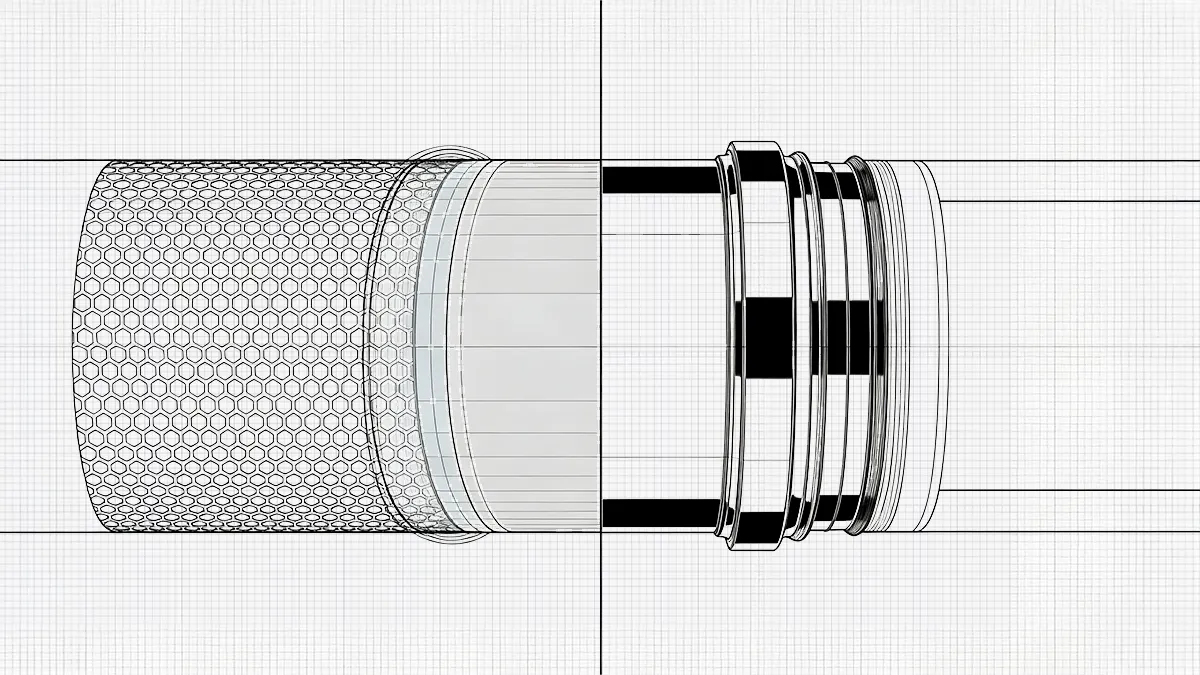
- Fuel Line Connectors: Its heat resistance and dimensional stability make it ideal for fuel line connectors, ensuring reliability in fuel delivery systems.
- Thermostat Housings: Its ability to maintain mechanical integrity at elevated temperatures makes it suitable for thermostat housings, contributing to efficient engine cooling.
- Air Coolant Pumps: Its high stiffness and resistance to thermal degradation make it suitable for use in air coolant pumps, ensuring longevity and performance under demanding conditions.
Electronics Applications
PPA’s robust thermal and electrical properties make it indispensable in electronic applications requiring durability and high-temperature resistance:
- LED Mounts: It is utilized for LED mounts due to its ability to withstand heat generated by LEDs and provide mechanical support for secure mounting.
- Wire and Cable Protection: In wire and cable applications, its low moisture absorption and chemical resistance ensure protection against environmental factors while maintaining electrical insulation.
- Connectors: PPA connectors offer reliability in high-temperature environments, crucial for electronic devices where thermal management is critical to performance and longevity.
Industrial Applications
In industrial settings, PPA’s mechanical strength and chemical resistance are leveraged for various applications:
- Pump Wear Rings: PPA’s excellent wear resistance and dimensional stability make it suitable for pump wear rings, reducing friction and ensuring prolonged pump operation.
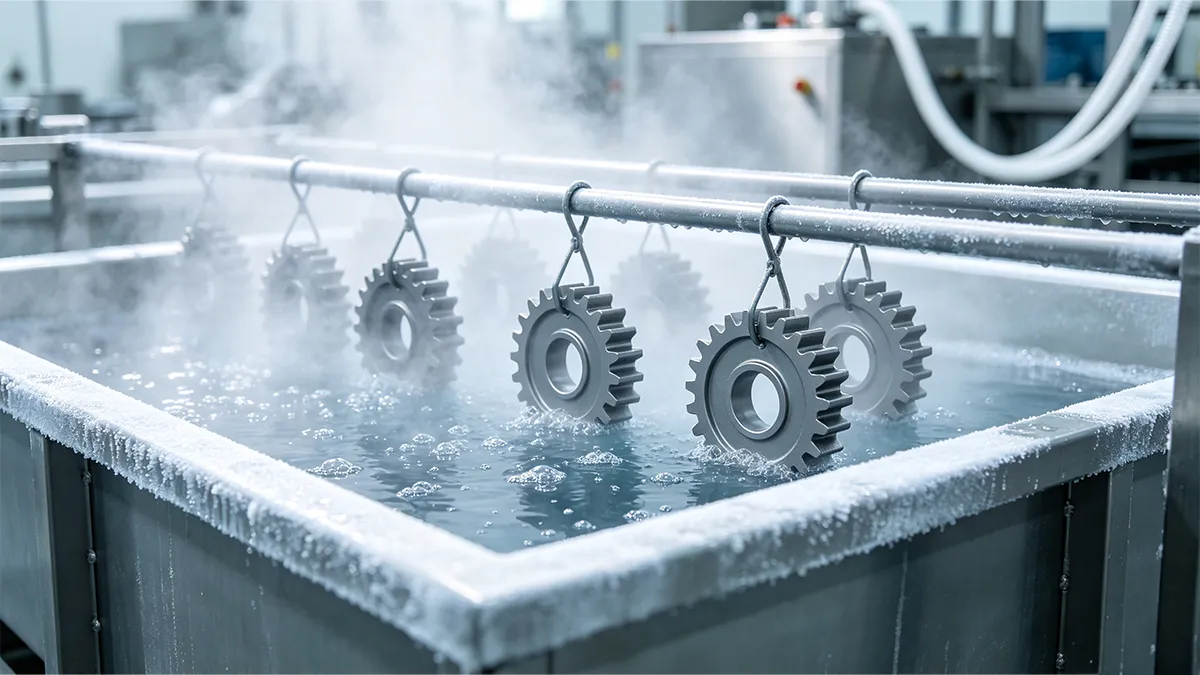
- Mechanical Components: PPA plastic is used in the manufacture of gears, bearings, and bushings where high mechanical strength and resistance to wear are essential.
- Chemical-Resistant Parts: Its resistance to a wide range of chemicals makes it ideal for components in chemical processing equipment, ensuring durability and reliability in harsh environments.
Consumer Goods Applications
PPA’s durability, chemical resistance, and aesthetic appeal make it a preferred choice in consumer goods applications:
- Toothbrush and Hairbrush Bristles: PPA plastic bristles offer superior durability and resistance to chemicals found in oral care products, ensuring longevity and maintaining performance over time.
- Appliance Components: It is used in various appliance components requiring heat resistance and mechanical strength, such as dishwasher spray arms and oven knobs.
- Personal Care Items: It is utilized in personal care items like razors and cosmetic packaging where chemical resistance and durability are paramount.
Comparison of PPA with Alternative Engineering Plastics
In selecting the ideal engineering plastic for various applications, it’s crucial to compare the properties and characteristics of Polyphthalamide (PPA) with its alternatives.
The table below highlights key differences and similarities between PPA, PA6, PA66, and PA46 based on their mechanical, thermal, and chemical properties.
| Property | PPA | PA6 | PA66 | PA46 |
|---|---|---|---|---|
| Mechanical Properties | High stiffness, excellent creep and fatigue resistance. | Good mechanical strength and toughness. | High strength, stiffness, and thermal stability. | High strength, stiffness, and dimensional stability. |
| Thermal Properties | High heat resistance, heat distortion temperature > 280°C. | Moderate thermal stability. | High thermal stability. | Excellent thermal stability. |
| Chemical Resistance | Excellent resistance to chemicals. | Good resistance to chemicals. | Excellent resistance to chemicals. | Excellent resistance to chemicals. |
| Processing Temperature | High (up to 350°C). | Lower compared to PPA. | High (similar to PPA). | High (similar to PPA). |
| Applications | Automotive, electronics, industrial. | Automotive, consumer goods, industrial. | Automotive, electrical connectors, industrial. | Automotive, electronics, industrial. |
Modifications of PPA
PPA material can be tailored through various modifications to enhance specific properties critical for demanding applications:
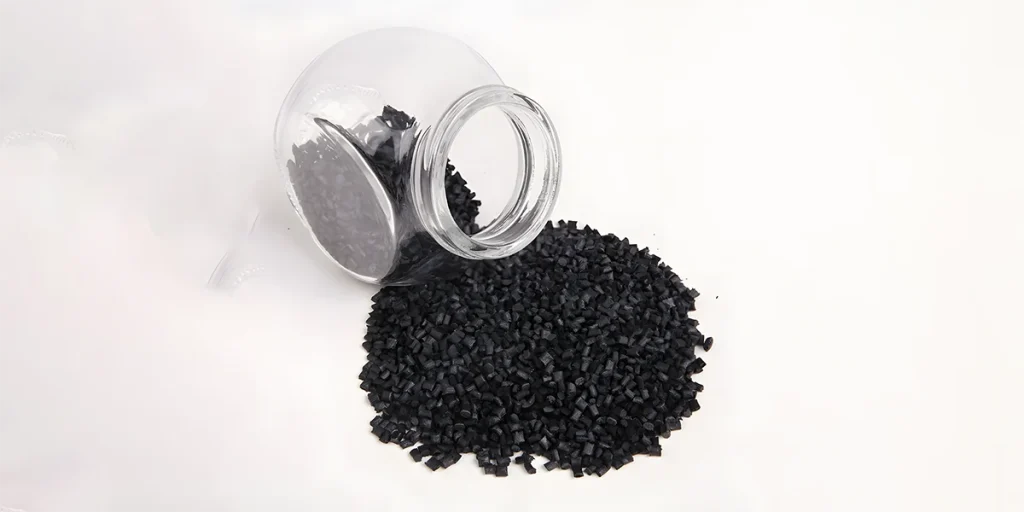
1. Glass and Mineral Fillers
Incorporating glass fibers or mineral fillers into PPA formulations significantly enhances its mechanical properties. Glass fibers, typically used in varying concentrations (e.g., 20-40%), improve stiffness, strength, and resistance to creep under load.
Mineral fillers like talc or calcium carbonate can also contribute to dimensional stability and reduce material shrinkage during molding processes.
This modification is ideal for automotive components such as thermostat housings, pump wear rings, and structural parts where high mechanical performance and dimensional accuracy are paramount.
2. Impact Modifiers
Adding impact modifiers, such as elastomers or toughening agents, modifies the molecular structure of PPA plastic to withstand impact forces without compromising other mechanical properties.
These modifiers increase the material’s resistance to crack propagation and enhance toughness, making PPA suitable for applications subjected to dynamic loading conditions.
It is beneficial for consumer goods like electronic device housings, where impact resistance is crucial, and automotive parts like bumpers or crash components.
3. Heat Stabilizers
Heat stabilizers are additives that enhance PPA’s thermal stability, allowing it to withstand prolonged exposure to elevated temperatures without significant degradation. These additives prevent thermal degradation, oxidation, and color change, thereby extending the material’s service life in high-temperature environments.
It is critical for automotive under-the-hood applications, electrical connectors, and industrial components exposed to heat-intensive processes.
4. Flame Retardants
Flame retardants are essential additives that inhibit or delay combustion of PPA materials, reducing fire spread and smoke emission. They improve the material’s fire safety profile, making it suitable for applications where compliance with stringent fire safety regulations is mandatory.
This modification is vital for electronics, building materials, and automotive components where fire safety is a primary concern.
Modifications of PPA with Other Plastics
PPA’s properties can be synergistically enhanced by blending with other plastics, leveraging complementary characteristics to achieve superior performance:
1. PPA with Polyphenylene Sulfide (PPS)
Combining PPA’s high strength and stiffness with PPS’s exceptional chemical resistance and thermal stability is a common modification. It is suitable for components in aggressive chemical environments, electrical connectors, and automotive parts requiring robust performance in harsh conditions.
2. PPA with Polyamide (Nylon)
Designers also prefer blending PPA with nylon enhances impact resistance and toughness while maintaining good dimensional stability and ease of processing. It is used in a wide range of industrial and consumer applications such as gears, bearings, and structural components where durability and toughness are essential.
3. PPA with Polyethylene Terephthalate (PET)
Another ideal PPA modification is combining PPA’s heat resistance and mechanical strength with PET’s excellent dimensional stability and chemical resistance.
This modification is preferable for manufacturing automotive under-the-hood components, electrical enclosures, and industrial parts requiring a balance of heat resistance and dimensional accuracy.
Design Guidelines and Considerations for Polyphthalamide (PPA)
Designing with Polyphthalamide (PPA) necessitates a thorough understanding of its unique properties and capabilities to harness its full potential in various applications.
Below are the key considerations when designing PPA parts:
Structural Design Optimization
Structural integrity is paramount when designing parts with PPA plastic, leveraging its inherent stiffness, high strength, and durability. Key considerations include:
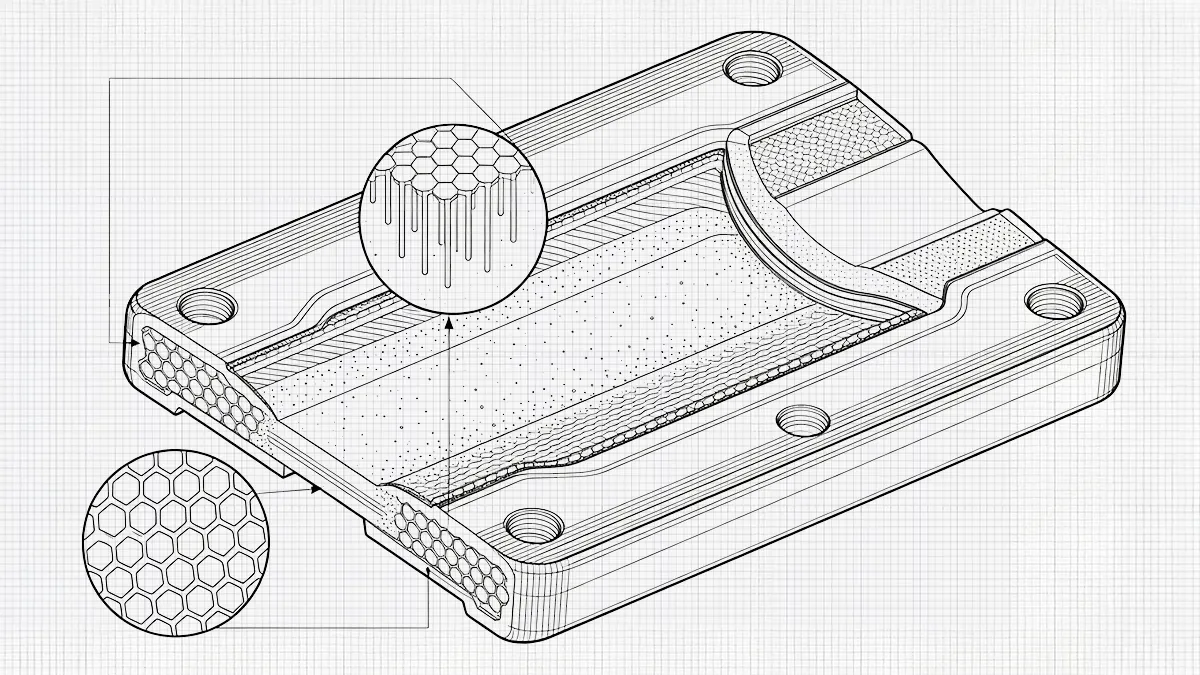
- Part Geometry: Optimize part geometry to maximize stiffness and minimize weight without compromising mechanical performance. Incorporate ribbing, gussets, and other structural elements to enhance load-bearing capacity and rigidity.
- Wall Thickness: Maintain uniform wall thickness to ensure consistent material flow during injection molding. Thick sections may require additional cooling time to prevent warping or internal stresses, while thin sections can benefit from enhanced flow properties.
- Complexity: Balance complexity with manufacturability. Avoid overly intricate designs that may increase molding complexity or lead to mold filling issues. Simplicity in design often enhances reliability and reduces production costs.
Heat Management and Thermal Dissipation
PPA exhibits exceptional heat resistance, making it suitable for high-temperature applications such as automotive under-the-hood components and electronic enclosures. Considerations include:
- Cooling Channels: Design parts with integrated cooling channels or fins to enhance heat dissipation and maintain operational temperatures within safe limits. Optimize channel geometry and placement to facilitate efficient heat transfer.
- Thermal Expansion: Account for PPA’s coefficient of thermal expansion (CTE) to minimize dimensional changes under varying temperature conditions. Design interfaces and assemblies to accommodate thermal expansion without compromising fit or function.
Material Selection and Additives
Selecting the right PPA grade and additives is crucial to meet specific performance requirements:
- Reinforcements: Choose appropriate fillers (e.g., glass fibers, minerals) to enhance mechanical properties such as stiffness, strength, and impact resistance. Tailor reinforcement levels based on application demands, balancing performance enhancements with processing considerations.
- Additive Selection: Incorporate additives for lubrication, UV stability, flame retardancy, or chemical resistance as needed. Evaluate compatibility with PPA resin to ensure additive effectiveness without compromising material properties.
Dimensional Stability and Moisture Absorption
PPA exhibits low moisture absorption compared to other polymers, contributing to excellent dimensional stability over time. Consider the following:
- Dimensional Accuracy: Design parts with minimal sensitivity to moisture absorption to maintain dimensional accuracy and functional performance throughout their lifecycle. Ensure proper drying of PPA pellets before processing to mitigate potential defects.
- Environmental Exposure: Assess environmental factors (e.g., humidity, temperature fluctuations) to anticipate material behavior. Design components with adequate sealing or protective coatings in applications where exposure to moisture or chemicals is a concern.
Manufacturability and Processing Considerations
Efficient manufacturing processes are critical to achieving consistent part quality and minimizing production costs:
- Draft Angles and Fillets: Incorporate draft angles into part geometry to facilitate mold release and minimize surface imperfections. Integrate fillets and radius transitions to reduce stress concentrations and enhance structural integrity.
- Tooling Design: Collaborate with tooling engineers to optimize mold design for PPA’s high processing temperatures and viscosity. Ensure robust tooling materials and cooling systems to maintain mold integrity and achieve desired part quality.
Machining and Surface Finishing Techniques
Beyond injection molding, machining and surface finishing play crucial roles in achieving final part specifications and functional requirements:
- Machining Techniques: PPA plastic can be machined using standard techniques such as milling, turning, and drilling. However, due to its high melting point and toughness, tools must be made from materials capable of withstanding high temperatures and maintaining sharp cutting edges. Carbide tools or high-speed steel (HSS) with proper cooling are often used to achieve precise dimensional accuracy.
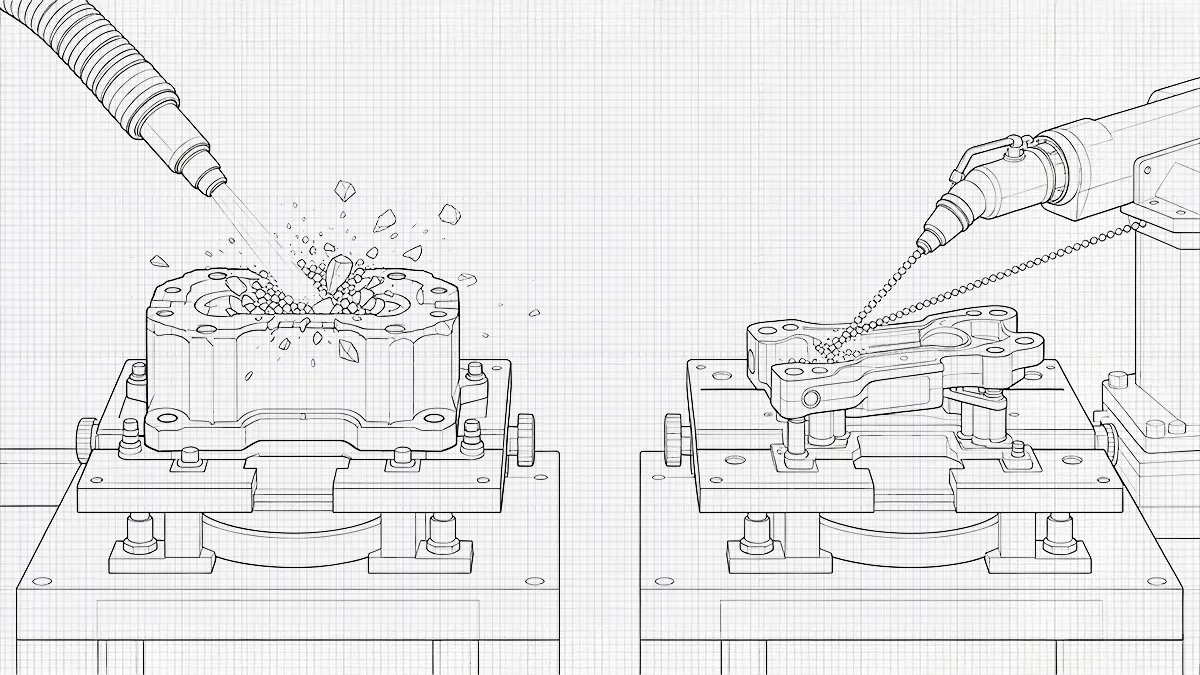
- Surface Finishing: Achieving smooth surfaces and precise dimensions is critical in applications where tight tolerances and aesthetic appeal are required. Post-molding processes like annealing can relieve internal stresses and improve part stability. Secondary operations such as polishing or abrasive blasting may be employed to achieve specific surface finishes and enhance part functionality.
Injection Molding of PPA
Injection molding is the predominant method for processing PPA due to its complex crystalline structure and high melting point. Primarily, PPA requires elevated processing temperatures, typically ranging up to 350°C (662°F), to achieve proper melt flow and mold filling. This high temperature is necessary to maintain the material’s viscosity and ensure moldability.
Conclusion
Polyphthalamide (PPA) stands out as a versatile high-performance material offering a balanced combination of mechanical strength, thermal stability, and chemical resistance. Its applications span diverse industries including automotive, electronics, and industrial sectors, where reliability under extreme conditions is paramount.
By understanding PPA’s properties, applications, and manufacturing considerations, designers and manufacturers can leverage its potential to innovate and meet evolving market demands effectively.
Tips: Learn more about the other plastics




 EN
EN  ES
ES  FR
FR  DE
DE  IT
IT  PT
PT  NL
NL  PL
PL  AR
AR  JA
JA  KO
KO  ZH
ZH