

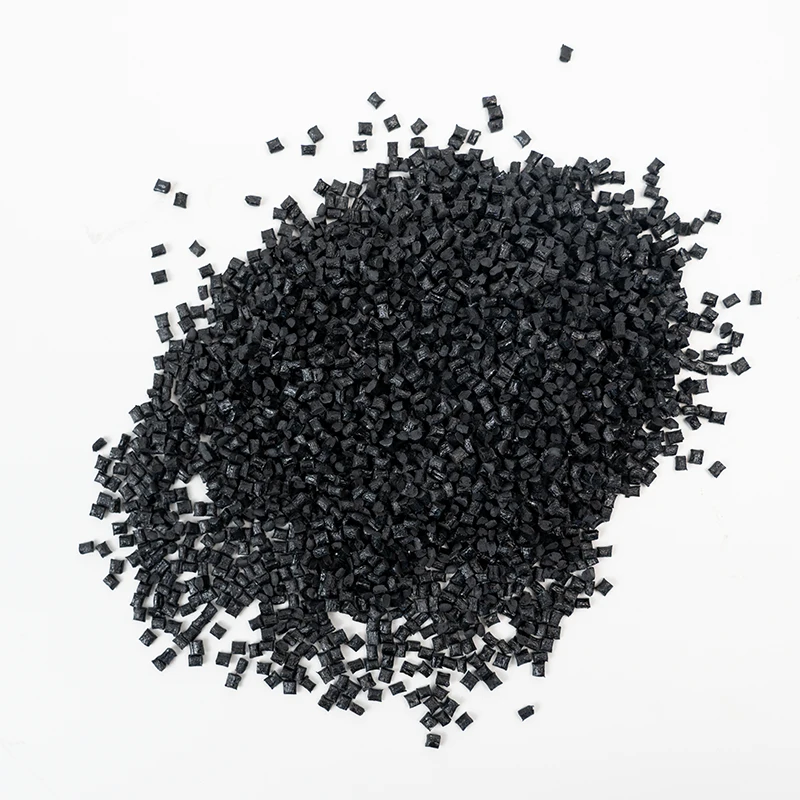
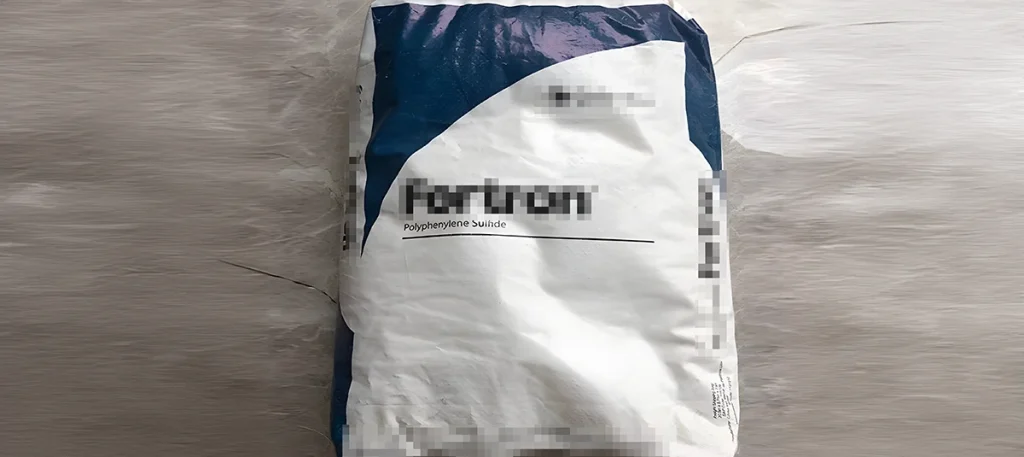
Polyphenylene sulfide (PPS) is a high-performance engineering thermoplastic known for its excellent dimensional stability and unmatched chemical resistance. In price and performance, it bridges the gap between standard and advanced polymers, making it a popular choice in various industries. This comprehensive guide aims to provide detailed insights into PPS plastic, including its properties, applications, processing methods, and design considerations, ensuring a holistic understanding for designers and manufacturers.
Understanding Polyphenylene Sulfide (PPS)
Polyphenylene sulfide (PPS) offers high-temperature resistance, rigidity, and an opaque appearance as a semi-crystalline thermoplastic.
PPS material consists of para-phenylene units alternating with sulfide linkages, which gives it a high melting point of 280°C and makes it suitable for demanding applications.
Types of PPS Plastic
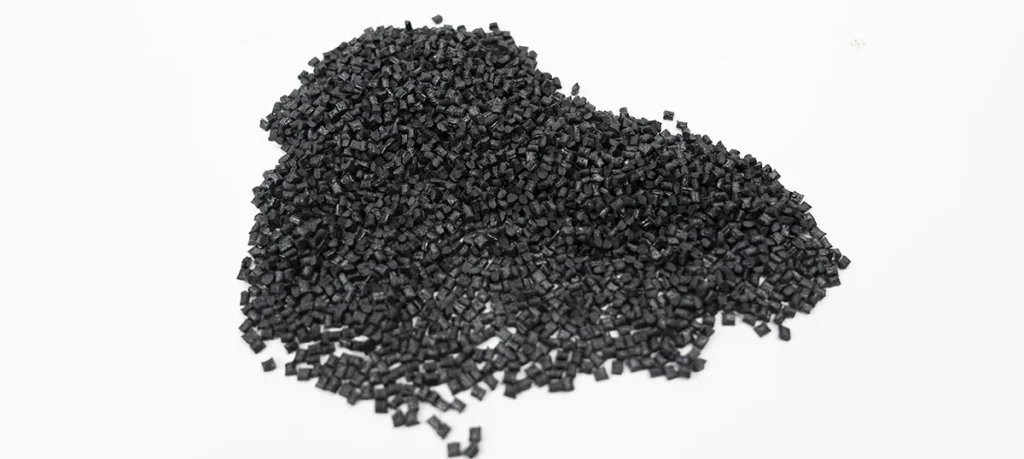
PPS resin comes in different forms, each with unique properties tailored for specific applications:
- Linear PPS: This type has nearly double the molecular weight of regular PPS, resulting in higher tenacity, elongation, and impact strength.
- Cured PPS: Produced by heating regular PPS in the presence of air, curing extends molecular chains and creates some branches, enhancing its molecular weight and providing thermoset-like characteristics.
- Branched PPS: With a higher molecular weight than regular PPS, this type features extended polymer chains branching off the backbone, improving mechanical properties, tenacity, and ductility.
Properties of Polyphenylene Sulfide (PPS)
Mechanical Properties
PPS plastic exhibits outstanding mechanical properties that make it ideal for various applications:
- Tensile Strength: With a tensile strength of 12,500 psi, this material can bear significant loads without breaking.
- Impact Resistance: Despite its rigidity, it has an Izod impact strength of 0.5 ft-lbs/in of notch, allowing it to withstand sudden shocks.
- Flexural Modulus of Elasticity: At 600,000 psi, PPS plastic can resist bending forces effectively, maintaining its shape and structural integrity.
- Dimensional Stability: PPS material maintains its dimensions even under high temperature and high humidity conditions, making it suitable for precision parts with tight tolerances.
Thermal Properties
PPS excels in thermal stability and resistance, which are crucial for high-temperature applications:
- Heat Deflection Temperature: It can withstand temperatures up to 400°F at 66 psi and 200°F at 264 psi.
- Coefficient of Linear Thermal Expansion: It shows minimal dimensional changes with temperature variations at 4.0 in/in/°F x 10^-5.
- Maximum Continuous Service Temperature: You can use it continuously in the air at temperatures up to 338°F.
Chemical Resistance
PPS plastic is well-known for its exceptional chemical resistance.
- Insensitive to Moisture: It remains unaffected by moisture, ensuring durability and reliability in humid environments.
- Resistant to Chemicals: It withstands exposure to various chemicals, including acetone, benzene, chlorinated solvents, and sodium hydroxide, making it suitable for chemical processing applications.
Electrical Properties
PPS’s electrical insulation properties make it suitable for electronic applications:
- High Volume Resistivity: It maintains high insulation resistance even in high-humidity environments.
- Dielectric Strength: It has a dielectric strength of 450 V/mil, ensuring excellent insulation.
Additional Properties
- Flame Resistance: Most PPS plastic compounds pass the UL94V-0 standard without additional flame retardants, making them suitable for fire-resistant applications.
- High Modulus: When reinforced, it exhibits a high modulus, enhancing its mechanical strength.
- Low Water Absorption: With water absorption of just 0.02%, it is ideal for applications requiring minimal moisture uptake.
Table 1: Key Properties of Polyphenylene Sulfide (PPS)
| Property | Units | ASTM Test | PPS |
| Tensile Strength | psi | D638 | 12,500 |
| Flexural Modulus of Elasticity | psi | D790 | 600,000 |
| Izod Impact (notched) | ft-lbs/in | D256 | 0.5 |
| Heat Deflection Temperature | °F | D648 | 400 / 200 |
| Water Absorption (24 hours) | % | D570 | 0.02 |
| Coefficient of Linear Thermal Expansion | in/in/°F x 10^-5 | D696 | 4.0 |
| Dielectric Strength | V/mil | D194 | 450 |
Applications of Polyphenylene Sulfide (PPS)
PPS’s unique properties make it suitable for a wide range of applications across diverse industries:
Automotive and Aerospace Applications
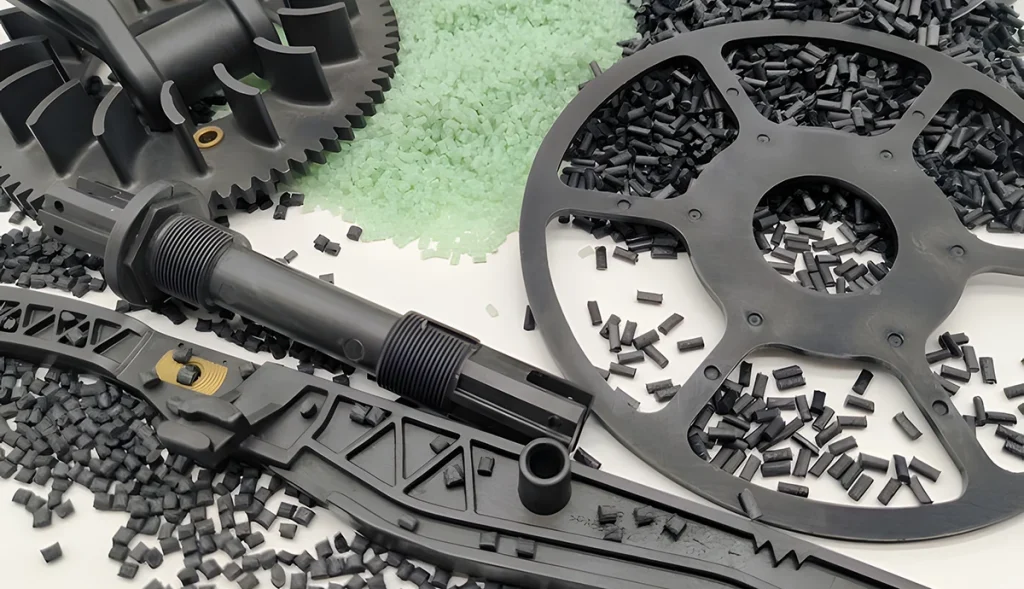
In the automotive and aerospace sectors, people use PPS resin for components that require durability, heat resistance, and chemical stability.
- Engine Components: It is used in connectors, housings, and thrust washers, where its high-temperature resistance and mechanical strength are crucial.
- Fuel System Parts: People use PPS components in fuel system parts because of their chemical resistance and ability to withstand high temperatures.
- Aircraft Interiors: You can find it in aircraft ducting components, interior brackets, and other parts requiring lightweight and durable materials.
- Sensor Housings: This material provides reliable performance in sensor housings, ensuring durability in harsh automotive environments.
Chemical Processing
PPS’s chemical resistance makes it suitable for components exposed to corrosive chemicals:
- Valves and Pumps: People use it in valves, pumps, and fittings in chemical processing applications because it withstands aggressive chemicals at elevated temperatures.
- Filter Housings: It is used in filter housings, ensuring durability and chemical resistance in filtration systems.
- Seals and Gaskets: This material is ideal for seals and gaskets in chemical environments, providing long-lasting performance and resistance to chemical degradation.
Electronics and Electrical Components
PPS’s electrical insulation properties make it ideal for electronic and electrical applications:
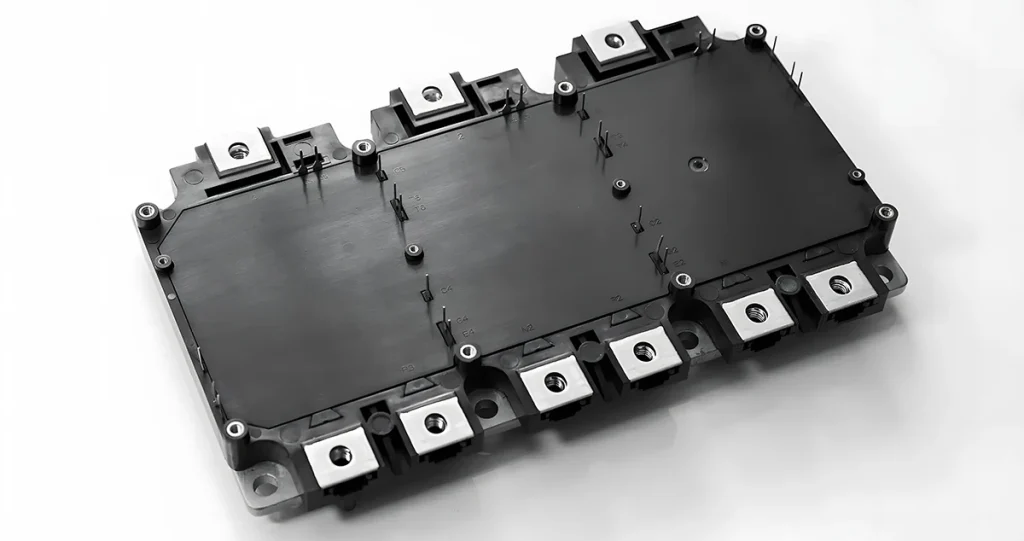
- Insulators and Circuit Boards: PPS plastic is used in insulators, circuit boards, and connectors due to its high dielectric strength and thermal stability.
- Microelectronics: This is used for its excellent dimensional stability and insulation properties, supporting miniaturization and high performance.
- Switch Components: It is suitable for switch components and coil forms, ensuring reliable performance in electronic devices.
Industrial Equipment
PPS is employed in industrial equipment for its wear resistance and mechanical strength:
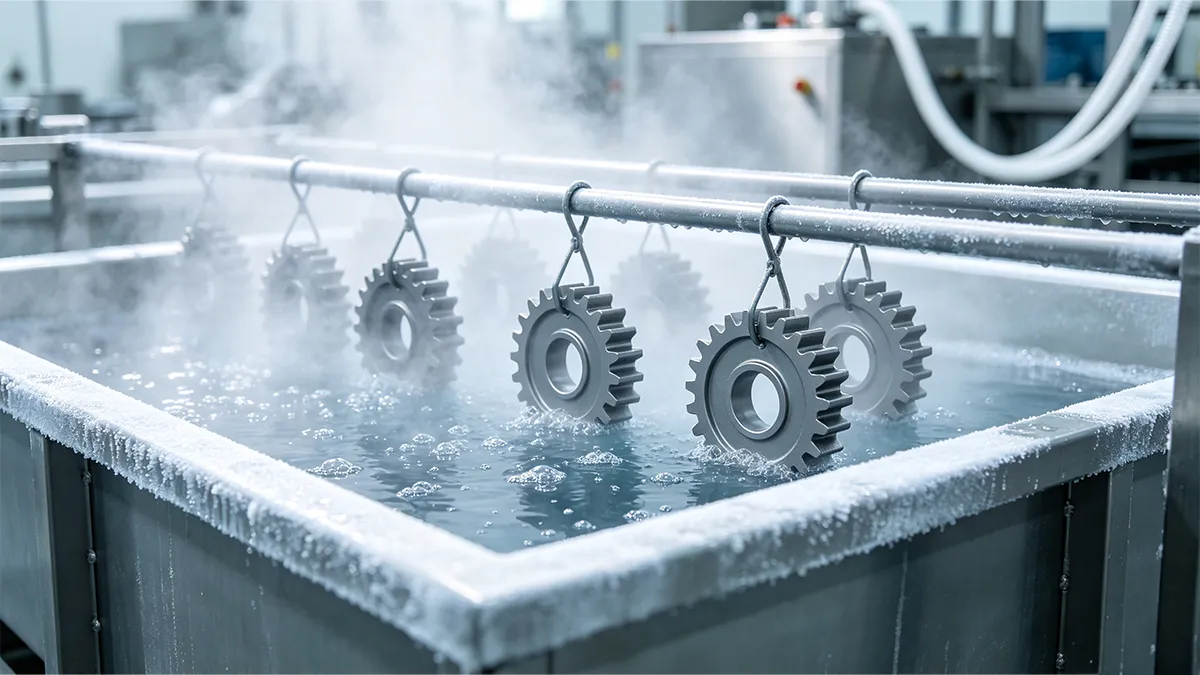
- Gears and Bearings: It is used in gears, bearings, and other wear-resistant components that require high mechanical strength and dimensional stability.
- Compressor Vanes: People use it in compressor vanes because it offers high strength and durability in demanding industrial applications.
- Wear Bands and Bushings: PPS components are utilized in wear bands and bushings, providing low friction and high wear resistance in industrial machinery.
Textile Industry
People use PPS in textile machinery components for its durability and chemical resistance.
- Dyeing and Printing Equipment: Dyeing and printing equipment often use PPS components, ensuring longevity and reliability in harsh chemical environments.
- Nozzles and Sprayers: You can find PPS components in nozzles and sprayers, offering durability and chemical resistance in textile applications.
- Rollers and Guides: People use PPS plastic in rollers and guides because it provides wear resistance and chemical stability in textile processing.
Oil and Gas Industry
In the oil and gas industry, people use PPS material for components exposed to harsh environments.
- Downhole Equipment: It is used in downhole equipment, seals, and connectors, where its chemical resistance and high-temperature stability are essential.
- Pump Components: People use it in pump components because it provides chemical resistance and mechanical strength in challenging conditions.
- Seals and Connectors: It provides reliable performance in seals and connectors, ensuring durability in aggressive oil and gas environments.
Table 2: Applications of Polyphenylene Sulfide (PPS) by Industry
| Industry | Typical Applications |
| Automotive and Aerospace | Engine components, connectors, housings, thrust washers |
| Electronics | Insulators, circuit boards, connectors |
| Chemical Processing | Valves, pumps, fittings |
| Industrial Equipment | Gears, bearings, wear-resistant components |
| Oil and Gas | Downhole equipment, seals, connectors |
| Textile Industry | Dyeing and printing equipment |
Modifications of Polyphenylene Sulfide (PPS)
Reinforced Grades
PPS plastic is often reinforced with various materials to enhance its properties:
- Glass Fiber Reinforced: Adding glass fibers increases the tensile strength, flexural modulus, and dimensional stability of PPS, making it suitable for applications requiring high mechanical strength.
- PTFE Reinforced: PTFE additives reduce the coefficient of friction, making it ideal for bearing and wear applications.
- Carbon Fiber Reinforced: Carbon fibers improve the stiffness and thermal conductivity of PPS, enhancing its performance in high-temperature applications.
Popular Compounds
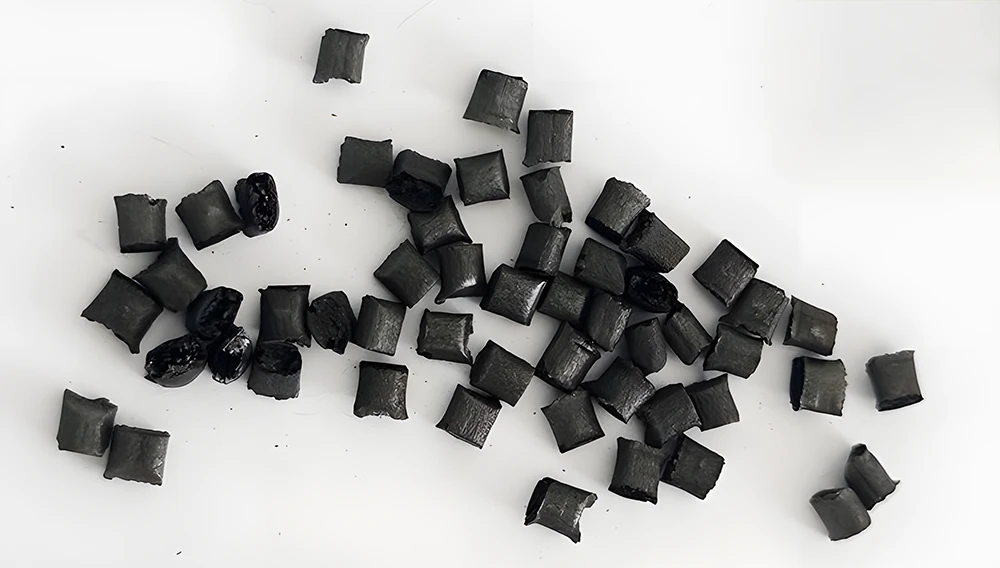
Several PPS compounds are available, each tailored for specific applications:
- Unfilled Natural: Used for applications requiring the inherent properties of PPS without additional reinforcement.
- Conductive and Anti-Static Grades: People use these grades in electronic applications where they need to control static discharge.
- Glass Mineral Filled: Combining glass and mineral fillers balances strength, stiffness, and cost-effectiveness.
- Internally Lubricated Bearing Grades: These grades contain lubricants to reduce friction and wear in bearing applications.
Table 3: Properties of Reinforced and Filled PPS Grades
| Property (Unit) | Unfilled | Glass Reinforced | Glass-Mineral Filled* |
| Filler Content (%) | – | 40 | 65 |
| Density (kg/l) | 1.35 | 1.66 | 1.90 – 2.05 |
| Tensile Strength (MPa) | 65-85 | 190 | 110-130 |
| Elongation at Break (%) | 6-8 | 1.9 | 1.0-1.3 |
| Flexural Modulus (MPa) | 3800 | 14000 | 16000-19000 |
| Flexural Strength (MPa) | 100-130 | 290 | 180-220 |
| Izod Notched Impact Strength (kJ/m²) | – | 11 | 5-6 |
| HDT/A (1.8 MPa) (°C) | 110 | 270 | 270 |
Processing Methods for PPS
Injection Molding
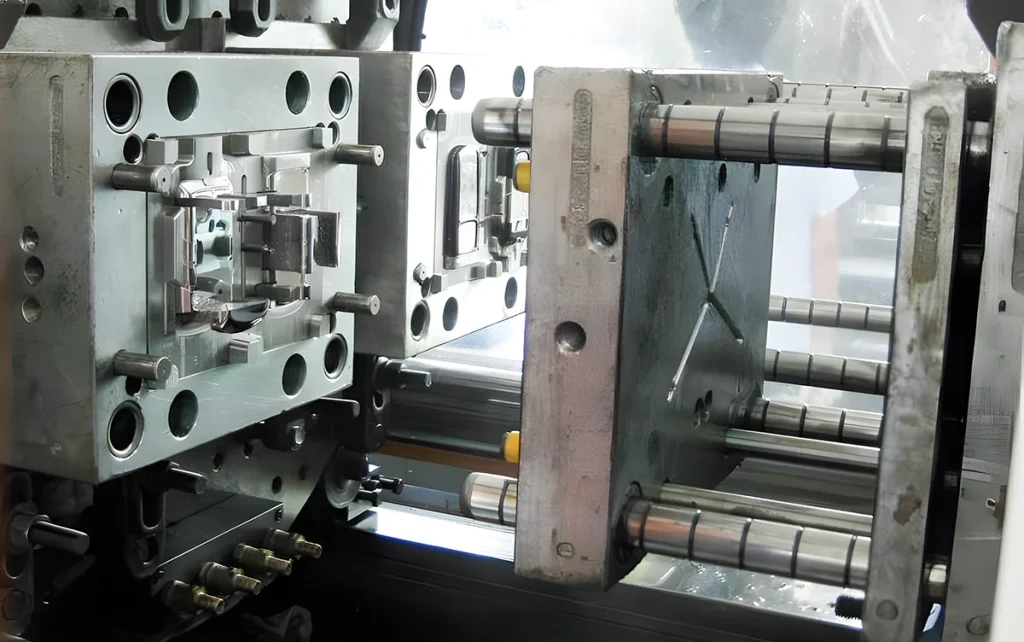
Injection molding is a common processing method for PPS, offering high productivity and precision:
- Pre-Drying: Pre-drying PPS at 150-160°C for 2-3 hours or 120°C for 5 hours prevents moisture-related issues and enhances the molded appearance.
- Mold Temperature: Maintaining mold temperatures between 120-160°C ensures good crystallization and minimizes warping.
- Screw Speed: A screw speed of 40-100 rpm is suitable for PPS.
- Cylinder Temperature: The recommended cylinder temperature for PPS plastic is 300-320°C.
- Injection Pressure: For optimal results, use an injection pressure of 40-70 MPa.
Machining PPS
PPS resin is highly machinable, allowing for precise and complex part fabrication:
- Coolants: Non-aromatic, water-soluble coolants, such as pressurized air and spray mists, are ideal for achieving high-quality surface finishes and close tolerances.
- Annealing: Stress-relieving through an annealing process at controlled temperatures is recommended to reduce surface cracks and internal stresses.
Extrusion
You can extrude PPS into various shapes, such as fibers, films, rods, and slabs.
- Drying Conditions: It’s recommended to pre-dry at 121°C for 3 hours to ensure proper moisture control.
- Melt Temperature: A melt temperature range of 290-325°C is suitable for PPS extrusion.
- Mold Temperature: Maintaining mold temperatures between 300-310°C is ideal for extrusion processes.
Recycling PPS
PPS plastic is recyclable through both mechanical and chemical methods:
- Chemical Recycling: Depolymerization and other chemical processes can break down PPS into its monomers for repolymerization.
- Mechanical Recycling: Involves grinding or shredding PPS waste into smaller pieces for reuse.
Despite the challenges posed by its high melting point and chemical resistance, specialized recycling facilities are equipped to handle PPS recycling, promoting a circular economy and sustainable practices.
Design Considerations for PPS
Selecting PPS for Specific Applications
When choosing PPS plastic for specific applications, consider its unique properties and the demands of the application:
- Chemical Resistance: Its resistance to aggressive chemicals makes it suitable for chemical processing and industrial equipment.
- High-Temperature Stability: It is ideal for applications requiring continuous high-temperature resistance.
- Dimensional Stability: PPS’s stability under high temperature and humidity conditions is crucial for precision parts with tight tolerances.
Machining and Finishing
You can machine PPS to close tolerances, making it suitable for precision parts. However, machining can cause surface cracking and internal stresses, which can be mitigated through annealing and appropriate coolants.
Dimensional Stability
PPS maintains excellent dimensional stability across various temperatures, ensuring minimal changes and reliable performance in varying environmental conditions.
Cost Considerations
While PPS material offers excellent performance, it is more expensive than many standard engineering plastics. Designers should evaluate the cost-benefit ratio and consider alternative materials, such as PEEK, for less demanding applications.
Environmental and Safety Considerations
People generally consider PPS safe and non-toxic, but it’s important to follow proper handling and safety protocols to minimize risks. Additionally, PPS’s poor UV resistance makes it unsuitable for outdoor applications without protective coatings.
Conclusion
Polyphenylene sulfide (PPS) is a versatile and high-performance thermoplastic with exceptional properties that make it suitable for various applications. Its high-temperature resistance, chemical resistance, and excellent mechanical properties set it apart from other materials.
However, its higher cost necessitates careful consideration for applications requiring unique attributes. Understanding the details of PPS plastic, including its modifications, processing methods, and design guidelines, is crucial for designers and manufacturers to optimize its use in various industries.
Whether for automotive components, electronic parts, chemical processing equipment, or industrial machinery, PPS offers reliable performance and durability, ensuring its place as a preferred material in high-demand applications.
By leveraging the insights provided in this comprehensive guide, designers and manufacturers can effectively utilize PPS to create high-quality, durable, and reliable products tailored to their specific needs.
Tips: Learn more about the other plastics




 EN
EN  ES
ES  FR
FR  DE
DE  IT
IT  PT
PT  NL
NL  PL
PL  AR
AR  JA
JA  KO
KO  ZH
ZH