Mechanical, Chemical and Electrochemical Machining Comparison Guide

出版日期
8 月 12, 2026
最后一次修改:
8 月 12, 2026
模具制造和精密制造专家
专门从事注塑成型、数控加工、高级原型制作和材料科学集成。
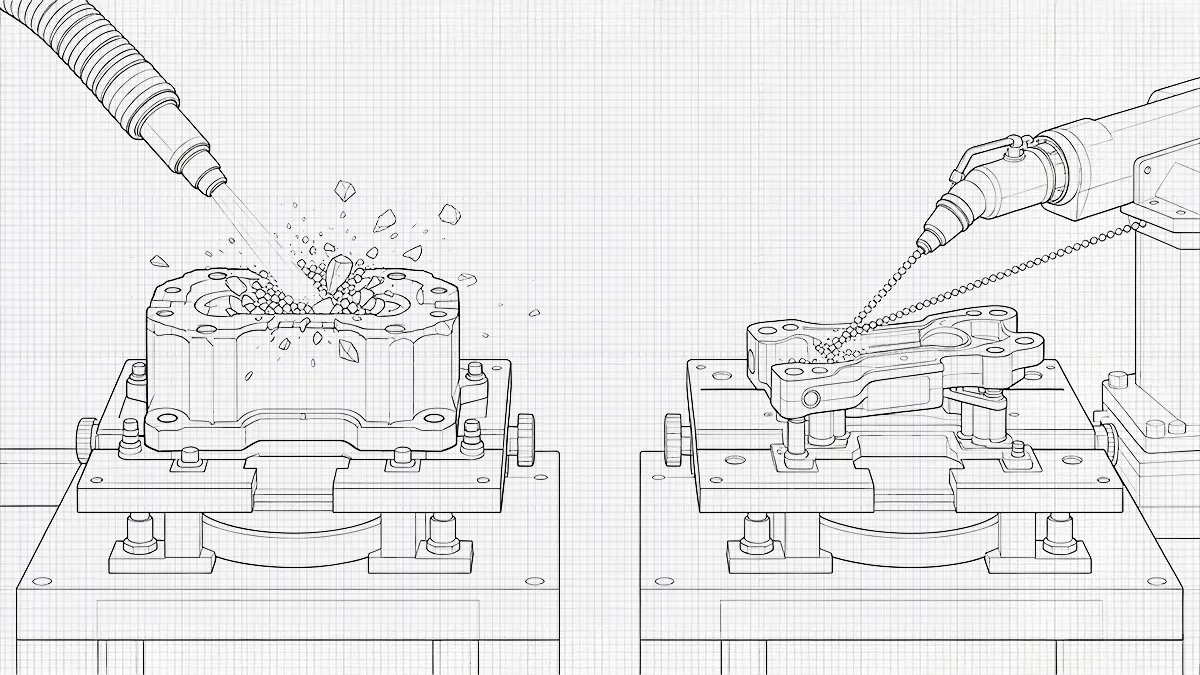
Comparison of mechanical, chemical, and electrochemical machining processes
目录

As modern engineering evolves, the demand for advanced machining processes continues to grow. This has made manufacturers increasingly turn to new methods to meet demanding production requirements.

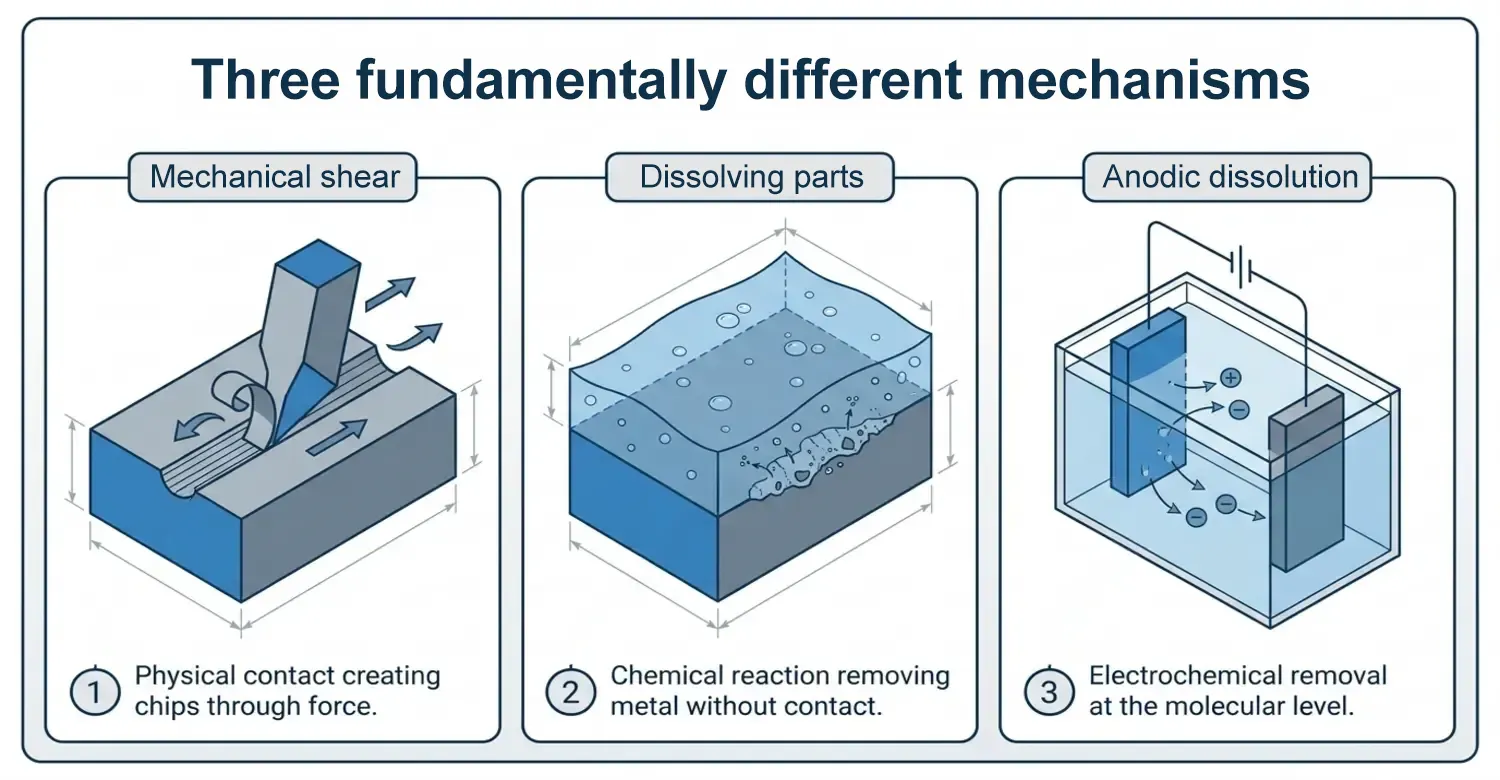
Mechanical, Chemical, and Electrochemical Machining adopt three fundamentally different mechanisms for material removal. Their choice between them is hardly about which one is better or preferable to the other. Their primary consideration is the feature geometry, material hardness, residual stress tolerance, or wall thickness.

This guide analyzes the three families in terms of surface finish, tolerance, material compatibility, and engineering cost so that procurement teams can shortlist the right process before requesting quotes.

What distinguishes these three Machining Families?

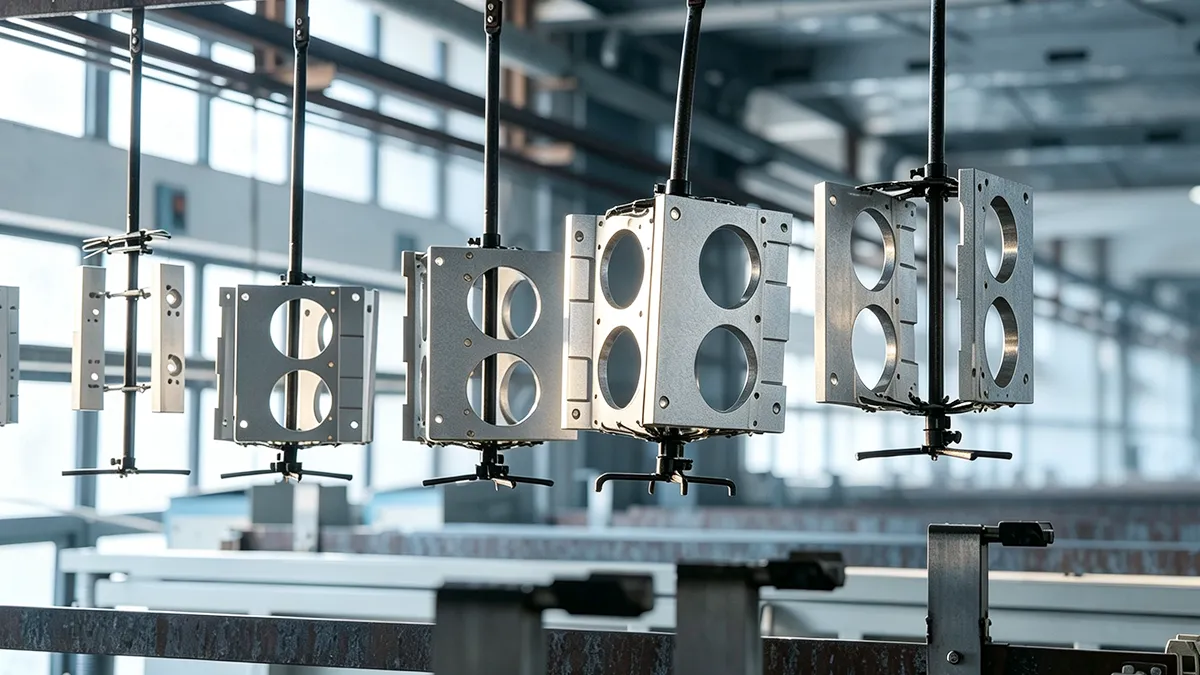
Mechanical machining uses a subtractive manufacturing procedure to remove material from a raw workpiece. The process involves direct cutting-tool contact, like a drill or a rotating end mill, to create a desired feature.  The final product’s surface quality and dimensions parameters depend on factors such as raw material, cutting tool, and machine parameters. Swiss machining (Swiss-type turning) and CNC milling fall under this category.

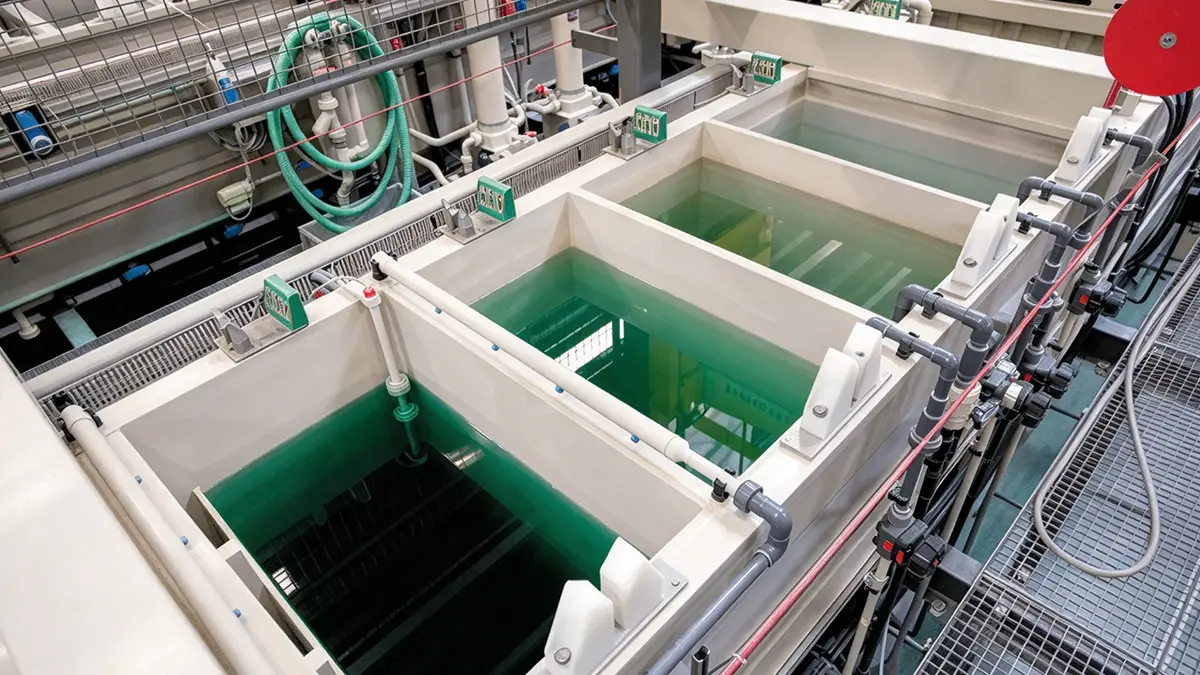
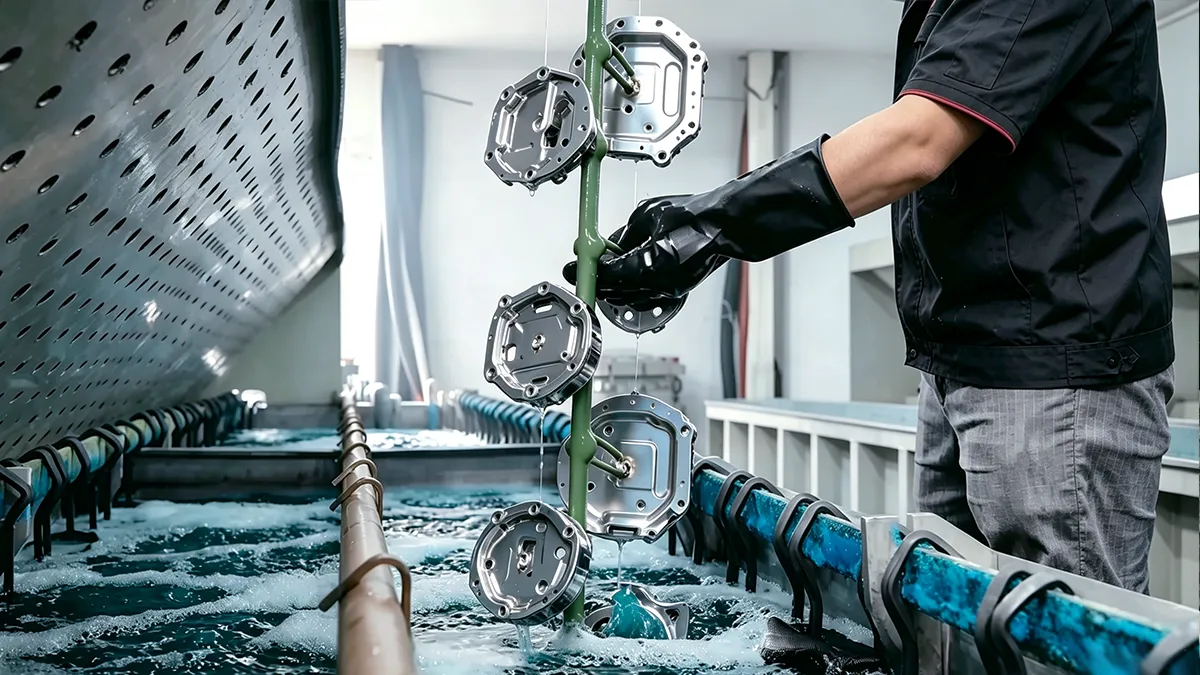
Chemical machining removes material by dissolving parts of the metal surface in corrosive liquid chemicals. A maskant or photoresist is used to secure areas that must remain. Photo etching (photochemical), Chemical milling, and blanking apply the same principle of material removal. Their choice depends on the material thickness and geometry.

Electrochemical machining (ECM) removes material purely by anodic dissolution without mechanical or thermal contact. Meanwhile, electrical discharge machining (EDM and WEDM) utilizes spark erosion. Since there is no application of physical cutting force in these non-traditional processes, they are highly suitable for machining hardened tool steel and complex contours that would break a conventional milling cutter.

In what ways do Surface finish and Tolerance compare?

We understand that machining capabilities vary widely; therefore, specific numbers are of more value than general claims. Understanding this relationship is critical since tolerance callouts and surface finish specifications typically drive procurement decisions.

参数CNC Milling/Swiss Machining.Chemical Milling/Blanking/Photo EtchingEDM/WEDM
General Tolerance.±0.05 mm on milling, ±0.025 mm on turned diameters, tightening to ±0.01 mm for reaming and boring.Roughly ±10% of metal thickness for standard photo etching, or about ±0.005 to 0.032 in thick.±0.002 mm profile tolerance achievable with multiple skim passes.
Achievable Tolerance.±0.01 mm on controlled components like shafts surfaces and precision interior holes.±0.001 in (±0.025 mm) on ultra-thin foils which are under 0.005 in.±0.0005 in second pass.
Surface Roughness (Ra).1.6–3.2 µm Milling 0.8 – 1.6 µm Turning, 0.1 – 0.4 µm finer with grinding.Etched surface texture, not a polished finish; not typically specified as Ra3.2–6.3 µm on a rough cut, 0.8–1.6 µm standard finish pass, down to 0.2–0.4 µm on a skim pass.
Governing Standard.ISO 2768-1 for linear/angular tolerances, ISO 2768-2 for surface roughness grades.AMS 2640 for aerospace chemical milling; ASTM B767 for material-removal-rate test methods.ASME Y14.5 for profile and geometric dimensioning.

"(《世界人权宣言》) governing physics also impacts how the machining process removes material and behaves.

In chemical milling, engineers must account for milling dimensional changes by incorporating etch allowances for initial part. This Involves adding materials equal to the planned etch depth plus 10-20% tolerance factor.

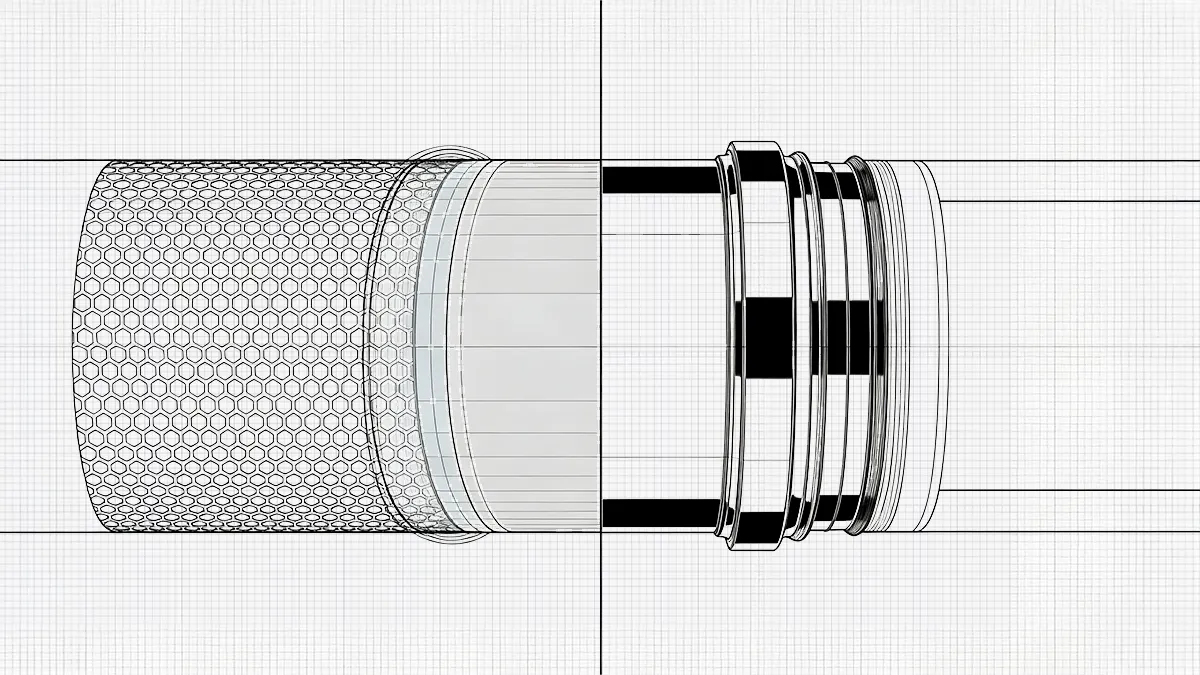
For, photo etching, compensating for undercut is a critical aspect due to isotropic nature of chemical etching. It removes material beneath photoresist mask as it etches though the vertical thickness. The etch factor range between 1:1 to 3:1 depending on process and material.

In EDM Ra (surface roughness) and tolerance are highly related. Smooth finishes with tighter control of Ra <1.5 μm should pair with ±0.010 mm tolerance. If there is push for a mirror finish without loosening dimensional tolerance, the cycle time will increase significantly.

Which Materials Can Each Process Actually Handle?

CNC Milling / Swiss Machining handles a wide range of alloys, metals, and engineering plastics. Alloys examples of stainless steels, brass and aluminum alloys (Al7075, 6061), titanium, and plastics such as PEEK and Delrin. Multi-axis machining performs complex 3D geometries and undercuts that Swiss cannot due to its slender rotational parts.

Chemical Milling is common with aluminum and its alloys. Some other metals like magnesium, titanium, copper, and some refractory metals (tantalum, Molybdenum) are also malleable. Chemical milling resolves a particular metallurgical problem that mechanical methods cannot. It is able to remove the brittle alpha case layer from titanium forgings, where, if mechanically done, grinding introduces residual stress and risks crack forming on materials. This capability helps in reducing weight across complex curved surfaces like aerospace OEMs’ skin panels.

Photo Etching/ Chemical Blanking is applicable to metals such as stainless steel, nickel alloys, brass, copper, Kovar, Invar, and spring steels. It is suitable for foil and sheets with a thickness of 0.01 mm to 2 mm.

EDM / WEDM is ideal for any electrically conductive materials. Common options are hardened steel, brass, carbide and titanium alloys. EDM’s core advantage is to shape hard, conductive metals precisely that are difficult or impossible to machine using other processes.

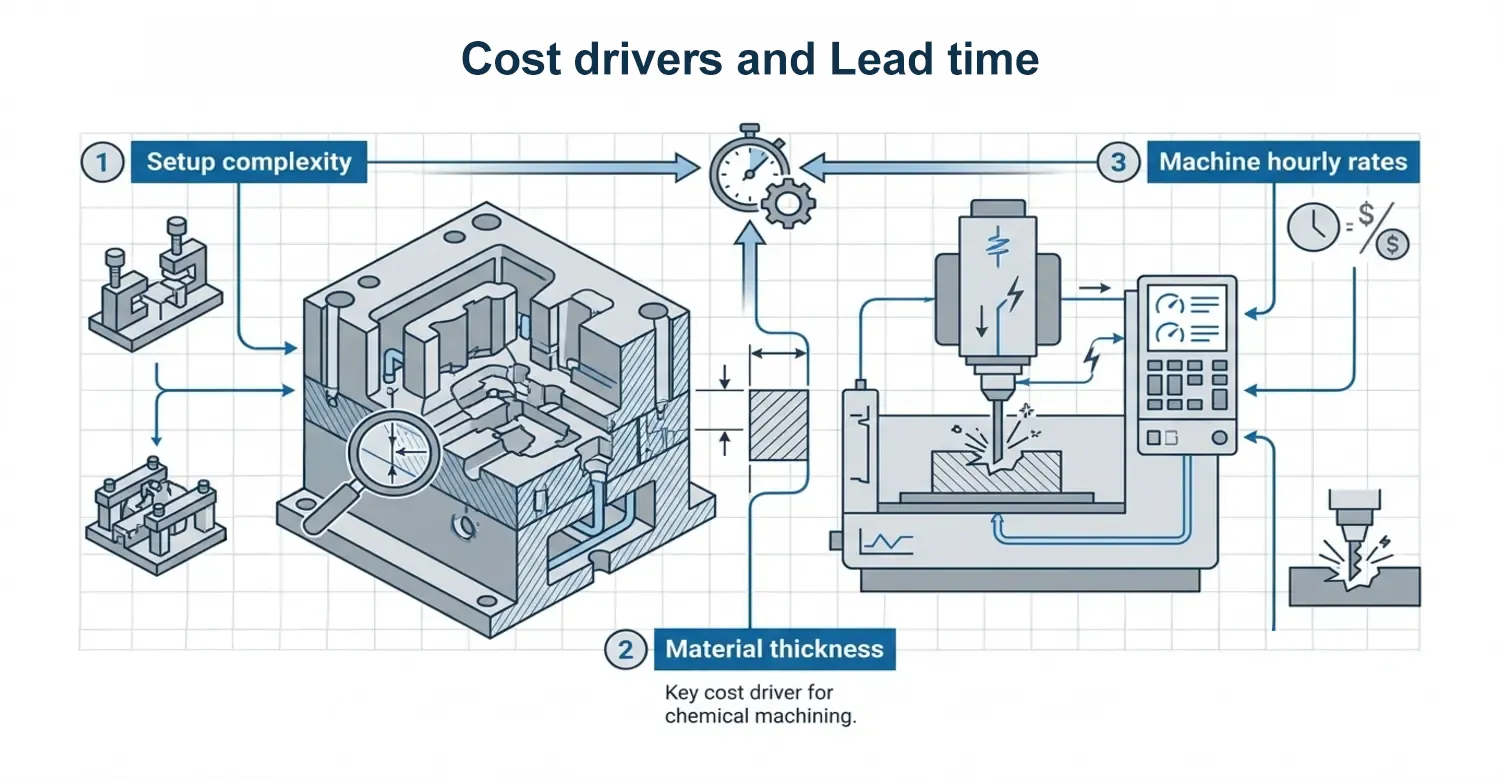
Cost drivers and Lead time in Each Process.

CNC milling and Swiss machining costs and lead times occur primarily due:

  • Material choice affects the cost in both raw stock price and machinability. For example, a block of titanium is expensive compared to aluminum; however, it takes 3 times longer to cut it.
  • Part geometry like thin walls, deep pockets, and undercuts needs special tooling and multi-setup operations.
  • Setup complexity, like tight tolerances e.g. +/- 0.005″, costs more since they require slower cutting speed, increase inspection frequency, and extra finishing to achieve exact parameters.

Chemical machining cost and lead time drivers are determined by:

  • Material thickness with thicker materials (>1.5 mm) increases etching time, energy, and chemical consumption.
  • Batch quantity where parts are priced per sheet instead of individual cuts, lowering the unit cost.
  • Secondary operations like plating, heat treating, or specific QA inspections add extra costs.

EDM and WEDM costs depend heavily on machine hourly rates, part thickness, and setup fees.

  • Machine hourly rates for standard jobs and outsourced machine costs are between $75-$120/hr. and high precision specialist charge $100-$150/hr. Further, turnaround lead times for custom-made parts take 3-10 days in prototyping and production.
  • Material type and hardness spark a gap where materials like hardened tool steels cut faster than annealed cold-rolled steel. Cold-rolled steel has impurities that interrupt discharge. Cutting speeds drop as the material thickness increases.
  • Surface quality is enhanced through additional skim cuts. Wire EDM, being a multi-pass process, can get you Ra 2.5–3.2 µm. One skim pass can get you Ra 0.4 µm, while two to three passes get you Ra 0.25 µm and below. Each pass adds to machining time and extra tooling cost.

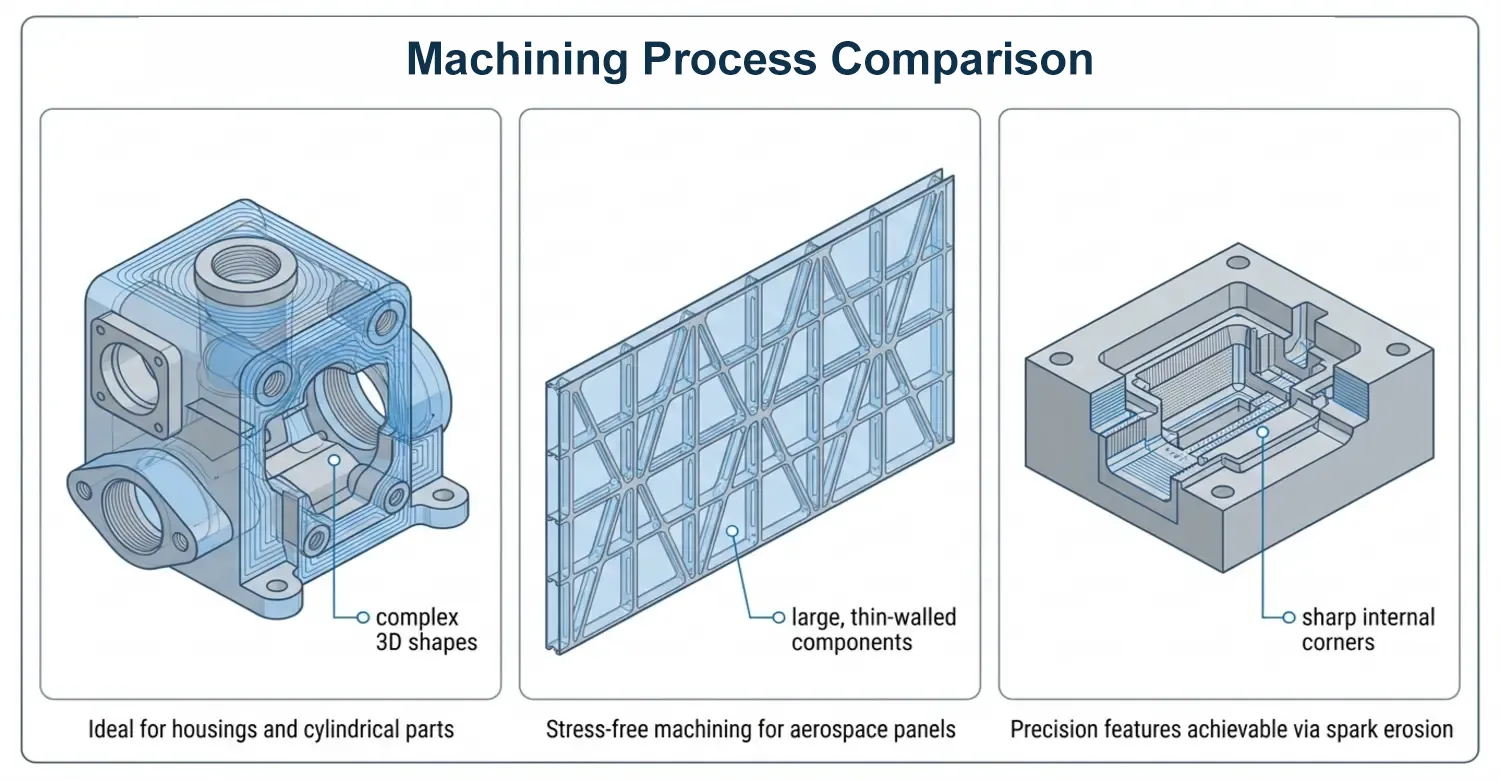
Machining Process Comparison: CNC/Swiss Vs. Chemical Vs. EDM.

CNC milling and Swiss machining are best for complex 3D shapes, block housings, and high-precision cylindrical parts. Components demanding high-dimensional accuracy, mechanical durability, and surface finish are best produced through these processes.

When we manufacture parts like Aluminum housings and medical-grade ABS enclosures, milling offers control over wall thickness, thread accuracy, and boss geometry in a single setup. This approach minimizes re-clamping errors and guarantees tight tolerances across the entire component. Swiss milling is ideal for small diameters, long, rotational components like shafts and pins.

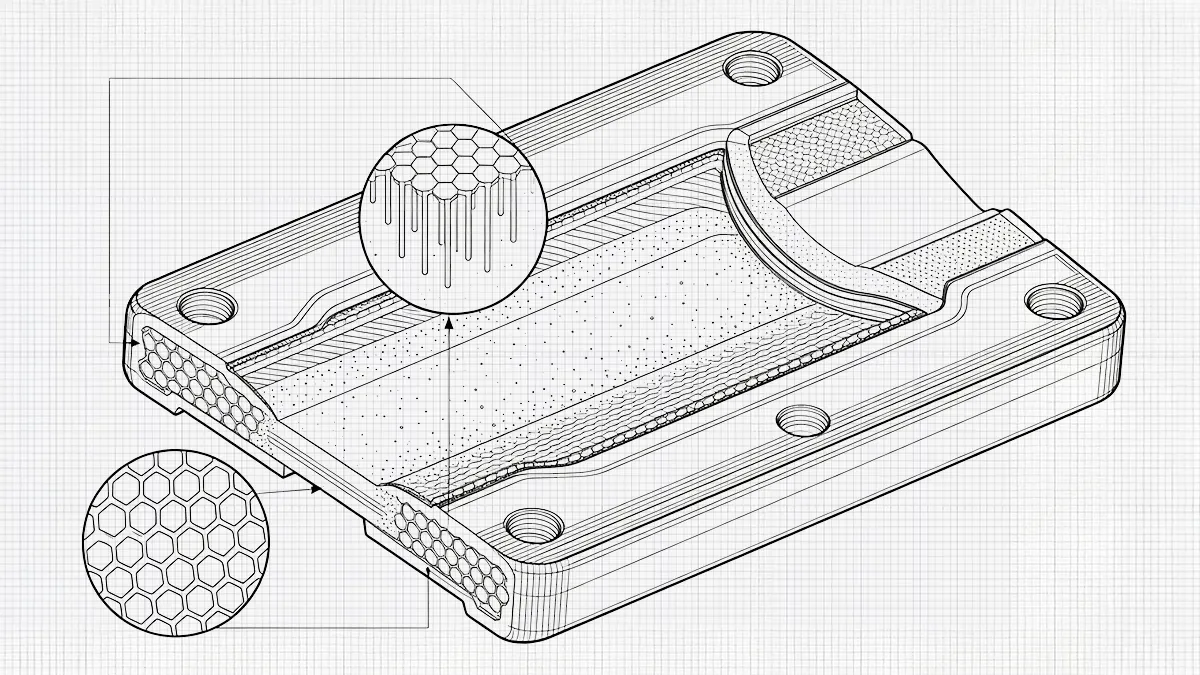
Chemical milling is the best choice for large, thin-walled components with intricate features and smooth finishes. It leaves the metal’s internal grain structure undisturbed, thus no mechanical stress. Material dissolved chemically in photo etching and chemical blanking does not form burrs produced in standard machining. By removing material only where necessary, this process reduces material wastage and additional finishing costs. Chemical milling excels in the aerospace industry for weight reduction over a broad surface.

Electrochemical Machining (ECM) is highly valued for its ability to machine complex shapes without causing any thermal or mechanical stress to the parts. Conversely, EDM and WEDM are ideal for shaping hard, conductive metals to create intricate details like sharp internal corners and fine holes without physical cutting forces. While WEDM eliminates the need for softer pre-machining in die and mold making, it does create a recast layer and heat-affected zone (HAZ) due to spark erosion, which may require post-processing for sensitive applications.

结论

Among the discussed machining processes, no single method works for every part or is superior to the other. For better results, combining their capabilities or choosing the most suitable method that aligns with your needs is fundamentally necessary.

At First Mold, we believe that better manufacturing decisions lead to better engineering outcomes. That’s why we’re committed to providing practical and experience-proven insights that engineers and manufacturers can rely on with confidence. If you’re seeking to explore different production techniques, create or optimize designs, choosing the right process is essential. With an experienced team providing the right guidance for your application, excellence is guaranteed.

James Li 是一位拥有 15 年以上模具制造和注塑成型经验的制造专家。在 First Mold,他负责复杂的 NPI 和 DFM 项目,帮助数百种全球产品从创意走向量产。他将棘手的工程问题转化为经济实惠的解决方案,并与买家分享他的专业知识,使从中国采购变得更加容易。.
分享本文:
标签
评论

发表回复

您的邮箱地址不会被公开。 必填项已用 * 标注

zh_CNZH