


We have previously detailed the costs of injection molds. For product design companies or companies outsourcing plastic part production, they are more likely to commission injection molding factories to provide plastic injection molding services for their products, rather than just commissioning the factory to produce injection molds. After all, the mold is one part of the entire injection molding production process. Therefore, they are more concerned with the injection molding costs.
Some clients who frequently outsource injection molding production also often feel confused about how to evaluate the cost of plastic injection products, and they may doubt whether the quotations from plastic injection manufacturers are reasonable. This confusion stems from a lack of understanding of the cost structure of plastic injection products, leading to clients spending a lot of time and energy when asking for quotes from manufacturers, and sometimes they have to pay the cost of trial and error to gain experience.
Today, we will mainly introduce the cost structure of injection molding factories. If you are a peer in the injection molding industry, you are also welcome to read the latter part of the article about how injection molders can reduce injection molding costs.

6 Major Factors Affecting the Cost of Injection Molded Parts
The cost composition of injection molding is actually quite transparent in the industry, mainly including: plastic mold costs, molding costs, secondary processing costs, raw material costs, packaging and transportation costs, and factory operation costs.

1. Plastic Mold Costs
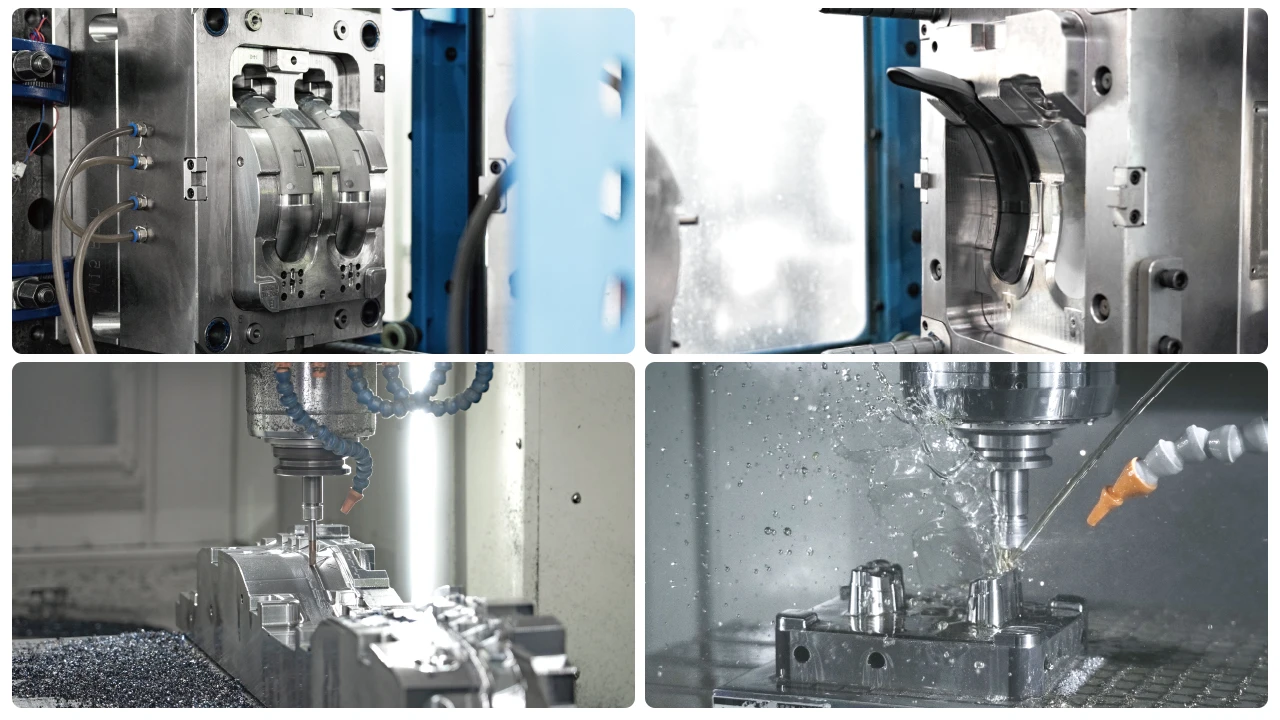
The cost of plastic molds, like all products, is “you get what you pay for.” The more complex, precise, and durable the mold, the higher the cost.
Factors affecting the cost of plastic molds include: size, complexity, material, expected quantity, and different mold cavity numbers and molding tolerance requirements also affect cost.
Tips: For detailed mold costs, please refer to the article “Injection Mold Costs“.
Size, Complexity:
Generally, the larger the size and the higher the complexity of the product, the higher the cost.
Number of Mold Cavities:
The more cavities on a mold, the higher the complexity and precision of mold development, and consequently, the mold price will be higher.
Advice for Small Product Volumes:
If the product structure is simple and the quantity to be produced is small, a one-to-one cavity mold can be used, which will be relatively cheaper.
Advice for Large Product Volumes:
If the product needs to be produced in large quantities, it is recommended to develop a mold with multiple cavities. Although the cost of mold development may be relatively higher, the production efficiency will be faster. Additionally, due to large-scale production, the unit price of the product can be reduced. Comparisons based on the number of cavities can be seen in the table below: The number of cavities represents the quantity of products produced at once, with lower costs for higher production quantities. If you are still unsure, just tell the plastic injection molding factory the estimated production volume, and an experienced plastic injection molding factory will help you calculate the most suitable number of mold cavities.
| Items | Single Cavity | Single Cavity |
|---|---|---|
| Tooling Cost | Low | High |
| Injection Cost | High | Low |
| Production Efficiency | Low | High |
| Unit Price | High | Low |
Tolerance Requirements:
Different products have different tolerance standards, with higher precision leading to higher costs. The cost of a mold with a tolerance of ±0.2mm will certainly differ from that of a mold with a tolerance of ±0.02mm.
It is worth mentioning that if the quantity of plastic parts produced is not large, the cost of the mold will account for a relatively large proportion of the total price; if the quantity of plastic parts produced is large enough, many factories may even waive the mold cost.
Tips: Click to check our recommended article “Injection Molding Tolerances“.
2. Raw Material Costs
The cost of raw materials depends on the functionality and requirements of the product. Common plastic raw materials include PP, PE, PC, ABS, PBT, and dozens of others. All plastic raw materials are influenced by fluctuations in the price of petroleum raw materials. If the product requires blending or colorants, the costs will be calculated separately.
Common raw material prices: PEEK > PA66 > PC > PA6 > ABS > PS > LDPE > HDPE > PBT > PET. Specific prices can be referenced based on local market prices.
General-purpose plastic raw materials are relatively inexpensive. If the plastic raw material has high strength and strong chemical resistance, the cost will be higher (including some modified materials).
Calculation of raw material costs
Regarding the specific cost of raw materials consumed by injection molded products, this part of the raw material cost can be deduced from the weight of the molded shells in injection molding.
For example: Assuming ABS plastic pellets cost $1500 per ton (this is an example, please refer to the actual local price). If the shell weight of a product after injection molding is 200 grams, then the raw material cost of the product is $1500 / 1000000 * 200 = 0.0015 * 200 = $0.3.
Note: If the mold used for injection molding has a cold runner system, there will be residual material in the runners after each injection molding cycle. When calculating, the weight of the runner material should also be included.
A more complex example: Assuming the cost of ABS plastic pellets is $1500 per ton. A mold produces parts in a 1-to-4 ratio, with each part weighing 200 grams and the runner material for 1-to-4 being 100 grams. What is the cost of raw materials per part? The calculation method is to account for each part’s weight as 200 grams + 25 grams of runner material, totaling 225 grams, and then calculate the cost as described above.
Of course, there is also a certain percentage of waste (e.g., 3%) during the injection molding process, but because the proportion is relatively small, it can be ignored when estimating costs.
Tips: Click “price of injection molding materials” to get detailed price comparisons of different plastics.

3. Plastic Injection Molding Costs
The cost of plastic injection molding depends on the size of the machine and the molding cycle. There are differences in processing costs, so injection molding costs can also be said to be part of the injection molding machine’s cost. The larger the machine, the more energy it consumes, which can increase the molding cost. Additionally, the shorter the production cycle, the faster the production speed.
We can calculate the annual injection molding cost based on a 5-year depreciation of the injection molding machine. For example, if the industry’s startup rate for the injection molding machine is 50% (i.e., 180 days per year), divide the annual depreciation of the injection molding machine by 180 days to calculate the daily machine cost.
Assuming the price of an injection molding machine is $100,000, then the daily machine cost is $100,000 / 5 / 180 = $111. If the injection molding machine works 22 hours per day, the hourly cost is approximately $5. Based on the hourly output of one injection molding machine (related to the layout of the mold and the molding time), the injection molding cost per part can be calculated.
For example, for a mold with a 1-to-1 layout and a molding time of 60 seconds, only 60 parts can be produced in one hour. So, the machine cost per part is $100,000 / 60 = $0.08.
It is also important to note that there is a basic operation time for mold setup and removal. The time required depends on the size and function of the mold. If the order quantity is lower than the cost of changing the mold, there may be additional costs. However, plastic injection molding manufacturers usually clarify the minimum purchase quantity in advance.

4. Secondary Processing Costs
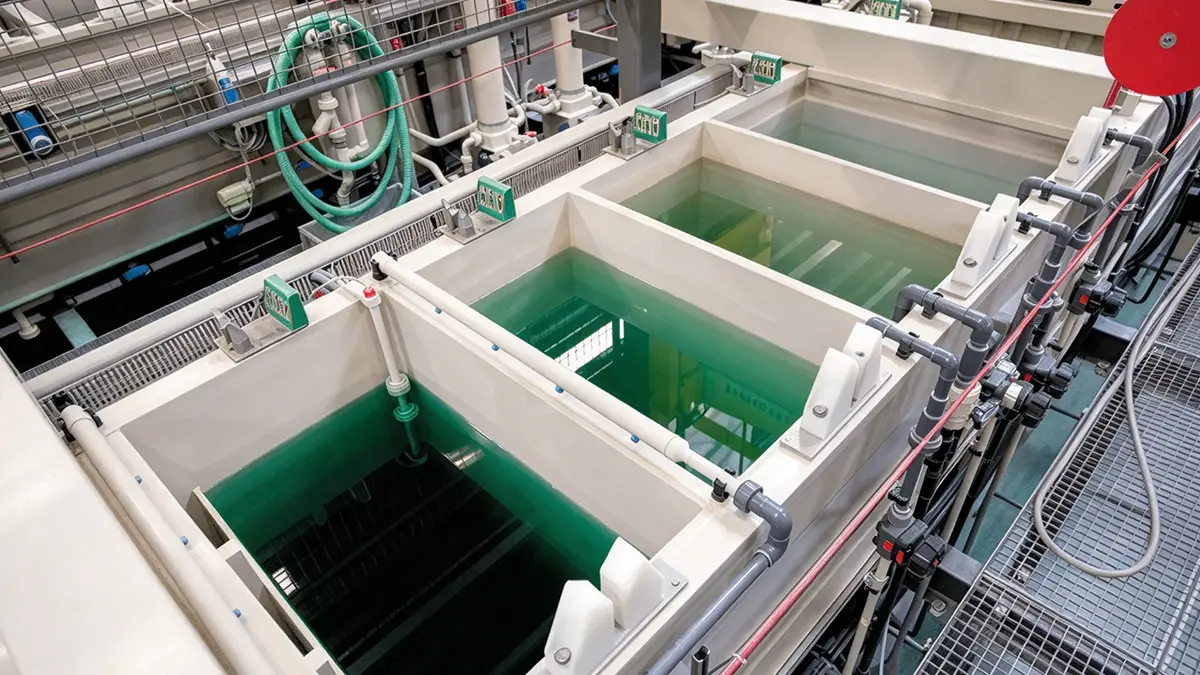
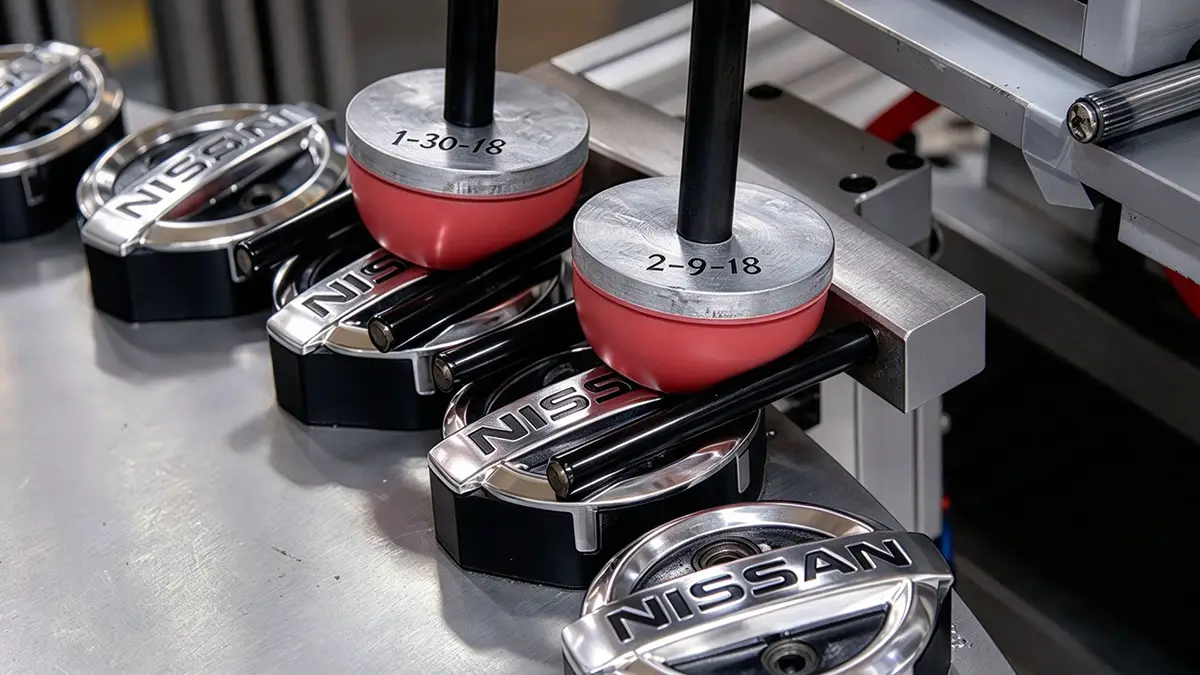
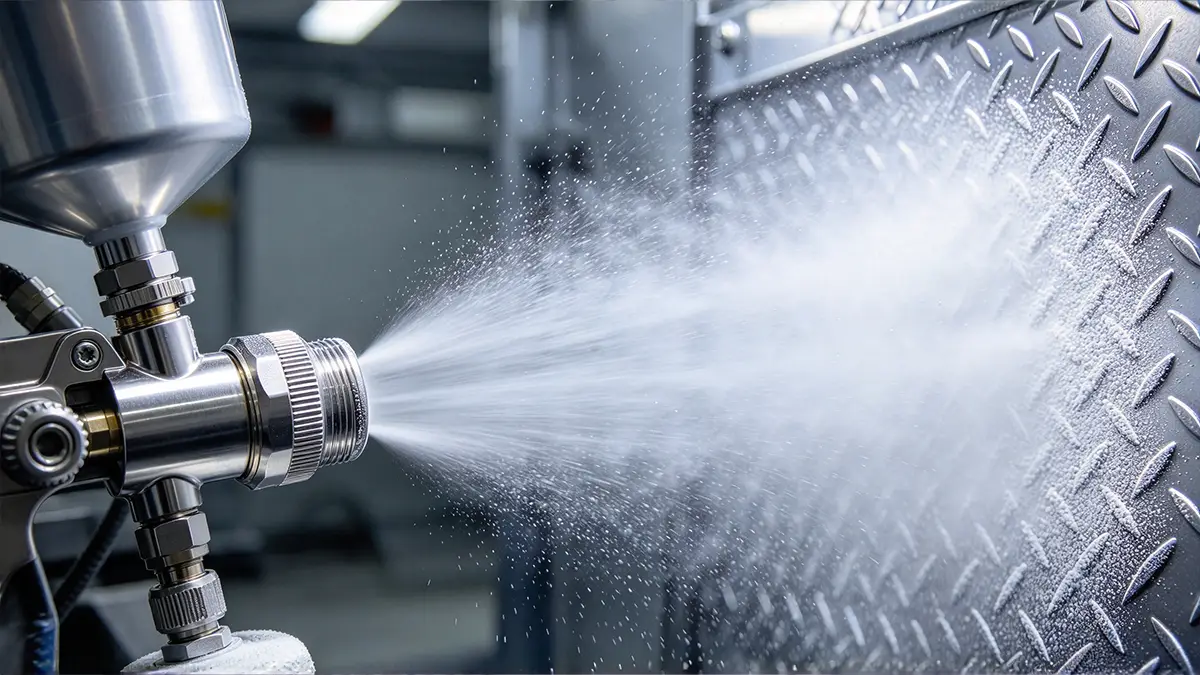
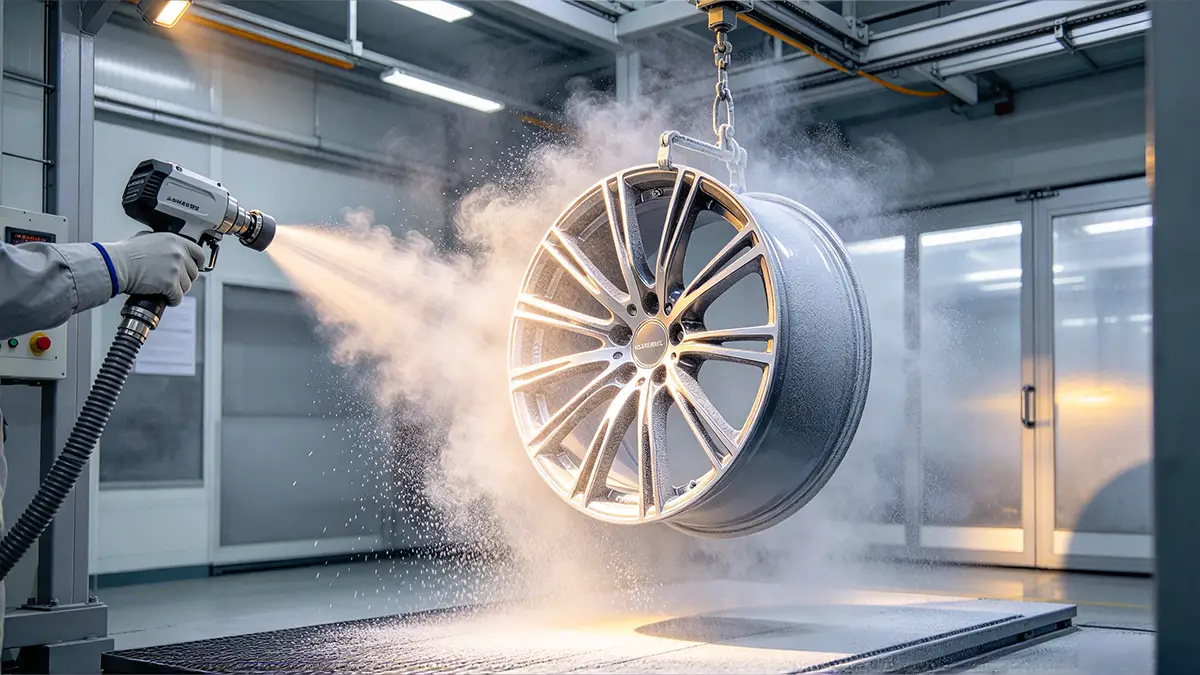
Some plastic injection molding factories also provide finishing services, including surface treatments such as coating, printing, painting, and electroplating.
Because this process produces semi-finished products that require further processing, there may be an increased risk of defects in the coating process. An economically viable suggestion is, if you want to save costs and achieve a beautiful finish, consider adding colorants directly to the raw material. This eliminates the need for secondary processing while still allowing for the production of products in various colors.

5. Packaging and Transportation Costs
The packaging of plastic injection molded products generally includes plastic bags and cardboard boxes for semi-finished parts. For assembled components, there is the cost of assembly equipment. The more complex the product, the longer the assembly time, which may result in higher costs and affect the overall expense.
The volume and weight of the packaged plastic products, as well as the method of transportation, will affect transportation costs.

6. Company Operational Costs
The operational costs of a company are very complex and include employee wages, rental costs, electricity bills, administrative expenses, etc.
Employee wages are a relatively easy part to calculate. The wages of employees involved in mold design, mold processing, etc., are calculated as part of the mold cost. However, the wages of employees in the injection molding production workshop are only calculated as part of the company’s operational costs when the customer commissions injection molding production. For example, depending on the characteristics of different products, some products may require workers to be stationed at the injection molding discharge position for processing. Common processing steps include trimming runners, visual inspections, packaging, etc.
As for other complex company operational costs, each company will have its own calculation standards. These costs are usually calculated by the factory’s finance department, with a rough formula to distribute the results evenly among each injection molded part.

8 Methods to Control Injection Molding Costs
How to controll injection molding costs?
Controlling injection molding costs is a shared responsibility between factories and product designers. The majority of methods to save on injection molding costs come from the injection molding factory. Here are some suggestions for reducing injection molding costs provided to injection molding factories as peers.

1. Production Site
- Power Supply: Provide stable power for production needs with a reasonable margin to avoid excessive non-functional consumption.
- Cooling Water Facilities: Construct efficient cooling water circulation facilities with effective insulation systems.
- Optimized Layout: Optimize the layout of the entire factory production. Many productions require cooperation between processes. Rational cooperation can reduce turnover time and energy consumption, improving production efficiency.
- Effective Lighting Control: Consider using small, effective units to control lighting and other on-site equipment separately.
- Regular Maintenance: Perform regular maintenance on factory equipment to avoid damage to public facilities that may affect normal production operations and increase energy consumption.
2. Injection Molding Machine
- Selecting the Right Machine: Choose an injection molding machine suitable for the product’s characteristics. Oversized machines can lead to significant energy waste.
- Energy-Efficient Machines: Opt for all-electric and hybrid injection molding machines for significant energy savings, up to 20-80%.
- New Heating Technologies: Use new heating technologies such as electromagnetic induction and infrared heating for 20-70% heating energy savings.
- Heating and Cooling Systems: Utilize effective insulation measures for heating and cooling systems to reduce heat and cold loss.
- Lubrication Maintenance: Ensure good lubrication of transmission equipment components to reduce frictional increases and unstable equipment operation, leading to increased energy consumption.
- low-compressibility hydraulic oil: Use low-compressibility hydraulic oil to reduce hydraulic system energy waste.
- Advanced Molding Techniques: Employ simultaneous molding, multi-cavity injection, and multi-component injection molding technologies for significant energy savings.
- Energy-Efficient Hydraulic Systems: Traditional hydraulic injection molding machines also offer many energy-saving drive systems, effectively replacing traditional metering pump mechanical hydraulic injection molding machines.
3. Injection Molds
- Rational Mold Design: Includes runner design, gate type, cavity number, heating and cooling waterways, etc., to reduce energy consumption.
- Use of Hot Runner Molds: Hot runner molds not only save material but also have significant energy-saving effects in the molding process itself.
- Other Energy-Saving Molds: Conformal cooling, rapid cooling, and rapid heating molds can significantly save processing energy and achieve better surface quality.
- Balanced Cavity Filling: Ensuring balanced cavity filling helps reduce molding cycle time, ensure product quality uniformity, and achieve significant energy savings.
- CAE Design: Use CAE design technology for mold design, mold flow analysis, and simulation to reduce energy consumption from mold adjustments and multiple mold repairs.
Tips: We strongly recommend you try high-quality and low-cost mold manufacturing services.
4. Peripheral Equipment
- Selecting Suitable Equipment: Choose peripheral equipment with the right capacity to meet job requirements without excessive capacity.
- Maintenance: Ensure equipment is properly maintained to be in normal working condition. Auxiliary equipment that does not work properly can cause production instability or poor product quality, increasing energy consumption.
- Optimized Collaboration: Optimize the collaboration and operation sequence between the main machine and peripheral equipment.
- Positioning: Optimize the positions of peripheral equipment and production equipment to make peripheral equipment as close to the main machine as possible without affecting operational conditions.
- Energy Supply Systems: Many auxiliary equipment manufacturers provide energy supply systems as needed, which can achieve significant energy savings.
- Quick-Change Equipment: Use quick-change equipment to reduce the waiting time required for product switching during production.
5. Materials
- Material Selection: Choose materials with low processing energy consumption while meeting product performance requirements.
- High-Flow Materials: Prefer high-flow materials under conditions of performance and cost optimization.
- Material Drying: Dry the material and store dried materials in moisture-proof containers immediately to avoid wasting energy returning the dried material to moisture.
- Material Preservation: Prevent impurities and foreign objects from mixing into the material, ultimately leading to product defects.
- Recycled Materials: Some products allow for the addition of a certain amount of recycled materials, but you should pay attention to the storage and cleanliness of recycled materials to avoid material contamination and product defects.
6. Processing Techniques
- Shorter Molding Cycles: Use the shortest molding cycle while meeting product performance requirements.
- Recommended Processing Techniques: Use processing techniques recommended by suppliers whenever possible.
- Store Optimized Equipment Parameters: Save all stable equipment and process parameters for specific products and molds to reduce debugging time for the next production run.
7. Adopting New Technologies
- Assisted Molding Technologies: Use gas-assisted, liquid-assisted, steam-assisted, micro-foam injection molding technologies, etc.
- Unitary Molding Solutions: Reduce intermediate links.
- New Mold Technologies: Use in-mold welding, in-mold spraying, in-mold assembly, in-mold decoration, and other new technologies.
- Low-Pressure Forming Technologies: Shorten the molding cycle and reduce melt temperature.
- Energy Regeneration Systems.
8. Production Management
- High-Quality Production: Producing high-quality products in one go and reducing the defect rate is the biggest energy-saving measure.
- Maintenance and Energy Consumption: The maintenance of the entire production system is closely related to energy consumption. This affects not only the main body but also the peripherals and the factory’s equipment. For example, when a factory’s overhead crane breaks down, manual replacement of models and equipment increases waiting time and energy consumption.
- Workshop Energy Monitoring System: Equip the workshop with an energy monitoring system for targeted energy analysis and improvement.
- Equipment Maintenance: When equipment is shut down for maintenance, not only check the maintenance content and items of the equipment itself but also pay attention to the connection position of the equipment with other systems, whether the work performance is reliable, etc.
- Benchmark Comparison: Carefully compare industry benchmarks to see if there is further room for improvement.
In Conclusion
With the development of digital marketing, the prices of injection molding processes online are becoming more transparent. Understanding the costs of injection molding processes helps product design companies create better products and encourages injection molding factories to adhere to industry standards, creating a positive atmosphere for the injection molding industry.
I am James Li. If you are interested in the injection molding service quotation from First Mold, please click “Injection Molding Service Quotation“.




 EN
EN  ES
ES  FR
FR  DE
DE  IT
IT  PT
PT  NL
NL  PL
PL  AR
AR  JA
JA  KO
KO  ZH
ZH