

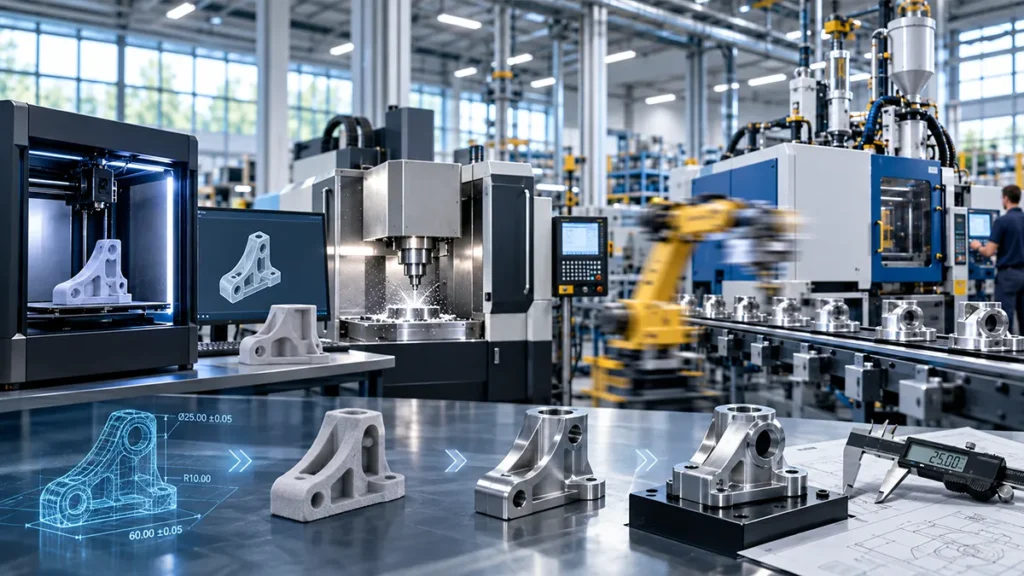
We współczesnej erze produkcji organizacje znajdują się w stanie ciągłego stresu, aby być szybsze, ale jednocześnie oferować wyjątkową jakość. Cykl rozwoju produktu kurczy się, konkurencja rośnie, a oczekiwania klientów również rosną. W związku z tym nie ma już kompromisu między szybkością a precyzją. Oba są kluczowe dla osiągnięcia sukcesu.
Niezależnie od produktu konsumenckiego, czy to sprzętu medycznego, motoryzacyjnego czy produktu przemysłowego, proces od koncepcji do gotowego produktu jest wypełniony kilkoma krytycznymi wyborami. Takie wybory wpływają na koszty, wydajność, skalowalność i czas wprowadzenia produktu na rynek. Firmy, które dobrze wykonują ten proces, osiągają znaczącą przewagę konkurencyjną.
This process is assisted by us (First Mold), who provide integrated services such as injection molding service, Usługa obróbki CNC, usługa szybkiego prototypowania oraz mold manufacturing service. The unification of these services enables the organizations to simplify the development process and minimize the lack of friction between the stages.
Ruch w kierunku zintegrowanej produkcji
W przeszłości firmy musiały korzystać z usług różnych dostawców w celu wytworzenia jednego produktu. Jeden z dostawców był odpowiedzialny za projekt, drugi za budowę formy, a trzeci za produkcję. Ta chaotyczna strategia powodowała nieefektywność, brak komunikacji i opóźnienia.
Obecnie producenci zwracają się ku zintegrowanym rozwiązaniom, które łączą te etapy w jeden przepływ pracy. W ten sposób firmy mogą mieć większą kontrolę nad całym procesem i poprawić ogólne wyniki.
Zaletą zintegrowanej produkcji jest skrócenie harmonogramów rozwoju, ponieważ wszystkie usługi produkcyjne są łączone przez klientów pod jednym parasolem. Decydując się na zintegrowaną produkcję, zyskujesz płynną komunikację, ponieważ nie musisz wchodzić w interakcje z różnymi zespołami lub firmami podczas tworzenia produktu. Zintegrowana produkcja ma ogromny wpływ na obniżenie ryzyka, ponieważ producent zna wszystkie specyfikacje projektowe między prototypem a produkcją.
Dzięki współpracy z jednym partnerem, firmy będą w stanie dostosować projektowanie, inżynierię i produkcję.
Dlaczego formowanie wtryskowe pozostaje niezbędne
Formowanie wtryskowe still remains a dominant part of contemporary manufacturing, particularly of large-volume plastic parts. It is done by pouring molten material into a mold where it solidifies and assumes the required shape.
Takie podejście jest powszechnie stosowane, ponieważ ma wiele zalet.
Skalowalność
Po opracowaniu formy producenci są w stanie wytwarzać wiele takich samych części o podobnej jakości.
Elastyczność projektowania
Precyzyjne oprzyrządowanie może być wykorzystywane do produkcji złożonych geometrii i drobnych detali.
Opcje materiałowe
Istnieje wiele różnych materiałów spełniających określone potrzeby w zakresie wydajności.
Efektywność kosztowa przy wolumenie
Oprzyrządowanie, mimo że wiąże się ze znaczną inwestycją początkową, cena za jednostkę drastycznie spada wraz ze wzrostem produkcji.
Wiedza o tym, jak projektować do formowania wtryskowego na wczesnym etapie rozwoju, pomoże firmom zaoszczędzić koszty i zapobiec trudnościom w produkcji w przyszłości.
Znaczenie szybkiego prototypowania
Firmy muszą przetestować swoje projekty, zanim zdecydują się na produkcję na dużą skalę. Szybkie prototypowanie umożliwia inżynierom przetestowanie koncepcji, wydajności i wczesne wykrycie ewentualnych problemów.
Obróbka CNC oraz produkcja addytywna are technologies that permit rapid iteration as they do not require permanent tooling. This is much-needed in the initial phases of product development.
Rapid prototyping has a number of advantages, such as faster design validation since the prototype development is robust. It is also less risky to prototype due to its lower rapid prototyping cost and the ability to use a large variety of materials. Under rapid prototyping, customers get better performance of the product and more flexibility in product change since the process provides the ability to make tweaks, tests and design changes in a short period of time.
This helps companies to detect issues early enough to prevent expensive re-engineering. In manufacturing, the widely recognized “Rule of Ten” states that the cost to find and fix a defect increases tenfold at each subsequent stage of the product lifecycle. Identifying a design flaw during the rapid prototyping phase might cost $1,000, but fixing that same flaw after mass production tooling is completed could easily cost $100,000 [1].
Precyzja jako przewaga konkurencyjna
W miarę jak produkty stają się coraz bardziej zaawansowane, zapotrzebowanie na produkcję precyzyjną stale rośnie. Branże takie jak urządzenia medyczne, lotnictwo i elektronika wymagają wąskich tolerancji, powtarzalności i stałej jakości.
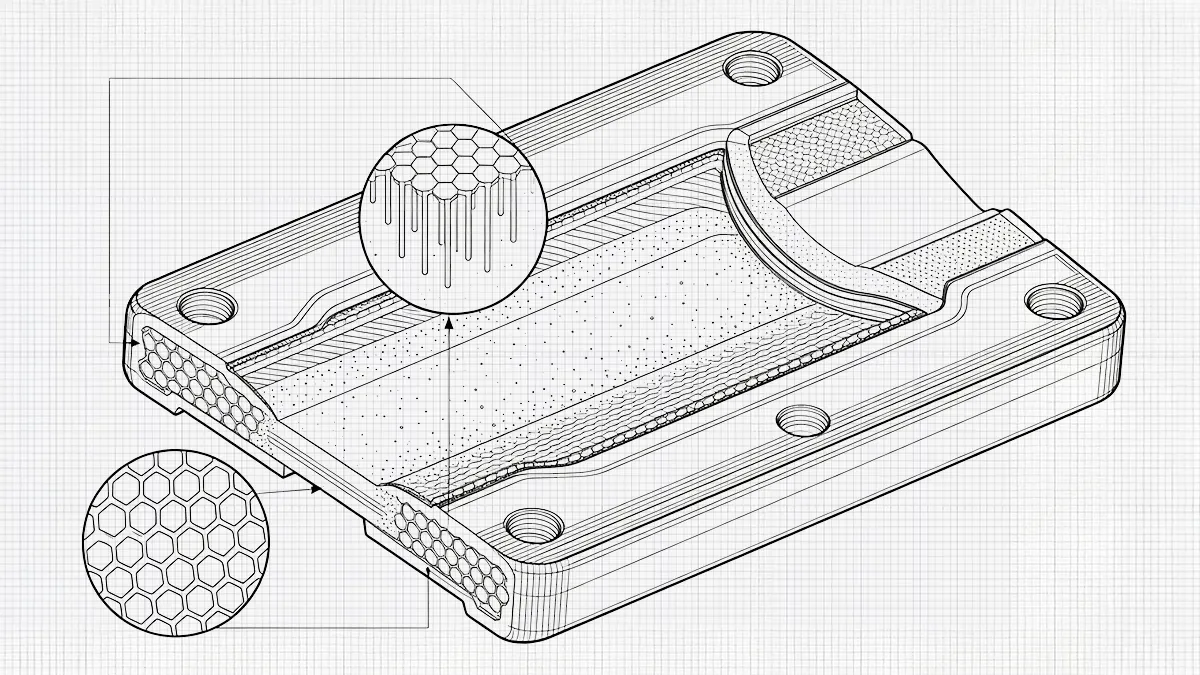
Dokładność zaczyna się od oprzyrządowania. Produkcja form może być wykonywana zgodnie z wysokimi standardami, aby upewnić się, że każda część jest wykonana zgodnie ze specyfikacją i działa zgodnie z oczekiwaniami. Niewielkie różnice mogą skutkować wadami, nieskutecznością lub nieprawidłowym działaniem produktu.
Producenci, którzy inwestują w możliwości w zakresie dokładności, mają większą niezawodność produktów, ponieważ proces pozwala na wąskie tolerancje i powtarzalność produkcji. Precyzyjna produkcja minimalizuje również liczbę wad produktów, co zwiększa zadowolenie klientów. Ogólnym celem tego procesu jest poprawa reputacji marki na rynku, ponieważ wszystkie produkty są wysokiej jakości.
Precyzja jest nie tylko kwestią techniczną na konkurencyjnych rynkach. Jest to jeden z czynników wyróżniających.
Czynnik ludzki w sukcesie produkcji
Chociaż technologia jest bardzo ważna w procesie produkcji, to ludzie ją tworzą lub niszczą. Zadanie przekształcania pomysłów w produkty nadające się do sprzedaży spoczywa na inżynierach, projektantach i zespołach produkcyjnych. Ich umiejętności wprowadzają innowacje i zapewniają, że proces produkcji jest wydajny.
Jest jednak jeden aspekt, który jest zwykle ignorowany, a jest nim znaczenie skutecznego przywództwa handlowego. Nawet najnowsze moce produkcyjne muszą mieć profesjonalistów zdolnych do łączenia tych mocy z potrzebami i możliwościami rynkowymi klientów.
Wielu producentów ma trudności ze znalezieniem osób, które mogą z powodzeniem sprzedawać skomplikowane rozwiązania techniczne. Takie stanowiska wymagają specjalnego zestawu zarówno wiedzy technicznej, jak i umiejętności interpersonalnych, a także zdolności do pracy w wydłużonych cyklach sprzedaży.
Dlatego też firmy mogą skorzystać z usług poszukiwanie kierowników sprzedaży specjalistów, aby znaleźć liderów, którzy mogą dokonać zmian w branżach technicznych. Odpowiednie przywództwo zapewni, że doskonałość inżynieryjna zostanie osiągnięta w rzeczywistych wynikach biznesowych.
Skalowanie od prototypu do produkcji
Być może najtrudniejszym etapem procesu produkcyjnego jest przejście od prototypu do produkcji na pełną skalę. Techniki stosowane w małych prototypach niekoniecznie muszą mieć bezpośrednie zastosowanie w produkcji masowej.
Firmy muszą radzić sobie z wieloma ważnymi kwestiami, takimi jak zdolność do zapewnienia spójności partii produkcyjnych. Powinny również zmaksymalizować oprzyrządowanie, aby było trwałe i wydajne. Od samego początku firma musi przeprowadzać złożone analizy i opracowywać wiarygodne systemy kontroli kosztów produkcji i zrównoważonego rozwoju łańcucha dostaw.
Partner, który przeszedł przez proces produkcyjny i zna wszystkie jego tajniki, pomaga organizacjom w pokonywaniu takich wyzwań i zapobieganiu kosztownym błędom.
Zintegrowani dostawcy zapewniają ciągłość procesu, co pozwala firmom utrzymać wszystko na właściwym kursie od projektu do produkcji na pełną skalę.
Dostosowanie produkcji do rozwoju firmy
Produkcja wysokiej jakości części nie jest jedynym kluczem do sukcesu produkcyjnego. Wiąże się to z dopasowaniem zdolności produkcyjnych do celów biznesowych. Firmy powinny upewnić się, że ich produkty są zgodne z zapotrzebowaniem rynku i przynoszą wartość konsumentom.
Organizacje osiągają to poprzez skupienie się na trzech obszarach:
- Inwestycje w nowe technologie produkcyjne
- Rozwijanie wiedzy specjalistycznej w zakresie inżynierii i produkcji.
- Budowanie solidnego przywództwa w celu pobudzenia wzrostu.
Po połączeniu tych czynników firmy mogą skuteczniej dostarczać produkty na rynek i lepiej konkurować.
Przyszłość nowoczesnej produkcji
The process of product design and manufacture is fundamentally changing due to the advent of Industry 4.0 technologies, including automation, digital modeling (Digital Twins), and advanced materials. According to comprehensive reviews on intelligent manufacturing, the integration of these digital solutions not only enhances manufacturing flexibility but can also increase overall production efficiency by 15% to 25% across the supply chain [2].
Jednocześnie rośnie wymóg szybkości, dokładności i elastyczności. Firmy muszą być elastyczne, a jednocześnie oferować wysoką jakość.
Ci, którzy inwestują zarówno w technologię, jak i talent, będą mieli największe szanse na sukces w dłuższej perspektywie.
Wnioski
We współczesnym, konkurencyjnym świecie firmy produkcyjne muszą łączyć szybkość i dokładność, aby osiągnąć sukces. Począwszy od szybkiego prototypowania po produkcję na pełną skalę, każda faza procesu ma kluczowe znaczenie dla rozwoju produktu.
Zintegrowane rozwiązania produkcyjne pomagają uprościć procesy, zminimalizować ryzyko i skrócić czas wprowadzania produktów na rynek. Tymczasem ugruntowane zespoły i struktury kierownicze są gwarancją przełożenia tych możliwości na rozwój biznesu.
Integrując doskonałe procedury produkcyjne i odpowiednie osoby, firmy nie tylko będą wprowadzać innowacje w szybszym tempie, ale także wypracują trwałą przewagę konkurencyjną na coraz trudniejszym rynku.
Referencje
[1] Koufteros, X. A., Vonderembse, M. A., & Doll, W. J. (2001). Concurrent engineering and its consequences. Journal of Operations Management, 19(1), 97-115. https://doi.org/10.1016/S0272-6963(00)00048-6
[2] Thomke, S., & Fujimoto, T. (2000). The effect of “front-loading” problem-solving on product development performance. Journal of Product Innovation Management, 17(2), 128-142. https://doi.org/10.1111/1540-5885.1720128
[3] Zhong, R. Y., Xu, X., Klotz, E., & Newman, S. T. (2017). Intelligent Manufacturing in the Context of Industry 4.0: A Review. Inżynieria, 3(5), 616-630. https://doi.org/10.1016/J.ENG.2017.05.015




 PL
PL  EN
EN  ES
ES  FR
FR  DE
DE  IT
IT  PT
PT  NL
NL  AR
AR  JA
JA  KO
KO  ZH
ZH