

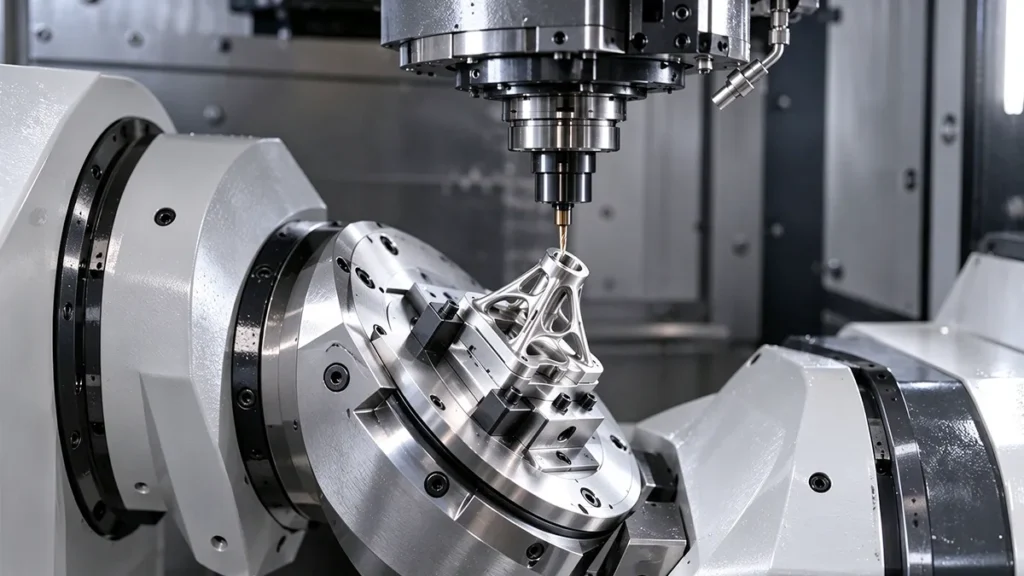
チタンは、その印象的な強度対重量比で知られています。CNC加工は、強度と耐久性の特性を考慮する。製造業者は耐久性に重点を置いているため、長寿命です。そのユニークな特性により、様々な産業で高い人気を誇っています。チタンから作られた部品は、航空宇宙、軍事、医療で一般的です。CNCマシニングの成功は、その使用に必要な材料を選択することに依存しています。


CNC加工用の一般的なチタン合金
チタンはCNCにおいて様々なレベルで不可欠である。チタン合金はベータ、アルファ、アルファベータグループに分けられます。各グループは、特定の用途に適したユニークな特性を提供します。
1.グレード5チタン (Ti -6AI-AV)
特徴
Ti-6Al-4Vとして知られるグレード5は、一般的なチタン合金です。この合金は、バナジウム4%、アルミニウム6%、チタン90%で構成されています。強度、軽量性、および高い耐食性が求められる部品に不可欠です。 Ti-6Al-4V合金は、以下の点において優れた特性を示すため、非常に適しています。 金属の熱処理. 適切な熱処理を行うことで、メーカーは、最も過酷な航空宇宙用途に対応できるよう、その機械的特性を大幅に向上させることができます。.
アプリケーション
グレード5のチタンは、様々な高性能用途において極めて重要な役割を果たしています。
- 航空宇宙 航空機の胴体部品、タービンブレード、主翼の製造に欠かせない。この材料は、強度と耐久性を維持しながら軽量化する必要がある。
- 医療用インプラント: Ti-6Al-4Vは、歯科インプラント、人工股関節、補綴物の製造に広く使用されている。
- マリン Ti-6AI-4AVは、塩水に対する高い耐性を持つ製品の製造に不可欠である。海兵隊にとっては、材料から製造までの環境に適用できる。一般的な製品は、ファスナーやプロペラです。
- 自動車: Ti-6AI-4Vは自動車部品の製造において重要である。必要不可欠な部品には、エンジン部品や排気されるその他のシステムが含まれる。
グレード5チタンの加工考察
チタン合金、特にグレード5は、機械加工に難題をもたらすことがある。チタンの高い引張強度は、機械加工に難題をもたらし、機械加工中に熱が発生します。工具の摩耗やオーバーヒートを防ぐには精度が必要です。高品質の切削工具、低い切削ニーズ、十分な冷却は、材料の既存の完全性を損なわないために重要です。
グレード5チタンを選ぶべき時
グレード5は、精密さ、軽量さ、強度を必要とするメーカーにとって最も効果的な材料選択である。また、高い耐腐食性を示す部品にも最適です。医療、海洋、医療環境での性能に適しています。重要な特性は、強度と耐久性の必要性です。
2.グレード2チタン
特徴
グレード2チタンは、純チタン(CPチタン)と同様に広く使用されています。これは非合金チタンの代表的なものです。優れた耐食性と成形性を備えています。 そのため、過酷な化学薬品や塩水にさらされる部品の製造において重要視されています。とはいえ、グレード2は機械的強度が比較的低くなっています。通常、最小降伏強度は275 MPaであり、これはグレード5の最小降伏強度である828 MPaよりも大幅に低い値です。 [1]. したがって、グレード2は、高応力の荷重を支える用途よりも、極めて高い耐食性を優先して使用されます。.
アプリケーション
- 化学処理装置 このグレードは、反応器、タンク、熱交換器の製造において、業界で広く利用されています。また、精密工業用部品の材料としても最適であり、そのことは以下の製品の製造において如実に示されています。 特注チタン製シム 腐食性の強い重機において、正確な間隔を確保するために使用される。.
- マリン・ハードウェア: 船舶用金物製造の主要部品・製品には、ファスナー、ボートブル、プロペラなどがある。
グレード2チタンの加工考察
グレード2のチタンは軽量であるため、グレード5に比べ加工が容易である。しかしながら、その靭性には課題があります。効果的な切削速度が必要です。他の合金のように加工硬化しにくい。さらに、摩耗や損傷を防ぐには潤滑が鍵となります。
グレード2チタンを選ぶべき時
メーカーとユーザーは、生産に最適な材料を選択するために異なるアプローチを適用します。グレード2のチタンは、その卓越した耐食性が高く評価されています。この耐性は、化学処理と海洋環境を含みます。しかしながら、その高い強度はあまり懸念されていません。
3.グレード 23 チタン (Ti-6Al-4V ELI)
特徴
グレード23のチタンは、一般にTi-6Al-4V ELIと呼ばれ、これは「超低間隙元素(Extra low interstitial)」を意味します。 超低介在元素(ELI)合金として、標準的なグレード5で許容される0.20%に対し、酸素含有量を厳密に0.13%以下に抑えるよう特別に精製されています。 [2]. このような間隙成分の精密な低減は、材料の 全体的な延性 および破壊靭性。また、破壊靭性を示し、脆化のリスクを低減する。この材料は、強度対重量比が極めて高い場合に用いられる。.
アプリケーション
- 航空宇宙 グレード23は、翼を含む航空機部品の生産において重要な役割を果たしている。
- メディカルだ: 医療分野において、グレード23は生体適合性のゴールドスタンダードとされています。これは、厳しい基準を遵守しなければならないエンジニアたちによって広く活用されています。 医療用金属の選定 複雑な整形外科用インプラントや歯科用機器を製造するための基準。.
- 海洋と防衛 グレード2は、強度と生体適合性を提供する部品の重要なメーカーでもある。.
グレード23チタンの加工考察
標準のグレード5と比較して、グレード23(ELI)の加工では、その特殊な微細組織を維持するために、切削速度、冷却、および工具材料の選定について、さらに厳格な管理が求められます。.
グレード23チタンを選ぶべき時
チタン等級23の選択は、高性能レベルによって決まります。これは、医療および航空宇宙産業における疲労用途の多さにも起因しています。チタン等級23は、強靭で耐疲労性に優れ、低重量の材料を提供します。
4.グレード9チタン(Ti-3Al-2.5V)
特徴
グレード9は、2.5%のバナジウムと3%のアルミニウムから成るアルファ・ベータ・チタン合金です。成形性、強度、耐食性のバランスが取れています。グレード5と比較して軽量であるため、特定の用途に適しています。その重量にもかかわらず、高い強度を維持することができます。
アプリケーション
- 航空宇宙部品: グレード9のチタンは、翼やランディングギアなどの航空宇宙部品によく使用されます。
- スポーツ用品: グレード9の素材は、レースのような軽量部品に適している。
- 自動車: 軽量性能は、自転車フレームやその他のスポーツ分野の製品に不可欠である。
グレード9チタンの加工考察
グレード9は、グレード23やグレード5よりも加工が容易である。とはいえ、より良い部品を作るには、切削速度を正確にコントロールする必要がある。また、潤滑と工具材料も重要である。目標は、工具の摩耗を最小限に抑えながら、高品質の仕上げを達成することである。
グレード9チタンを選ぶべき時
グレード9は、成形性に優れ、軽量で充実した部品に適している。自動車、航空宇宙産業や用途に適している。
| 合金 | 強さ | 耐食性 | 加工性 | アプリケーション |
|---|---|---|---|---|
| グレード 5 (Ti-6Al-4V) | 高い | 中程度 | 難しい | 航空宇宙、医療用インプラント、海洋部品 |
| グレード2 | 中程度 | 素晴らしい | 比較的簡単 | 化学処理、船舶用ハードウェア、医療 |
| グレード23(Ti-6Al-4V ELI) | 高い | 高い | 難しい | 航空宇宙、医療用インプラント、防衛用途 |
| グレード9(Ti-3Al-2.5V) | 中程度 | 高い | 簡単 | 航空宇宙、自動車、スポーツ用品 |
チタンのCNC加工プロセスフロー
チタン合金のCNC加工では、決められた仕様の遵守が要求されます。特定のプロセスフローは、合金の特徴的な特性のために重要です。この工程は、最適な結果を得るためのすべての要件を遵守するさまざまな段階から構成されています;
- 素材の選択: 最高のチタン合金の選択は、耐腐食能力と強度に依存すべきである。また、疲労レベルに対する耐性にも注目すべきである。
- デザインとプログラミング: 部品のCADモデルを開発し、CNCプログラムに変換する。プログラムは、加工が設定された操作と切削仕様に従うことを保証します。
- ツールの選択とセットアップ: チタン合金は非常に特殊な切削工具を必要とし、それはセラミック製か超硬合金製でなければならない。その目的は、高レベルの切削力を引き受けることです。また、材料の硬度にも耐える必要があるため、設計プロセスの効果も高くなります。工具の選択は、常に部品の役割に沿ったものでなければならない。
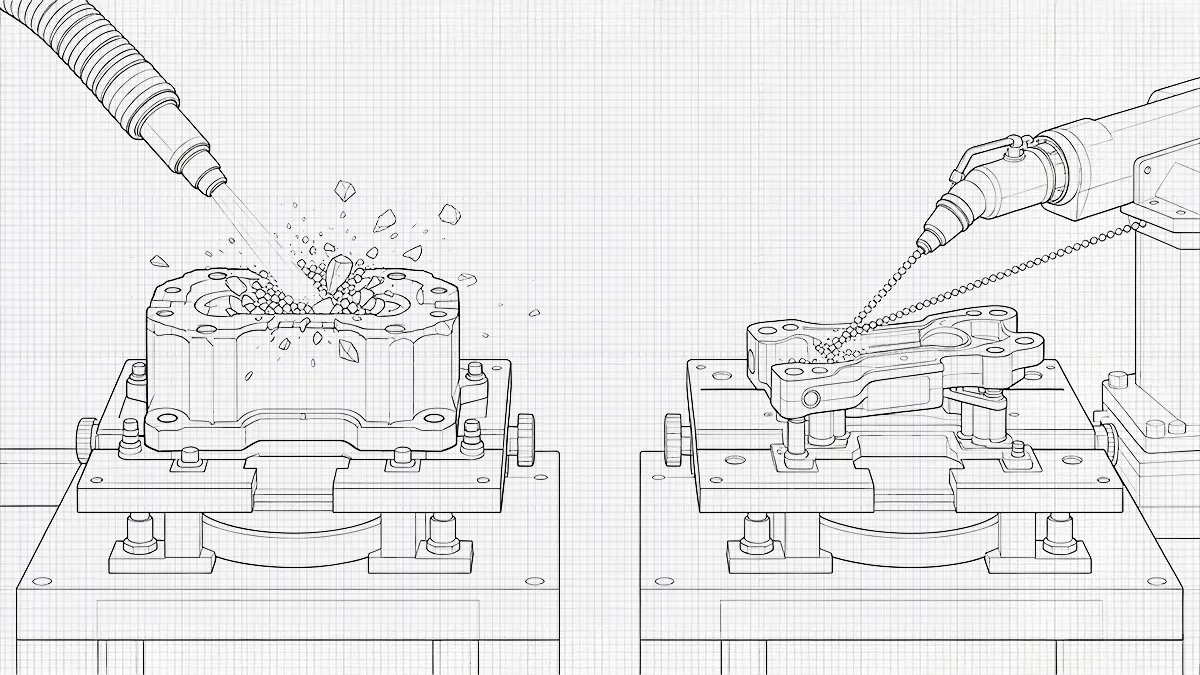
- 機械加工: 機械加工には、荒削り、穴あけ、仕上げが必要です。チタンは熱に弱いため、切削速度の管理が必須となります。また、このプロセスには、高レベルの過熱を克服するための適切な冷却液が必要です。
- 検査: 加工終了時には、部品の検査を行う必要があります。その目的は、高い寸法精度を確保することにあります。もう一つの目的は、所定の表面粗さを達成することです。チタンは熱伝導率が低いため、材料の反りを防ぐことが極めて重要です。目標は、一定レベルの監視を実現することです。.
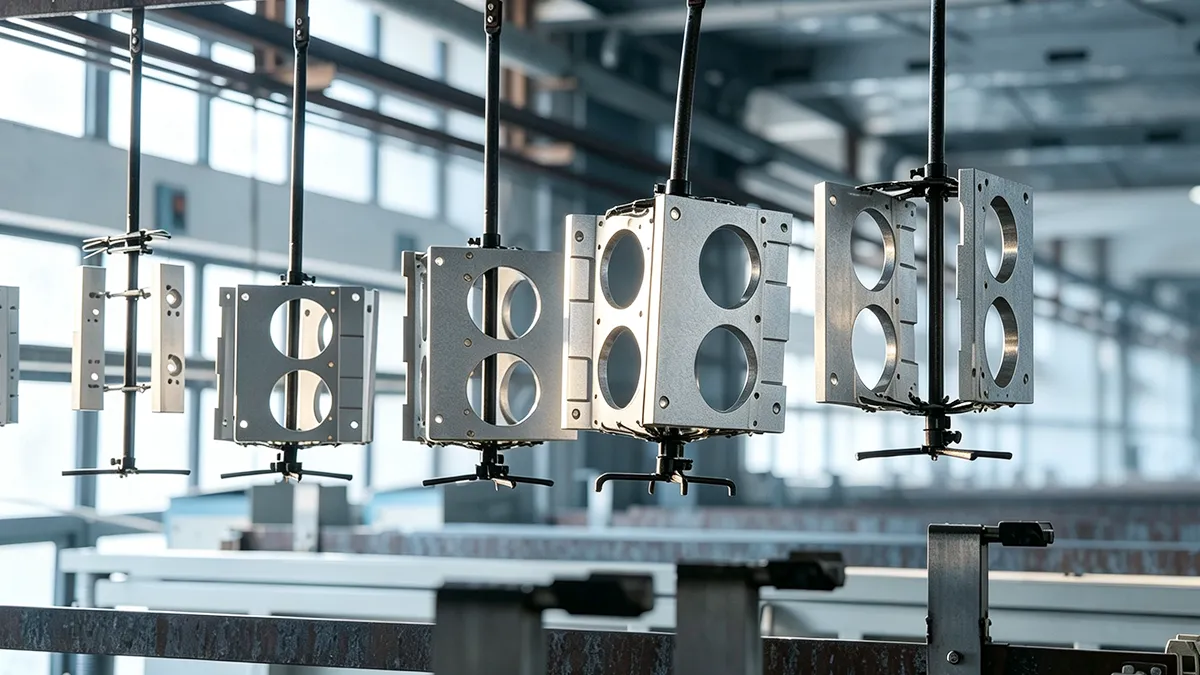
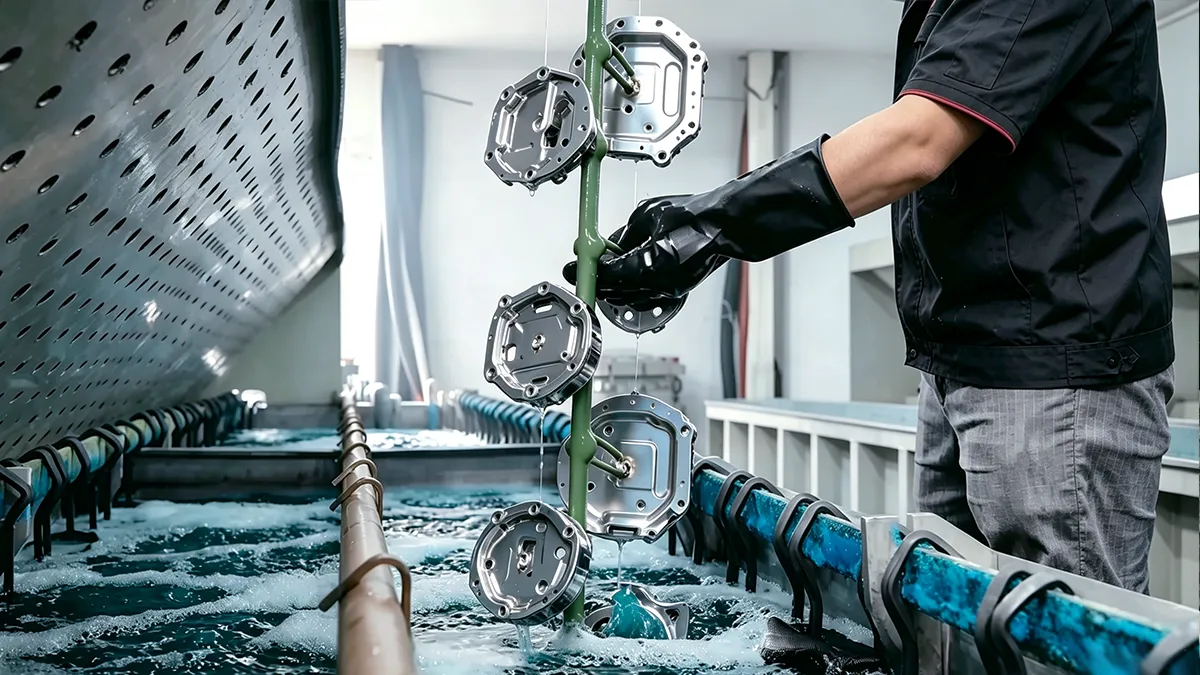
- 後処理: コーティングなどの後処理や アルマイト は、材料の特性を向上させるために不可欠です。この処理の適用は、部品の用途によって異なります。これらの処理の適用は、部品の最終的な使用環境に大きく左右されます。結局のところ、 CNC加工部品の適切な表面仕上げ 全体的な耐食性を向上させ、美観を向上させることを目的としています。.
CNC加工におけるチタンと他の金属の比較
強度重量比
チタンは、その強度対重量比の高さから、CNC加工において高く評価されています。そのため、材料の軽量性と耐久性が求められる加工には不可欠です。また、チタンは鋼に匹敵する、あるいはそれを上回る特性を備えています。そのため、インプラント、航空宇宙、自動車などの分野での用途に有効です。チタンは鋼よりも密度が高いものの、 アルミニウム, チタンはアルミニウムよりもはるかに高い引張強度と耐疲労性を備えているため、アルミニウムでは耐えきれないような高応力がかかる部品には最適な素材となります。その結果、構造物の堅牢性を高めつつ、不必要な重量の増加を防ぐという、際立った独自のバランスを実現しています。この特性により、チタンは航空機の機体やスポーツ用高性能機器の製造において重要な役割を果たしています。.
さらに、宇宙船の部品にとっても重要である。メーカーが重視する重要な特性は軽量化であり、これは性能と効率にとって極めて重要である。このように、利点は長期的なものである。 長期的な成果は費用対効果である。自動車事業にとってより良い選択であり、より高い効率と効果を可能にする。低重量と高強度レベルを組み合わせることは、チタンとその製造業者にとって重要である。その目的は、極限状態に耐えるハイエンドで高度な構造を設計することである。この部品は、あらゆる気象条件下で効果を発揮するだろう。
耐食性
チタンの優れた特性の一つは、その耐食性です。チタンの耐食性はアルミニウムよりも優れています。酸素にさらされると、チタンの表面には瞬時に不動態酸化膜が形成されます。この化学反応は、環境による損傷を防ぐ不浸透性のバリアとして機能し、それ以上の腐食を効果的に食い止めます。 腐食、酸化、および錆 過酷な酸性環境や塩水環境下でも。この天然の耐食性により、チタンは酸、塩水、工業用化学薬品が使用される分野の部品に最適な素材となっています。.
さらに、製品が腐食を受けることなく本来の強度を維持する海洋環境にも適している。保護コーティングは、特に船舶部品、海洋掘削装置、海水淡水化プラントにとって重要である。アルミニウムも腐食に強い。しかし、長期間の過酷な条件下では孔食や酸化に悩まされます。極限状態に耐えるチタンの能力は、医療行為においても重要である。生体適合性と水分や体液への耐性があるため、人工関節に最適で、他の分野では手術器具や歯科用インプラントがあります。目的は、主要な用途において長期的な性能を達成することです。
加工性
チタンの加工には、特有の課題があります。チタンの独特な物理的特性は、切削工程において明確な課題をもたらします。具体的には、チタンは熱伝導率が約6.7 W/m・Kと極めて低く、これは鋼やアルミニウムに比べてごくわずかな値に過ぎません。 [3]. その結果、加工中に発生する熱のうち最大80%は、切りくずを通じて放散されることなく、切削工具の刃先に直接集中します。このような加工プロセスでは、摩耗が著しく進行します。また、管理が不十分な場合、作業現場での損傷も大きくなります。 専用の切削工具、冷却液、および低速加工により、過熱を防ぎ、精度を維持することができます。チタンは、工具の過度な摩耗を防ぐために適切な管理が必要です。一方、アルミニウムは被削性が非常に高く、高速切削が可能です。.
一方、スチールはアルミニウムよりも剛性が高いが、チタンよりも加工効果が高い。スチールはより効果的に熱を放散する。しかし、課題にもかかわらず、その特徴的な資質により、高性能産業で適用可能な工具である。レーザー加工やジェット切断を含む最新の加工技術は、チタン合金の作業効率を向上させるために重要です。
チタンプロファイルの加工公差
チタン合金は、その耐食性、高強度、軽量特性により重要な役割を果たしている。この材料は理想的であるため、航空宇宙、軍事、医療部品の製造では一般的である。とはいえ、既存の特性には欠点があり、機械加工工程でより良いツールとなるよう効果的に適合させることを妨げている。チタン合金は、完成部品の仕様を守るために厳しい機械公差を要求します。
公差は、加工工程におけるチタン合金の種類によって異なります。また、アプリケーションの特定の要件によっても異なります。標準的な加工では、チタンプロファイルは以下の範囲となります。 ±0.002 インチから±0.010 インチである。これは、他の材料よりもすでに高精度であることを意味する。高い応力や温度管理が要求される部品では、±0.001インチという厳しい公差が重要になります。このような用途は、航空宇宙や軍事部品メーカーでより一般的です。チタンでこのような厳しい公差を達成するには、より改良されたCNC機械が必要です。また、エラーを防止し、仕様を遵守するために、効果的な制御機械加工と特殊工具が必要です。
結論
チタンの強度と耐食性は、CNC加工において重要な材料となっている。また、軍事や医療活動に有効な軽量素材でもあります。チタン加工合金は、硬度が低く、熱しやすいという技術的な問題があります。その結果は、摩耗や破損の割合が高いことで明らかです。したがって、チタンの特性は、合金が特定の使用分野で重要であることを意味します。また、特定の産業に必要な技術を使用することにより、特定の要件を満たすために大規模な改良を受けることができます。
ヒントその他の金属加工プロセスについて
参考
[1] ASTM International. (2020). ASTM B265-20a チタンおよびチタン合金のストリップ、シート、およびプレートに関する標準仕様書. https://doi.org/10.1520/B0265-20A
[2] ASTM International. (2013). ASTM F136-13 外科用インプラント用途向けの鍛造チタン-6アルミニウム-4バナジウム ELI(極低介在元素)合金の標準仕様. https://doi.org/10.1520/F0136-13
[3] Ezugwu, E. O. および Wang, Z. M. (1997). チタン合金とその加工性――総説。. 『材料加工技術ジャーナル』, 68(3), 262-274. https://doi.org/10.1016/S0924-0136(96)00030-1





 JA
JA  EN
EN  ES
ES  FR
FR  DE
DE  IT
IT  PT
PT  NL
NL  PL
PL  AR
AR  KO
KO  ZH
ZH