

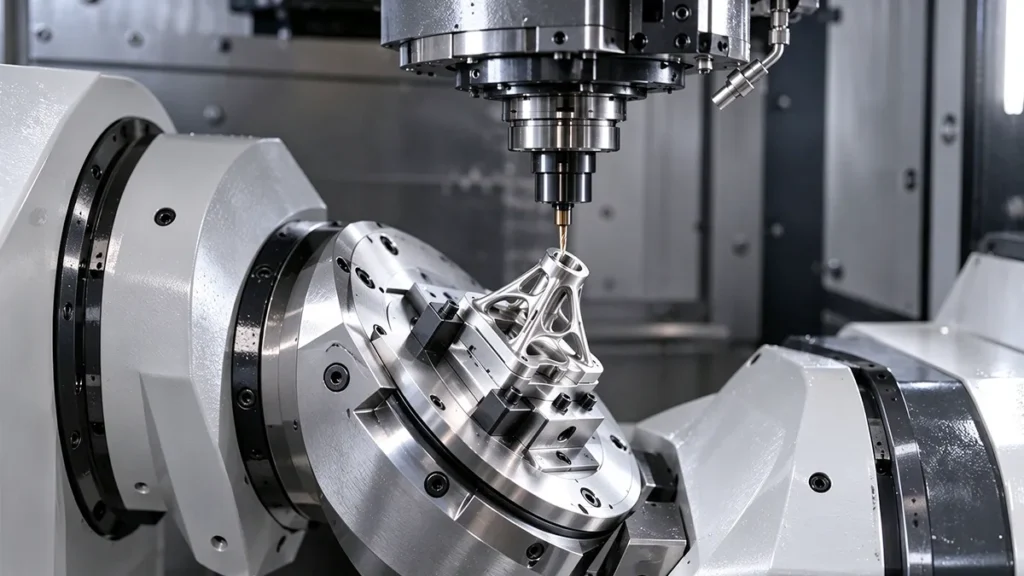
钛以其惊人的强度重量比著称。数控加工将强度和耐用性作为其特性的一部分。制造商注重耐用性,因此钛的使用寿命长。钛的独特性能使其在各行各业备受青睐。由钛制成的零件在航空航天、军事和医疗领域十分常见。数控加工的成功有赖于选择必要的材料。


用于数控加工的普通钛合金
钛在数控系统中的重要程度各不相同。钛合金分为 beta、alpha 和 alpha-beta 组。每个组都具有适合特定应用的独特特性。
1.5 级钛(Ti -6AI-AV)
特点
5级钛合金(即Ti-6Al-4V)是一种常见的钛合金。其成分包括4%的钒、6%的铝和90%的钛。该合金在需要兼具高强度、轻量化和高耐腐蚀性的零部件中至关重要。 Ti-6Al-4V合金非常适合用于此类场合,因为它对 金属热处理. 通过适当的热处理,制造商可以显著提高其机械性能,以满足要求最为严苛的航空航天应用需求。.
应用
5 级钛在各种高性能应用中发挥着举足轻重的作用。
- 航空航天 它对飞机机身部件、涡轮叶片和机翼的制造至关重要。这种材料既要减轻重量,又要保持强度和耐用性。
- 医疗植入物: Ti-6Al-4V 广泛用于制造牙科植入物、髋关节置换和假肢。
- 海洋 Ti-6AI-4AV 对制造具有高耐盐碱性的产品至关重要。对于海军陆战队来说,它适用于从材料到制造的环境。常见的产品有紧固件和螺旋桨。
- 汽车 Ti-6AI-4V 在汽车零部件制造中非常重要。重要的零部件包括发动机部件和其他系统。
5 级钛的加工注意事项
钛合金,尤其是 5 级钛合金,会给机加工带来挑战。钛的高抗拉强度给加工带来了挑战,并在加工过程中产生热量。为防止刀具磨损和过热,必须保证加工精度。高质量的切削工具、低切削需求和充分的冷却对避免损害材料的现有完整性非常重要。
何时选择 5 级钛
对于需要精度、重量和强度的制造商来说,5 级是最有效的材料选择。它也是具有高耐腐蚀性零件的理想选择。它适用于医疗、海洋和医药环境。它的一个关键特性是需要强度和耐用性。
2.2 级钛
特点
2级钛与纯钛(CP钛)一样被广泛应用。它属于典型的非合金钛,具有良好的耐腐蚀性和成形性。 因此,在制造需经受苛刻化学物质和盐水侵蚀的零部件时,该材料至关重要。不过,2级钛的机械强度较低。其最小屈服强度通常为275 MPa,远低于5级钛828 MPa的最小屈服强度。 [1]. 因此,2级钢材主要适用于需要极强耐腐蚀性的场合,而非高应力承重应用。.
应用
- 化学加工设备: 该行业在制造反应器、储罐和热交换器时,高度依赖这种钢种。它也是制造精密工业零部件的绝佳材料选择,这一点在生产 定制钛合金垫片 用于确保腐蚀性重型机械中的间距精确。.
- 船用五金件: 船用五金制造的关键部件和产品包括紧固件、船用舵和螺旋桨。
2 级钛的加工注意事项
与 5 级钛相比,2 级钛重量轻,因此易于加工。然而,它的韧性也带来了挑战。需要有效的切削速度。它不像其他合金那样容易加工硬化。此外,润滑也是防止磨损的关键。
何时选择 2 级钛
制造商和用户在选择最佳生产材料时采用了不同的方法。2 级钛因其卓越的耐腐蚀性而备受推崇。这种耐腐蚀性包括化学加工和海洋环境。不过,它的高强度并不那么令人关注。
3.23 级钛(Ti-6Al-4V ELI)
特点
23级钛通常指Ti-6Al-4V ELI,即“超低间隙元素”钛合金。 作为一种超低间隙元素(ELI)合金,它经过专门精炼,氧含量严格控制在0.13%以下,而标准5级钛合金的允许氧含量为0.20%。 [2]. 这种对间隙成分的精确减少,在提高材料的 总体延展性 以及断裂韧性。它还表明具有断裂韧性,且脆性风险降低。其应用场景是当强度与重量之比极高时。.
应用
- 航空航天 23 级在飞机部件(包括机翼)的生产中发挥着重要作用。
- 医疗 在医疗领域,23级材料是生物相容性的黄金标准。它被工程师们广泛应用于满足严格 医疗用金属的选择 用于制造复杂骨科植入物和牙科器械的标准。.
- 海洋与国防: 2 级也是强度和生物相容性部件的重要制造商。.
23 级钛的加工注意事项
与标准5级材料相比,加工23级(ELI)材料时,需要对切削速度、冷却以及刀具材料的选择进行更严格的控制,以保持其特殊的微观结构。.
何时选择 23 级钛
选择 23 级钛取决于其高性能水平。这也是由于医疗和航空航天工业中大量的疲劳应用。它是一种坚韧、抗疲劳、重量轻的材料。
4.9 级钛(Ti-3Al-2.5V)
特点
9 级是一种α-β钛合金,由 2.5% 的钒和 3% 的铝组成。它在成型性、强度和耐腐蚀性方面达到了平衡。与 5 级相比,它的重量更轻,因此更适合某些应用。尽管重量较轻,但它仍能保持较高的强度。
应用
- 航空航天部件: 机翼和起落架等航空航天部件经常选用 9 级钛。
- 运动器材: 9 级材料更适用于赛车等轻型性能部件。
- 汽车 轻质性能是自行车车架和其他运动产品不可或缺的性能。
9 级钛的加工注意事项
9 级比 23 级和 5 级更容易加工。然而,要获得更好的零件,必须精确控制切削速度。这还涉及润滑和刀具材料。目标是在实现高质量加工的同时,尽量减少刀具磨损。
何时选择 9 级钛
9 级钢适用于制造可成型、轻质和坚固的零件。它适用于汽车和航空航天工业及应用。
| 合金 | 实力 | 耐腐蚀性 | 机械加工性能 | 应用 |
|---|---|---|---|---|
| 5 级(Ti-6Al-4V) | 高 | 中度 | 困难 | 航空航天、医疗植入物、船舶部件 |
| 二级 | 中度 | 优秀 | 相对容易 | 化学加工、船舶硬件、医疗 |
| 23 级(Ti-6Al-4V ELI) | 高 | 高 | 困难 | 航空航天、医疗植入、国防应用 |
| 9 级(Ti-3Al-2.5V) | 中度 | 高 | 简单 | 航空航天、汽车、运动器材 |
钛的数控加工工艺流程
钛合金的数控加工需要遵守设定的规格。特定的工艺流程对合金的独特性能非常重要。加工过程包括不同的阶段,这些阶段必须符合所有要求,以获得最佳结果;
- 材料选择: 最佳钛合金的选择应取决于抗腐蚀能力和强度。此外,还应关注抗疲劳水平。
- 设计和编程 在数控程序中开发和转换零件的 CAD 模型。程序确保加工遵循设定的操作和切削规格。
- 工具选择和设置 钛合金需要高度专业化的切削工具,这些工具应由陶瓷或硬质合金制成。其目的是承受高强度的切削力。它们还需要承受材料的硬度,因此设计过程非常有效。刀具的选择始终与零件的作用相一致。
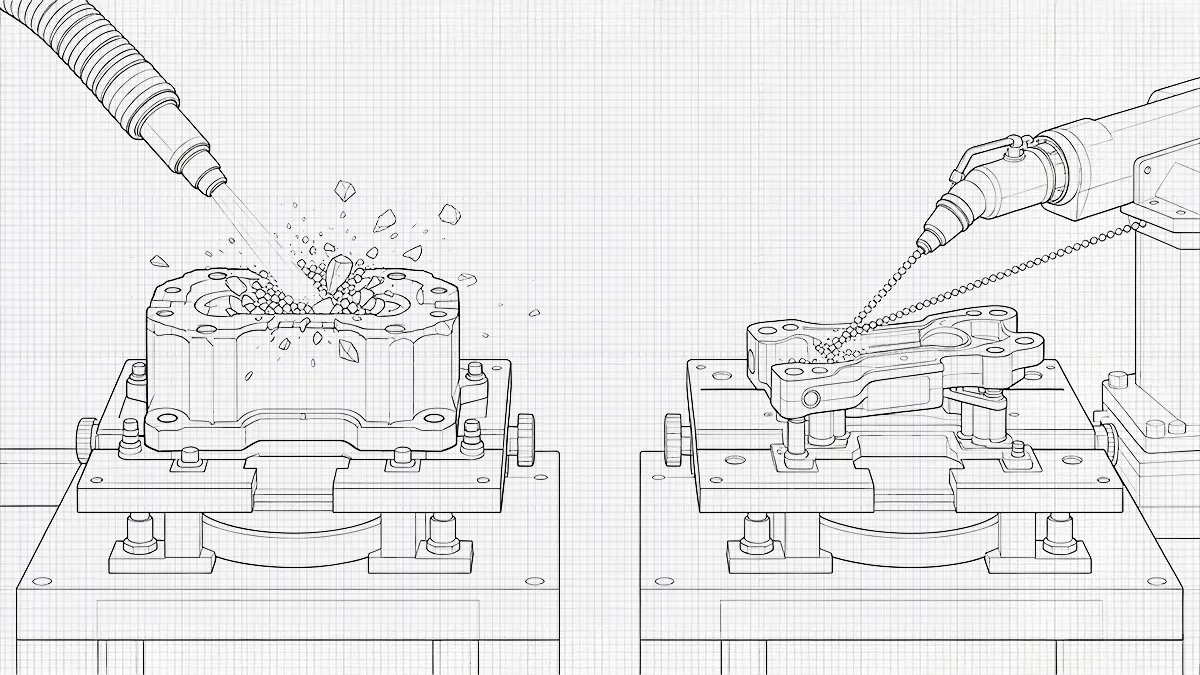
- 加工操作: 加工操作需要进行粗加工、钻孔和精加工。钛对热敏感,因此必须控制切削速度。加工过程中还需要足够的冷却液来克服过热问题。
- 检查: 加工结束时,需要对零件进行检验。其目的是确保高尺寸精度。另一个目的是达到规定的表面粗糙度。由于钛的导热率较低,防止材料翘曲至关重要。目标是实现持续监测。.
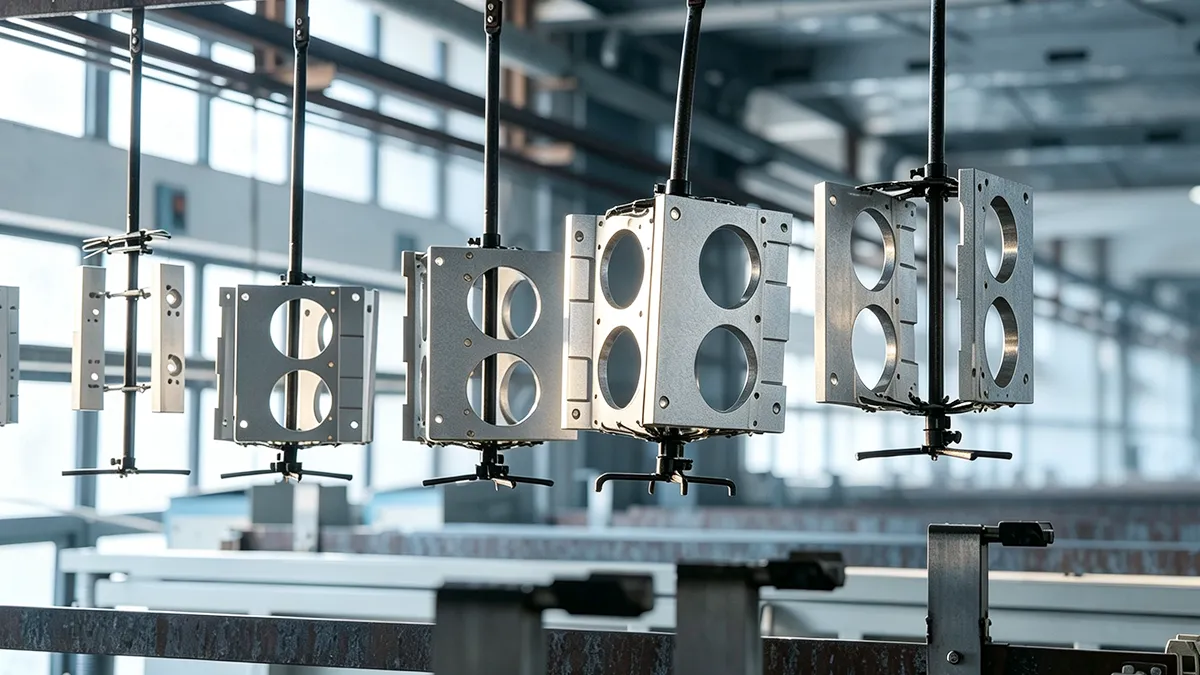
- 后期处理: 涂层等后处理工艺以及 阳极氧化 对于提高材料性能至关重要。该处理方法的采用取决于零件的应用场景。这些处理方法的应用在很大程度上取决于零件最终的使用环境。最终,该 数控加工件的正确表面处理 旨在提高整体耐腐蚀性,并提升美观性。.
数控加工中的钛与其他金属
强度重量比
钛因其优异的强度重量比而在数控加工中备受推崇。因此,在那些依赖材料轻量化和耐用性特性的加工工序中,钛是必不可少的。钛还具备与钢相当甚至更优的特性,因此广泛应用于植入物、航空航天和汽车等领域。尽管其密度高于 铝, 钛的抗拉强度和抗疲劳性显著更高,因此对于铝材无法胜任的高应力部件而言,钛是更优的选择。因此,它提供了一种独特而完美的平衡,既能增强结构的完整性,又能避免不必要的重量增加。这一特性使得钛在制造飞机机身和高性能运动器材方面具有重要作用。.
此外,它对航天器部件也很重要。制造商关注的一个关键特性是减轻重量,这对性能和效率至关重要。因此,其优势是长期的。 长期结果是成本效益。它是汽车操作的更好选择,能够提高效率和效益。对于钛及其制造商来说,低重量和高强度的结合非常重要。我们的目标是设计出能承受极端条件的高端先进结构。该部件在任何天气条件下都能有效工作。
耐腐蚀性
钛的一种宝贵特性是其耐腐蚀性。钛的耐腐蚀性优于铝。在接触氧气时,钛表面会立即形成一层钝化氧化层。这种化学反应形成了一道抵御环境损害的坚不可摧的屏障,有效阻止了进一步的 腐蚀、氧化和生锈 即使在恶劣的酸性或盐水环境下也是如此。这种天然的耐腐蚀性使得钛成为适用于接触酸、盐水和工业化学品环境的零部件的更佳选择。.
此外,它还适用于海洋环境,在这种环境中,产品可以保持原有强度而不会受到腐蚀。保护涂层非常重要,尤其是对于船用部件、海上钻探设备和海水淡化设备。铝也具有耐腐蚀性。但是,在极端条件下,铝会长期受到点蚀和氧化的影响。钛在极端条件下的承受能力在医疗实践中也很重要。钛的生物相容性以及对湿气和体液的耐受性使其成为关节置换的最佳选择,其他领域包括手术器械和牙科植入物。我们的目标是在关键应用中实现长期性能。
机械加工性能
钛在加工过程中具有独特的挑战性。钛独特的物理特性在切削过程中带来了显著的挑战。具体来说,钛的热导率极低,约为6.7 W/m·K,与钢和铝相比仅为其极小的一部分 [3]. 因此,加工过程中产生的热量中多达 80% 并未通过切屑散失,而是直接集中在切削刀具刃口处。这种加工过程会导致刀具磨损加剧。此外,如果管理不善,还会造成严重的车间损坏。 专用切削刀具、冷却液以及较低的加工速度可防止过热,并有助于保持加工精度。钛材需要有效的维护措施,以防止刀具过度磨损。而铝材则具有极佳的切削性能,可实现较高的切削速度。.
另一方面,钢比铝更坚硬,但比钛更适合加工。钢的散热效果更好。然而,尽管存在这些挑战,钢仍因其独特的品质而成为高性能工业中的适用工具。现代加工技术,包括激光加工和喷射切割,对于提高钛合金的加工效率非常重要。
钛型材的加工公差
钛合金具有耐腐蚀、高强度和轻质的特性,因此非常重要。钛合金是一种理想的材料,因此在航空航天、军事和医疗零件制造中十分常见。然而,现有的特性也有缺点,使其无法有效地成为加工过程中更好的工具。钛合金要求严格的机械公差,以符合成品零件的规格。
公差因加工过程中的钛合金类型而异。它还取决于应用的具体要求。对于标准加工,钛型材的公差范围为 ±0.002 英寸至 ±0.010 英寸。这意味着它已经比其他材料更加精确。对于要求高应力和温度管理的零件,±0.001 英寸的严格公差非常重要。这些应用在航空航天和军用零件制造商中较为常见。要在钛金属中实现如此严格的公差,需要更先进的数控机床。它还需要有效的控制加工和专用工具,以帮助防止误差和遵守规格。
结论
钛的强度和耐腐蚀性使其成为数控加工的重要材料。它也是一种轻质材料,对军事和医疗行动非常有效。钛加工合金因硬度较低和容易发热而存在技术问题。其结果是磨损率高。因此,钛的特性意味着这种合金在特定的使用领域非常重要。它还可以通过使用特定行业所需的技术进行大规模改进,以满足特定要求。
提示:进一步了解其他金属加工工艺
参考资料
[1] 美国材料与试验协会(ASTM International)。(2020年)。. ASTM B265-20a 《钛及钛合金带材、薄板和板材标准规范》. https://doi.org/10.1520/B0265-20A
[2] 美国材料与试验协会(ASTM International)。(2013)。. ASTM F136-13《用于外科植入物的锻造钛-6铝-4钒 ELI(超低间隙元素)合金标准规范》. https://doi.org/10.1520/F0136-13
[3] Ezugwu, E. O. 与 Wang, Z. M. (1997). 钛合金及其可加工性——综述。. 《材料加工技术杂志》, 68(3), 262-274. https://doi.org/10.1016/S0924-0136(96)00030-1





 ZH
ZH  EN
EN  ES
ES  FR
FR  DE
DE  IT
IT  PT
PT  NL
NL  PL
PL  AR
AR  JA
JA  KO
KO