


Companies have considered Mexico their main manufacturing hub over the past decade. Its advantages have grown more compelling. Mexico offers a competitive edge to companies seeking to reduce production costs while maintaining quality, especially in injection molding. The country has a strategic location, favorable business environment, and skilled workforce and has become indispensable to business. Meanwhile, Mexico’s automotive industry has made impressive progress by establishing itself as a globally competitive manufacturer. It is projected that by 2025, production will exceed five million units.
It has played a major role in becoming the main supplier of U.S. passenger vehicles, auto parts, supplies, light vehicles, trucks, and technologies required for EV parts.
Overview of Automotive Injection Molding In Mexico
The automotive sector is one of the controllers of the economy in Mexico. It generates 17% of the country’s manufacturing GDP and 32% of its total exports. Recent data shows that it has employed one million workers nationwide, raising employment rate and economic stability.
According to 2022 estimated data, the country’s passage car market recorded a revenue of over 37.2 billion U. S dollars, which was a triple from the previous year, 2021. This explains the overview of the transition of industry to electro-mobility preparedness.
Mexico has become the manufacturing home to many of the leading car brands worldwide. Established automakers in Mexico include Audi, BMW, Ford Motor Company, General Motors, Honda, Hyundai, Jac by Giant Motors, Kia, Mazda, Mercedes Benz, Nissan, Stellantis, Toyota, and Volkswagen. Tesla is the latest one to have interest in Mexican markets which recently announced setting up a new plant in the state of Nuevo Leon.
Additionally, it’s the leading global exporter of heavy-duty tractor trucks and heavy-duty vehicles. Top players include Cummins, Dina, Scania, Man Truck & Bus, Mercedes-Benz, and Hino Motors.
Apart from assembled vehicles, Mexico is the largest export market for Automotive parts and a major producer of parts worldwide. It generates USD 107 billion in annual revenues.
Brief History of the Automotive Industry in Mexico
The history of automobiles in Mexico dates back to 1902, when the first cars arrived in Mexico City, marking the beginning of a new era that would later influence urban development and economic activities. After the Mexican Revolution ended in 1920, the industry started to flourish. Buick was the nation’s first trademark to be legitimately established in Mexico.
Later, in 1925, Ford Motors. Co-industry established its first plant in Mexico. Thereafter, the automotive roots took hold.
General Motors and Chrysler followed in the mid-30s, and this further solidified the country’s position as the preferred choice for low-cost production.
In the 1960s, the introduction of Mexico’s maquiladora program encouraged foreign investments, which later boosted the domestic employment rate.
For the 1990s with the passing of the North American Free Trade Agreement (NAFTA) in 1994, maquiladoras received a waiver for import duties and preferential rates on duties for specific products. This further acted as a catalyst for strengthening the supplier network, spurring dramatic growth.
The benefits from these agreements made it much easier for the manufacturing industry to grow as a partner for companies in the U.S. and around the globe.
Recently, with the introduction of electric vehicles EV due to technological advancements, Mexico is at the forefront of making it all possible.
Vehicle Assembly in Regions Mexico
There are more than 25 vehicle assembly plants that manufacture many brands of cars and trucks in Mexico. Automotive and auto parts manufacturing in Mexico supports both OEM and aftermarket plants.
Notable top locations for assembly in Mexico are:
Puebla
Puebla, located south of Mexico City, boasts 83% of all vehicles manufactured in Mexico within a 248-mile radius. Its population density ranks fourth in Mexico, making it a prime site for manufacturing, particularly for auto parts and assembly. It holds the position of the 2nd largest exporter of automobiles and auto parts in Mexico.
OEMs in Puebla are Volkswagen, Audi, and Nissan.
Automotive suppliers; Huf North America, ThyssenKrupp, Magna, Mahle, Johnson Controls, Luk, Gestamp Rassini, Brose, Ternium, Unicar Plastics, EDAG, Truck-Lite,
San Luis Potosí
San Luis Potosí is situated centrally in mainland Mexico. With the big commercial Seaport of Altamira 281 miles to the east, it borders the other key states producing automobiles, Guanajuato and Aguascalientes. The 151 automobile companies in San Luis Potosí are responsible for 50% of the state’s exports. San Luis Potosí ranks as the third zone in the world with the greatest logistic potential, right after Shanghai and Dubai.
OEMs in San Luis Potosí: GM, BMW, Ford, Cummins.
Automotive Suppliers in San Luis Potosí: Autoneum, BorgWarner, Costellium Automotive, Dayco, DRÄXLMAIER Group, EATON Truck, Lear Corp., Faurecia, Goodyear Tire, Gestamp, Mayco Automotive International, and many more.
Guanajuato
Guanajuato is a central Mexican state just north of Mexico City. Silao, León, Irapuato, and Celayaare the primary industrial centers in that state with the largest concentration in the automobile sector. The state is recognized as the third highest vehicle production after Puebla and Coahuila. 420 automotive manufacturing companies are situated here 66 of which are Japanese.
OEMS in Guanajuato: GM, Honda, Toyota, Mazda, Ford, Volkswagen
Automotive Suppliers in Guanajuato: American Axle (AAM), Continental, Berlac, CIE Automotive, Pirelli Tire, Sandhar Technologies, Scherdel, Temaplax, THK, Witzenmann, Fujikura, HINO, Janesville Acoustics, Lear Corp., Matic, NSK, Pemsa,
Saltillo, Coahuila
As the capital of Coahuila, Saltillo is an automotive manufacturing city in the southeastern part of the state. It shares a border with Texas. About 90% of Saltillo’s economic foundation is made of automotive companies. In December 2020, Fiat Chrysler commemorated the production of their fifth millionth motor at their Saltillo facility, which launched in 2010.
OEMs in Saltillo: Daimler Chrysler-Fiat, General Motors
Automotive Suppliers in Saltillo: Cooper-Standard, IAC Group, Lear Corp. Mexico. Stabilus, Benteler de Saltillo, Magna, MAHLE, FCA GroupBorgWarner, Burgess-Norton de Mexico, Arnecom, Draxton.
Aguascalientes
Located in central Mexico, Aguascalientes is the 8th largest automotive industry exporter. The data indicates 2 out of every 10 vehicles made in Mexico are from Aguascalientes manufacturers. The state is the home of 230 automotive industries of which 80 are Japanese Nissan companies.
OEMs in Aguascalientes: Nissan, Mercedes, Infiniti
Automotive Suppliers in Aguascalientes: Cooper Standard, Continental, Bosch, Sanoh Industrial Co., Ltd., Jatco, Flextronics, Donaldson, Calsonic Kansei, Doiter Castings, Tachi-S, Compas, Xinquan México Automotive, Voestalpine.
Manufacturing and processing of automotive parts in Mexico.
A car is a sophisticated system of assembled parts for transportation. All the parts have specific functions that make mobility possible. Car parts are made of various materials such as metal, plastics, rubber, and composite materials. The right choice of manufacturing processes is crucial to manufacture these parts.
The most common vehicle parts are:
1. Engine
The engine, as the brain of a car, determines its overall performance. The parts that make up the engine block are the piston, crankshaft, cylinder head, manifold, oil pan, engine block, valves, and manifolds. The engine is made of metal to withstand intense pressure and undergoes the process of casting (die casting and sand casting) during manufacturing. Cummins is one company that manufactures engines in Mexico.
2. Chassis
This is the framework that provides support to the rest of the car. It holds the weight of other systems. Carbon steel is used in constructing chassis due to its high impact resistance and strength. Alternative materials like composites and aluminum are also suitable. The chassis undergoes processes such as stamping, bending, extrusion drawing, and forging. Several companies manufacture chassis components in Mexico, such as Metalsa in Monterrey, TREMEC, Magna International, and Martinrea.
3. Transmission System
The transmission system is in charge of shifting gears and collaborates closely with the engine. It transfers engine power to the wheels to steer the car forward. The transmission system comes in two main types: manual and automatic. Parts found in the system include a gearbox, axle, clutch, and propeller shaft. The manufacturing process involves several techniques, such as stamping, punching, bending, and heat treatment.
TREMEC, Magna Powertrain, ZF Group, and Aisin are among the manufacturers of transmission systems in Mexico.
4. Cooling System
The cooling system maintains the engine at optimal operating temperature. Parts include a radiator, coolant pump, hoses, cooling fan, and thermostat. Paper-thin brass and plastic materials are used to produce these parts. On the other hand, the process of manufacturing involved includes coating with hot lead and chopping the tubing into desired shapes, and for plastic components, injection molding is suitable.
Notable manufacturers with operations in Mexico include Valeo, Mahle, T.RAD, and Modine Manufacturing
5. Fuel System
The fuel system consists of a fuel tank, filter, pump, and carburetor. These tanks store and supply fuel to the cylinder chamber. Fuel tanks are made of plastic (high-density polyethylene) or steel. Injection molding is the preferable manufacturing process in this case. Mexico’s fuel system products include; Bosch, Continental AG, and Plastic Omnium.
6. Automotive Lighting System
The lighting system consists of headlights, interior lights, and tail lights. It drives signals and provides illumination. For interior parts of the car, lighting provides protection and comfort. Manufacturing car lights often involves processes like injection molding, CNC machining, and vacuum casting. In Mexico, companies such as Valeo and Hella utilize these methods to produce high-quality automotive lighting components.
Manufacturers in Mexico are Stanley Electric, Magneti Marelli, Hella, and Valeo.
Tips: You may also like “The Complete Guide to Automotive Lighting Manufacturing and Suppliers“
7. Car Bumper
People often overlook this part among the other components, but it plays a big role in maintaining the car’s aesthetics. It also promotes safety, especially during a crash or off-road driving. Many car owners customize bumpers since they come in various types and material options. Material choice is based on cost, durability, and aesthetic appeal. Commonly used materials are Plastic (polycarbonate & Acrylonitrile Butadiene Styrene (ABS)), Aluminum, and Carbo fiber.
Several top-tier manufacturers in Mexico produce car bumper systems. Among them are Plastic Omnium, Flex-N-Gate, REHAU, and Magna Exteriors.
Complete Vehicle Assembly Processes
Automotive manufacturing involves designing, prototyping, testing, and production of various automotive parts. The final version of the vehicle is then assembled.
1. Engineering, Design, and Car Production
The design process for a car involves revising it to find the right fit that satisfies public needs. Designers ensure exteriors and interiors are appealing, functional, and capable of easily incorporating innovative features that make the car unique. Engineers create 2D and 3D models and run simulations to test the car’s aerodynamics, fuel economy, safety, and cost efficiency. Manufacturers begin production once the design is complete.
2. Press Shop or Stamping
The production process starts when sheet metal is pressed into metal parts. That basic structure of the vehicle is then pressed to create door panels, roofs, bonnets, boot lids, etc. Multi-step pressing involves pressing sheet metals of desired shapes in stages.
3. Body Shop or Welding
This is the most crucial part of the automobile assembly process. Pressed pieces form a monocoque design car from the start, consisting of either a single pressed piece or a union of the underbody front and rear. Robotic arms weld the roof, sides, and underbody together to shape the automobile using Tungsten Inert Gas (TIG) welding.
4. Assembly Line Paint Shop
The painting process is both meticulous and highly complex. The next step is the Paint shop after the automobile is welded together into Body In White or BIW. The painting booth should be clear of dust and particles. Some sub-processes which undergo here are:
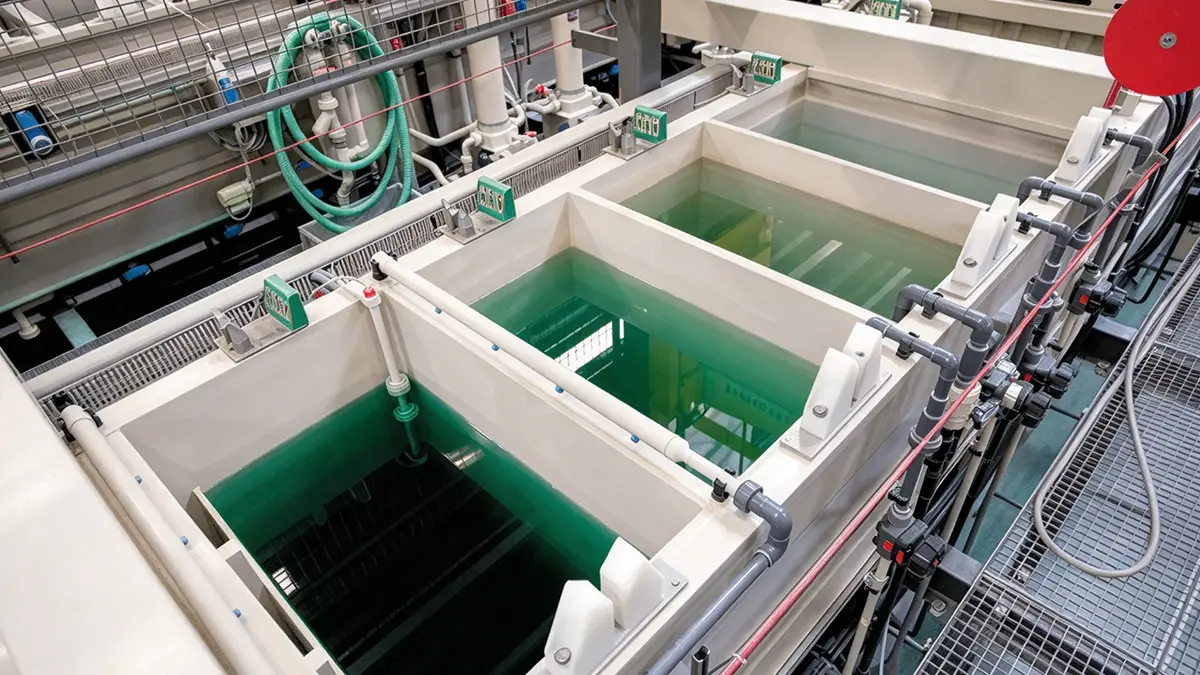
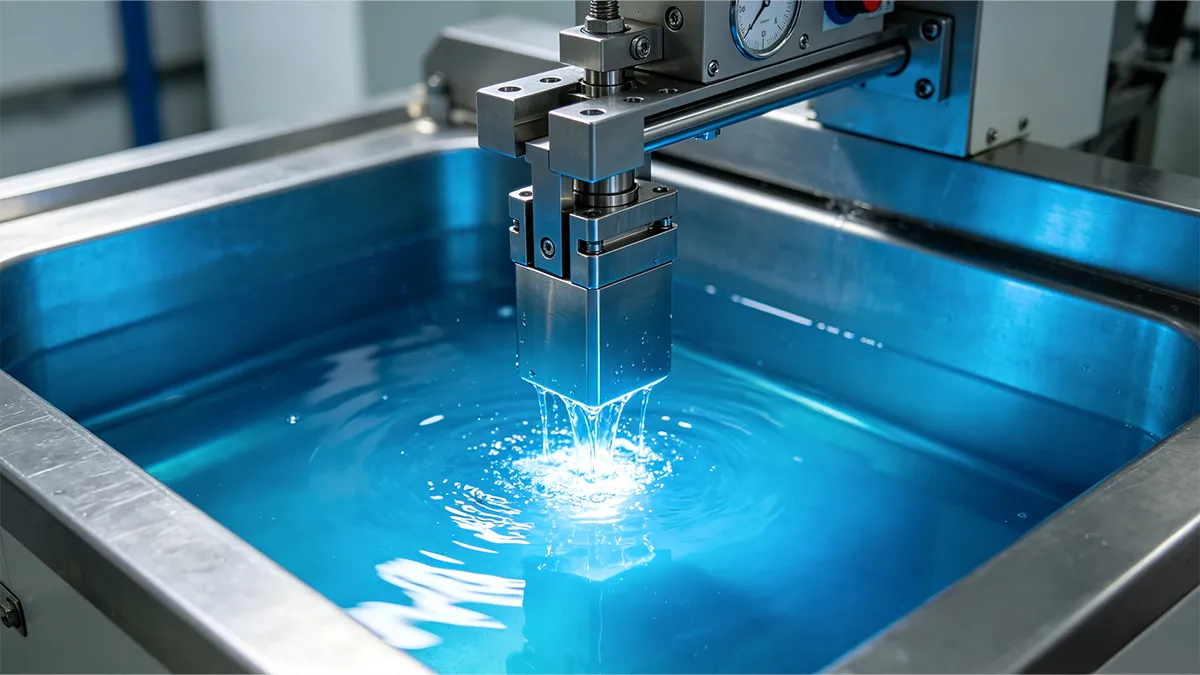
- Pre-treatment: the aim is to enhance the paint deposition on the metal by dipping BIW into an electrolyte solution.
- Sealant: sealant application is done on BIW before applying the paint.
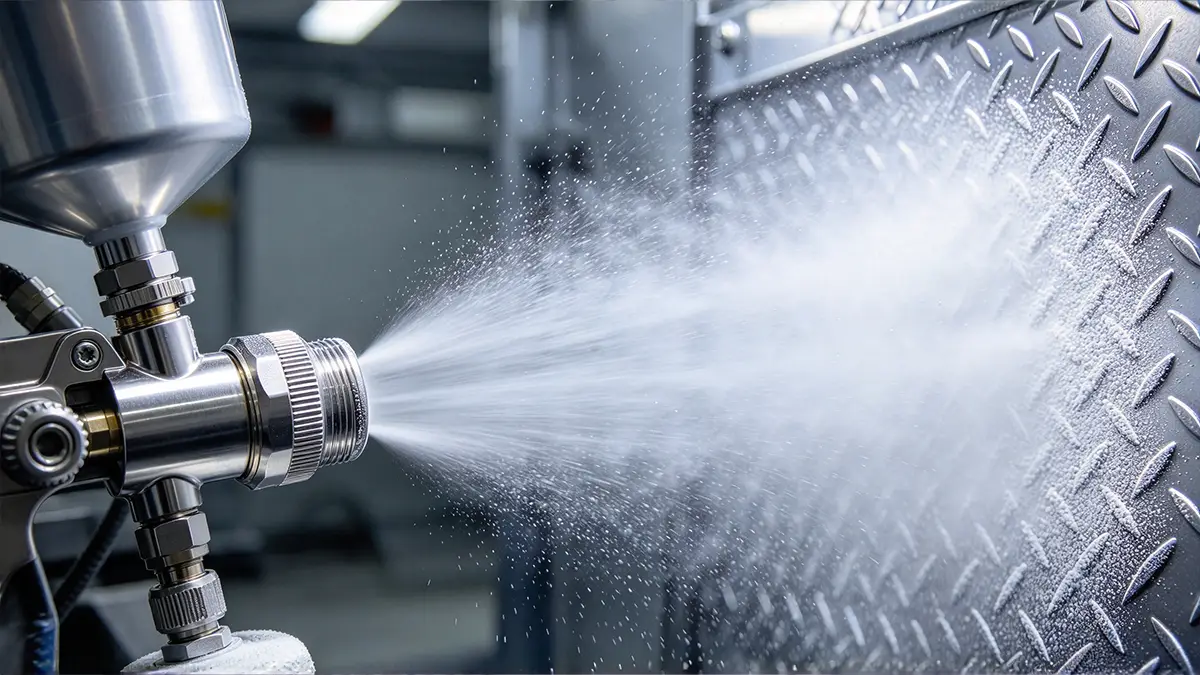
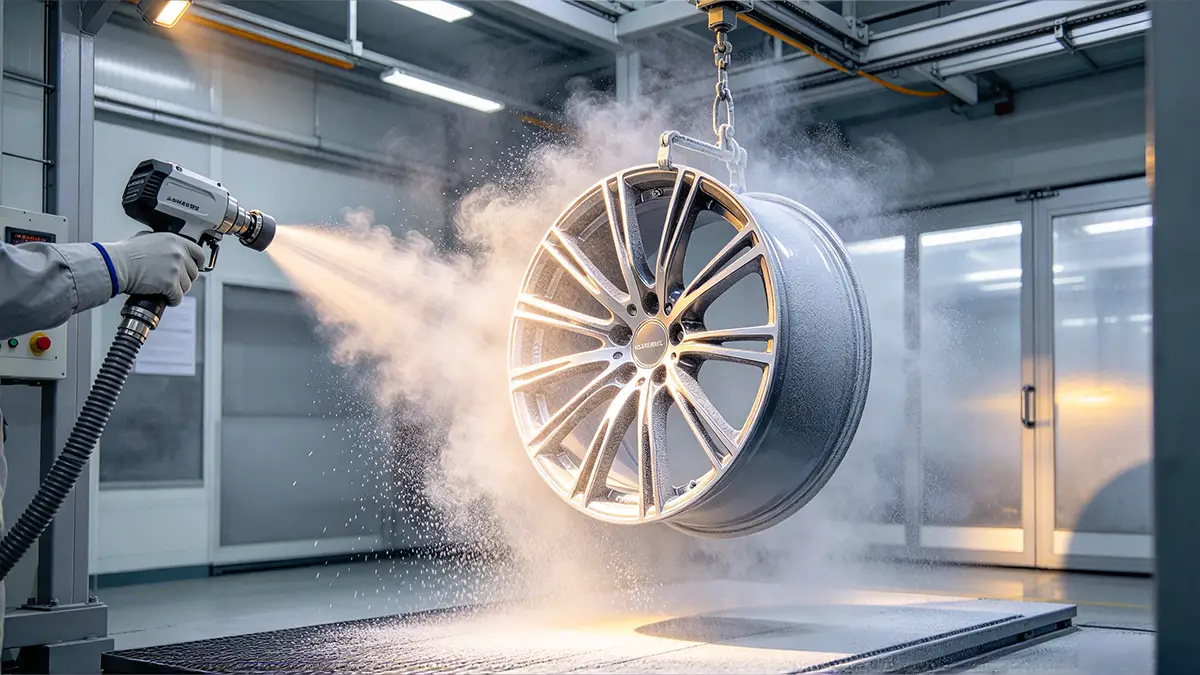
- Paint Booths: here, the painting starts. Highly skilled labor or robots are required.
- Oven: After painting, the workers pass the painted bodies through the oven for final baking.
- Wax Booths: Wax is applied on delicate layers. It protects the paint from dirt, bugs, water, and the sun’s harmful rays, making the car appear new for longer periods.
- Polishing: It is one of the most labor-intensive processes. Polish is meant to give the vehicle a shine and sparkle. The processes are longer and more elaborate. The more expensive the car is, the longer it takes to polish.
5. Transaxle and Engine Shop
The engine is the heart of every vehicle. The car engine and Transaxle assembly are right after the painting process. The engine gains its unique identity during the machining of the engine block and the stamping of the Engine Identification Number (EIN). The engine is assembled completely and undergoes testing (Leak tests and pressure tests) before mating into the transaxles. The transaxles contain the gearbox assembly. All the parts are joined together.
6. Trim or Final Fitment
This is the final process of production. Human hands perform most of the final fitment. The team installs many components here, such as the windshield, trims, electronics, steering column, wheel, engine, and vehicle union.
7. Quality Test and Final Inspection
Upon completion, the fully assembled vehicle undergoes inspection to look out for defects and imperfections. Multiple tests are performed under various conditions. The market strategy is then conducted and determination of the price of the car to the target market.



 EN
EN  ES
ES  FR
FR  DE
DE  IT
IT  PT
PT  NL
NL  PL
PL  AR
AR  JA
JA  KO
KO  ZH
ZH