


Injection molding has become one of the most refined and versatile manufacturing processes on the planet. From tiny plastic parts no bigger than a fingernail to car doors, injection molding makes it possible to produce high-quality components at scale. The process hinges on creating a precise mold, which allows for consistent mass production. Because industries worldwide rely on injection molding for plastic products, controlling costs is a major concern for most companies. When it comes to global trade, choosing the right country for mass or small-batch production is crucial for cost control—sometimes even more critical than other factors.
If you’re seeking injection molding services, you’ll likely favor regions that offer affordable yet reliable mold manufacturing. High quality at low costs is hard to achieve in developed nations, so many business owners turn to traditional manufacturing hubs.
This article explores injection mold-making services in China, India, Mexico, and Southeast Asia, analyzes key factors affecting molding costs, and compares mold and injection costs across these countries.
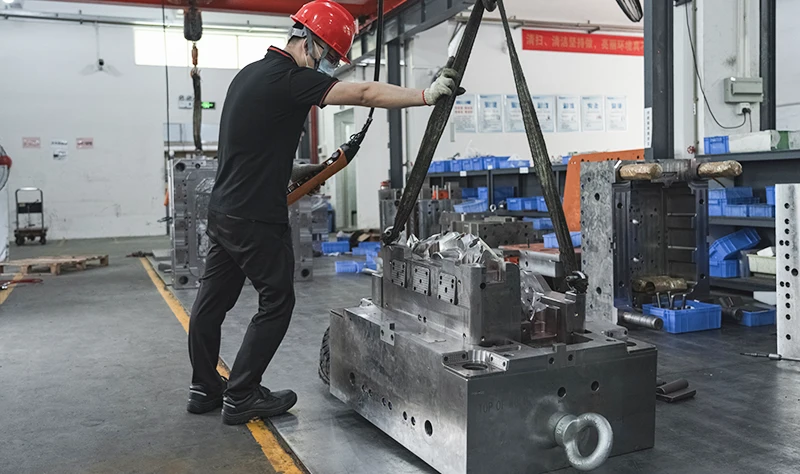
Key Factors Influencing Injection Mold Manufacturing Costs
Material Costs
The cost of raw materials varies depending on availability and quality. Both the type of metal used for molds and the plastic resins for injection affect manufacturing expenses. Generally, high production volumes enable manufacturers to negotiate discounts with material suppliers, significantly reducing costs for customers.
Machine Power and Efficiency
The larger the production volume, the lower the cost per unit. Manufacturers who optimize processes and enhance production management can increase efficiency, reduce production time, and save energy, effectively lowering overall costs. This principle is straightforward but essential.
Mold Design and Complexity
Complex designs require additional materials, tooling, and labor, which can drive up costs. For instance, molds with the same material may vary greatly in price depending on the intricacy of the design—sometimes differing by several multiples.
Labor Costs
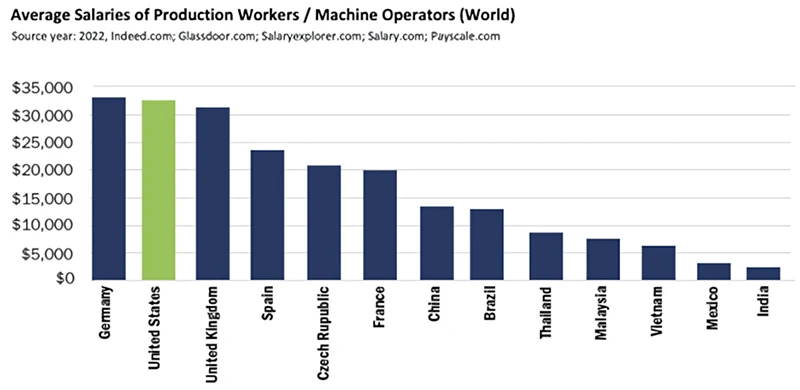
The wages of skilled workers who operate machinery and oversee production are a significant component of mold-making expenses. Labor costs vary from country to country, directly influencing the total manufacturing cost.
Manufacturing Location
Geography plays a major role in manufacturing costs. Transportation expenses, market accessibility, and proximity to suppliers all contribute to regional differences. For example, U.S. companies often find Mexico an ideal choice due to its proximity and lower logistics costs.
Technology and Equipment
The level of technology and quality of equipment used in mold-making directly impact efficiency and precision. Advanced technologies and automation streamline production, reducing costs while maintaining high standards.
Leading Countries for Affordable Injection Molding Services
Several nations have established themselves as key players in the global injection molding industry by offering competitive pricing and reliable services. These countries attract businesses worldwide seeking efficient and cost-effective solutions.
1. China
China remains a powerhouse in injection molding, combining advanced technologies with diverse expertise to meet global demands. Known for its extensive manufacturing capabilities and competitive pricing, China’s injection molding industry benefits from rapid industrialization and technological progress. While rising costs have posed challenges, China’s comprehensive strengths still make it a top choice for mold procurement worldwide.
2. Mexico
Mexico has emerged as an ideal destination for reducing manufacturing costs, particularly for North American businesses. Its geographic location offers significant advantages, with thousands of manufacturers ready to meet market demands quickly. Labor costs in Mexico remain competitive, especially compared to Asia, where wages have steadily increased.
3. India
India has gained recognition for its low labor costs and favorable exchange rates, making it a cost-effective option for injection molding. Modern machinery and innovative techniques like 3D printing further reduce expenses. Government initiatives like “Make in India” and Special Economic Zones (SEZs) create a business-friendly environment, enhancing India’s appeal as a manufacturing hub.
4. Southeast Asia (Vietnam, Thailand, Indonesia)
Countries like Vietnam, Thailand, and Indonesia are rapidly becoming global manufacturing powerhouses. With strategic locations, strong economies, and skilled labor forces, they are attractive alternatives to China. Trade agreements such as the ASEAN Free Trade Area (AFTA) and the Regional Comprehensive Economic Partnership (RCEP) further promote cross-border collaboration and economic growth. However, when selecting suppliers in this region, it’s essential to assess service quality carefully.
Cost Analysis: Injection Molding in China
Over the past few decades, outsourcing injection molding to China has been a go-to strategy for companies seeking to save time and money. Depending on production scale and quality requirements, injection molding costs in China typically range 20%-60% lower than in other countries.
Advantages:
- Cost Efficiency:
China offers unparalleled cost advantages, especially for large orders, where suppliers often provide volume discounts. Prices vary based on materials, production quantities, and product complexity, but overall costs remain highly competitive. - Quality Improvements:
Years of industrial growth have significantly enhanced China’s quality control processes, making its molds more reliable and widely trusted. - Massive Production Capacity:
With over 580,000 mold-making factories, many of which also offer injection molding, China can handle large-scale orders and deliver them within reasonable timeframes. - Developed Infrastructure:
China’s advanced infrastructure minimizes domestic material and transportation costs, though this benefit has a limited impact on export logistics.
Challenges:
- Language and Cultural Barriers:
Communication can be difficult for those unfamiliar with Chinese language and business practices. - Intellectual Property Concerns:
Risks of mold design theft or unauthorized sharing remain, though many factories now implement non-disclosure agreements (NDAs) when requested.
Cost Analysis: Injection Molding in Mexico
The quality and cost-effectiveness of work provided by Mexican companies have made Mexico an excellent destination for plastic injection molding services. Generally, the cost of plastic injection molding in Mexico is lower than that of alternative manufacturing processes since it allows manufacturers to produce less costly parts. If you’re looking for an alternative to China manufacturing, look no further because Mexico is the most viable solution. Here is the breakdown of why a manufacturer can opt for Mexico to receive cheaper services compared to China and other Countries like the U.S. and Canada.
Reduced Labor Cost:
Mexico’s manufacturing is advantageous, as is its counterpart in China. Mexico offers additional benefits by maintaining a North American manufacturing footprint even though labor reduction costs occur in both countries. In 2018, the wages in China were estimated to be 5.51 U.S. dollars per hour compared to 4.45 U.S. dollars per hour in Mexico. With the rising labor cost in China, Mexico is proving to be more competitive.
Reduced Transportation Costs:
Mexico’s proximity to North Americanmarkets is an added advantage to the reduced transportation costs. Products produced in China incur transoceanic shipping costs, a factor that Mexico has nullified. Additionally, trucks from Mexico can accommodate over 50% more volume per shipment if under the legal weight limits, reducing the shipping costs per unit by 33% or more.
Shorter Supply Chains:
Companies that choose to manufacture in Mexico benefit from shorter supply chains. When exported from Asia or the Middle East, urgent orders are quickly shipped through cargo trucks instead of air delivery.
Duty-Free Access:
Mexico’s twelve free trade agreements allow the companies to benefit from operating duty-free business with leading nations. These include USMCA, IMMEX, and comparable treaties with Japan and the European Union. The USMCA allows tariff-free trade with North American markets, lowering import costs.
Protection of Intellectual Property:
Another benefit of manufacturing in Mexico is that you can ensure your intellectual property is secured. Mexican manufacturing enterprises are subjected to IP regulations similar to those in the U.S. and Canada.
Massive Production Capacity:
Production capacity of Mexico enormous. However, it does not match China’s sheer scale. Most North American industries can easily meet their demands since Mexico’s capacity is sufficient.
Quality Standards:
Mexican manufacturers are known for their focus on quality, particularly those dealing with aerospace and automotive industries. With strict North American standards, Mexico cannot afford to operate with different quality standards. Therefore, quality control reflects significant progress, especially in high-tech manufacturing zones, Optimizing cost.
China and Mexico offer compelling advantages for manufacturers seeking to scale their productivity. They claim advantages suited to satisfy different needs. For companies that value quality and cost-efficiency, China and Mexico are the perfect duos. These countries offer great strengths which when tapped, can help companies achieve a competitive edge global scale.
Conclusion
Custom injection molding costs can vary depending on various factors in different parts of the world. Conducting costs comparison in diverse regions, particularly Mexico and China, before choosing a manufacturing location can help a lot of companies . The pros and cons presented make it a perfect choice for those seeking to tap into new opportunities for growth and optimize their manufacturing processes. Ultimately, selecting the right manufacturing location requires careful consideration of the factors involved to ensure the best value for money.




 EN
EN  ES
ES  FR
FR  DE
DE  IT
IT  PT
PT  NL
NL  PL
PL  AR
AR  JA
JA  KO
KO  ZH
ZH