

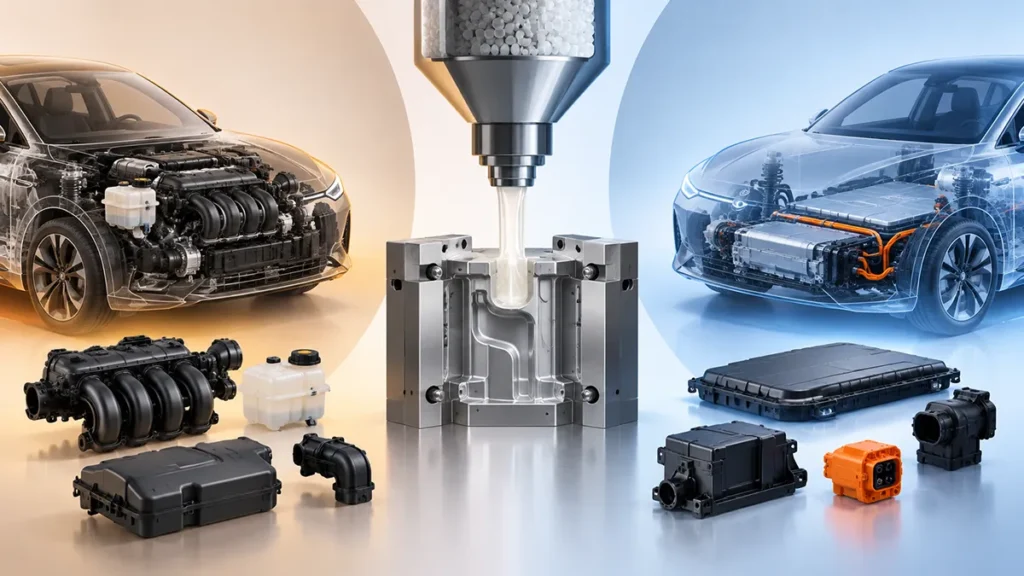
Since the manufacture of what is considered the first gasoline-powered car in 1885 by Karl Benz, the automobile industry has gone through waves of evolution [1]. The next phase in that evolution is new energy vehicles (NEVs). These are cars that rely on alternative power sources like electricity and hydrogen, instead of gasoline or diesel.
Of all the different NEVs, battery electric vehicles, which run entirely on electricity stored in large battery packs, are favored because of easy access to electricity. This has led to demand for innovations in EV parts manufacturing. Many countries and regions around the world, including the UK, Canada, and Denmark, are set to stop the sale of diesel-powered vehicles (also called internal combustion engines or ICEs) between 2025 and 2040 [2].
China and some states in the United States have also set the target of banning the sale of new light and medium diesel and petrol vehicles by 2035. The shift in focus to manufacturing EV parts has necessitated a change in how manufacturers approach mold making and injection molding.
How EV Parts Manufacturing Differs from Traditional Vehicles
New energy vehicles usually have fewer moving parts compared to traditional vehicles. Also, the plastic parts used in NEVs usually have higher precision and performance requirements. Plastics with a high strength-to-weight ratio are favored to keep the weight of EVs low and improve battery efficiency.
To achieve this, a wider range of plastics, including composites, engineering plastics, and post-consumer recycled resins (PCR), is often introduced. The projected compound annual growth rate of the PCR automotive market from 2025 to 2030 is 11.1% [3]. PCR is a cost-effective alternative to virgin plastic, which may account for its growing popularity.
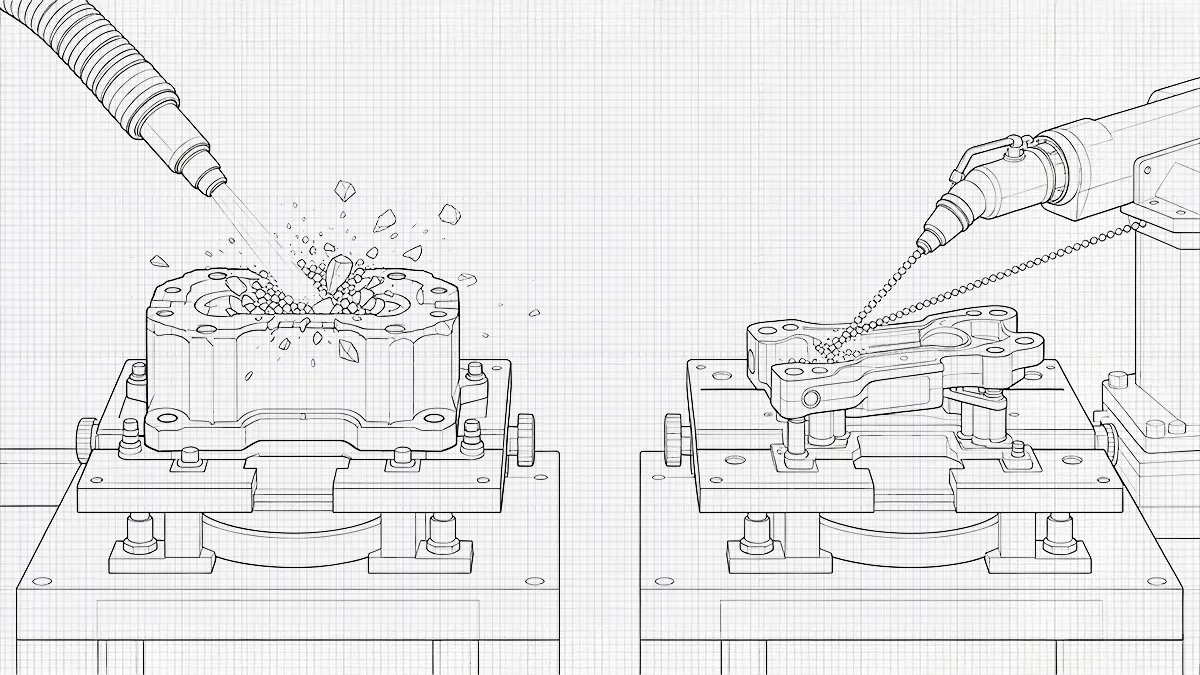
Vital parameters, including flow speed, temperature, and pressure, must be optimized during post-consumer recycled resins’ injection molding to create EV parts. The mold may be modified with specialized equipment, like degassing systems and filters, to manage contaminants and eliminate volatile compounds. Alternatively, low-pressure molding systems may be used to maintain the integrity of the PCR.
Manufacturing EV parts with PCR consumes up to 80% less energy and emits fewer greenhouse gases compared to virgin plastics. Since the use of PCR aligns with the bigger picture of lowering carbon footprint and environmental sustainability, automakers who want to boost their environmental-friendly ratings will likely favor parts made with this material.
Therefore, it is important to work with a mold maker that understands the peculiarities of manufacturing EV parts using PCR to create modified molds that will effectively handle this material. Below are other key differences that make the process of injection molding EV parts different from traditional vehicles.
Design Complexity due to Parts Integration
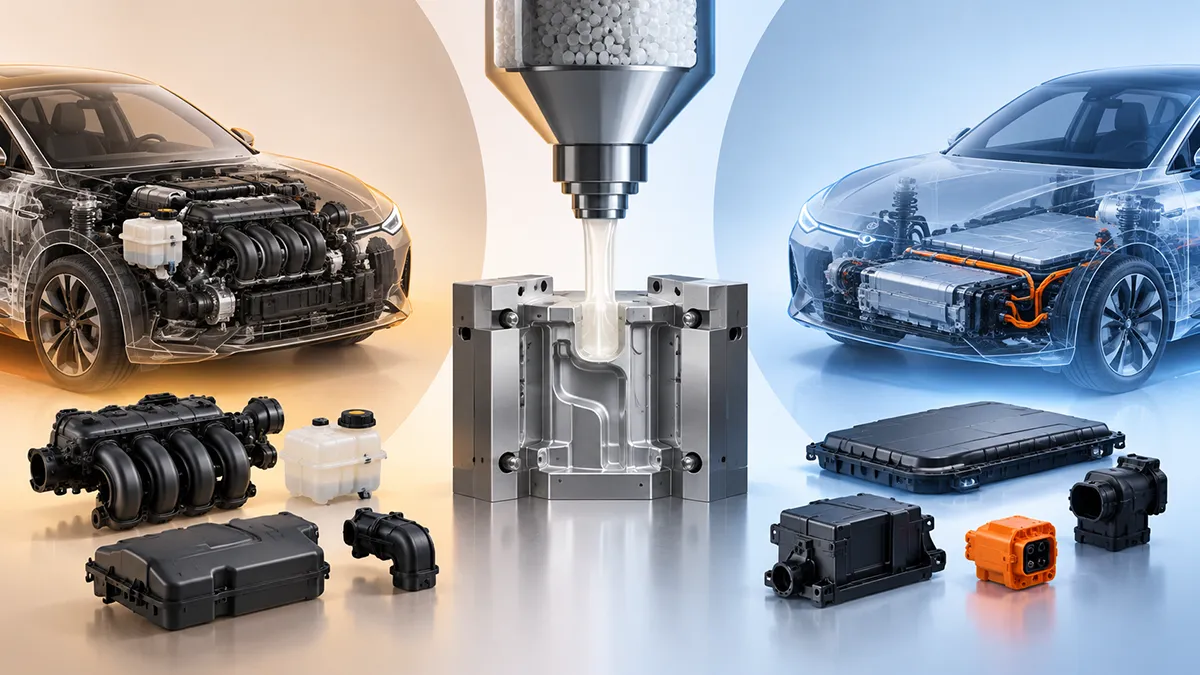
Arguably, the major difference between NEVs and traditional vehicles is how power is generated and transmitted to the wheels. The table below shows how injection molding differs in making key components of ICEs and EVs.
| Parts | Traditional Vehicles | Electric Vehicles (EVs) |
|---|---|---|
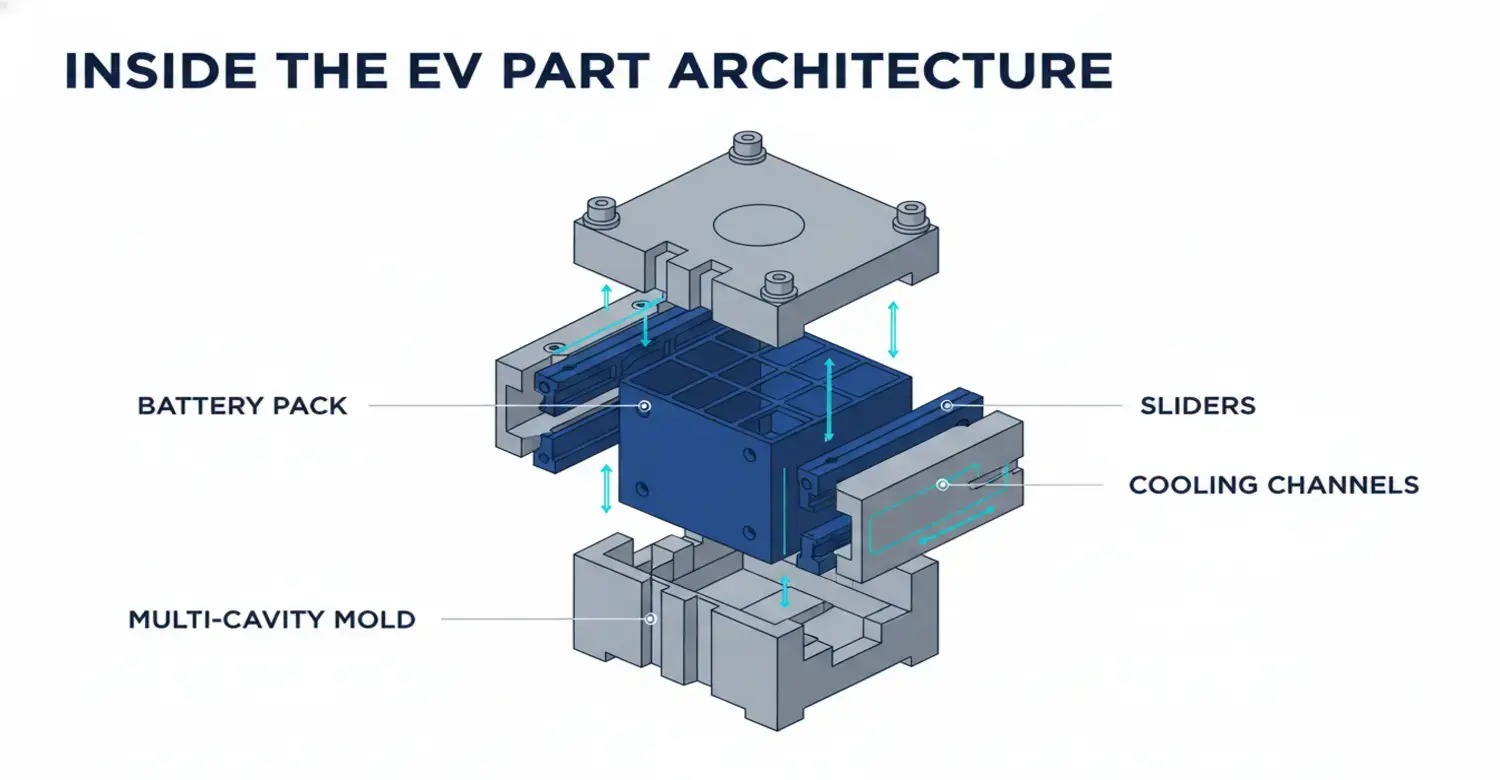
| Main power source | Engine: contains pistons, valves, crankshaft, spark plugs, and timing belts that generate and transmit energy. This requires the creation of several small molds to make the different components | Battery pack: stores energy. This stored energy powers electric motors that drive the vehicle. EV battery casings are often made using a multi-cavity mold to lower per-unit cost and maximize production time |
| Cooling system | Uses radiator, water pump, and thermostat for cooling. Just like the engine, the cooling system involves several small parts, and some of them are made using injection molding and assembled | Use fans to circulate ambient air, electric water pumps that circulate coolant, or both. The grilles, which are designed to help with air circulation, are often made using multi-component injection molding |
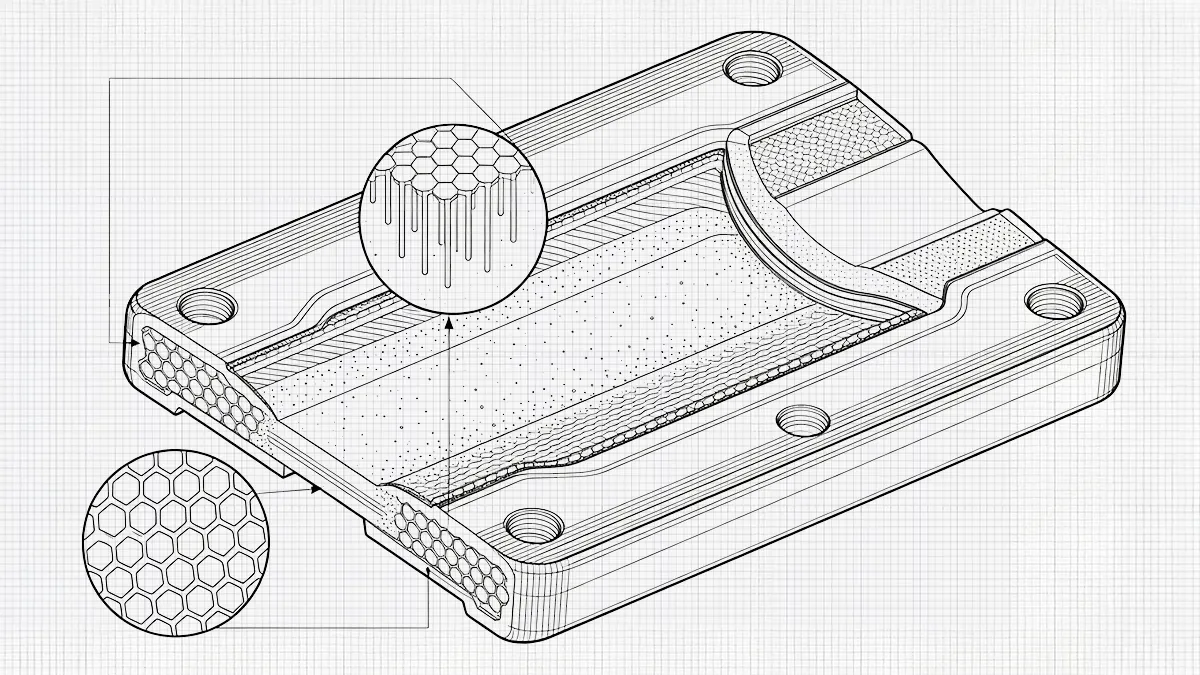
EV battery casings, for example, are usually made with advanced composites with a focus on a high strength-to-weight ratio to provide structural support, assist with thermal management, and fire safety. EV battery casings usually have a complex design, which must be met without affecting their function. This and several other parts require intricate mold designs with complex sliders, cooling channels, and, in some cases, multi-shot molding capabilities.
Higher Emphasis on Precision and Tolerance
The core requirement during the production of traditional automobile parts is usually on appearance (achieving a glossy surface and smooth texture to touch) and weather resistance, while keeping the production cost low.
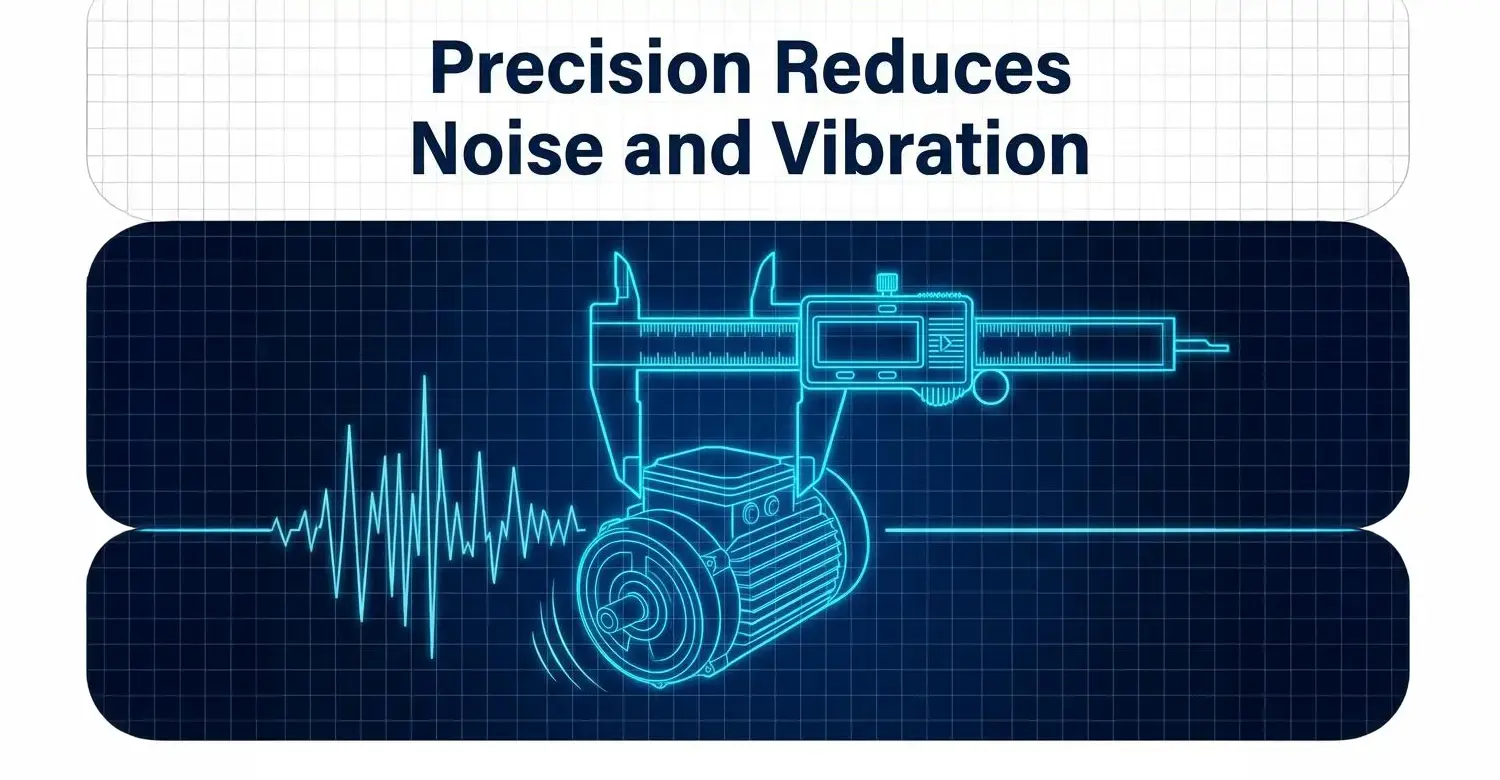
On the other hand, the focus during the production of EV parts is more about achieving higher precision and tighter tolerance, especially for sensitive parts related to battery systems and electronic components. Molded EV parts must achieve a snug fit, since Noise, Vibration, and Harshness (NVH) problems are more noticeable in EVs compared to traditional vehicles [4]. Higher precision also ensures the reliability and safety of electronic components.
While manufacturing EV parts, some of the design considerations for tight tolerance include:
- Maintaining uniform wall thickness: This helps to prevent warping and defects from uneven cooling.
- Enhancing ejection from mold with draft angles: Added to lower stress during ejection.
- Improving strength with ribs or gussets: It minimizes shrinkage and enhances the strength of the EV part without increasing material use.
Faster Design Iteration for Evolving EV Parts Manufacturing
Traditional vehicles have reached an evolutionary climax. Massive improvements are rarely made to already existing parts. That is not the case with NEVs, which are still a rapidly evolving market. One of the biggest challenges on the path of EV adoption is range anxiety. To combat the problem, manufacturers are continually making design iterations either to make EVs lighter using different materials, improve aerodynamics, or to make them charge faster.
Therefore, EV mold manufacturing often includes rapid tooling and prototyping methods that help to bring new parts to the market faster, compared to the longer development cycles that characterize most traditional vehicle parts production.
Injection Molding Process Comparison Between EV and ICE
Besides the difference in intent between ICE and EV parts manufacturing, the molding process is also different. For example, to make the molding process of EVs more sustainable, the injection molding process makes use of machinery optimized for lower energy consumption, which aligns closely with their environment-friendly objectives. Other notable differences in the injection molding process for EV parts production include:
1. The Use of Specialized Machinery for Material Processing
EV parts are manufactured using composites or high-performance thermoplastics. Properties like chemical resistance, heat resistance, and high strength-to-weight ratio usually favor the choice of these materials. These properties guarantee the durability of these materials when used for battery-related components, where heat production and chemical leaks may be inevitable. Consequently, molds for manufacturing EV parts using these materials must have the following properties:
- The melting point of high-performance polymers like PEEK can be up to 343oC [5]. The mold should be able to operate at this temperature without deformation. Sophisticated heating and cooling systems are usually incorporated to ensure uniform temperature control to prevent inconsistent curing and warpage.
- Molds for making EV parts for high-performance applications must be made from highly durable materials like higher-grade steel (e.g., H13 or P20), instead of less expensive aluminum used in standard molds for making ICE parts.
- The complex design in EVs that results from part consolidation often requires meticulous designs of runners, gates, and venting systems to properly manage the material flow and prevent popular defects like flow marks and voids.
- The mold material for manufacturing EV parts using fiber-reinforced materials like carbon or glass fibers must have high wear resistance to withstand the abrasive nature of the materials.
- Molding machines for producing EV parts are usually more specialized, using advanced hydraulic systems that offer superior control over injection speed, melt temperature, and packing pressure for repeatability and consistent part quality.
2. Greater Application of Overmolding
The higher focus of EVs on electronics means there is a greater use of techniques like overmolding to achieve proper sealing and desired functions, like environmental sealing, improved durability, electrical insulation, vibration damping, and sound dampening for a quieter EV driving experience. Some of the EV parts that require overmolding include:
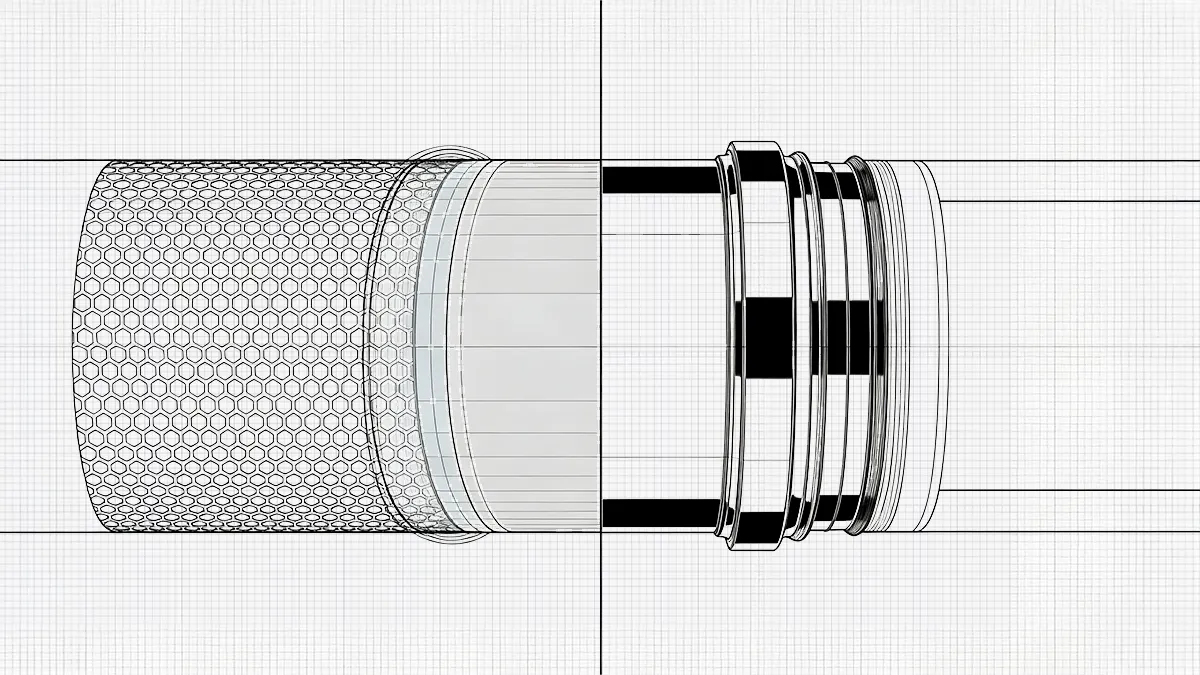
- Connectors and charging ports to achieve waterproof seals that protect sensitive components from dust, water, and other environmental elements.
- Overmolded enclosures protect battery components from mechanical stress and extreme temperatures.
- Electronic control units (ECUs) are usually fully enclosed in plastic through the use of overmolding techniques, which makes them lighter and extremely robust.
- This molding technique is also used in interior EV parts manufacturing to achieve polished aesthetics and to improve comfort, like in steering wheels.
Although injection molding is used for making traditional ICE and electric vehicle parts, its application in the latter is broader, and involves critical components, with a focus on weight reduction and efficiency. When searching for a mold maker or a partner for EV parts production, ensure the manufacturer understands these differences for the best possible outcome.
References
[1] Mercedes-Benz Group AG. (n.d.). 1885–1886: The invention of the automobile. Mercedes-Benz Group. Retrieved December 8, 2025, from https://group.mercedes-benz.com/company/tradition/company-history/1885-1886.html
[2] International Council on Clean Transportation. (2020, May 11). The end of the road? An overview of combustion-engine vehicle phase-out announcements. International Council on Clean Transportation. https://theicct.org/wp-content/uploads/2021/06/Combustion-engine-phase-out-briefing-may11.2020.pdf
[3] Grand View Research. (n.d.). Post-consumer recycled plastics in automotive market report. Retrieved April 2024, from https://www.grandviewresearch.com/industry-analysis/post-consumer-recycled-plastics-automotive-market-report
[4] ANSYS. (n.d.). What is automotive NVH? ANSYS. Retrieved April 27, 2025, from https://www.ansys.com/blog/what-is-automotive-nvh
[5] SpecialChem. (2025, November 7). Polyether ether ketone (PEEK plastic): Properties, processing, & applications. SpecialChem. https://www.specialchem.com/plastics/guide/polyetheretherketone-peek-thermoplastic




 EN
EN  ES
ES  FR
FR  DE
DE  IT
IT  PT
PT  NL
NL  PL
PL  AR
AR  JA
JA  KO
KO  ZH
ZH