


When choosing a hearing aid precision mold supplier, manufacturers often focus on material, technology, technical capabilities, and logistics. Quality-related questions are often treated as an afterthought. Even when the question of quality pops up, the focus is usually on the certifications of the potential supplier.
Focusing on quality when choosing a hearing aid mold supplier is important to ensure proper fit, user comfort, and optimal sound quality. A high-quality mold serves as a vehicle that conveys the technology of the hearing aid to the patient’s ear. Some of the reasons why all the parts of the hearing aid mold must be of the highest quality include:
- The earmold must create a perfect acoustic seal that prevents whistling, the effect created when sound leaks out of the canal and is picked up by the microphone [1].
- The part of the mold that fits in the ear canal must properly match the ear’s anatomy to be comfortably worn for long hours and prevent pressure points, soreness, or irritation.
- A hearing aid earmold that fits poorly can lead to the buildup of wax, and in severe cases, may damage the eardrum.
- A quality mold protects the electronic components of the hearing aid from damage. For in-ear models, a perfect fit will prevent them from falling out during physical activities, while a molded hook does the same for over-the-ear models.
When discussing quality with a hearing aid mold supplier, the conversation should go beyond the certifications they have. This guide is designed to help businesses ask the right quality-related questions when choosing a hearing aid precision mold supplier.
1. How Does The Factory Handle Product Update Changes?
Hearing aids designs will usually evolve during the manufacturing process. A manufacturer may start with a product design in mind, but midway through production, the design may be altered in line with prevailing realities. An important question to ask in this regard is what happens when product design gets altered. Does the factory have a process to handle changes during production updates?
The right hearing aid precision mold supplier should have a structured Quality Management System, which is guided by ISO 9001 and relevant industry-specific rules (e.g., ISO 13485). A guideline ensures consistency in quality and traceability of all updates throughout the design and production process. Key aspects of documentation for effectively managing product updates include:
- Engineering change order request process: There should be a formal procedure to review, propose, approve, and implement changes in design. Every design alteration should be assigned a sequential number and tracked in a log, which should contain all details and the reason for the change.
- Revision history: All design, procedure, or work instruction revisions must be properly tracked and outdated ones archived.
- Hearing aid part review checklist: There should be a standardized checklist before an update to hearing aid part begins that ensures the customer, regulatory, and manufacturing feasibility criteria are addressed.
- Update validation: Every update should be followed by a formal validation process that includes inspection and certification that the new part is 100% according to the specification.
Hearing Aid Version Update Inventory Management
How product updates are handled will directly impact the manufacturer’s costs. For example, a product update may lead to the piling up of parts from the old version, either in the factory or in the client’s warehouse, or both. A hearing aid manufacturer may have the options to scrap the old parts, rework them, or consume them in the production of the new parts until they are exhausted.
Being able to rework or consume the old parts is a cost-saving strategy that the manufacturer should explore. Where it is possible to reuse or rework old parts, they should be properly marked to avoid confusing them with new parts. Proper version marking on drawings, molds, or parts prevents the critical error of mixing “new version” and “old version” parts in the production line.
The Role Of Communication In Version Updates
Clear communication is crucial to the success of version updates. The manufacturer must maintain clear communication with the hearing aid precision mold supplier, especially on the timeline and material requirements for the new version. In situations where the old version will be gradually phased out, the date by which parts for the old version will stop being ordered or used should be clearly communicated. The key roles of effective communication in version updates include:
- Ensuring specification accuracy: The detailed specification of the new version, including material requirements and quality standards, should be clearly communicated.
- Facilitates collaboration through feedback: Version updates will usually involve some form of collaboration between the client and the hearing aid precision mold supplier. Open dialogue on manufacturability and feedback will prevent future issues.
- Maintaining regulatory compliance: Since the medical device industry is highly regulated, effective communication is important to ensure all updates are properly documented to avoid regulatory penalties and possible product recall.
- Production and inventory optimization: Sharing accurate information about production levels allows the hearing aid precision mold supplier to effectively manage inventory to ensure consistent availability.
During the version update, the supplier must be ready to review the master supply agreement (MSA) and non-disclosure agreements (NDAs) to ensure the terms of the updated version are duly covered. Also, the supplier should have adequate physical and digital security measures in place to ensure all data regarding the project is securely transmitted to protect the client’s intellectual property.
2. Long-Term Service Life and Stability of Molds
Manufacturers searching for hearing aid precision mold suppliers to create custom molds that they’ll use to make hearing aid parts should be concerned about the mold maker’s plan for long-term service life and stability of the mold. A supplier offering the best price may not be the best partner if they don’t have a clear plan for long-term service. Firstly, the hearing aid precision mold maker should offer a workmanship warranty that guarantees that:
- The mold will perform within the documented tolerance and parameters
- The agreed material was used
- Critical parts, including ejection systems and vents, are designed and installed correctly to prevent early failures or defects
The Long-Term Services Offered By The Supplier
Apart from the initial warranty that guarantees the stability of the mold, ask for the mold maker’s long-term service throughout the mold’s lifespan. Long-term service can extend the lifespan of the mold and ensure the stability of products during this period.
| Long-term services | Description and benefits |
|---|---|
| Preventive maintenance | Recommend maintenance intervals, including lubrication and cleaning. This prevents major issues and prolonged downtime. |
| Repair | Should be able to replace worn-out or damaged components. This prevents frustration from the inability of the manufacturer to find a repair technician. |
| Proper documentation | Keep a clear record of the mold’s material and maintenance history. This facilitates future servicing. |
| Part replacement | The mold supplier should provide replacement for parts that are prone to wear and tear, like ejector pins. This makes in-house maintenance faster. |
| Technical support | Ongoing communication support is particularly important if the manufacturer doesn’t have a team with the right technical knowledge to properly operate the mold. |
3. Medical Manufacturing Standards Compliance
The manufacturing of medical devices has to follow strict regulatory standards, and it is important to ask your hearing aid parts supplier if their production environment complies with these standards.
Firstly, ensure they have ISO 13485, a certification given to manufacturers producing and servicing medical devices. The certification provides a framework that ensures the medical devices are safely produced and meet regulatory requirements.
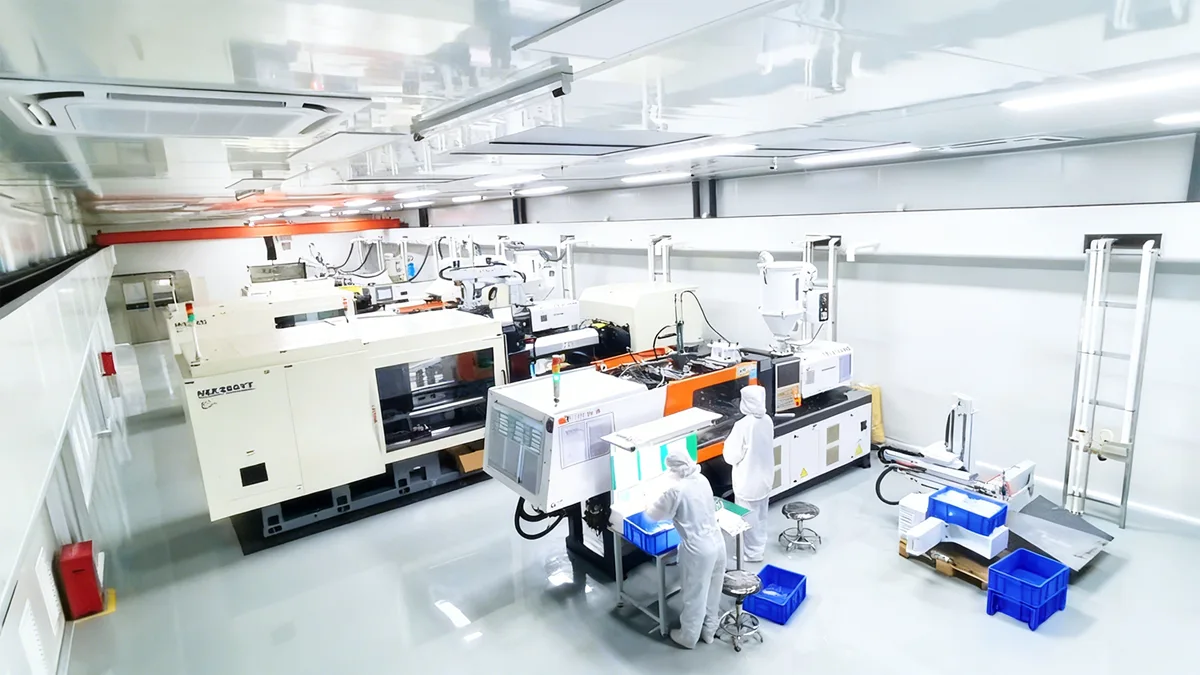
For the production of highly sensitive parts, ensure the hearing aid parts supplier has a cleanroom certification (notably ISO 14644-1). A cleanroom controls airborne particles and environmental conditions that can lead to contamination.
However, it is important to mention that the cost of production in a cleanroom is significantly higher. Therefore, if the requirements for the hearing aid part are lower, manufacturers should opt out of the cleanroom to lower costs. Nevertheless, ensure the entire workshop environment is not excessively dirty or unkempt.
4. Dimension Control And Inspection Process
Ensure the hearing aid precision mold supplier has a detailed dimension control and inspection process. Quality control should be an ongoing process and includes visual inspection and the use of specialized tools to check the quality of the mold or product throughout the entire production cycle. Critical quality control stages include:
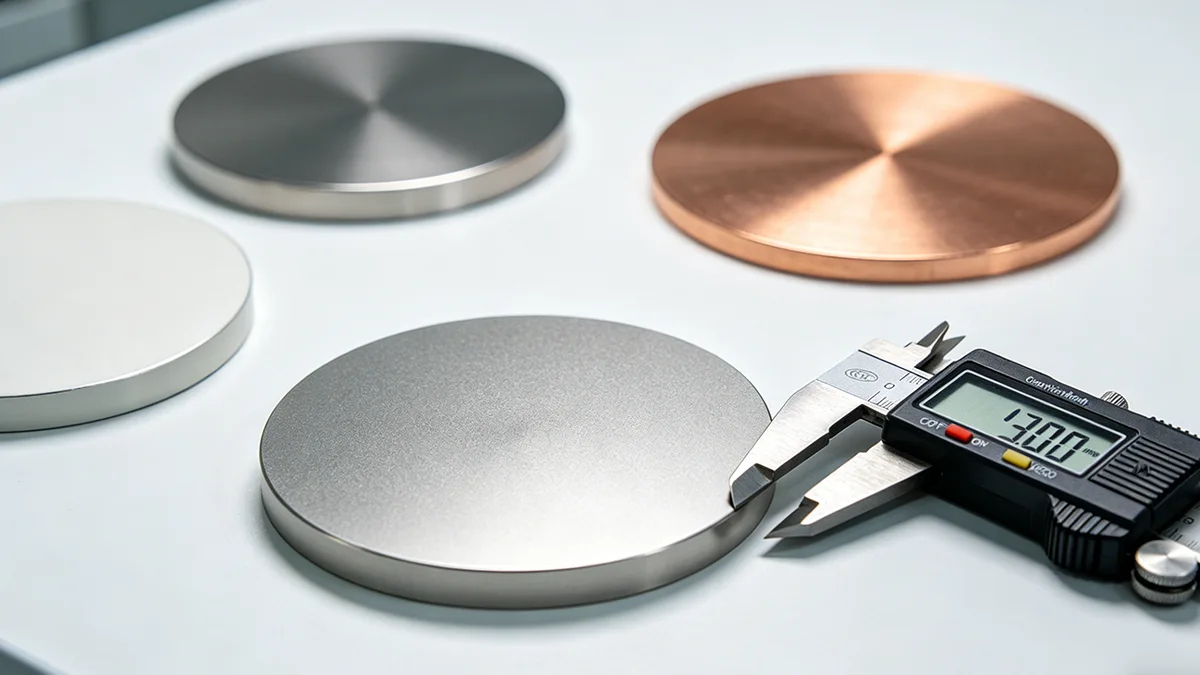
- Dimensional accuracy: After molding, the part should be checked against the original specification or against the digital model to ensure it maintains dimensional accuracy and stability.
- Polishing: The finishing and polishing process must be thoroughly monitored to ensure a smooth, uniform finish. This will help to prevent discomfort and irritation in the ear.
- Tubing length adjustment: For behind-the-ear models, the connecting tube must be measured and cut to the right length such that the hearing aid can comfortably sit over the ear.
5. Availability Of End-to-End Support
Ask the potential hearing aid precision mold supplier if they offer end-to-end support. This is an integrated solution where the supplier oversees the entire product development from design support to the production of the finished part. For a client, this ensures that you are only dealing with a single point of responsibility rather than dealing with several companies. Some of the benefits of end-to-end support include:
- Reduces communication overhead and delay in logistics, which can lead to shorter lead time.
- Consolidating production can lower labor costs and material waste
- Gives the manufacturer access to specialized knowledge
- End-to-end support providers often have a system for scalability
Asking the right quality-related questions can help you narrow your choice of hearing aid precision mold supplier, especially in situations where there are several potential suppliers vying for your attention.
Tips: Check the “Case study of mold making for hearing aid parts“.
References
[1] Better Hearing. (n.d.). 5 reasons why your hearing aids are whistling and what to do about it. Better Hearing.org. Retrieved from https://www.betterhearing.org/newsroom/blogs/5-reasons-why-your-hearing-aids-are-whistling-and-what-to-do-about-it/



 EN
EN  ES
ES  FR
FR  DE
DE  IT
IT  PT
PT  NL
NL  PL
PL  AR
AR  JA
JA  KO
KO  ZH
ZH