


Polycarbonate, commonly known as PC, is an engineering thermoplastic renowned for its excellent transparency, high impact, and remarkable heat resistance. Used in a myriad of applications, from bullet-proof glass to compact disks, PC plastic has become a staple material in various industries.
This guide aims to provide designers and manufacturers with a thorough understanding of PC’s properties, applications, and processing techniques, ensuring they can fully leverage this versatile material.

Properties of Polycarbonate
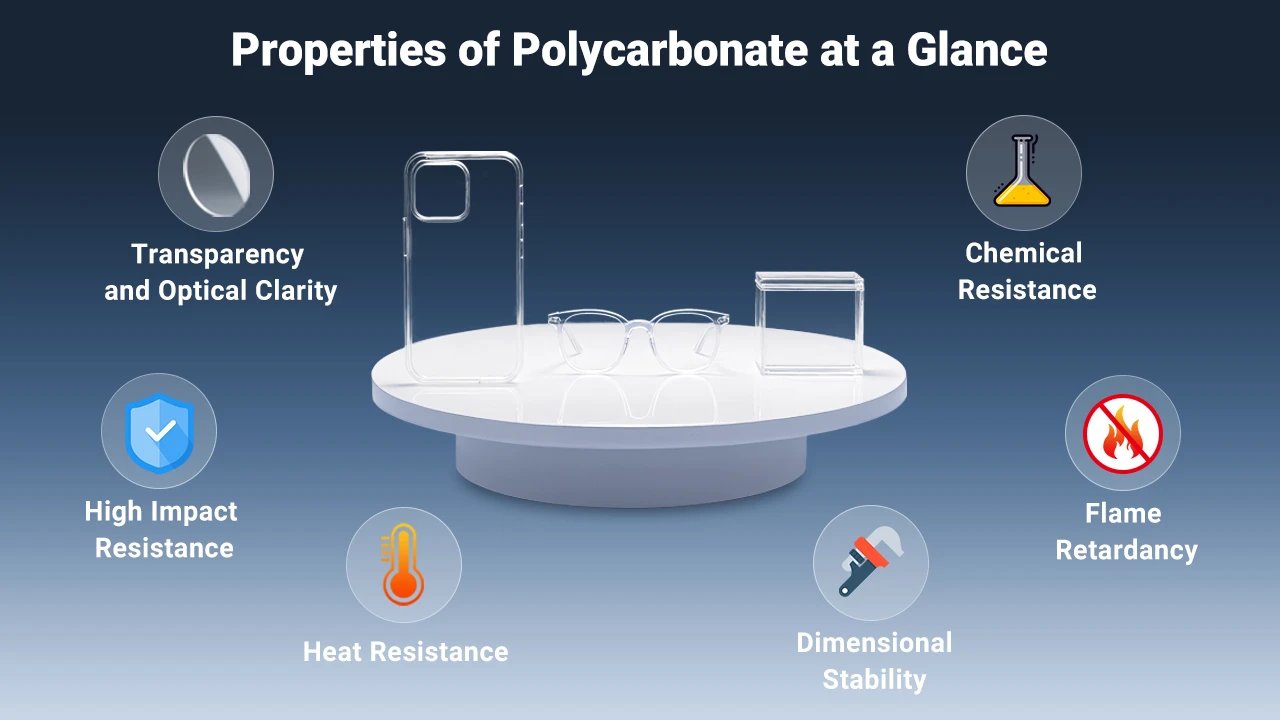
Transparency and Optical Clarity
Polycarbonate plastic offers exceptional optical clarity, allowing for high levels of light transmission similar to glass. This makes it an ideal material for applications requiring transparency, such as lenses and clear barriers.
High Impact Resistance
One of the standout properties of PC plastic is its high impact resistance. This makes it suitable for applications like protective gear and bullet-proof windows, where durability and toughness are crucial.
Heat Resistance
PC can withstand a wide range of temperatures, maintaining its rigidity from -20°C to 140°C. Its high melting point of 150°C is also suitable for injection molding processes.
Dimensional Stability
PC exhibits excellent dimensional stability across a broad temperature range. This stability is particularly beneficial in precision applications where maintaining shape and size is critical.
Flame Retardancy
Combining PC plastic material with flame-retardant materials does not cause significant degradation. This property is vital for applications in electronics and other areas where fire safety is a concern.
Chemical Resistance
While PC plastic offers good resistance to dilute acids and alcohol, it has average resistance to alkalis and greases. However, it is poor against concentrated acids, halogens, and aromatic hydrocarbons, necessitating careful consideration of the chemical environment in its applications.
Physical Properties of Polycarbonate
| Physical Property | Details |
|---|---|
| Density | Density is 1200 kg/m3, contributing to its strength and lightweight characteristics. |
| Limiting Oxygen Index | Exhibits a limiting oxygen index that indicates its flammability characteristics. |
| UV Blocking | Provides protection against UV radiation, enhancing outdoor durability. |
Chemical Properties of Polycarbonate
| Chemical Property | Details |
|---|---|
| Phase at STP | Solid |
| Resistance to Alcohols | Exhibits high resistance, ensuring durability in alcohol-rich environments. |
| Resistance to Aromatic Hydrocarbons | Shows good resistance, making it suitable for use where exposure to aromatic hydrocarbons occurs. |
| Resistance to Greases and Oils | Maintains integrity when exposed to greases and oils, ideal for automotive and industrial applications. |
| Resistance to Alkalis | Demonstrates average resistance, requiring cautious use in alkaline environments. |
| Resistance to Ketones | Strong resistance to ketones, useful in various chemical handling applications. |
| Resistance to Diluted Acids | Effectively withstands exposure to diluted acids, suitable for diverse chemical applications. |
| Resistance to Solvents | High resistance to solvents, ensuring long-lasting performance in solvent-rich settings. |
| Moisture Absorption | Low water absorption, ensuring dimensional stability. |
Electrical Properties of Polycarbonate
| Electrical Property | Details |
|---|---|
| Dielectric Strength | Provides excellent insulation with a high dielectric strength. |
| Dielectric Constant @ 1 kHz | Efficient electrical insulation with a consistent dielectric constant. |
| Dissipation Factor @ 1 kHz | Low dissipation factor, ensuring minimal energy loss in electrical applications. |
| Volume Resistivity | Exhibits extremely high volume resistivity, making it an excellent electrical insulator. |
Mechanical Properties of Polycarbonate
| Mechanical Property | Details |
|---|---|
| Ultimate Tensile Strength | Can withstand tensile stress up to 60 MPa, ideal for high-strength applications. |
| Yield Strength | Not available. |
| Young’s Modulus of Elasticity | Exhibits a modulus of 2.3 GPa, indicating good elasticity and stiffness. |
| Brinell Hardness | Has a Brinell hardness of 80 BHN, providing good surface resistance to indentation and scratching. |
Thermal Properties of Polycarbonate
| Thermal Property | Details |
|---|---|
| Melting Point | Melts at 297°C, allowing for high-temperature applications. |
| Thermal Conductivity | Conducts heat at 0.2 W/mK, indicating moderate thermal conduction. |
| Specific Heat Capacity | Possesses a specific heat capacity of 1200 J/g K, useful in managing thermal energy. |
Applications of Polycarbonate(PC)
Automotive Industry
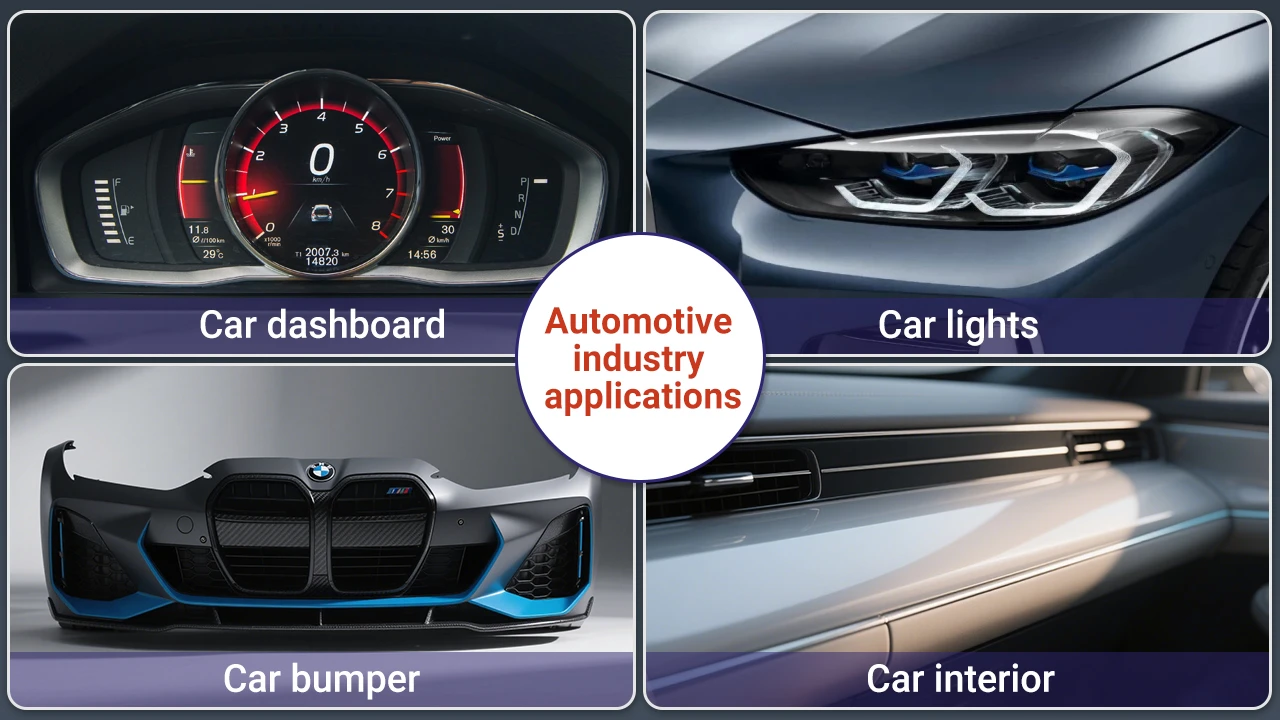
The automotive sector widely uses PC plastic to manufacture sunroofs, dashboards, headlamp lenses, bumpers, and various body panels. Its lightweight and durable nature makes it ideal for enhancing vehicle performance and safety.
Consumer Electronics
Due to its good electrical insulation and heat resistance, polycarbonate is utilized in telecommunications hardware and as a dielectric in high-stability capacitors. Manufacturers also use it in the casings of mobile phones and other electronic devices.

Optical Applications
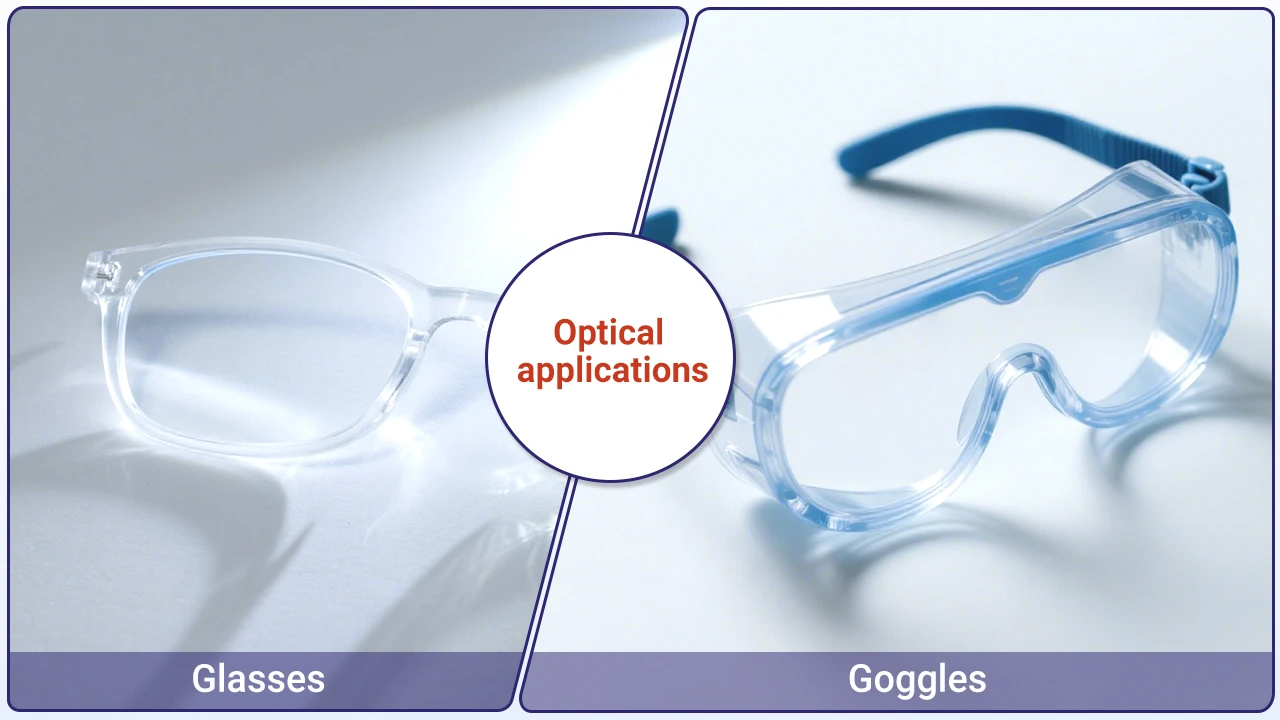
The high impact and low scratch resistance of polycarbonate(PC) make it perfect for eyewear, including contact lenses and protective glasses. Manufacturers often coat these lenses to improve their scratch resistance.
Medical and Food Industry
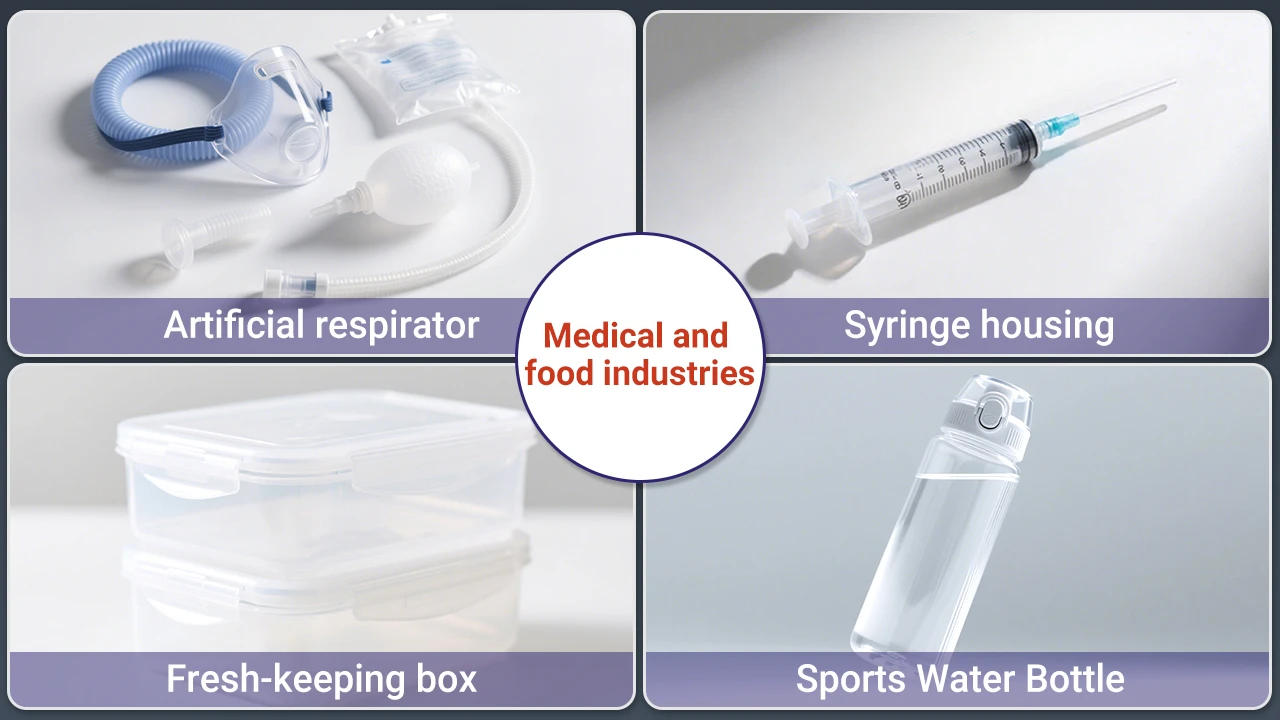
PC plastic has been FDA-approved for food contact applications and in use in baby bottles, water containers, and various food handling products. Its transparency and heat resistance are advantageous in these applications.
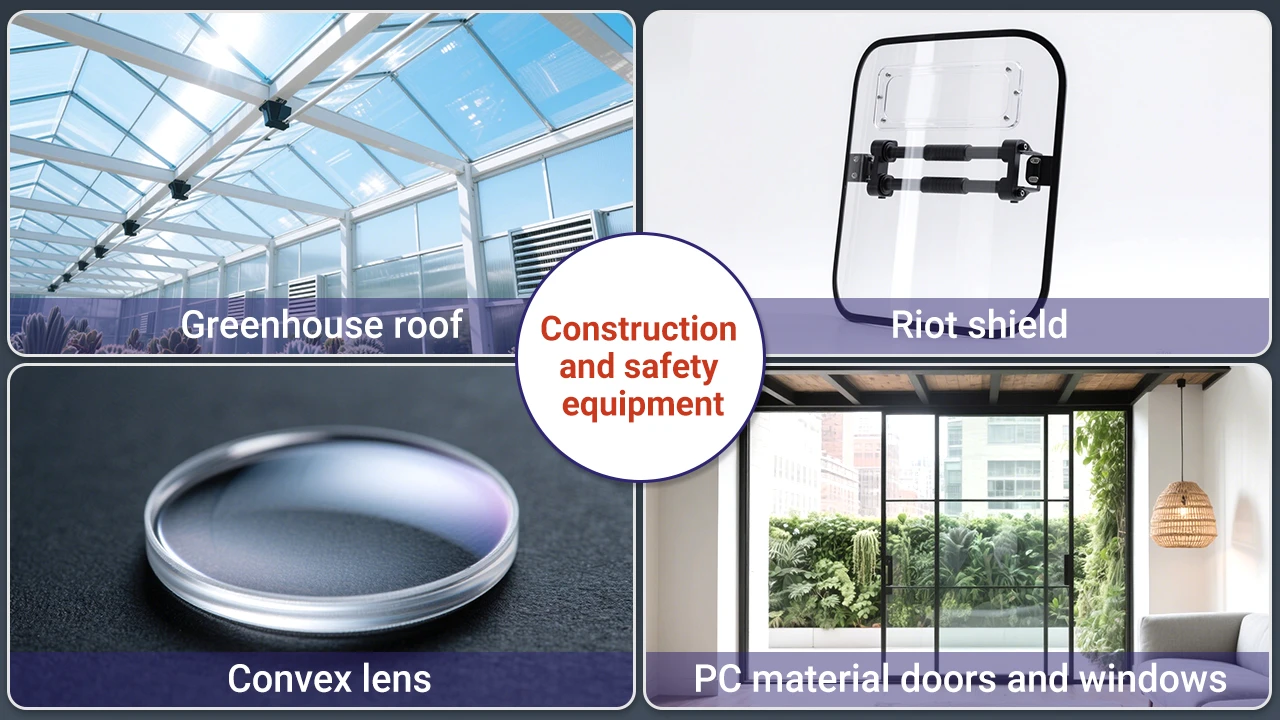
Construction and Safety Equipment
PC’s impact strength and weather ability suit it for bulletproof windows, machine guards, and riot gear. It is also used in greenhouse glazing, traffic light lenses, and automotive head and tail lights.
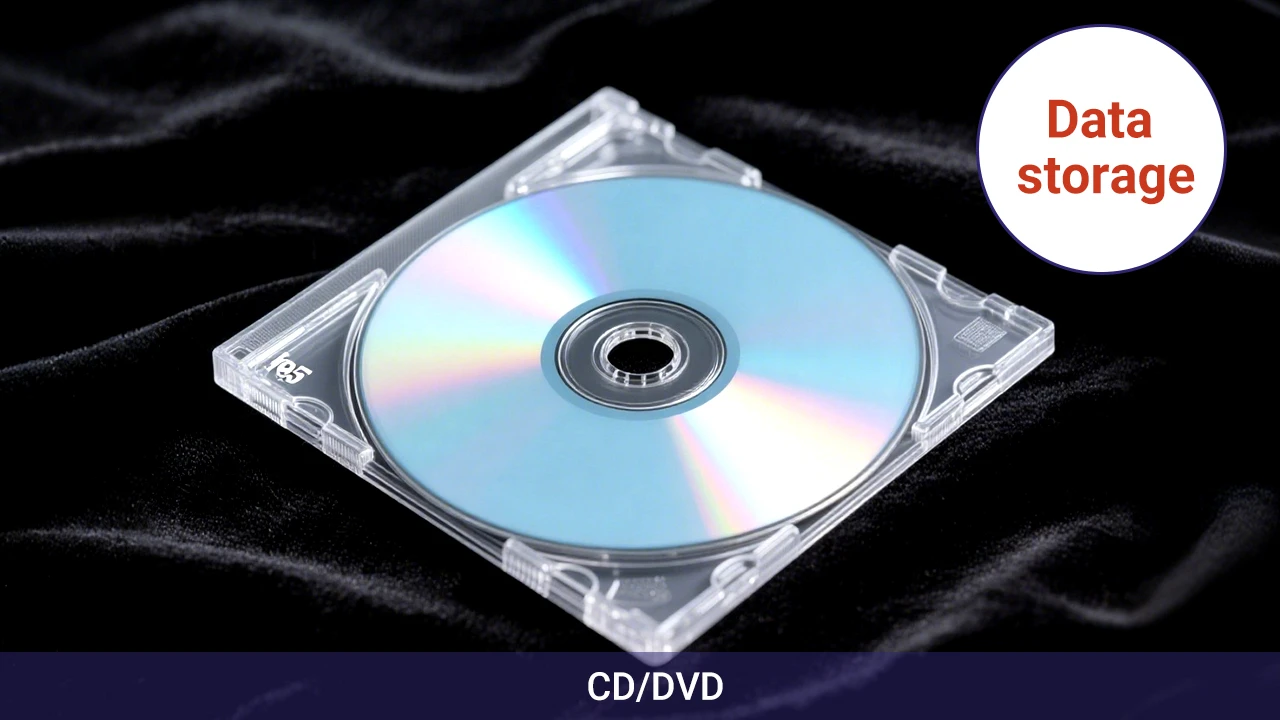
Data Storage
PC is the material of choice for CDs, DVDs, and Blu-ray discs due to its ability to meet the stringent requirements of these applications.
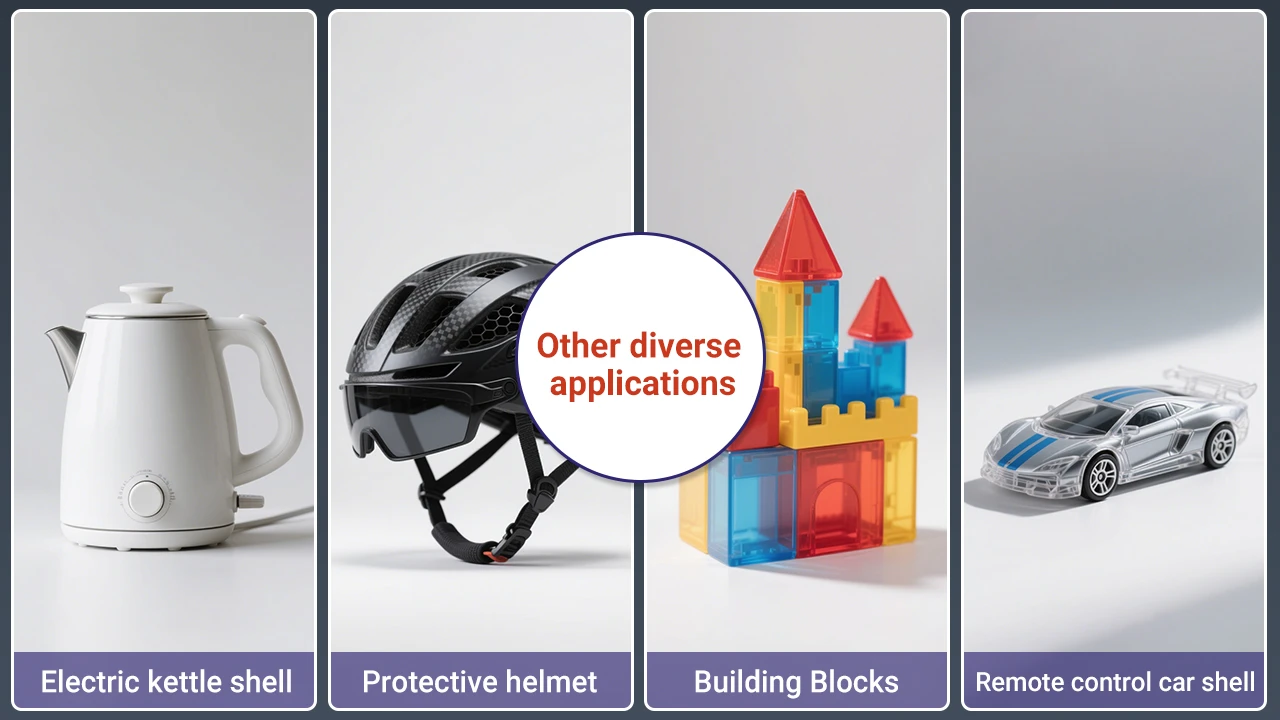
Miscellaneous Applications
Polycarbonate is also used in toys, sporting equipment, and various household appliances due to its durability and strength.
Designing with Polycarbonate
Wall Thickness
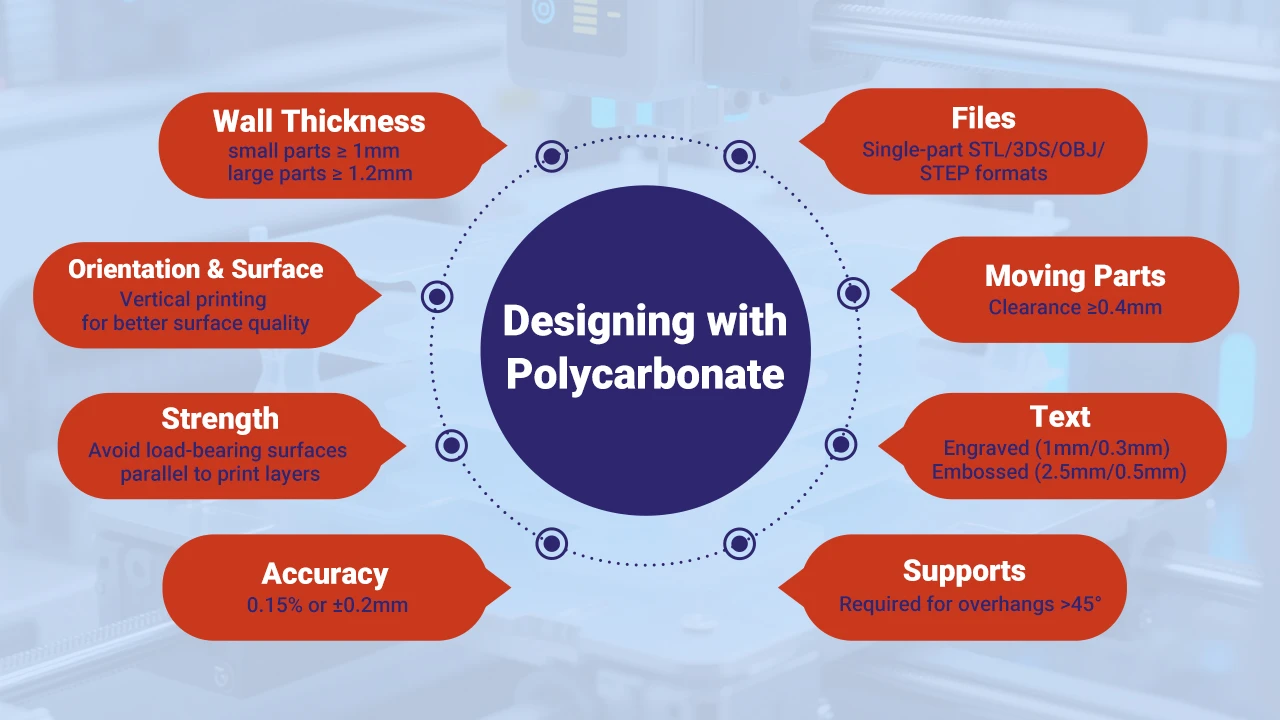
In 3D printing, maintaining the appropriate wall thickness is crucial for the stability of the printed parts. A minimum wall thickness of 1 mm is recommended for parts fitting within a 250 x 250 x 300 mm box, while larger parts require at least 1.2 mm. Overly thick walls can lead to material waste and deformation risks.
Surface Quality and Orientation
The printing orientation of a 3D-printed part affects its surface quality and strength. Vertical printing offers better surface quality than horizontal printing, which may show a staircase effect. Designers should consider which surfaces need the best finish when choosing the orientation.
Anisotropy
Due to the layer-by-layer printing process, parts may have weak points along the printing orientation. Designers should avoid features that require strength to support them if they are parallel to the base or bottom plane.
Dimensional Accuracy
Fused Deposition Modeling (FDM) is known for its high dimensional accuracy in 3D printing plastics, including polycarbonate. Standard accuracy is 0.15% with a lower limit of ±0.2 mm.
Support Structures
Support structures are essential for parts with overhangs or angles narrower than 45°. These supports prevent the parts from collapsing during printing and are manually removed post-process.
Embossed and Engraved Details
Engraved details are generally preferable for PC plastic parts. For optimal results:
- Engraved Text: Minimum line thickness of 1 mm, depth of 0.3 mm.
- Embossed Text: Minimum line thickness of 2.5 mm, depth of 0.5 mm.
Interlocking or Moving Parts
Polycarbonate allows for printing interlocking and moving parts, such as wrenches or ball bearings, thanks to water-soluble support materials. A minimum clearance of 0.4 mm is recommended.
File Requirements
Designers should use compatible file formats, including STL, 3DS, OBJ, and STEP. Only one model per part should be submitted to ensure proper processing.
Processing Polycarbonate
Injection Molding
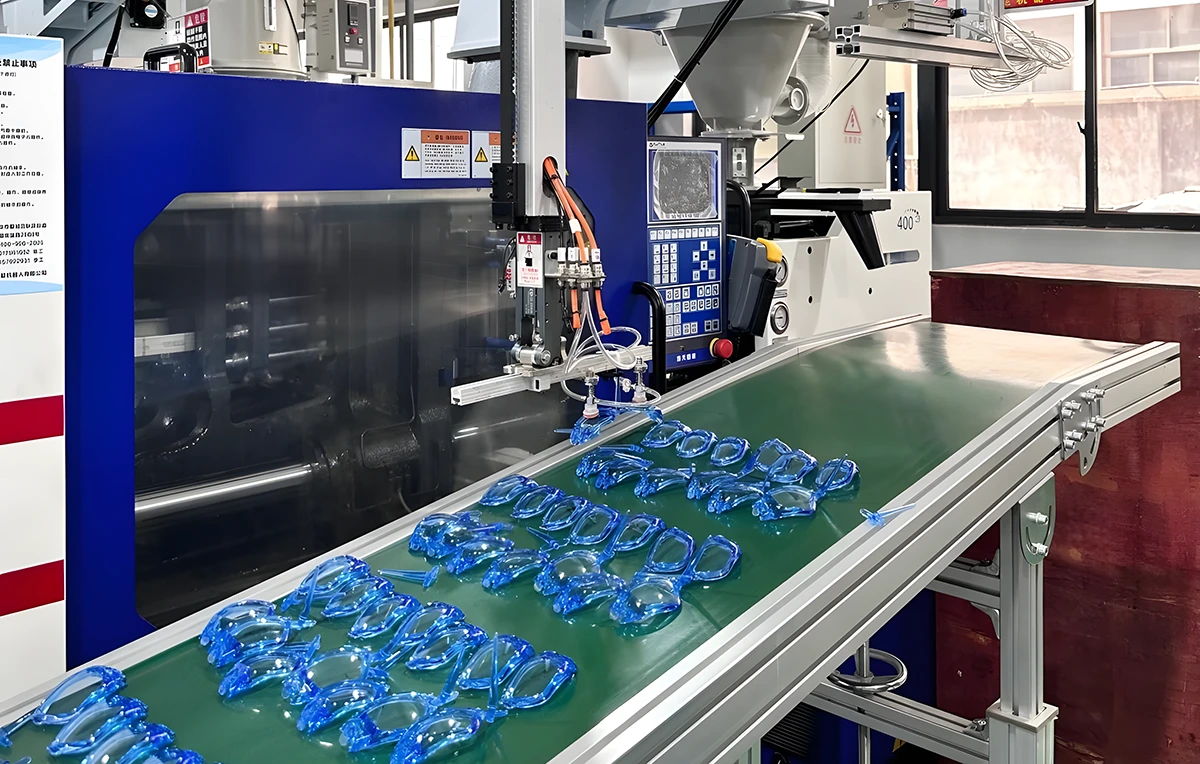
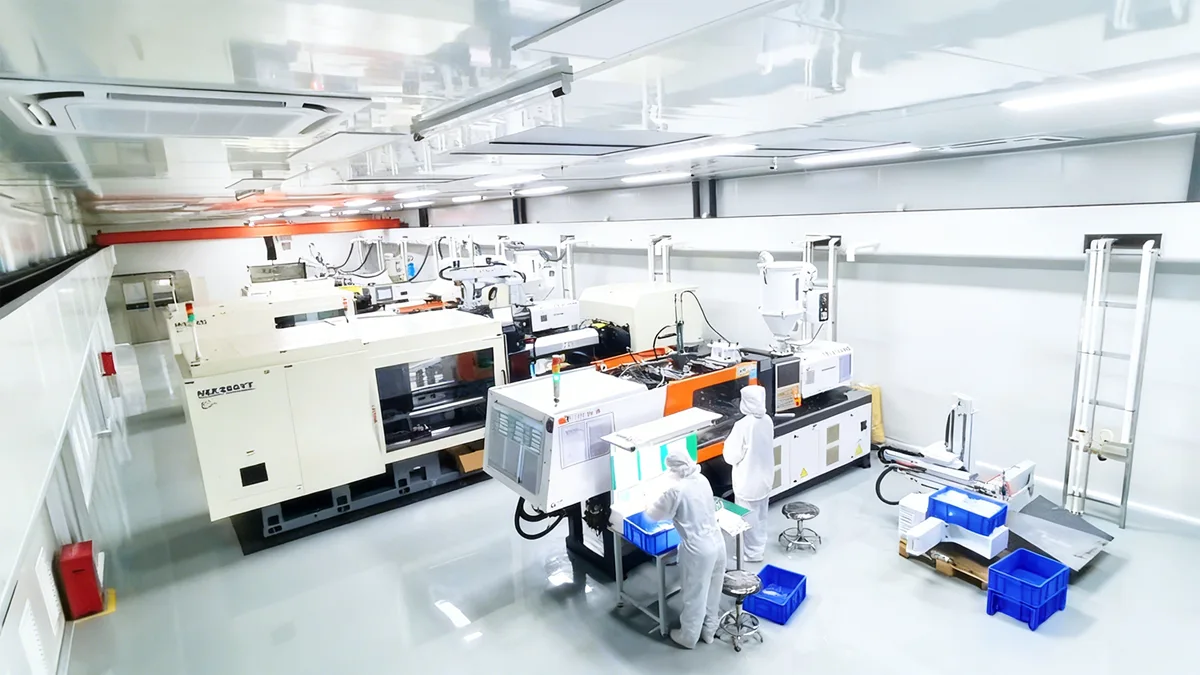
Injection molding is a common method for producing polycarbonate parts. This process involves melting and injecting the material into a mold under high pressure. The mold cools and solidifies the material, forming the desired shape.
Key parameters for injection molding include:
- Melt Temperature: 280-320°C
- Mold Temperature: 80-100°C
- Molding Shrinkage: 0.5-0.8%
Extrusion
Extrusion is another widely used process for shaping polycarbonate. In this method, the polymer melt is forced through a shaped cavity, which helps it attain the desired profile. The material cools and solidifies, maintaining its new shape. Manufacturers commonly use extrusion to produce sheets, profiles, and pipes. Recommended settings include:
- Extrusion Temperature: 230-260°C
- L/D Ratio: 20-25

Blow Molding and Thermoforming
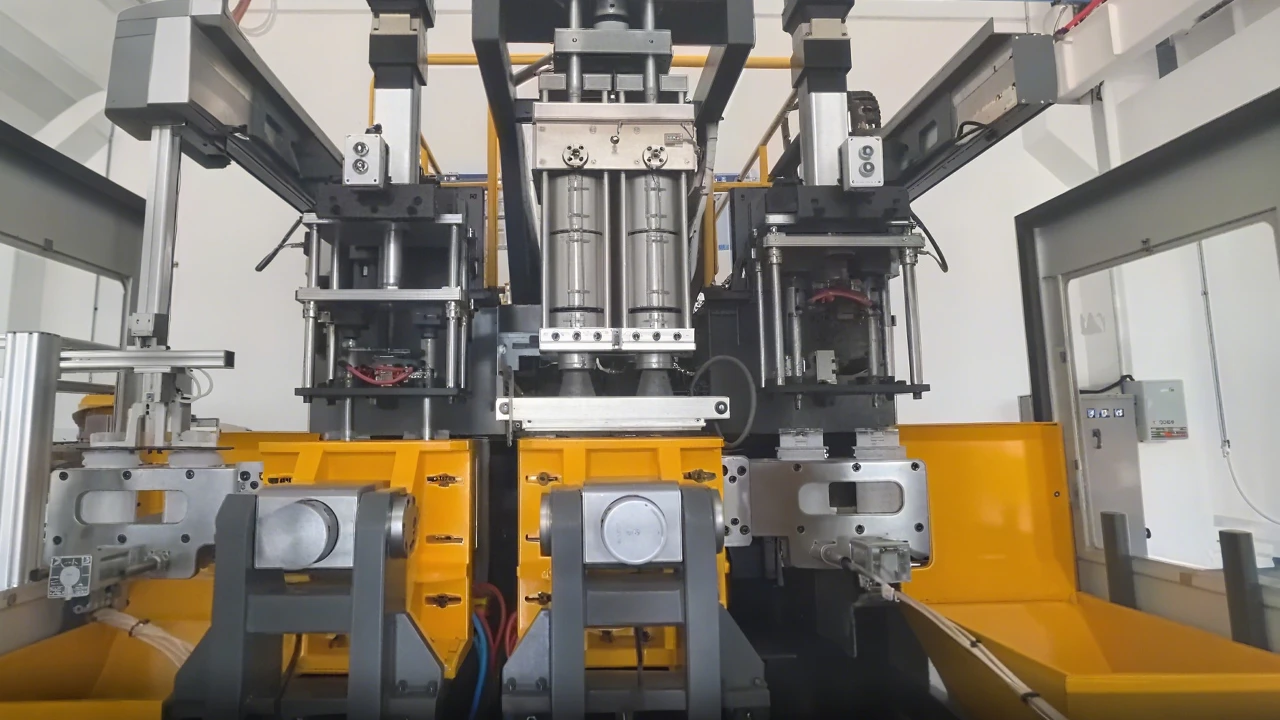
Blow molding and thermoforming are techniques used to create hollow PC parts, such as bottles and containers. In blow molding, the process shapes the polymer melt into a hollow tube and then inflates it to fit a mold. Thermoforming involves heating a polycarbonate sheet until it becomes pliable and then forming it over a mold.
3D Printing
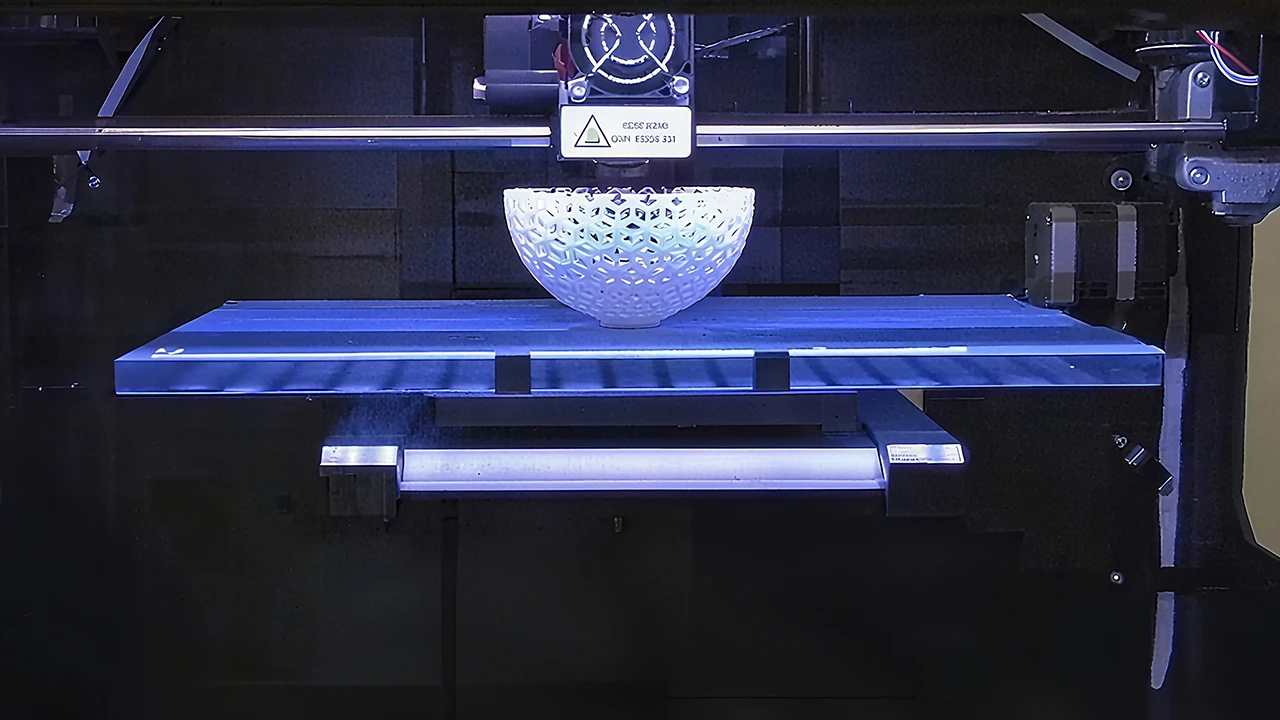
Polycarbonate(PC) is an excellent choice for 3D printing due to its strength and temperature resistance. When 3D printing with PC material, it’s important to use a high printing temperature (260-300°C) and a heated bed (90°C or higher) to ensure proper adhesion and prevent warping.
Polycarbonate’s strength and durability make it ideal for producing functional prototypes and end-use parts.Key parameters include:
- Printing Temperature: 260-300°C
- Bed Temperature: 90°C or higher
- Print Speed: 30-60 mm/s
Enhancing Polycarbonate(PC) Performance with Additives and Blends
Reinforced PC
Reinforcing polycarbonate with glass or carbon fibers can significantly enhance its mechanical properties, making it suitable for high-stress applications. These reinforced grades offer improved tensile modulus, flexural strength, and tensile strength, expanding the material’s utility in demanding environments.
UV Stabilizers and Flame Retardants
Adding UV stabilizers can protect PC plastic from ultraviolet light, enhancing its longevity in outdoor applications. Flame retardants, such as halogenated or phosphorous-based additives, improve polycarbonate’s fire resistance, making it safer for use in electronic components and other applications where fire safety is critical.
Blended Polycarbonate Grades
Blending polycarbonate with other thermoplastics, such as ABS or polyester, can optimize its properties for specific applications. For instance, PC/ABS blends combine polycarbonate’s toughness and heat resistance with the elasticity and processability of ABS, creating a material with a balanced combination of properties.
Coatings for Enhanced Durability
Applying hard coatings to polycarbonate surfaces can improve scratch resistance and chemical durability. These coatings are especially beneficial in optical applications and outdoor environments, where the material is exposed to potential damage and wear.
Additives for Improved Properties
Adding various additives can significantly enhance the properties of polycarbonate:
- Glass or Carbon-Fiber Reinforcements: These additives improve the tensile modulus, flexural strength, and tensile strength of the PC, making it suitable for high-stress applications.
- UV Stabilizers: Benzotriazole-based stabilizers protect PC from UV light, enhancing its longevity in outdoor applications.
- Flame Retardants: Halogenated, phosphorous-based, and silicone-based flame retardants improve PC’s fire resistance, making it safer for use in electronic components and other applications where fire safety is critical.
Thermoplastic Blends for Optimal Performance
Blending PC with other thermoplastics can optimize its properties for specific applications:
- PC/ABS Blends: These blends combine the toughness and heat resistance of polycarbonate with the flexibility and processability of ABS, creating a material with a balanced combination of properties.
- PC/Polyester Blends: These blends offer high chemical and superior heat resistance, suitable for specific industrial applications.
Coatings for Enhanced Durability
Applying hard coatings to PC surfaces can improve scratch resistance and chemical durability. These coatings are especially beneficial in optical applications and outdoor environments, where the material is exposed to potential damage and wear.

Safety and Environmental Considerations
Safety in Food Contact Applications
PC plastic is FDA-approved for food contact applications, making it safe for baby bottles, water containers, and various food-handling products. BPA-free versions are also available to address health concerns associated with bisphenol A (BPA).
Environmental Impact
Polycarbonate(PC) can be recycled, reducing its environmental impact. Recycling involves collecting and processing used PC products to create new materials, reducing waste and conserving resources.
Conclusion
Polycarbonate is a versatile and robust thermoplastic that caters to various applications, from automotive and electronics to construction and medical industries. Its unique combination of transparency, impact, and heat resistance makes it a preferred choice for designers and manufacturers.
By understanding its properties, applications, and processing techniques, industry professionals can effectively utilize polycarbonate to create innovative and high-performance products.
Tips: Learn more about the other plastics




 EN
EN  ES
ES  FR
FR  DE
DE  IT
IT  PT
PT  NL
NL  PL
PL  AR
AR  JA
JA  KO
KO  ZH
ZH