

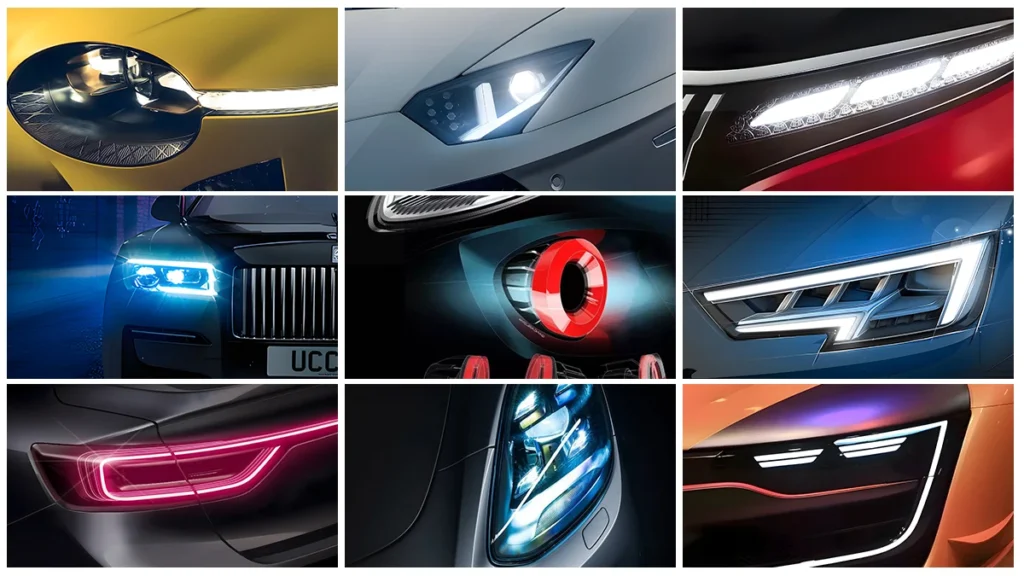
With the development of the automotive industry, exterior car components have evolved from mere functional elements to key features reflecting the vehicle brand and the owner’s personal aesthetic. Major exterior parts include bumpers, wheels, mirrors, headlights, grilles, etc. These components have seen breakthroughs in design, safety, durability, and the use of eco-friendly materials.
Headlights are a critical part of a car, providing illumination for drivers and serving as warning and communication tools. With the advancement of intelligent driving technology, automotive lighting design is increasingly moving towards smart and automated directions. Automotive lighting technology trends are also diversifying, such as Micro LED lighting, DLP projection headlights, OLED, Mini LED, pixel LED headlights, adaptive driving system (ADS) lighting, and projection signal light technology.
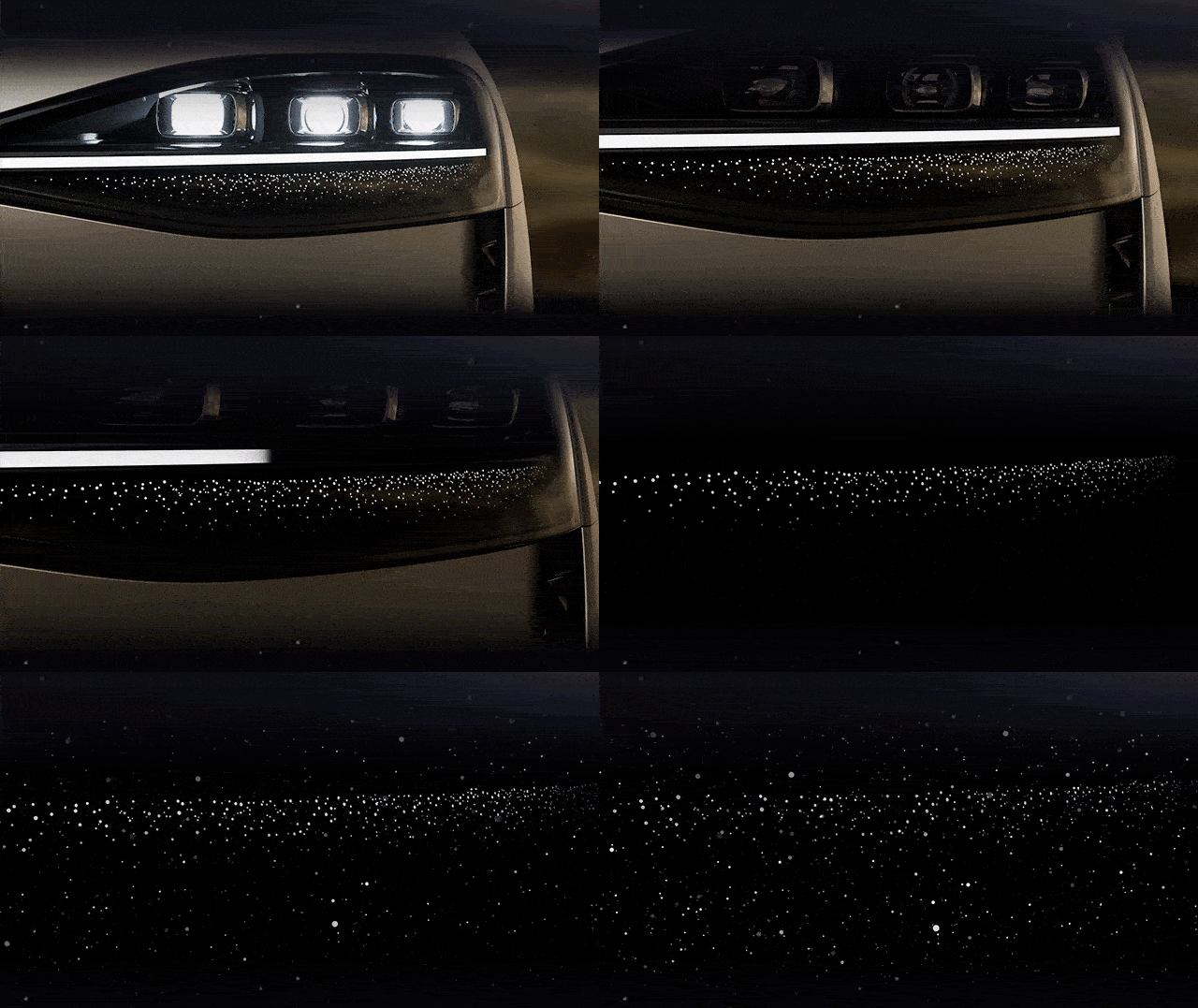
This article gathers the latest automotive lighting designs from major brands, allowing us to experience the trends in smart headlights.
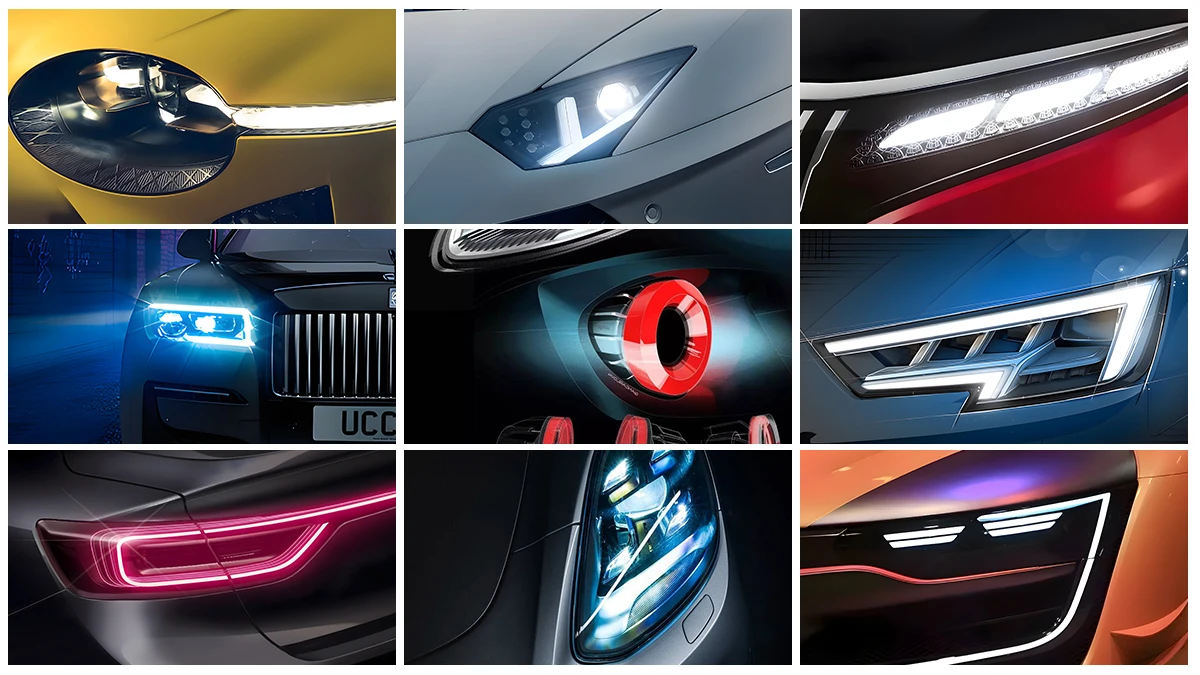
Latest Automotive Lighting Designs
01. BMW Vision Neue Klass
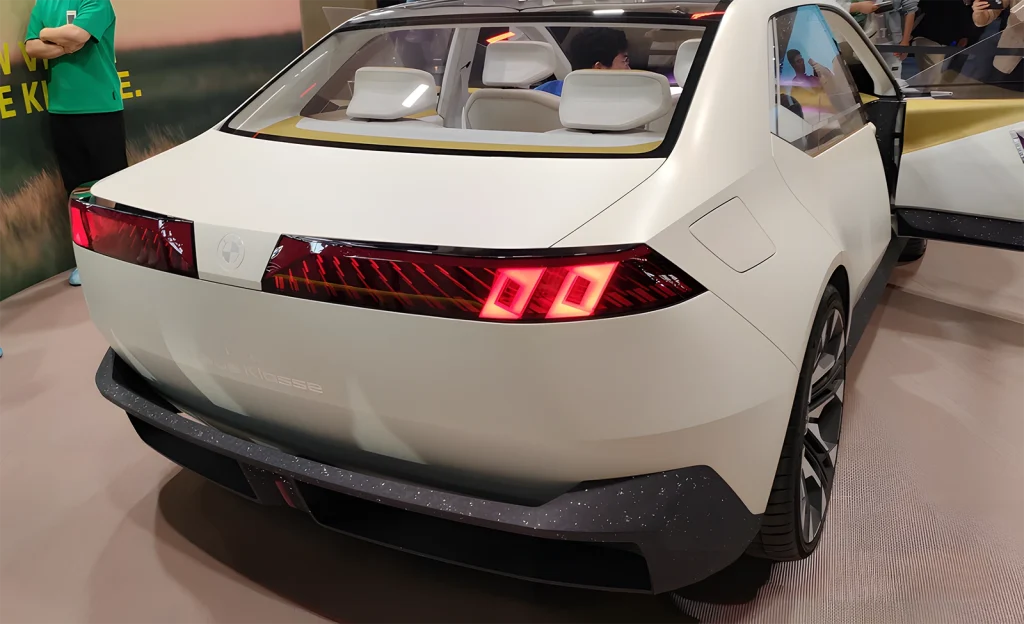
The BMW new generation concept car achieves innovative breakthroughs while inheriting classic designs, presenting a simple, technological, and futuristic atmosphere.
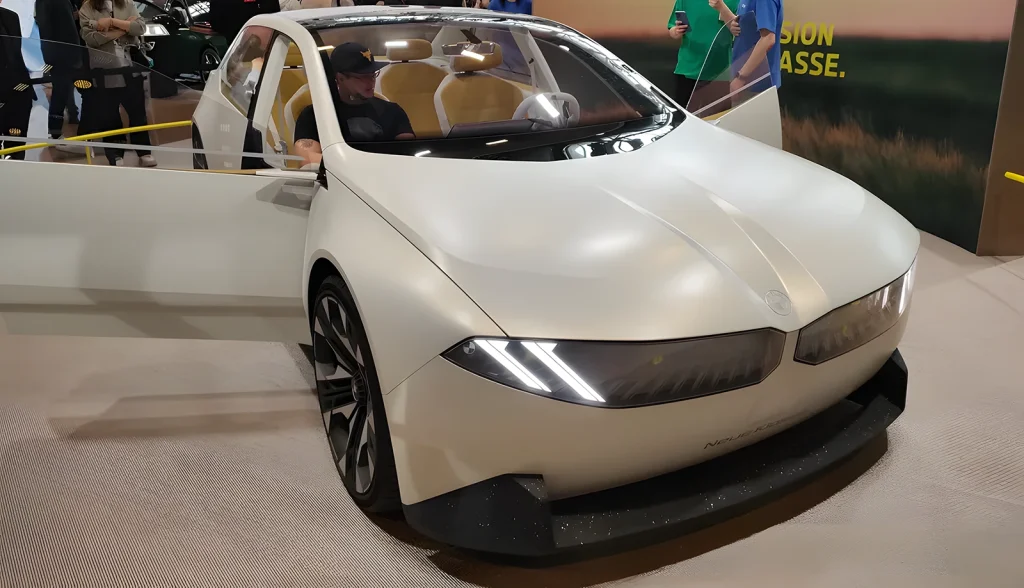
The front and rear designs are impactful, combined with the body’s three-dimensional lines, enhancing BMW’s driving pleasure. The front retains the iconic kidney grille design, merging with the headlights, and featuring a layered lighting design, giving a highly technological and dreamy feel.
02. Mercedes-Benz CLA Concept Car
The CLA concept car is a new interpretation of the “Sensual Purity” design language, featuring star emblem-shaped front and rear LED light groups, a continuous daytime running light strip, and a 3D star emblem-filled front grille, highlighting the beauty of technology.
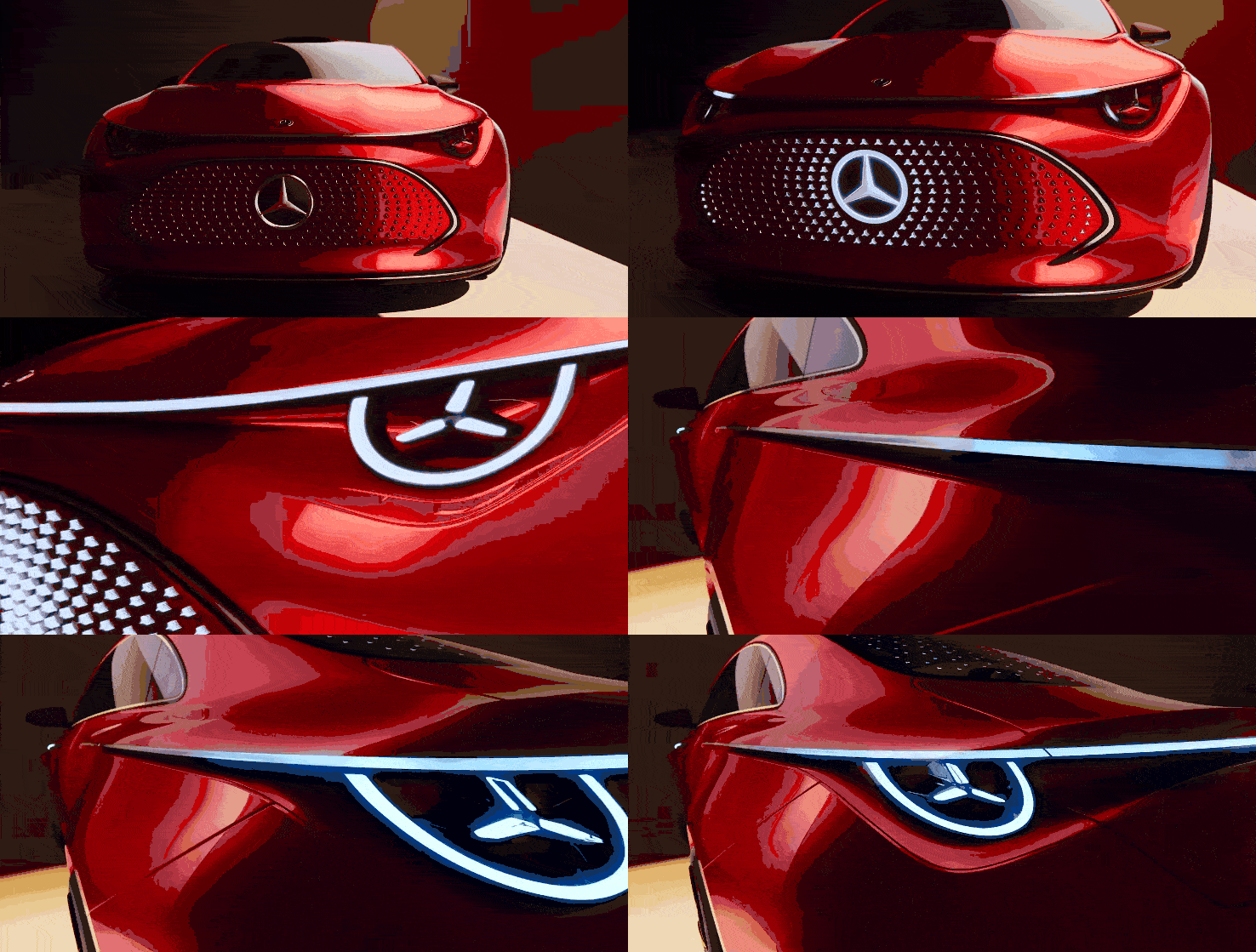
The front grille acts as a digital canvas, where each star emblem can shine, coordinating with the headlights, taillights, and body chrome trim in “welcome” mode, imbuing the CLA concept car with abundant emotion.

03. Audi Q6L e-tron
The new Audi Q6L e-tron adopts a popular split headlight design at the front.
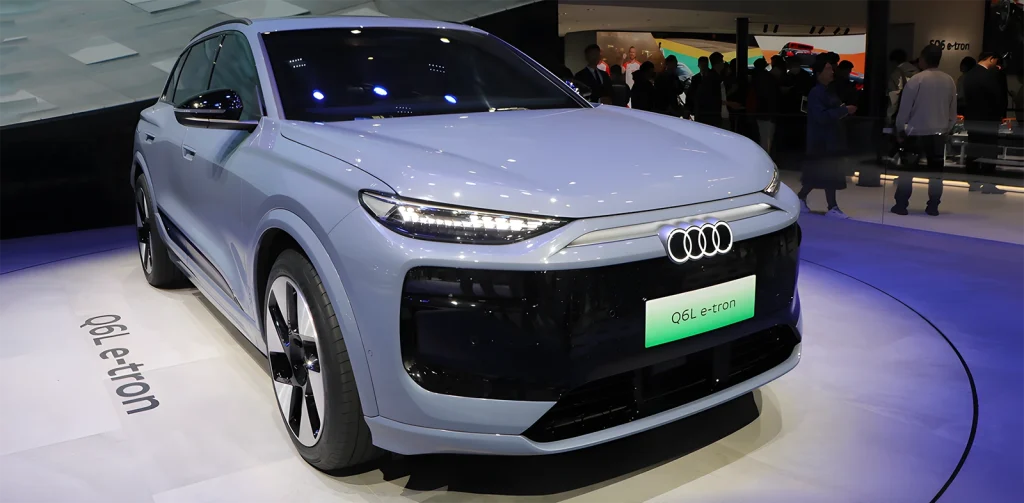
Unlike the commonly seen slim daytime running lights on electric vehicles, the Audi Q6L e-tron features unique active digital daytime running lights. The entire shape is closer to traditional headlights, containing 70 LED light sources that can achieve multiple “lighting signature” effects, functioning like small LED displays, allowing users to showcase a versatile and personalized front face.
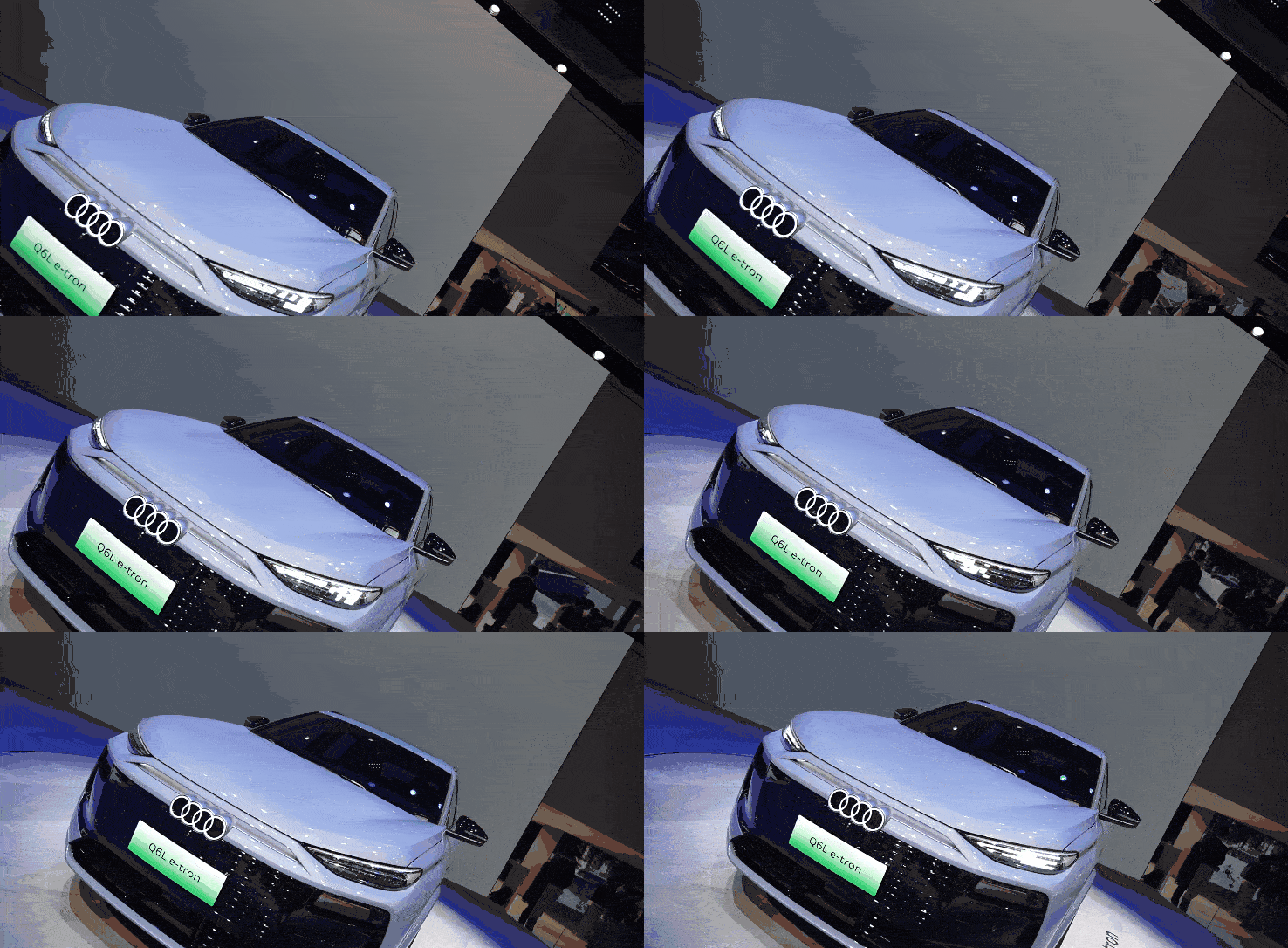
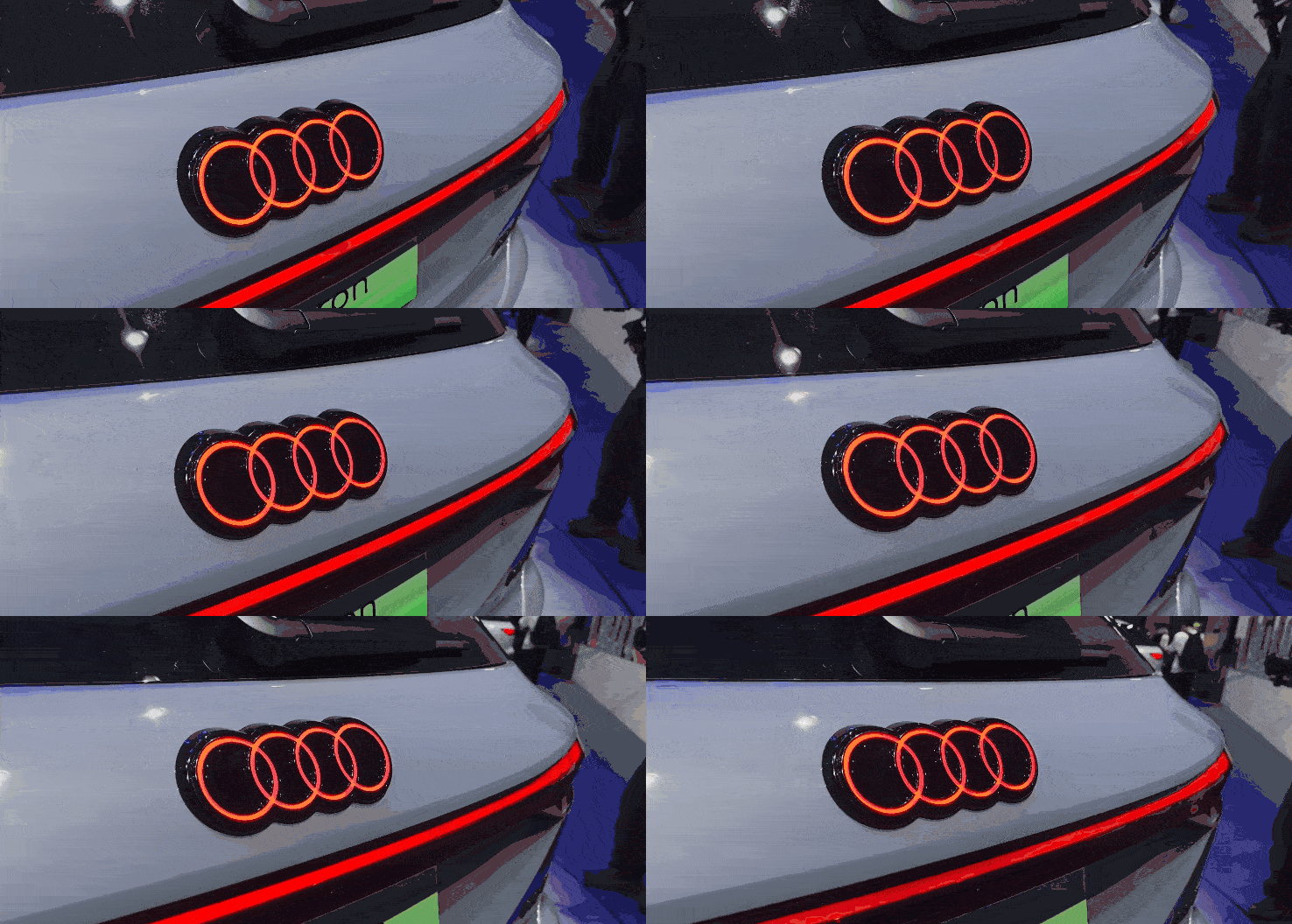
The new front face design includes not only the split headlights but also the illuminated “four rings” logo. This significantly enhances nighttime recognition and adds a fashionable touch to the usually low-key Audi brand.
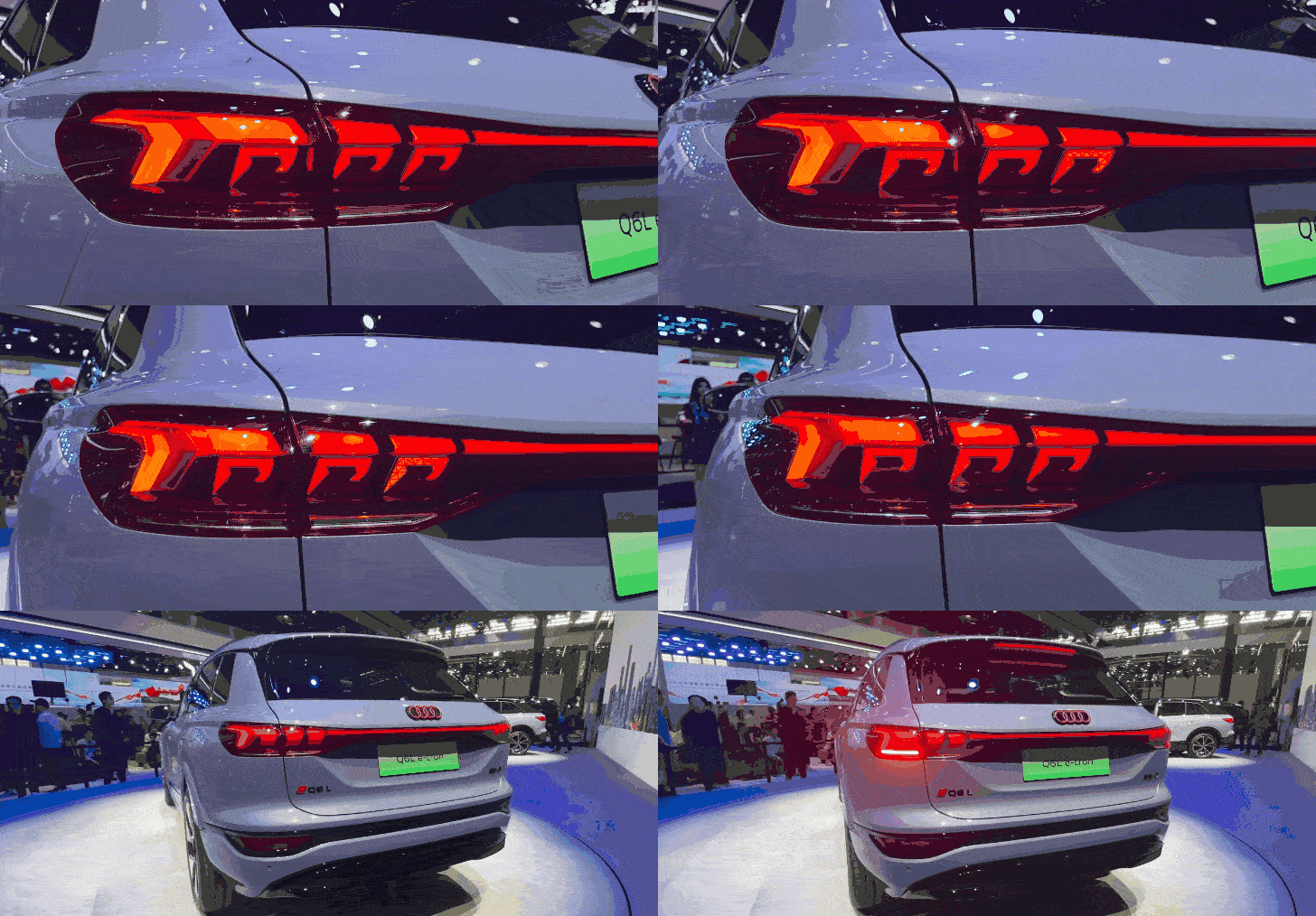
The rear design style of the new Audi Q6L e-tron harmonizes with the front face. The through-type taillights are the second generation of digital OLED taillights, equipped with six OLED panels, each comprising 60 individual light-emitting units. They can achieve multiple “lighting signature” effects with the front digital daytime running lights and even enable next-generation vehicle communication Car-to-X. In dangerous situations, a triangle warning will appear on the OLED taillights to alert other road users.
04. Volkswagen ID. CODE
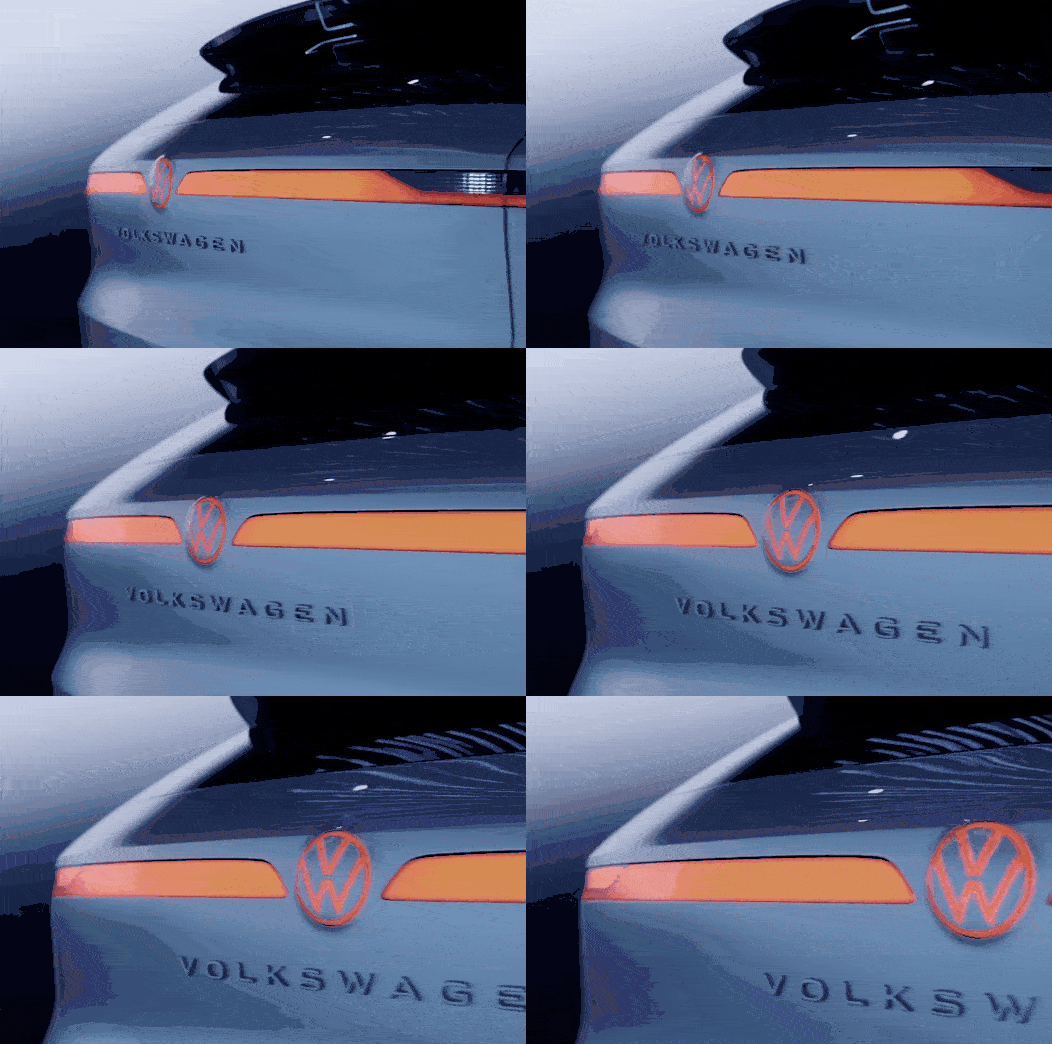
The Volkswagen ID. CODE is equipped with the latest AI intelligent lighting and display system. The new mobile living space inside the car merges the real and virtual worlds, capable of switching between manual driving and L4-level autonomous driving modes.
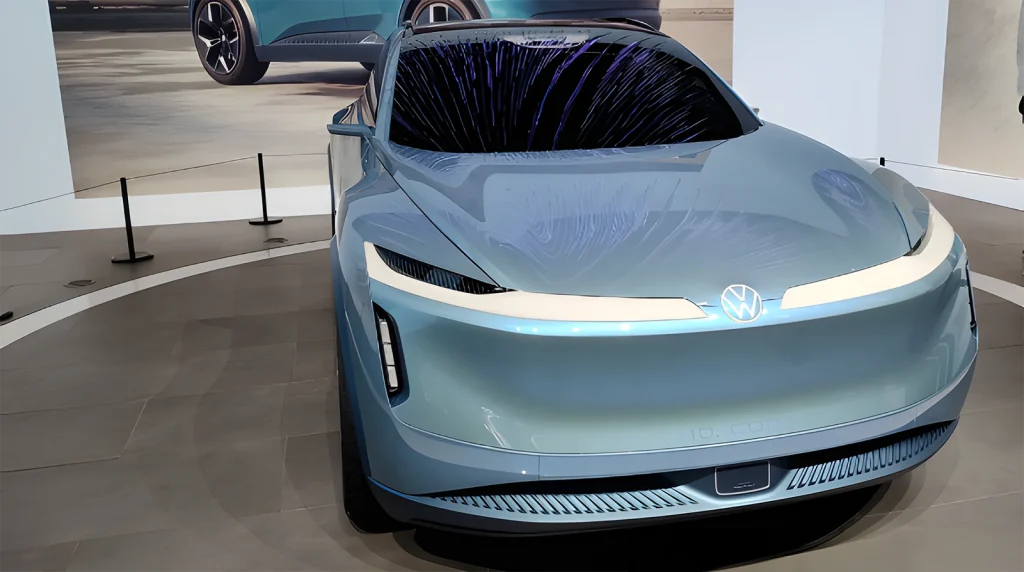
The “light cloud” lighting system of Volkswagen ID. CODE features many 3D micro-prisms that can play different animations for interaction. The center of the front embeds a self-illuminating Volkswagen logo, with both sides comprising many 3D micro-prisms capable of playing different animations for interaction, such as displaying rotating blue eyes when L4 autonomous driving is enabled, indicating to pedestrians that the car is in autonomous driving mode.
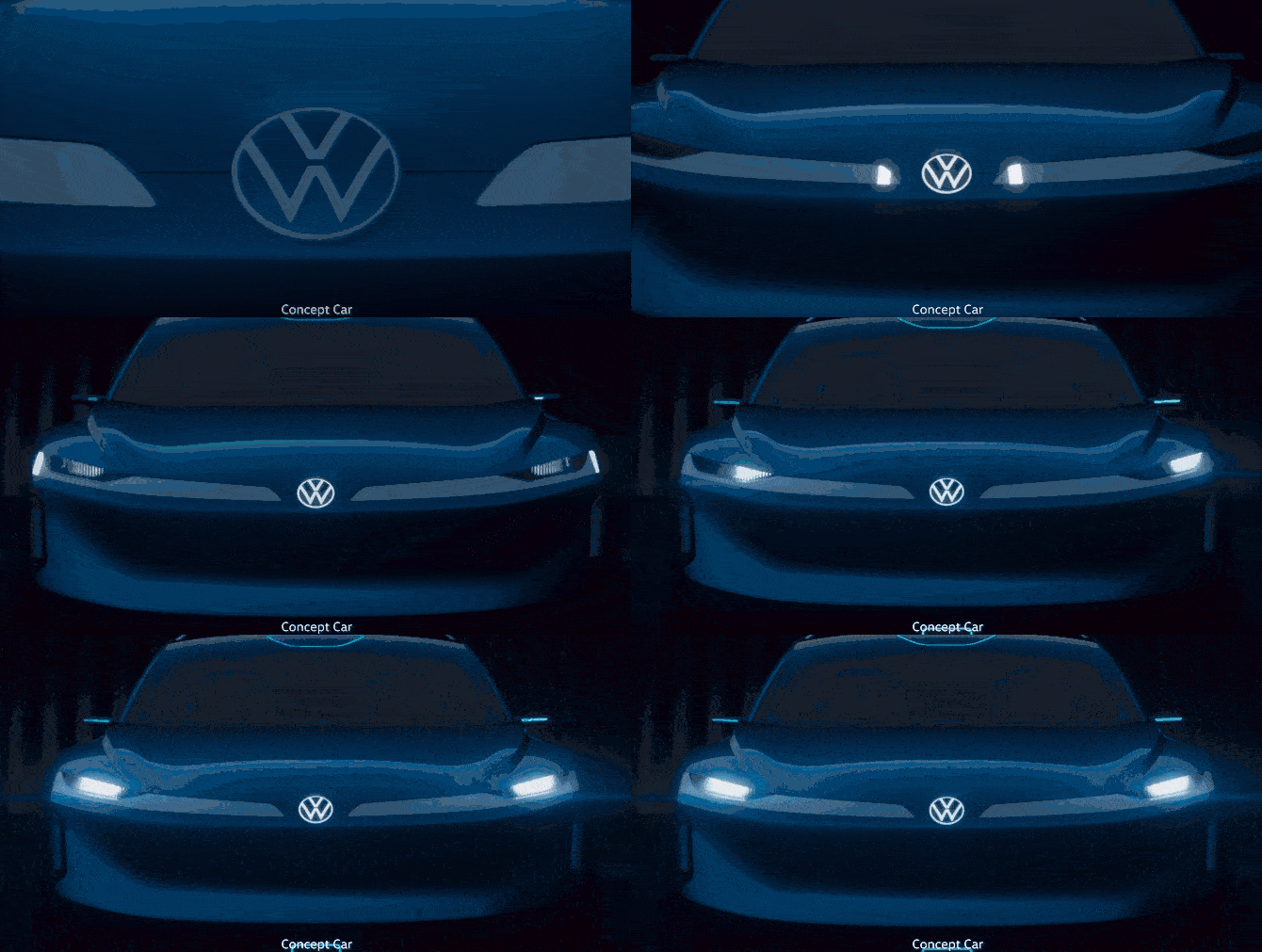
The rear also adopts a lighting strip design with a Volkswagen logo in the center, with both sides featuring light clusters made of multiple prisms, capable of highly customizable and informative displays, such as specific light effects to thank other road users.
05. Infiniti Vision Qe
Infiniti’s new pure electric concept car – Vision Qe
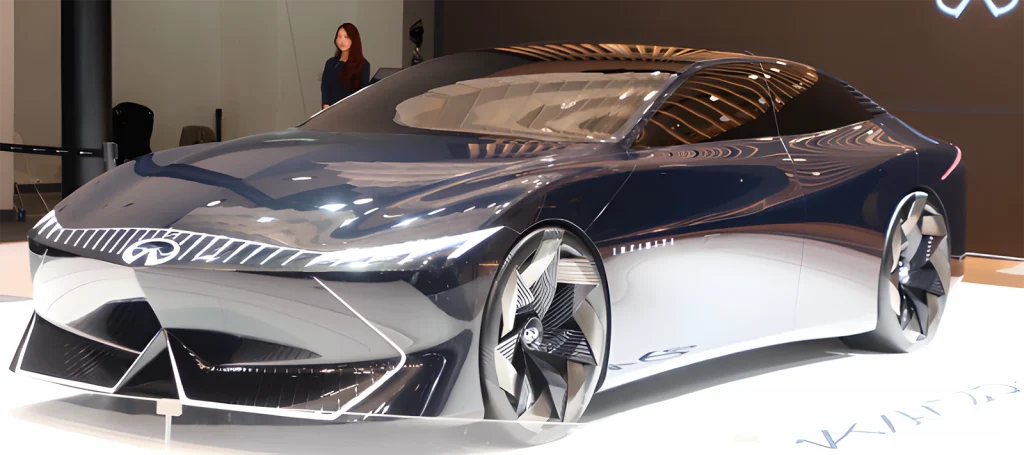
The Vision Qe features a compact front design, with a flat front paired with a slanted A-pillar for better-streamlined shapes. The unique front bumper design also creates a good sense of sportiness.
The digital piano key lines outline the shape of the headlights, grille, and lower bumper, combined with the illuminated Infiniti logo, making the entire front look like a poised flame.
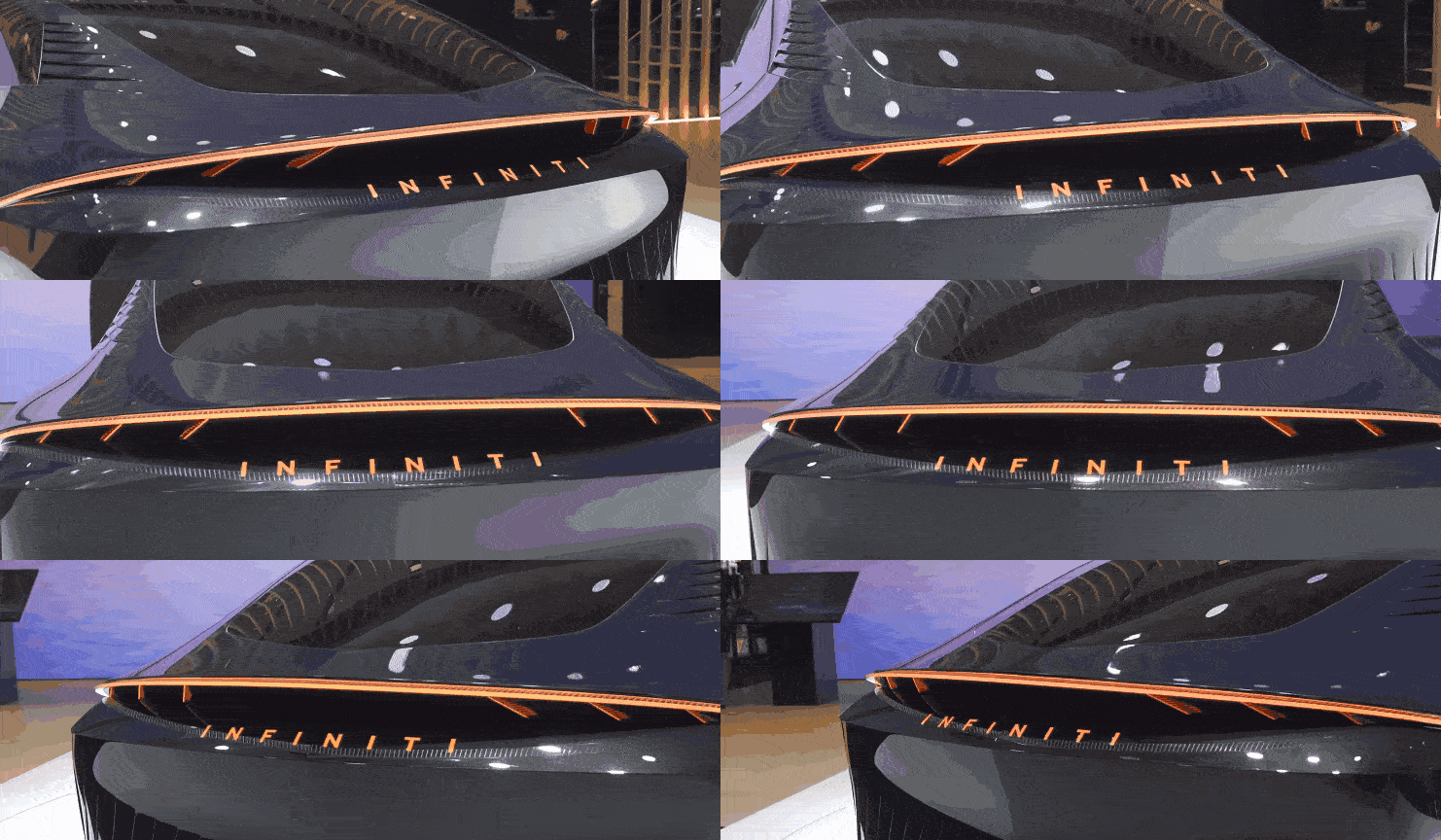
The light strip taillights echo the front light group, and the rear does not feature the traditional Infiniti logo but an illuminated INFINITI letter, adding a sci-fi touch.
06. VOLVO EX30
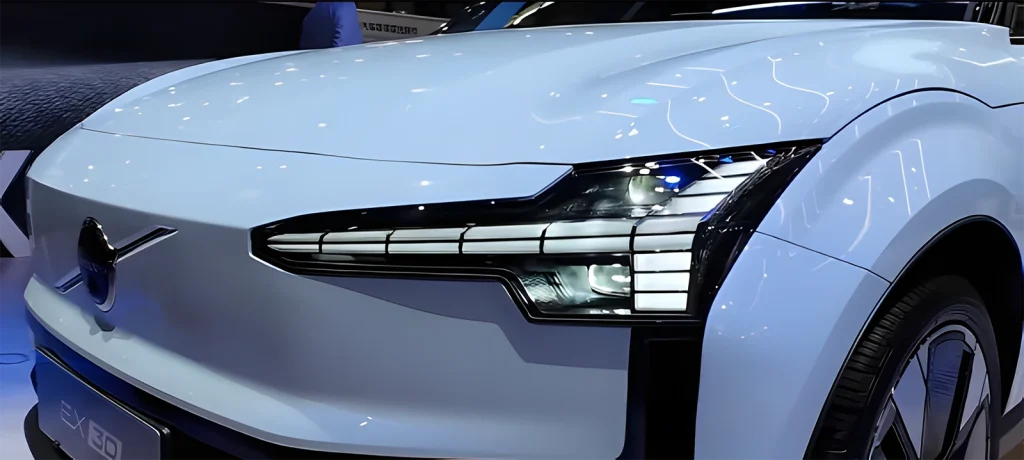
The front face features the characteristic closed design of electric vehicles, with Volvo’s familiar logo in the center, flanked by sharp “Thor’s Hammer” LED headlights. The internal light sources are in a pixel style, providing good recognition. Unlike the EM90, the “Thor’s Hammer” LED headlights of this model are fixed and cannot blink.
07. Honda Lingxi L
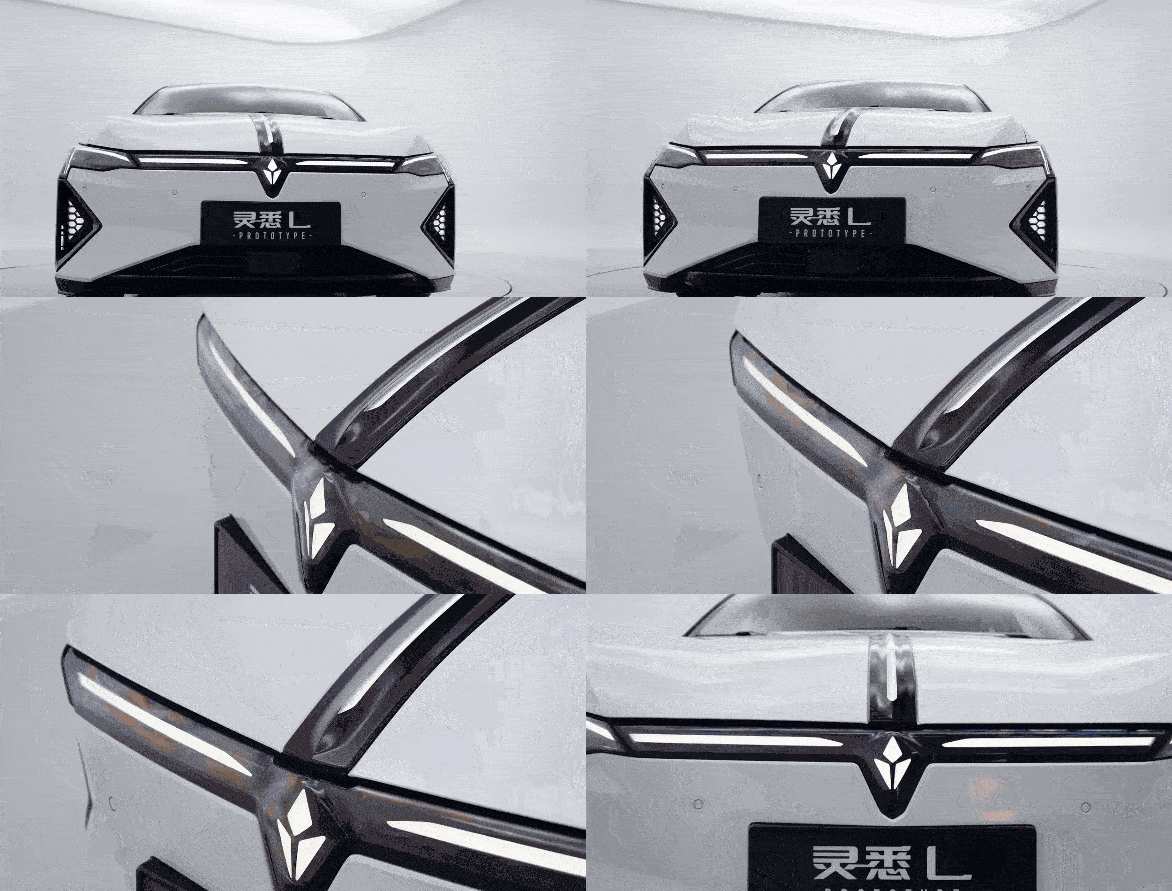
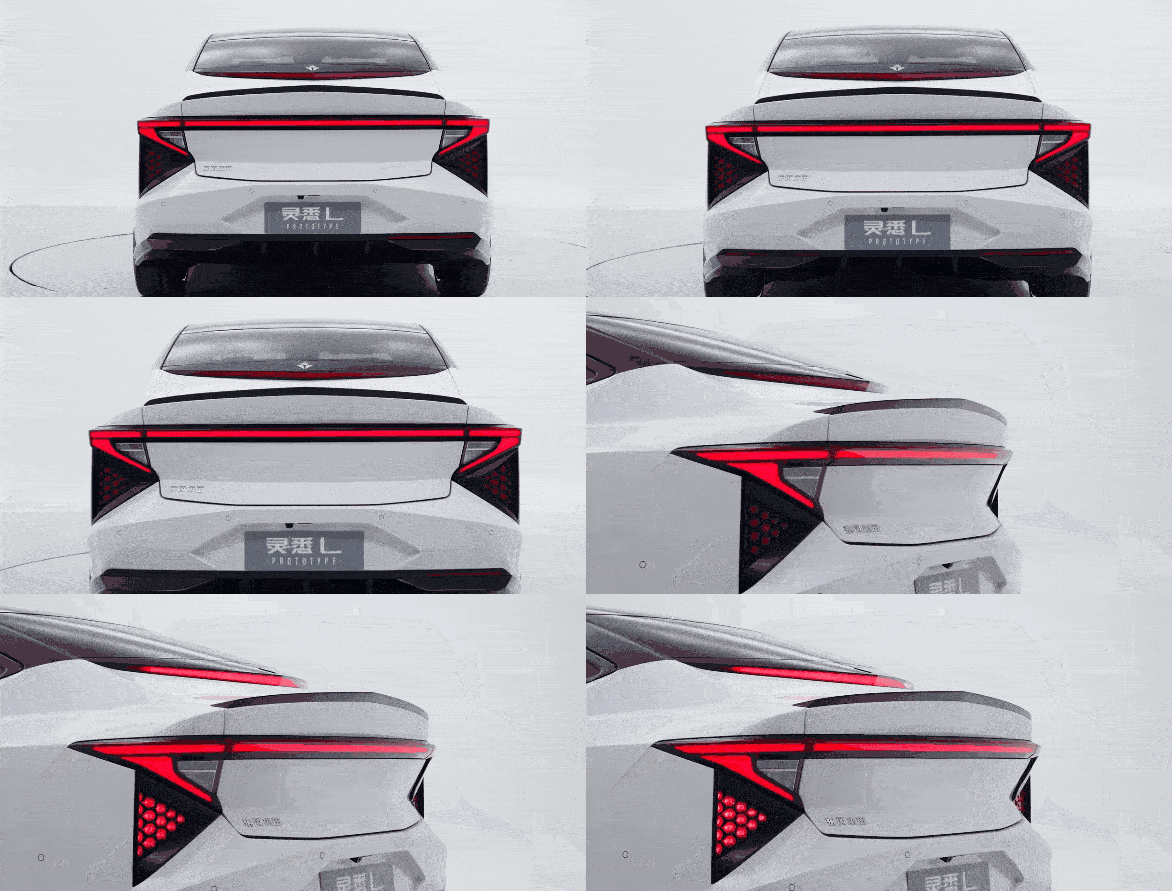
The “Lingxi L” exterior design adopts polyhedral elements, especially with triangles as the core design language, from the “Three Spread Wings” design on the front to the sharp lines on the sides and the ducktail design at the rear, showcasing unique ruggedness and dynamism.
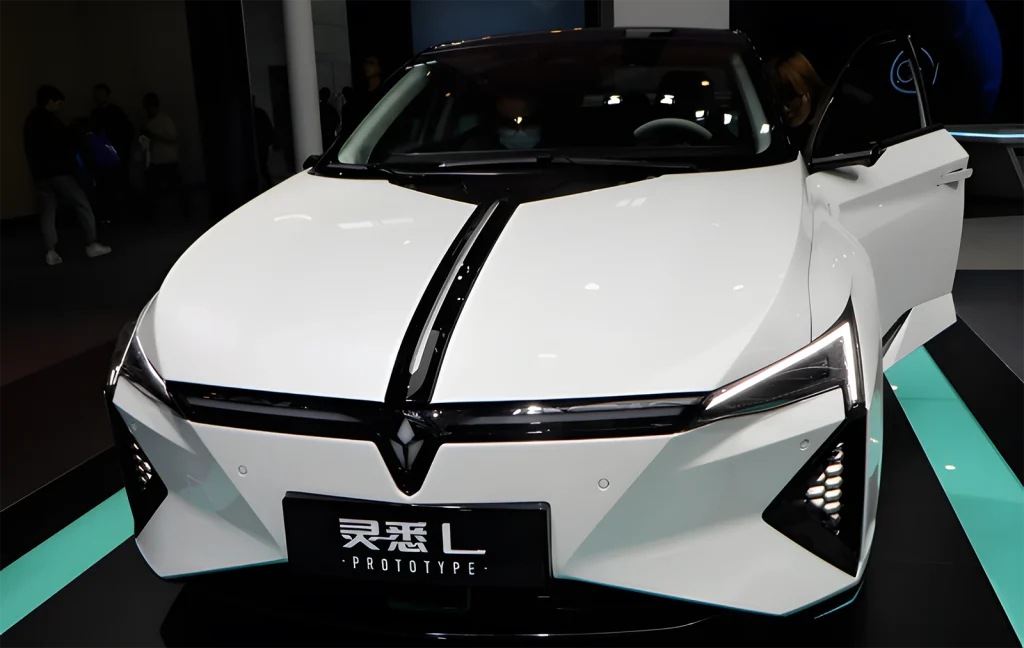
The most prominent feature of the front is the illuminated Lingxi logo, where the three geometric shapes represent the parent company Dongfeng, Honda, and users. The three light wings extending from the logo form the unique “Three Spread Wings” design mark, presenting a sharp and aggressive aura.
The through-type combination taillights give the model strong recognition, with the stepped high-position brake lights serving to separate airflow and reduce wind resistance, while the honeycomb-shaped brake lights maximize warning effects.
08. Ji Yue 07
The Ji Yue 07 front face adopts the common closed design of electric vehicles, with a Y-shaped front light group providing a good visual impact, and the entire front face is well recognized.
Ji Yue 07 is equipped with intelligent AI pixel lightings and interior/exterior voice functions, allowing users to engage in humanized interactions and emotional expressions with the AI-intelligent partner SIMO.
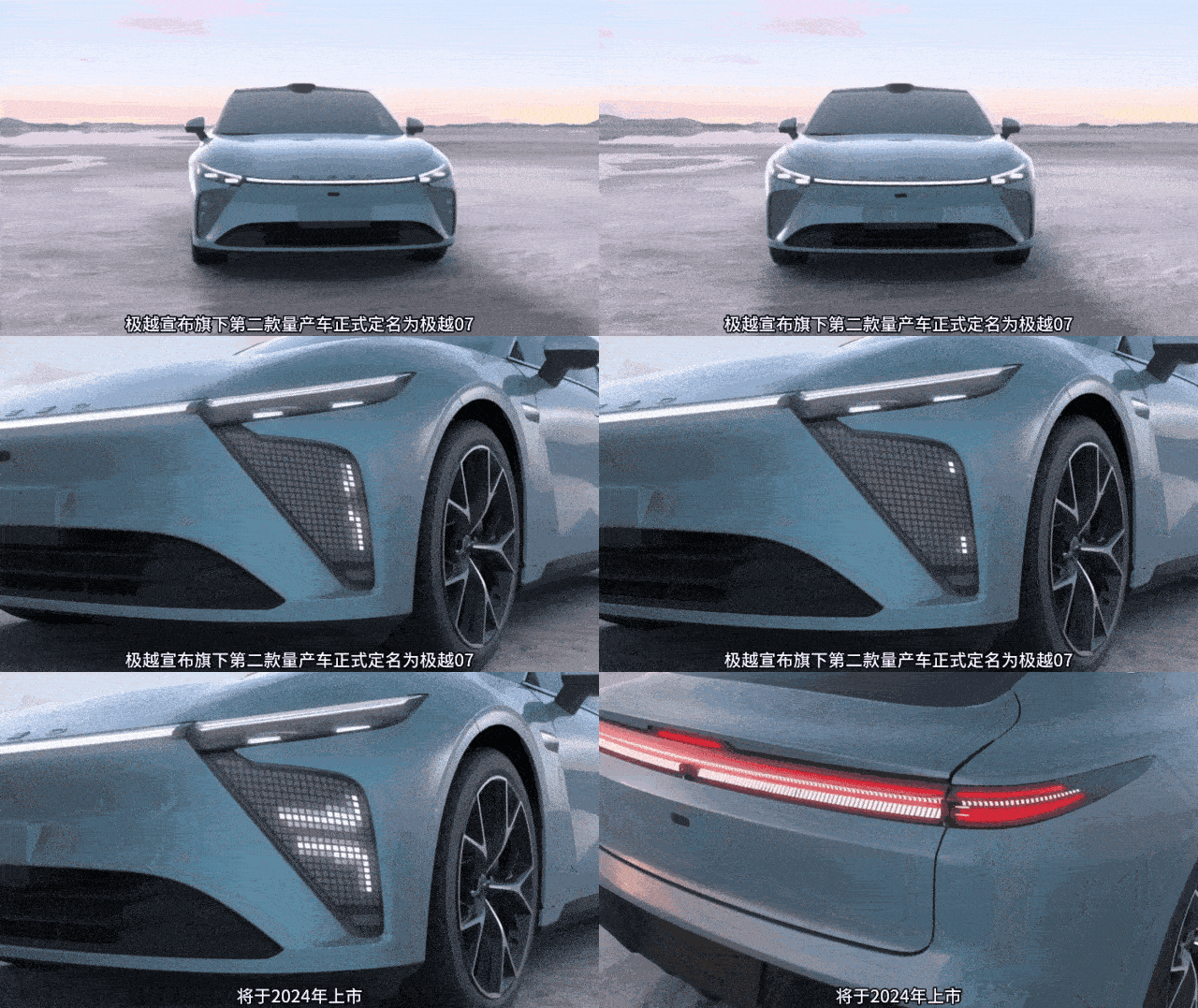
The slender through-type taillights give the new car’s rear a good sense of technology, with the Y-shaped treatment on both sides echoing the front light group, providing good overall recognition.
09. Mazda EZ-6
The Mazda EZ-6 features the illuminated Mazda Wing design. The new front face adopts a laser starlight design, adding a three-dimensional electroplated illuminated logo, emphasizing the characteristics of new energy.
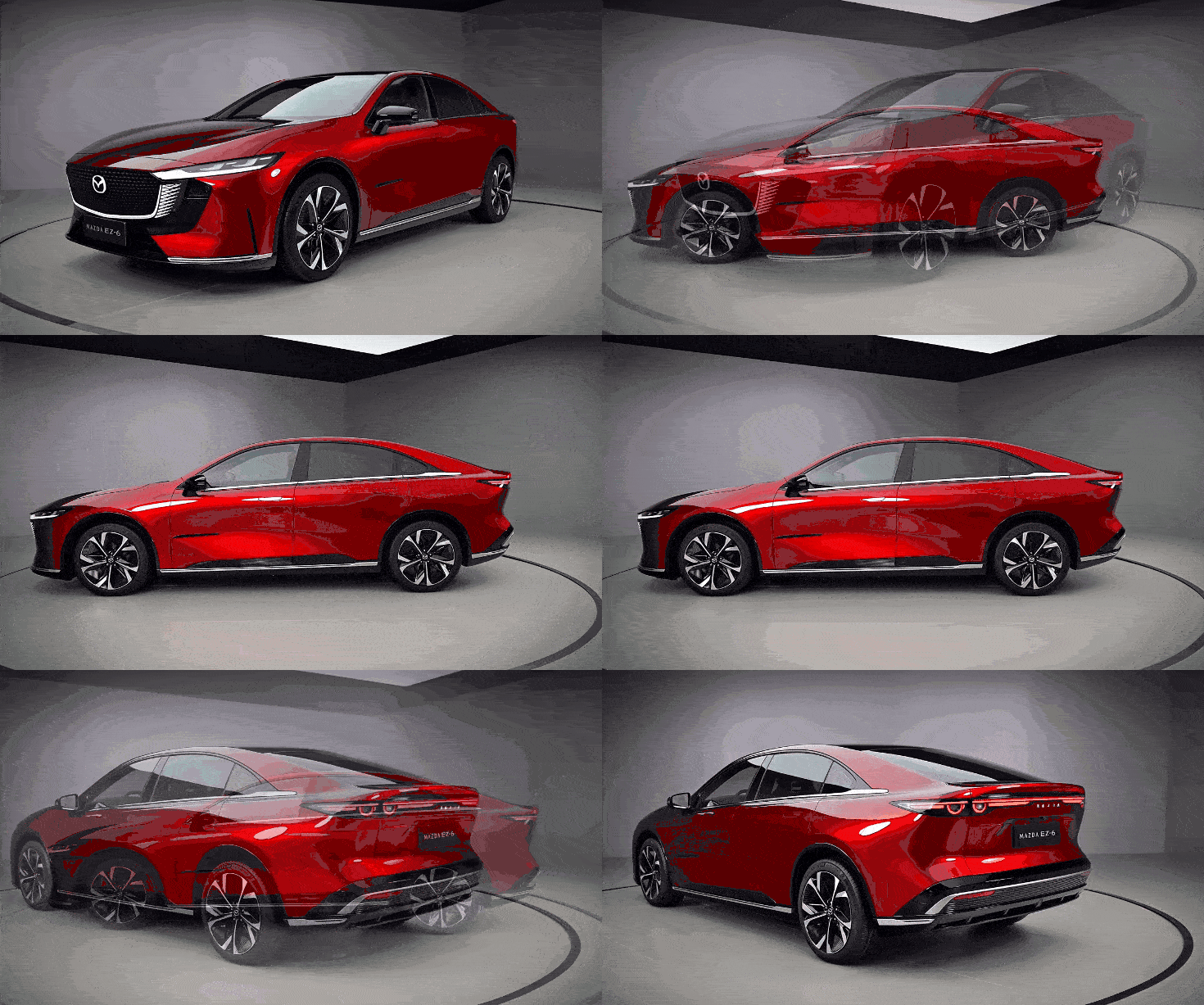
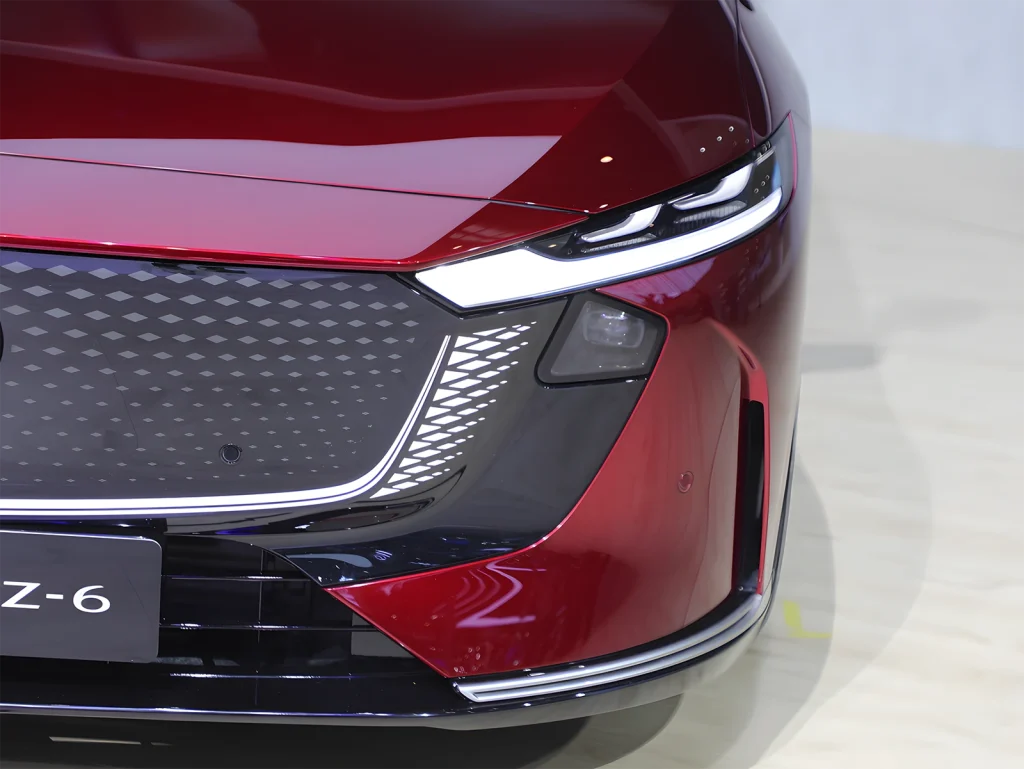
The lighting adopts a split structure, with the main light source hidden below the daytime running lights. The grille features a diamond dot matrix design of varying sizes. The LED light strip around the grille, combined with the feather-shaped light sources on both sides, forms the LED light group named Mazda Wing, with the illuminated Mazda logo in the center, providing high brand recognition for the EZ-6.
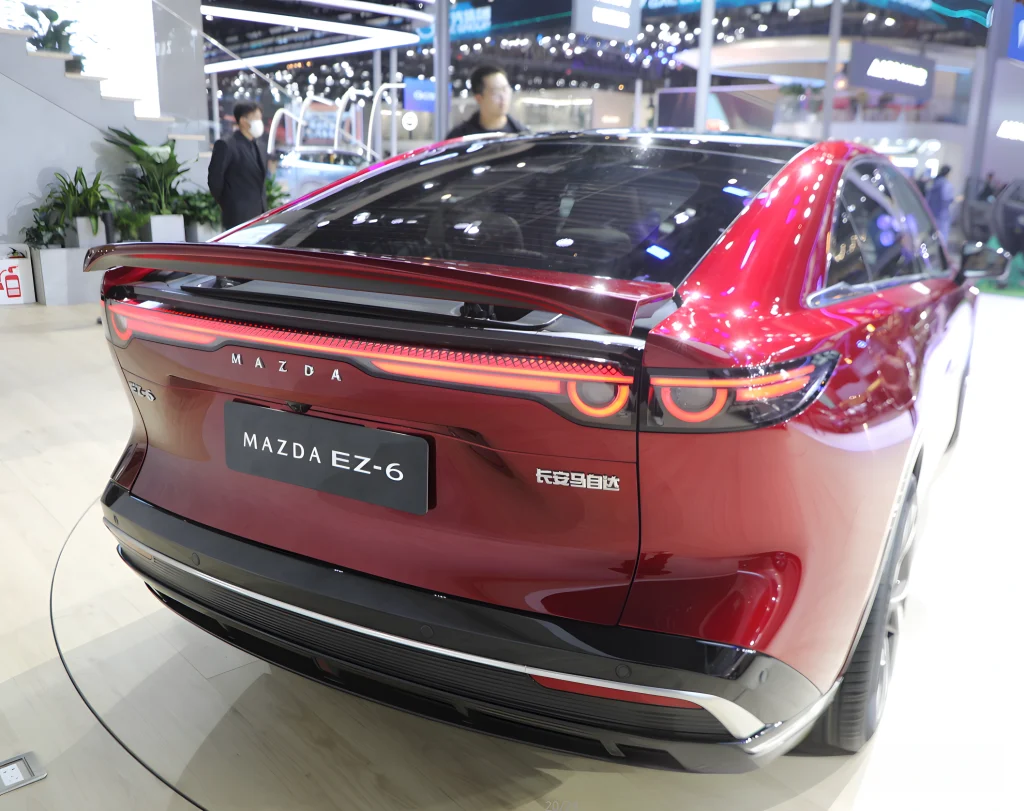
In terms of the rear lights, the Mazda EZ-6 retains the family’s distinctive cannonball round lights in a through-type design.
10. Changan Qiyuan E07
The exterior of this car features a closed front face design with an illuminated LOGP, adding a tech attribute to the car. The daytime running lights are integrated into the appropriate trim panel, with a closable air intake design below.
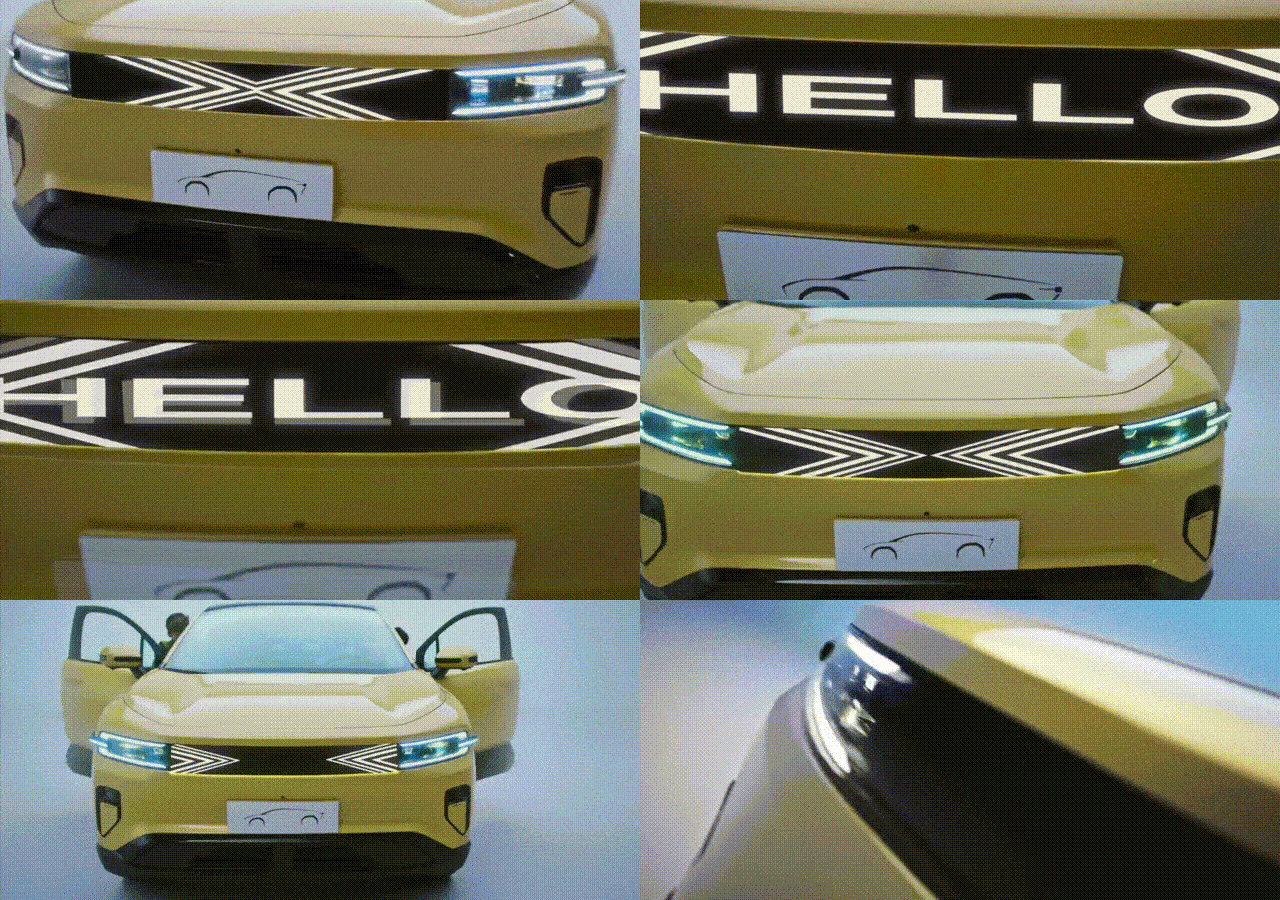
The rear part has a distinctive style, with the through-type taillight design played out uniquely on the Qiyuan E07. The C-shaped taillight design echoes the daytime running lights on the front.
Parametric Design Cases of Automotive Lights
Parametric design is complex and difficult to explain professionally. For simplicity, it can be summarized as: creating patterns and textures with a certain rhythm and complexity through computer design. This often results in appearances with a sense of rhythm and layered beauty, an artistic representation of engineering and geometry in three-dimensional space. Originating from the architecture industry, it has gradually expanded to the automotive field in recent years. This has become a new design trend.
The advantage of this design approach is evident as it provides quantifiable data for design, enabling logical adjustments to enhance design freedom, making shapes more varied, and significantly improving design efficiency and quality.
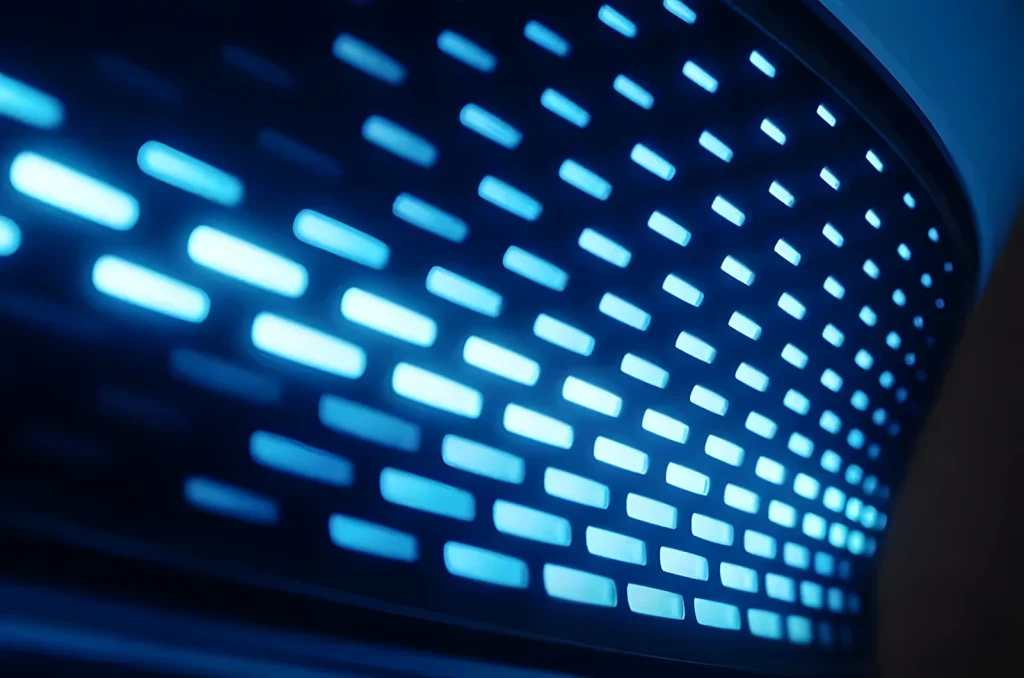
Generally, the parametric texture design of automotive lights is achieved mainly through mold laser texturing, processed in one go on production molds, and then injection molded. This can produce more complex 3D textures, suitable for mass production projects with high efficiency and low cost per unit. Not only automotive lights but also partial parametric designs are applied in interiors.
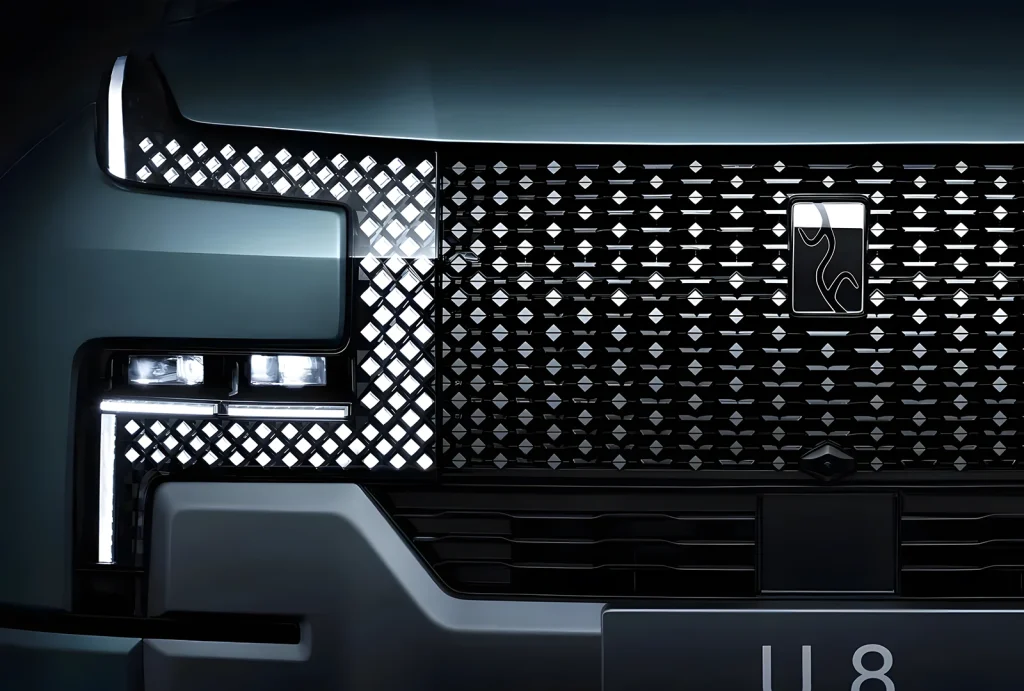
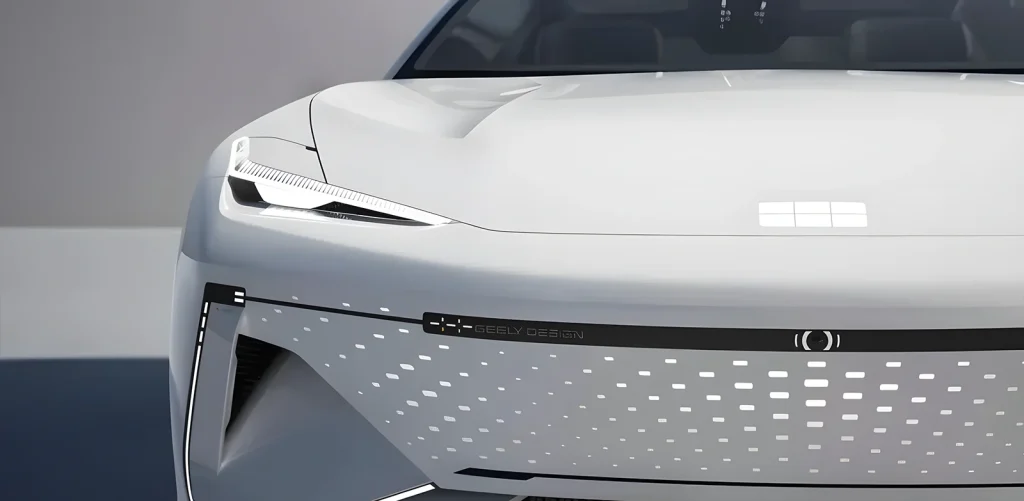
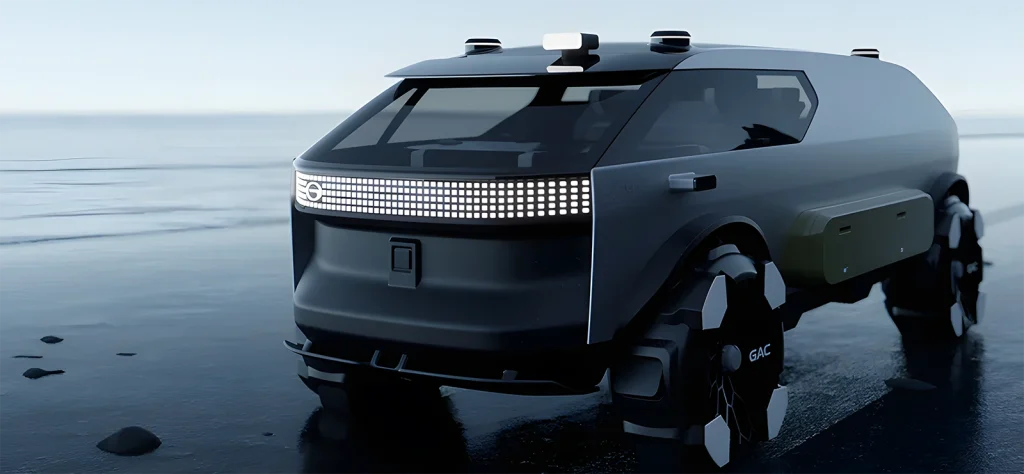
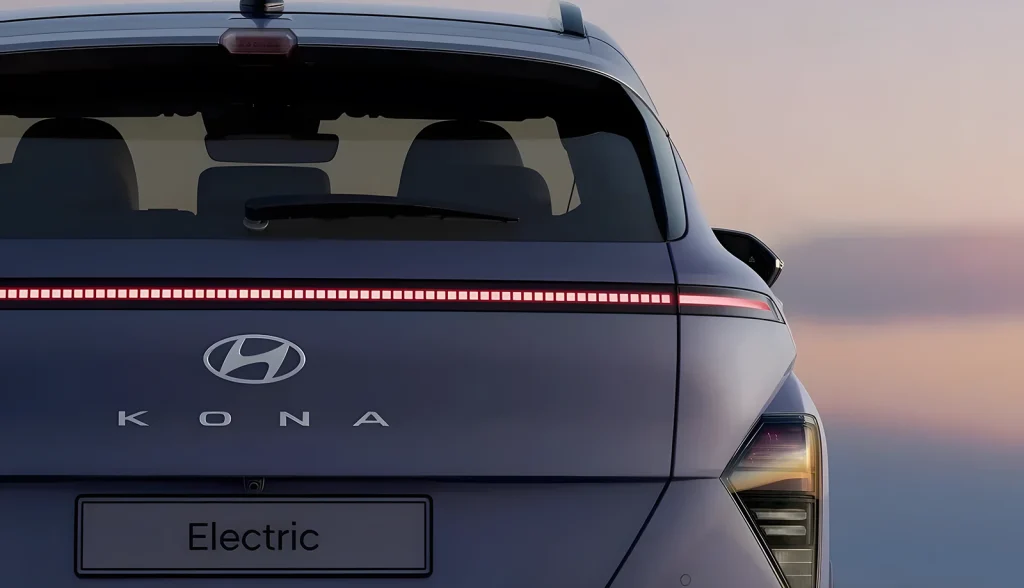
The application of parametric design in automotive lights usually focuses on local three-dimensional spaces, most directly in headlights. It integrates surface, transparency, and optical elements to achieve cool, intelligent exterior effects. The patterns are not necessarily complex but generally possess unique aesthetics and regularity.
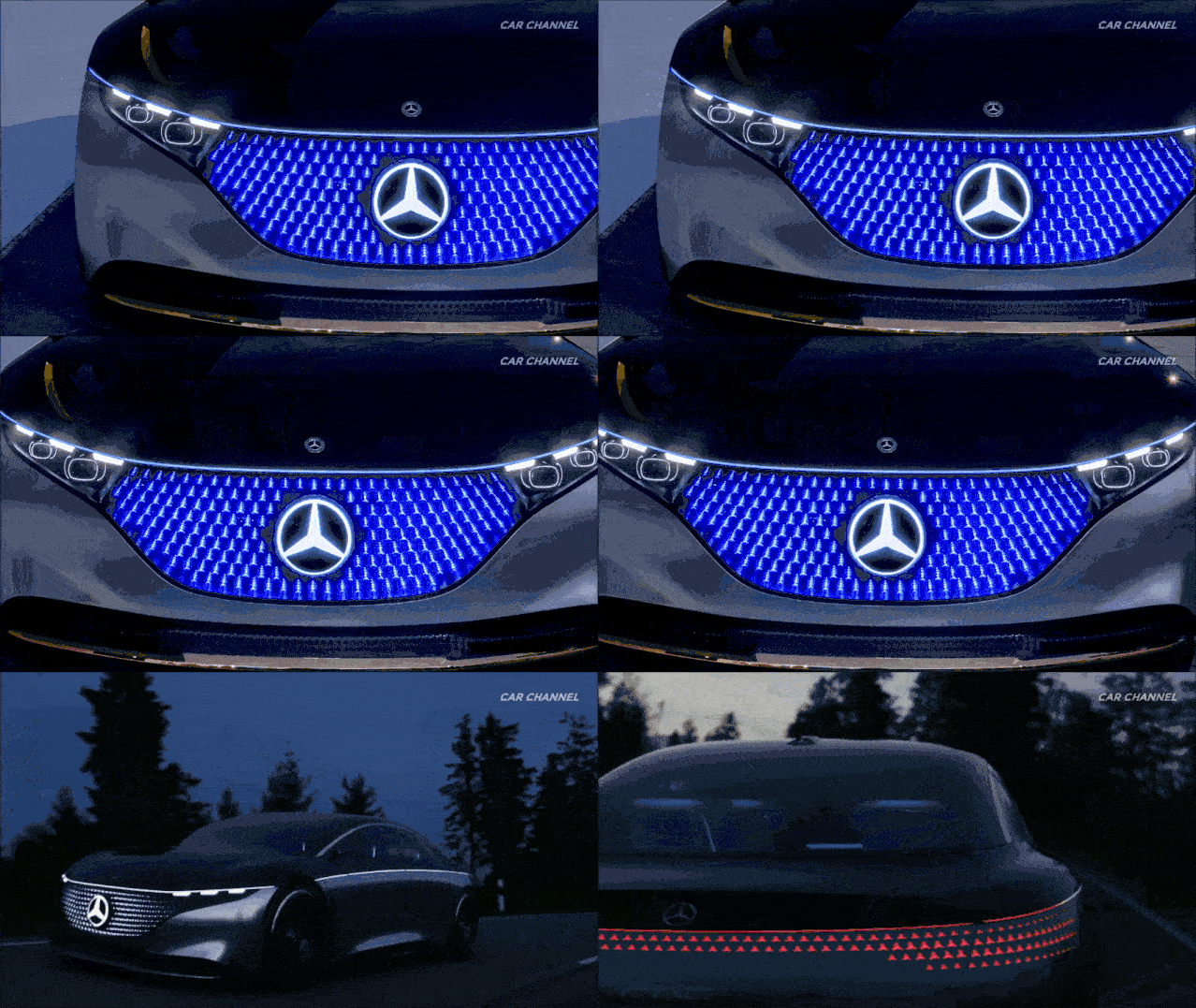
Currently, parametric automotive light design has become a standard feature for new models from various manufacturers. Below are some parametric texture headlight cases:
01. Audi Activesphere
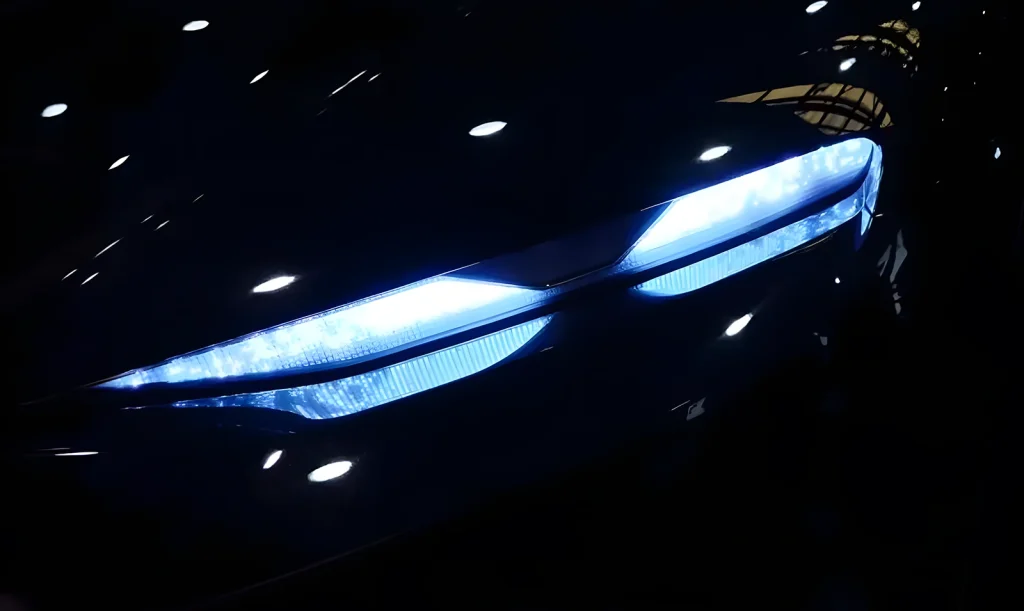
02. Changan Viia
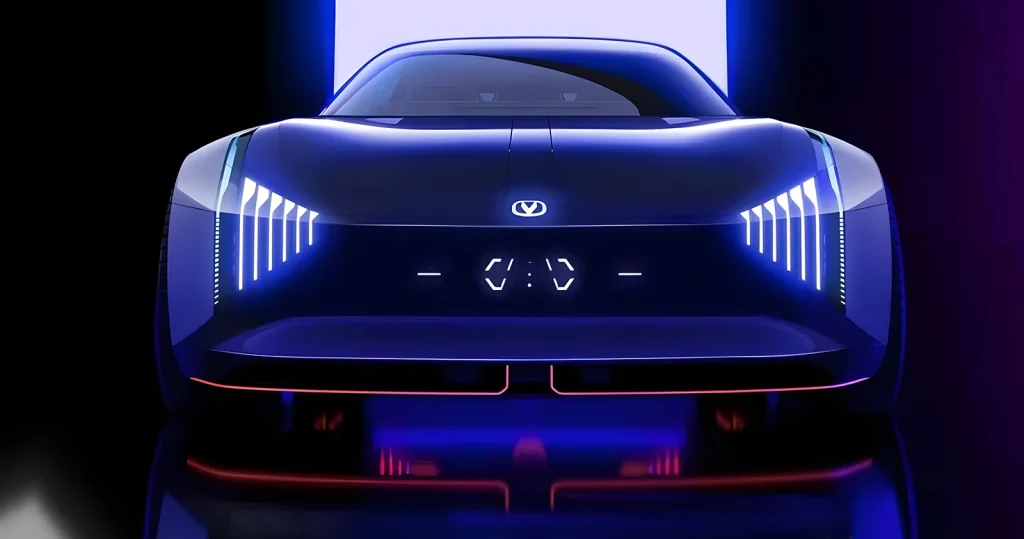
03. Yangwang U8+U9
04. Geely Galaxy Light Concept Car
05. GAC Van Life Concept Electric Camper
06. Hyundai Kona
07. Renault Espace
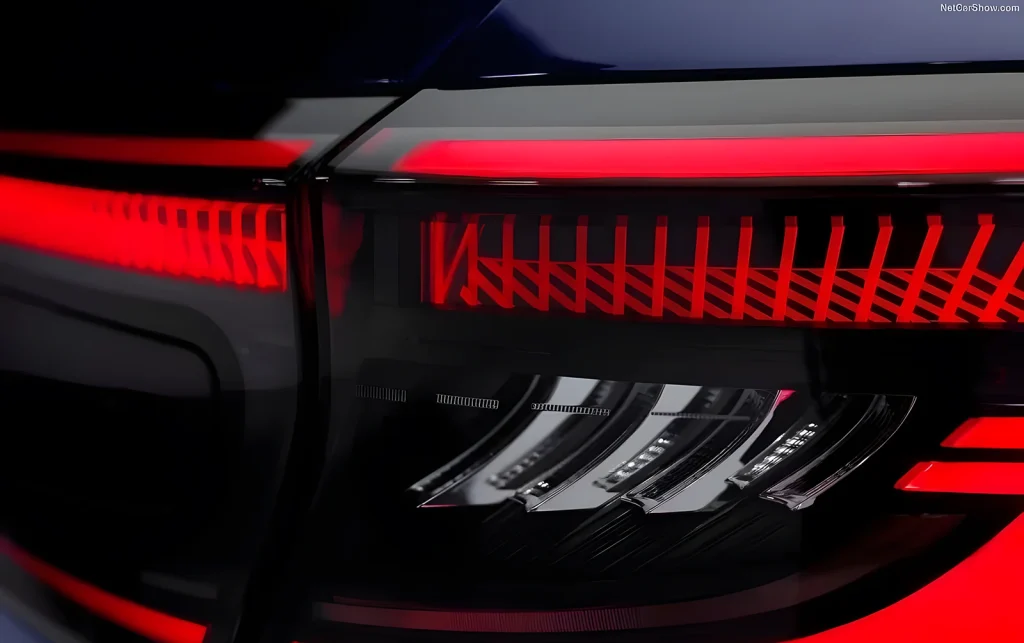
08. Volkswagen ID.7
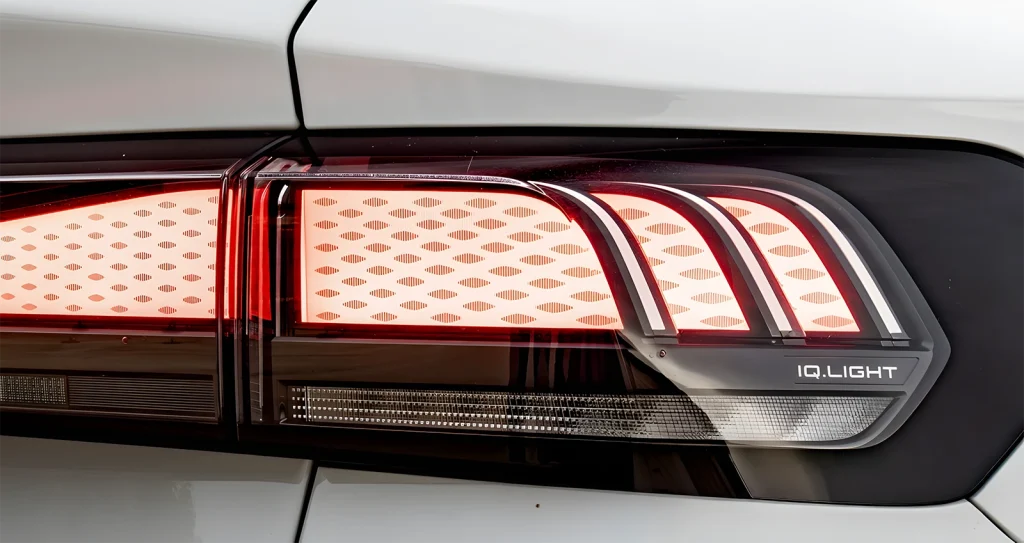
Conclusion
In summary, the interactive functions of car headlights are becoming more diverse. The combination of illuminated logos and smart grilles is a new trend. Through-type taillights remain mainstream, headlight designs are flourishing, illuminated logos are becoming standard, and AI interaction is gradually being introduced, leading to smarter and more connected experiences.
For further reading on industry leaders, you may refer to a report on the recommended automotive lighting manufacturers. Additionally, a detailed case study on rear reflector injection molding is recommended for insights into specialized production processes.




 EN
EN  ES
ES  FR
FR  DE
DE  IT
IT  PT
PT  NL
NL  PL
PL  AR
AR  JA
JA  KO
KO  ZH
ZH