

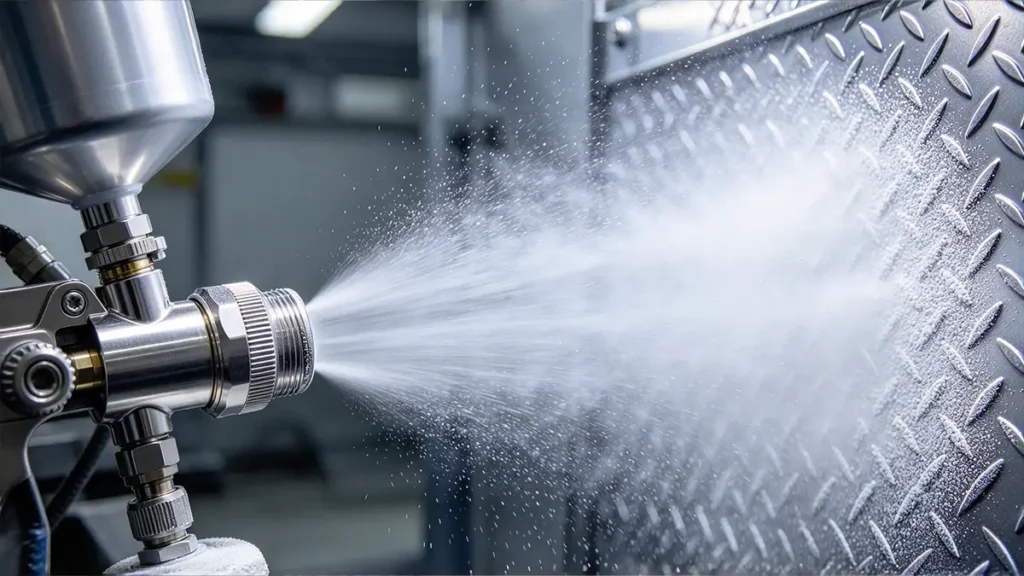
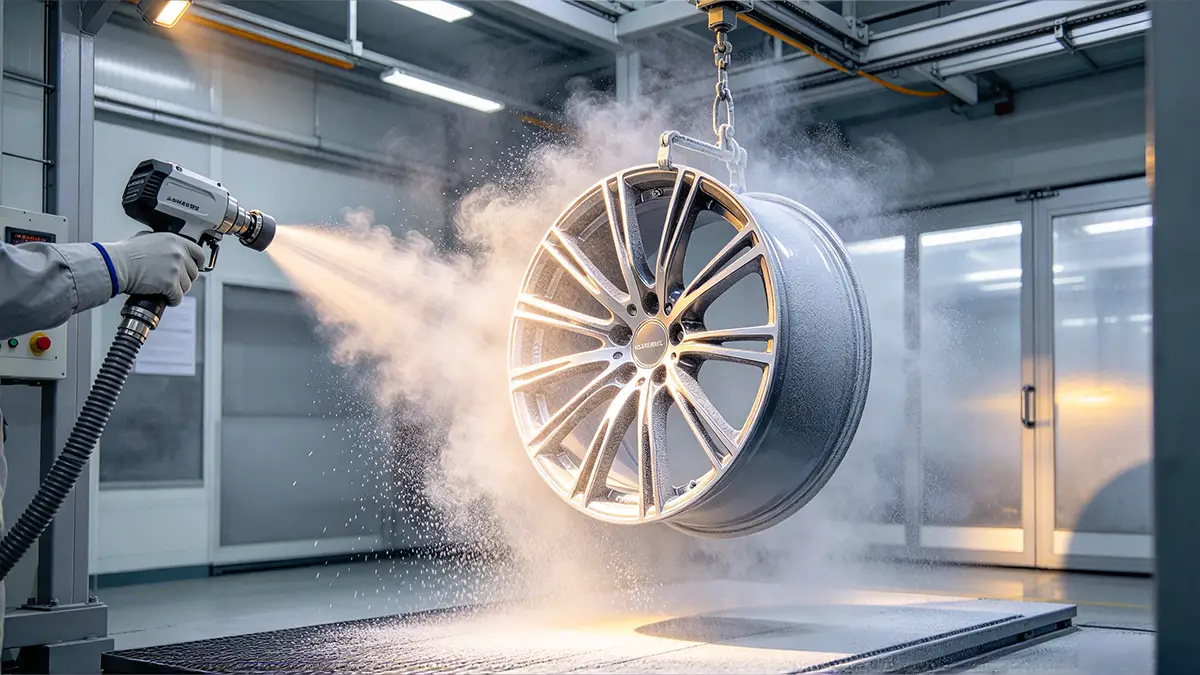
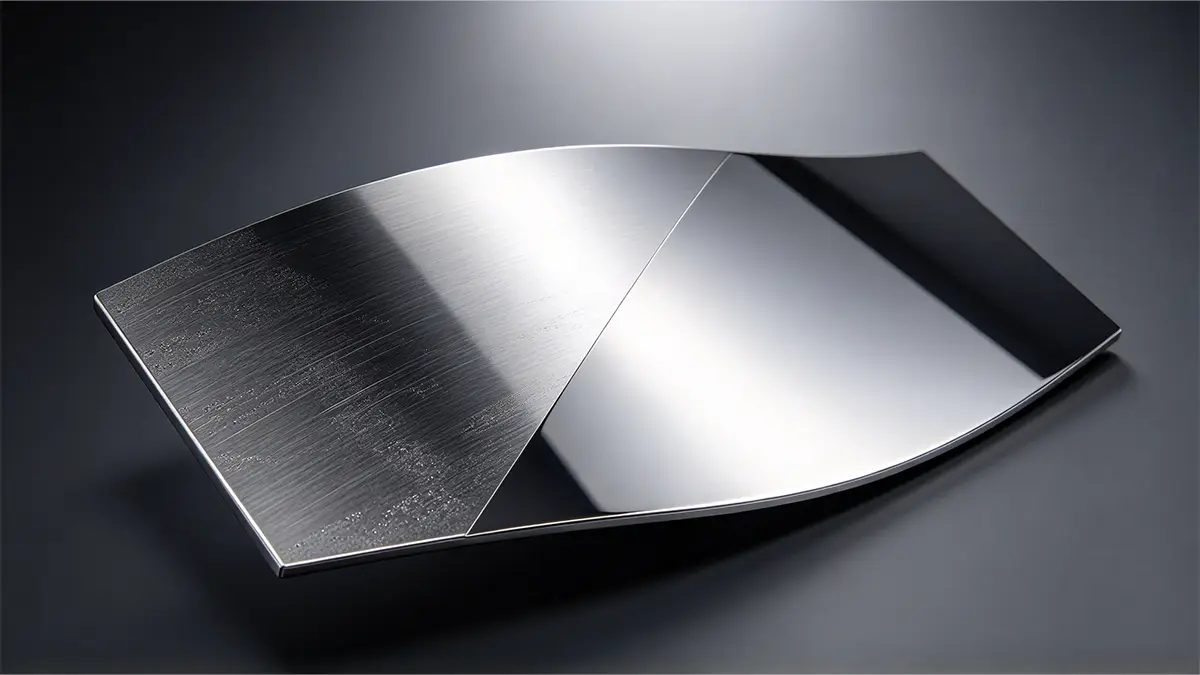
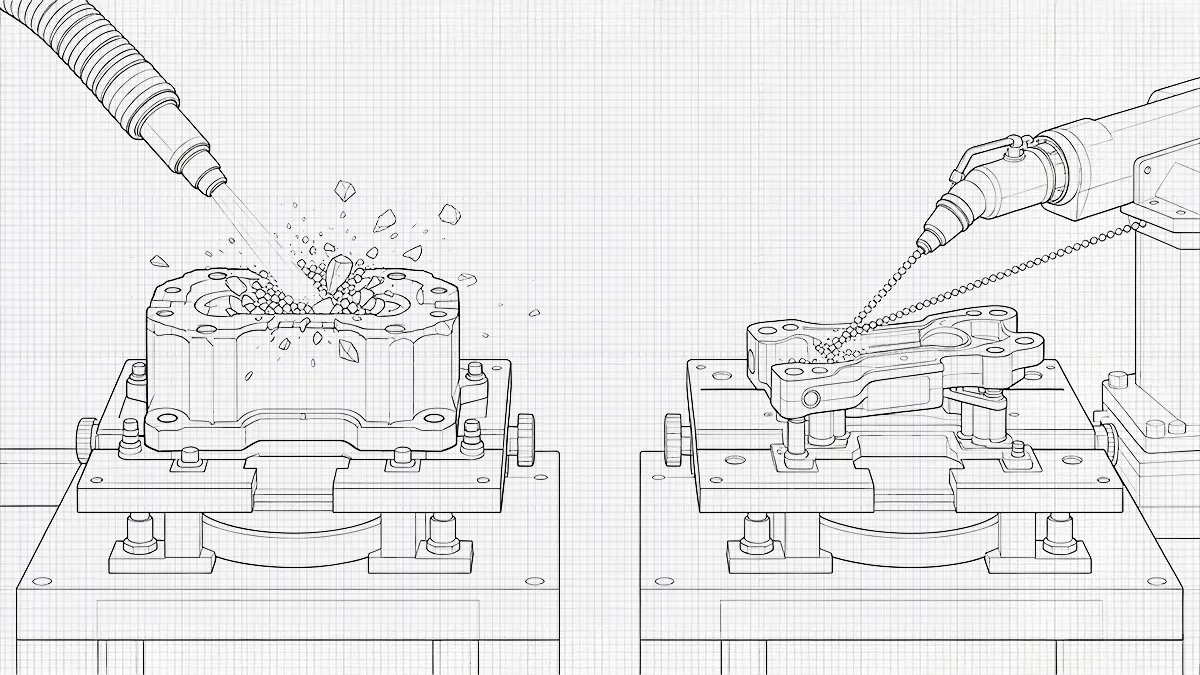
스프레이 도장은 맞춤형 제조 분야에서 매우 중요한 표면 처리 공정으로, 금속 및 플라스틱 부품의 미적 외관, 내식성 및 전반적인 내구성을 향상시키기 위해 고안되었습니다. 정밀 가공 부품, 자동차 하우징, 산업용 인클로저 등에 적용될 때, 이 공정은 엄격한 엔지니어링 기준을 충족하는 일관되고 고품질의 마감 처리를 제공합니다. 이 가이드에서는 일반적인 산업용 스프레이 도장 기술 세 가지, 즉 기존 에어 스프레이, HVLP 스프레이, 에어리스 스프레이를 다루며, 각 기술의 적용 분야를 자세히 살펴봅니다.
스프레이 도장과 전기 도금은 어떻게 다른가요?
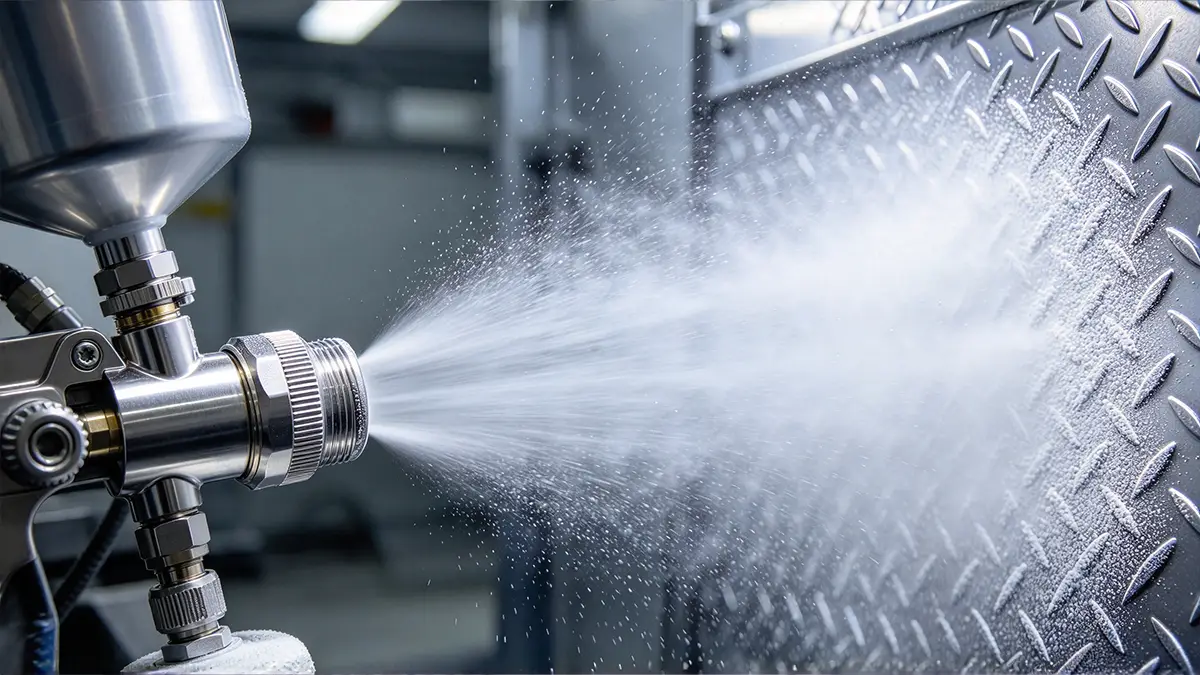
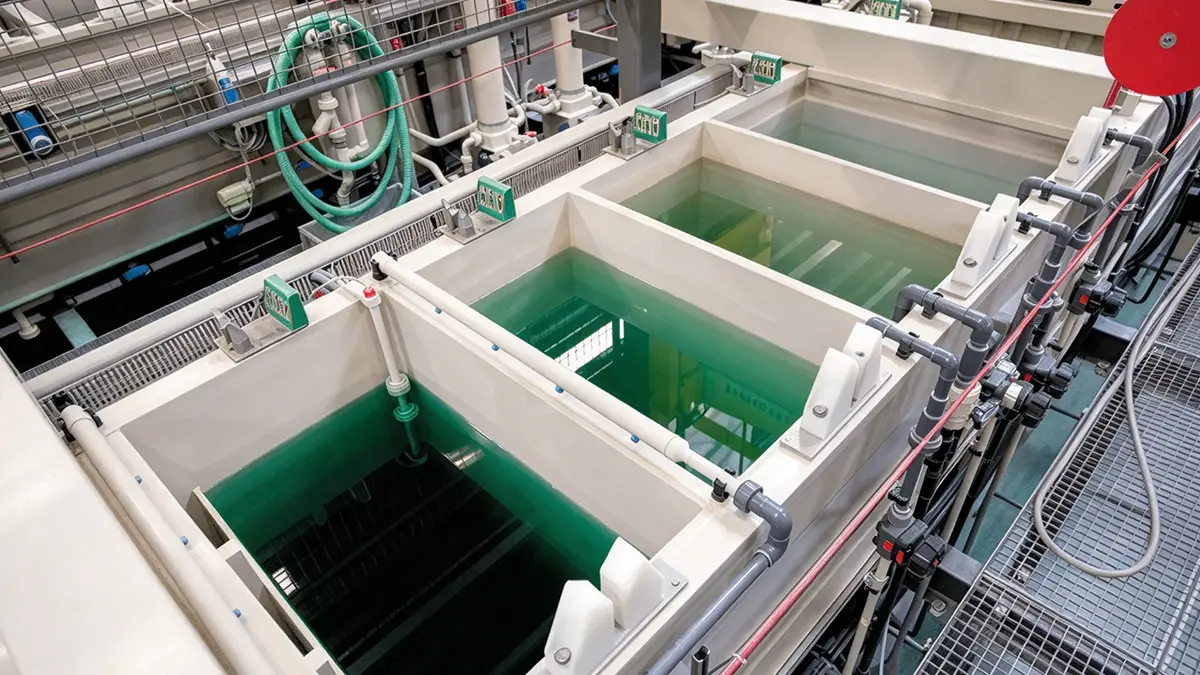
전기 도금과 스프레이 도장은 밀접한 관련이 있습니다. 하지만 두 공정의 재료 증착 방식은 서로 다릅니다. 전기 도금은 알루미늄과 같은 모재 표면에 크롬, 니켈, 아연 등의 금속으로 된 얇은 층을 입히는 공정입니다. 이 도금층은 전도 현상을 통해 모재와 결합합니다.
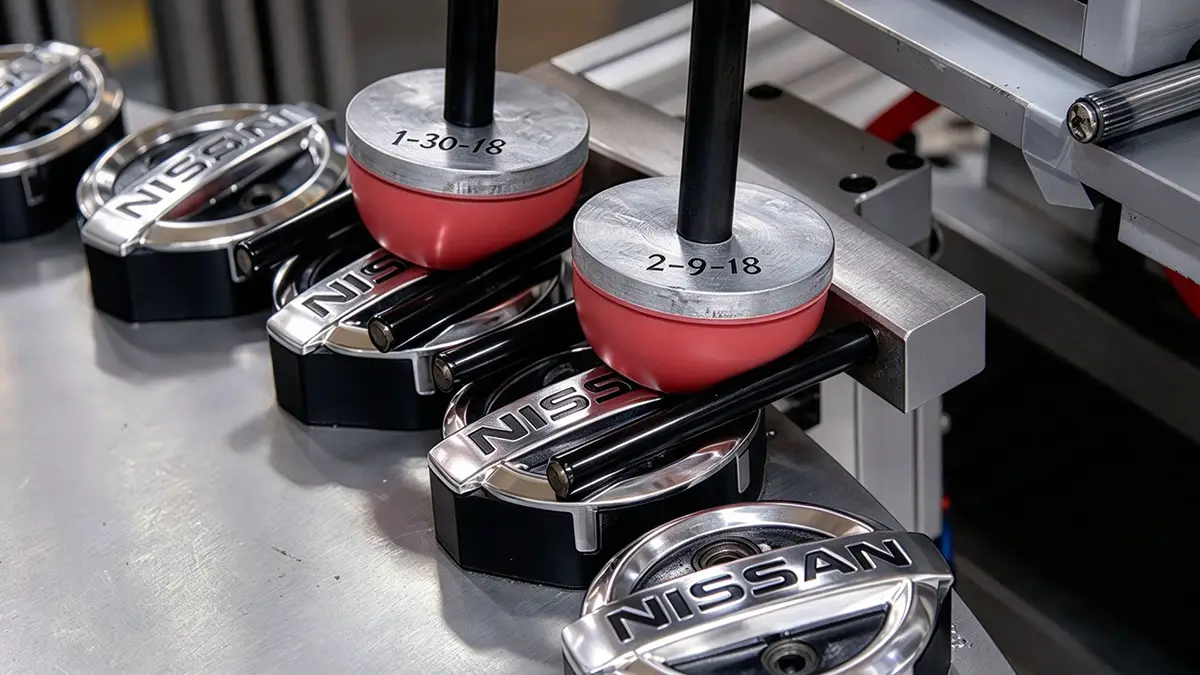
반면, 도장 작업은 더 간단하며 대부분의 사람들이 익숙해 있습니다. 먼저, 기판에 필수적인 표면 처리 및 부식 제거 절차가 완료되었다면, 모재에 프라이머를 도포합니다. [1], 그 다음으로 액체 페인트를 여러 겹 칠합니다. 마지막으로, 밑에 칠해진 페인트를 보호하기 위해 래커와 같은 보호 코팅을 덧바릅니다. 다음 표는 두 방법의 차이점을 요약한 것입니다.
| 팩터 | 스프레이 페인팅 | 전기 도금 |
|---|---|---|
| 프로세스 | 표면에 액체 페인트를 도포한다 | 전기화학적 공정을 통해 금속 코팅을 입힌다 |
| 도장 재료 | 도료 바인더, 안료, 첨가제 및 필요한 용제 또는 물 | 도금욕 또는 관련 전기화학 시스템에서 공급되는 금속 이온 |
| 주요 목적 | 색상, 외관, 보호 기능 및 선별된 기능적 특성 | 내식성, 내마모성, 전도성 또는 외관과 같은 금속 표면의 특성 |
| 장비 | 스프레이 건, 도료 공급 장치, 공기 또는 유체 압력 시스템, 도장 부스 | 도금조, 전원 공급 장치, 전극 및 화학 용액 |
| 적합한 가공물 | 도장 처리된 플라스틱 하우징, 금속 패널, 기계 커버 및 장식용 부품 | 도금된 금속층이 필요한 호환 가능한 금속 또는 적절히 전처리된 기판 |
기존의 에어 스프레이는 어떻게 작동하나요?
일반적인 공기 분사 방식에서는 도료가 분사기의 좁은 노즐을 통해 배출되어 압축 공기와 혼합된 후, 미세한 물방울 형태로 표면에 분사됩니다. 도료는 세 가지 방식으로 분사할 수 있습니다.
가압식(급액식) 코팅 분무기
약 0.1~0.5 atm의 압력이 호스를 통해 용기 내의 도료를 스프레이어로 밀어 넣습니다. 이 방법은 더 우수한 분무 효과를 제공하며 대규모 도장 작업에 사용됩니다. 주변으로 흩어지는 도료 입자의 양이 적습니다.
최고의 챔버식 분무기
페인트는 분무기에 장착된 호퍼에서 중력을 이용해 분무기로 공급됩니다. 이 방식은 소량씩 자주 색상을 변경해야 하는 경우에 매우 적합합니다.
하부 챔버 분무기
페인트는 분무기 하단에 부착된 챔버를 통해 흡입되어 분무기로 공급됩니다. 이 방식은 색상 변경이 잦은 소규모 작업에 가장 적합합니다.
페인트는 에어 스프레이어에 들어가면 스프레이어 내부의 통로를 통과하여 페인트 노즐에 도달합니다. 노즐을 빠져나올 때 압축기의 도움을 받아 공기와 혼합됩니다. 이 혼합을 위한 압축 압력은 2.5~5.5 atm입니다. 페인트와 공기는 분무기의 에어 캡에 따라 두 가지 방식으로 혼합될 수 있습니다. 페인트는 분무기 내부와 외부 모두에서 분무될 수 있습니다(내부 혼합, 외부 혼합).
내부 혼합
공기와 도료의 혼합은 스프레이어의 노즐 바로 앞에서 이루어집니다. 이를 통해 내부 혼합 시 더 적은 양의 공기와 더 낮은 압력을 사용할 수 있습니다. 또한 더 넓은 분사 빔을 형성하고, 최대 도막 두께를 확보하며, 오버스프레이 발생을 줄여줍니다.
외부 믹싱
스프레이 헤드의 공기 덕트에서 공기가 분사되어 스프레이 노즐에서 나오는 페인트와 충돌하면서 혼합물이 생성됩니다. 이는 널리 사용되는 방법입니다. 외부 혼합은 분무 효과를 향상시킬 수 있습니다. 압력이 높기 때문에 분사 빔을 더 잘 제어할 수 있으며, 하부 챔버식 스프레이어에 사용됩니다.
기존의 분사 방식에서는 밸브를 통해 도료와 공기 유량을 조절하더라도 압력이 변하지 않습니다. 그러나 에어 스프레이 건의 노즐을 통해 분사된 도료는 외부 환경의 기류와 만나게 됩니다. 그 결과, 원형으로 예상되던 분사 패턴이 단면이 타원형인 패턴으로 바뀌게 되며, 이는 더 높은 효율을 제공합니다.
페인트 분자의 분무화
분무 과정은 도료를 매우 작은 액적들로 분산시킵니다. 분무 상태가 양호하다는 것은 도료 액적의 크기가 가능한 한 작다는 것을 의미합니다. 기존의 공기 분무 방식에서는 20 µm에서 50 µm 사이의 액적 직경을 얻을 수 있지만, 이처럼 미세한 분무는 표준 실험실 시험 방법에 비해 전이 효율이 낮아지는 경우가 많습니다. [2]. 이러한 도료 입자 직경 덕분에 표면에서 도료가 매우 고르게 퍼집니다.
분무 현상은 노즐 직경, 도포 대상의 점도, 표면 장력, 유체 압력 등 여러 요인에 따라 달라집니다. 도료 입자의 크기는 점도가 높을수록 커지고, 노즐 직경이 작을수록 작아지며, 표면 장력이 낮을수록 작아집니다.
HVLP 스프레이 도장은 어떻게 작동하나요?
HVLP 스프레이 건은 압력 대신 공기량을 이용하여 도료를 분무합니다. 즉, 도료가 기류와 만나면 노즐을 빠져나올 때 미세한 입자로 분산된다는 뜻입니다.
HVLP 스프레이 건에는 도료 분사 패턴 형성 및 유체 농도 조절을 위한 제어 시스템이 탑재되어 있습니다. 이 조절 노브를 통해 분사 형태를 옅은 안개에서 짙은 안개까지 조절할 수 있습니다. 일부 HVLP 건에는 기류 조절 기능도 있어, 작업자가 스프레이 건의 압력과 분사량을 미세하게 조절할 수 있습니다.
건 방아쇠를 당기면, 페인트가 원하는 압력과 분사 패턴에 따라 노즐을 통해 공기 흐름 속으로 분사됩니다. 올바르게 설정된 HVLP 건은 재료 낭비를 최소화하면서 빠르고 균일한 도장을 구현합니다.
HVLP 건에는 공기를 유입시키는 두 가지 방식이 있습니다.
- 공기 압축기: 이 압축기는 약 25 psi의 흡입 압력을 발생시킬 수 있습니다. 이 압력은 10 PSI 이하로 낮아져 페인트가 더 낮은 속도로 분사되도록 합니다. [3]. 이것이 가장 일반적인 유형의 HVLP 스프레이 건입니다. 압축 공기식 HVLP 스프레이 건의 전이 효율은 65%에 불과합니다.
- 터빈 시스템: 이 시스템은 대량의 공기를 공급하지만, 압력은 약 6 psi로 낮습니다. 이러한 유형의 스프레이기는 효율성이 더 높습니다. 별도의 공기 압축기가 필요하지 않아 비용 효율적입니다. 터빈식 HVLP 스프레이 건은 80% 이상의 이송 효율을 자랑합니다.
에어리스 스프레이 도장은 어떻게 작동하나요?
에어리스 페인트 스프레이어는 공기 압축기가 필요하지 않습니다. 대신 모터 구동 펌프를 사용하여 페인트에 압력을 가해 스프레이 건의 노즐 끝으로 밀어냅니다. 튜브 내부에 형성된 고압으로 인해 페인트가 미세한 안개 형태로 분사됩니다. 이를 통해 최소량의 페인트로도 매끄러운 마감 처리가 가능합니다.
펌프는 페인트의 압력을 최대 250바까지 높인 다음, 에어리스 스프레이 건을 통해 분사시키는데, 이 과정에서 산업안전규정에 명시된 대로 고압 유체 주입으로 인한 부상을 방지하기 위해 엄격한 안전 수칙을 준수해야 합니다. [4]. 도료 밸브(건)를 열면, 도료가 요구 사항에 맞춰 설계된 에어리스 노즐의 구멍을 통해 압력을 받아 분사됩니다. 분무는 도료와 대기 사이의 압력 차이에 의해 발생합니다. 노즐은 유량과 분사 제트의 폭을 결정합니다.
일반 에어 스프레이, HVLP, 에어리스 스프레이의 차이점은 무엇인가요?
가장 큰 차이점은 각 시스템이 도료를 분무하는 방식에 있습니다. 분무 방식에 따라 정밀한 마감 작업에의 적합성, 재료 효율성, 도막 두께, 생산 속도가 결정됩니다. 다음 표는 세 가지 기술 간의 차이점을 요약한 것입니다.
| 팩터 | 기존의 공기 분사 방식 | HVLP | 에어리스 |
|---|---|---|---|
| 분무 | 압축 공기 | 대용량, 저압 공기 | 고압 유체 |
| 기준 압력 | 40–90 psi의 공기 | 캡에서 10 psi 미만 | 일반적으로 1,000~3,000 psi의 유체 |
| 마감 품질 | 대체로 괜찮음 | 설정을 제대로 하면 괜찮습니다. | 더 굵게 할 수 있습니다 |
| 코팅 생산량 | 낮음에서 중간 | 낮음에서 중간 | 중간에서 높음 |
| 오버스프레이 | 상대적으로 높은 잠재력 | 대체로 감소했다 | 대개 미스트가 줄어드지만, 설정에 따라 달라집니다 |
| 가장 적합한 | 세밀한 미용 시술 | 제어된 미용 코팅 | 넓은 면적과 빠른 작업 속도 |
| 주요 한계 | 도료 폐기물 및 과분사 | 공기 수요 및 분무 한계 | 고압 및 마감 제어 |
결론
최적의 스프레이 도장 기술(기존 에어 방식, HVLP, 에어리스 등)을 선택하는 것은 궁극적으로 전이 효율, 마감 품질, 생산 규모 간의 균형을 어떻게 맞추느냐에 달려 있습니다. 부품의 형상에 적합한 분무 방식을 선택하면 미적 완성도와 비용 효율적인 생산을 모두 보장할 수 있습니다.
참조
[1] 미국 연방항공청(FAA). (1998). 자문 회람 43.13-1B: 허용되는 방법, 기법 및 관행 – 항공기 점검 및 정비 (제6장: 부식, 점검 및 방청). FAA 문서 라이브러리. 출처: https://www.faa.gov/documentLibrary/media/Advisory_Circular/AC_43.13-1B_w-chg1.pdf
[2] ASTM International. (2017). ASTM D5009-02(2017) 실험실 조건 하에서 스프레이 도포 코팅의 전이 효율을 평가하고 비교하기 위한 표준 시험 방법. ASTM 표준 데이터베이스. 출처: https://www.astm.org/d5009-02r17.html
[3] 미국 환경보호청(EPA). (2020). 40 CFR 제63편, MMMM부 – 기타 금속 부품 및 제품의 표면 코팅에 대한 유해 대기 오염물질 국가 배출 기준. eCFR (연방규정집 전자판). 출처: https://www.ecfr.gov/current/title-40/chapter-I/subchapter-C/part-63/subpart-MMMM
[4] 직업안전보건청(OSHA). (발행일 미상). 1910.107 – 인화성 및 가연성 물질을 이용한 스프레이 마감 작업. 미국 노동부. 출처: https://www.osha.gov/laws-regs/regulations/standardnumber/1910/1910.107



 KO
KO  EN
EN  ES
ES  FR
FR  DE
DE  IT
IT  PT
PT  NL
NL  PL
PL  AR
AR  JA
JA  ZH
ZH