

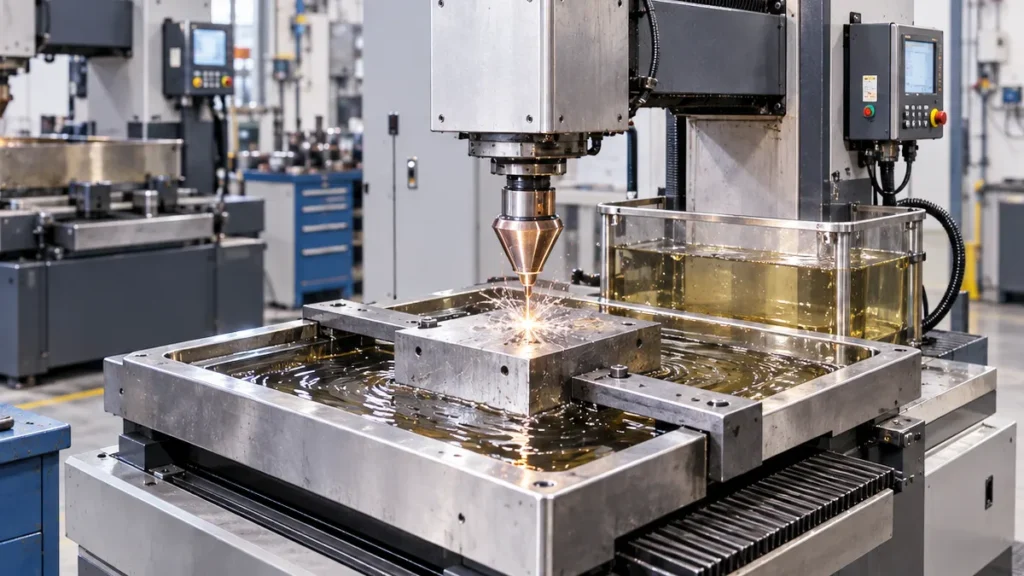
放电加工(EDM),又称电火花加工,是一种热材料去除技术,利用一组受控放电在导电工件上产生可控火花侵蚀。与依靠切削力的传统加工程序不同,放电加工是通过高频火花的局部熔化和汽化来去除金属。.
电火花加工是在介电介质中进行的,通常使用去离子水或电火花加工油,这些介质在达到临界电压阈值之前起到绝缘作用。 当电场强度超过介电强度时,会在微米级距离上产生电火花。这种局部放电会形成高度局限的等离子体通道,其温度极高,范围在8,000°C至12,000°C之间。 [1]. 这种强烈的热量会使工件材料瞬间熔化并汽化,随后发生爆炸性喷射,从而形成一个微小的凹坑。.
电火花加工的一个重要优点是不会产生机械应力。这使其非常适合加工硬化材料和精细几何形状。电火花加工通常用于制造注塑模具、挤压模具、涡轮机零件和精密工具镶件,而传统的切削工具要么会失效,要么会遇到困难。.
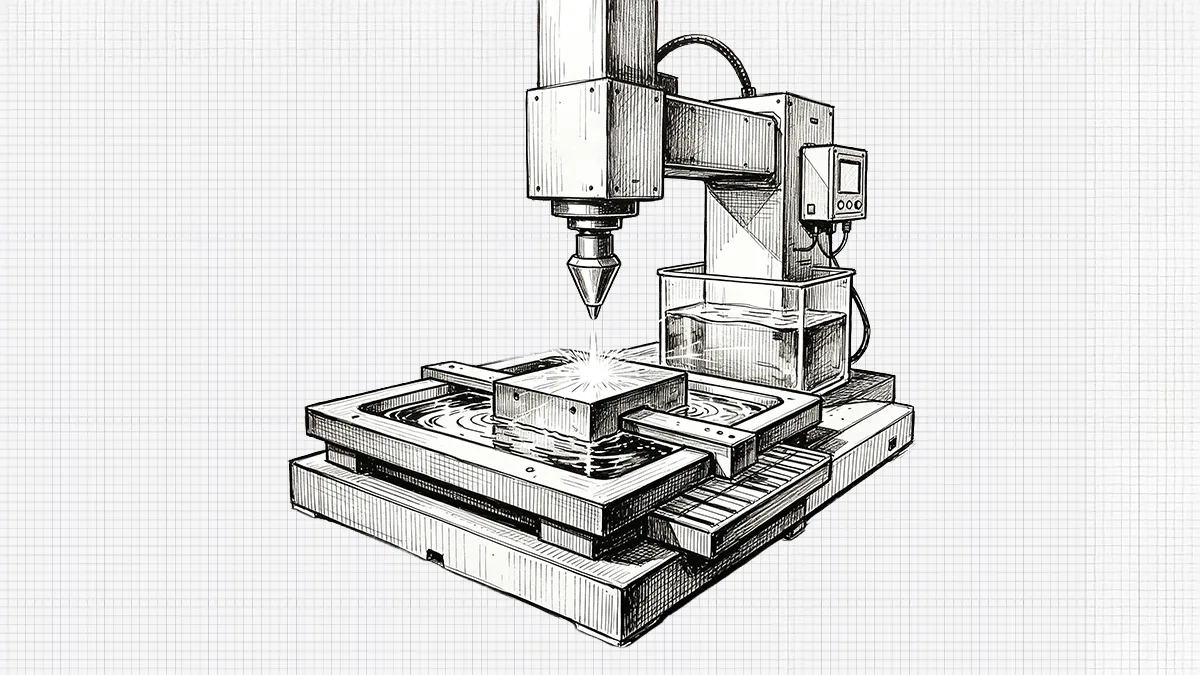
放电加工工艺的分类
放电加工工艺主要有三种:沉孔放电加工(Sinker EDM)、线切割放电加工(Wire EDM)和钻孔放电加工(Drill EDM)。它们都有特定的用途,并针对特定的几何形状和操作条件进行了优化。.
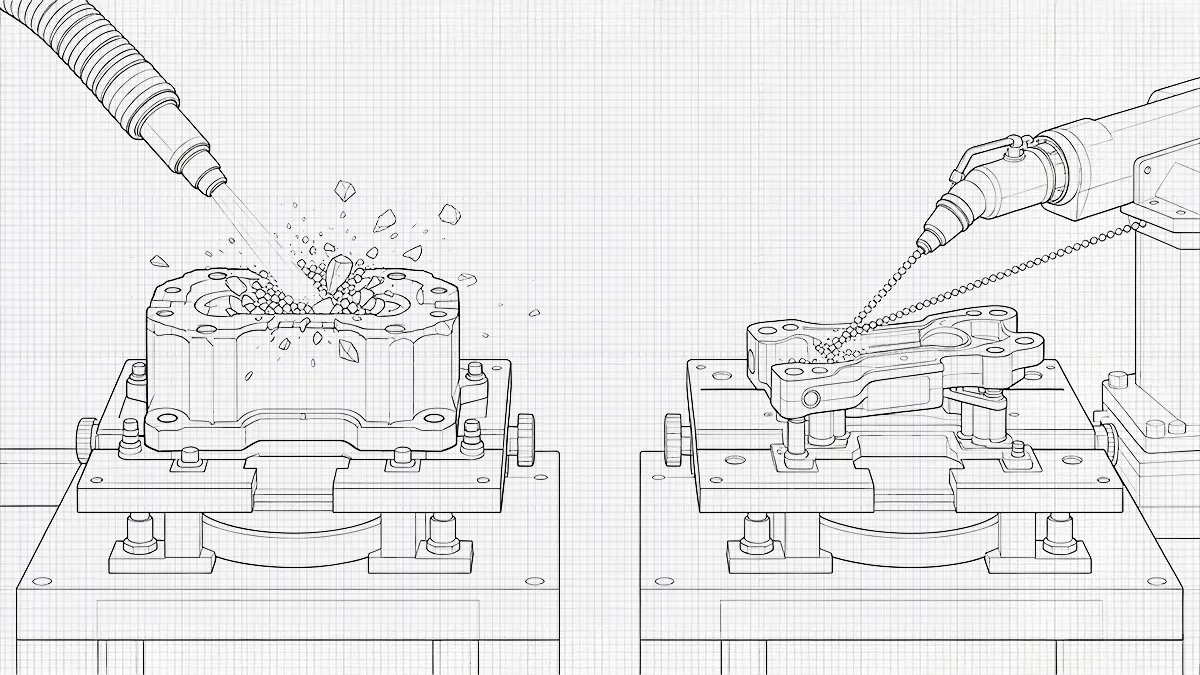
冲压电火花成形加工 沉孔电火花成形加工(或称冲压电火花成形加工)是将预先成形的电极送入工件以形成孔。电极的几何形状决定了最终形状,因此这是加工模腔、尖锐边缘和复杂内部特征的理想方法。.
线切割电火花加工(Wire EDM)是利用一根持续移动的线作为电极,该线通常由黄铜或镀铜材料制成。该线按照预先编程的数控(CNC)路径运动,从而切割材料。类型包括 线切割放电加工 包括:高速线切割放电加工、多遍线切割放电加工,以及具备锥度切割和复杂轮廓加工功能的多轴线切割放电加工。这些创新工艺在很大程度上提高了加工精度和表面光洁度。.
钻孔放电加工可加工深孔、小直径孔、高纵横比孔。它通常用于在线切割加工中形成起始孔,或在涡轮叶片等航空航天物体中形成冷却通道。.
电火花加工设备的类型
沉降片放电加工机床
沉孔放电加工机床是为加工带有异形电极的型腔而开发的。它们具有伺服控制轴,可保持特定的火花间隙。这些机床配备了高分辨率定位系统、自适应控制系统和自动电极更换器。这些机器通常应用于需要高复杂几何形状的行业,如模具行业。.
线切割机床
线切割电火花机床是配备线材进给、张紧和自动穿丝功能的数控机床。它们能够以连续的方式进行切割,且仅需操作员进行最少的干预。 现代设备支持多轴运动,从而能够进行锥度切割和3D复杂设计。通过使用超细线材(最小直径可达Ø0.02毫米)和先进的多遍切割策略,现代线切割放电加工系统能够可靠地实现几微米级的位置精度和卓越的表面光洁度(例如,, Ra 0.1 µm),因此非常适合用于超精密的模具板和冲头 [2].
钻孔放电加工机床
钻孔电火花加工(或称快速钻孔电火花加工)专为加工深微孔而优化。 通过采用侧壁绝缘电极等先进技术来防止二次火花,这些系统能够成功钻出微孔(例如,Ø 0.2 mm),其极高的长宽比可达120:1,而这在传统机械钻孔中几乎无法实现。 [3]. 它们的工作原理是利用管状电极配合介电液的高压冲洗。这确保了能有效清除碎屑,并实现稳定的加工效果。在航空航天和能源领域,冷却孔至关重要,因此这类机床发挥着关键作用。.
电极材料和设计考虑因素
电极材料的选择对加工效率、磨损率和表面完整性有直接影响。常见的电极材料有石墨、铜、铜-钨和黄铜。.
石墨熔点高、磨损小,是一种非常受欢迎的粗加工材料。铜具有良好的导电性,能提供更精细的表面光洁度,因此是首选的精加工材料。铜钨兼具强度和导电性,适用于高精度和高磨损的应用。.
电极的设计应考虑磨损补偿、热膨胀和冲洗效率。通常情况下,电极尺寸会略微偏大,以抵消侵蚀。粗加工和精加工阶段可能需要一系列几何形状复杂的电极,以达到最佳效果。.
放电加工的标准工艺流程
设计和工艺规划
首先对工件或电极(在沉降式电火花加工中)进行CAD建模,随后进入分步加工工件的流程。 在此阶段,工程师必须考虑电火花间隙、超切量以及电极磨损等因素。工程师利用CAM软件生成刀具路径、模拟加工条件并设定工艺参数。对于几何形状复杂的工件,可准备多个电极分别用于粗加工、半精加工和精加工。.
这一阶段的规划非常重要,因为电火花加工不是试错活动。电极材料、加工顺序和冲洗策略等决策会直接影响生产率和零件的最终质量。.
电极制造和工件制备
电极 设计阶段完成后,便通过铣削或磨削等标准加工方法进行制造。由于最终型腔的形状直接取决于电极的几何形状,因此加工精度必须很高。对于复杂零件,可能需要制作多个具有递增偏移量的电极。.
然后将工件准备就绪并牢牢夹在机床工作台上。有必要进行精确对准,以确保电极接触到正确的加工点。通过夹具和参考点可实现重复性,特别是在批量生产中。.
机器设置和介质系统准备
通过安装电极或电线、坐标系和加工参数,对放电加工机床进行设置。装载、过滤和泵送电介质流体系统,以保持良好的绝缘性和碎屑间隙。.
伺服控制系统经调整后可提供恒定的火花间隙,通常在几微米之间。这是实现稳定放电条件的关键间隙,需要在加工过程中不断变化。.
粗加工(大量材料去除)
材料去除的第一道有效工序是粗加工。高放电能量设置可实现最大的材料去除率。工件表面会形成较大的凹坑,质地粗糙,但加工速度很快。.
在这个阶段,电极磨损更为紧迫,因此需要采用补偿策略。冲洗也应高效,以清除碎屑,避免出现电弧等不稳定的火花条件。.
半精加工和精加工作业
粗加工之后是半精加工和精加工。这些阶段的放电能量、脉冲长度和火花间隙控制都越来越低。这样做的目的是使几何形状更加精确,并提高表面质量。.
为了获得所需的表面光洁度和公差,可能需要多次加工。在高精度应用中,镜面电火花加工技术可加工出超光滑的表面,并尽量减少再铸层的形成。.
后期处理和检查
加工完成后,要对工件进行清洗,以去除介电流体和残留物。然后使用坐标测量机 (CMM)、光学系统和表面粗糙度测试仪等精密计量设备对工件进行检测。.
必要时还可进行抛光、热处理或涂层等二次加工。在关键应用中可以去除重铸层,以提高疲劳强度和可靠性。.
放电加工的关键工艺参数
放电电流(峰值电流)
放电电流决定每个火花的强度,是放电加工中影响最大的参数之一。电流增加会产生更大的火花,材料去除率也会增加。不过,这也会导致表面出现更大的凹坑,从而产生更大的粗糙度和更致密的再铸层。.
在较低的电流设置下进行精加工操作,可获得更精细的表面光洁度和更好的尺寸精度。电流控制应注意平衡质量和生产率。.
脉冲持续时间(接通时间)
脉冲持续时间通常称为导通时间,是指单个放电的持续时间。脉冲时间越长,传递到工件上的能量就越大,形成的凹坑就越深、越宽。这将提高材料去除量,但对表面光洁度产生不利影响。.
较短的脉冲持续时间可产生较小的凹坑,使表面更加光滑。短脉冲在精密加工中起着至关重要的作用,可以减少热损伤,实现严格的公差。.
脉冲间隔(关闭时间)
两次放电之间的时间称为脉冲间隔或关闭时间。这段时间用于确保介电流体去离子并恢复其绝缘特性,同时冲走火花间隙中的侵蚀颗粒。.
当关闭时间较短时,碎片可能会导致不稳定的火花、电弧或短路。而关闭时间过长则会降低加工效率。应优化该参数,以提供稳定的操作和结果。.
放电电压
放电电压对火花间隙距离和放电启动有影响。提高电压可增大间隙,从而改善冲洗条件并最大限度地减少短路的发生。但如果管理不当,也会导致加工精度下降。.
降低电压设置可产生更小的间隙,从而实现更高的精度,但对清除碎片和机器稳定性的控制要求更高。.
火花间隙和伺服控制
加工过程中电极与工件之间的间隙称为火花间隙。要保持稳定的放电条件,恒定的间隙非常重要。在现代电火花加工机床中,电极位置通过伺服控制系统根据实时反馈进行连续调整。.
最佳的火花间隙可确保高效的能量传输、较少的电极磨损和精确的材料去除。偏差会导致表面质量差或加工不稳定。.
冲洗压力和介质流量
电介质流体冲洗加工区域的动作称为冲洗。为确保火花间隙清洁,避免电弧和短路等缺陷,必须进行适当的冲洗。.
应严格控制冲洗压力和流量。冲洗不足会导致碎屑堆积,而冲洗过度则会扰乱火花间隙,导致加工精度降低。.
加工精度和表面质量
电火花加工机床的精度可达 ±1 至 ±5 微米,具体取决于机床质量和工艺优化。在受控环境下,线切割放电加工尤其可以实现更小的公差。.
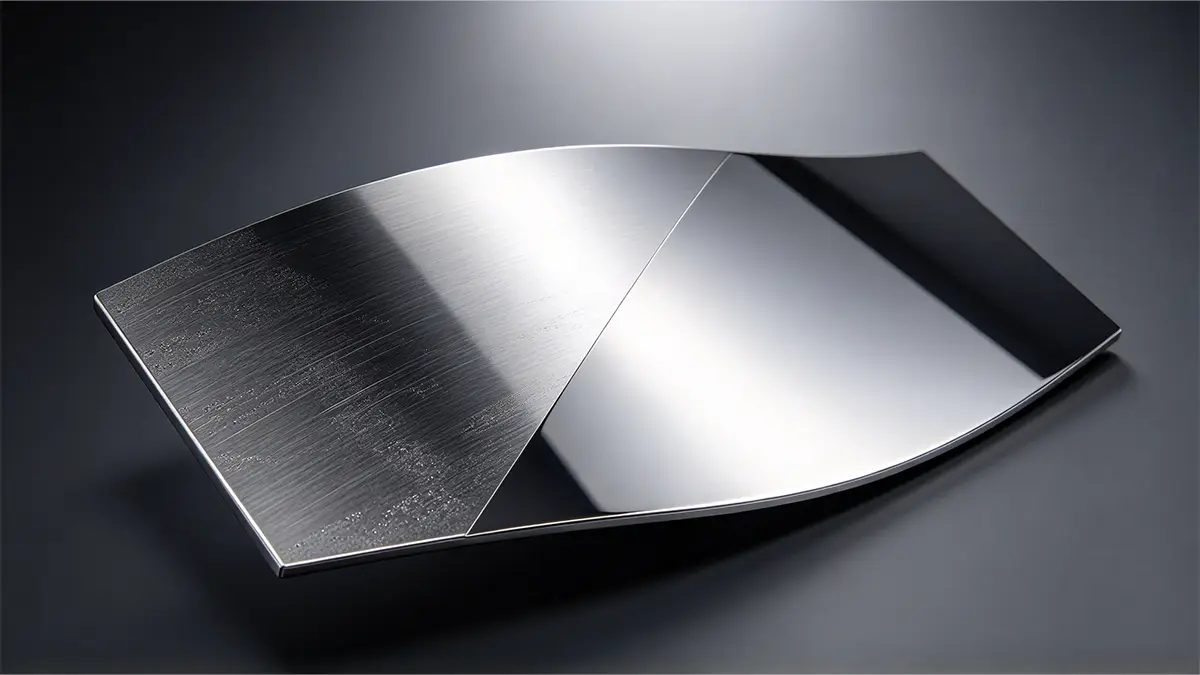
粗加工和精加工阶段的表面光洁度差别很大。在粗加工阶段,表面会出现纹理和明显的凹坑,而精加工阶段则会出现镜面,粗糙度值低于 Ra 0.2 µm。不过,需要通过选择适当的参数和精加工工序,将再铸层堆积和微裂纹控制在可接受的范围内。.
可加工和不可加工的材料
电火花加工可以切割任何导电材料,无论软硬。典型的材料包括工具钢、模具钢、不锈钢、钛合金和超级合金。因此,电火花成形加工尤其适用于难以用传统方法加工的硬化部件。.
陶瓷、塑料和玻璃属于非导电材料,除非在其表面覆盖一层导电涂层,否则无法使用普通电火花加工方法进行加工。材料导电性是产生火花的首要条件。.
依赖电火花加工的行业
放电加工可广泛应用于对加工精度、复杂几何形状和加工硬质或难加工材料的可能性要求极高的行业。当其他加工工艺因刀具磨损、几何限制甚至材料硬度而无效时,放电加工就显得尤为重要。.
模具工业
EDM技术最大的应用领域是模具行业。制造商使用沉降式电火花加工技术来制造复杂的 注塑模具型腔, 压铸模具和冲压模具,具有高尺寸精度和精细的细节。电火花加工(EDM)能够加工出锐利的内角和深肋,而这些结构通过铣削或磨削难以实现。这使得电火花加工成为制造用于塑料注塑成型、汽车零部件制造以及消费品生产过程的高质量模具不可或缺的技术。.
航空航天工业
对于 航空航天零部件制造, 电火花加工(EDM)被广泛用于加工由耐热超级合金和钛制成的零部件。由于这些材料具有较高的强度和特殊的热学特性,采用传统方法对其进行切削向来十分困难。EDM 适用于加工涡轮叶片、燃油系统部件以及长宽比高的冷却孔。 利用电火花加工(EDM)钻微孔的技术,在开发能够提升发动机性能和效率的内部冷却系统方面尤为有用。.
汽车行业
EDM在以下方面也发挥着重要作用: 汽车零部件制造, ,无论是在模具还是生产零部件方面。该工艺用于制造精密模具、燃油喷射喷嘴、变速器零部件和发动机零部件。随着汽车设计日益复杂,电火花加工(EDM)凭借其灵活性,能够确保在大批量生产中满足严格的公差要求并保持稳定的质量。.
医疗行业
EDM被广泛应用于 医疗器械制造 用于生产公差要求极高的外科器械、骨科植入物和微型部件。该技术特别适用于钛和不锈钢等生物相容性材料的加工。其非接触式特性可确保精细结构不会变形,这对用于微创手术和植入式设备的部件而言至关重要。.
电火花加工的优势
在高精度加工中,放电加工具有不可忽视的综合优势。电火花加工的最大优势之一是能够加工硬度极高的材料,如硬化工具钢、硬质合金和超合金,而不会降低加工效率。由于电火花加工是一种热侵蚀工艺,而不是机械工艺,因此材料硬度对加工性能几乎没有影响。这样,制造商就可以在产品热处理后对其进行最终加工,避免因后硬化而产生变形的风险。.
另一个显著优势在于能够制造极其复杂的几何形状,而这些形状通过传统加工方式很难甚至无法实现。 对于深型腔、窄槽、锐利的内角以及复杂轮廓等特征,均可进行高精度加工。沉电火花加工特别适用于模具型腔,而线切割电火花加工则可用于切割公差要求较小的复杂轮廓。.
另一个重要优势是没有切削力。由于刀具和工件之间没有物理相互作用,因此不会产生机械变形、颤动或刀具应力。因此,电火花加工特别适用于敏感元件和薄壁结构。此外,电火花加工还可实现高重复性和一致性,这对批量生产精密零件至关重要。.
经过优化后,电火花加工还具有极高的尺寸精度和表面光洁度。其高度发达的精加工方法可实现镜面般光洁度,从而减少或避免额外的抛光工序。现代电火花加工机床的生产率也因自动化而得到提高,实现了无人值守、电极切换和参数自动控制。.
电火花成形加工的缺点
尽管具有这些优点,电火花加工(EDM)仍存在一些需要考虑的局限性。其主要缺点是,与传统加工方法(如)相比,其材料去除率相对较低, 数控铣床. 这使得电火花加工(EDM)不适合进行大块材料的去除,而更适合用于精加工或特定任务。.
另一个缺点是,电火花加工只适用于导电材料。这就限制了它的应用范围,除非采用混合方法,否则无法使用塑料、陶瓷和玻璃等材料。电极磨损也是一个问题,特别是在沉降片电火花加工中,刀具会在加工过程中慢慢磨损。否则会影响尺寸精度。.
电极制造、电介质流体维护和低加工速度也会增加电火花加工的运营成本。此外,电火花加工还需要由训练有素的人员进行仔细的参数设置和操作,才能达到最佳效果,尤其是在高精度应用中。.
放电加工中的常见缺陷和简单解决方案
尽管电火花加工是一种控制性很强的工艺,但如果机床条件控制不好,也会出现一些缺陷。表面光洁度差是最常见的问题之一,其特征可能是粗糙度过高或纹理不均匀。这通常发生在精加工过程中放电能量过大的情况下。通过减小放电电流、尽量缩短脉冲长度和尽量延长脉冲间隔,可以产生更小、更均匀的凹坑,从而大大提高表面质量。.
另一个常见问题是电极过度磨损,尤其是在沉降片电火花加工中。当磨损率较高时,会导致所需的几何形状变形,造成尺寸不准确。这通常是由于电极材料选择不当或放电能量过大造成的。通过使用石墨或铜钨等材料以及优化加工参数,可以最大限度地减少磨损。在关键应用中可使用多个电极,粗加工和精加工阶段分别使用不同的工具进行。.
与数控加工和磨削的比较
EDM 与……在根本上有所不同 数控加工 和 打磨 因为这是一种非接触式工艺。虽然 标准数控加工服务 对于一般制造而言,这些方法速度更快、更具成本效益,但无法处理非常坚硬的材料和复杂的内部形状。.
磨削最适合简单几何形状的高表面光洁度和小公差加工,但缺乏灵活性。电火花成形加工在复杂性、硬度和精度方面具有特殊的优势,因此在高科技制造业中是必不可少的。.
先进的电火花加工技术
电火花加工领域的最新创新是镜面电火花加工和五轴电火花加工系统。镜面放电加工专门用于超精细加工,可加工出几乎达到光学质量的表面,从而最大限度地减少或消除抛光。.
五轴电火花加工(EDM)具备多方向控制能力,因此能够加工复杂几何形状、底切和自由曲面。这些技术极大地拓展了电火花加工的应用范围,使其能够满足现代高性能、精密工程零件的要求。.
电火花加工仍是制造工艺中的一个重要元素,它集精密性、灵活性和加工当代制造业中最难加工的材料和几何形状的能力于一身。.
参考资料
[1] Ho, K. H. 与 Newman, S. T. (2003). 《电火花加工(EDM)的最新进展》。. 《国际机床与制造杂志》, 43(13), 1287-1300. https://doi.org/10.1016/S0890-6955(03)00162-7
[2] Ho, K. H., Newman, S. T., Rahimifard, S., & Allen, R. D. (2004). 线切割电火花加工(WEDM)的最新进展。. 《国际机床与制造杂志》, 44(12-13), 1247-1259. https://doi.org/10.1016/j.ijmachtools.2004.04.017
[3] Ferraris, E., Castiglioni, V., Ceyssens, F., Annoni, M., Lauwers, B., & Reynaerts, D. (2013). 采用绝缘刀具进行超高长宽比微孔的电火花加工。. 《CIRP年鉴》, 62(1), 191-194. https://doi.org/10.1016/j.cirp.2013.03.115



 ZH
ZH  EN
EN  ES
ES  FR
FR  DE
DE  IT
IT  PT
PT  NL
NL  PL
PL  AR
AR  JA
JA  KO
KO