


In today’s world, sourcing manufacturing is important to ensure the company’s success in production. Globally, businesses are constantly looking for other alternatives to help them build responsive supply chains and minimize production costs.
For instance, Mexico’s economic growth has made it an attractive location for businesses looking to diversify their manufacturing sourcing options. Its favorable factors have made it possible to be easily noticed by many companies globally. Mexico is strategically located, with competitive labor costs and a skilled workforce pool. These factors make it a perfect destination for companies aiming to enhance their competitive edge.
This guide aims to provide you with the fundamentals of outsourcing manufacturing to Mexico and how to apply them to improve the sourcing process. By the end, you will understand why Mexico is a go-to destination for many companies.

Critical Concepts in Sourcing
Understanding some basic concepts of the sourcing process before dealing with the specific is helpful. Effective sourcing involves finding suppliers, negotiating favorable terms and conditions, and creating a proper supply chain.
Suppliers can be found through trade and fair shows, online directories, and other local business networks. After getting potential suppliers, the next thing is to carefully evaluate their capabilities before entering into business agreements. It involves addressing any concerns that happen at this stage to avoid misunderstandings.
Negotiating favorable terms and conditions ensures the expectations are clear for both parties. Proper pricing, Quality control, and delivery schedule are essential for a mutually beneficial relationship.
Supply chain management refers to the process from the initial sourcing to the final delivery stage to facilitate the smooth transaction of products and services. Proper coordination and collaboration with the suppliers guarantee prompt and economical delivery of goods and suppliers.
Understanding Mexico’s local business culture and practices is critical for effective sourcing. Establishing solid relationships with the supplier through respecting their cultural norm and adapting to their local business customs promotes smoother operations.
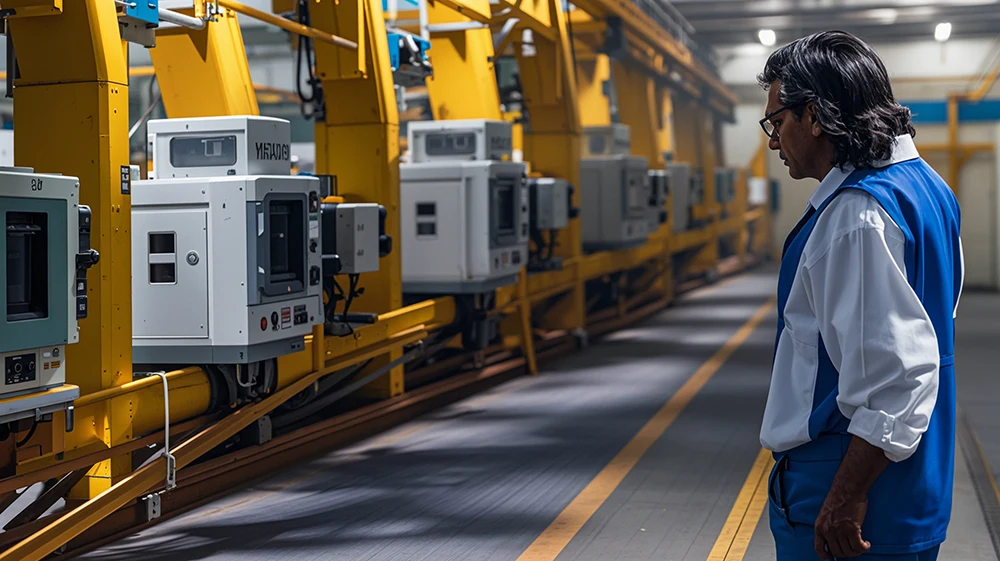
Key Factors to Consider When Sourcing Production in Mexico
You’ll need to consider several factors when sourcing out manufacturing from Mexico. Here are some of the most important.
Cost Efficiency
Making a profit is the primary factor that drives manufacturers into business. One of the most significant reasons for sourcing out a manufacturer is the potential for cost savings. Local suppliers offer competitive pricing because of their reduced labor costs. As a result, production expenses are significantly reduced. However, the cost efficiency goes beyond labor to include some other operational expenses, such as utilities and real estate. Therefore, businesses must be able to save on costs without compromising quality. Additionally, proximity to readily available markets helps minimize shipping and transportation expenses, enhancing cost efficiency.
Skilled Workforce
Operations can only happen through labor and, most importantly, a skilled workforce. Not all operations can be carried out by machines; even so, those machines need to be operated by someone.
There’s a need to evaluate the labor market in prospective cities to ensure a workforce that possesses skills specific to your industry, in addition to immediate and long-term availability.
Manufacturing specialists (like NAPS) can facilitate the assessment of the location’s employees. They help determine the availability and their qualifications while assisting the manufacturer in narrowing down choices based on their labor requirements.
Compliance and collaboration with such specialists, Mexican labor laws, and the USMCA trade agreement are crucial if you consider trading in Mexico.
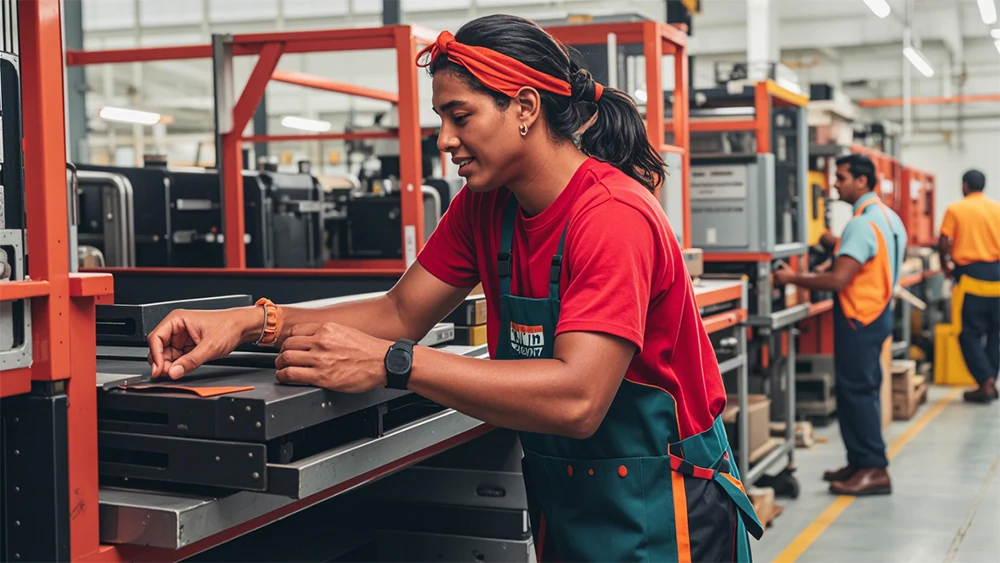
Favorable Trade Agreements
Understanding Mexican trade laws and regulations is non-negotiable. Mexico has a robust legal system that controls international trade, including rules about import and export, customs processes, and the defense of intellectual property rights. For example, the country’s trade agreements with the (USMCA) United States-Mexico-Canada Agreement offer incentives for companies to establish a presence in Mexico. This Agreement modernizes and rebalances U.S. trade ties with Mexico and Canada and lessens outsourcing incentives by offering robust labor and environmental standards.
Understanding Mexican trade laws goes beyond grasping basic regulations. It is good to understand the legal systems involved, such as the role of government agencies like (COFEPRIS) which represents the Secretariat of Economy and the Federal Commission in Protection Against Sanitary Risks.
These agreements provide businesses with cost advantages and streamlined processes, making cross-border trade more efficient and predictable. Failure to comply often results in unnecessary penalties, legal consequences, and sometimes delays.
Understanding the Mexican Legal System
Mexico operates under a civil law system influenced by Spanish and French legal systems. This legal framework is controlled by federal law. Mexico state’s laws are also effective. Solid grasping and compliance with the Mexican legal system and the supplier are essential. Some of these laws include;
- Code of Commerce (Código de Comercio) regulates the commercial supply of goods contracts.
- Codified law and legal principles form the basis of Mexico’s civil law.
- The legal relationships between individuals are subject to Private law.
- Mexico’s 13 Free Trade Agreements (FTAs) involving 50 countries, together with the USMCA and FTAs with the European Union, the ten countries in Latin America, and the 11-country Comprehensive and Progressive Agreement for Trans-Pacific Partnership, European Free Trade Area, Japan, Israel.
- Suppliers must adhere to specific principles, standards, and applicable regulations during their operation.
Environmental Regulations
Environmental regulations are other factors to consider when setting up a company. Suppliers should commit to eco-friendly practices and adhere to environmental regulations. Resource conservation and sustainability are imperative for businesses willing to start operating in a global sector. Adhering to eco-friendly practices helps minimize carbon footprint, reduce waste, and conserve natural resources. Before any business to embark, obtaining an environmental permit is necessary.
Labor Laws
Labor regulations in Mexico aim to protect the rights of its workers. Workers are supposed to work under fair employment practices and in a safe and healthy work environment. The laws also include employment contracts, working hours, benefits, wages, and worker protections.
Intellectual Property Protection
When outsourcing your businesses, always know protecting your intellectual property rights (IP) is crucial. Most of the time, your country’s trademarks and patents may not protect you in Mexico. So, it’s vital to register and enforce your rights under Mexican national legislation. Securing patents and trademarks is recommendable on a first-to-file basis, even before selling your products. Therefore, a solid contract with confidentiality/non-disclosure and non-compete clauses is necessary.
An experienced legal counsel can assist you in controlling compliance risks and ease your sourcing process. The legal framework in Mexico keeps evolving. Businesses willing to set up their operations there must constantly keep accustoming themselves to these regulations. This can help you reduce some costly setbacks. It is also important to stay up-to-date with any changes or updates on legal requirements.
Infrastructure Development
Proper transportation leads to successful sourcing for any business. Mexico is known to have a well-developed transportation system comprising railways, sea ports, modern highways, and airports. Moving goods across the country is made easy. However, it’s important to consider geographical distance to reduce costs and keep operations on track.
Industrial parks and Free Trade Zones should be strategically developed to support most manufacturing needs. They must be located near critical cities and offer ready-built infrastructures. Essential services like water, security, electricity, sewage, and waste management must be easily accessible.
Proximity to Major Markets and Logistics Advantages
Consider the proximity to your supply chain, distribution centers, and market when looking for a location to set up your manufacturing plant. Inefficient transportation networks may ultimately outweigh the labor and real estate cost advantages, even if a city is closer to your end market.
Nearshoring minimizes production delays and enables quicker response to market demands. For example, cities like Tijuana and Ciudad Juárez are right across the borders of the U.S., allowing products to be transported within hours. Querétaro, aerospace companies can quickly implement just-in-time (JIT) manufacturing processes due to reduced shipping times to North American destinations.
Handling some customs clearance processes and border crossing times can be challenging. However, with trade agreements like USMCA, customs procedures have become more efficient, reducing border wait times and simplifying document requirements. Programs like CTPAT (Customs-Trade Partnership Against Terrorism) and FAST (Free and Secure Trade) allow certified companies to benefit from faster customs clearance. Collaboration with logistics partners who understand the complexity of cross-border trade can help ease operations.
Diverse Industrial Base
Access to a broad scope of industries helps to source different products from a single country. So, businesses can quickly meet various needs without outsourcing from far away. As a result, logistics and supplier management is simplified.
The industrial base of choices should support a variety of industries, including automotive, aerospace, textile, and electronics. This diversity provides numerous advantages for companies sourcing manufacturing in Mexico. They have access to specialized suppliers, a skilled labor force, and industry-specific clusters that support efficient production.
Quality of Goods
A well-developed manufacturing industry with a skilled workforce produces high-quality goods, particularly critical to the automotive and aerospace industries. Adopting quality control practices like Lean Manufacturing and Six Sigma focuses on minimizing defects, which improves productivity. Advanced technologies like Automation, real-time data tracking, and predictive maintenance assist production in identifying and dealing with quality issues early. Specializing in in-house testing and inspection capabilities, which include nondestructive testing (NDT) and end-of-line testing, confirms the product’s quality and integrity before distribution.

It is advisable to invest in quality control measures when sourcing from Mexico. This will help you ensure you get the product or service you expect.
Pros and Cons of Sourcing from Mexico
After identifying the factors to consider when choosing Mexico as a sourcing destination, manufacturers can make informed decisions. Weighing all the advantages and potential challenges is essential.
| Advantages | Disadvantages |
| Proximity to the U.S.: Mexico’s proximity to the U.S. reduces the times and costs of shipping. It is due to a significant reduction in the supply chain and quicker responses to products and services. | Higher Labor Costs than some Asian countries: While labor costs in Mexico are competitive, they are generally higher than in countries like China or Vietnam, which may affect cost-sensitive industries. |
| Trade Agreements (USMCA): The United States-Mexico-Canada Agreement (USMCA) offers favorable trade terms, minimizing tariffs and simplifying cross-border trade. | Limited Raw Material Production: Raw materials, like high-grade steel and plastics, are not produced in Mexico but rather imported into the country. The dependence on external suppliers is inevitable, which increases production costs. |
| Skilled Workforce: Mexico has a highly skilled labor pool, especially in specialized sectors of automotive, aerospace, and electronics. Skilled labor results in enhanced product quality and consistency. | Regulatory Differences: Some companies need to familiarize themselves with Mexican regulatory standards, so they may need help navigating local laws, such as environmental and labor regulations. |
| Industrial Clusters and Infrastructure: Well-developed industrial clusters and infrastructure in cities like Monterrey, Querétaro, and Guadalajara support efficient production and logistics. | Infrastructure in Remote Areas: with advanced infrastructure in big cities, some remote areas still need modern logistics and transportation facilities to catch up. As a result, it has caused negative manufacturing efficiency in some parts of the country. |
| Quality Control and Certifications: To ensure high-quality products that meet global standards. Complying with international certifications (ISO, AS9100, IATF 16949) is crucial. | Political and Economic Instability: Mexico’s manufacturing sector is strong, but occasional political shifts and economic fluctuations affect the market stability and investment confidence. |
| Reduced Lead Times: Nearshoring in Mexico reduces lead times compared to Asia. Faster delivery and better alignment with U.S. market demand are facilitated. | Competition for Labor: High demand for skilled labor in specific manufacturing hubs can lead to competition among companies, raising labor costs over time. |
| Customs and Logistics Advantages: Proximity to U.S. ports and railways and streamlined customs processes help reduce transit time and costs for imports and exports. | Dependence on U.S. Market: Mexico’s economy’s dependency on U.S. demand is very risky. If U.S. market conditions decline, it could impact demand for Mexican-manufactured goods. |
Conclusion
In conclusion, sourcing in Mexico offers excellent opportunities for businesses globally, not only for North American companies.
Sourcing suppliers in Mexico can be challenging sometimes. However, with the right approach, it is possible.
The insights from this guide will assist companies in tapping into Mexico’s great potential as a sourcing destination.
Manufacturers can leverage these benefits and disadvantages to assist in making decisions that align perfectly with their resources and goals. Focus on best practices for successful sourcing from Mexico!







 EN
EN  ES
ES  FR
FR  DE
DE  IT
IT  PT
PT  NL
NL  PL
PL  AR
AR  JA
JA  KO
KO  ZH
ZH