

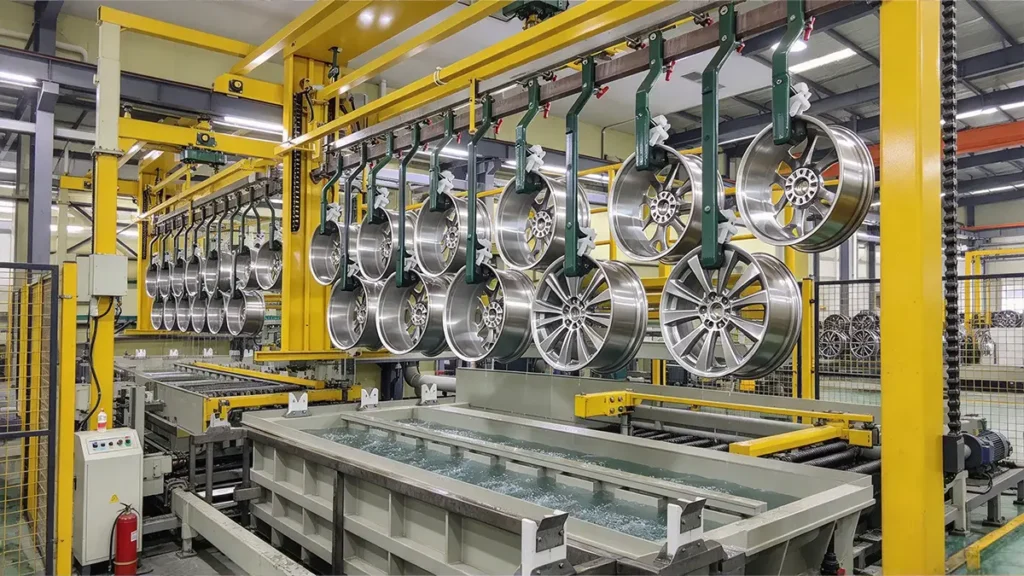
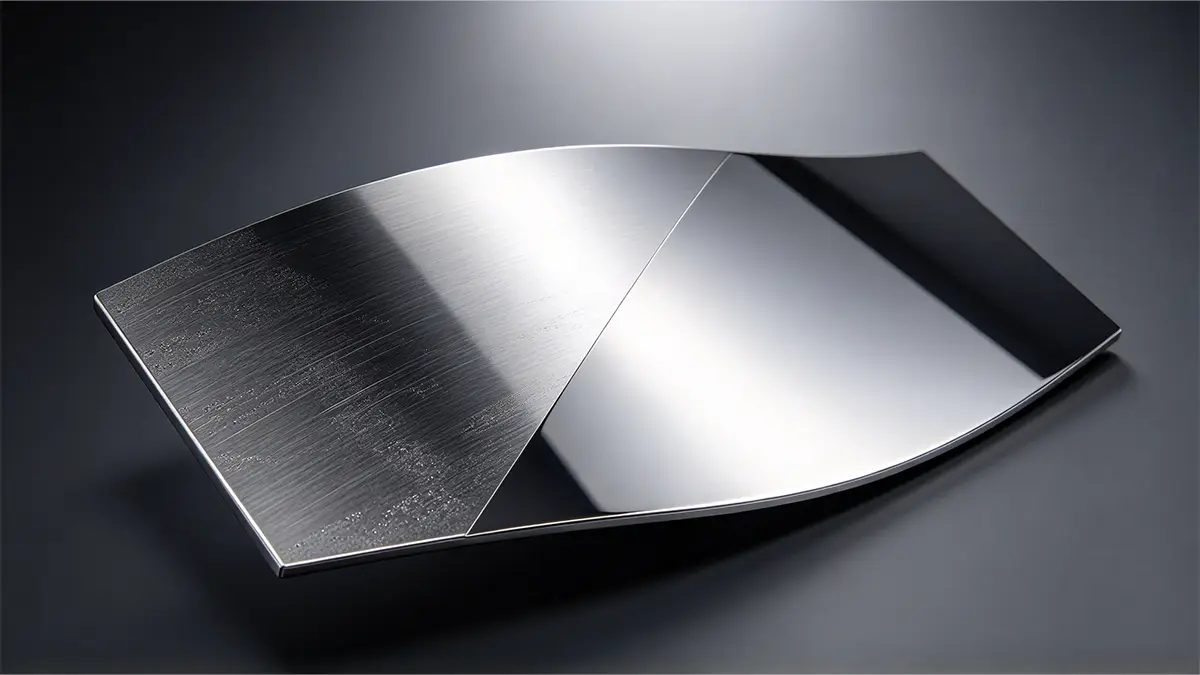
Zinc plating is a lightweight solution that strengthens the substrate it is applied to. By forming a physical barrier, zinc coating on metal extends the life of the underlying metal. The barrier it creates prevents moisture from penetrating the base metal, thereby preventing rust. Zinc coating is ideal for corrosion prevention because it oxidizes at a significantly slower rate than the underlying ferrous metals, effectively acting as a sacrificial anode. Zinc plating is an environmentally friendly choice for metal plating. This is because it can be recycled and reused. But what is zinc plating?
Simplest Definition
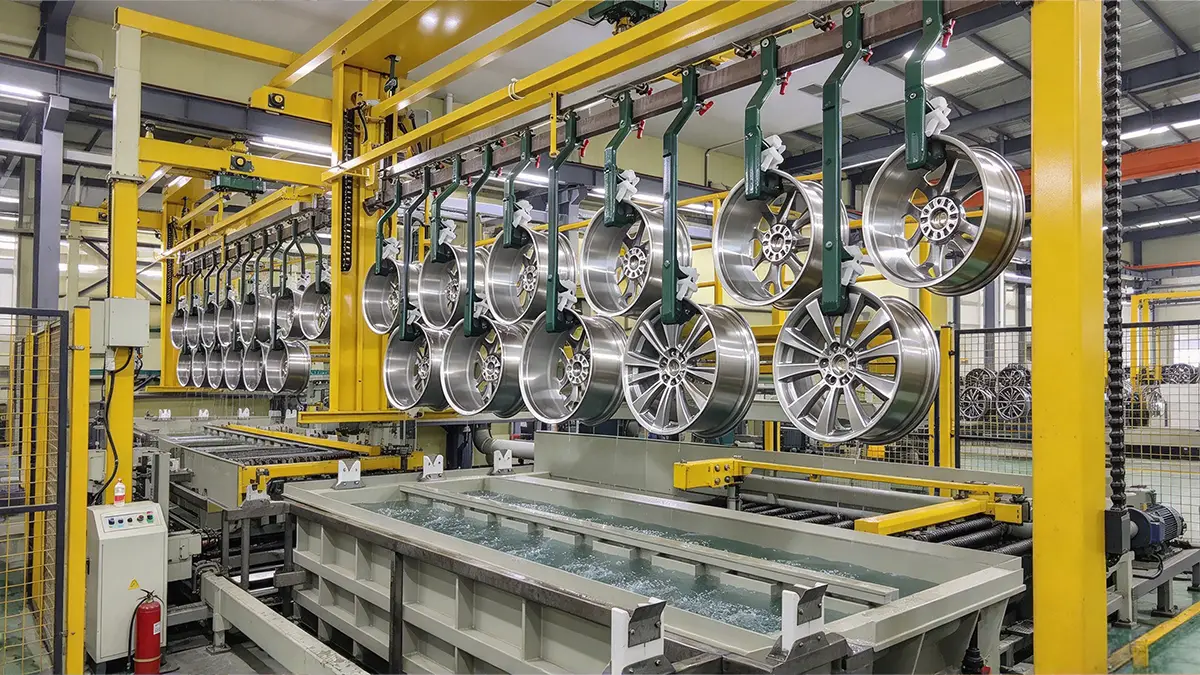
Zinc plating, explicitly known as zinc electroplating, is a precision finishing process that stops corrosion and protects metals without the extreme heat associated with hot-dip galvanization. This method involves applying a thin zinc layer to the metal surface. Zinc plating uses an electrolyte solution containing zinc ions, which form a zinc coating on the metal surface. This thin zinc layer prevents the metal from reacting with air and moisture, helping prevent rust.
What is the Process of Zinc Electroplating?
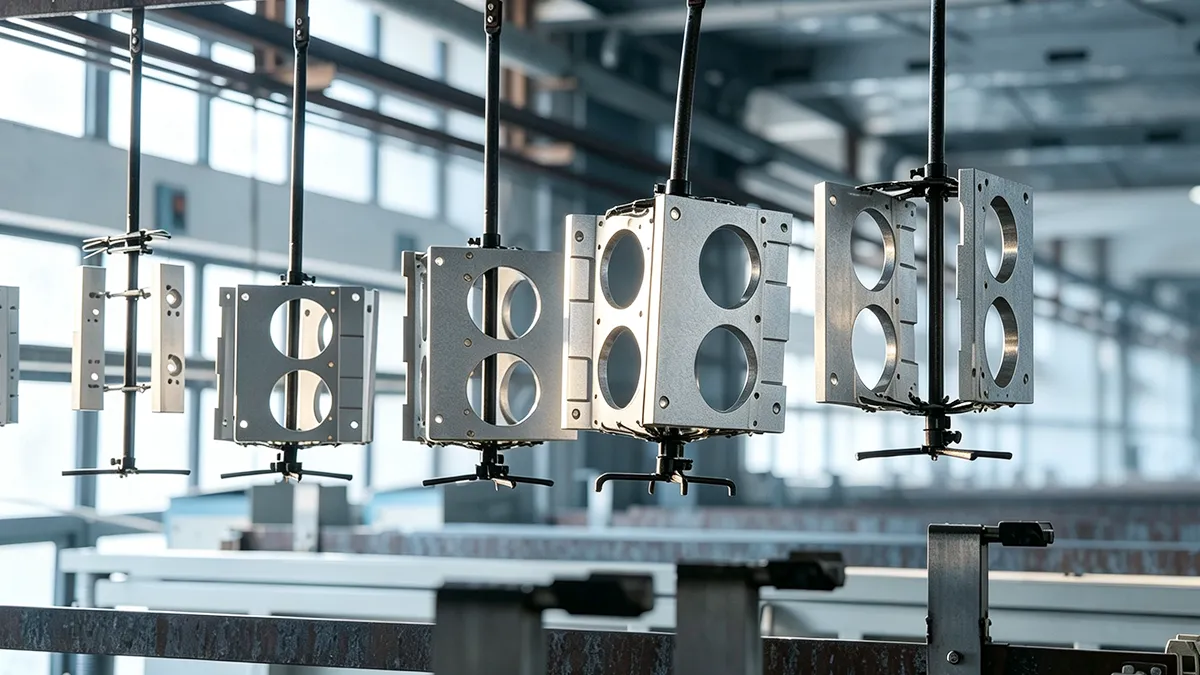
Zinc electroplating is a technical process that demands a high level of skill. Below is a detailed breakdown of how zinc plating is performed.
1. Preparación de la superficie
Clean the surface to remove rust, oil, and dirt from the substrate. Use an alkaline detergent to help the zinc plating remain intact for a long time, ensuring that all resulting cleaning wastewater is processed in compliance with federal effluent limitations for metal finishing [1]. Inadequate cleaning can lead to defects like blistering or peeling. The cleaning process involves putting the metal in a bath for 5-10 minutes at 150 to 200° F to remove the dirt. This is followed by an acid treatment that helps eliminate surface rust. Some vendors will also use an electrocleaner for micro-level cleaning, applying an electric charge to the metal at its anode or cathode end.
2. Preparing for Electrolyte Solution
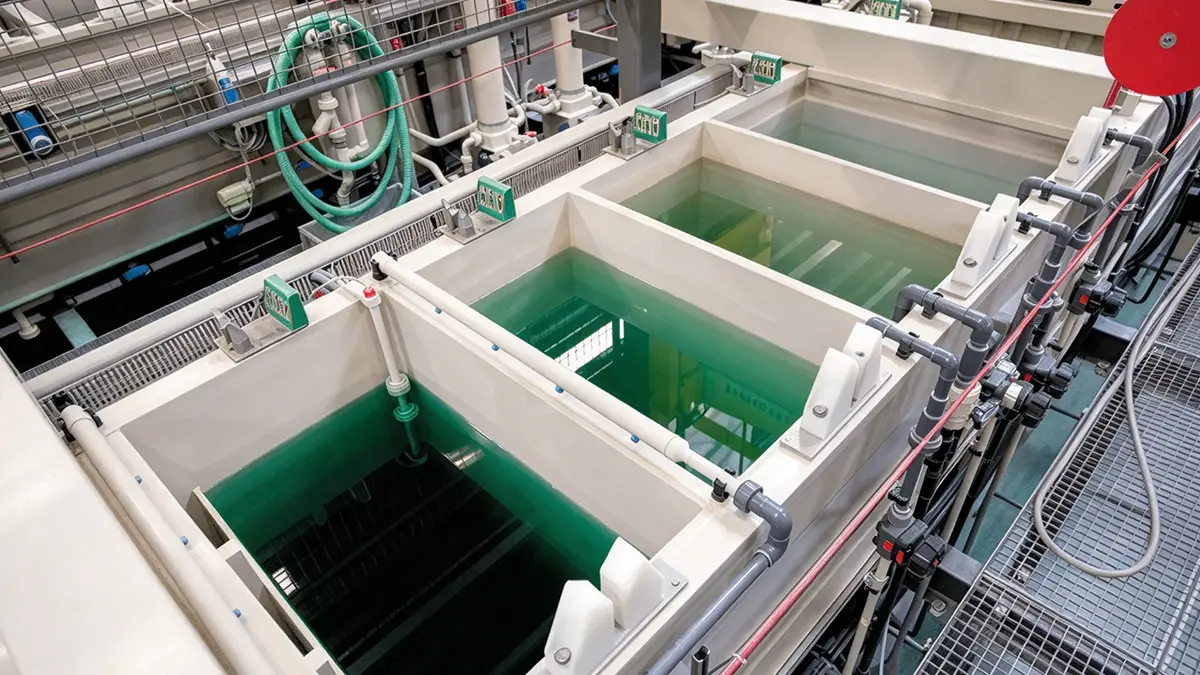
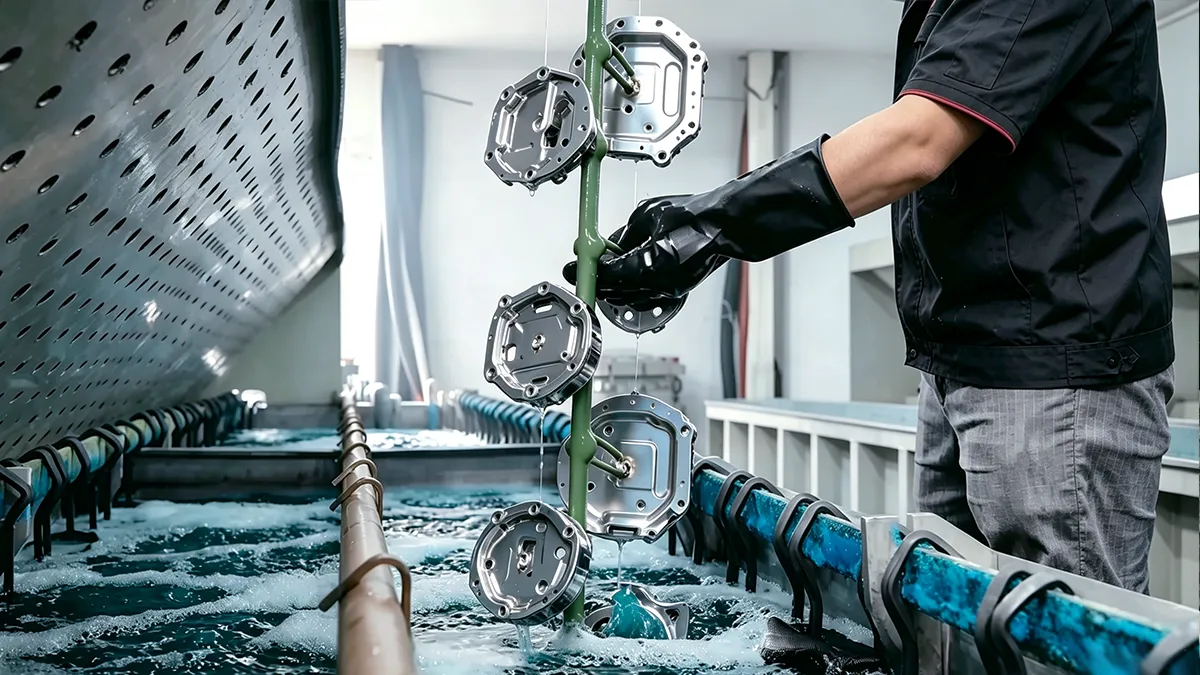
In zinc plating, the user must immerse the substrate in a specialized electrolyte solution, also known as the plating bath. The bath usually contains various chemicals and a zinc-ion solution that helps streamline the plating process. It can also generate the desired physical and chemical characteristics of the final product.
3. Electrochemical Reactions
Zinc plating relies on electrochemical reactions, where zinc ions move from the anode to the cathode through an electrolyte solution. In this reaction, the zinc anode oxidizes, releasing zinc ions into the plating bath. These positively charged zinc ions move toward the negatively charged cathode, where the metal part is attached.
At the cathode, the zinc ions are reduced and deposit as a solid layer on the metal surface. The solid zinc anode loses electrons, creating positively charged zinc ions. These ions then travel through the electrolyte solution toward the cathode. The reaction at the anode is;
Zn (s) → Zn²⁺ + 2e⁻
At the cathode, the reduction reaction takes place. Zinc ions gain electrons and solidify as a thin, uniform zinc layer over the metal part. This layer offers substantial protection against corrosion, acting as a sacrificial barrier for the underlying metal. The following is the reaction.
Zn²⁺ + 2e⁻ → Zn (s)
4. Cleaning and Finishing
Wash the parts with water after each key step of the zinc plating process. After plating, wash the parts in a liquid container to remove potential surface contamination, then dry them properly. Rinsing can also be repeated if contamination is excessive. You can wash parts under running water or in a rinsing tank, depending on the extent of contamination. When additional protection is needed, sealers and passivates can be included in the post-treatment process.
What are the Different Zinc Plating Finishes (Passivates)?
Multiple types of zinc plating are used for varying degrees of zinc coating.
Yellow zinc plating
This zinc coating is most common in the automobile industry and offers a moderate level of protection against rust and corrosion. Yellow zinc plating extends the galvanizing process. After galvanizing, passivation takes place: a passivation solution containing chromates and other components is applied to the zinc surface, forming a yellow passivation film through a chemical reaction. Because traditional yellow chromates often contain hexavalent chromium, facilities must rigorously implement exposure control measures as mandated by occupational safety regulations [2]. This passivation film gives yellow zinc-plated parts unique properties that are different from those of normal galvanized parts. It is the most significant difference between the two in terms of composition.
Yellow zinc plating is primarily used in industries such as mechanical processing, automotive, and home appliances, including automotive components and appliance housings. In addition to corrosion and wear resistance, it also offers good decorative properties, enhancing the product’s aesthetic quality.
Blue/clear zinc plating
This type of zinc plating generally offers lower corrosion protection; however, it is more environmentally friendly than its counterparts.
Clear Zinc plating refers to a colorless chromate conversion coating that is applied over zinc as part of the post-plating process. Clear chromate, or passivation, protects the zinc layer and offers additional corrosion protection. This finish gives the part surface a silver appearance with a slight blue tint.
Blue or clear zinc plating is widely used for machine parts, washers, screws, and ornamental applications because of its attractive finish.
Black zinc plating
Black zinc is a metal plating using either black oxide, actual black plating, or both. With a finish ranging from olive drab to pure black, this zinc coating will provide more intense rust resistance, particularly when black oxide is used. Due to its dark finish, it is often used decoratively.
To achieve the signature black appearance, the zinc-coated part is immersed in a solution containing sodium sulfide or cobalt-based compounds. This converts the surface into a black zinc compound (often ZnS or similar) and adds corrosion resistance.
Bath Chemistry: Acid vs. Alkaline Zinc Plating
Beyond post-plating finishes, the core electroplating process is defined by its bath chemistry. Acid zinc plating uses an acidic electrolyte solution instead of an alkaline one, providing faster deposition rates and better coverage for complex or hard-to-plate surfaces. This technique is especially effective for parts with intricate shapes or deep recesses, as the acid bath coats these challenging areas more uniformly than alkaline methods.
The faster plating speed of acid zinc plating makes it suitable for high-volume manufacturing. While it delivers a smooth and uniform finish, the acid bath must be carefully managed to avoid over-plating or potential hydrogen embrittlement.
How do different Parameters affect Zinc Plating?
Various parameters must be controlled to achieve a high-quality zinc plating finish. Generally, the mass of zinc plated on the material surface is given by;
Mass of zinc plated (g/m2)= thickness × density (g/m3)
Thickness of Coating
The single greatest variable controlling how long a zinc coating lasts in a given environment is thickness. A zinc coating that is 10 micrometers (µm) thick will fail far sooner than one that is 30 µm thick, even if everything else is identical. The service life of a zinc coating scales directly with its thickness and the aggressiveness of the environment it faces.
Coating thickness can be measured using X-ray Fluorescence (XRF), an industrial standard. In this method, a handheld or benchtop XRF instrument directs X-rays at the coated surface and measures the energy of the fluorescent X-rays emitted by the zinc layer. To guarantee measurement accuracy across manufacturing batches, these XRF instruments must be routinely calibrated using standard reference materials certified by national metrology institutes [3]. This gives a precise, non-destructive thickness measurement in micrometers within seconds.
The second measurement approach uses magnetic induction (eddy current). Magnetic induction gauges use a probe placed directly on the coated surface to measure thickness by detecting the magnetic response of the steel substrate beneath the zinc. These gauges are less expensive than XRF instruments and provide adequate accuracy for routine process checks. Their limitation is that they require a magnetic substrate (steel qualifies; aluminum does not), and they’re sensitive to surface roughness, part geometry, and operator technique.
pH Level
Maintaining the correct pH level in the plating solution is essential for consistent plating quality. pH affects how smoothly zinc ions deposit onto the part’s surface and can influence adhesion.
Temperature
The plating bath temperature plays a significant role in the plating process. Higher temperatures generally increase the deposition rate but must be carefully controlled to prevent overheating, which could cause defects.
Densidad de corriente
Current density impacts how quickly zinc ions deposit onto the metal surface. A consistent current density is crucial for a uniform zinc layer, as fluctuations can cause uneven coating thickness.
Voltage
Voltage is applied across the plating bath to facilitate the transfer of zinc ions from the anode to the cathode. Correct voltage levels ensure efficient plating without causing excessive wear on the equipment or parts.
Tiempo de recubrimiento
The duration of time a part is submerged in the plating bath determines the thickness of the zinc layer. Longer times generally produce thicker coatings, though over-plating can cause brittleness or poor adhesion.
How do you control some of the Defects of Zinc Plating?
White Rust
White rust or white staining signifies a high risk. It is caused by zinc oxide and zinc hydroxide forming on the zinc surface, typically caused by exposure to moisture before or after plating without adequate passivation. It can also occur when parts are improperly stored or shipped in damp conditions after plating. You can fix this by re-passivating affected parts if the white rust is light and superficial. Heavily rusted parts typically require stripping, re-plating, and re-passivation. A preventive approach involves applying passivation immediately after zinc plating with no delay. Dry parts thoroughly before packaging.
Red Rust
Premature red rust on the steel substrate indicates that the zinc deposit has been fully consumed by corrosion or that inadequate zinc thickness was deposited in the first place. Can also result from skip plating in recessed areas. Prevent it by specifying the correct ASTM B633 service condition for the application environment. Use alkaline zinc bath chemistry for threaded and recessed parts to ensure uniform coverage.
Burnt deposits
A dark gray, rough, or powdery zinc deposit indicates an overloaded deposit from excessive current density in high-current-density areas. The burned deposit has poor adhesion, inferior corrosion resistance, and a characteristic dull, rough appearance. Prevent it by using the correct current density for the bath chemistry and part geometry, and avoid placing anodes too close to protruding features.
Blistering and Peeling
Raised bubbles or blisters under the zinc deposit are typically caused by poor surface preparation or localized contamination. Ensure thorough pre-treatment cleaning and descaling to resolve this.
Hydrogen Embrittlement
While not a visible surface defect, atomic hydrogen absorbed during the acid pickling or plating process can cause catastrophic brittle failure in high-strength steel parts. To prevent this, high-tensile components must undergo a post-baking relief process in strict accordance with ASTM B633 standards immediately after plating, a critical structural safety protocol mandated by federal aviation and spacecraft materials standard requirements [4].
Conclusión
Zinc plating delivers reliable, cost-effective corrosion protection for metal components. By strictly controlling bath parameters and selecting appropriate passivates, manufacturers can prevent defects and guarantee long-lasting, industrial-grade performance for precision parts and custom prototypes.
Referencias
[1] U.S. Environmental Protection Agency (EPA). (n.d.). Metal Finishing Effluent Guidelines (40 CFR Part 433). EPA Industrial Effluent Guidelines. Retrieved from https://www.epa.gov/eg/metal-finishing-effluent-guidelines
[2] Occupational Safety and Health Administration (OSHA). (n.d.). Hexavalent Chromium – Safety and Health Topics. Departamento de Trabajo de Estados Unidos. Extraído de https://www.osha.gov/hexavalent-chromium
[3] National Institute of Standards and Technology (NIST). (n.d.). Standard Reference Materials (SRM). U.S. Department of Commerce. Retrieved from https://www.nist.gov/srm
[4] National Aeronautics and Space Administration (NASA). (2021). NASA-STD-6016: Standard Materials and Processes Requirements for Spacecraft. NASA Technical Standards System. Retrieved from https://standards.nasa.gov/standard/NASA/NASA-STD-6016





 ES
ES  EN
EN  FR
FR  DE
DE  IT
IT  PT
PT  NL
NL  PL
PL  AR
AR  JA
JA  KO
KO  ZH
ZH