

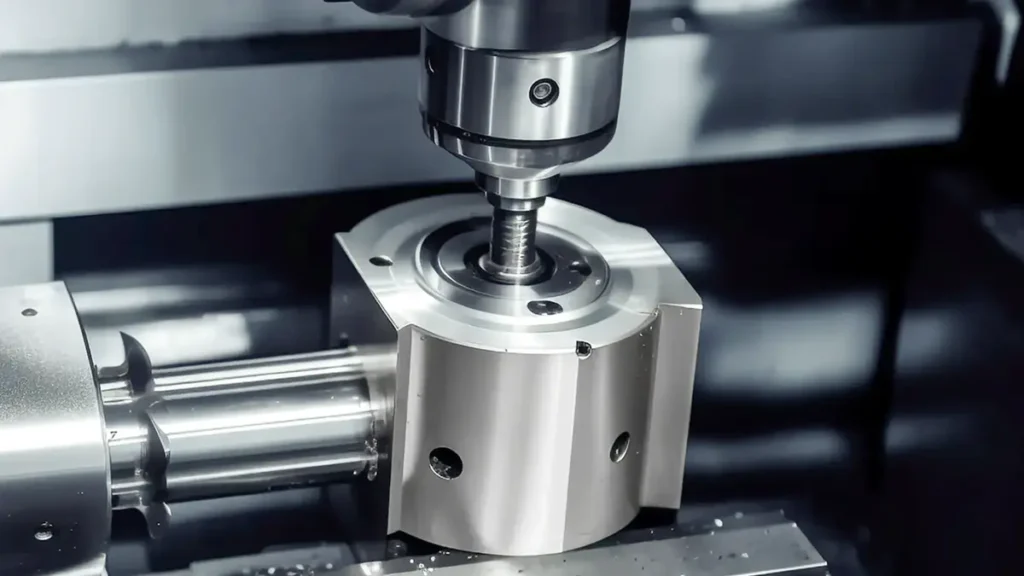
CNC(计算机数控)加工在当代制造业中非常重要。它根据零件规格采用不同的材料,如钢材。钢是一种有效的材料,具有多功能性、强度和耐用性等特性。它是数控加工的最佳材料之一。制造商的目标是确保零件经久耐用、成本低廉,而强度则是制造工艺的决定因素。一种材料和另一种材料的比较取决于其特性及其在加工中的作用。


用于数控加工的主要钢种
钢的分组主要取决于含碳量、用途以及构成合金的元素。数控加工包括各种类型的钢,其中最典型的是低碳钢、高碳钢和中碳钢。每个类别都具有不同的机械性能。这些材料可满足独特的应用需求。低碳钢和低碳钢价格低廉,是制造商的实用选择。它们也易于用于数控铣削/车削操作。
低碳钢(低碳钢)
特点
The low carbon content, strictly maintained below 0.3%, makes this steel exceptionally ductile and highly weldable. In its standard hot-rolled state, common mild steel like AISI 1018 typically delivers a reliable yield strength of approximately 290 MPa (42,000 psi) [1]. This precise baseline provides an optimal balance of moderate strength and excellent formability without the need for pre-heating before welding.
It is, therefore, best for machining and forming. Low-carbon steel is commonly used for general purposes. It is not necessary to exhibit high strength and hardness traits. The low carbon content makes it less impacted by brittleness. It, therefore, leads to high durability in mechanical and structural components. It is cost-effective and crucial for mass production.
应用
制造业广泛使用低碳材料。其主要生产元素包括螺栓、紧固件和齿轮。低碳钢的强度和可加工性使其成为建筑、工业机械和汽车结构部件的理想材料。其作用是结构性的,例如在管道和板材中。该产品的重点是易于制造。卓越的可焊性至关重要,适用于易于制造的场合。而且需要承担广泛的焊接风险。.
低碳钢的加工注意事项
A major advantage of the material is the reduced ease of machining. Despite its excellent baseline machinability, mild steel can still experience problematic strain hardening if inappropriate cutting techniques are applied. Selecting the correct cutter engagement strategy, such as choosing between climb milling and conventional milling, is absolutely vital to prevent workpiece surface deformation. The outcomes are challenges in the cutting and shaping. Effective lubrication is important in the minimization of increased heat that accumulates. The heat-up can impact the properties of the materials. Success in machining efficiency and durability relies on using sharp cutting tools.
何时选择低碳钢
低碳钢是考虑成本效益的理想选择。它是大规模生产中的优先选择。低碳钢适用于需要良好焊接性和成型性的领域。但它不需要极高的强度和硬度。钢的类型适用于整体工程和硬度。钢的类型在一般的项目制造中至关重要,因为在这些项目中,简便性和经济性非常重要。设计需要不断定制和修改的材料时,低碳钢可提供适应性,这是提高制造效率的关键。
中碳钢
特点
Medium-carbon steel generally contains between 0.3% and 0.6% carbon. This specific metallurgical composition provides a highly optimal balance of strength, stiffness, and hardness when compared to standard low-carbon alternatives. Medium carbon steel provides resistance to wear, hence proper for elements that experience mechanical stress and friction. It offers proper balance in machinability and strength despite being weldable and ductile. Medium-carbon steel frequently undergoes controlled 热处理. This essential thermal process significantly boosts its mechanical properties, resulting in superior hardness, toughness, and the ability to withstand highly demanding applications.
应用
The higher resistance and resistance make carbon steel familiar in connecting rods and manufacturing crankshafts. It is also essential in machine tool parts and hydraulic components. These components experience key mechanical loads and demand materials with high fatigue resistance and toughness. It is also present in gears, railway tracks, and gears. These areas are where durability and strength are important. Its capability to undergo heat treatment is crucial in areas that demand more mechanical performance.
中碳钢的加工注意事项
中碳钢的硬度高于低碳钢。它具有更高的强度和硬度。它要求使用锋利的切削刃,防止刀具过度磨损。在加工过程中,中碳钢会产生毛刺,需要进行后处理,以获得适当的精加工效果。处理对提高耐磨性和硬度也很重要。有效的切削需求、刀具选择和润滑有助于延长刀具寿命和提高效率。
何时选择中碳钢
在强度要求较高的情况下,中碳钢是一种有效的选择。然而,中碳钢的高强度与低碳钢相比,却没有高碳钢的高硬度。中碳钢适用于要求中等耐磨性的场合,即需要承受重复应力的机械零件。它是有计划地进行热处理以提高材料质量的最佳选择。这提高了可负担性、可加工性和强度之间的平衡,使其成为汽车和工业用途的有效替代品。
高碳钢
特点
Containing a high carbon concentration exceeding 0.6%, this steel category can achieve extraordinary hardness and tensile strength after proper quenching and tempering. For instance, high-carbon grades like AISI 1095 can reach a Rockwell hardness of 55 to 60 HRC, a benchmark strictly governed by industrial specifications such as ASTM A684 [2]. This extreme hardness offers superior wear resistance, but it inherently reduces fracture toughness, making the material significantly more brittle than lower carbon variants.
Since it has limited formability and weldability, it can undergo heat treatment. The objective is to increase the chances of mechanical properties. High-carbon steel is important in its application and requires superior strength.
应用
High-carbon steel is important for cutting saw blades, drills, and knives. Its traits are due to its ability to uphold a sharp edge under pressure. It is exceptionally useful for manufacturing heavy-duty springs and high-strength machine parts. Specifically, its extreme rigidity and wear resistance make it the standard choice for producing various durable types of bearings. It is also crucial in manufacturing punches, press dies, and highly durable heavy-duty industrial tooling. These areas experience repeated stress and require materials that can uphold structural integrity and exist for long periods.
高碳钢的加工注意事项
高碳的极高硬度使其在机械加工中具有挑战性。它需要专门的切削工具。理想的材料是硬质合金和涂层刀具。材料的特性是提高效率和减少刀具磨损的关键。当加工过程中热量积聚过多时,材料会出现裂纹。缓慢的切削速度和高质量的刀具有助于保持精度。零件的最终产品可防止材料损坏。加工后热处理偶尔也是获得重要机械性能的关键。
何时选择高碳钢
高碳钢适用于需要极高硬度的领域。在耐磨性和硬度要求较高的领域,高碳钢也很重要。高碳钢还适用于具有高冲击力的领域。它对切削工具、各种工业刀片以及承受摩擦和应力的部件至关重要。该钢种是常见的机加工后热处理领域的理想选择。其目的是获得最佳的强度和耐久性。高水平的性能特征适用于需要保持刃口和韧性的环境。
合金钢
特点
合金钢由镍、铬和钼组成。这些材料可提高机械性能。它还能提高韧性、强度和耐磨性。因此,合金钢是高应力情况下的理想材料。根据成分的不同,不同的合金钢具有不同的耐腐蚀性。合金钢的一些重要特性因所使用的元素而异。合金钢可广泛应用于对性能和耐用性要求较高的行业。
应用
这种钢合金在航空航天和汽车领域非常重要。其高强度和韧性是理想的材料。它在轴、齿轮和其他具有高应力和高负荷的部件中发挥着重要作用。它在模具应用中也是必不可少的,在压力容器等具有机械性能的领域也很有帮助。耐腐蚀性使其成为化学和海洋环境的理想材料。其目的是提高碳钢降解领域的长期耐用性。
钢合金的加工注意事项
合金钢的可加工性取决于其成分水平。有些合金的加工难度很大。这类合金非常坚硬,需要涂层刀具和硬质合金。目标是保持效率。有效的润滑和冷却可防止刀具过度磨损和热量积聚。某些高强度合金需要专门的加工方法来达到特定公差。选择适当的加工参数是实现有效性能的关键。它还能减少制造过程中的材料浪费。
何时选择合金钢
合金钢是一种具有优异机械性能的合金,包括高韧性和耐磨性。它在应力水平极高的领域非常重要。其他领域包括那些环境和负载恶劣的领域。这种材料提高了耐腐蚀性,因此在航空航天、化学加工和海洋工业中非常有效。钢材具有广泛的耐久性、抗性和可靠性,因此是工程用途和高性能多功能解决方案的关键。
不锈钢
不锈钢是一种耐腐蚀合金,含铬量约为 10.5%。其表面有一层保护层,可防止生锈并提高耐用性。材料成分使其在强度和韧性变化较大的环境中也能发挥有效作用。这取决于具体的等级。典型的牌号包括 316 和 304 牌号,它们具有独特的性能。常见的独特性能包括抗氧化性、耐海水侵蚀性和耐海域化学品腐蚀性。
应用
不锈钢适用于对卫生标准和耐用性要求较高的行业。由于具有生物相容性,它在医疗行业、手术环境和植入物中很常见。此外,它还具有耐腐蚀性。食品和加工业依赖不锈钢来制造输送机、储罐和厨房小工具等容器。它不会与提供的饮料和食品发生反应。此外,不锈钢在船舶五金、建筑材料和航空航天领域也很重要。它能够长期暴露在湿气和化学物质中,因此非常适合使用。
不锈钢加工注意事项
Due to its high chromium and nickel content, austenitic stainless steel possesses a severe work-hardening rate. This metallurgical trait presents unique machining challenges, reflected in standard AISI 304 having a baseline machinability rating of only 45% compared to free-machining carbon steels [3]. If cutting feed rates are too slow, the tool simply rubs against the surface, instantly hardening the material and drastically reducing machining efficiency.
The steel also creates more heat in the machining, demanding proper cooling and lubrication approaches. The objective is to prevent thermal damage. Using feed rates and tool coating increases the level of performance. It also reduces tool wear, improves surface finish, and leads to precision and longevity.
何时选择不锈钢
当耐腐蚀性是关键优先事项时,不锈钢是最合适的选择。它在盐水、化学品和潮湿等环境中至关重要。它对于医疗设备制造和海洋工程应用也至关重要。更重要的是,耐久性、卫生性和使用寿命都很重要。此外,在与耐热性、强度、美观和抛光价值相结合时,它的优先级也很高。它的耐用性、保持结构完整性的能力以及在极端条件下的多功能性。因此,它在不同的行业环境中都很受欢迎。制造商的职责是确保所有规格都能发挥作用。规范的重点是各种环境的要求。一个行业和环境的要求可能与另一个行业和环境的要求不同。
数控加工中的钢材对比表
| 钢型 | 实力 | 机械加工性能 | 耐磨性 | 耐腐蚀性 | 费用 |
|---|---|---|---|---|---|
| 低碳钢 | 中度 | 高 | 低 | 低 | 低 |
| 中碳钢 | 高 | 中度 | 中度 | 低 | 中型 |
| 高碳钢 | 非常高 | 低 | 高 | 低 | 中型 |
| 合金钢 | 非常高 | 低度至中度 | 高 | 中度至高度 | 高 |
| 不锈钢 | 高 | 低 | 中度 | 非常高 | 高 |
钢与其他金属在数控加工中的比较
钢材数控加工
钢材是各行各业常用的生产材料。之所以选择钢材,是因为它具有耐久性和强度。建筑、工业和汽车行业使用钢材来承受高压力和高负荷。然而,硬度是机械加工中的一个问题。与黄铜和铝等其他材料相比,这种特性使其在成型和切割方面更具挑战性。解决这一难题的办法在于制造商使用专门的切削工具。刀具应能够控制钢的韧性。有效的润滑和冷却液对于延长工具的使用寿命非常重要。这对散热也很重要。切削速度和最佳进给率有助于提高效率和精度。
铝数控加工
铝具有多功能性和轻质特性。它易于加工,因此对制造航空航天、汽车和电子零件非常重要。与钢相比,铝的强度较低。这一特性限制了它在高负荷应用中的应用。然而,它在可加工性方面却至关重要,可以高速切削,几乎没有阻力。其结果是刀具磨损最小,表面光滑。这对数控加工项目非常重要。此外,它的耐腐蚀性也提高了在不同环境下的耐用性。因此,对于制造商来说,选择精度要求高的铝材部分非常重要。在生产过程中,它还具有高效和成本效益。
钛数控加工
Titanium is a highly valued material. The preference in production is based on its exceptional strength-to-weight ratio. Also, it possesses efficient biocompatibility and unique corrosion resistance, making it the best choice for manufacturing military, medical, and aerospace parts. However, its use in machining is challenging as it exhibits high toughness. The toughness is responsible for an increase in tool wear and heat creation in the cutting process. Unique cutting approaches, including high and low feed rates, are important to enhancing machinability. Effective cooling approaches such as high pressure and feed rate are important for machinability. Modern cooling approaches, such as high-pressure coolant systems, are useful in preventing overheating. It also upholds a high level of precision. Coated tools and carbide are also necessary in enhancing tool life. Titanium is still crucial in some industries despite exhibiting numerous limitations in its traits.
黄铜数控加工
它具有可加工性、美观的外观和耐腐蚀性。黄铜是乐器、装饰品、电子设备和管道配件制造商的常用材料。黄铜的一大优点是能够快速加工。此外,黄铜还能精确地减少工具磨损。最终的结果是降低成本,确保适当的效率。
然而,与钢材相比,它的机械强度较低,这妨碍了它的有效使用。它在机械加工方面的效果较差,主要集中在高负荷和结构性环境中。然而,这种限制并不意味着它在精密部件方面的效果较差。它在需要导电性、美观性和耐环境因素的精密部件中很常见。
型钢的加工公差
了解钢材加工公差
加工公差对钢制部件的制造至关重要。其作用是遵守精度要求。钢材的数控加工公差在 ±0.005 英寸到 ±0.001 英寸之间。公差率取决于铣削/车削操作和应用。设定的精度水平取决于零件的作用。有些应用需要严格的公差。有效保持公差可实现与部件的兼容性。它还能使零件具有适当的结构完整性和长期性能,特别是在汽车、航空航天和医疗设备制造领域。
数控加工中的高精度应用
在要求高精度和加工公差的应用中,公差超过 ±0.005 英寸。精密特性常见于需要最微小的变化来实现高效性能的零件。用于工程、航空航天和精密仪器的医疗器械关键零件就具有这些特性。它还需要高性能的机械系统。数控机床在公差要求方面的成功应用与卓越的精度密不可分。它还需要高分辨率的反馈系统和成功的切削条件。此外,高精度刀具和有效的工件夹持方法对于最大限度地减少变化也很重要。这对整个加工过程中的尺寸稳定性也至关重要。
影响钢材加工公差的关键因素
影响钢材加工公差的因素很多。一些常见的因素包括热膨胀、刀具磨损和硬度。钢的硬度范围很广。硬度较高的钢材由于刀具磨损大、切削阻力大,对机器的影响更大。另一方面,较软的钢材尽管易于加工,但由于容易变形,因此在保持严格公差方面存在技术问题。选择合适的钢种来满足机加工性能要求,这一点非常重要,而且结果必须一致。
刀具磨损:挑战与解决方案
刀具磨损是影响加工公差的另一个重要因素。切削因发热和摩擦而产生磨损。其结果是尺寸误差大和表面不一致的变形。因此需要通过高质量涂层切削工具进行适当有效的维护。这样做的目的是最大限度地减少变化并保持设定的公差。此外,高效的润滑和冷却系统也有助于消除磨损和提高加工效率。
钢材数控加工中的热膨胀管理
Thermal expansion is another critical physical variable that directly impacts tight machining tolerances. Standard carbon steel exhibits a coefficient of thermal expansion (CTE) of approximately 11.5 µm/m·°C, a physical metric strictly measured using standard dilatometer protocols like ASTM E228 [4]. During aggressive milling, unmanaged temperature variations can easily cause a steel component to expand by several microns, resulting in severe dimensional deviations.
The outcome impacts dimensional differences. Manufacturers are equipped with the necessary skills for precision. Coolants are important for controlling temperature and upholding stability in the machining environment. Temperature and stability are employed simultaneously. Additionally, there is a high level of steel machining while enhancing the reliability and performance of components.
结论
选择数控加工所需的钢材对于提高强度的平衡至关重要。低碳钢、中碳钢和高碳钢的特性各不相同。低碳钢成本较低。它适用于增强结构件、增加机械零件和紧固机械零件。它是制造航空航天、重型机械和汽车零部件的理想材料。不锈钢是增强耐磨性的合适材料。中碳和高碳可有效提高机械性能。
然而,钢材的硬度很高,需要专门的切割工具。我们的目标是实现高效率和高精度。钢合金由其他元素组成,包括镍、铬和钼。这些材料可提高强度、耐热性和韧性。它适用于提高航空航天、重型机械和汽车零件的性能。不锈钢适用于食品、医疗和海洋环境中的贵重零件。虽然不锈钢因其坚硬的成分而难以加工,但在加工过程中采用适当的技术还是很有效的。在实际数控制造项目中,了解每种类型的显著特征非常重要。其目标是提高生产的质量和效率。
提示:进一步了解其他金属加工工艺
参考资料
[1] ASTM International. (2023). ASTM A29/A29M-23 Standard Specification for General Requirements for Steel Bars, Carbon and Alloy, Hot-Wrought. https://doi.org/10.1520/A0029_A0029M-23
[2] 美国材料与试验协会(ASTM International)。(2017)。. ASTM A684/A684M-17 Standard Specification for Steel, Strip, High-Carbon, Cold-Rolled. https://doi.org/10.1520/A0684_A0684M-17
[3] Akasawa, T., Sakurai, H., Nakamura, M., Tanaka, T., & Takano, K. (2003). Effects of free-cutting additives on the machinability of austenitic stainless steels. 《材料加工技术杂志》, 143-144, 66-71. https://doi.org/10.1016/S0924-0136(03)00321-2
[4] ASTM International. (2022). ASTM E228-22 Standard Test Method for Linear Thermal Expansion of Solid Materials With a Push-Rod Dilatometer. https://doi.org/10.1520/E0228-22




 ZH
ZH  EN
EN  ES
ES  FR
FR  DE
DE  IT
IT  PT
PT  NL
NL  PL
PL  AR
AR  JA
JA  KO
KO