

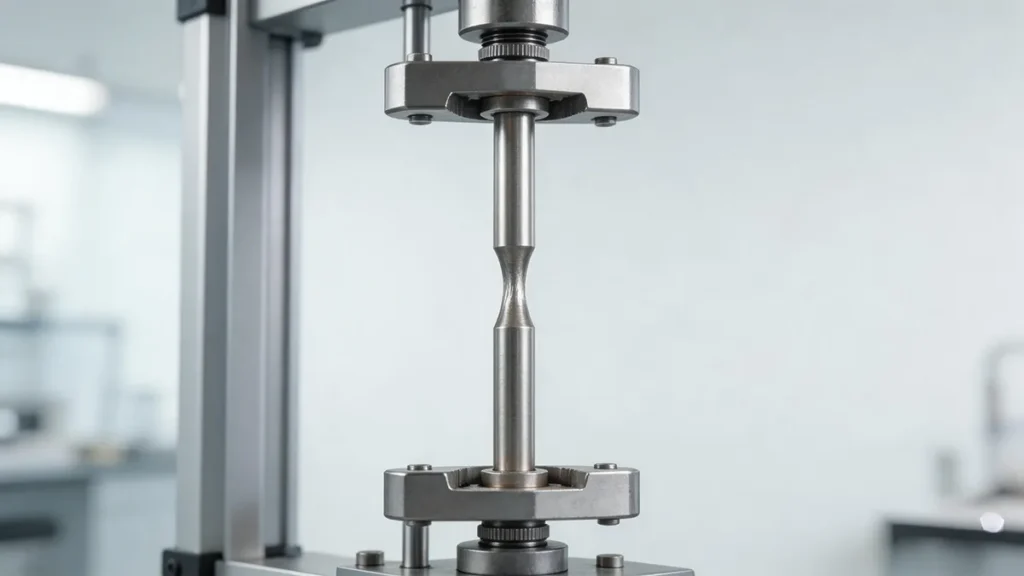
延展性是一种机械特性,描述了材料在断裂前经历大量塑性变形的能力。拉伸应力超过延展性材料的弹性极限时,不会立即导致材料断裂。它不会保持永久性的形状变化,相反,材料能够拉伸、缩颈并重新分配应力。这种塑性变形能力在工程中至关重要,因为它提供了明显的警告信号,降低了突然发生灾难性断裂的可能性。.
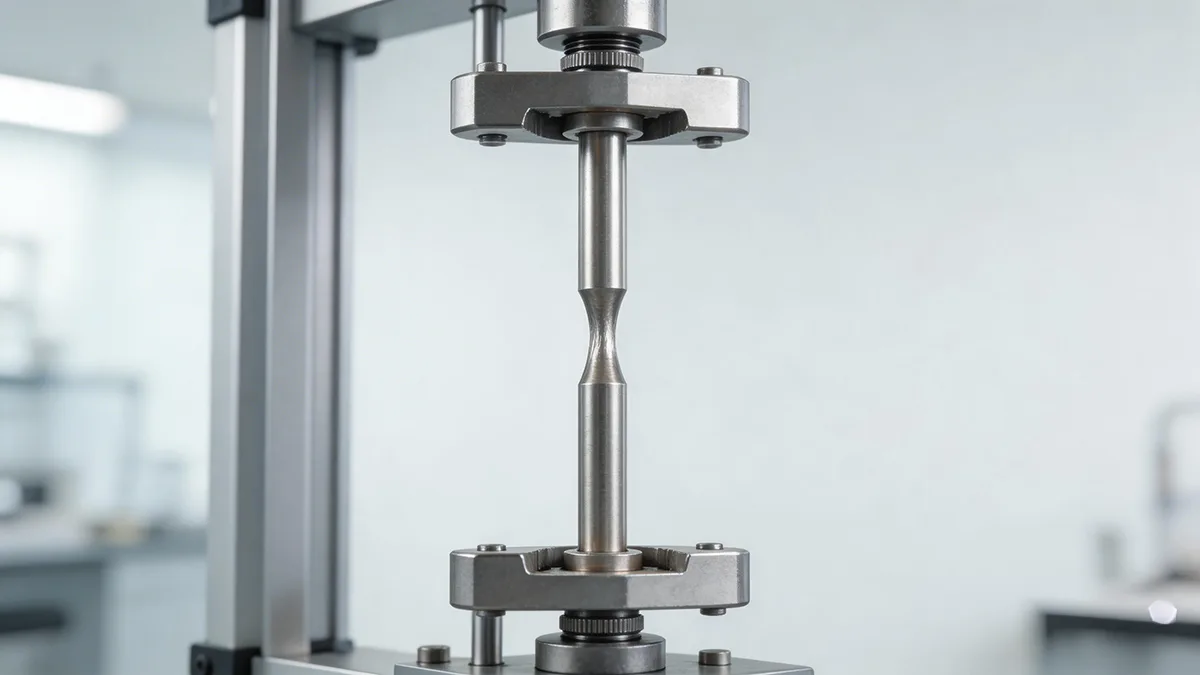
韧性金属
由于金属键的性质,许多金属的晶格结构都能使位错在应力作用下移动,因此,大多数金属都具有固有的延展性。金是现存延展性最好的金属之一,可以拉成很细的金属丝而不会断裂。铜也具有很好的延展性,这也是铜在电线和成型业务中占主导地位的原因。.
铝质 是一种延展性好、密度低的金属,非常适合挤压和板材成形。 由于其面心立方(FCC)晶体结构,高纯度铝具有卓越的延展性,在室温下常表现出超过40%至50%的拉伸伸长率,这使其能够被拉制成复杂的型材而不会出现过早开裂。 低碳钢,尤其是低碳钢,在强度和延展性之间取得了平衡,因此能够弯曲和屈服,而不会在重载下发生断裂。银也具有很高的延展性,常被制成精密零件和导体。.
金属的延展性取决于温度、应变率、晶粒结构和合金成分。许多类型的钢材在较高温度下具有延展性。因此,热成型操作可降低开裂风险。另一方面,有些金属在低温下会失去延展性,因此,在某些合金中,延展性向脆性的转变很常见。.
什么是材料的延展性?
在各类材料中,延展性意味着在断裂前容纳塑性应变的能力,但导致这种行为的机制却各不相同。在金属中,塑性变形主要是通过位错沿晶体学滑移系统运动而发生的。在聚合物中,延展性受分子链流动性和粘弹性流动的影响,可产生较大的应变,但通常会产生随时间变化的影响。.
陶瓷的延展性通常很低,因为其原子键限制了位错运动,导致脆性断裂。在复合材料中,延展性主要取决于基体相和纤维-基体界面的质量,它们共同控制着应变的分布和裂纹的扩展。.
因此,延展性不仅是宏观变形能力的指标,也是微观结构灵活性的指标。高延展性材料具有更强的钝化裂缝、吸收能量和容许缺陷或应力集中的能力。.
材料 球墨铸铁
如果材料在拉伸载荷作用下能承受明显的永久变形而不发生断裂,工程师就将这种材料称为韧性材料。这种材料通常在应力-应变曲线上显示出明显的塑性区域,表明在断裂之前会出现屈服。铜管就是一个例子,它在机械负荷下会发生严重变形,而不会断裂。在过载条件下,结构钢梁能够弯曲和塑性铰接,从而保持一定的承载能力,而不是突然断裂。一些热塑性塑料,如聚乙烯,在撕裂之前可以拉伸到很大的长度,这就是它们通常用于薄膜和包装的原因。.
应区分延展性和延展性。延展性涉及拉应力变形,而延展性涉及压应力变形。虽然这两种金属都具有这两种特性,但两者在概念和实验上是不同的。.
延展性测试
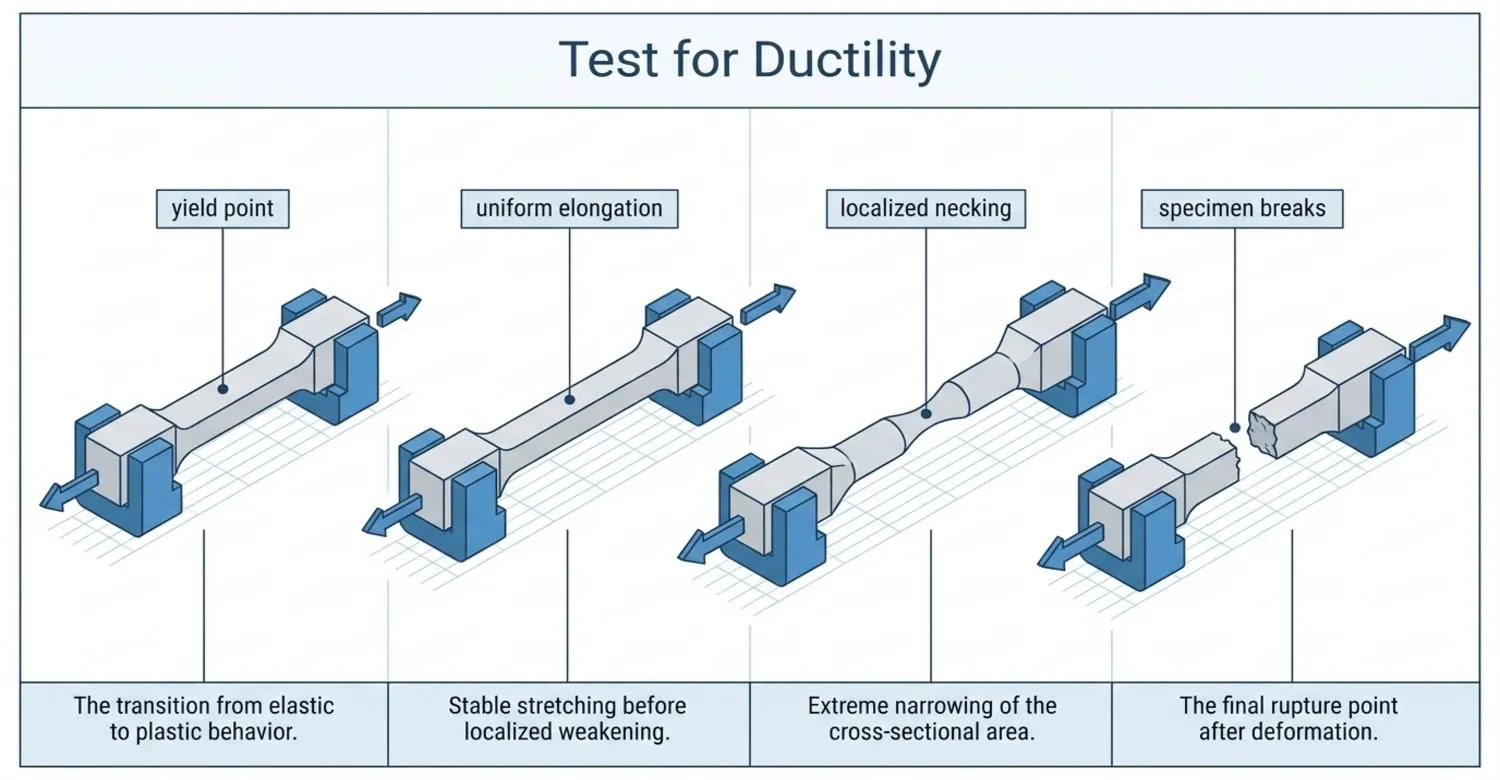
测试延展性最常见且最标准的方法是拉伸试验。在此试验中,将具有规定几何形状的试样在受控应变速率下施加单轴拉伸载荷。随着载荷的增加,材料最初会表现出弹性行为。 在屈服点处开始发生塑性变形,随后出现均匀伸长,最终形成局部缩颈。当试样发生完全断裂时,实验即告结束。为确保各行业延展性指标的可靠性和可重复性,这些拉伸试验受国际测试标准的严格规范,例如 ASTM E8 / E8M 针对金属材料,该标准规定了测试过程中量程长度确切的几何形状以及所采用的特定应变速率 [1].
工程设计中的延展性为何重要
延展性是材料在实际使用条件下表现的决定性因素,尤其是在负载不可预测、动态或极端的情况下。韧性材料在断裂前可能会经历相当大的塑性变形,这为工程师提供了非常关键的安全系数。韧性材料不会突然断裂,而是更容易出现明显的警告信号,如缩颈或弯曲。这种渐进的失效机制为识别和最大限度地减少灾难性事故的发生提供了时间。.

从结构完整性的角度来看,延展性能够实现应力的重新分布。这在易发生疲劳的场合和抗冲击结构中尤为有用。在抗震工程中,延展性至关重要。建筑和桥梁利用延展性变形,在地震发生时释放能量,从而防止坍塌。.
延展性的影响 工艺性. 轧制、挤压和锻造等成形工艺取决于材料在不产生裂纹的情况下发生变形的能力。因此,强度与延展性之间的平衡是一个结构设计问题,二者之间应始终保持协调。高强度可提高材料的承载能力,而足够低的延展性则能保持韧性并防止损伤。.
韧性行为的真实案例
最著名的韧性行为案例是在低碳钢上施加拉伸载荷。当应力进一步增大时,钢材会变长并出现缩颈,最终断裂。这种缩颈效应是塑性变形的典型效应。这种不断扩大的增长可视为材料即将失效的直观证据。.
延展性是以下情况中至关重要的一点: 汽车零部件制造. 汽车的溃缩区是专门采用延性金属设计的,这种金属在遭受碰撞时能够发生塑性变形。这些部件不会将冲击力传递给乘员,而是通过受控变形来消散动能。材料在拉伸和折叠的过程中,将破坏性能量转化为塑性功。.
聚合物有时也会发生韧性反应。聚乙烯纤维可以拉长,直至断裂,形成长条状。这种拉伸延展性被应用于包装薄膜中,因为包装薄膜要求具有柔韧性和可撕裂性。众所周知,韧性断裂表面还伴有由微空洞凝聚而成的凹陷,而脆性断裂的特点是断裂表面呈扁平的劈裂状。.
关于延展性的常见误解
最普遍的误解是认为延展性就是弱点。实际上,延展性和强度并不是相辅相成的;相反,它们是相互竞争的特性。许多高强度合金都可以通过微结构工程来保持高延展性。最突出的对比是,抗变形能力是用强度来衡量的,而延展性则不同,后者是用来衡量材料在破坏之前的变形量。.
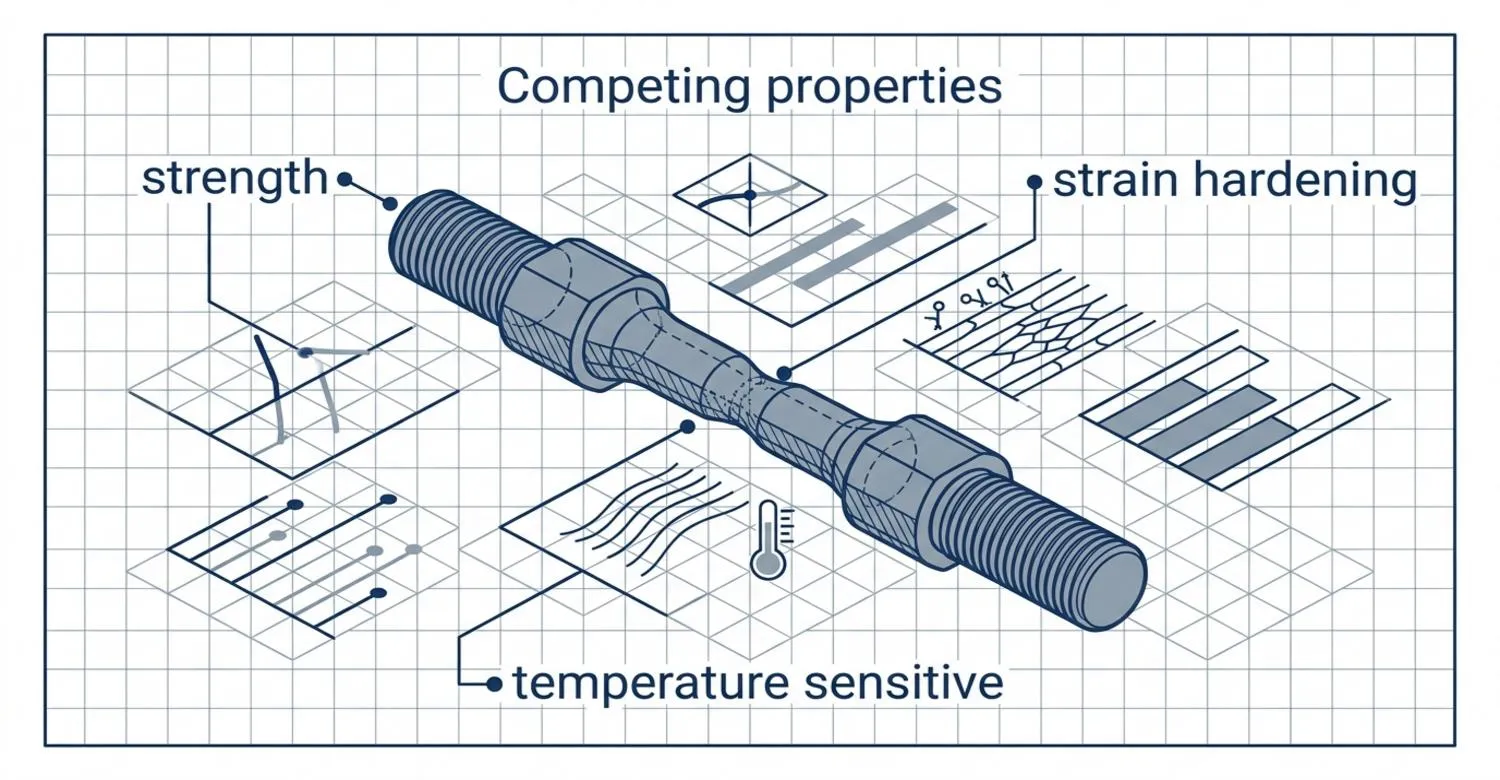
另一个谬误是,延展性保证了耐久性。虽然韧性材料更能抵御损坏,但并不存在可以抵御失效的材料。过度塑性变形会导致不可逆转的形状变化、尺寸精度下降或应变硬化,从而降低韧性。.
延展性并非恒定不变。事实上,它对温度、应变速率和应力状态高度敏感。室温下具有韧性的金属在低温下可能会发生脆性断裂。同样,快速加载可能会抑制塑性变形,使原本具有韧性的材料产生脆性破坏。.
高延展性至关重要的应用
在安全方面,安全因素是能量吸收和变形能力,因此高延展性至关重要。在建造抗震建筑时,应使用容易发生周期性塑性变形而不会完全断裂的结构钢。承压流体管道以韧性强度为基础,以承受地面的流动、热膨胀和应力集中。.
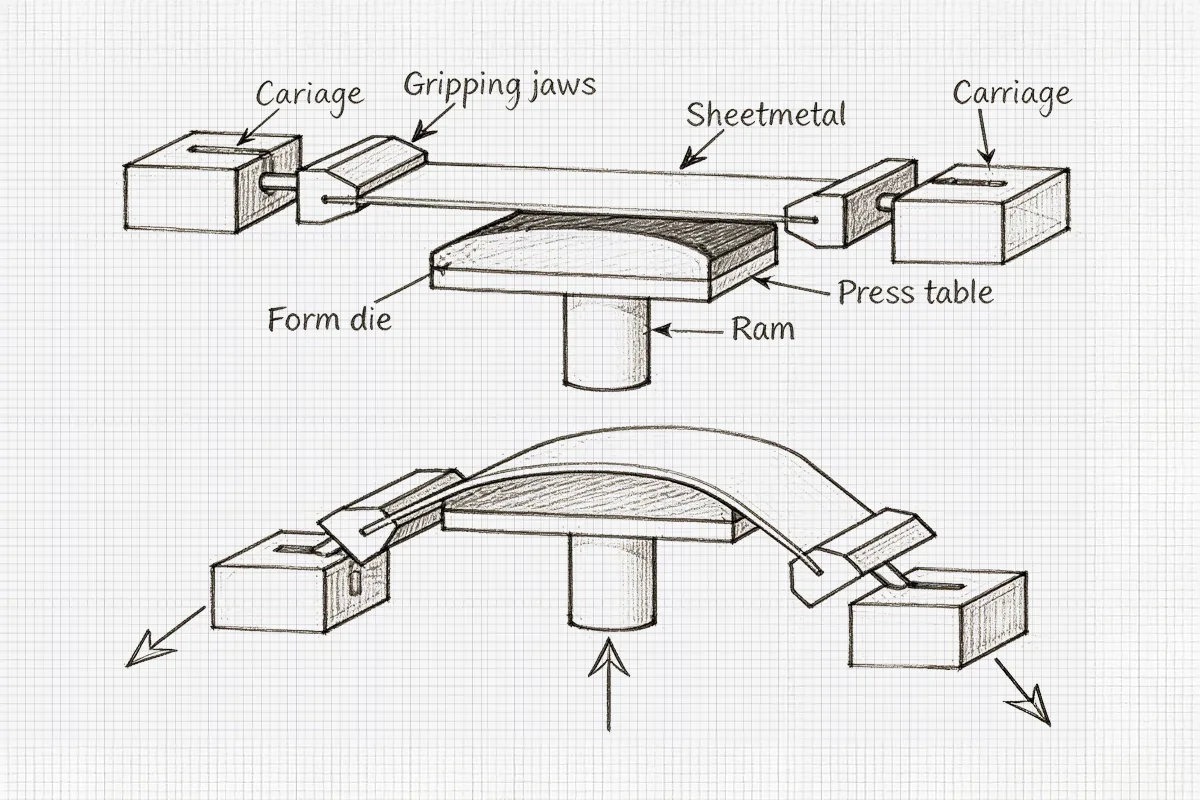
在金属成形行业中,延展性是决定工艺的关键因素。它使金属板材在冲压过程中能够承受巨大的力而不被撕裂。 拉丝和挤压工艺所使用的材料可能是连续的,例如塑料。缺乏延展性会导致制造缺陷和过早开裂。生物医学设备也需要延展性,这类设备通常需要 精密模具制造服务. 例如,支架必须在不发生破裂的情况下发生塑性扩张。在所有这些领域,延展性都起到了缓冲作用,使材料能够流动、适应并保持完整。.
如何测量延展性
最常用的测量方法是伸长百分比,计算方法是将断裂后的长度变化除以量规长度。面积变化百分比也是另一种测量方法,它是测量断裂部位横截面积减少程度的一个方面。这些测量值的组合可确定断裂前的塑性变形量。.
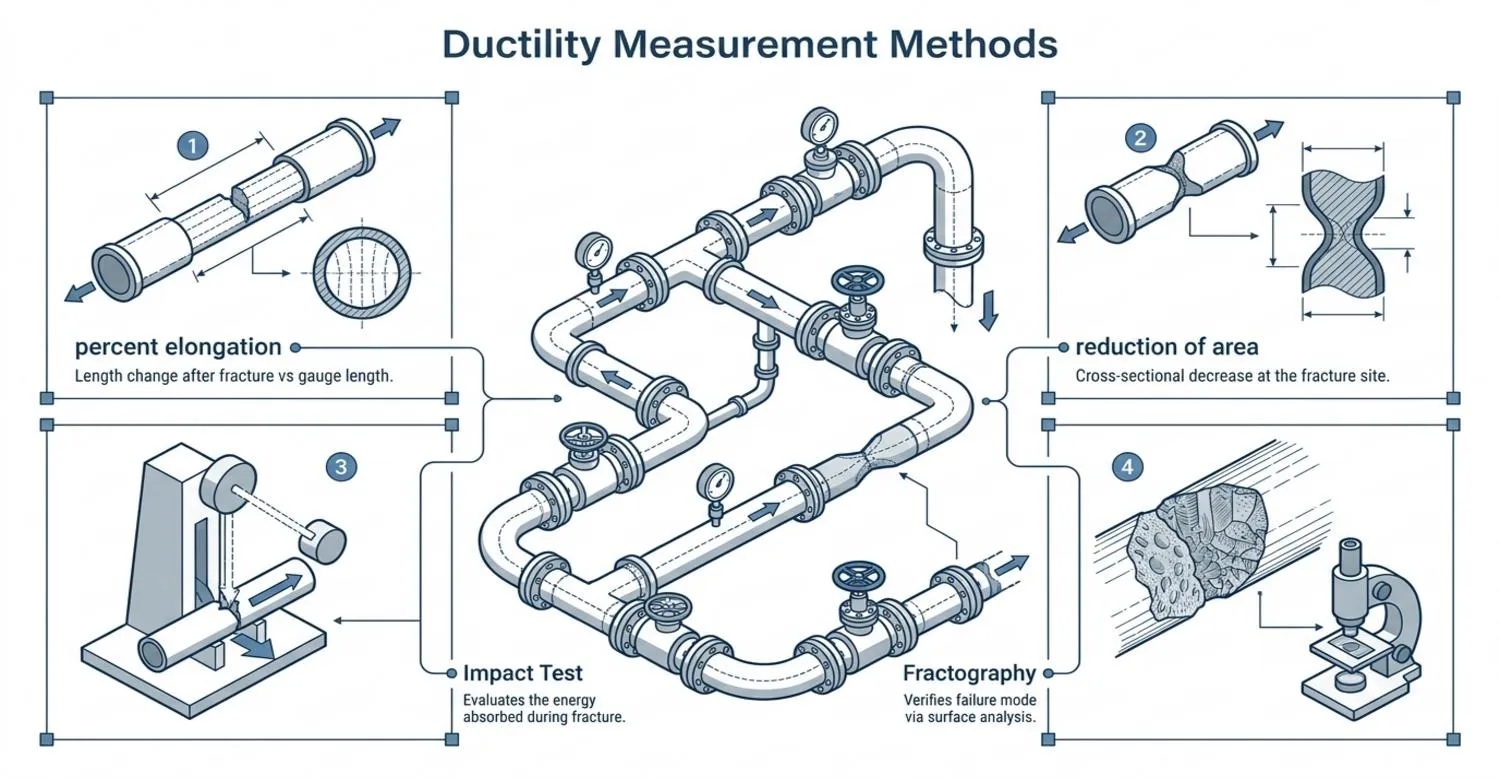
| 方法 | 测量输出 | 重要意义 |
|---|---|---|
| 拉伸试验 | 伸长百分比,面积减少 | 直接量化 |
| 弯曲测试 | 裂缝产生或消失 | 定性延展性 |
| 冲击测试 | 吸收的能量 | 韧性与脆性趋势 |
| 分形 | 断裂表面形态 | 故障模式验证 |
延展性测量方法
延展性与脆性
延性与脆性行为的区别在于断裂前的塑性变形程度。延性材料可通过塑性流动吸收大量能量,从而导致肉眼可见的变形和破坏。 与此形成鲜明对比的是,脆性材料在突然断裂之前不会发生显著的永久变形。具有极端脆性的材料,如先进技术陶瓷或硅酸盐玻璃,其塑性应变值通常为 小于 1% 至 2% 在发生灾难性失效之前,破裂前几乎没有任何宏观预警迹象。这种对比对安全的影响深远。延性材料会表现出弯曲或拉伸等预警迹象,因此可以在坍塌前进行修复。而脆性材料则可能毫无征兆地发生断裂,而且在大多数情况下,一旦断裂开始就会迅速恶化。.
因此,延展性与韧性、可靠性和损伤容限密切相关。建筑材料应具有足够的延展性,因为它们能提供更大的强度,使应力重新分布,并降低灾难性故障的风险。.
结束语
在材料科学与工程领域,延展性是最具战略意义的关键力学性能之一。它决定了材料在变形、失效以及过载条件下的行为。无论是金属成形还是 材料选择 在结构应用中,延展性为受控变形与突然断裂之间提供了缓冲余量,因此对于实现安全、耐久且易于制造的设计而言,延展性是不可或缺的。.
参考资料
[1] 美国材料与试验协会(ASTM International)。(2021年)。. ASTM E8/E8M-21 金属材料拉伸试验标准试验方法. 宾夕法尼亚州西康肖霍肯。. https://doi.org/10.1520/E0008_E0008M-21












 ZH
ZH  EN
EN  ES
ES  FR
FR  DE
DE  IT
IT  PT
PT  NL
NL  PL
PL  AR
AR  JA
JA  KO
KO