


Transparent and translucent products are applicable in a wide range of industries. Achieving functionality and optimal transparency entails an effective process. The design has to incorporate an effective manufacturing process, material selection, post-control, and quality control. The choice for a transparent and translucent end product lies in different factors, as determined by the manufacturing specifications.
Material Selection
Transparent Materials
Key transparent materials such as Polycarbonate (PC) and PMMA, as well as glass, are applicable in numerous industries. The choice of materials is due to optical clarity. Manufacturers prefer Acrylic for its lightweight properties. It is suitable for UV resistance and ideal for outdoor signage. The Polycarbonate is suitable for high-impact resistance. It is effective for eyewear, safety shields, and automotive applications.
Glass is fragile and heavier; hence, it is best for superior optical quality. It is also able to resist scratch and is therefore preferred for architectural and high-end optical applications.

Translucent Material
The translucent material is key for diffused light transmission. Key materials are polyethylene terephthalate (PET) and other polycarbonates. The PET is the best choice for enhancing strength and clarity. It is suitable for packaging and diffuser lighting. Some polycarbonates can undergo modification. The modification offers the material the specification properties. The materials have aesthetic effects, including skylights, lighting, and privacy partitions that enhance light diffusion. The designers determine areas where translucent is essential.

Design and Modeling
Transparency Requirements
The level of transparency lies in aesthetic preferences and functional expectations. For instance, materials applied in optical instruments demand clarity and light distortions. Consumer electronics prefer transparency and durability. The tendency of the material to overcome impact and scratches forms important consumer electronic preferences.
The material for such a level of transparency needs to have minimal inherent coloration and additives to increase light transmission. Prototype testing and simulations can justify the type of material and design. The choice has to ensure the design adheres to transparency goals in different lighting environments.
Impact of Shape and Size
Part geometry impacts the process of manufacturing and material properties for optics. The technical shapes comprising large sizes can create technicalities. Common challenges include molding and uneven cooling.
The overall negative effect of the challenge is the distortions, internal stresses, and warping that impact the transparency levels. The optimal designs entail minimization of the thickness of the wall and sharp corners to align the light transmission.
The simulations and prototyping tools can aid in assessing the variations in size and shape. The prototyping mainly helps in controlling improvements for effective performance while upholding structural integrity.
Mating and Assembly
Compatibility with other materials is a key element for optical clarity. Sealing approaches and materials that prevent contamination and scattering are needed. Methods such as adhesive bonding and ultrasonic welding offer suitable seals. The sealing does not affect the optical properties. Part designing and mixing with seals and gaskets at mating interfaces aid in enhancing a uniform optical path. The system does not have functional integrity. Effective planning aids in minimizing induced defects that can hinder the overall required transparency.



Selections of Manufacturing Processes
The decision on the manufacturing process is important for attaining functional integrity and transparency.
Injection Molding
Injection molding is appropriate for the manufacture of transparent parts. The process can occur in mass volumes and with complex shapes and designs. Success in optical clarity demands precise control of the melt temperature, cooling rates, and injection pressure.
The objective is to provide minimization and distribution of the materials. Practical placements of vents and gates are crucial to overcoming defects, including flow lines and air bubbles. The defects can impact the transparency and quality of the visual.
Also, effective monitoring of material properties and cycle times aids in enhancing the clarity and effective dimension clarity.

Blow Molding
It is key to manufacturing hollow transparent products, such as tanks, containers, and bottles. The specifications vary depending on the manufacturer. The process entails inflating a heated plastic tube in the mold, creating consistent clarity and wall thickness. Effective distribution of the materials leads to even thickness, eliminating areas that can impact transparency.
Additionally, some areas can cause weak points in the final process. Undertaking post-mold trimming and annealing improves the transparency levels of the materials. They also aid in the stabilization of dimensions and eliminate different stresses that remain in the system. The final product is durable, clear, and stable for its purpose.

Extrusion
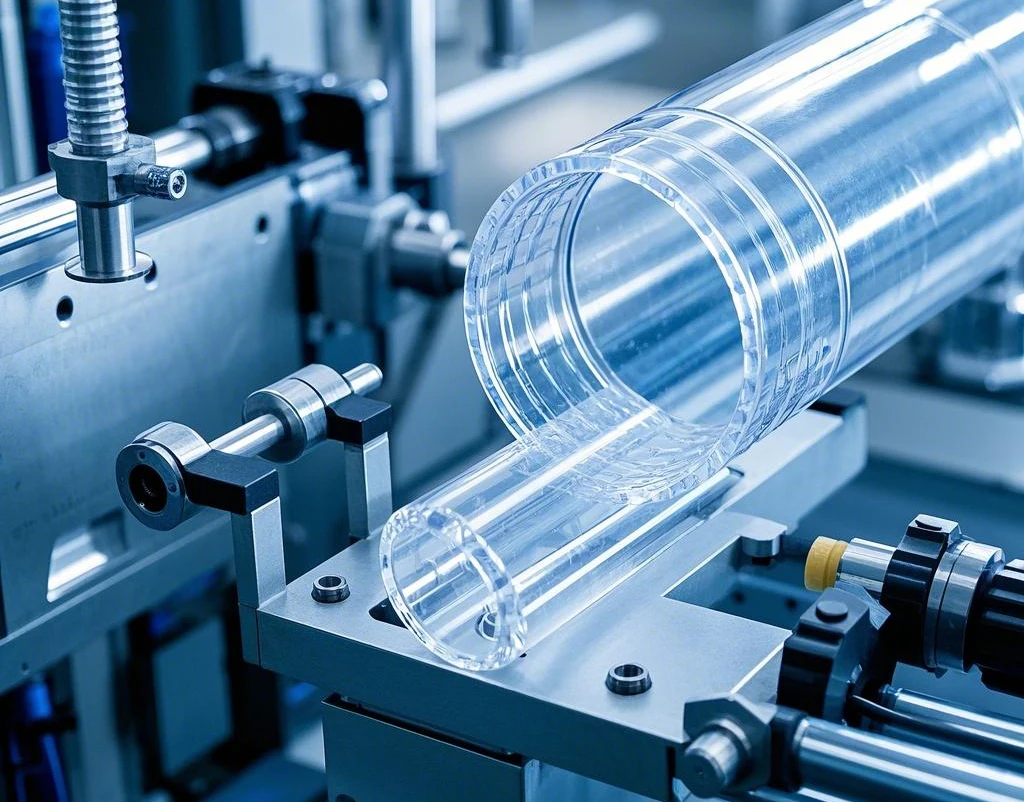
The extrusion process is a continuous process for manufacturing that is appropriate for the production of transparent parts. The transparent parts are uniform with cross sections such as profiles, films, and sheets. The approach entails the forceful insertion of material in the shape of a die. The objective is to create a consistent profile with minor thickness and variations.
Enhancing optical clarity requires extrusion conditions with stable pressures, temperature, and cooling rates. Controlling these factors determines whether the defects will exist or not.
The die design is important in enhancing the expected finish. The extrusion process is constantly fine-tuned to have a smooth surface that upholds prospects for transparency.
Tips: Click to learn more about “injection molding vs. extrusion molding“.
Qualities Control and Inspection
There are in-depth processes that enhance quality and transparency.
Appearance Quality Inspection:
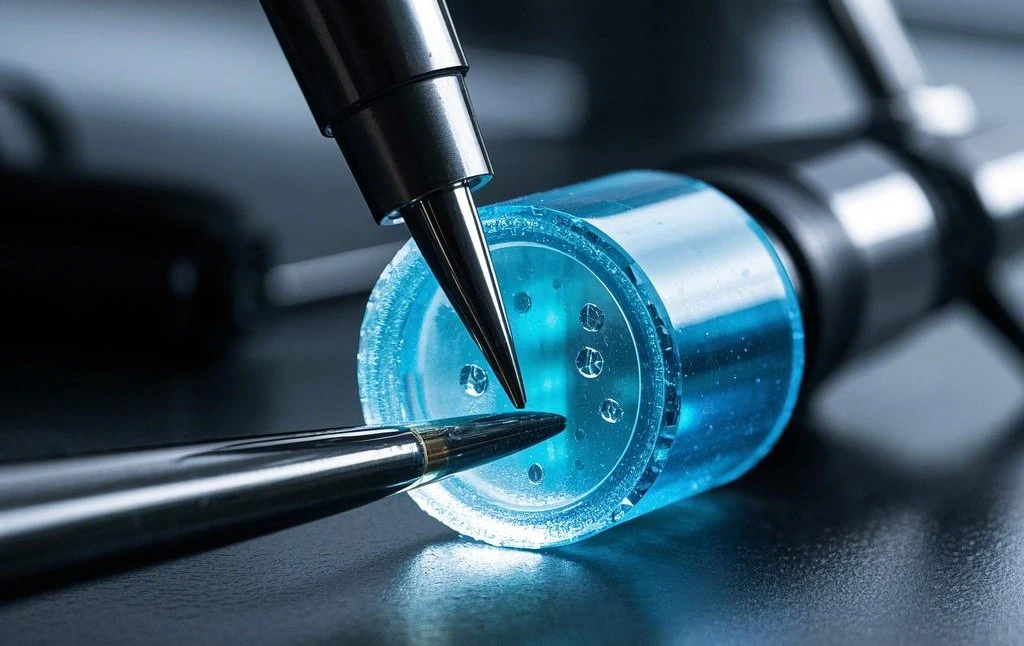
The quality inspections are based on the identification of defects like scratches, haze, and bubbles. Elimination of such defects aids in preventing a negative impact on the optical clarity of the part. The defects are either visible with eyes or by magnification.
They are controlled by the lighting conditions to trigger the perceptions of the real-world environments. The focus on the areas that have imperfections can disrupt the transmission of light. The objective is to enhance impairing functionality and uphold aesthetic appeal.
The inspection of visuals can support advanced approaches, including the scanning of optics. The scanning is to detect any possible defects and correct them in the process.
Dimension Precision inspection
The dimension precision inspection is responsible for transparent parts adhering to specifications. The parts have to be fit and function and can be assembled.
The optical comparators and coordinate measuring machines (CMMs) require accurate measurements. The accuracy enables verifications that the parts adhere to the required dimensions.
The process entails assessing important features like the diameter, thickness, surface flatness, and differences in accuracy.
Dimensional accuracy is crucial in optical applications that have an alignment of transparency parts that impact the functionality of the system.
Performance Inspection
The process based on the assessment of mechanical properties. The optical traits and transparency are responsible for adherence to the functional demands.
The process entails enhancing impact resistance testing to increase accidental drops and necessary stress. It may also have light transmission measurements to exhibit transparency of UV light, humidity, and temperatures. It will allow for the assessment of stability and durability over time.
The tests are important in enhancing and upholding the stability and durability of the material. The tests are important in guaranteeing the ability of the material to withstand normal conditions. Also, it helps uphold the necessary performance of optics throughout the entire service life.

Post Processing Process
Enhancing optical clarity and surface finish are demand effects post-process steps.
Polishing and Buffing
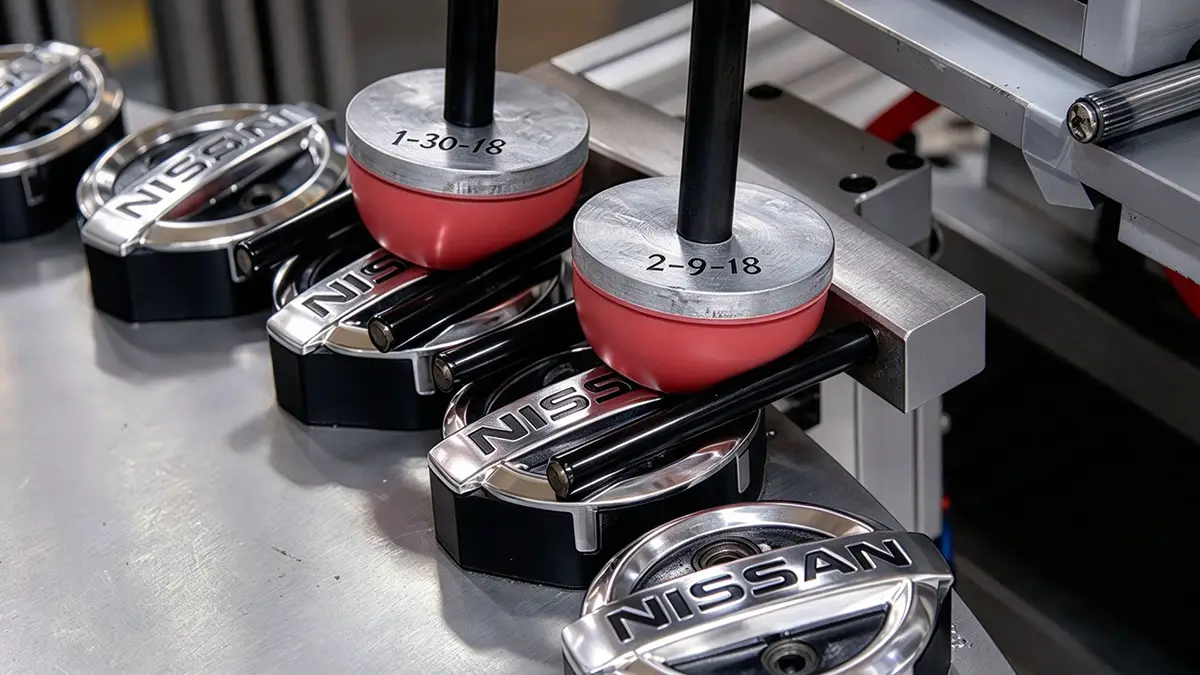
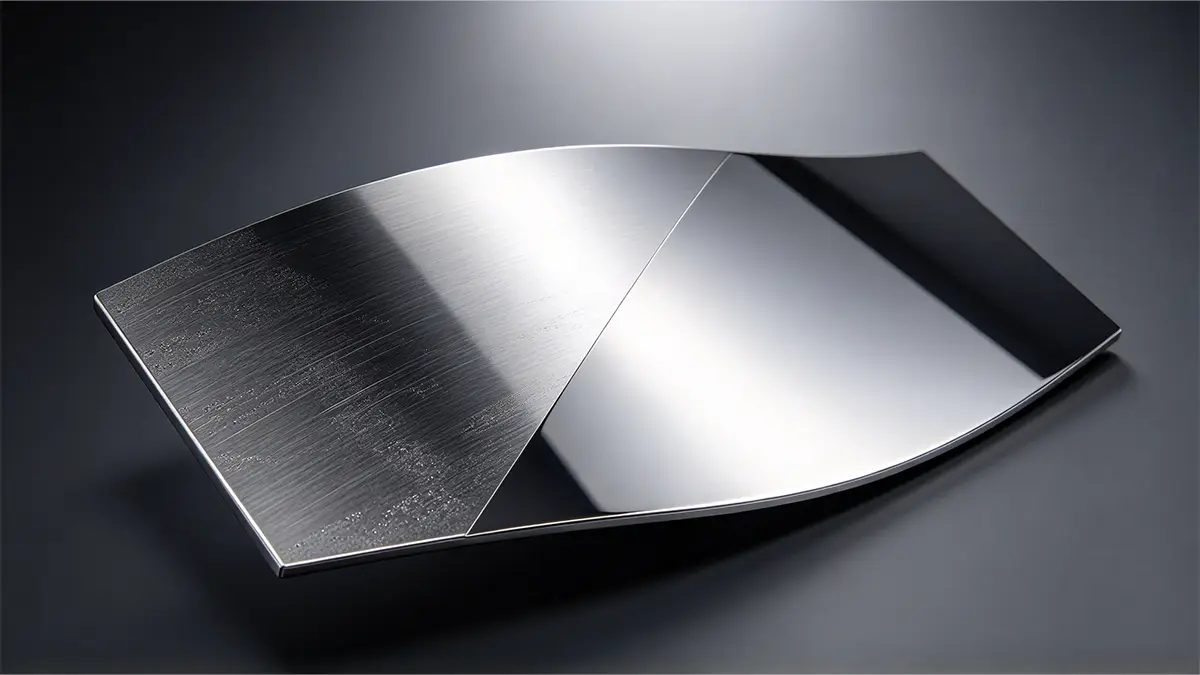
Buffing and Polishing are important in enhancing transparent material surface finish. More important is the removal of imperfections such as haze, scratches, and swirl marks that have a negative impact on light transmission. The surface undergoes slow smoothing through abrasive polishing compounds.
The process occurs while buffing wheels offers appropriate friction for a high gloss clear finish. The process is important for improving optical properties and enhancing visual appeal. The product transitions to having an aesthetically pleasing application. Examples are effective displays, lenses, and Architectural Glass.
Focus is important on ensuring that the process of polishing prevents new defects. The objective is to have transparency traits of the material where high precisions are applicable.
Coating and Lamination
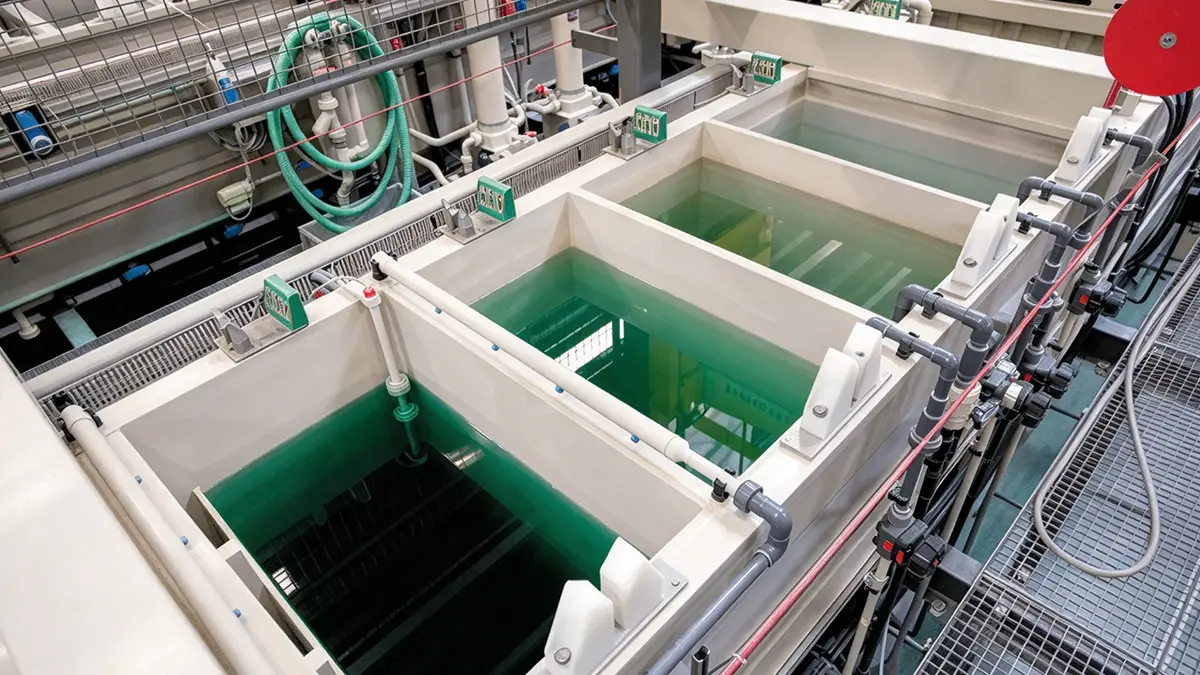
Coating and Lamination approaches are applied widely to enhance the UV stability and durability of transparent materials. The materials are common for high-exposure environments and outdoors.
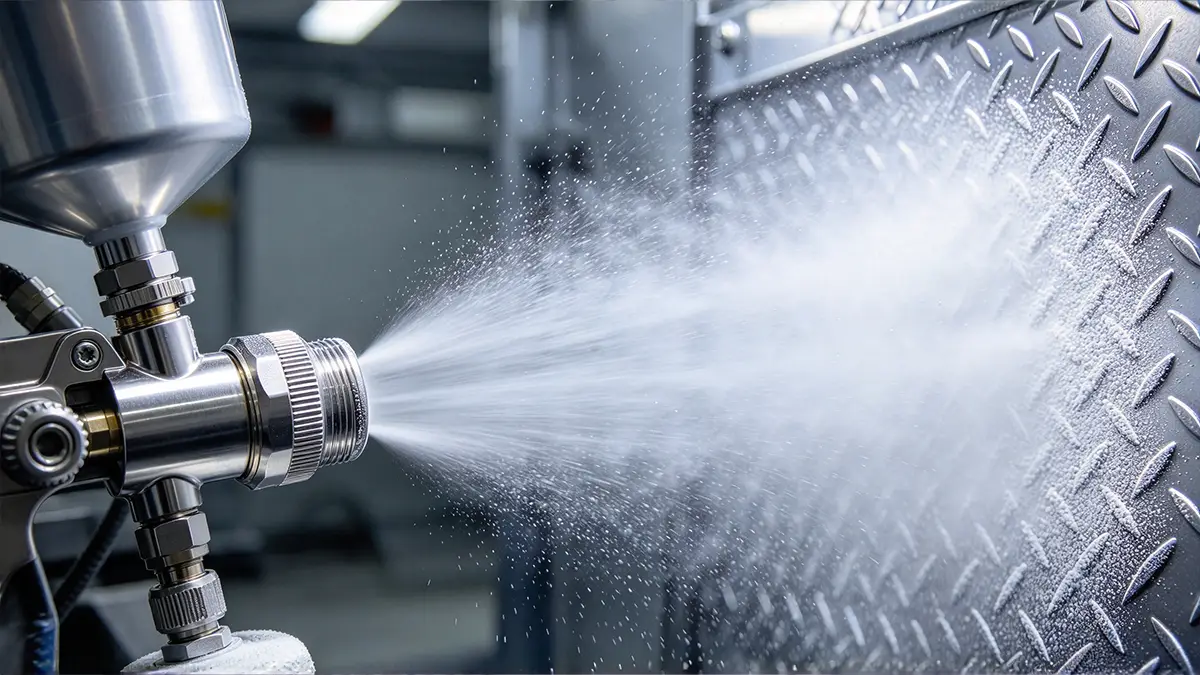
The anti-scratch coatings aid in preventing more wear and tear. At the same time, UV-resistant films prevent the degradation of the material due to extreme sunlight.
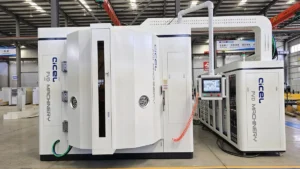
The layer of protection is used in vacuum deposition. The objective is to enhance uniform and consistent coverage.
Coatings and films are needed to prevent the clarity of the optical materials from being compromised. It helps in upholding the transparency and light transmission properties.
Heat Treatment
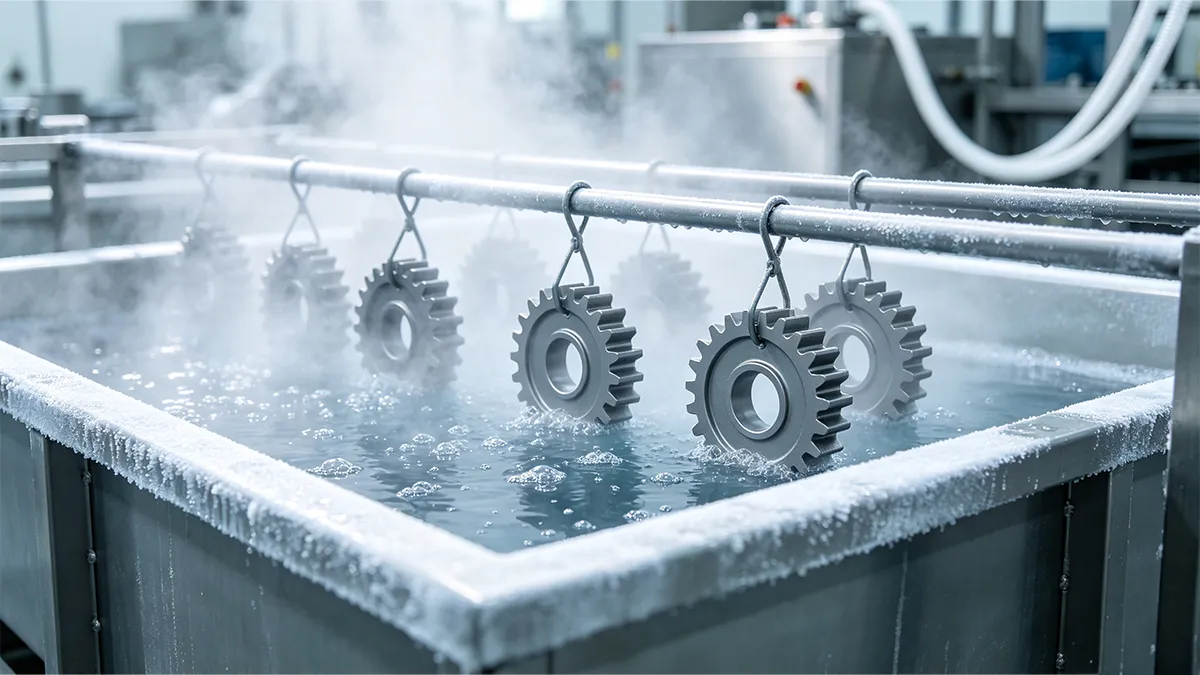
Annealing as heat treatment is key for relieving internal stresses in upholding transparent plastics. The internal stress can cause dimensional instability, scattering, and distortion. Controlling the cooling cycles and heating enables manufacturers to maximize the structure of the material.
In the end, it improves the optical clarity and mechanical strength. The annealing process gives the material a more internal structure and uniform design. It reduces the challenges of cracking and warping when exposed to stress.
The process is important in upholding integrity and transparency in upholding the appearance. It also has an impact on performance traits when in extreme environmental situations.
Cost Analysis
Performance and cost are key factors that impact a successful manufacturing process.
Material Cost
The cost of the materials is a key and significant factor in determining the production cost. It is also important to select cost-effective materials that uphold important mechanical traits and optical properties. Manufacturers can prevent overspending by opting for materials that adhere to performance requirements. Long-term suppliers and purchases offer massive discounts. The discounts reduce the material costs, hence a steady supply of quality materials.
Process Costs
The costs of processes for manufacturing transparent parts rely on multiple factors. Key factors include the design, volume, and approach to manufacturing.
For instance, processes that require high volume, like injection molding, can have lower costs per unit. The economies of scale lead to the effective production of easy parts.
Also, specialized approaches like CNC machining need great precision and high cost per unit. It makes them effective for low-volume processes.
Assessment of the trade-offs in the two processes is key in enabling adherence to specific production needs. The process cost determines the type of process and also the effectiveness of the processes.
Quality Costs
Balancing quality and cost are important in process. Investments in specific control measures are important in minimizing defects and upholding the consistent quality of the product. The final product must adhere to the set product specifications, regulatory compliances, and industry standards.
The cost-effective approaches to inspections are common and depend on the product. Some of the common approaches include automated visual inspection and in-line quality monitoring. Their role is to detect any defects within the process while maintaining the initial labor cost.
The integration of the process optimization and the expected continuous improvements are key for manufacturers. The manufacturing process, therefore, minimizes wastage and attains better quality outcomes when the measures are applicable.

Conclusion
The transparent and translucent part production has to adhere to specifications and requirements from different stakeholders. As a multifacet approach, the stringent specifications and rules govern its processing. Knowledge of the components of each stage in the process is important to uphold quality parts.
Information on the material selection and post-process, as well as the cost analysis, determine the quality of the product. Finally, os,t effectiveness is a key factor that determines the quality of the transparent and translucent product within the process. The cost determines the type of materials for selection. It also determines how it is important to adhere to the specifications and regulations.
The objective is to ensure that quality exists over the cost minimization objective. The materials also need to have additives to ease light transmission and meet other specifications. The objective is to ensure that the durability component of the product is enhanced. Durability extends to the inability to fail to operate due to extreme temperatures.
Finally, some processes require heavy investments. There is a need to determine the most appropriate technique for production. Adequate planning entails material selection and adherence to all laid procedures determined for enhancing optical clarity and surface finish.




 EN
EN  ES
ES  FR
FR  DE
DE  IT
IT  PT
PT  NL
NL  PL
PL  AR
AR  JA
JA  KO
KO  ZH
ZH