

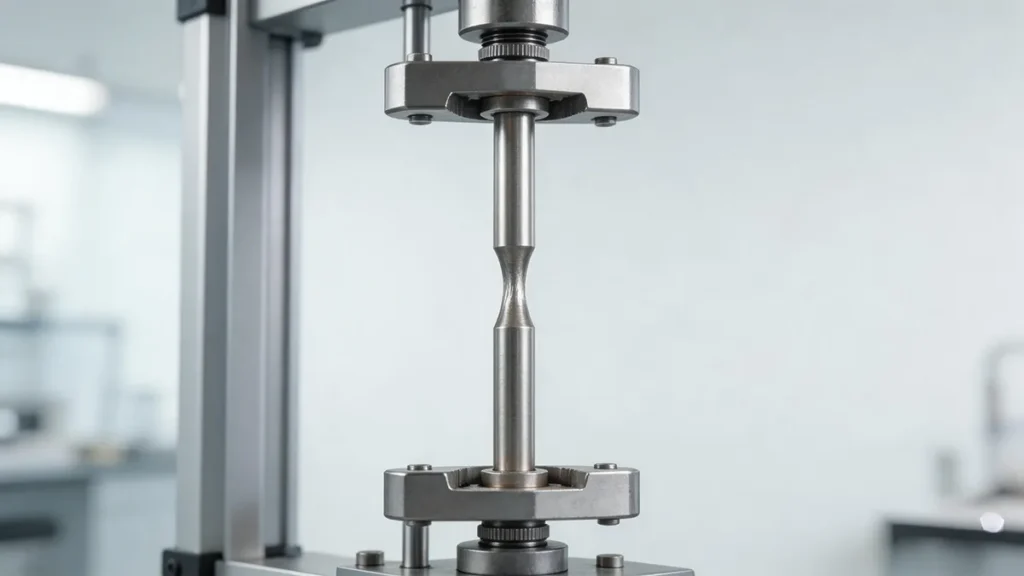
Ductility is a mechanical property that describes a material’s capacity to undergo substantial plastic deformation before fracture. The tensile stress beyond the elastic limit of a ductile material does not cause instant failure. It does not stay in a permanent shape change, but instead, the material is able to stretch, neck, and redistribute stress. This ability to deform plastically is vital in engineering because it provides visible warning signs, reducing the likelihood of sudden, catastrophic breakage.
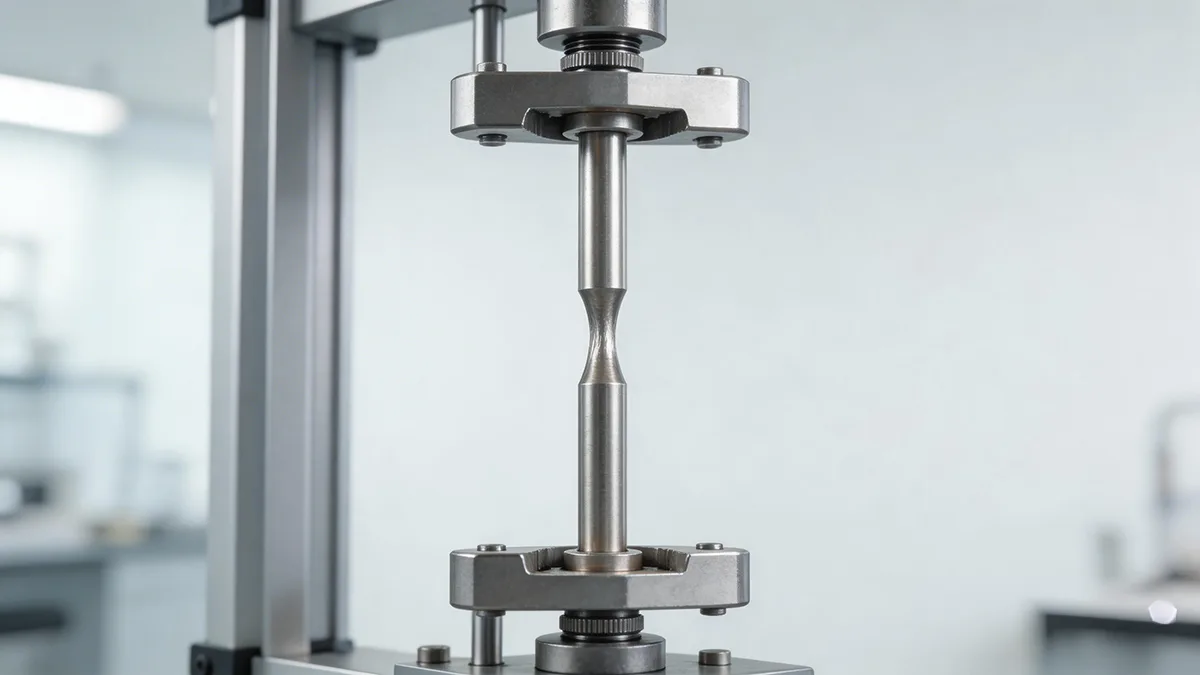
Ductile Metals
Due to the nature of metallic bonding, the crystal lattice structures of many metals enable dislocations to move in response to stress, and therefore, most metals are inherently ductile. Gold is one of the most ductile metals in existence and is able to be drawn into wires of such thinness that they do not break. Copper is also very ductile, and this is the reason why it dominates in electrical wiring and forming businesses.
Aluminum is a ductile and low-density metal that is highly favorable in extrusion and sheet forming. Because of its face-centered cubic (FCC) crystal structure, high-purity aluminum possesses exceptional ductility, frequently demonstrating tensile elongations exceeding 40% to 50% at room temperature, which allows it to be drawn into complex profiles without premature cracking. Mild steel, especially low-carbon steel, provides a trade-off of strength and ductility, and hence the ability to bend and yield instead of cracking with heavy loads. Silver is also very ductile and is often formed into fine parts and conductors.
Metal ductility depends on temperature, strain rate, grain structure, and alloy composition. Many types of steel become ductile at higher temperatures. As such, hot forming operations decrease the risk of cracking. On the other hand, some metals lose ductility at low temperatures, and hence, the familiar ductile-to-brittle transition is common in some alloys.
What is Ductility in Materials?
Across material classes, ductility signifies the ability to accommodate plastic strain before rupture, but the mechanisms responsible for this behavior vary. In metals, plastic deformation primarily occurs through dislocation motion along crystallographic slip systems. In polymers, ductility is governed by molecular chain mobility and viscoelastic flow, which allows large strains but often with time-dependent effects.
Ceramics generally display very low ductility because their atomic bonding restricts dislocation movement, resulting in brittle fracture. In composite materials, ductility depends largely on the matrix phase and the quality of the fiber–matrix interface, which together control how strain is distributed and how cracks propagate.
Ductility is then not only an indicator of the macroscopic capacity of deformation, but also the microscopic structural flexibility. High ductility materials have a higher capability of blunting cracks, absorbing energy, and allowing defects or stress concentrations.
Material Ductile
Engineers refer to a material as ductile if it endures significant permanent deformation under a tensile loading without failure. Such materials typically display a pronounced plastic region on the stress–strain curve, indicating that yielding precedes fracture. An example is copper tubing, which can be severely deformed under mechanical load instead of breaking. Under overload conditions, structural steel beams are capable of bending and plastically hinging, which retains some load-bearing capacity rather than fracturing abruptly. Some thermoplastics, like polyethylene, may stretch to enormous lengths before they rip; that is why they are commonly applied in films and packaging.
Ductility and malleability should be differentiated. Ductility deals with tensile stress deformation, whereas malleability deals with compressive stress deformation. Although the two metals share both of these properties, the two are conceptually and experimentally different.
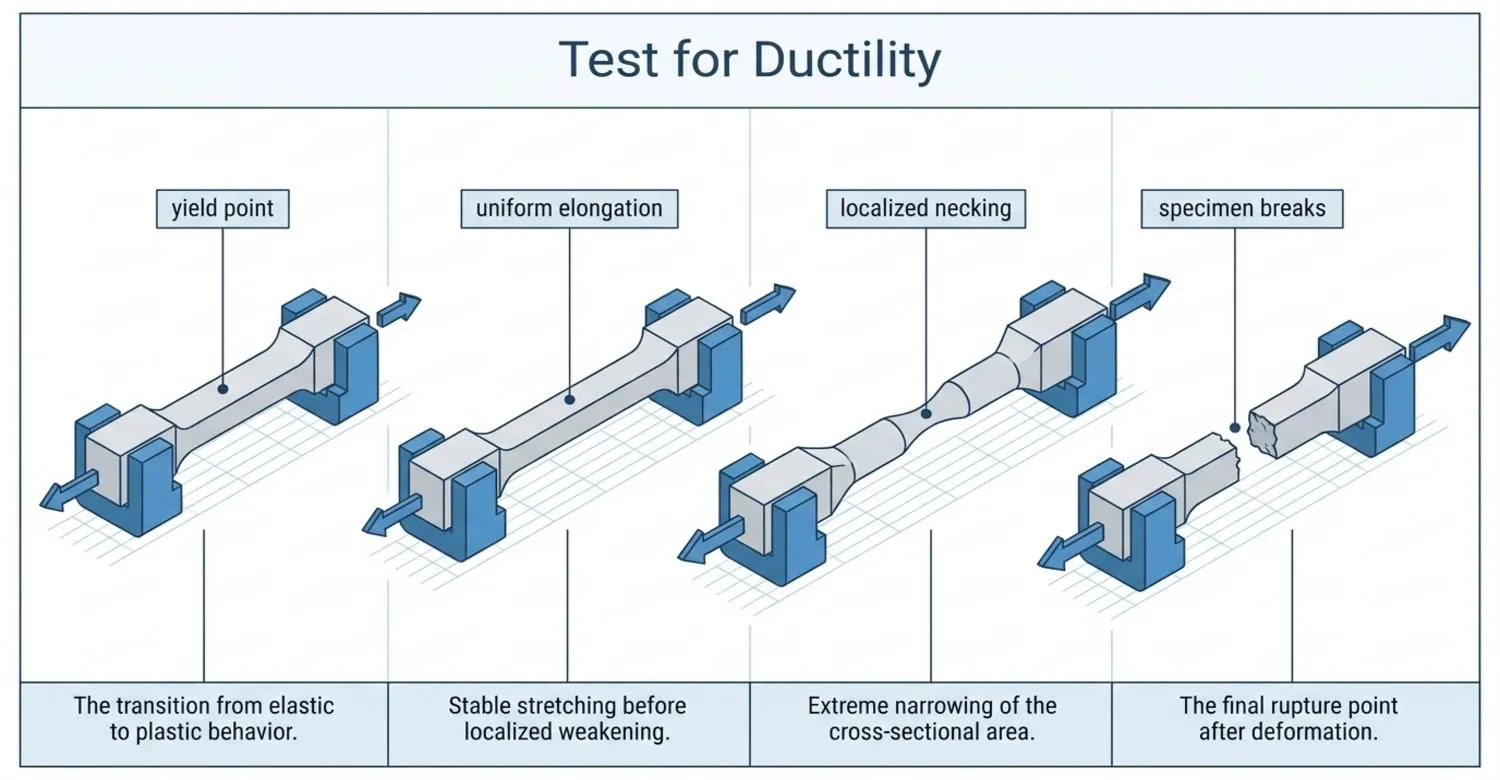
Test for Ductility
The most common and standardized way of testing ductility is by the tensile test. A specified geometry specimen is applied to uniaxial tension in this test at a controlled rate of strain. With an increase in the load, the material will first behave elastically. Plastic deformation starts at the yield point, and then the uniform elongation, and finally, localized necking. The experiment is terminated when the specimen undergoes total fracture. To ensure the reliability and reproducibility of ductility metrics across industries, these tensile tests are strictly governed by international testing standards, such as ASTM E8 / E8M for metallic materials, which standardizes the exact geometries of the gauge length and the specific strain rates applied during testing [1].
Why Ductility Matters in Engineering Design
Ductility is a decisive factor in how materials behave under real service conditions, particularly when loads are unpredictable, dynamic, or extreme. A ductile material may experience a considerable plastic deformation before breaking down, and this offers engineers a very crucial safety margin. Rather than suddenly breaking, ductile elements are more likely to show apparent signs of warning, like necking or bending. This gradual failure mechanism gives time to identify and minimize the chances of disastrous accidents.
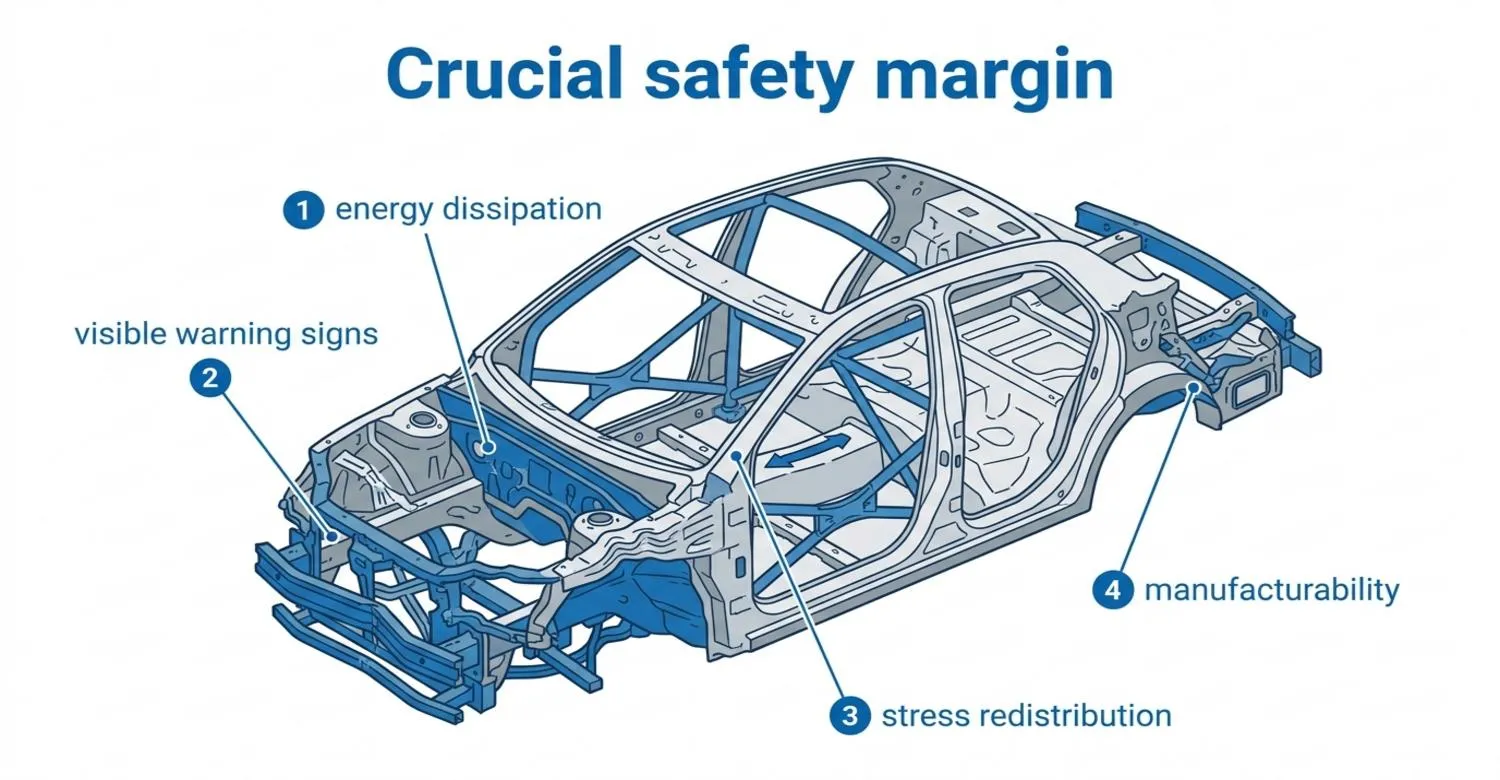
From a structural integrity perspective, ductility enables stress redistribution. This is particularly useful in fatigue-prone uses and impact-resistant structures. In seismic engineering, ductility is essential. Ductile deformation is used in buildings and bridges to release energy during earthquakes to prevent collapse.
Ductility influences manufacturability. Forming processes such as rolling, extrusion, and forging depend on a material’s ability to deform without cracking. The compromise between strength and ductility is thus a construction problem that should never be out of harmony. High strength increases load-bearing qualities, and low enough ductility keeps toughness and damage protection.
Real-World Examples of Ductile Behavior
The most well-known cases of ductile behavior are seen in mild steel, where tensile loading is exerted on it. As the stress is further increased, the steel becomes longer and acquires a neck and ultimately breaks. Such an effect of necking is a textbook effect of plastic deformation. The expanding growth can be regarded as the visual evidence of the fact that the material is about to fail.
Ductility is a life-saving aspect in automotive parts manufacturing. Crumple zones of cars are specifically designed using ductile metals that have the ability to deform plastically when struck by a collision. These components, rather than passing on the impact forces to the passengers, dissipate the kinetic energy through a regulated deformation. The material is stretched, folds and converts the devastating energy into plastic work.
Sometimes there are also ductile reactions in polymers. Polyethylene fibrils are able to lengthen, and until they rupture, they acquire a long form. This stretchy ductile is applied in packaging films where it is required to behave as flexible and can tear. Ductile fracture surfaces are also known to be associated with dimples caused by coalescence of microvoids, and brittle fractures are known to be characterized by flat cleavage-like fracture surfaces.
Common Misconceptions about Ductility
The most widespread myth is the perception that ductility is weakness. In reality, ductility and strength do not go hand in hand; rather, they are competing properties. Many high-strength alloys are microstructurally engineerable in order to remain high in ductility. The most prominent contrast is that resistance to deformation is measured using strength, unlike ductility, which is used to measure the amount of deformation that can be done to the material before its destruction.
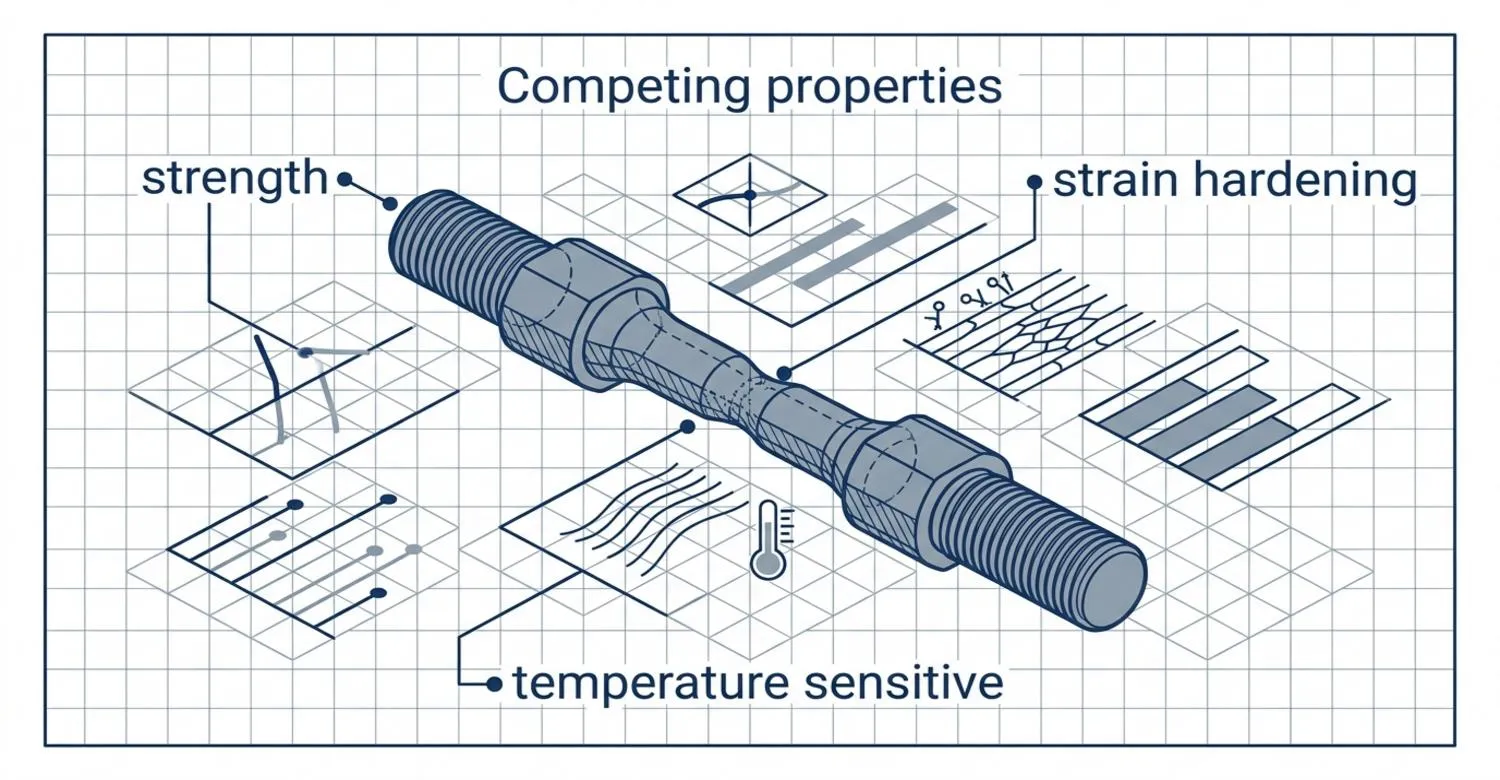
The other fallacy is that ductility guarantees durability. Whereas ductile materials are more resistant to damage, there are no materials that are resistant to failure. Overplastic deformation can cause an irreversible shift in shape, loss of dimensional accuracy, or strain hardening, which reduces toughness.
Ductility is not constant. In fact, it is highly temperature sensitive, strain rate, and stress state sensitive. A ductile metal at room temperature may fracture brittlely in low temperatures. Similarly, rapid loading may act as an inhibitor of plastic deformation that produces brittle-type failure of otherwise ductile material.
Applications Where High Ductility is Critical
In the case of safety, where the factors of safety are energy absorption and deformation capacity, high ductility is essential. Structural steel that can easily undergo cyclic plastic deformation without complete fracture should be used in constructing earthquake-resistant buildings. The pressurized fluid pipelines are based on the ductile strength to endure the flow of the ground, expansion of heat, and concentration of stress.
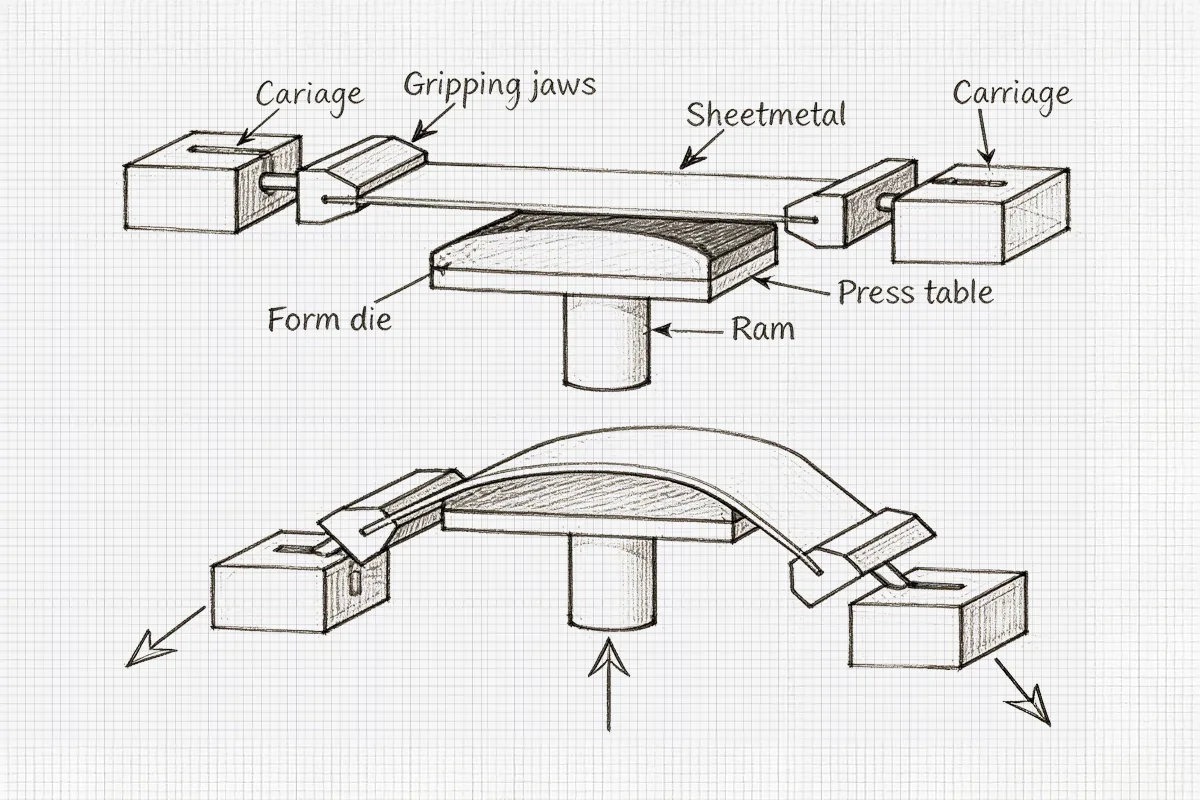
In the metal forming industries, ductility is a determinant in the processes. It takes sheet metals to endure enormous forces during stamping processes without being ripped. Wire drawing and extrusion are done using materials that may be continuous, such as plastic. Absence of ductility will lead to defects in the manufacturing and premature cracking. Ductility is also required in biomedical devices, which often require precision mold making services. For example, stents have to expand plastically without rupturing. Ductility in all these areas serves as a buffer that enables materials to flow, adapt, and survive.
How to Measure Ductility
The most commonly used measure is the percent elongation, which is calculated by the division of the length change after fracture by the gauge length. Percent change of area is also another measure, an aspect of measurement of the degree to which the cross-sectional area decreases at the fracture site. A combination of these measurements determines the amount of plastic deformation sustained prior to failure.
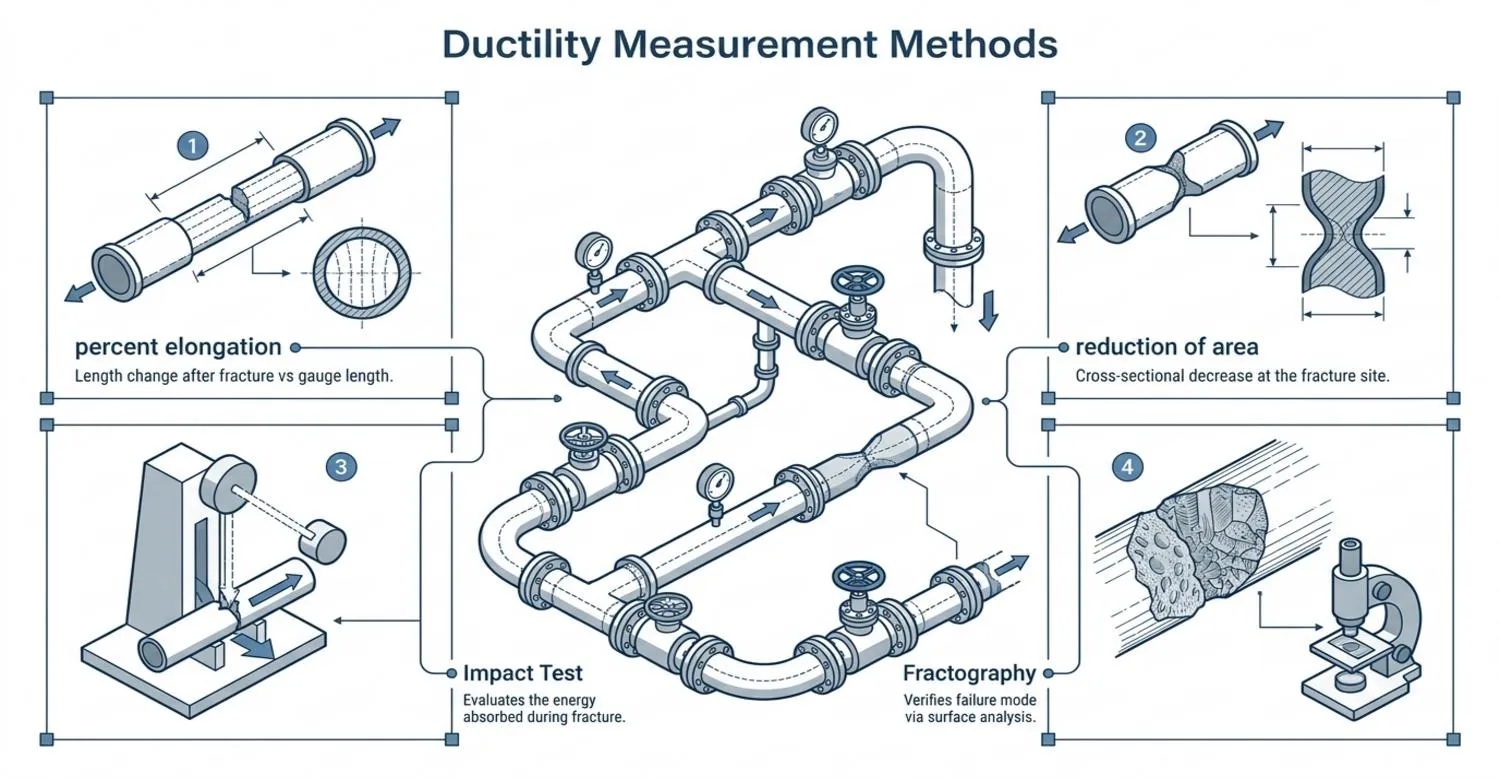
| Method | Measurement Output | Significance |
|---|---|---|
| Tensile Test | Percent elongation, reduction of area | Direct quantification |
| Bend Test | Crack initiation or absence | Qualitative ductility |
| Impact Test | Absorbed energy | Ductile vs brittle tendency |
| Fractography | Fracture surface morphology | Failure mode verification |
Ductility Measurement Methods
Ductility vs Brittle
The distinction between the ductile and brittle behavior lies in the degree of plastic deformation prior to fracture. Great energy absorption in ductile materials may take place through plastic flow and cause visual deformation and failure. In stark contrast, brittle materials fail to experience meaningful permanent deformation before they break suddenly. Materials characterized by extreme brittleness, such as advanced technical ceramics or silicate glass, typically exhibit plastic strain values of less than 1% to 2% before catastrophic failure occurs, offering almost zero macroscopic warning signs prior to rupture. The safety implications of this opposition are far-reaching. Ductile materials have warning measures, such as bending or stretching, and therefore can be repaired prior to collapsing. Brittle media can fracture unexpectedly and in the majority of situations, spiral rapidly once it has commenced.
Ductility is therefore closely related to toughness, reliability, and damage tolerance. The materials used in the construction of a building are supposed to be ductile enough as they offer greater strength, enable redistribution of stress, and reduce the risks of a catastrophic failure.
Closing Perspective
One of the most strategically critical mechanical properties of materials science and engineering is ductility. It governs the behavior of materials during deformation, failure, in overload conditions. Whether in metal forming or material selection for structural applications, ductility provides the margin between controlled deformation and sudden fracture, making it indispensable for safe, durable, and manufacturable designs.
References
[1] ASTM International. (2021). ASTM E8/E8M-21 Standard Test Methods for Tension Testing of Metallic Materials. West Conshohocken, PA. https://doi.org/10.1520/E0008_E0008M-21





 EN
EN  ES
ES  FR
FR  DE
DE  IT
IT  PT
PT  NL
NL  PL
PL  AR
AR  JA
JA  KO
KO  ZH
ZH