

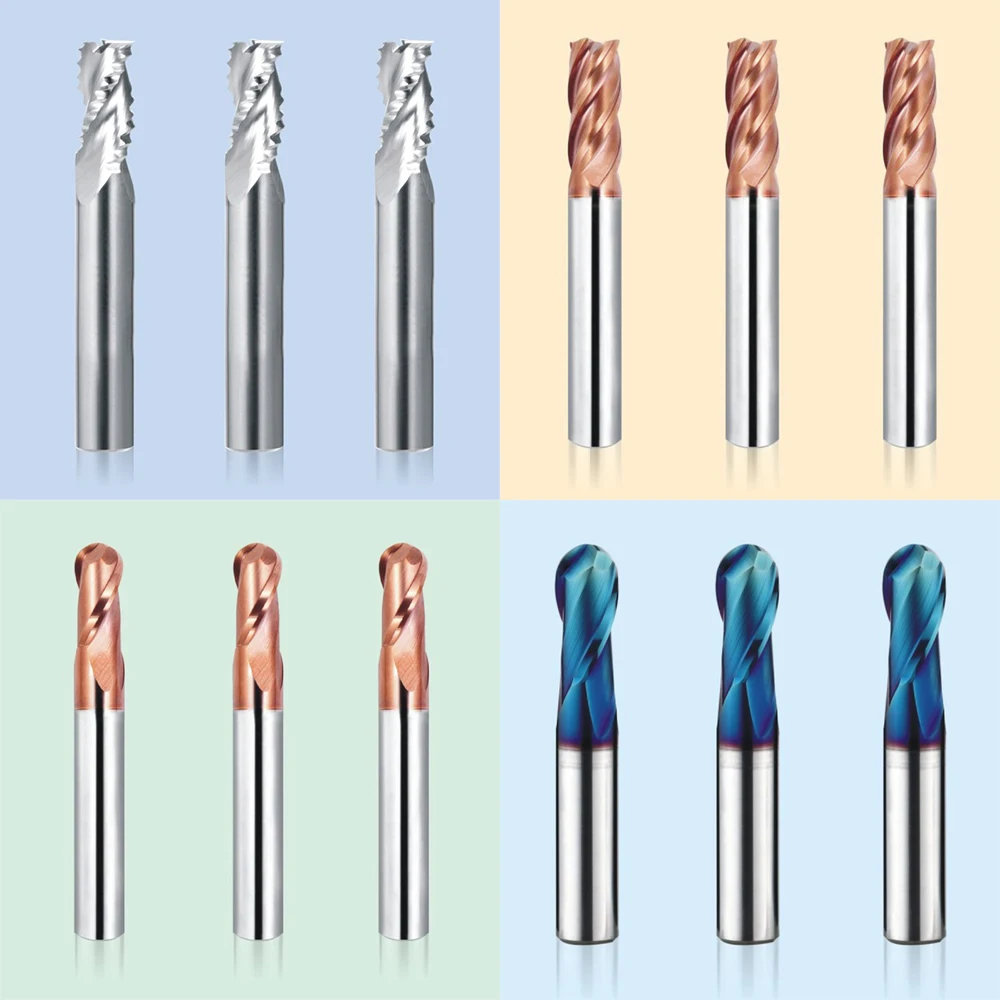
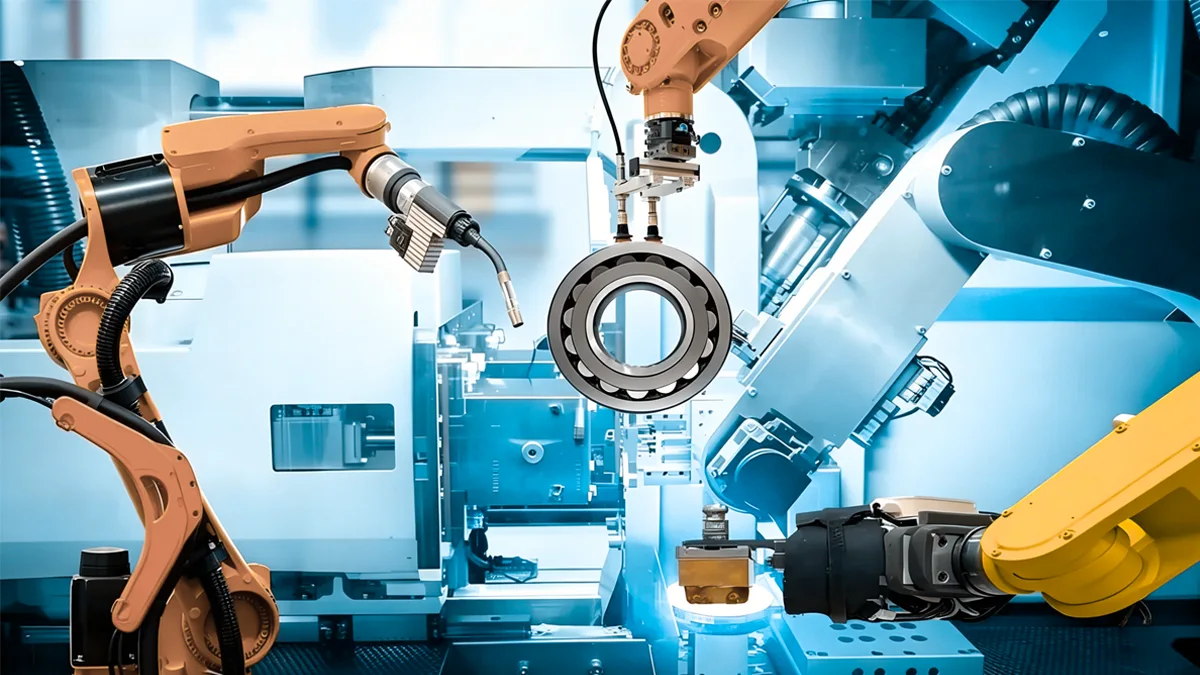
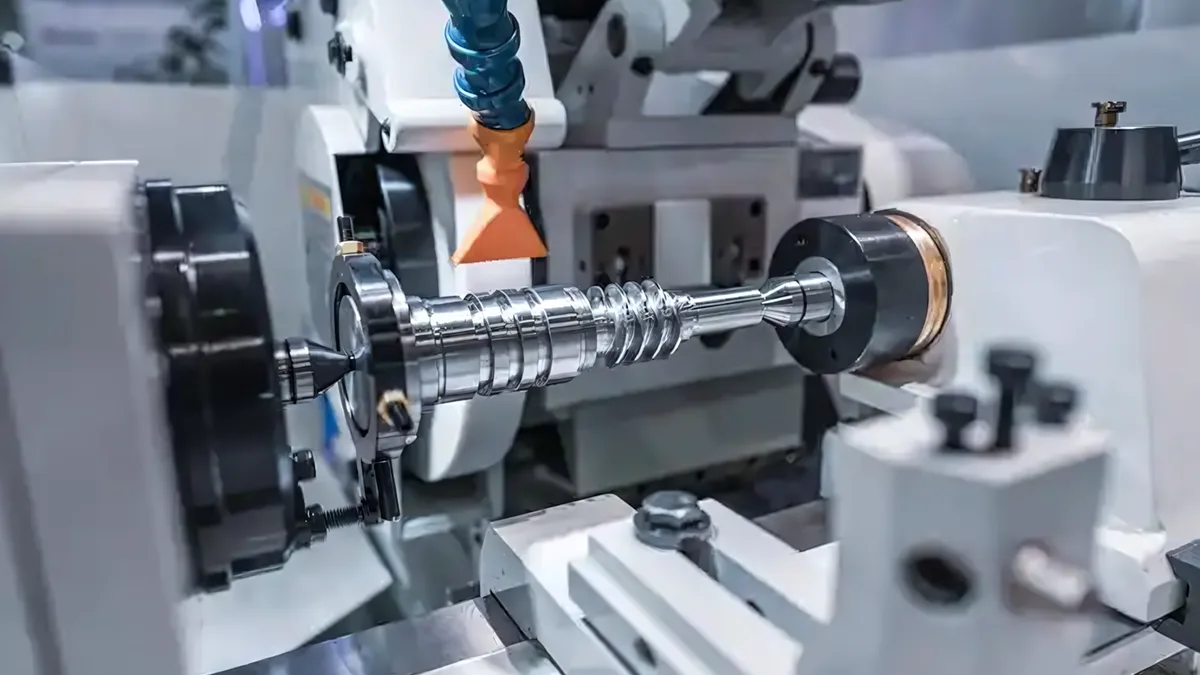
CNC means Computer Numerical Control, and such tools are of tremendous importance in the contemporary manufacturing industry. It is because of the efficiency they introduce to the processes of machining.
These tools operate under instructions from computer systems that coordinate the tool’s action and ensure its usage is highly accurate. This coordination makes it possible to produce complex parts with little human interaction.
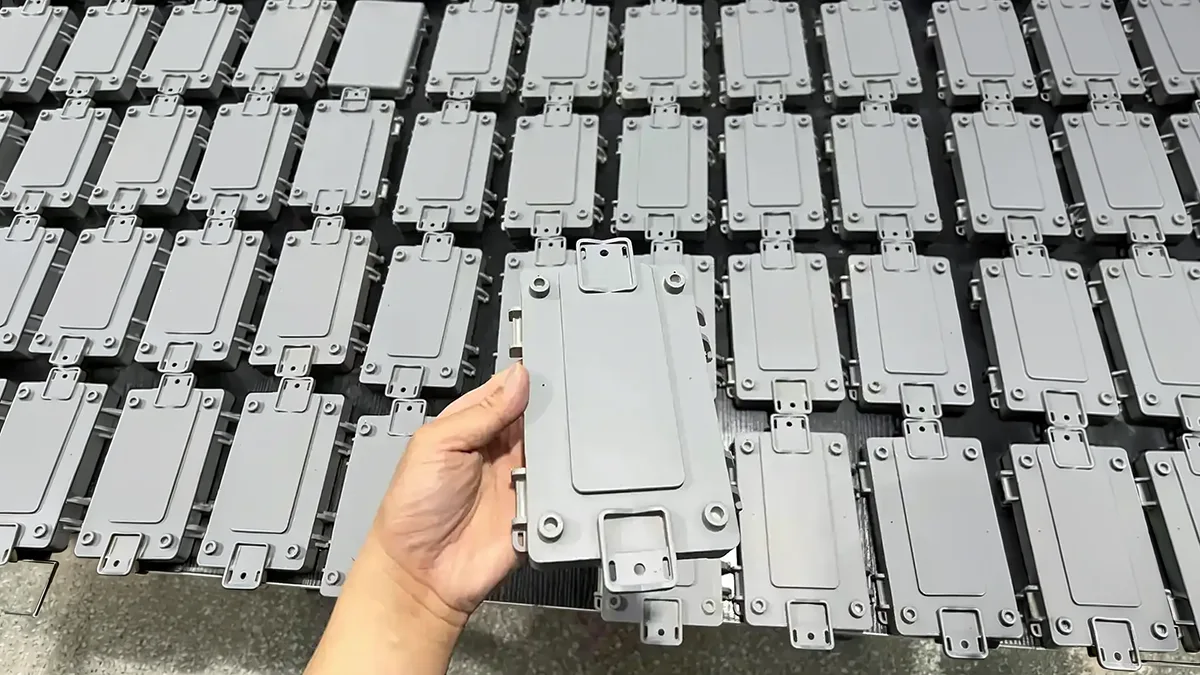
From the analysis, CNC tools increase production quality, reliability, and speed while at the same time minimizing the use of materials and expenses. This technology is standard in aerospace, automotive, electronics, and medical device manufacturing, where accuracy and dependability are critical.
Tips: Before reading this article, you may click the link to fully understand what CNC milling is.
Milling Tools: Types and Applications
Cutting tools are essential in every CNC machining operation as they are instrumental in modifying the material and achieving the desired finish. Of all the milling tools, end mills, face mills, and ball nose mills are unique because they are versatile and specialized.
End Mills
End mills are cylindrical cutting tools used in CNC milling machines to cut material from a workpiece. They have cutting edges on the flank and the corner, enabling them to perform slotting operations, profiling, and drilling.
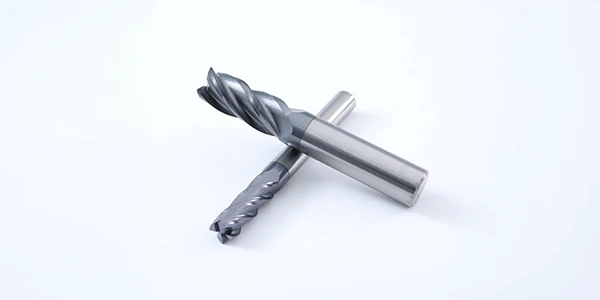
End mills are available in different forms and sizes based on their intended applications. Flat-end mill cutters make flat surfaces and are primarily helpful in face milling.
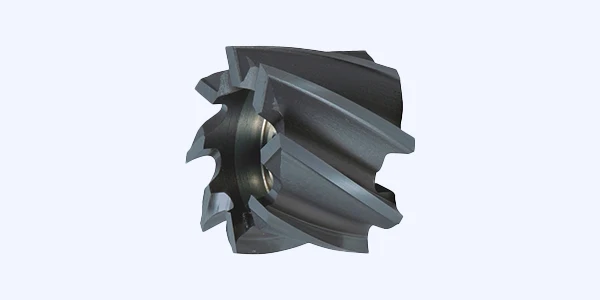
- Ball nose end mills have a hemispherical end, suitable for cutting operations requiring finer precision.
- Corner radius end mills feature a small radius that is useful at the corner of the cutting edge, which prevents chipping and provides a better finish.
The selection of the end mill also depends on the nature of the job in question, namely, the type of material and the level of finish.
Face Mills
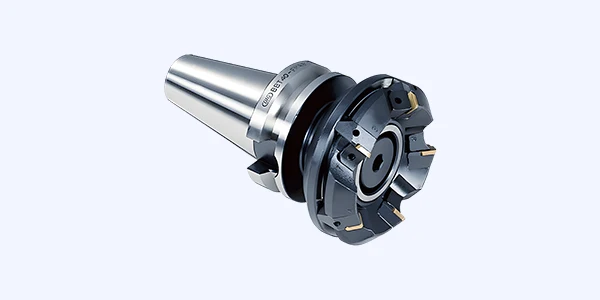
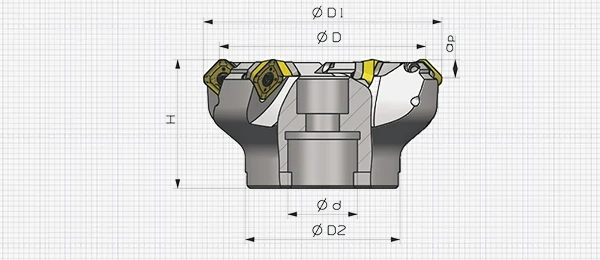
Facing mills are used for cutting large flat surfaces and have many cutting teeth mounted on a central shank. It is usually essential in high-speed and highly effective removal rate applications and roughing applications.
Face mills are helpful mainly for flat surfaces, providing a good surface finish, and can include replaceable inserts for tool life extension and increased adaptability. The indexable face mills are especially useful because they call for simply replacing the abrasive inserts without replacing the entire tool.
Such flexibility not only minimizes the time that is necessary in the production cycle but also enhances the cost reduction aspect. Facing mills are highly useful in industries requiring high volume and precision cutting, such as automobile and aviation.
Ball Nose Mills
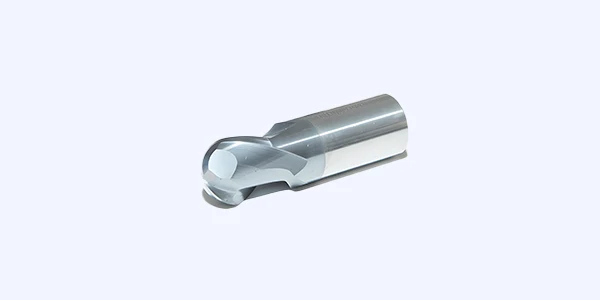
Ball nose mills on the end have a rounded tip that is more useful in cutting curved surfaces and other viable three-dimensional cutting shapes. They are ideal for operating conditions requiring close tolerances and a good surface finish.
Such areas include creating molds, die casting, and manufacturing aerospace and medical components parts. Ball nose mills have more of a rounded profile, which makes them leave a more uniform texture and reduce the visibility of marks. This feature is essential for getting high-quality work results.
Further, ball nose mills help cut geometrical shapes and generate highly accurate cuts with computer numerically controlled machines. How they work along curved surfaces and shapes makes them ideal for advancing precision engineering and manufacturing techniques.
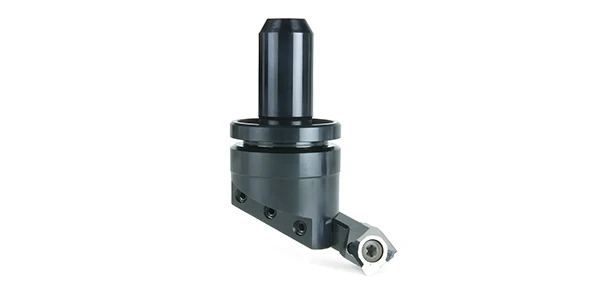
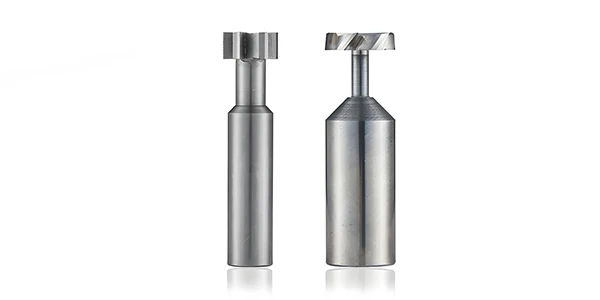
In addition to end mills, face mills, and ball nose mills, milling tools also include slab mills for large-scale material removal, fly cutters for surface finishing, form mills for creating complex profiles, slot drills for cutting slots and pockets, T-slot cutters for machining T-shaped slots, and dovetail cutters for producing dovetail joints. Each of these tools serves specific purposes, expanding the versatility and precision of CNC milling operations beyond the commonly mentioned types.

Turning Tools: Key Types and Their Uses
Cutting tools are essential in the CNC machining process. They facilitate the cutting and refining of materials after a workpiece frame on a rotating system. These tools have different categories and other applications.
Lathe Tools
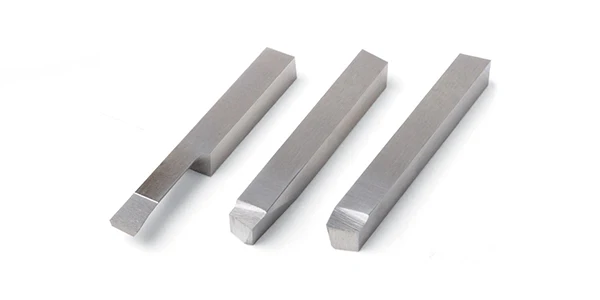
Lathe tools are cutting tools that are useful in removing unwanted material from a piece of work rotating about its axis. These tools are of different types, each suitable for certain turning operations.
Roughing tools are essential in the preliminary stock removal; hence, they give the workpiece a coarse surface finish in preparation for the next step. Finishing tools are vital to complete the shape and ensure that the part’s surface is favorable for its intended purpose.
They are essential in removing a thin channel or slot on the surface of the workpiece, which helps shape features such as the keyway or internal groove. Every type of lathe tool is significant in turning operations and is used to achieve the proper dimension and quality as required.
Insert Tools
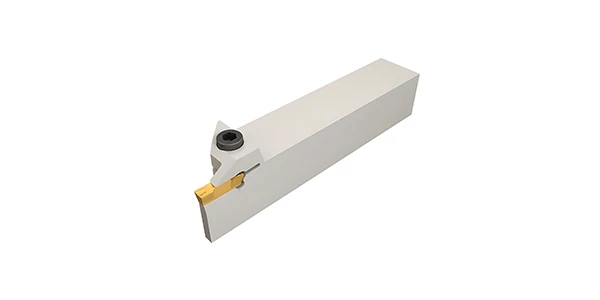
Insert tools are one of the flexible tools essential in CNC turning processes and have detachable cutting inserts. These inserts originate from carbide or ceramic and are replaceable once worn. It means the tool holder is continually applicable.
Indexable inserts are especially advantageous since they could be easily swung over for a new cutting edge, increasing tool life while cutting down on time. Carbide inserts have the best hardness and wear resistance for cutting hard material.
Coated inserts are even more durable and can withstand high temperatures and abrasion. The possibility of changing inserts ensures that insert tools are economical and productive since they reduce the number of tool replacements and sharpening.

Parting Tools
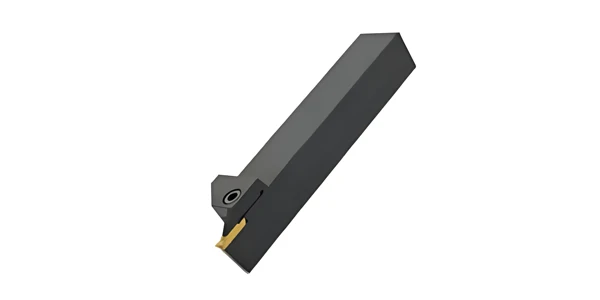
Parting tools primarily cut some small portion from the workpiece’s main body, known as parting or cutoff. These tools have a thin, sharp-edged blade as a narrow wedge to enable fine cutting and eliminate completed shapes from the rest of the mass.
Parting tools are necessary where tight tolerances of the material cut are essential. For example, one can apply parting tools when making rings, discs, or individual parts. Proper cutting speeds and feeds are critical to reduce tool wear and make appropriate cuts when parting. Some essential procedures necessary to ensure the tool is effective and extends its useful life are sharpening the cutting edges and checking the alignment. Nevertheless, mileage and handling of parting tools significantly increase the effectiveness of turning operations.
In addition to lathe tools, insert tools, and parting tools, turning tools also include grooving tools for cutting narrow grooves, threading tools for creating threads, knurling tools for adding textured patterns, facing tools for finishing the ends of workpieces, cutoff tools for separating parts, and form tools for machining complex shapes. Each of these tools expands the capabilities and precision of CNC turning operations, allowing for a wide range of machining tasks.
Drilling Tools: Essential Variants
Drilling tools play an essential role in manufacturing, where creating holes of accurate and correct sizes and shapes in the workpiece is crucial. Every type has its unique requirements and applications to maximize the machining effectiveness.
Twist Drills
Twist drills are among the most widely used drilling tools, valued for their efficiency across a broad range of drilling applications. Some have a spiral flute that makes a difference in removing chips and cooling to ensure that drilling is accurate and the tools last long.
Twist drills are most suitable for general metals, plastics, and wood use. They are available in different dimensions, coatings, and points of various shapes and sizes to fulfill other drilling purposes. For instance, split-point twist drills minimize the force that is required to drill and, at the same time, enhance accuracy due to self-centering ability.

Cobalt twist drills have a cobalt coating to increase their hardness and heat resistance for hard materials. Their versatility, when constructed, offers more variety in through-hole machining than other sophisticated ones.
Spade Drills
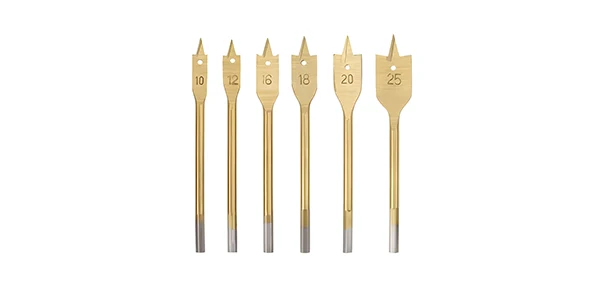
Spade drills have flat and chisel tips, which is a unique and valuable design for drilling huge diameter holes with high material removal rates. They are most effective to use in places where speed is a realizing factor, such as when making big holes in soft materials such as wood or aluminum.
Spade drills are essential in the manufacturing and construction industries to create holes efficiently. The structure of spade drills is such that there is a strong cutting edge and quality chips to enhance the cutting process and minimize the wear of the drill bits. They are relatively cheap and sturdy, ideal for environments requiring much more usage and time than repairs.
Indexable Drills
Indexable drills are a higher classification of drills with replaceable cutting tips. The drills, and in general BCC, offer a tool holder that, unlike regular drills, has inserts for positioning to form a different cutting edge or be easily changed when worn. This arrangement leads to more extended tool durability and less frequent changes. It is not only effective in cutting costs but also helps to reduce the time that is often lost during the drilling process while ensuring efficient work.
The inserts in indexable drills are produced from high-speed substrates such as carbide or other coated materials to enhance their resistance to heat and wear.
Boring Tools
Dull tools are crucial in machining since they help improve the size and finish of holes. Programs for metrology and control of dimensions increase accuracy and obtain high tolerances for parts, which makes them crucial in manufacturing. There are three main boring tools: boring bars, back dull tools, and adjustable boring tools, each with different uses and benefits.
Boring Bars
Boring bars help increase the diameter of and complete holes with high accuracy. They are available in many species to meet the requirements of use and are compatible with many materials.

Rough boring bars have high cutting rates and are suitable for preliminary hole-making operations. On the other hand, fine boring bars help create neat finishing and exact dimensions of the boring bar. These bars include removable sleeves or infinitely variable knives for precise bore sizes. Boring bars are essential when there are strict dimensions and surface finish requirements, such as automotive engine block manufacturing, aircraft parts, and mold production.
Back boring Tools
Backboring tools help back up an existing hole, a procedure called backboring. These are some of the tools helpful in eliminating burrs, enhancing dimensional control, and getting that superior quality finish in deep holes. The backboring tools are usually long and skinny and should comfortably reach deep into the workpiece while maintaining substantial accuracy.

They are precious for uses where it is desirable to have barrel walls that are uniform in thickness from breech to muzzle. They help complete holes in aerospace material, hydraulic cylinders, and other machining components. Back boring tools are convenient in quality production because they can enhance the interior surface without changing the outside size.
Adjustable Boring Tools
As for adjustable boring tools, these provide great versatility and accuracy. It is easy to change the diameter of the cutting material when necessary. Applications of adjustable boring tools include instances where the change of hole diameter is necessary or accurately matches the sizes of the vital parts. They are essential in production lines requiring frequent changes to meet different parts.
They are also needed when undertaking corrective actions on dimensional control issues. Adjustable boring tools are flexible as they help increase efficiency since they do not require frequent changes and adjustments. They are ideal for prototype and production machining since they can easily adjust to suit a specific project’s needs.
Specialty CNC Tools
These specific CNC tools serve the purpose of increasing the versatility of the machining processes. They provide solutions to special cutting and forming operations that cannot necessarily result from CNC machining tools.
Threading tools help create internal and external threads with great precision. There are several varieties, such as tapping tools for forms of internal thread and thread mills for internal and external screw threads. Each type is appropriate for various materials and thread diameters, enabling the manufacturing of screws, bolts, and other threaded products used in mechanical connections.
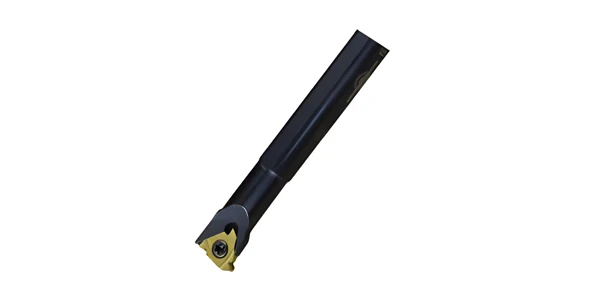
Reaming tools refine the previously made holes for better accuracy and surface finish. They increase the diameter of holes to the correct size with the aid of a pilot. This process produces a finished surface of the mating faces. It is widely helpful in processes with great demands on accuracy and surface finish, for example, in aviation and automotive fields.
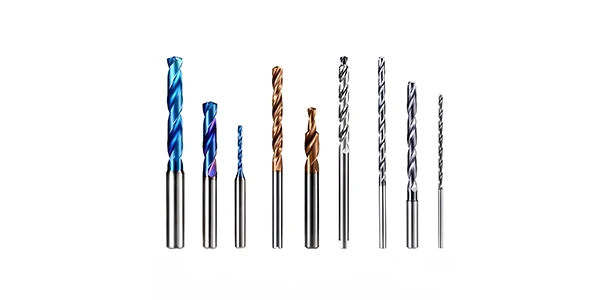
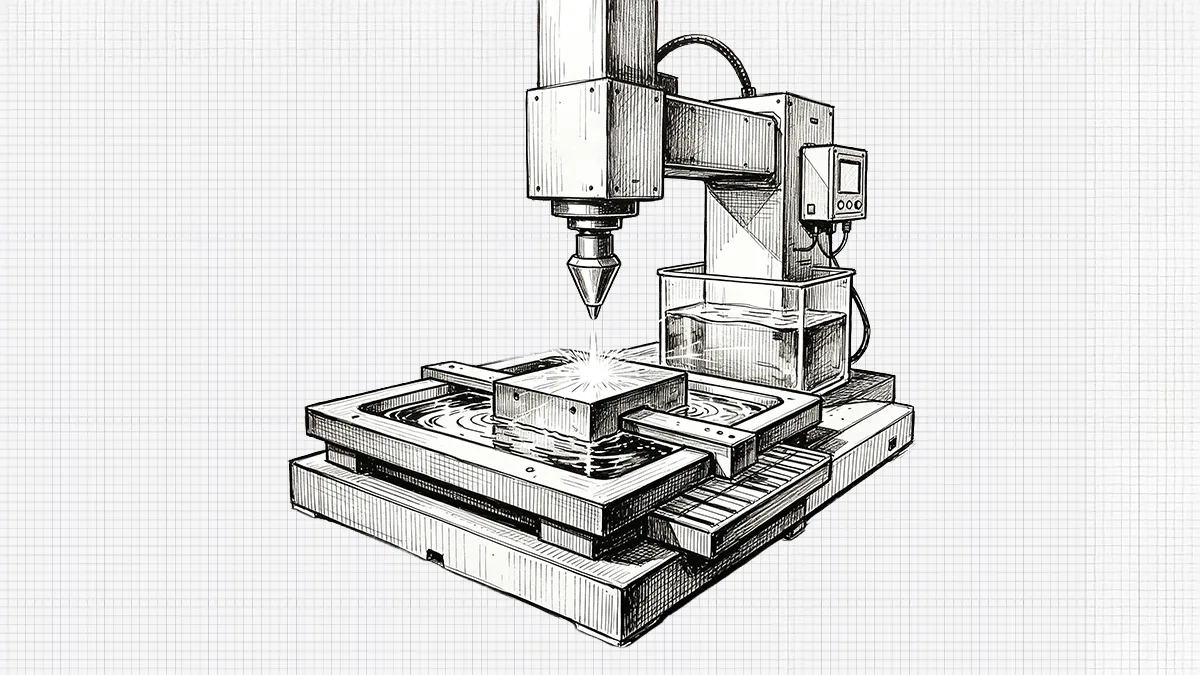
Engraving tools enable the capacity to carve patterns, text, and other designs in various materials. Several types of these tools, such as rotary and laser engravers, are ideal for specific engraving projects. Rotating tools that shave the surface of a material for cutting designs are called rotary engravers.
Conversely, laser engraving employs a laser beam to create exceptionally delicate designs. Each engraving tool improves the opportunities to make personal logos, labels, and ornaments on parts and pieces. These special-purpose tools give the manufacturers the flexibility and definition that have led to the possible utilization of CNC machining in the broadest sense possible.
Conclusion
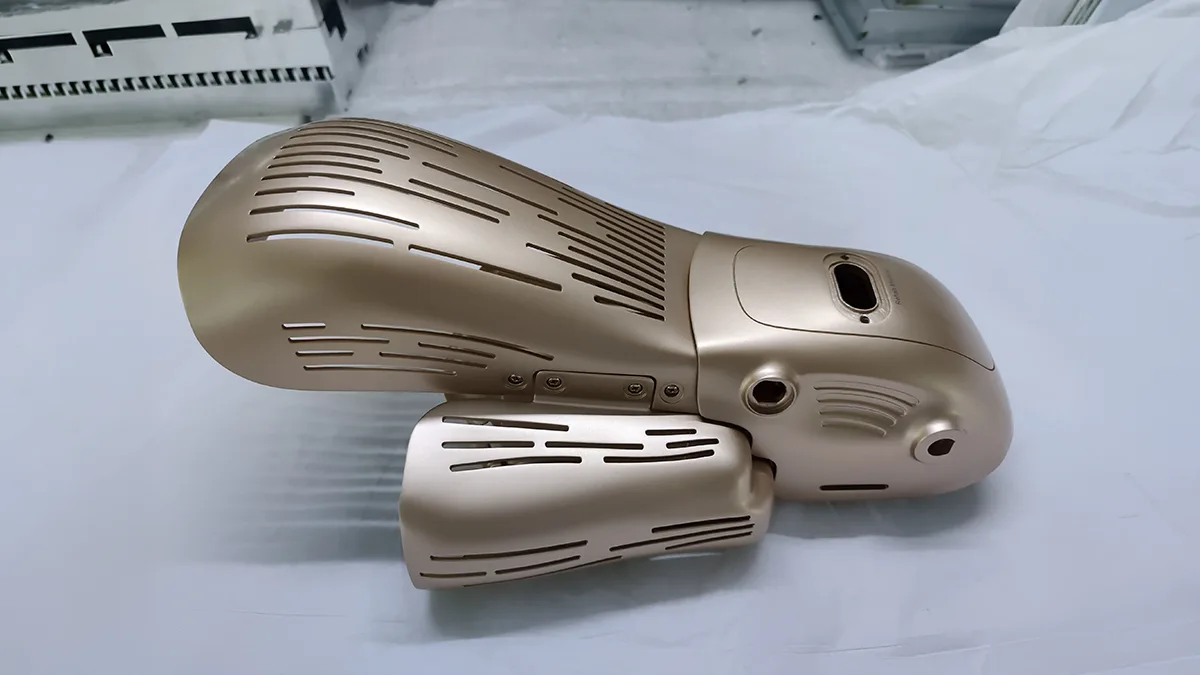
Today’s CNC tools are a significant innovation to the current world production and supply system as they add accuracy, speed, and flexibility to the production line across diverse products. CNC tools that are widely applicable include milling, turning, drilling, boring, and special tools. All contribute to the improvement of machining processes as well as delivering quality outcomes.
Turning tools, resembling drills, employ end cutting edges for roughing, finishing, or creating features in a workpiece, while milling tools, comprising end mills, face mills, and ball nose mills, are ideal in shaping and finishing tasks.
Auxiliary tools include lathe and insert tools that help prepare the rotating workpiece and obtain the necessary dimensions. The hole-making tools include twist drills, spade drills, and indexable drills.
Threading, reaming, and engraving tools are specialty designs for specific operations and intricate work. Altogether, these tools play a crucial role in achieving high performance in CNC machining while enabling new ideas across sectors.






 EN
EN  ES
ES  FR
FR  DE
DE  IT
IT  PT
PT  NL
NL  PL
PL  AR
AR  JA
JA  KO
KO  ZH
ZH