

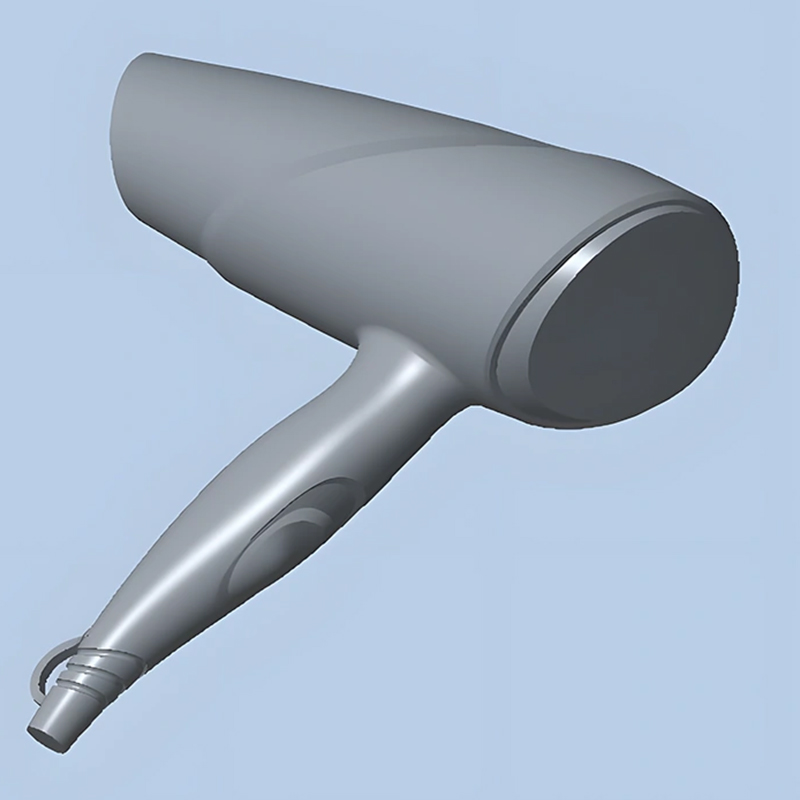
In our daily beauty care routine, a hair dryer is an indispensable tool. Modern hair dryers have evolved from simple functional products to stylish, personalized beauty accessories thanks to innovative designs by designers. From streamlined curves to fashionable color combinations, they not only make the styling process more enjoyable but also enhance the user experience. This article will focus on hair dryer design, sharing the process followed by industrial designers and structural designers in creating hair dryers. We will also showcase various creative and new concept hair dryer designs.
Notes: Most of the physical or rendered images of hair dryers in this article are sourced from the original design companies. If this infringes on your rights, please contact us at [email protected] to notify us to delete the images.
Hair Dryer Design Steps
First, the appearance design needs to be completed by industrial designers, who can use Rhino or Creo/Proe. Generally, 90% of the market products can be directly modeled using Creo/Proe for seamless production integration. Then, structural engineers complete the internal structure based on the model.
From a functional perspective, the hair dryer needs to blow hot and cold air and have a switch to control the speed settings. Therefore, it usually requires a motor, fan blades, heating coil, and a speed setting toggle switch. The handle of the hair dryer has a folding feature, so a pivot structure is needed at the folding part to connect the handle and the housing. The main materials for the hair dryer housing are ABS, transparent PC, ABS+PC, etc.
01. Modeling:
High-quality Rhino modeling is required, avoiding simple surfaces, broken surfaces, and excessively small surfaces. For those unfamiliar with Rhino, using CREO/Proe to model the hair dryer ensures seamless structural integration. The model in this example was built using Pro/E.
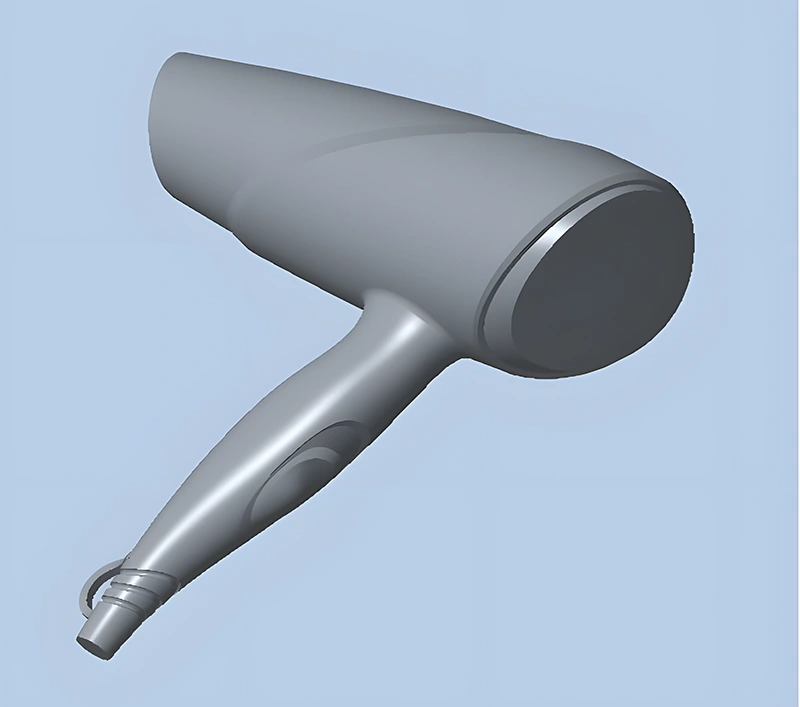
02. Save the Model
Save the model separately and split the housing based on color and function according to the renderings.
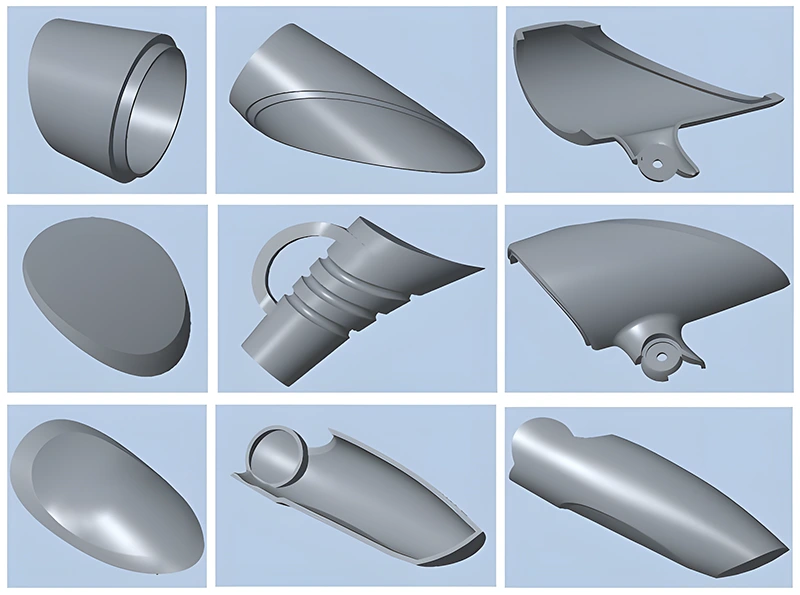
03. Assembly Mode
Assemble the split housing in assembly mode to facilitate the design of the internal structure.
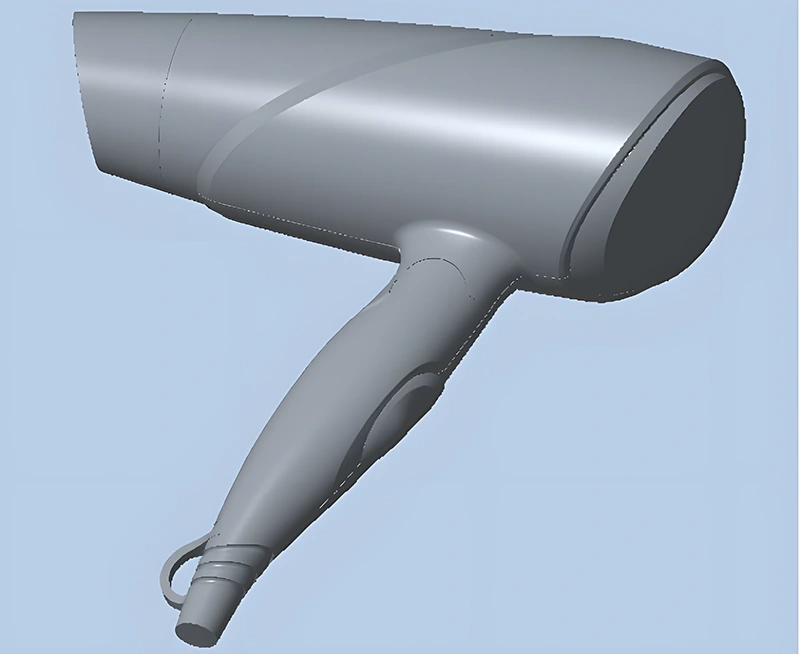
04. Standard Parts Selection
Two standard parts require collaboration with hardware engineers for selection: the motor and the toggle switch. The motor should be selected based on product power, and the toggle switch based on speed settings. Once selected, build the parts’ models according to the specifications for assembly structure design.
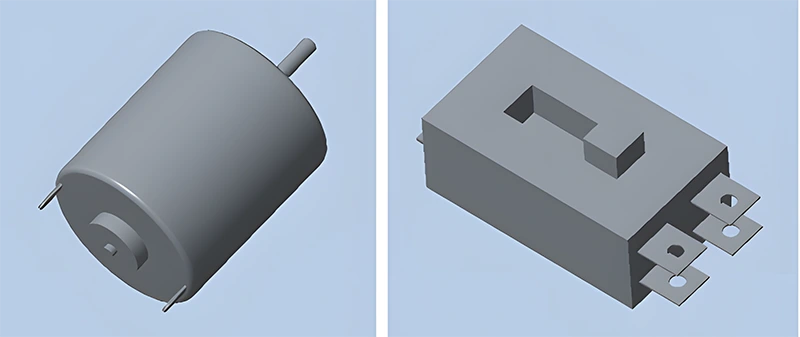
05. Constructing Brackets
Build fixed brackets for the motor and heating coil based on the internal space of the housing.
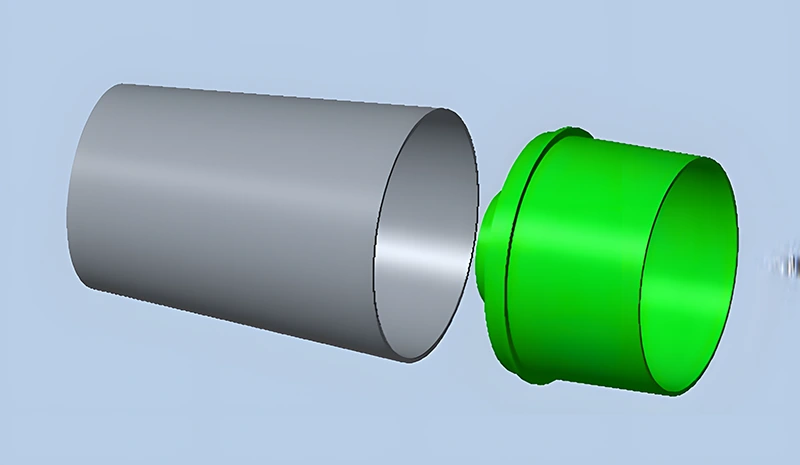
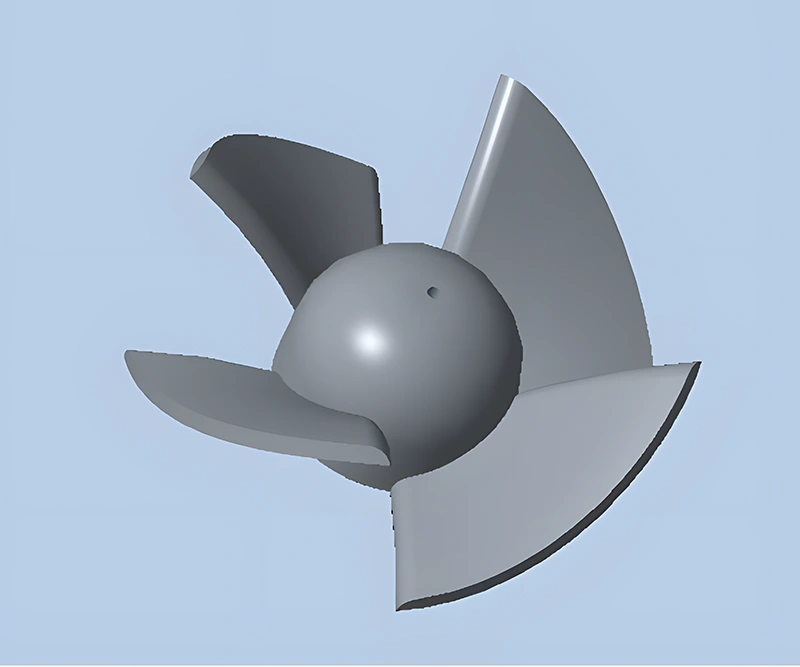
06. Designing the Fan Wheel
Design the fan wheel based on the internal diameter of the motor bracket housing.
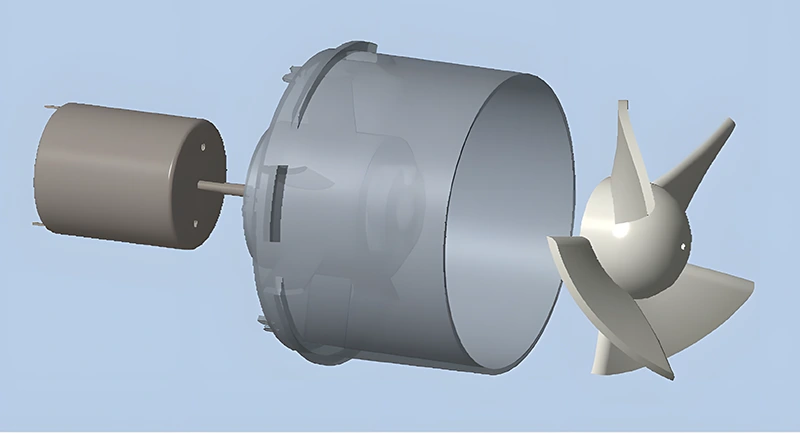
07. Assembling Components
Assemble the motor and impeller into the bracket and design a fixed structure to secure the motor in the housing and the impeller on the motor head for power transmission.
08. Heating Coil Bracket
Design a fixed bracket for the heating coil based on the internal space of the heating coil housing, securing the heating coil to provide a heat source.
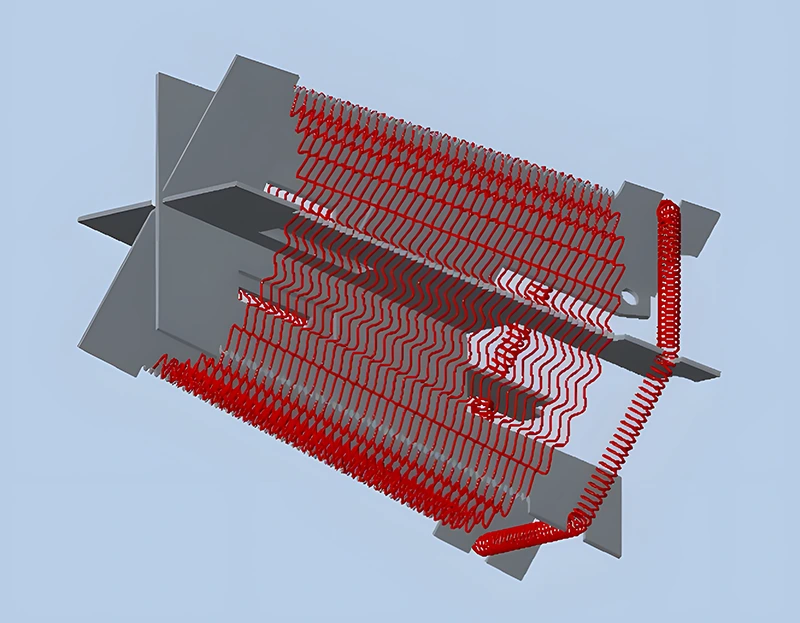
09. Air Duct Mesh
Design an iron mesh for the air duct outlet to prevent foreign objects from entering the heating coil and causing malfunctions or safety issues.
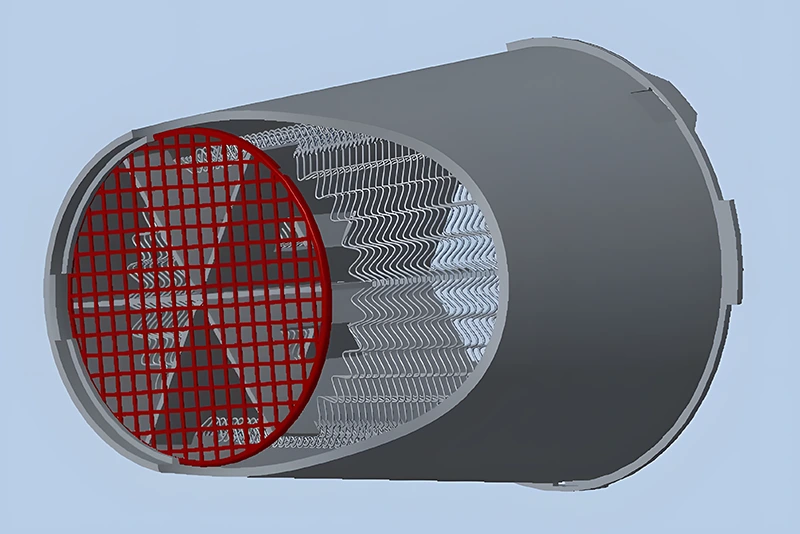
10. Snap-Fit Assembly
Assemble the heating coil housing and motor bracket using a snap-fit structure, setting this as an overall component.
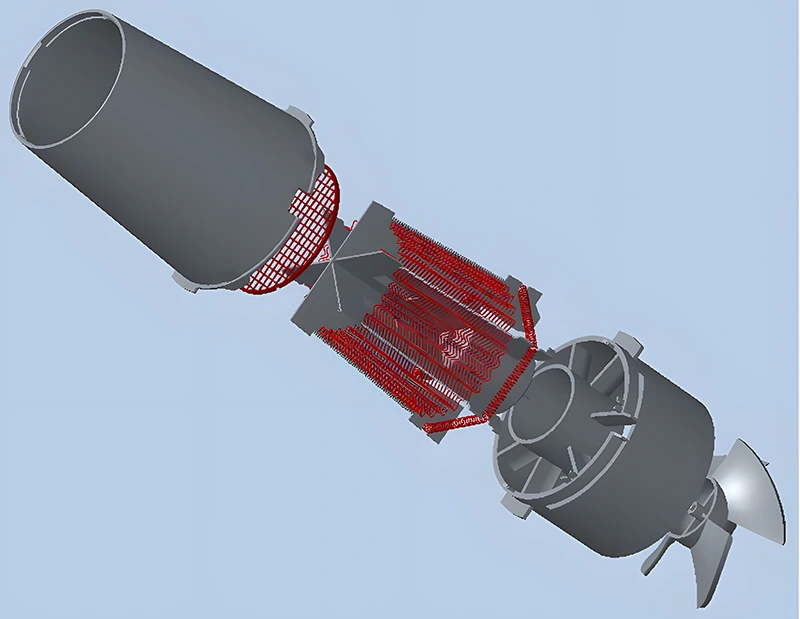
11. Internal Component Assembly
Assemble the internal heating and impeller components into the housing, securing them with ribs and snap-fits inside the hair dryer.
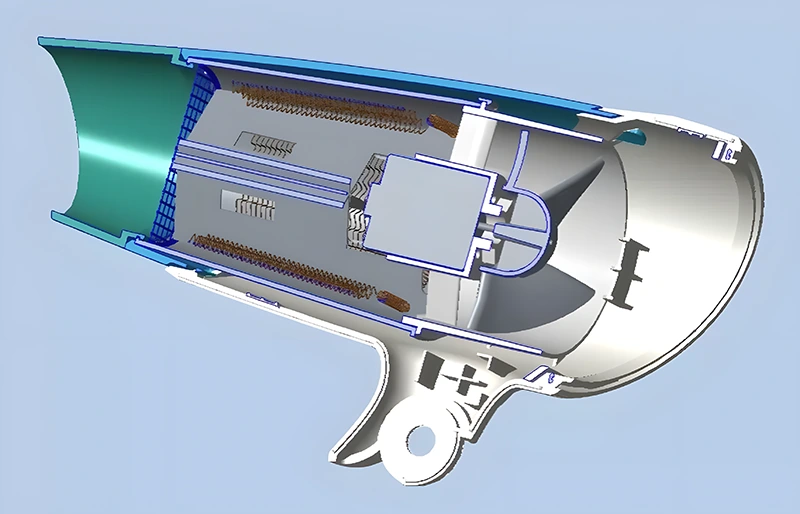
12. Rear Cover
Add a layer of metal filter mesh to the rear cover to prevent foreign objects from being sucked inside. Design a snap-fit structure to secure the rear cover to the housing.
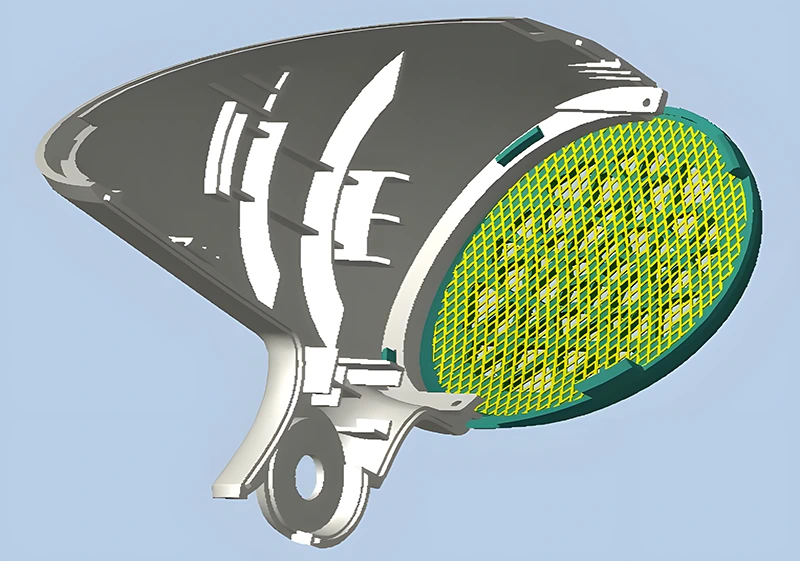
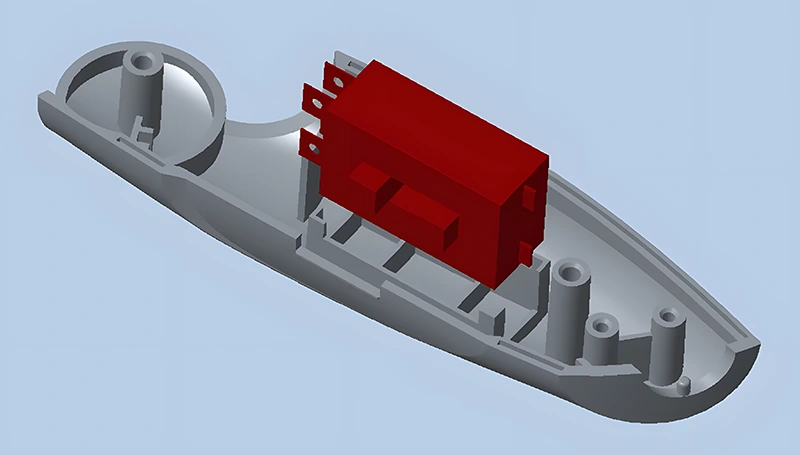
13. Toggle Switch Assembly
Install the toggle switch into the handle, designing ribs and slots to secure the switch within the handle housing.
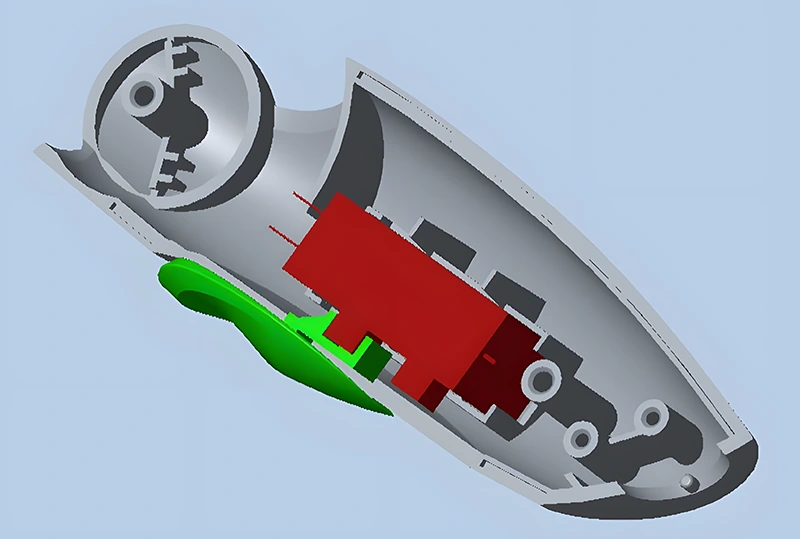
14. Push Button Design
Design hooks for the sliding button in assembly mode, ensuring it aligns with the toggle switch’s travel. At the same time, design grooves on the button to hook onto the toggle switch key.
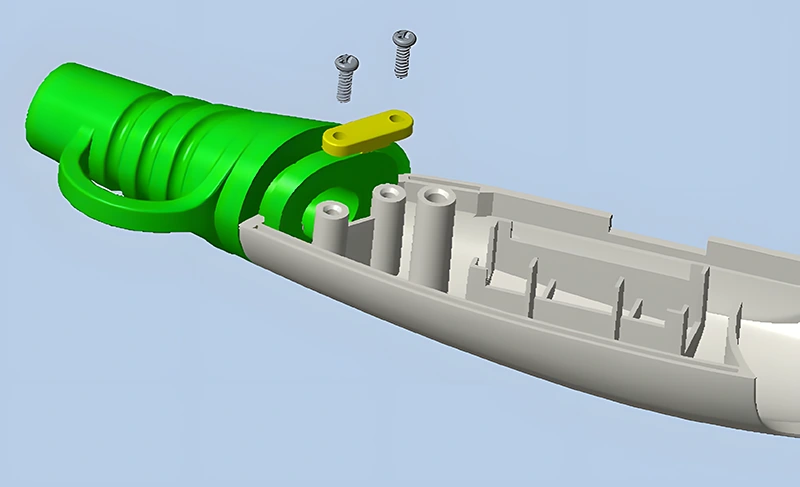
15. Soft Rubber Cable Guard
Assemble the soft rubber cable guard into the handle, designing a slot to secure it inside the housing. Design a fixed slot to secure the power cord with screws.
16. Speed Setting Ring
Add a speed setting ring inside the housing and design an origin point and a maximum position lock in the handle to fix the rotation travel.
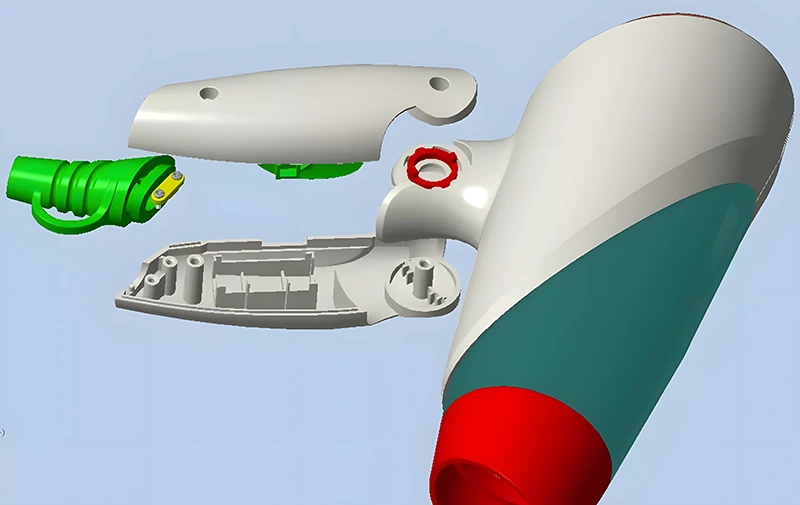
17. Rendering
Save the overall assembly as an STP file and import it into KS to render product effect diagrams.
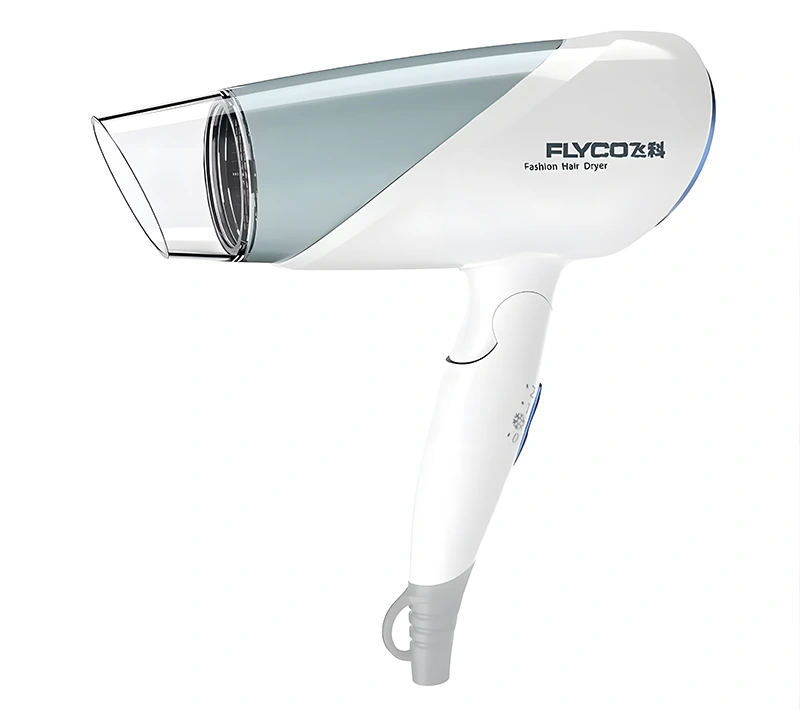
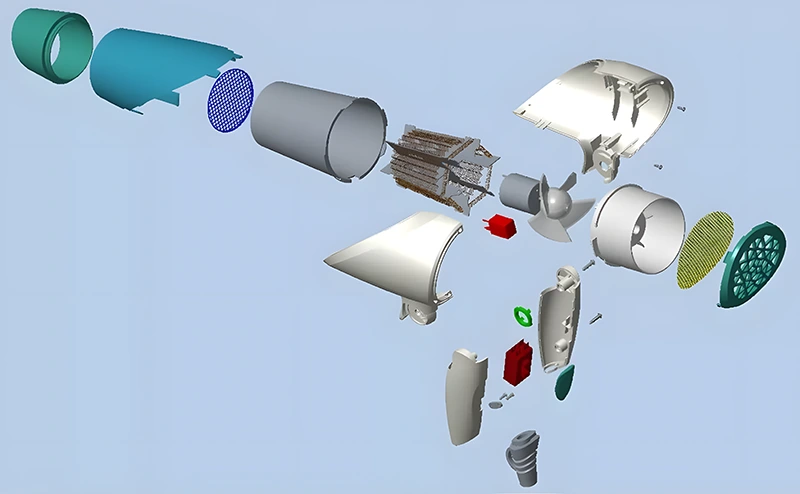
18. CAD Assembly View
Produce an engineering assembly view in CAD, detailing each part’s material, surface treatment, and processing technology.
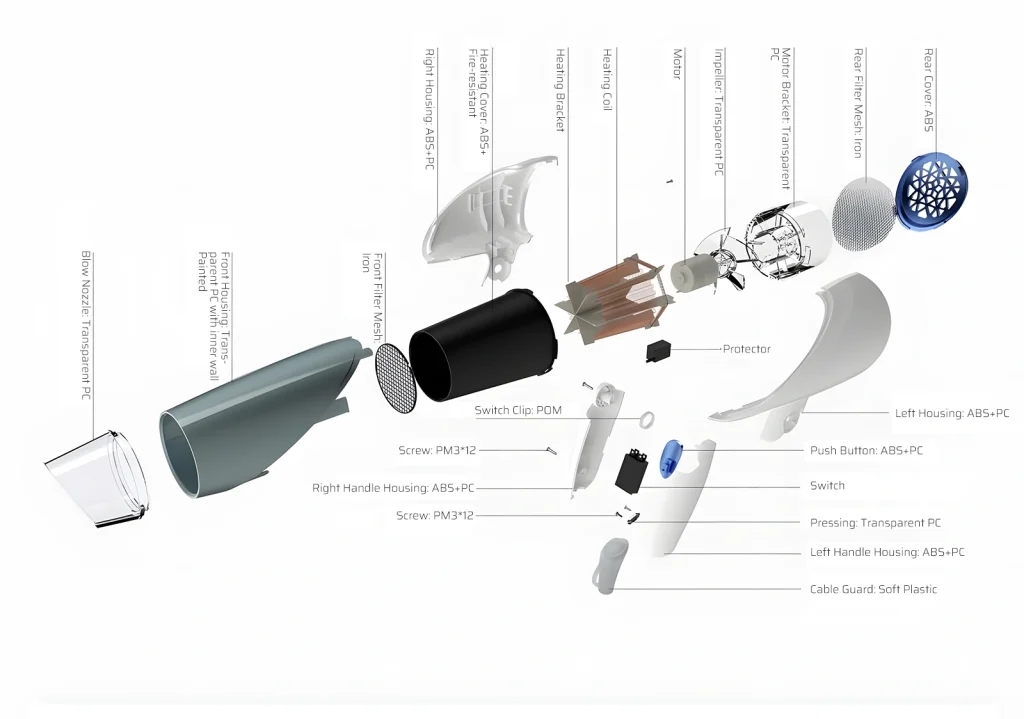
19. Final Rendering
Render the annotated diagram.
Appreciation of New Concept Creative Hair Dryers
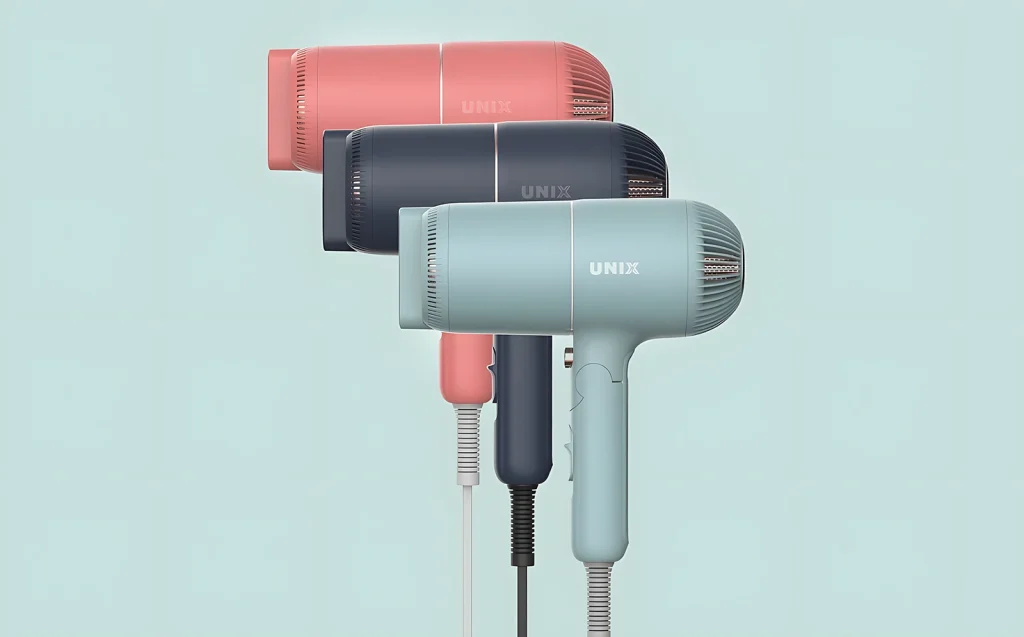
01. UNIX
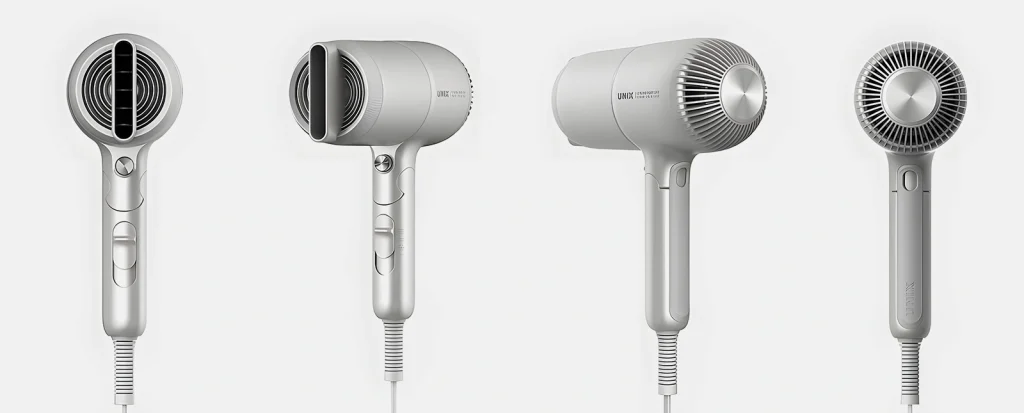
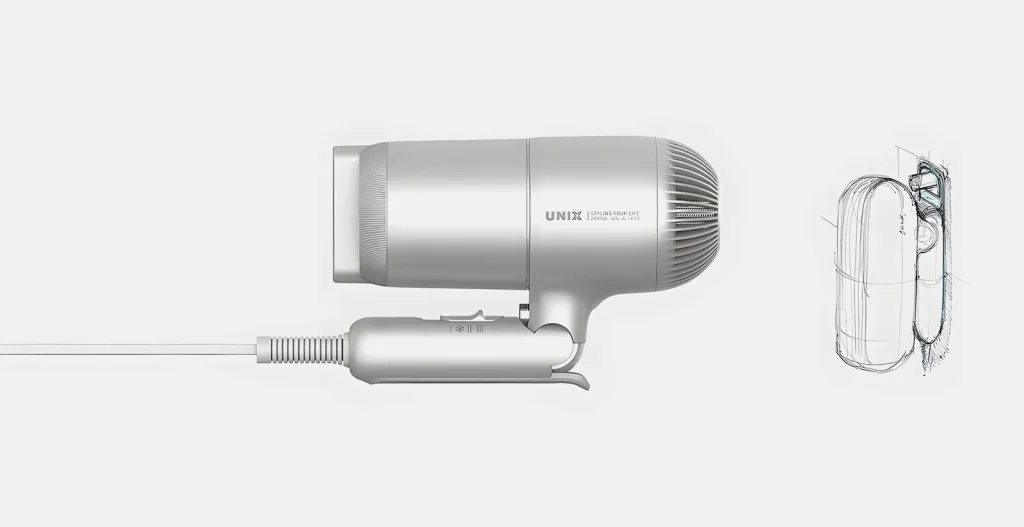
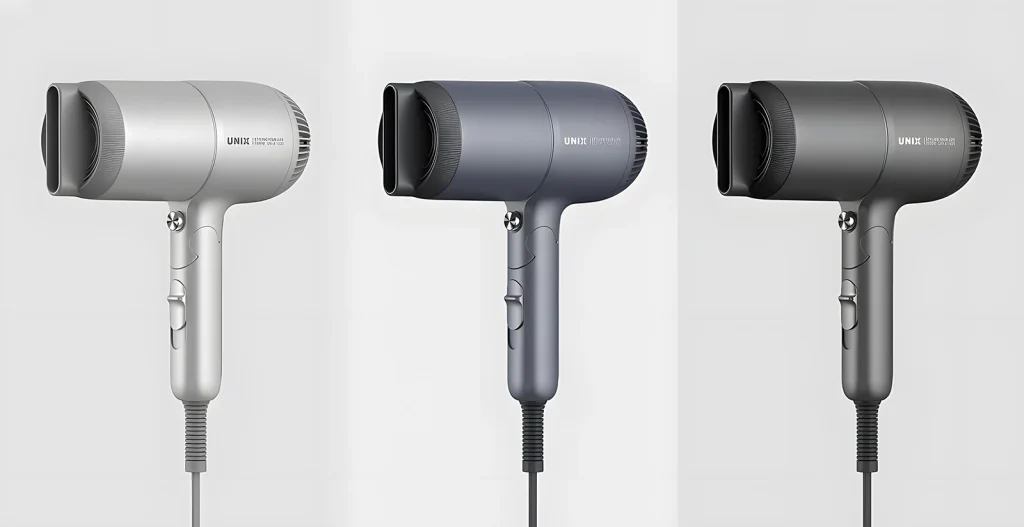
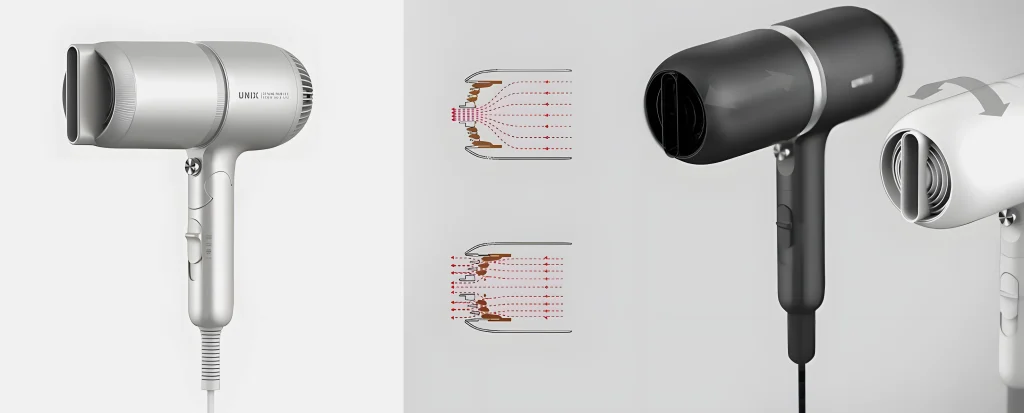
Citrus has developed a new concept hair dryer with a powerful and dynamic 2000W airflow and an intelligent sliding nozzle for quick and easy styling. The streamlined design of the nozzle, body, and air intake cover draws inspiration from aircraft engines, optimizing airflow control.
Additionally, the foldable handle makes storage convenient, while the intelligent sliding nozzle offers a range of airflow options and professional styling modes. The handle can be folded for easy storage, exposing a loop at the end when not in use. The intelligent sliding nozzle provides various airflow options and professional styling and drying modes.
02. Objet Dryer:
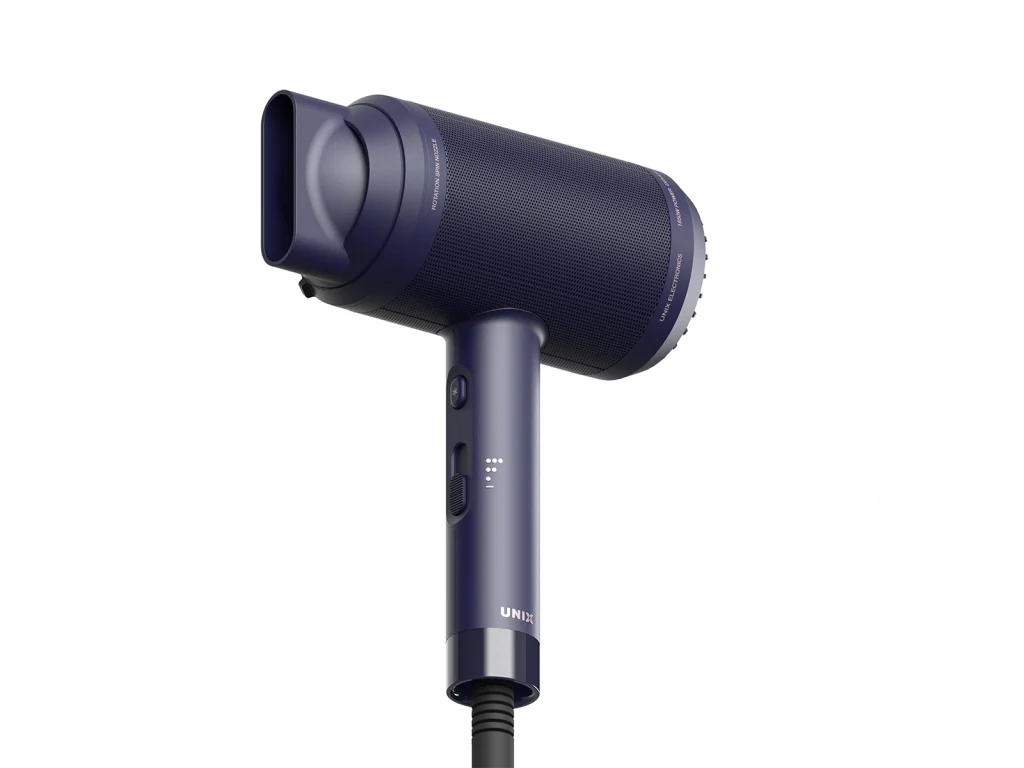
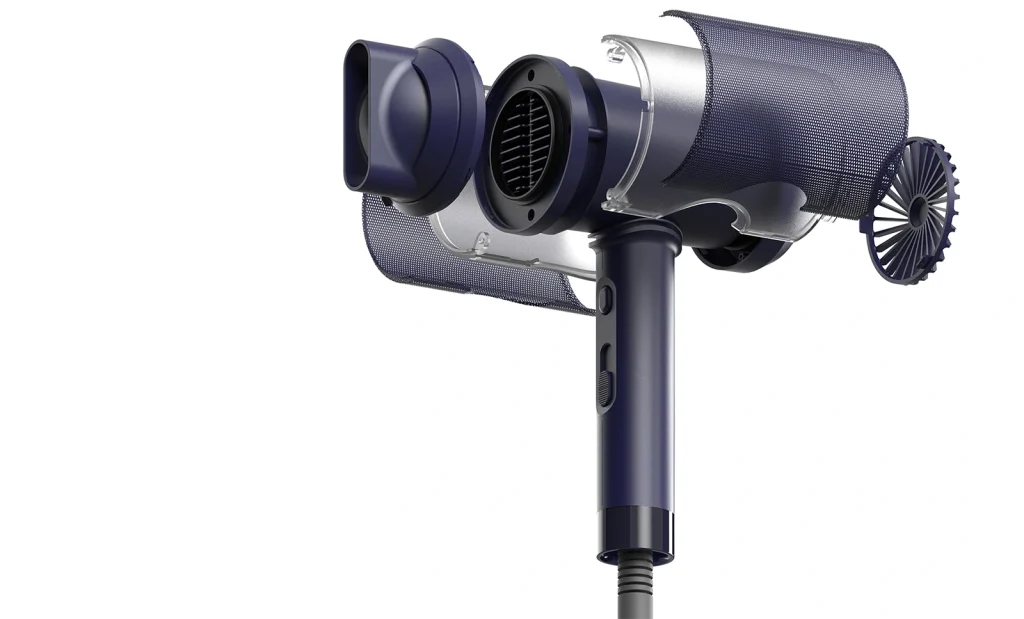
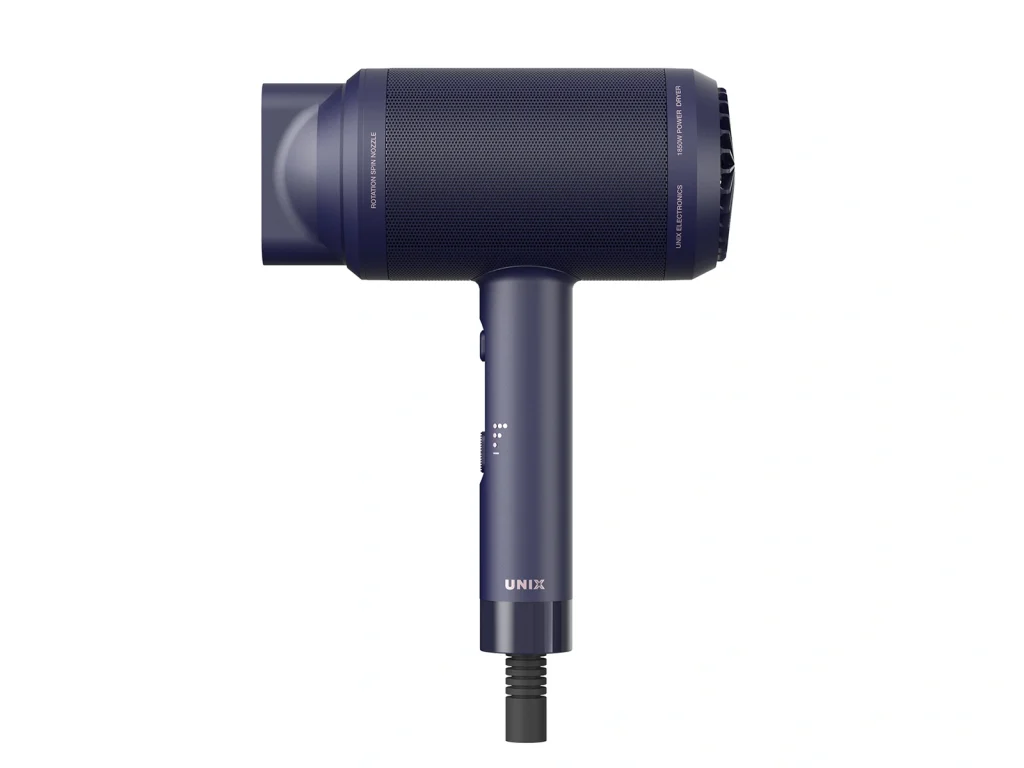
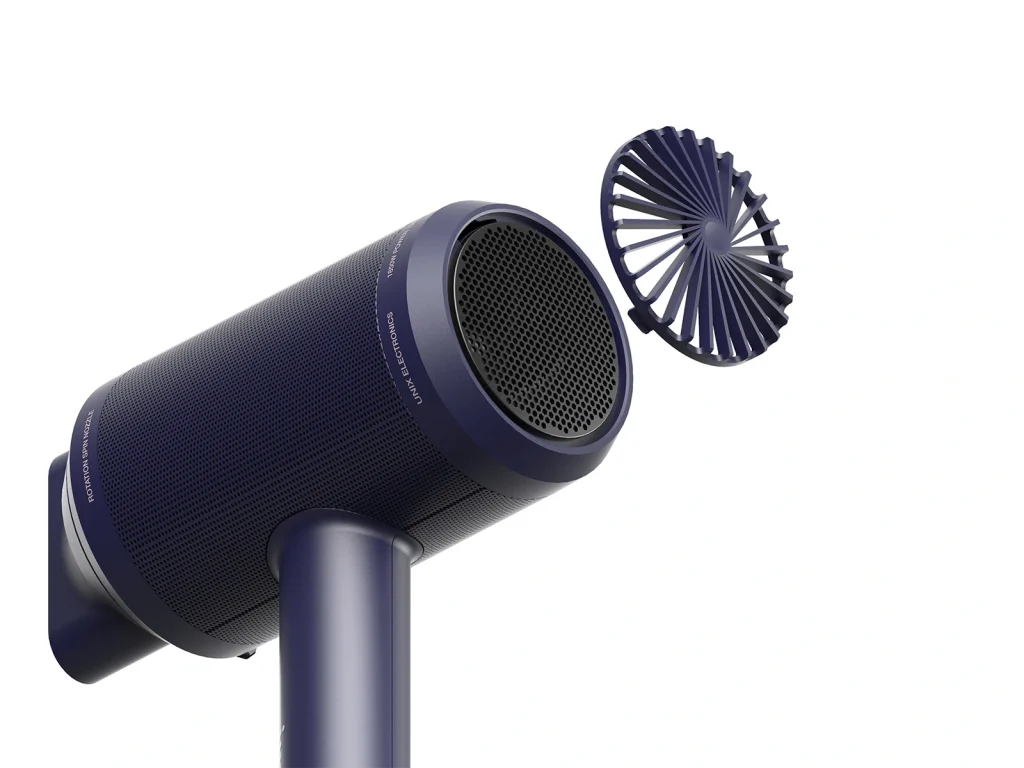
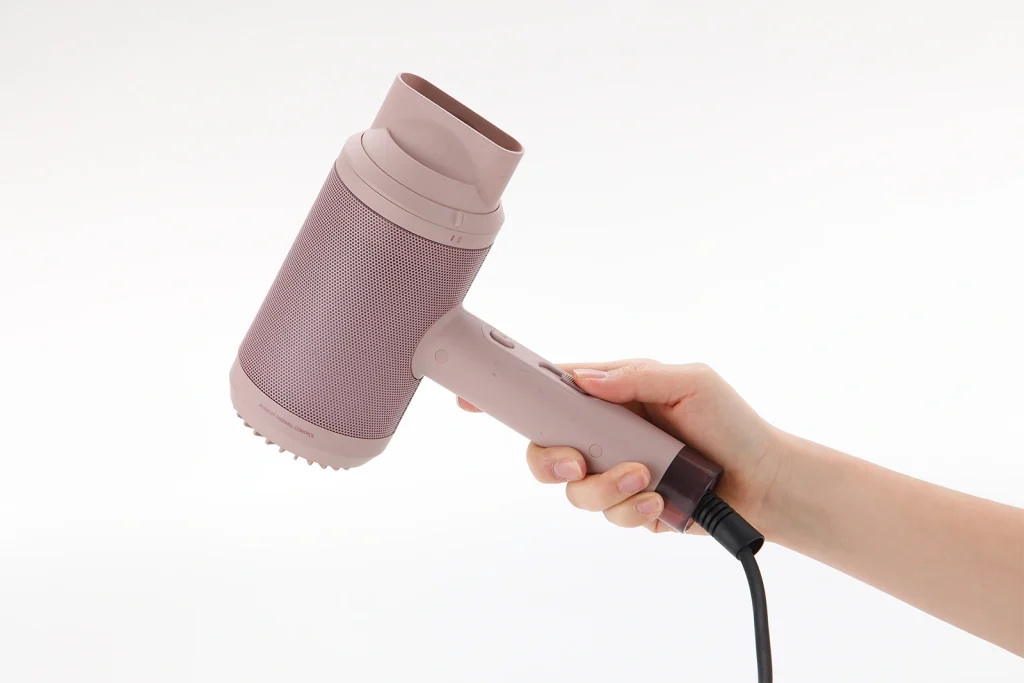
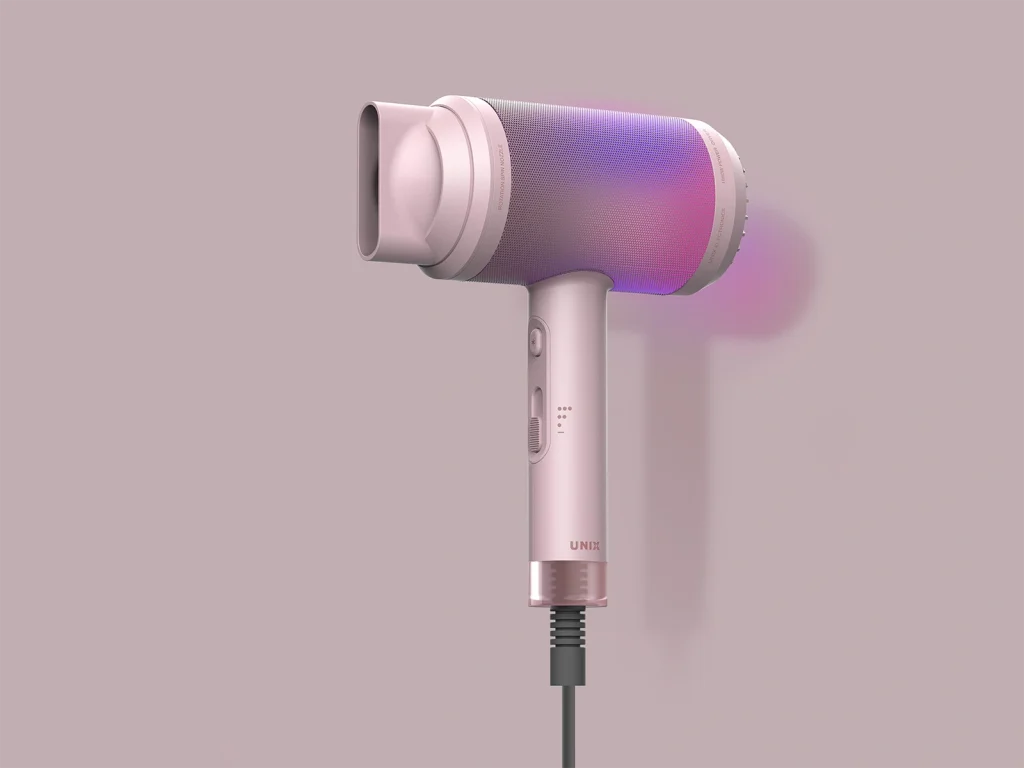
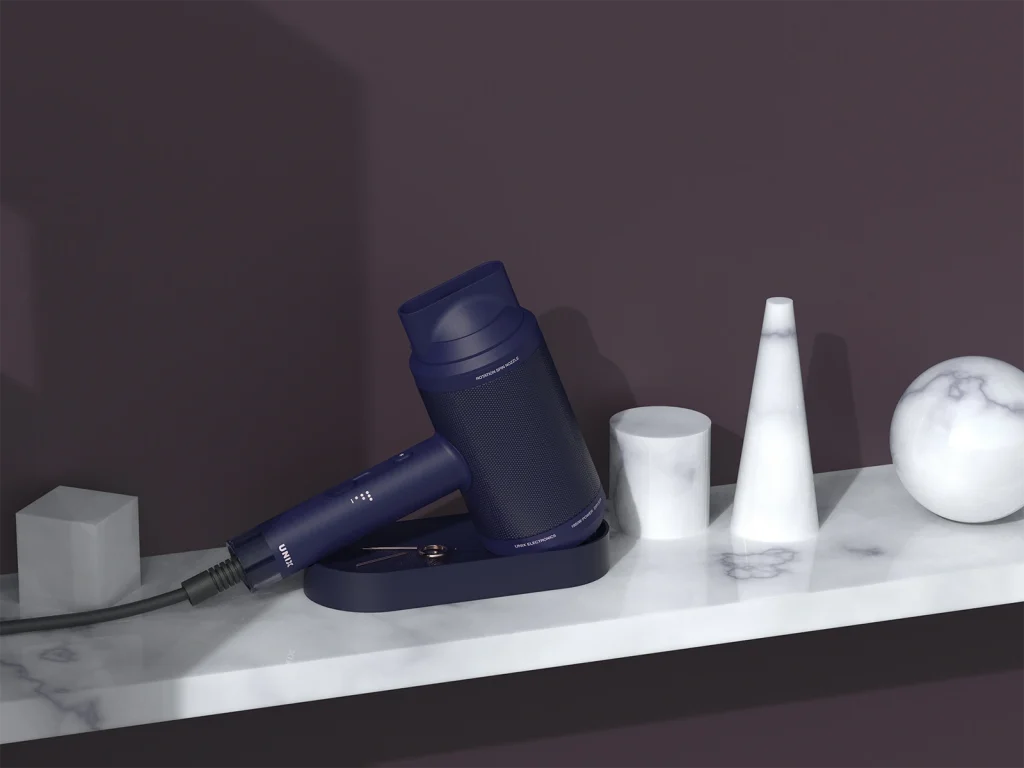
This hair dryer adopts a minimalist and stylish design, featuring a unique dense hole design paired with a streamlined shape and a fine matte texture, providing a full sense of detail and quality.
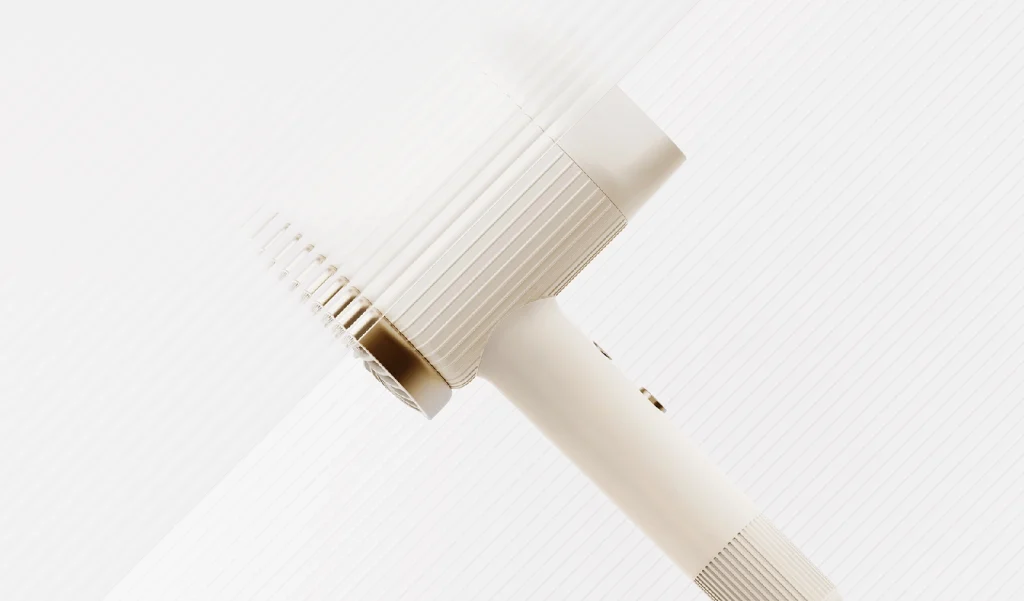
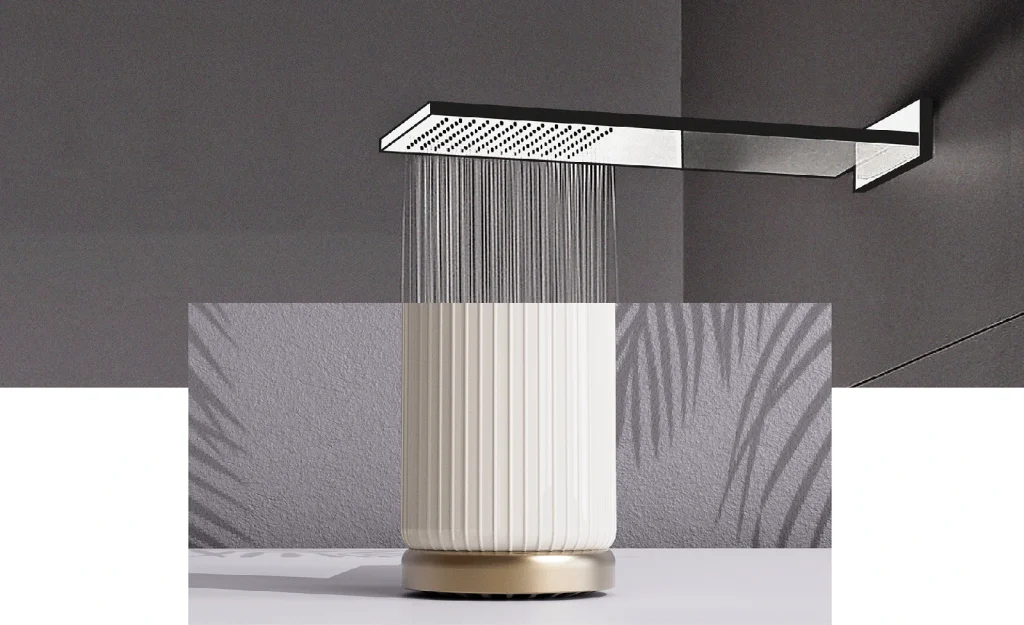
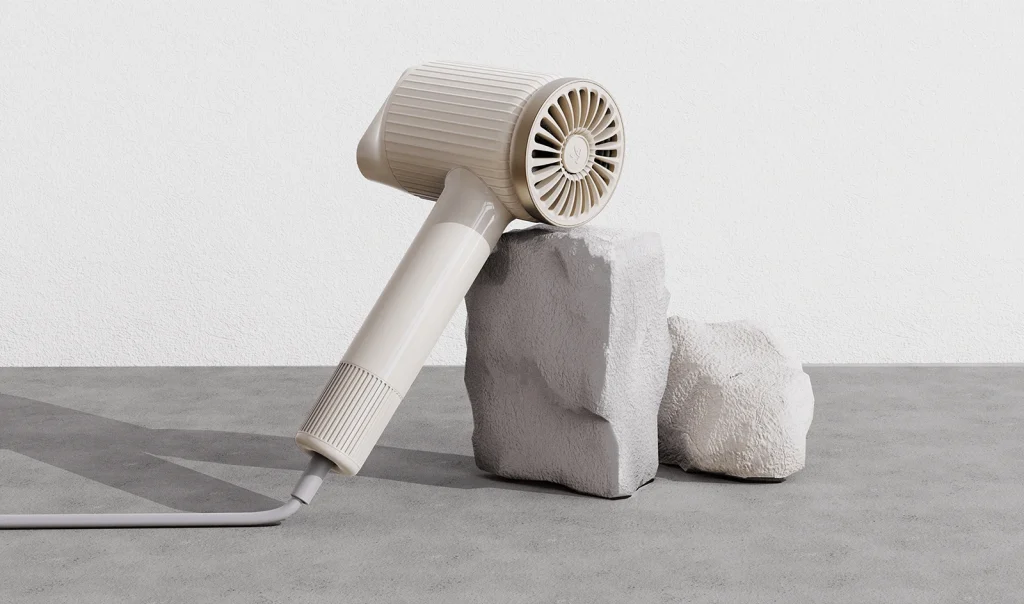
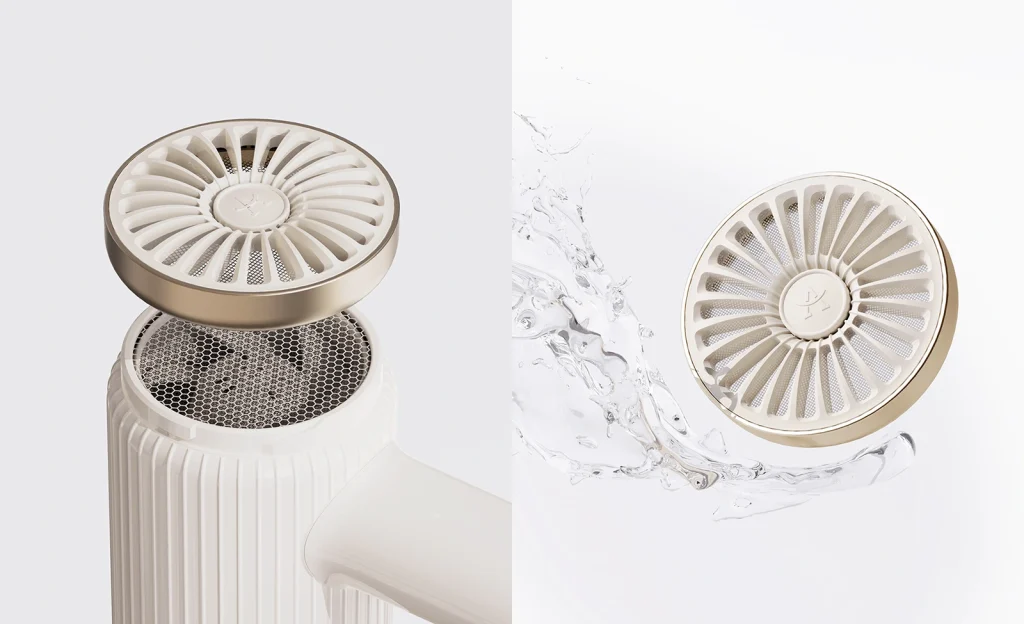
03. PF1 Hair Dryer
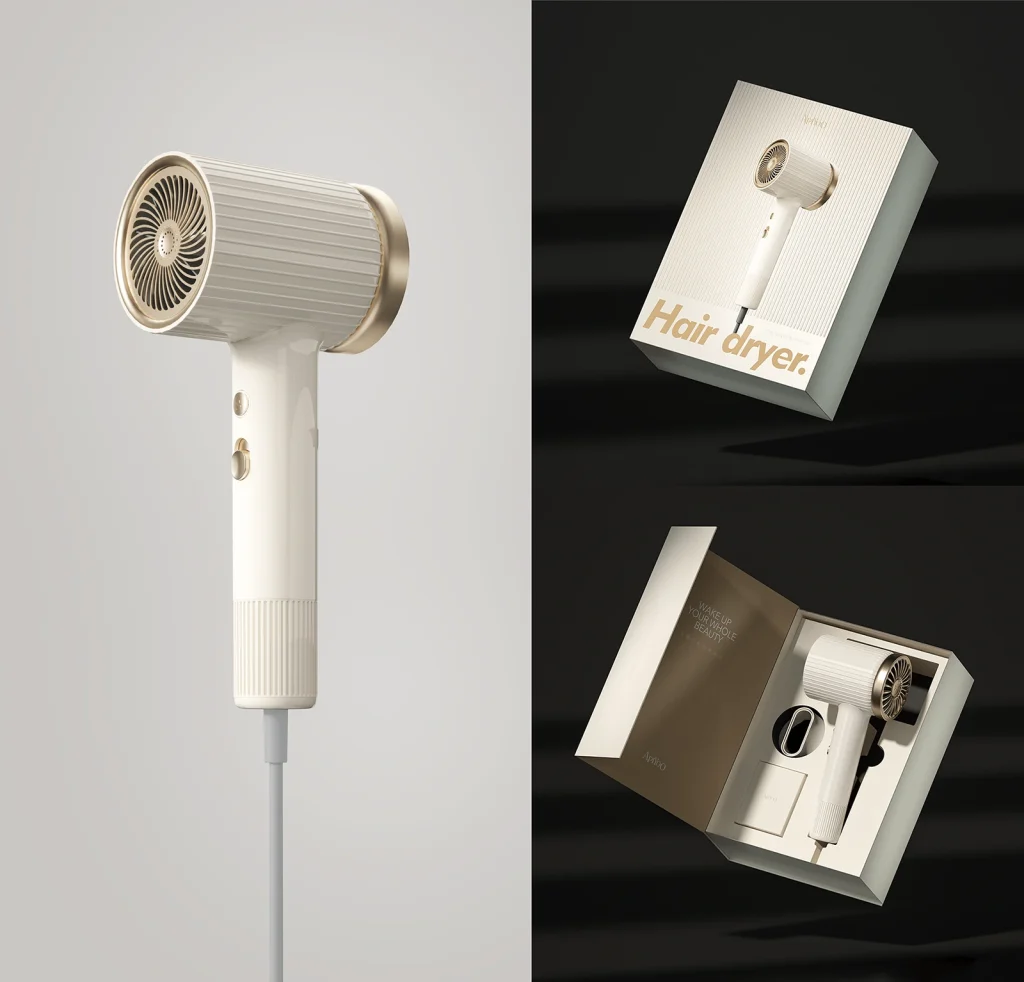
Designers extensively studied modern home and bathroom environments, drawing inspiration from “water flow.” The orderly lines represent “water,” an intangible medium that conveys the tangible, creating an interaction between the hair dryer and the hair.
04. Pilot Dryer
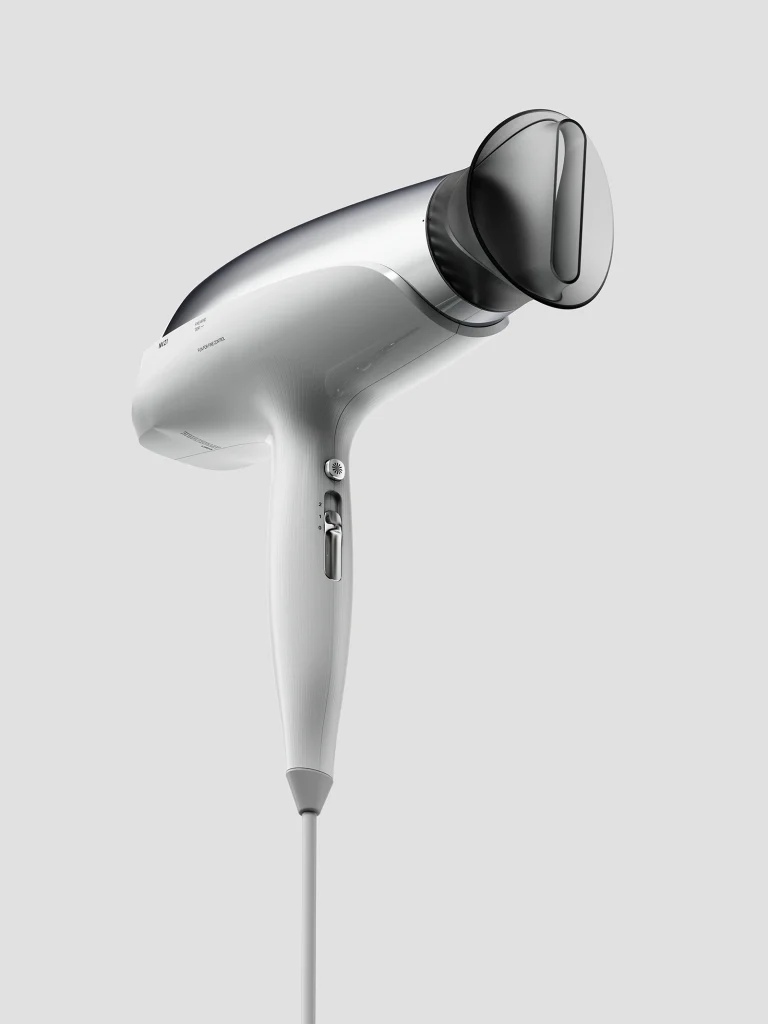
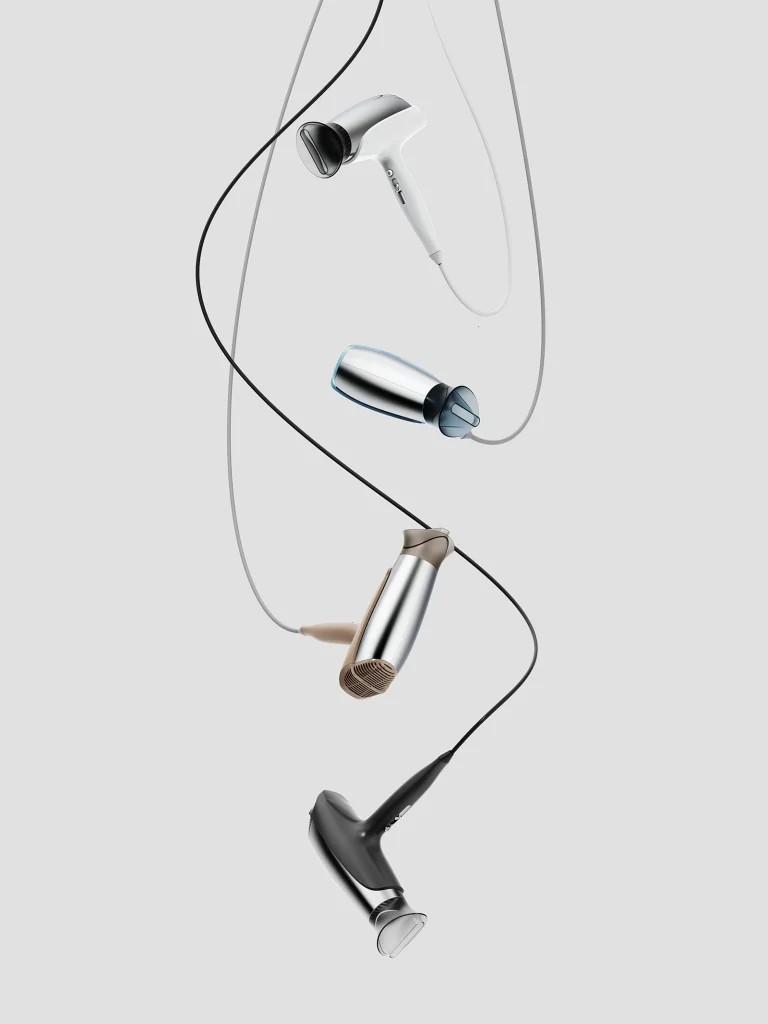
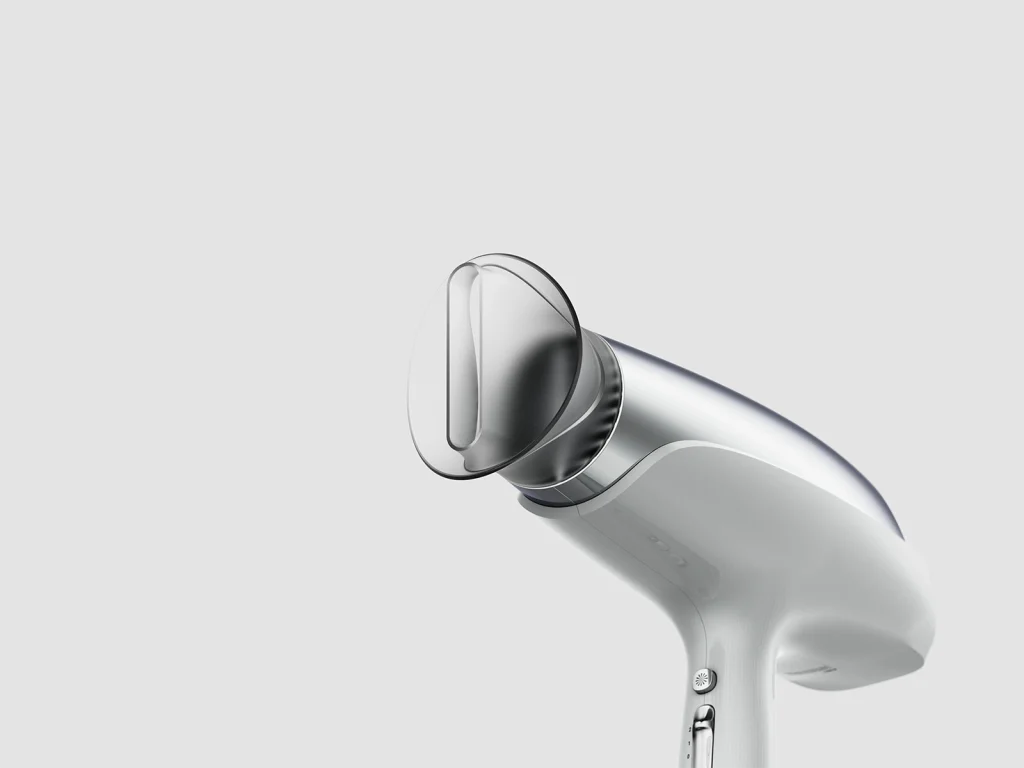
Utilizing aerodynamic mechanisms and ergonomic handle designs, this hair dryer provides the best user experience. Shaped like a jet engine propulsion system, it intuitively communicates “strong wind” to consumers.
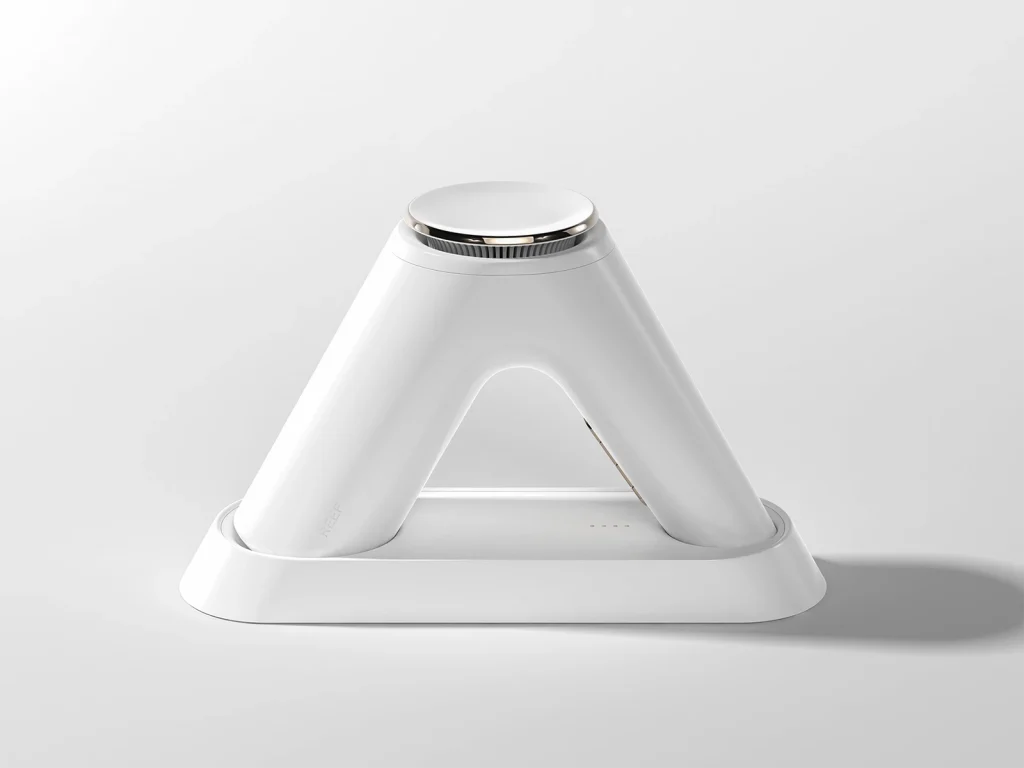
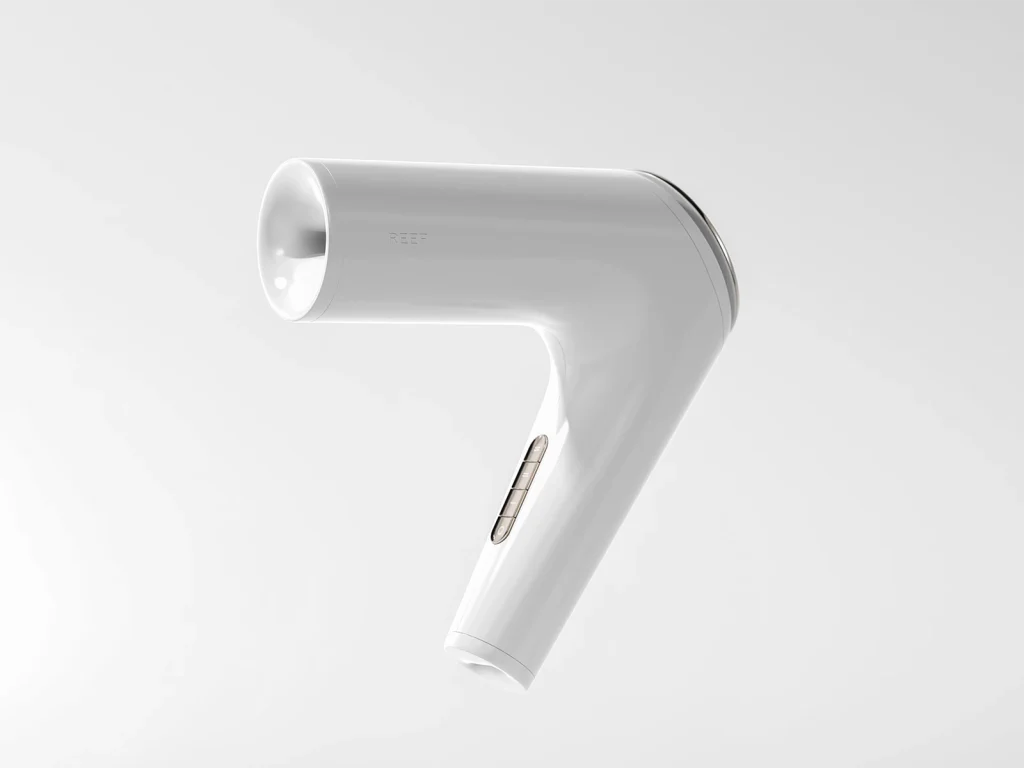
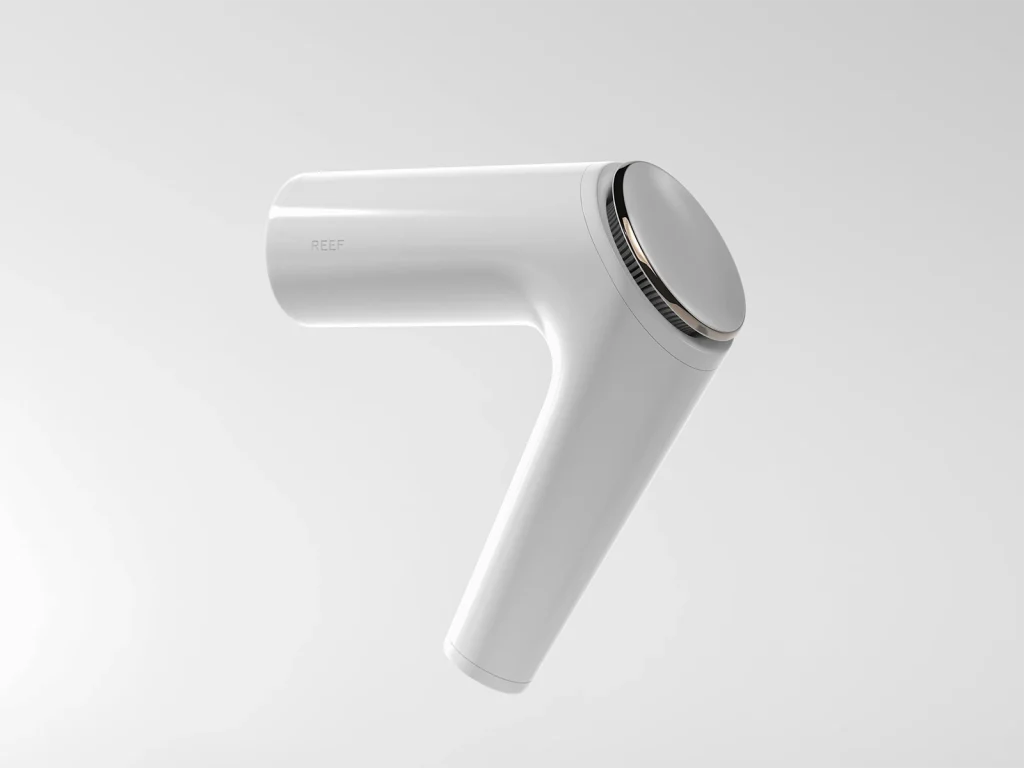
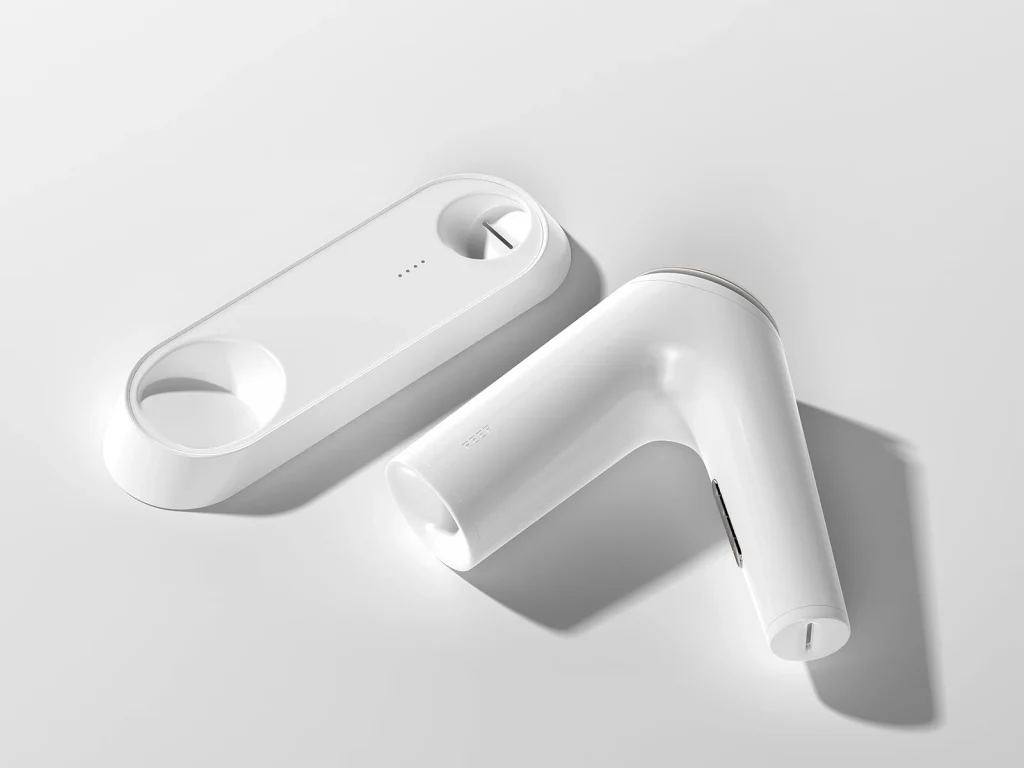
05. Reef
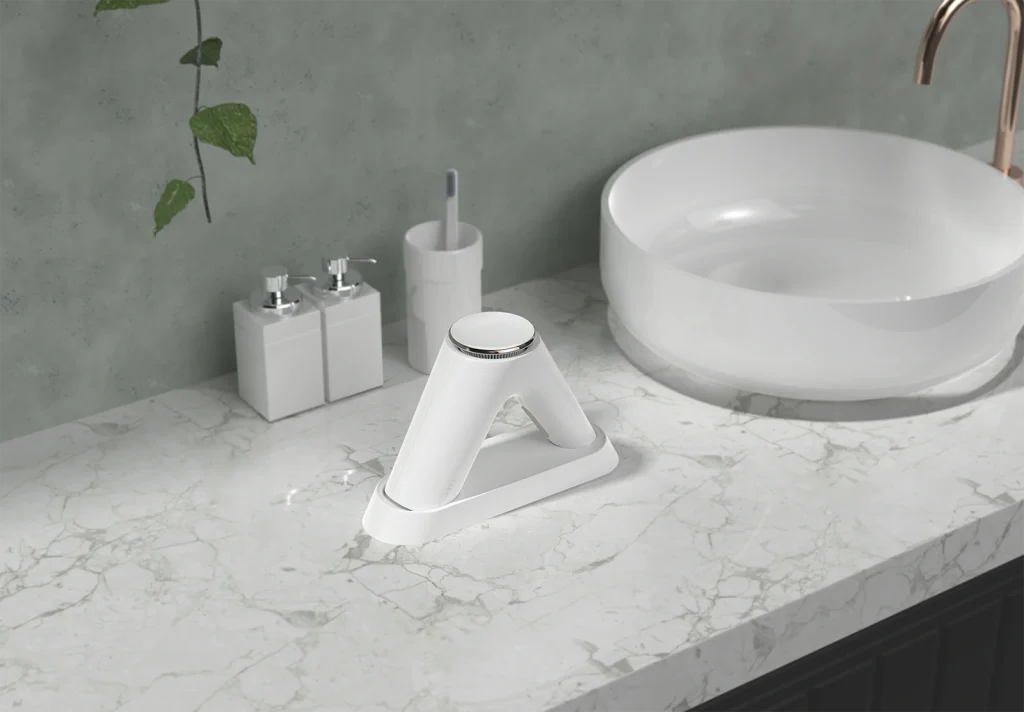
This design addresses existing issues with hair dryers, such as difficulties in storing cords and inefficient space utilization. The overall form is like a “reef,” creating an object suitable for any location, and the wireless charging dryer further enhances space efficiency.
06. AER
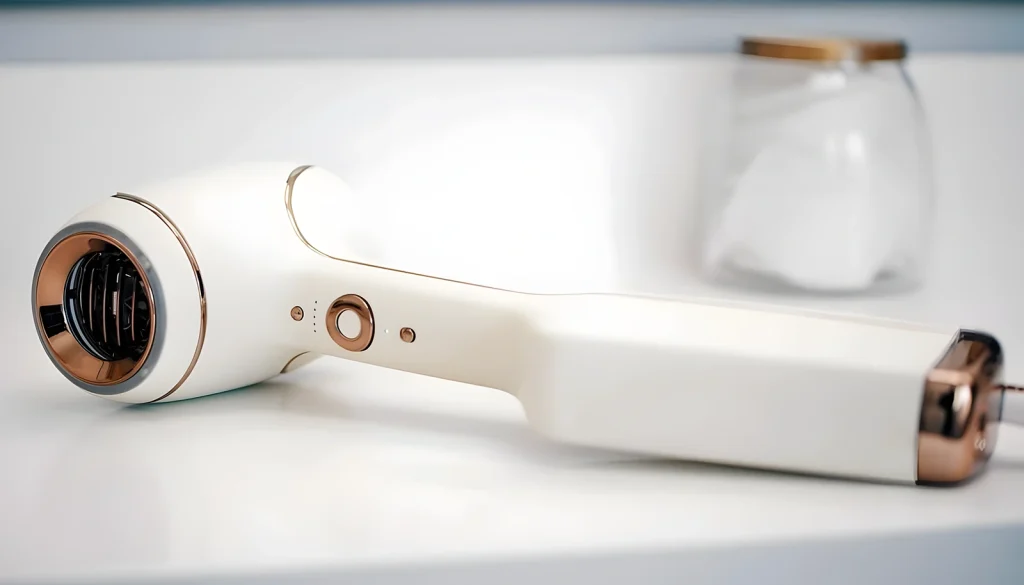
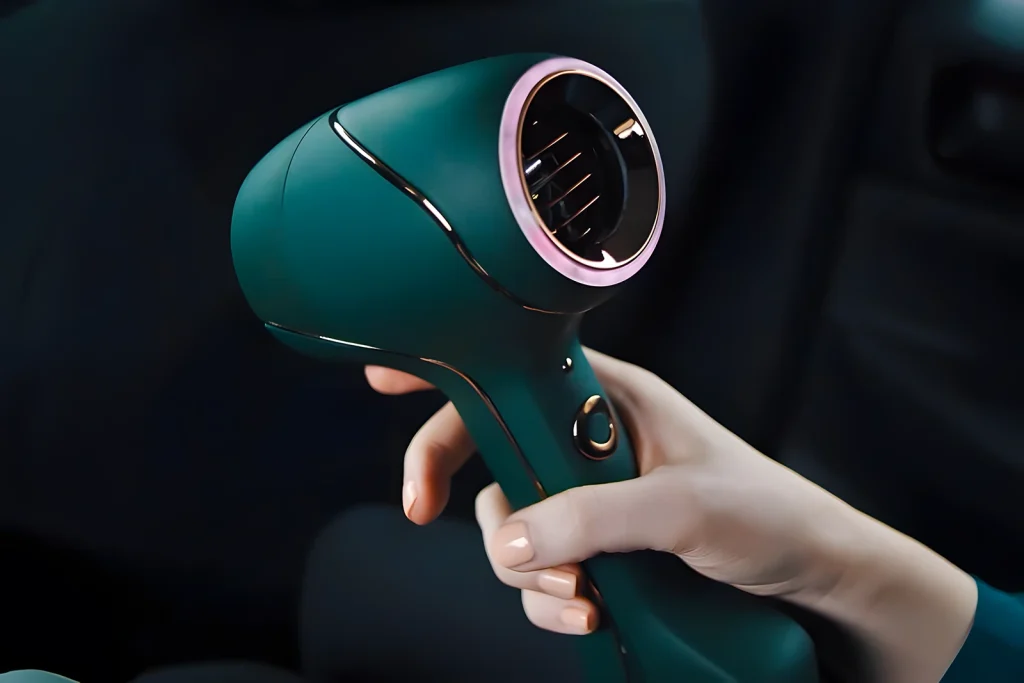
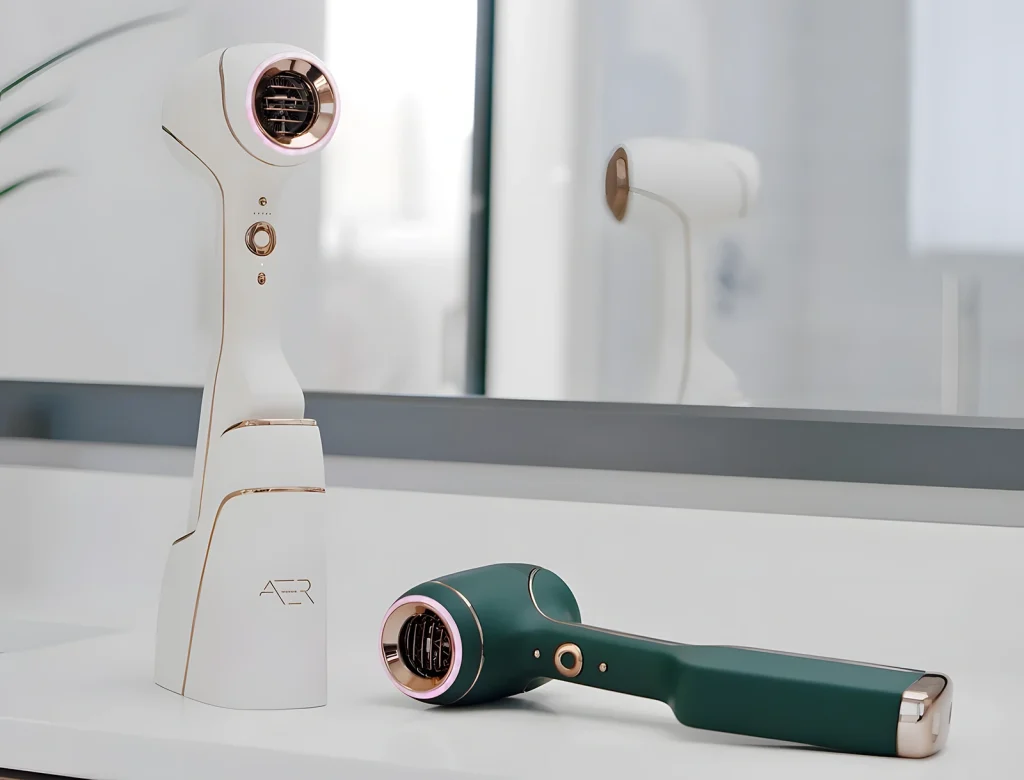
AER can cut off the power cord while drying, turning it into a portable product that can be used anywhere. It is not only wireless but also smart, with sensors inside the dryer analyzing the surrounding air quality and humidity and adjusting heat settings accordingly.
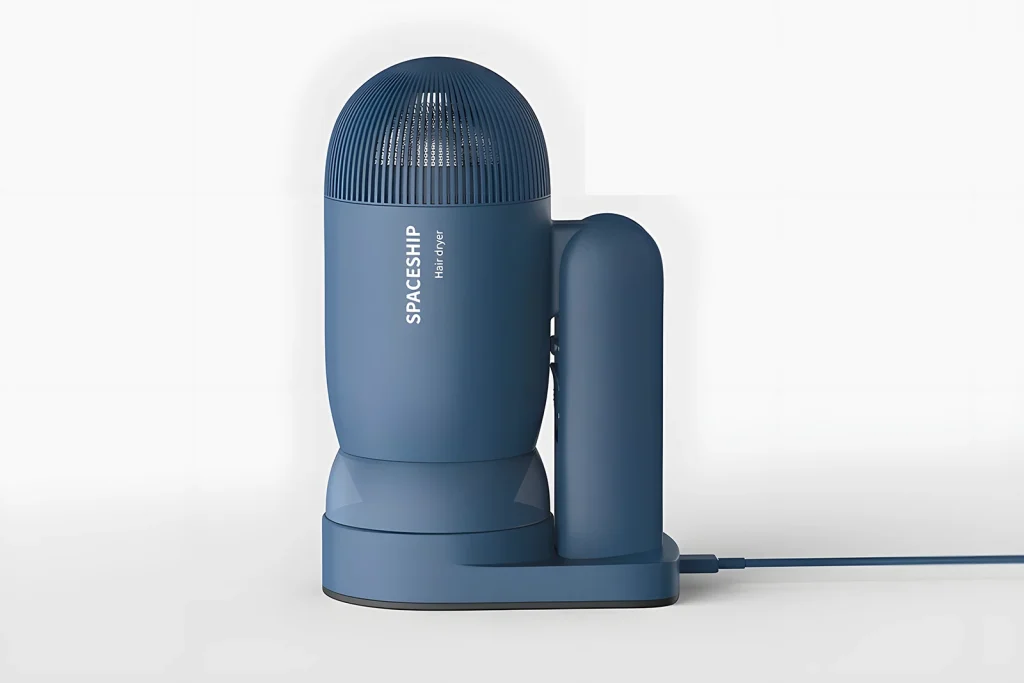
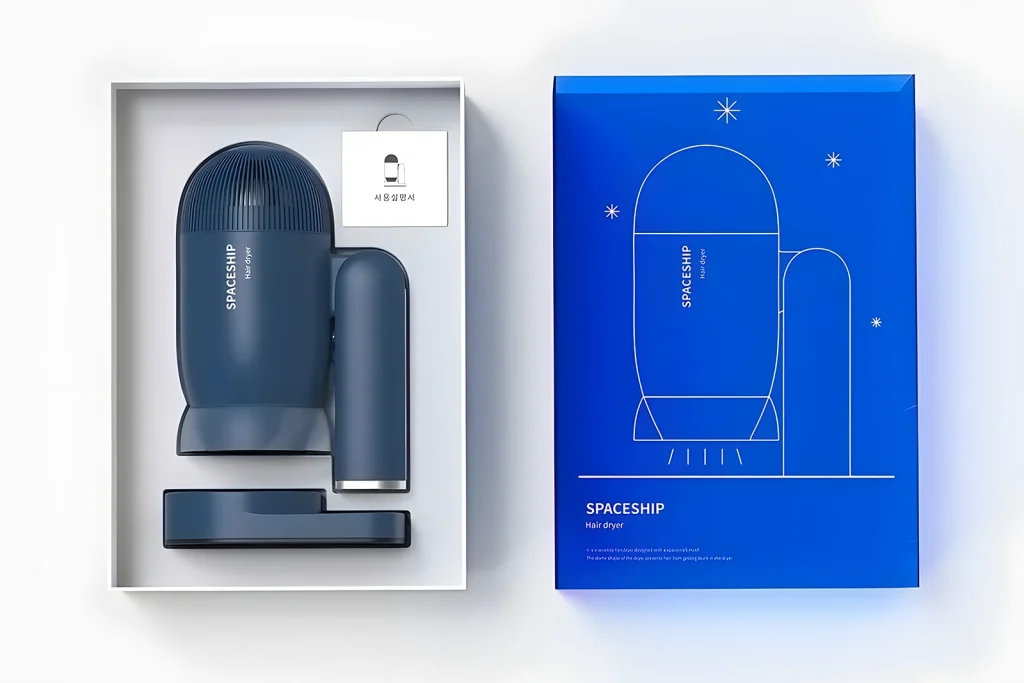
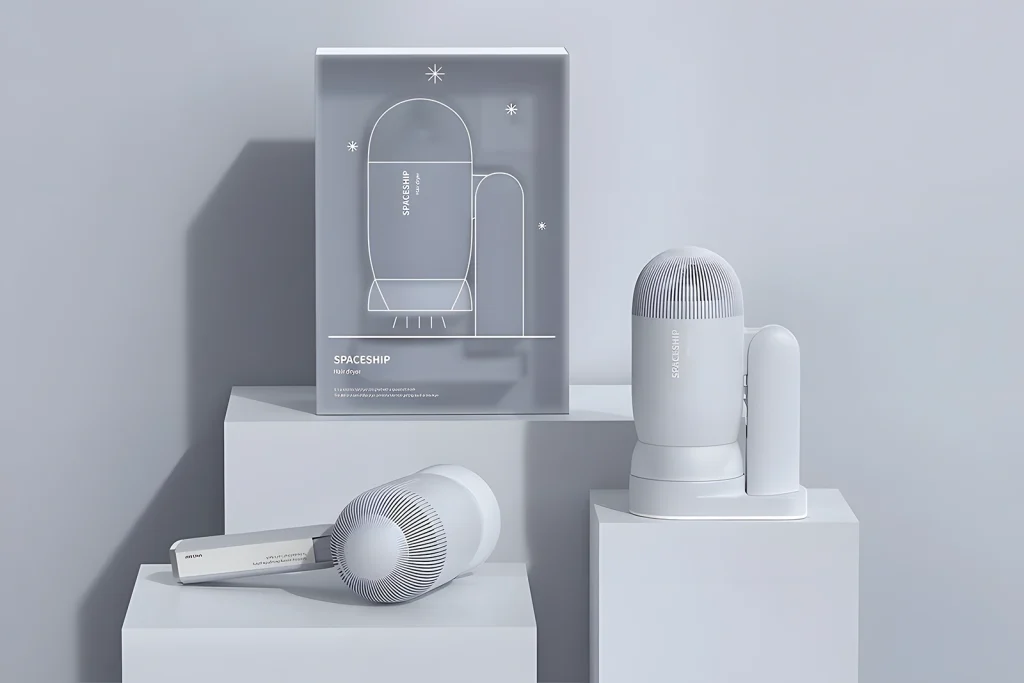
07. Spaceship Hair Dryer
The Spaceship Hair Dryer transforms into a spaceship, with the charger’s base acting as a launch pad, featuring a wireless design.

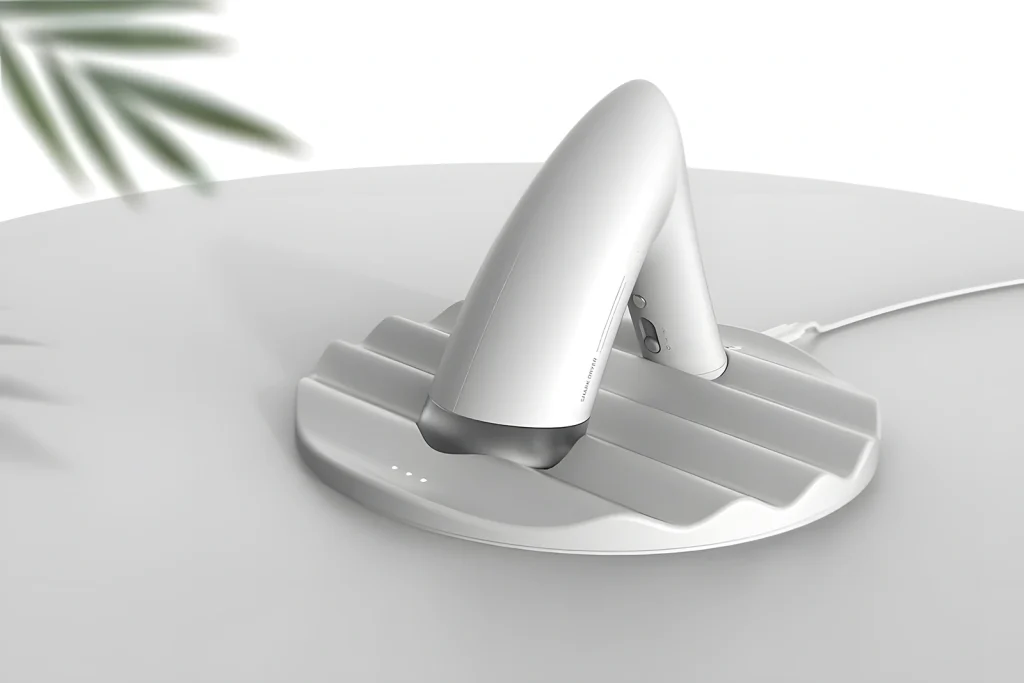
08. Wireless Shark Hair Dryer
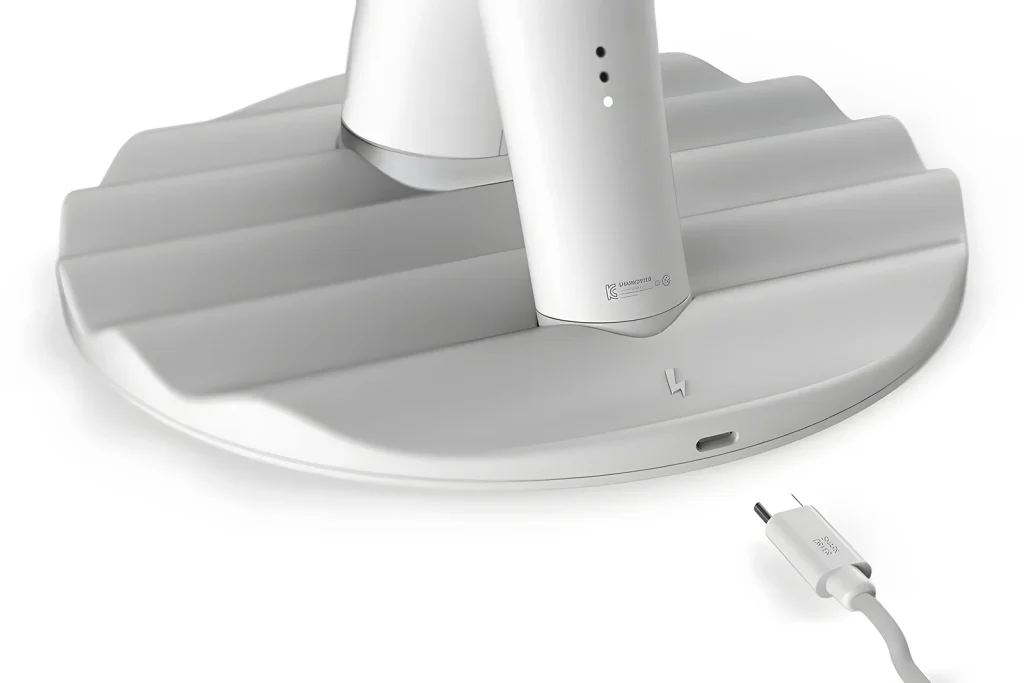
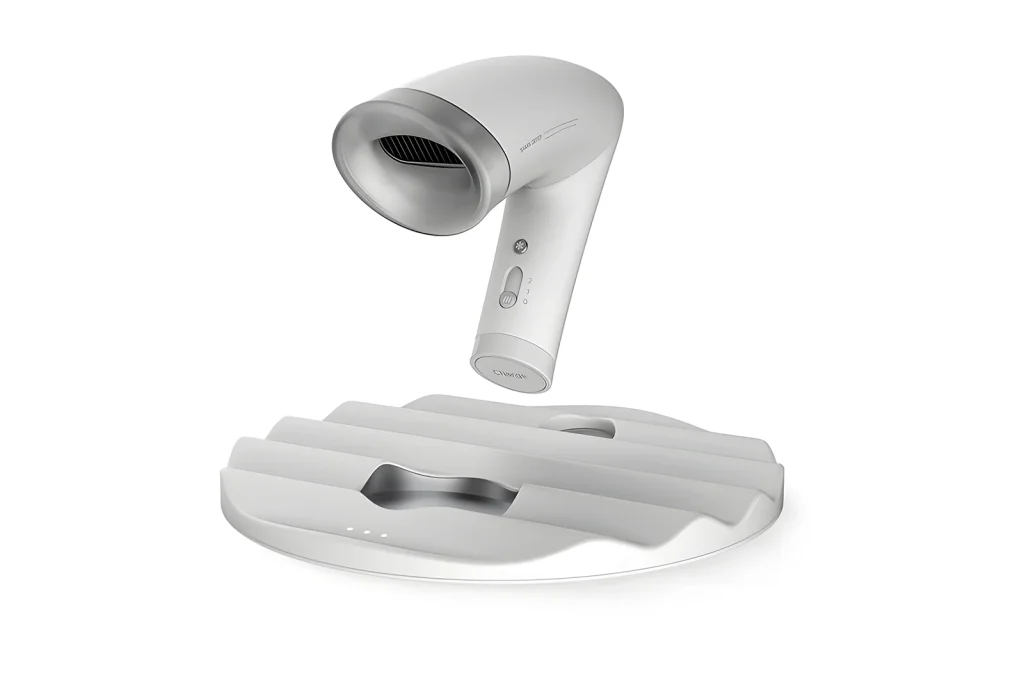
This conceptual wireless shark hair dryer is designed for children, with the fin serving as a dryer and the wireless charging pad shaped like a wave. The front of the handle has a switch to adjust the temperature, and the back of the handle has three indicator lights representing the switch and battery level.
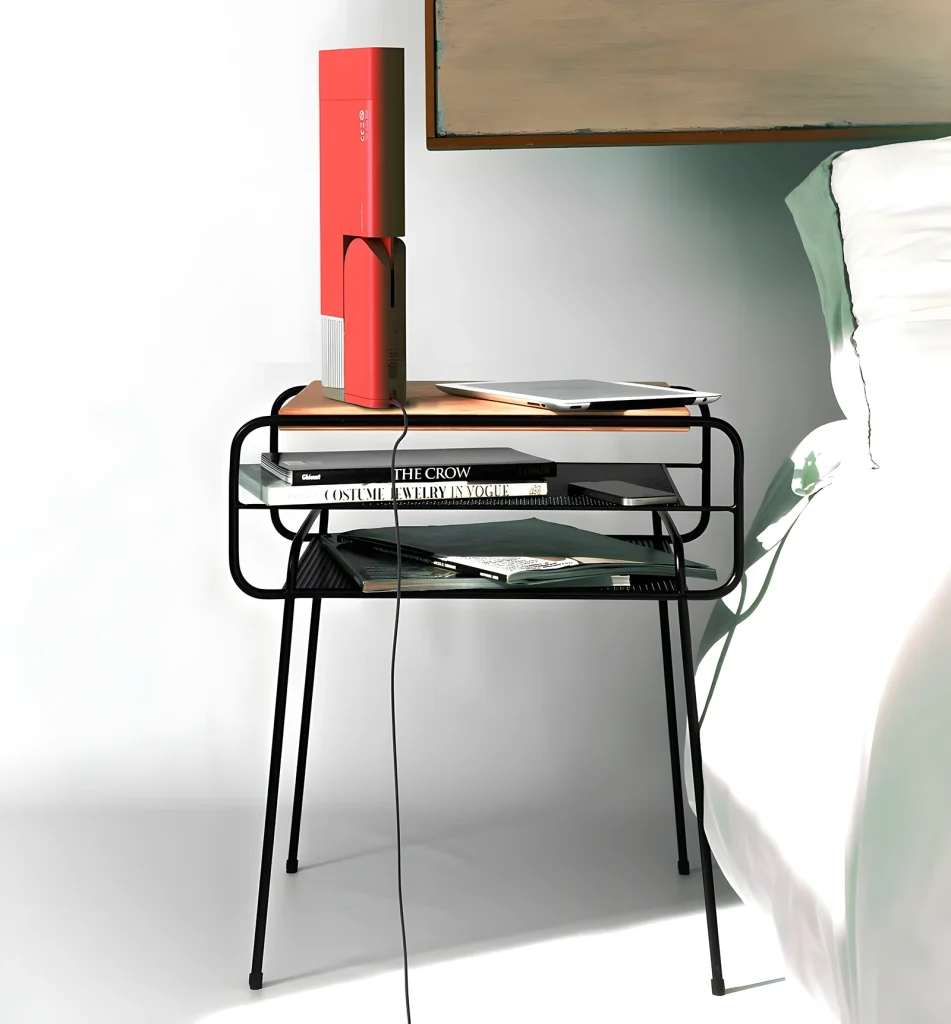
09. RED
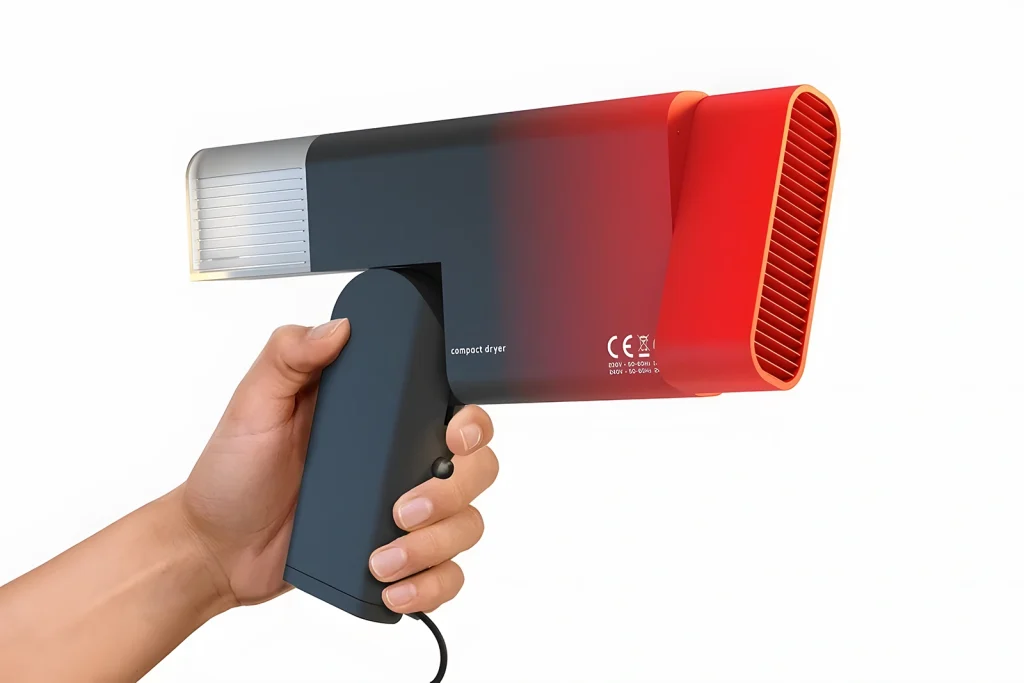
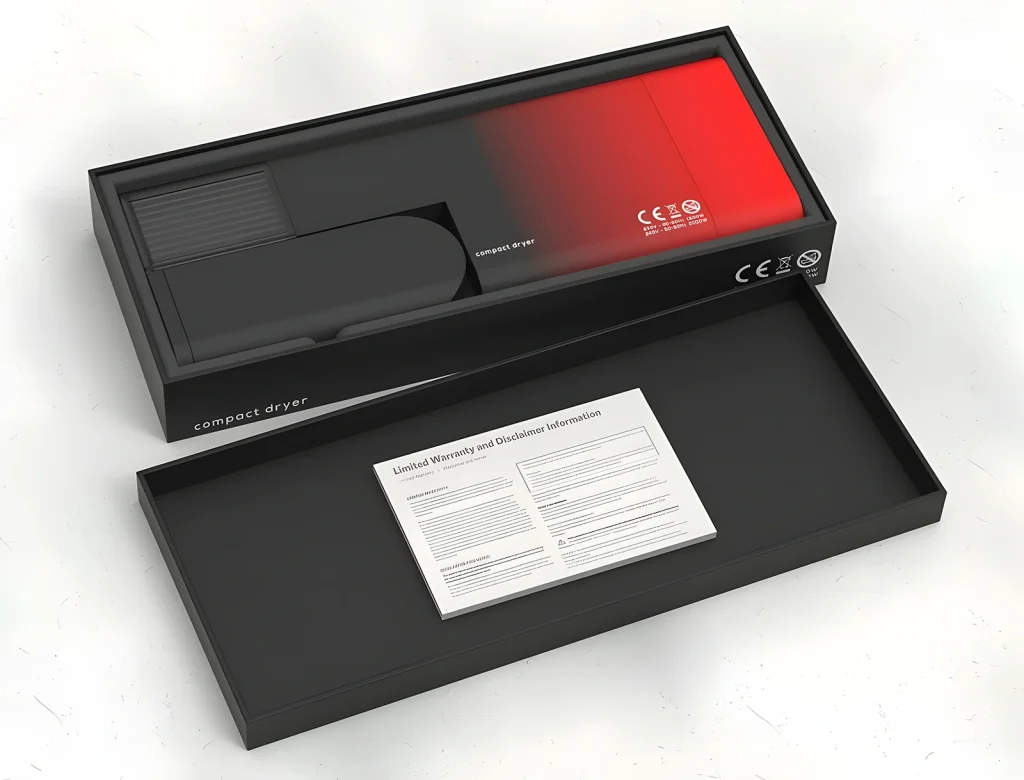
RED aims to create visually impactful products. Its clever rotating foldable handle design transforms the hair dryer into a geometric shape, making it easier to store.
10. HIFIVE Hair Dryer
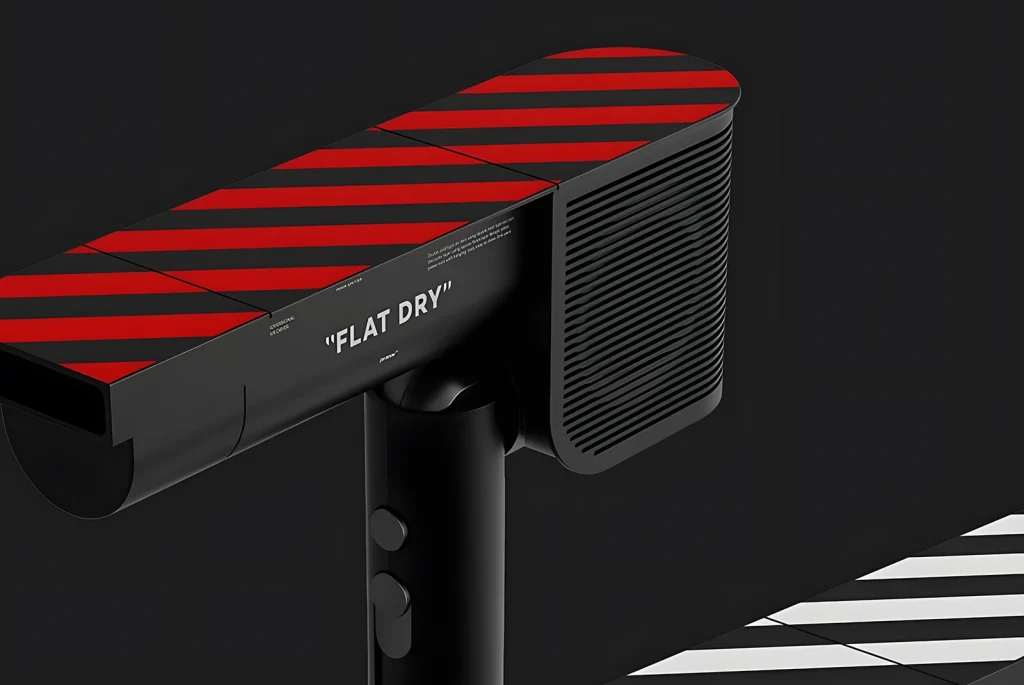
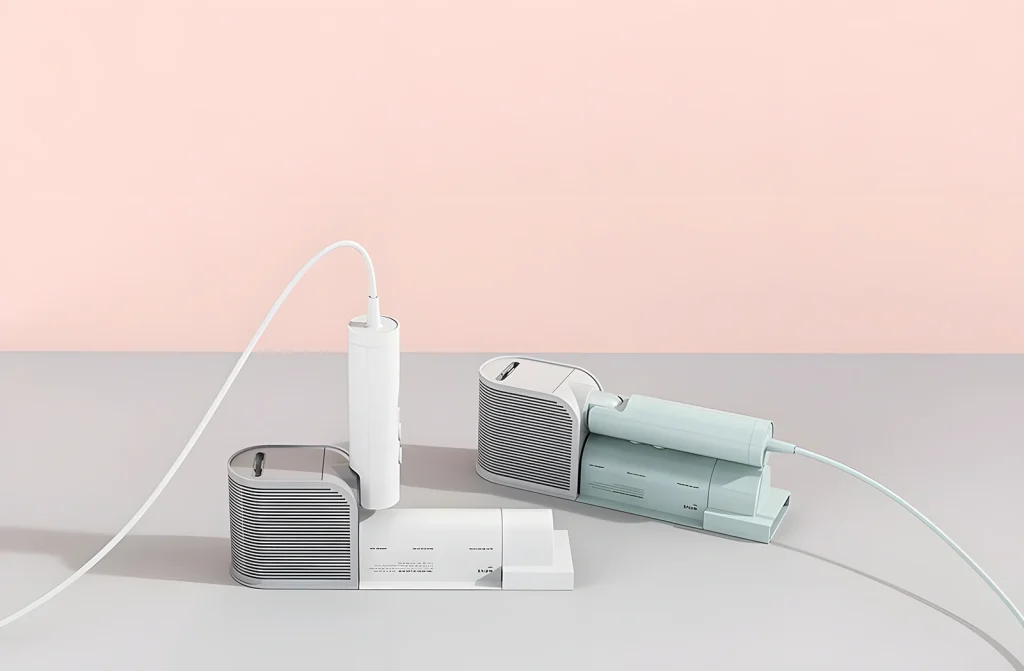
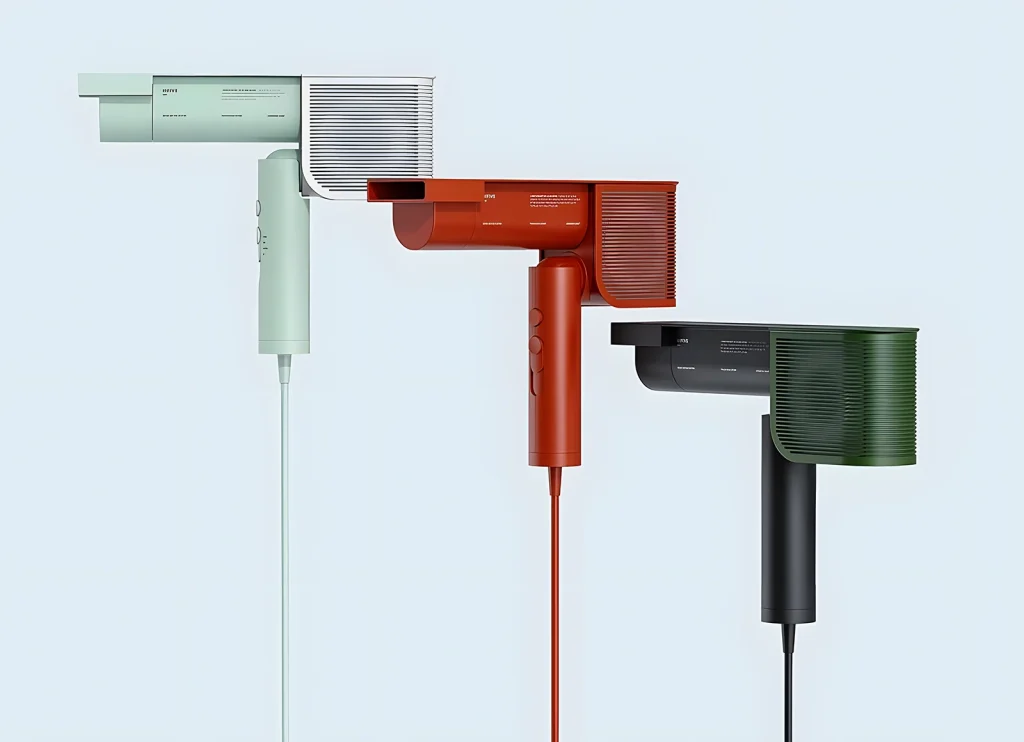
HIFIVE is a new concept hair dryer that maintains the cylindrical handle and semi-nozzle design for ease of use. Unlike other hair dryers, it features a flat top surface to stabilize it when placed down. The foldable handle and compact foldable shape also make it convenient to carry.
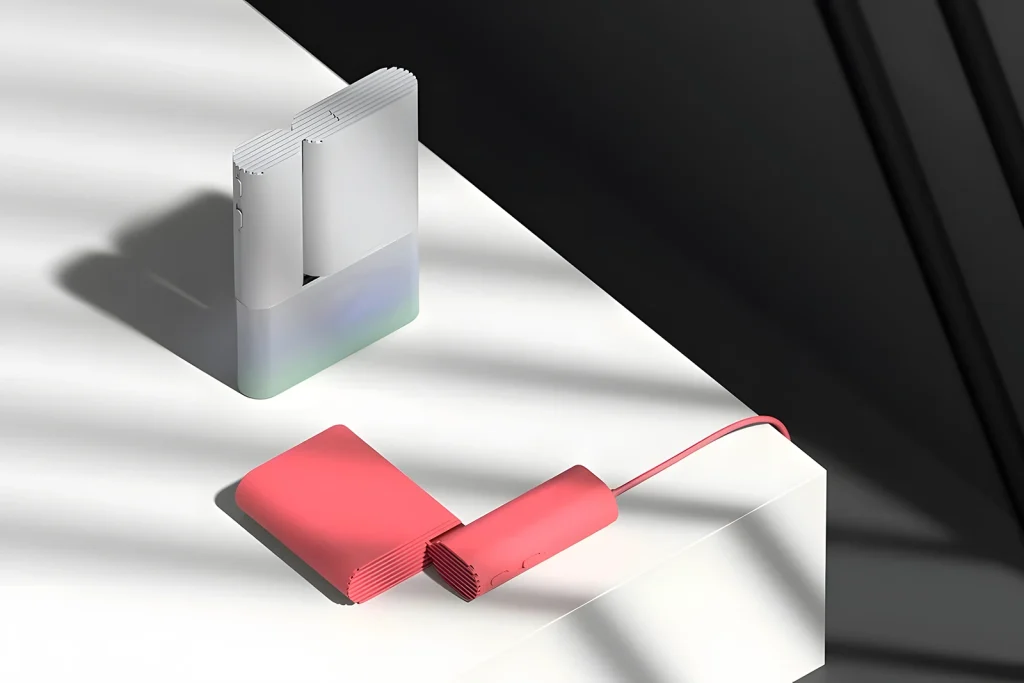
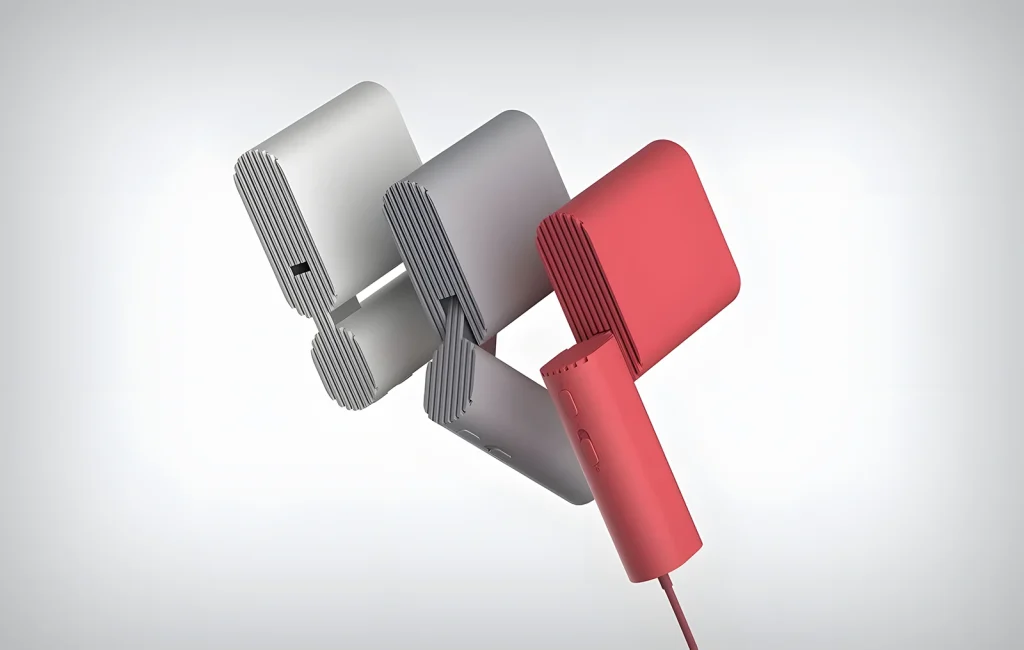
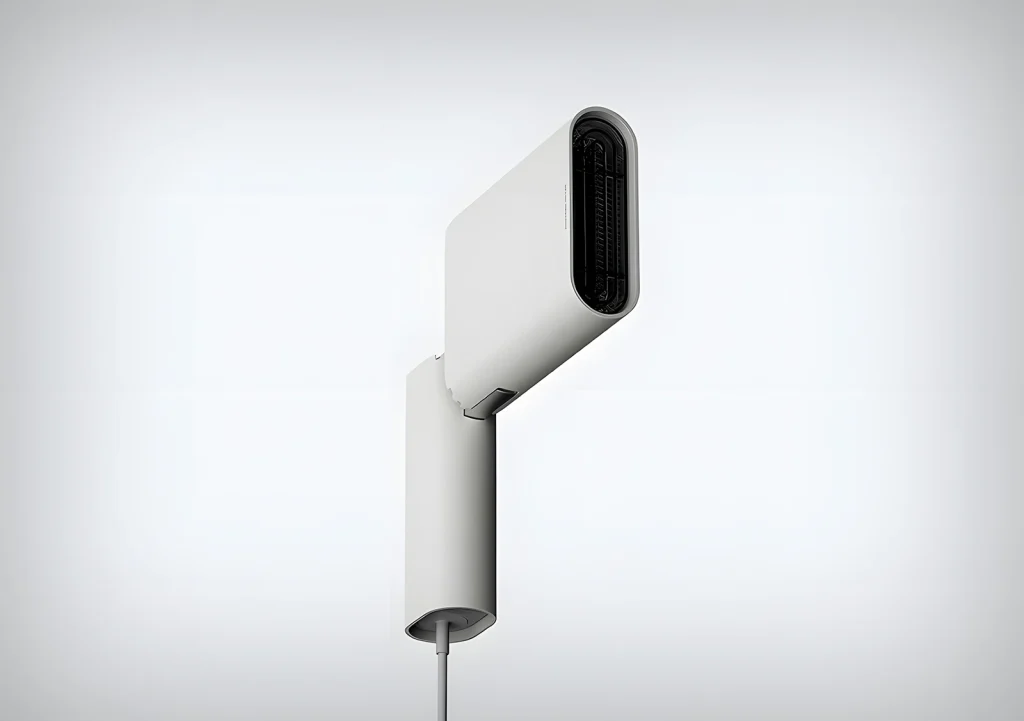
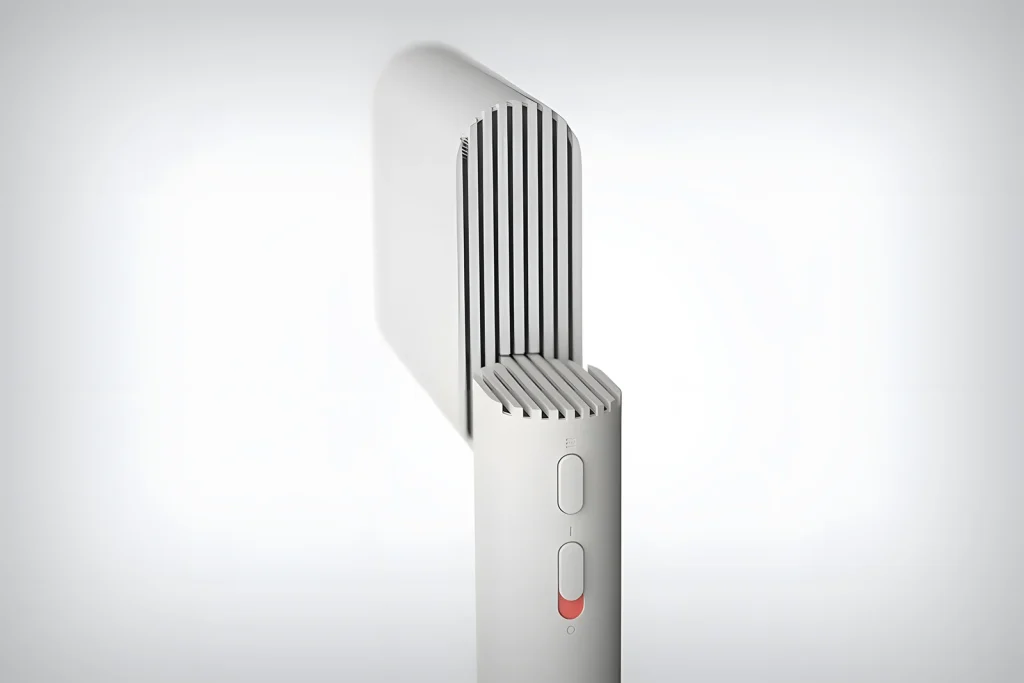
11. Square Dryer
The Square Dryer differs from spherical hair dryers with its slim, foldable design that takes up minimal space. Air blows vertically, covering more hair when upright. It also comes with a sleek clip-on container for cord management, keeping the power cord concealed.
12. Edge
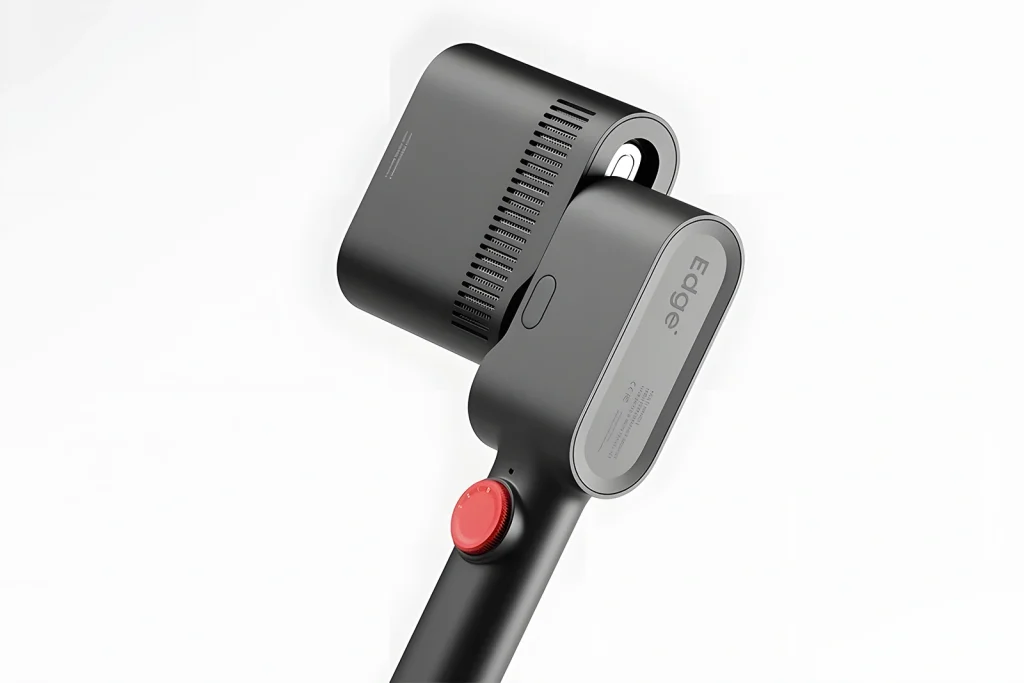
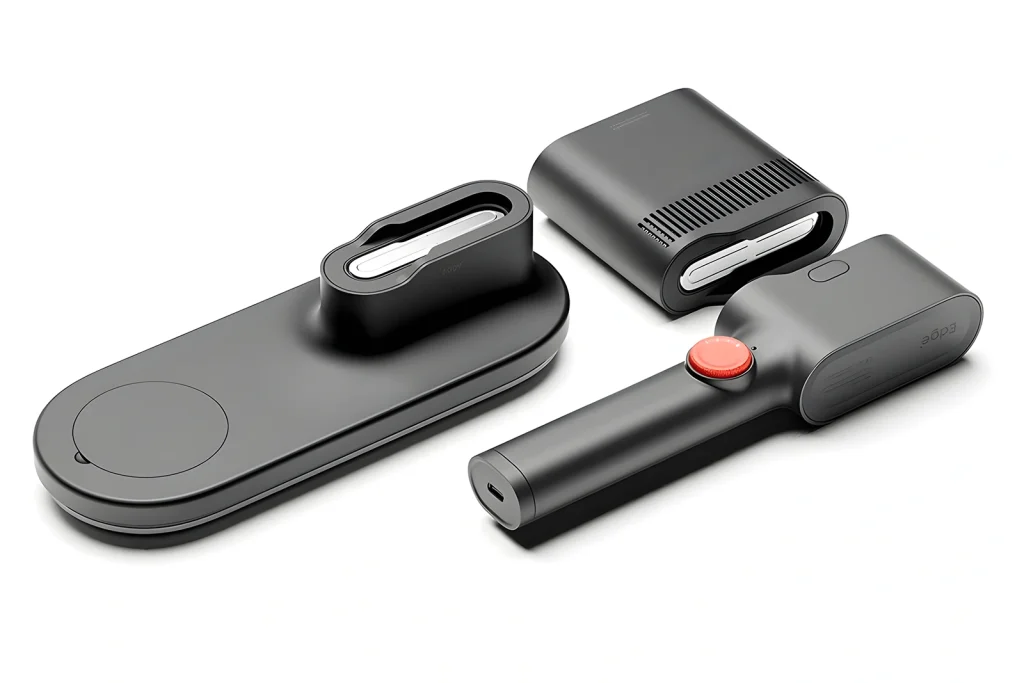
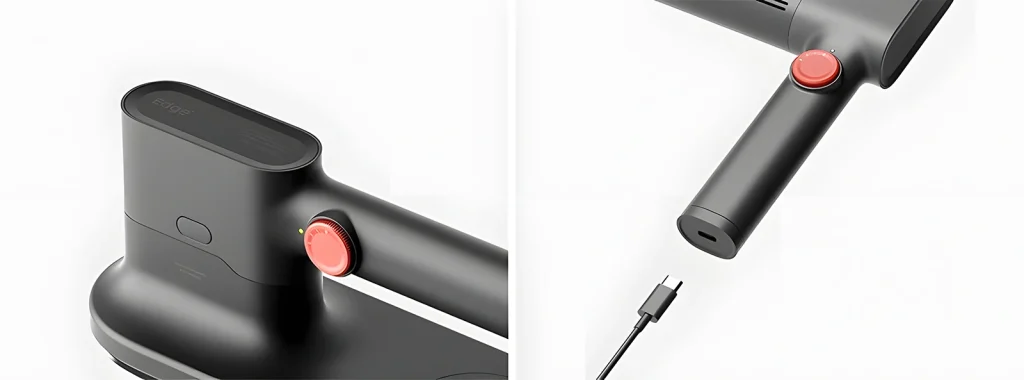
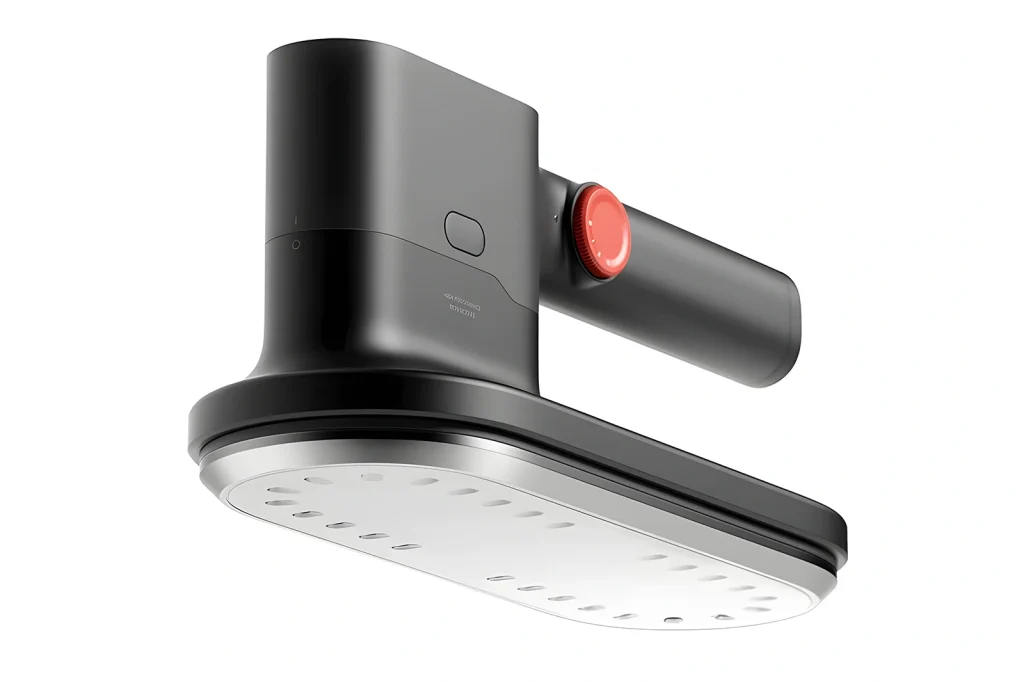
Edge is a compact two-in-one device providing not only a hair dryer but also a “multi-handle” and “iron.” Its slide structure allows easy combination of each module, reducing the risk of module disassembly during use. It combines the structural similarities of two products, operating both with a single power source.
13. Fondre Hair Dryer
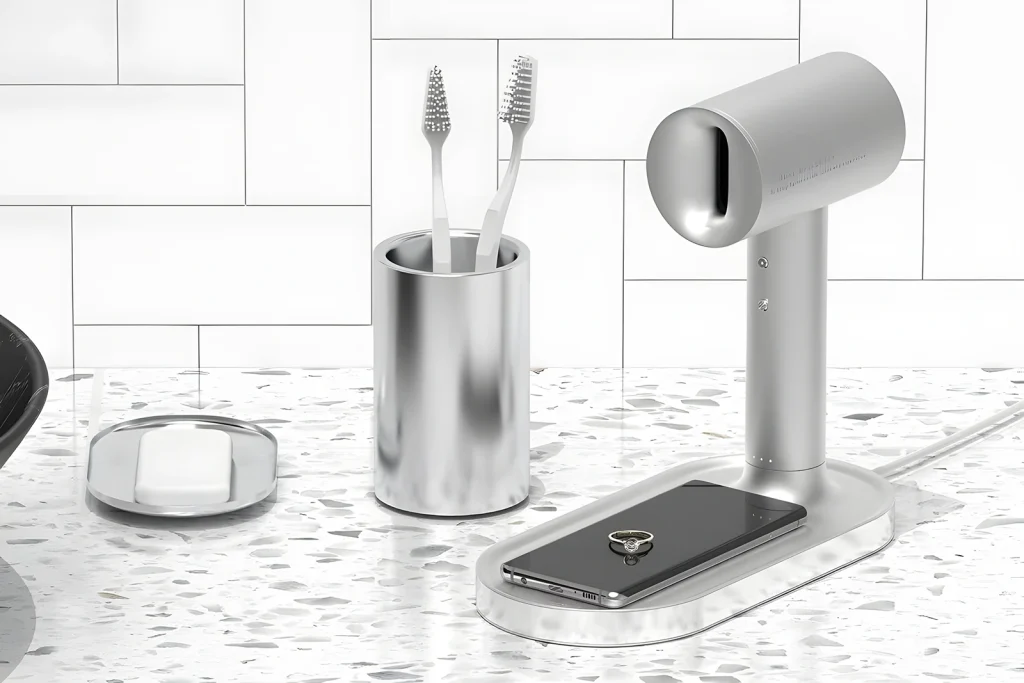
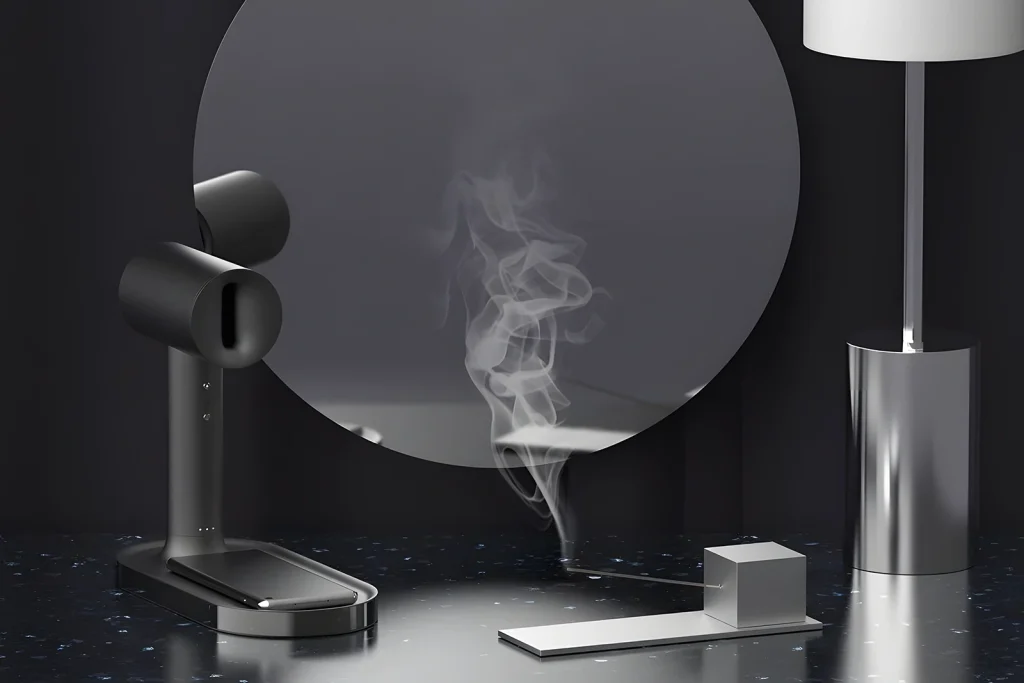
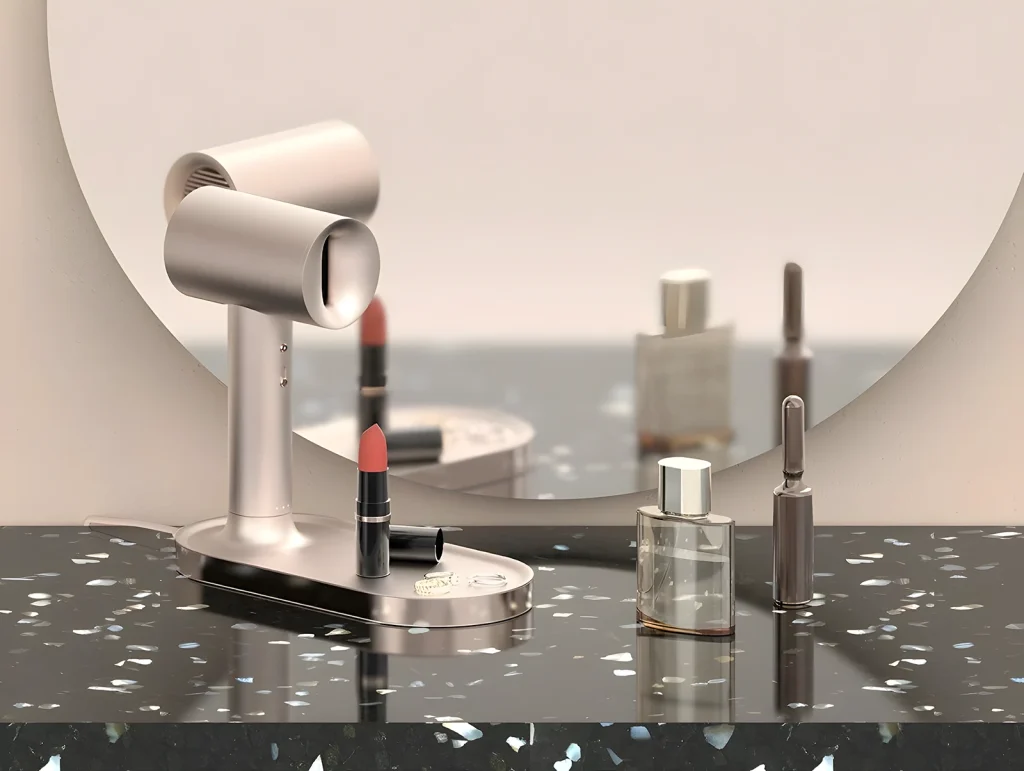
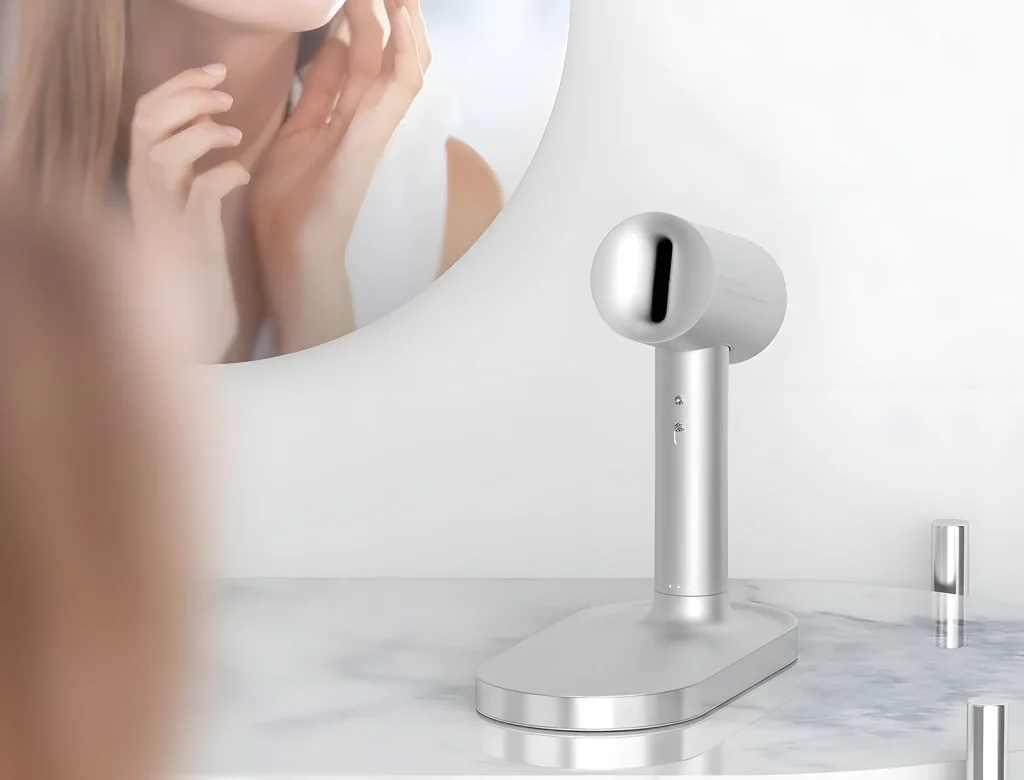
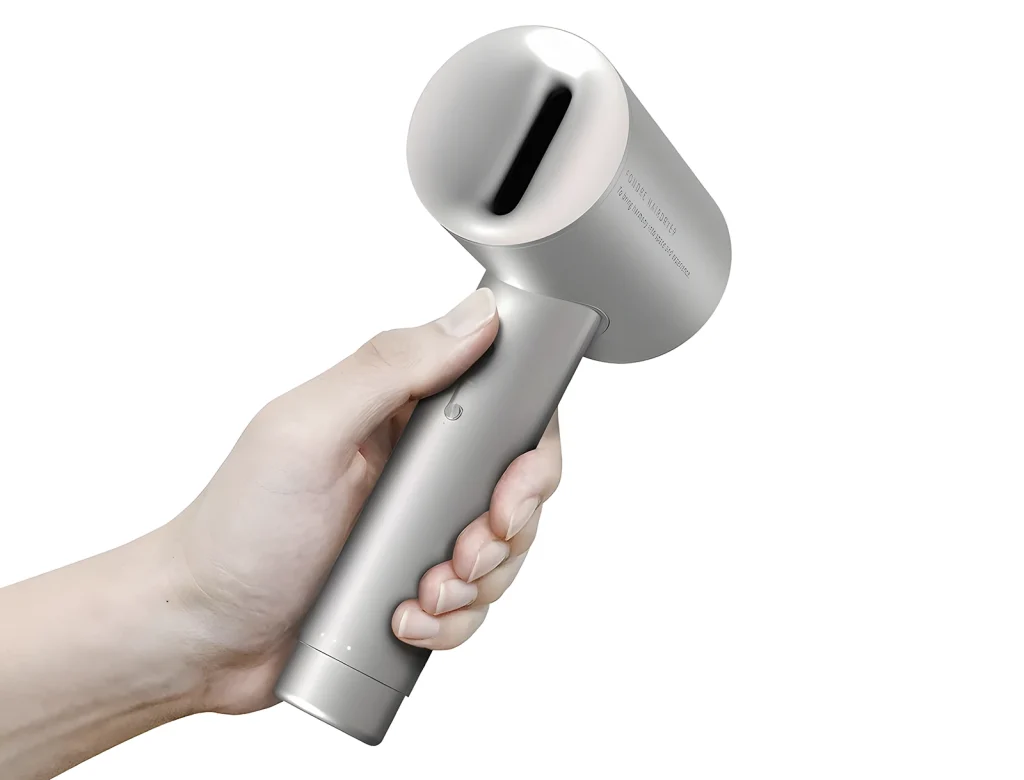
Fondre is a wireless hair dryer that can be used on its base or held in the hand. It embodies aesthetic value through a beautifully simplified form and carefully considered CMF elements, making it an excellent hair dryer.
Conclusion
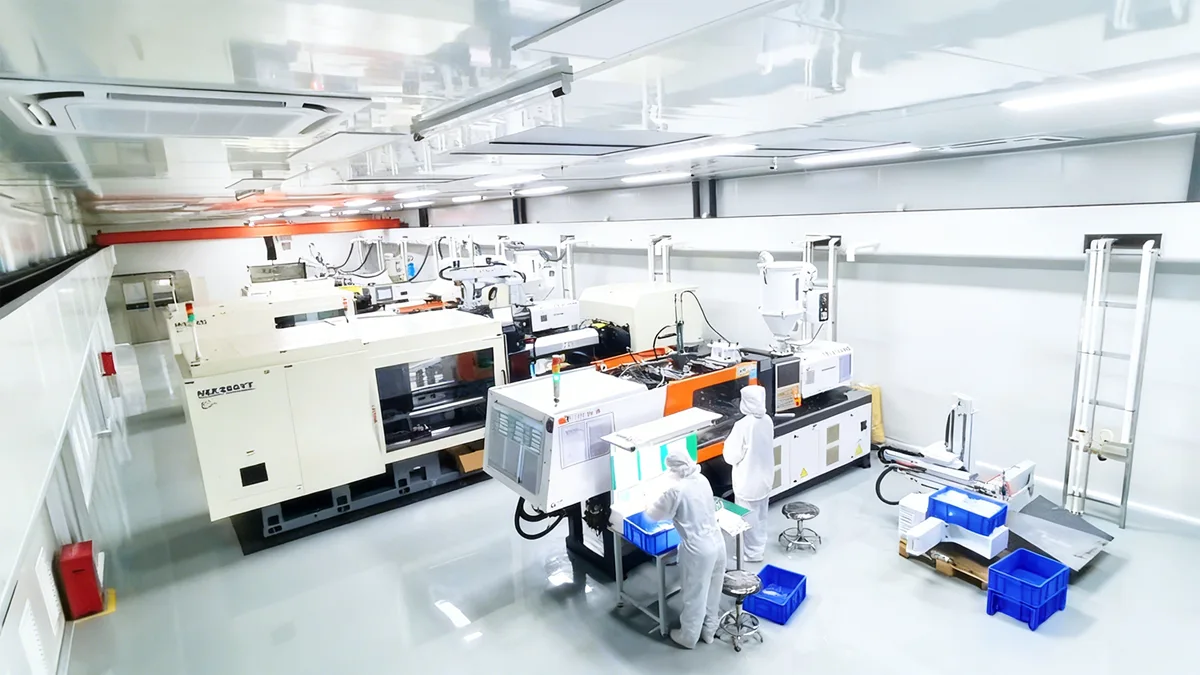
Creative hair dryer designs with rich imagination not only need to consider user experience and appearance but also manufacturability. FirstMold has extensive experience in rapid tooling for hair dryers and injection molding for hair dryers. Click here to submit your hair dryer model for a free quote and design advice from us.





 EN
EN  ES
ES  FR
FR  DE
DE  IT
IT  PT
PT  NL
NL  PL
PL  AR
AR  JA
JA  KO
KO  ZH
ZH