

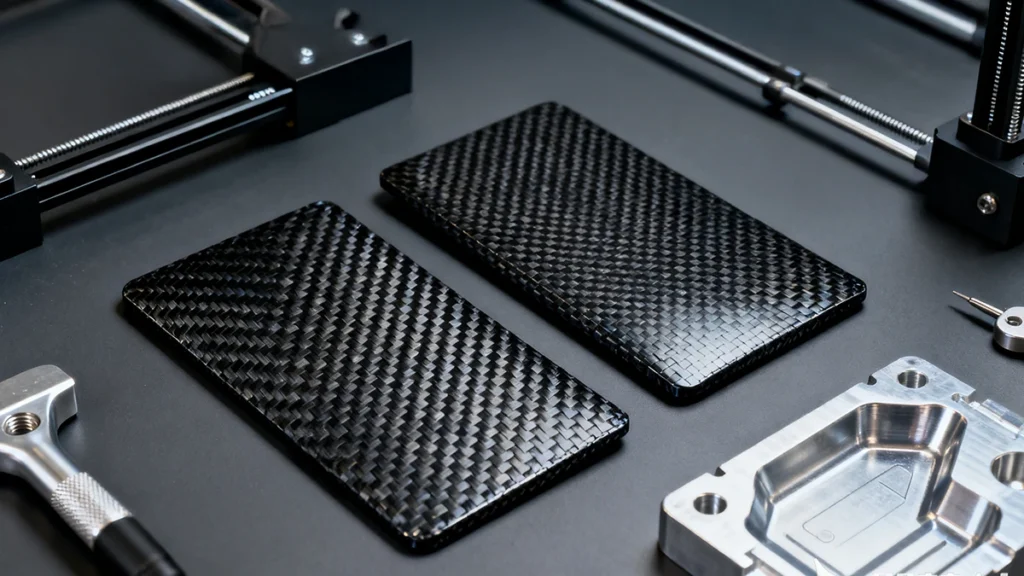
Prototyping is a vital part of product development that allows for the evaluation of design, early testing, refinement, and validation of ideas before they go to full-scale production. There is growing research on materials that will offer better properties at reduced weight compared to traditional materials.
The high strength-to-weight ratio and stiffness of carbon fiber are top of the reasons why it has become the preferred choice across several industries. These properties give it an edge over steel, aluminum, and other materials for lightweight prototypes. Compared to other materials, it offers a combination of efficiency, speed, and high-quality output.
Carbon fiber prototyping is used in the aerospace, sporting goods, and automotive industries. However, Carbon fiber is not only used for prototyping but for the creation of various fully functional parts. The use of this material in aircraft has helped to achieve 20 to 30% weight reduction as well as lowering the structural design costs by 15 to 30%, according to a recent publication in Elsevier’s Thin-Walled Structures volume 209 [1].
Airbus’ 2035+ vision aims to reduce cabin weight by up to 40% using lighter, bionic elements, which will further improve range, fuel efficiency, and overall performance. Carbon fiber will likely be one of the materials that will be used to achieve that aim. The table below shows how carbon fiber compares to other materials
| Material | Carbon Fiber | Aluminum | Plastic |
|---|---|---|---|
| Specific Strength | 2,457 to 3,766 kN.m/kg [2] | 100 to 250 kN.m/kg [3] | 25 to 85 MPa [4] |
| Density | 1600g/m3 | 2,700kg/m3 | 900 to 1480kg/m3,depending on type |
| Stiffness | 5 to 10 times stiffer than aluminum | Moderately stiff | Bend easily |
| Application | Best for where weight reduction is important | Best where cost-efficiency and durability are vital | Cost-effective and versatile |
| Cost | Expensive | Moderately expensive | Affordable |
Carbon fiber can be 5 times stronger than steel and 2 times stronger than aluminum of the same weight. The specific properties of the carbon fiber will depend on the type, the manufacturing, and the resin matrix.
Steps to Make a Carbon Fiber Prototype
Resin transfer molding, prepreg lamination, and wet layup are the most common techniques used in prototyping with carbon fiber. The choice of method will usually depend on the company’s tooling capabilities, budget, desired properties, or complexity. Before proceeding to prototyping, every manufacturer must factor the following into their creation of a carbon fiber prototype.
- Fiber orientation: The orientation of the fiber will affect the product’s mechanical properties. Therefore, ensure proper orientation.
- Resin compatibility: The hardener and resin must be compatible with the preferred manufacturing method and carbon fiber.
- Vacuum bagging: This is an important step in carbon fiber prototyping, especially when using the prepregs method. It helps to remove air pockets and consolidate the layers.
Key materials you will need for prototyping include resin, carbon fiber fabric, release agent, hardener, brushes, and mixing cups. It is extremely important to ensure your body is properly covered with the right protective gear when working with carbon fiber and resins. Here are the steps involved in making a carbon fiber prototype.
1. Design and method selection
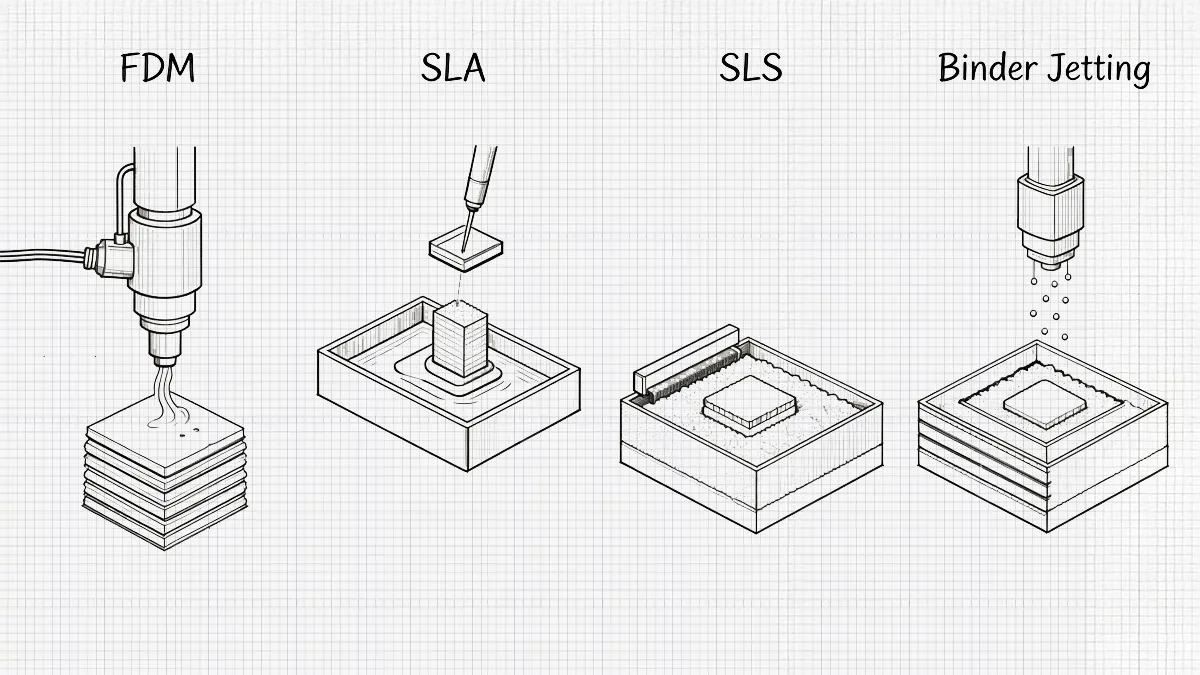
The process of creating a prototype using carbon fiber begins with the creation of a 3D model of the intended part or product using CAD software. Afterward, decide the method you will use to bring the 3D model to life. The manufacturer can either 3D-print the mold or use the traditional mold-making method. Once you have the mold, coat it with epoxy to create a smooth, polished surface.
2. Layup or molding
The mold is coated with a release agent to prevent the carbon fiber prototype from sticking to it. The goal is to make it easy to separate the finished part from the mold. After the application, use either a layup or molding technique to create your prototype:
- Wet layup: Apply the resin directly on the mold and layer it with carbon fiber. This method is ideal for cost-effective, low-volume production of prototypes.
- Prepreg lamination: Layers of carbon fiber pre-impregnated with partially cured resins are laid on the mold under controlled temperature and pressure. This allows the manufacturer to precisely control the orientation of the carbon fiber and the resin content.
- Resin Transfer Molding: The dry carbon fiber is placed in a mold cavity, and liquid resin is injected into the mold cavity, where it impregnates the fibers. It is often the preferred choice for creating parts with complex shapes or tight dimensional tolerances.
3. Curing and finishing
The composite is allowed to harden. If prepreg lamination or resin transfer molding was used, curing will usually happen under controlled temperature and pressure. After curing, gently remove or separate the cured carbon fiber prototype from the mold (demolding).
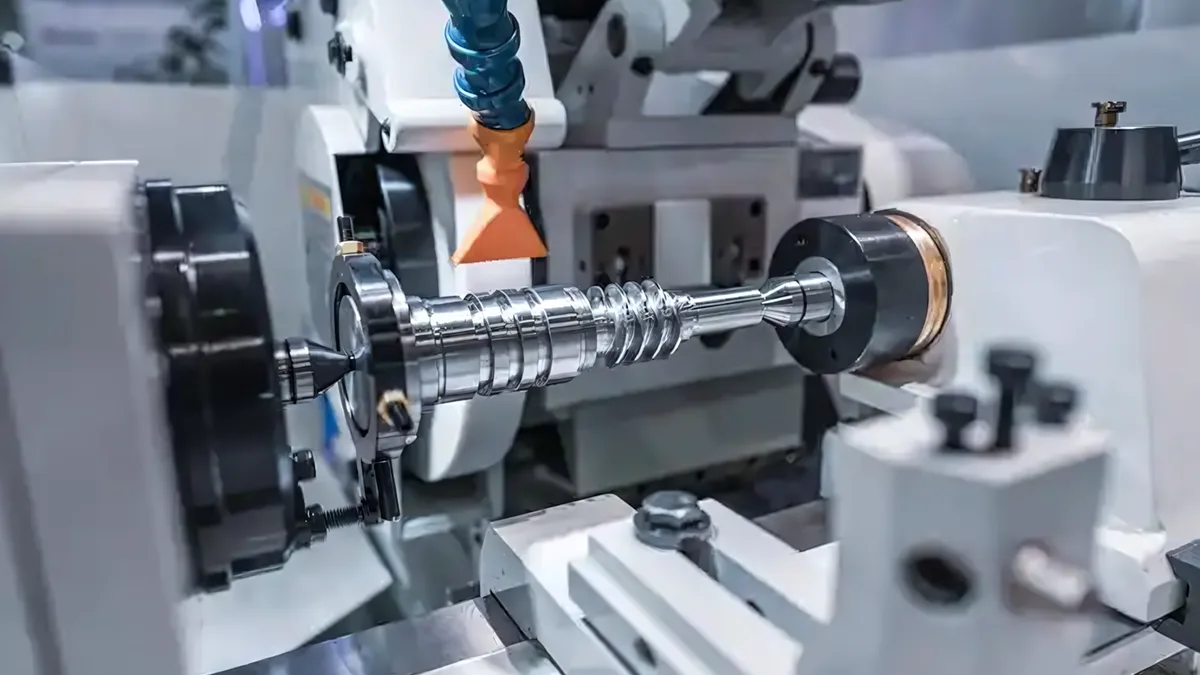
Finishing usually involves trimming out the excess material and applying a coating. Further processing, like precision detailing or shaping, can be achieved using CNC (Computer Numerical Control) machining. The process of machining carbon fiber can be challenging. For the best results, always work with an experienced manufacturer, like First Mold.
Common Carbon Fiber Prototyping Mistakes for Newcomers
The process of prototyping carbon fiber comes with unique challenges because of the complex manufacturing process and its high cost. A small misstep can have a huge impact on either the product’s integrity or the production budget. Here are some of the common mistakes that every newcomer must avoid.
1. Improper cost analysis
Carbon fiber cost is significantly higher than that of other traditional materials like plastic and aluminum. The excessive pursuit of high-modulus fibers can further push up the price, which can lead to the premature exhaustion of the production budget. Also, the high-modulus carbon fiber production process is energy-intensive. Unless necessary, choose intermediate-modulus fibers to lower the cost.
While high-modulus carbon fiber offers excellent stiffness, they have lower compressive strength when placed side-by-side with intermediate-modulus fibers, which can limit its structural competence for applications where significant compressive load tolerance is required.
2. Processing mistakes
The most common processing mistakes with carbon fiber prototyping arise when the technician lacks adequate skills or specialized equipment in the proper handling of any of the steps involved. For example, the curing of the resins used to bind the carbon fibers must be done at a specific temperature, pressure, and humidity. Failure to do so may lead to improper bonding and premature delamination or failure of the prototype.
3. Design specification pitfall
The common design error that carbon fiber prototyping newcomers often make is choosing the wrong laminate sequence, which can affect the stiffness and strength of the composite. The failure to properly balance and symmetrize the layup can have the same impact. Other design-related mistakes that commonly occur during production include:
- Manufacturers choosing a method for a specific part based on convenience rather than intended application and sustainability
- Not considering the resistance of the material to corrosion, which can lead to premature failure
- Improper tooling design can lead to surface inadequacies, like not properly accounting for the clamping mechanism and tolerance
- Splintering or cracking during machining due to the brittle nature of carbon fiber and improper machining parameters
Choosing Carbon Fiber Prototyping Services for Your Project
There are areas where you should never compromise when choosing a partner for your carbon fiber prototyping needs, including the supplier’s experience, quality assurance, and technological capabilities. These factors will determine their ability to meet your unique project needs.
Supplier evaluation table
| Factors | What to look out for |
|---|---|
| Expertise and experience | Ask the supplier to show you their track record in carbon fiber prototyping, including completed projects. |
| Certification | If your project is in a regulated industry, ensure the supplier has the requisite certification. |
| Technological knowhow | When possible, visit their facility and evaluate their production technologies. |
| Material selection | The right manufacturer must use carbon fiber material that matches your project’s requirements. |
| Quality assurance | They should have a robust quality assurance process from material to finished product testing. |
| Delivery speed | The turnaround time should be fast enough to meet your project’s deadline |
| Cost | Choose a supplier that offers the most value for money, which may include post-production support. |
Pay extra attention to the supplier’s cost transparency, which should clearly state labor, material, and machine time costs. For example, the mold modification fee is usually $200 or more per time. Labor, material, and machine time required to complete the geometry or feature alteration will determine the actual cost. The type of mold material and the modification complexity will add to the cost. In other words, you will only know the total cost at the end of production.
With this method of cost evaluation, it will be harder to properly estimate the entire cost of carbon fiber prototyping. Instead, we recommend choosing a supplier that offers fixed total price contracts. Here, the supplier will agree to complete the project for a fixed price. First Mold has been in the process of making prototypes through CNC machining for over a decade, and offers the most competitive fixed price contracts in the industry. You can book a free quote here.
FAQ
Carbon fiber has a superior strength-to-weight ratio compared to aluminum, steel, and plastic, while also being lightweight, which makes it ideal for parts that require high strength.
Carbon fiber is lightweight, possesses high strength, such that parts with complex geometries can easily be created. Also, manufacturers can achieve faster prototyping when using 3D printing.
Carbon fiber filaments are compatible with most commercially available FDM/FFF 3D printers. However, the nozzle needs to be upgraded to hardened steel due to the fiber’s abrasive nature.
References
[1] Xu, X., Peng, G., Zhang, B., Shi, F., Gao, L., & Gao, J. (2024). Material performance, manufacturing methods, and engineering applications in aviation of carbon fiber reinforced polymers: A comprehensive review. Thin-Walled Structures, 209, 112899. https://doi.org/10.1016/j.tws.2024.112899
[2] DeMerchant, C. (n.d.). Carbon fiber characteristics. ChristineDeMerchant. https://www.christinedemerchant.com/carboncharacteristics.html
[3] ChemEurope. (n.d.). Specific strength. Chemeurope Encyclopedia. https://www.chemeurope.com/en/encyclopedia/Specific_strength.html
[4] MatWeb. (n.d.). Tensile property testing of plastics. MatWeb Reference. https://www.matweb.com/reference/tensilestrength.aspx




 EN
EN  ES
ES  FR
FR  DE
DE  IT
IT  PT
PT  NL
NL  PL
PL  AR
AR  JA
JA  KO
KO  ZH
ZH