


As designers, 90% of the products we design are meant to be manufactured, not just concepts on paper. Therefore, understanding how a product “comes to life” is very important. It allows us to have a clearer mindset when designing, helping to avoid various issues during the production phase.
Knowledge of the nuances of the molding process demands and production scalability. The knowledge starts from the selection of materials and the design molding to the post-processing. It improves the overall manufacturing process, hence optimizing production strategies. The use of the strengths of injection molding and extrusion molding increases product innovation. In the long run, it improves their operational efficiency and meets the different market expectations in the required manner.
Injection Molding Process
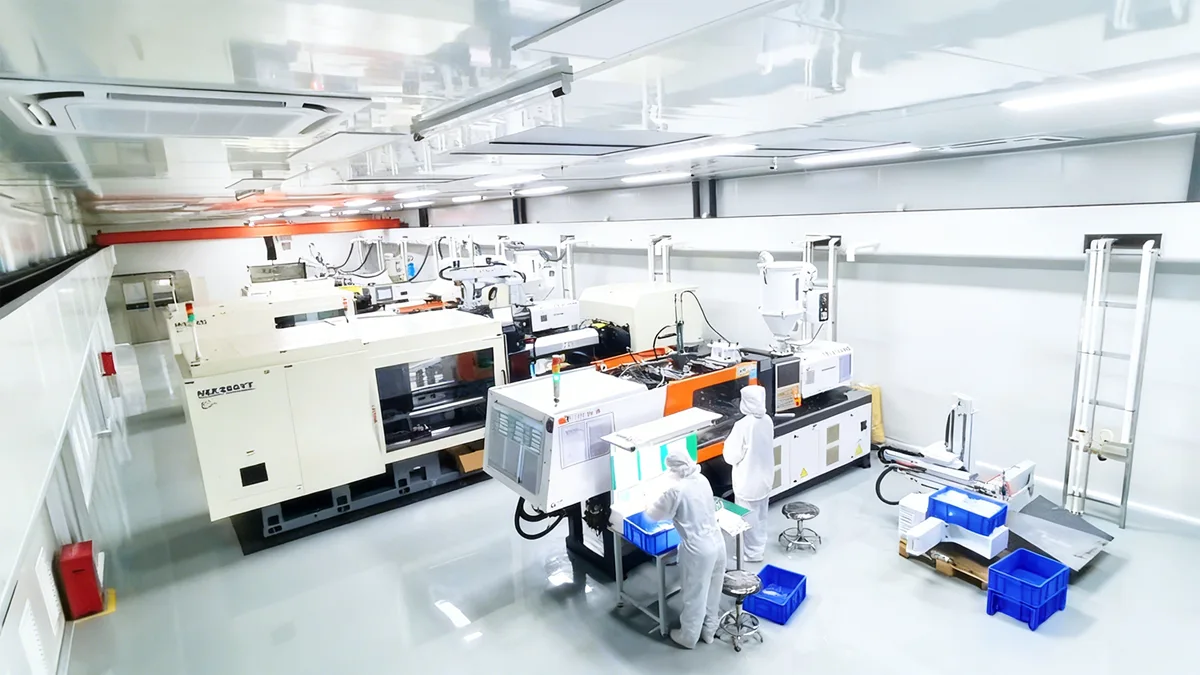
Injection molding is the peak of precision in the technical state of plastic manufacturing. The process is sophisticated and begins with thermoplastic heating, which makes the plastic molten. It then undergoes forceful injection in the effectively designed mold cavity in a high-pressure process. The main benefits emanate from the production of intricate parts. A key factor of the intricate part is the intricate features and tolerances. The process makes it indispensable for entities and companies. Major companies that use the process are consumer, manufacturing, and medical.
The automotive elements benefit from the complex geometries of injection molding capabilities, which are responsible for product safety and performance. Additionally, consumer goods use the process for ergonomic and aesthetically attractive products. The medical field, on the other hand, benefits from the reliability of the equipment. Reliability is a key requirement as a regulatory measure and standard.
The process is key to creating unparalleled part quality and consistent nature of the designed products. It is preferred for the production of large-scale products in diverse sectors. Upholding dimensional accuracy and material integrity is a priority in production cycles. It is crucial in the modern process of manufacturing.


Extrusion Molding Process
There is a difference between extrusion molding and injection molding. Most of the traits and factors that differ between the two are the shapes and uniform profiles. The strategy entails putting molten plastic in the die that shapes the materials. Major shapes include sheets, pipes, and tubing. The impact of the die is on different cross-sectional shapes of the plastics. The overall results are long, and standard products have minimal material waste.
The manufacturing process is effective, especially for large product volumes in limited time frames. It is rapid and streamlined. The process is common in various sectors that stress part quality. Generally, extrusion molding is important in current manufacturing due to its efficiency and effectiveness. The long and continuous product adheres to the quality standards for all product requirements.
Process Flows Comparison Of Injection Molding vs Extrusion Molding
| Component | Injection Molding | Extrusion Molding |
|---|---|---|
| Process Description | Process of Injection of Molten material in the mold cavity. The result is complex shapes and parts. | The process incorporates applying pressure on melted plastic using a die to produce continuous shapes with consistent cross-sections. |
| The complex nature of Shapes | The process shapes possess more complexity, comprising in-depth details and dimensions that are precise. | The shapes and profiles are uniform and continuous, making the products suitable for making pipes and tubes. |
| Production Rate | The rate of production is moderate and sometimes high. The shift varies according to the complexity of the products and the time available. | The process is high, and it produces continuous lengths of products. |
| Costs of Tooling | The costs are slightly higher due to mold complexity and precision. | The costs of the tooling are lower compared to injection molding molds. |
| Material Wastage | The overall process records a moderate rate of wastage. It is due to the sprues and runners that are expected to be recycled. | The process encounters minimal waste. The minimal waste is due to the extrusion of the materials. |
Comparison of Material Selection and Applicability
| Component | Injection Molding | Extrusion Molding |
|---|---|---|
| Mold Complexity | The molds are complex, with different parts. | The molds are easy, seamless, and have less complex aspects. The major shape has continuous profiles. |
| Maintenance Tooling | The process requires frequent maintenance and cleaning due to complex structures and higher operational stresses. | The process requires low maintenance. This is due to the dies being simpler and undergoing less wear and tear during operation. |
| Cost of Tool | Companies incur massive investments. The cost of the complex nature of the tools and the requirements precisions | Low tooling costs accompany the process. However, some dies are specialized in creating essential profiles. |
Comparison of Production Efficiency and Costs
| Aspect | Injection Molding | Extrusion Molding |
|---|---|---|
| Speed of Production | There is a moderate speed per part. The output per mold is high due to multiple operations. | Production is speedy, and this is due to the continuous extrusion process; cycle times per unit length are efficient. |
| The requirements of labor | The complex nature of the process is characterized by high levels of skills and mold setup as part of the inspection and control quality. | The process required less labor due to the limited nature of the skill for the process. There is continuous operation and monitoring to help with extrusion lines. |
| Energy Consumption | The range of energy consumption is moderate to high. The process requires heating and cooling of molds and an injection process. | Proper and efficient energy use is made mainly for heating the plastics. Extrusion temperatures are key for enhancing the continuous extrusion process. |
| Cost-effectiveness | The process demands high per-part costs at the beginning. The costs are due to the massive production and the specifications that make the process complex. | The process incurs low per-unit costs, takes long hours, and is cost-effective for producing mass sheets and profiles. |
Precision and Complexity Comparison Of Injection Molding vs Extrusion Molding
| Component | Injection Molding | Extrusion Molding |
|---|---|---|
| Dimension Accuracy | The process demands high levels of accuracy, which are achievable and suitable for processes with intricate tolerances. | High levels of dimensional accuracy create consistent cross-sectional dimensions with uniform and long profiles and sheets. |
| Complex nature of the Parts | The process can incorporate highly complex parts with undercuts, internal features, and different textures on the surface. | The process has limited continuous profiles and sheets, which are suitable for applications that do not require complex internal geometries. |
| Surface Finish | Practical surface finish from the mold. The process reduces the post-processing requirements. | There is inadequacy in the use of continuous sheets and profiles. The process does not need complex internal geometries. |
Comparison of Product Quality and Characteristics
| Component | Injection Molding | Extrusion molding |
|---|---|---|
| Structural Distribution | The process comprises a high level of structural strength and integrity. The process strength is due to the existing conditions. | It has perfect and uniform profiles. The profiles are long and consistent, leading to a high level of integrity and applications. |
| Material Distribution | The material distribution is even, and it possesses a complex design for mining internal stress. It is also applicable for eliminating potential weaknesses. | There is uniform material distribution along the extruded profiles, leading to high levels of consistency and performance traits. |
| Performance Consistency | Performance consistency is initiated due to precise molding and material selection. | The existing and predictable performance in the application is in line with the properties of materials and the dimensions. |
Application Scenarios Comparison Of Injection Molding vs Extrusion Molding
| Component | Injection molding | Extrusion Molding |
|---|---|---|
| Typical Application | Effective for the automotive electronic, consumer goods, and medical devices | It is vital in the packaging. Also, window frames, tubing, profile construction, and the industrial sectors |
| Specific requirements | The process is key for high precision, technical geometries, and specialized processes, and it has diverse uses. | It offers continuous lengths, cost-effective production, and consistent profiles. |
| Adaptability within the Industry | The process is exceptionally applicable. It requires diverse geometries and materials. | The process is suitable for industries that demand consistent profiles and standardized shapes for massive levels of production. |
Comparison of Post-Processing
| Aspect | Injection Molding | Extrusion Molding |
|---|---|---|
| Needs for the post-processing | There are minor levels of post-processing for the past refinement. The minimal post-processing is due to high precision. | The other additional finishing includes surface texturing, cutting to length, and adding features such as grooves and holes. |
| Secondary Operations | Over-molding and insert molding are occasionally integrated into the injection molding process. . | Bending, punching, and cutting are key to the customization of profiles and lengths. |
| Complex Assembly | Their process exhibited a simplified process of assembly. The parts are molded with other features after integration. | The assembly enhances the extruded profiles, requiring more fabrication, fitting, and steps. |
Comparison of Production Cycles and Time
| Component | Injection Molding | Extrusion Molding |
|---|---|---|
| Stability of the process | The process is regarded as more stable. Stability is due to precise injection parameters. | The process is stable, consistent with material flow, and controls temperatures, which are important in upholding extruded products and uniformity. |
| Production Fluctuations | The rise and fall of production is due to the susceptibility of the material variations. Mold wear impacts the quality and dimension quality. | It is less sensitive to material fluctuations. Its focus is on die and extrusion consistency in the long sheets and profiles. |
| Quality Control | The process is facing numerous checks in and after molding. The objective is to increase integrity and conformity. | The continuous extrusion and monitoring, as well as periodic checks, provide dimensions and surface quality for the production. |
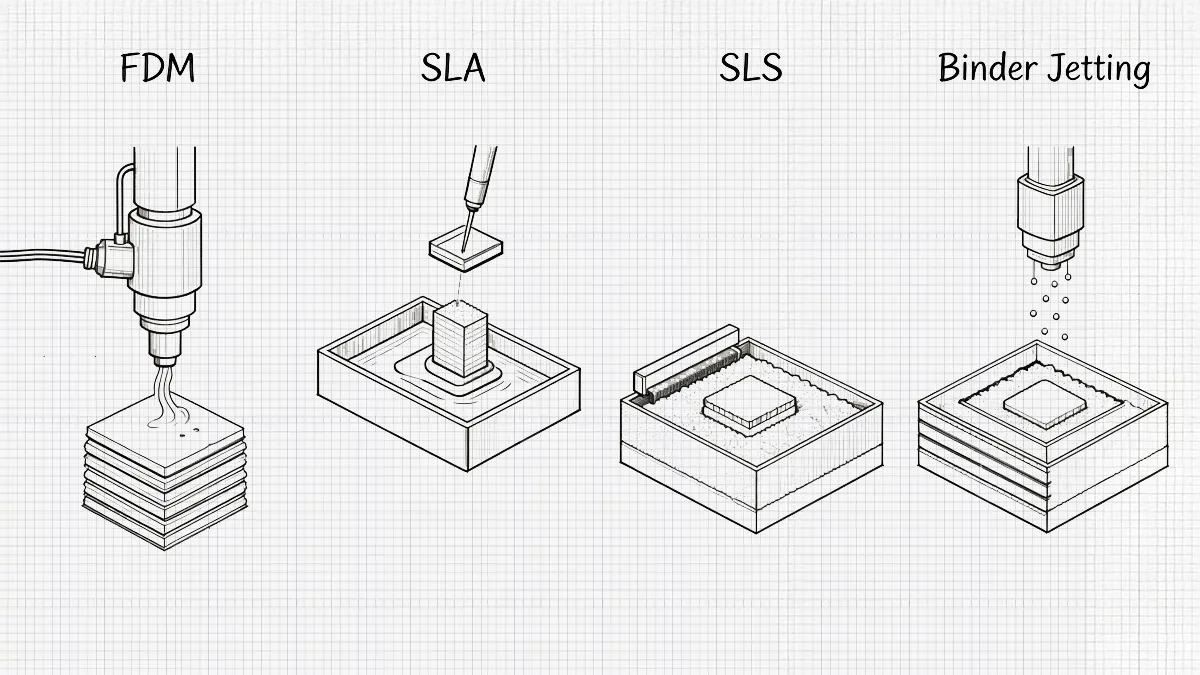
Tips: You might also find the differences between injection molding and 3D printing of interest.
How to Decide Which Process to Adopt?
- Part Complexity: injection molding provides superior precision for parts that exhibit intricateness and complex geometries.
- Product Volume: The extrusion molding process is effective for massive production, and more precisely, it is essential for uniform profiles.
- Production Volume: The extrusion molding process is more effective for long-term high-volume production. It also extends to uniform profiles and sheets. The process undergoes faster cycle times and has minimal initiation requirements.
- Material Properties: Focus on using some key material traits that are important for application. The specific materials have to be applicable and offer versatility. They also have to be effective in processing and handling other materials.
- Cost Considerations: Assess the per-unit cost of production. Other areas of focus are the overall lifecycle and per-unit cost of production.
- Application Requirements: Align the molding process with the application’s aesthetic and functional needs. Manufacturers need to check the method to ensure it complies with the manufacturing standards and regulations.
Conclusion
Extrusion molding and injection exist as important manufacturing processes. The material capabilities, quality consideration, and production efficiency define the process. The capabilities enable manufacturers to make the appropriate decisions.
Additionally, based on the two processes, there are differences in the final product traits and quality. There are also slight differences in process flow, selection, and applicability. Finally, there is also a difference in the production cycle and time.
The stability of the production and its flow determines the choice of the product in the process—the decision focuses on production efficiency, product design, and overall cost-effectiveness. Stakeholders can understand the complexities. The information has to guide them in choosing the appropriate process. The choice is instrumental in aligning manufacturing strategies with the market demands as well as product innovation.




 EN
EN  ES
ES  FR
FR  DE
DE  IT
IT  PT
PT  NL
NL  PL
PL  AR
AR  JA
JA  KO
KO  ZH
ZH